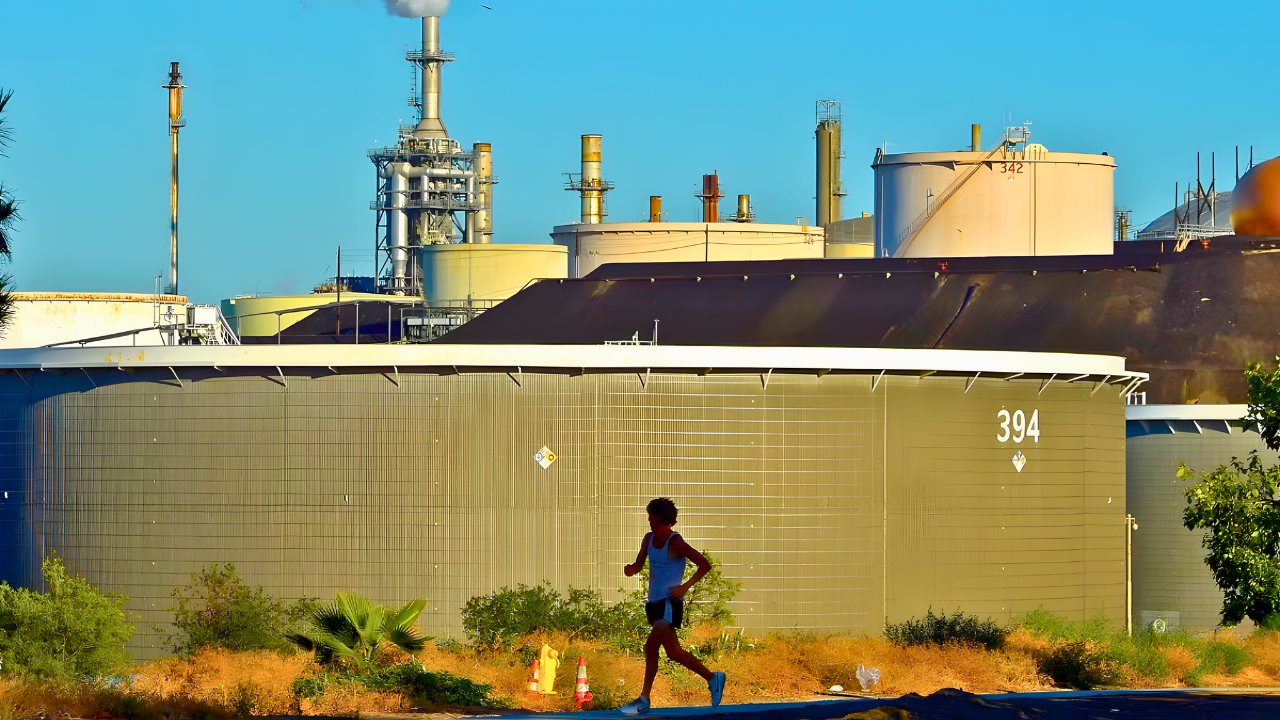
California’s oil refineries are disappearing fast. The state now has just 14 refineries. They process about 1.6 million barrels of crude oil each day. That’s down from 42 refineries 40 years ago. Daily fuel demand in the state sits at around 1.4 million barrels. This leaves only a small gap between supply and need.
Experts in energy economics say losing even one big refinery could close that gap. It would spike prices for gasoline, diesel, and jet fuel. Tens of millions of people would feel the pinch. The latest warning came in October 2024. Phillips 66 announced it would shut its Wilmington refinery near the Port of Los Angeles by late 2025.
This news hit right after Governor Gavin Newsom signed a new law called AB 1X2. The law gives the California Energy Commission power to control fuel storage, maintenance, and refinery work during emergencies. Leaders wanted to stop price swings and price gouging. But they did not expect refineries to close so quickly in the state’s strict rules. Now, fears grow over fuel shortages and higher costs.
Refineries Close, Fuel Supplies Tighten
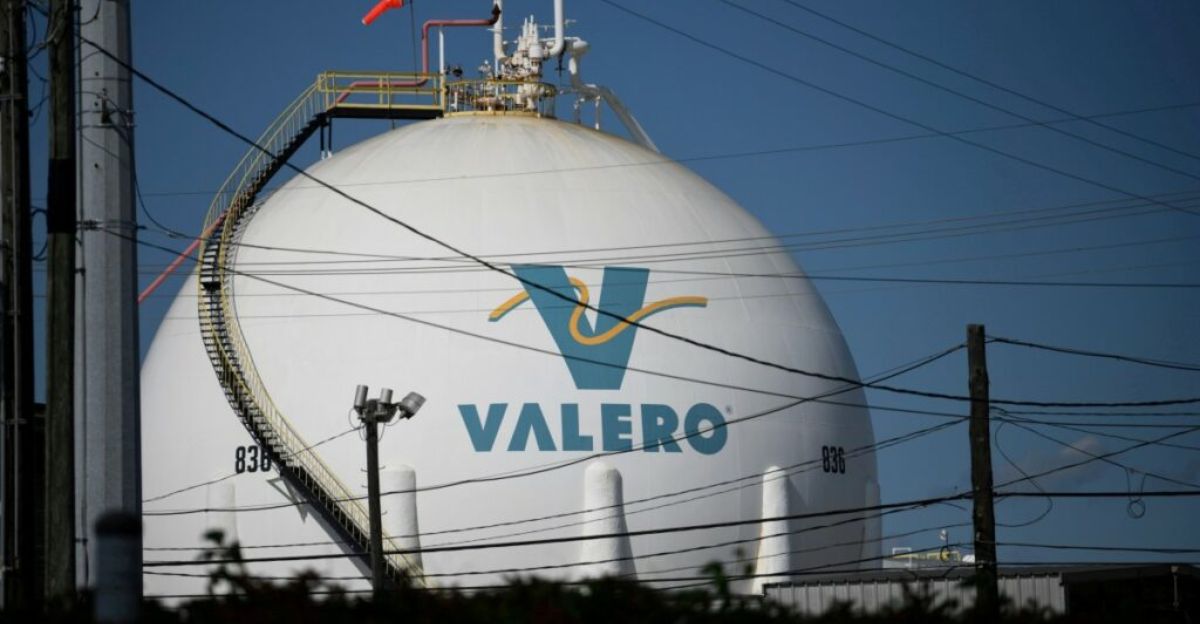
Phillips 66’s Wilmington plant is not closing alone. Valero Energy plans to shut its Benicia refinery in the Bay Area by April 2026. These two sites together handle 284,000 barrels a day. That’s 17% of California’s total refining power. Wilmington by itself processes 139,000 barrels daily, or 8.7% of the state’s capacity.
UC Davis economists predict these closures could push gasoline prices up by $1.21 per gallon by August 2026. This assumes no new supplies or big policy changes. The state might face fuel shortages now and then. It would rely more on imports from other states or countries. Phillips 66 says it will send gasoline from a plant in Washington. The company can charge higher California prices without the local operating costs.
State policies create a big conflict. Leaders push electric vehicles and green energy. But they still need old-school refineries to run and make money. In 2023, laws capped refinery profits to fight price jumps. By 2025, the governor’s team wanted to pause those caps to keep plants open. Gasoline use is dropping long-term anyway. This made closing refineries a smart business move for Phillips 66. Other companies now think the same.
A History of Serious Pollution
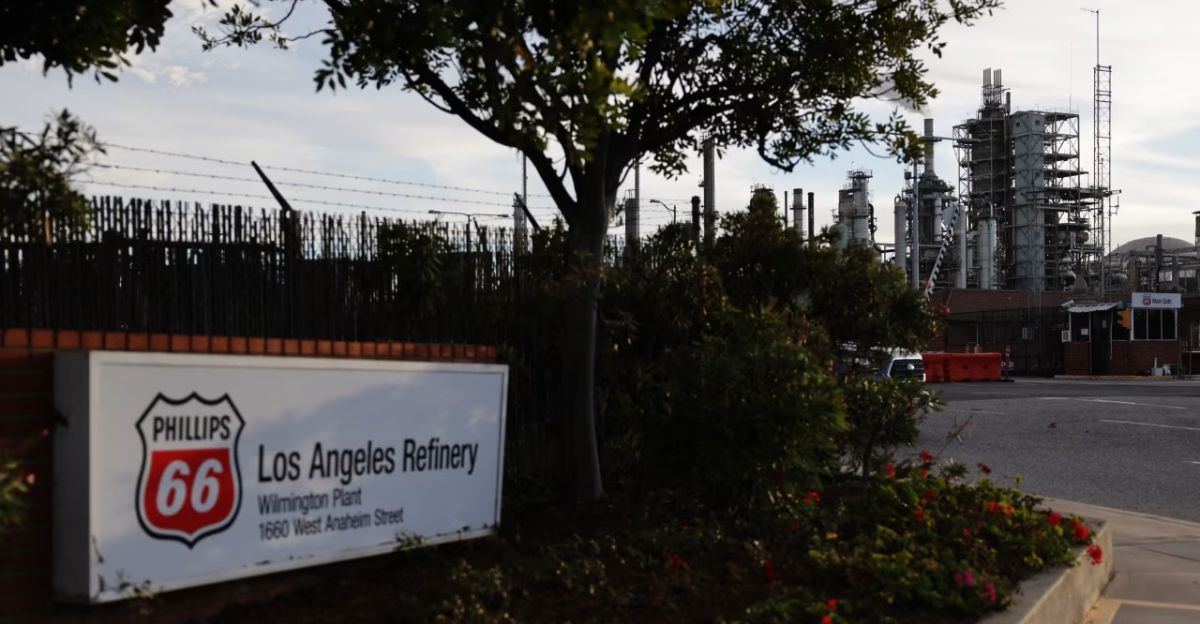
The Wilmington refinery leaves behind major pollution. It’s one of California’s dirtiest industrial sites. Since 1994, the Los Angeles Regional Water Quality Control Board has managed the cleanup. The 444-acre site has huge underground pools of petroleum right on the water table. The biggest oil pool covers millions of square inches and goes 13 feet deep.
Cleanup crews have removed about 800,000 gallons of oil and 17 million gallons of dirty water since the 1980s. Tests show dangerous chemicals in the groundwater under and near the site. These include benzene, a cancer-causing chemical, and tert-butyl alcohol (TBA). There are also PFAS from old firefighting foam and other toxins. Some pollution has reached drinking water sources. Since 2023, high TBA levels appear in wells half a mile from homes. Regulators and locals blame the refinery. Phillips 66 disagrees.
Experts warn full cleanup is unlikely. PFAS chemicals stick around and do not break down easily. They can be contained underground but not erased. The water board says full fixes could take years. Such projects often last a decade or more.
Missing Rules and Huge Cleanup Costs

California lacks strong rules for refinery shutdowns. Other sites like nuclear plants, oil wells, and wind farms must plan ahead. They set aside money for cleanup and removal. No such rule covers oil refineries.
Attorney Ann Alexander called this a big oversight in a December 2025 report. Without required funds upfront, owners can leave polluted land and water behind. The Los Angeles water board has no cost or timeline estimate for Wilmington. Phillips 66 reports $205 million to $231 million for dismantling and asbestos removal. That skips soil and water cleanup, the priciest part. Experts guess those costs top $500 million, maybe $1-2 billion.
State law allows financial promises for some work, but refineries have no firm system. If Phillips 66 goes broke or cuts liability, locals and governments foot the bill. Alexander pushes for mandatory plans and prepaid funds. This would protect sites like Benicia and PBF Energy plants from the same risks.
Sources
Inside Climate News, Phillips 66 is Closing its LA Refinery this Month. Neighbors Still Don’t Know if the Company Will Pay for the Cleanup, December 9, 2025
LAist, There’s a ‘lake’ of oil under LA’s soon-to-close refinery. Who will pay to clean it up?, August 20, 2025
S.P. Global, REFINERY NEWS: Phillips 66 said it will cease operations at Los Angeles refinery in Q4 2025, October 15, 2024
actionnetwork.org, Lessons from the Phillips 66 Los Angeles Refinery Closure (CBE/APEN report announcement), December 2025
UC Davis Center for Agricultural and Resource Economics, California Gas Prices Set to Soar in 2026, July 7, 2025
Mansfield Energy, Fuel Price Volatility Grips California Thanks to Refinery Closures and Policy Uncertainty, June 30, 2025