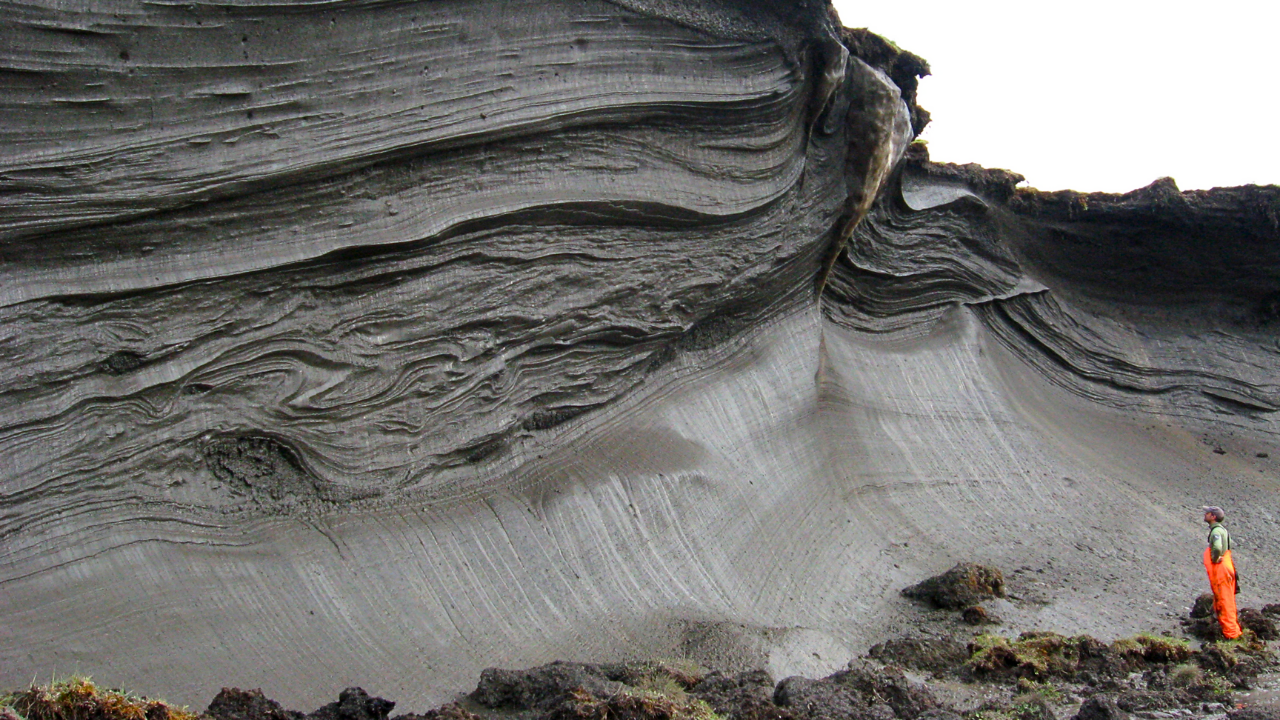
Scientists in Siberia have brought back to life a virus that stayed frozen in permafrost for 48,500 years. They pulled it from the ancient ice, thawed it in a secure lab, and watched it infect amoebae.
This shows the virus still worked after almost 50,000 years. It raises big concerns as the Arctic warms up faster, melting permafrost and possibly releasing old germs.
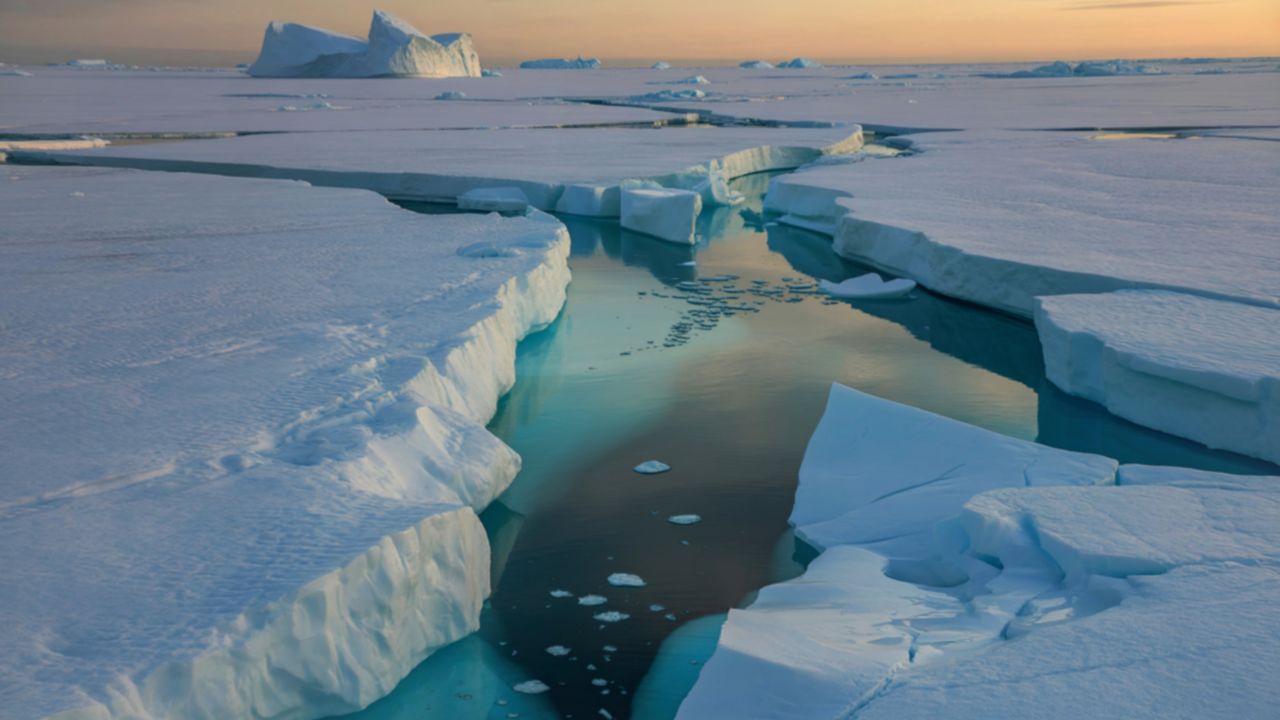
Arctic regions warm two to four times quicker than the rest of the planet. This puts about one-fifth of the Northern Hemisphere’s permafrost at risk of melting. In Siberia, activities like mining and drilling for oil and gas stir up these frozen soils, which have remained stable since the last Ice Age.
Experts now say we must move beyond just watching these areas. With thawing happening on a larger scale, checking for hidden microbes has become a must. Human actions speed up the release of whatever lurks in that ice, turning a slow natural process into a faster threat.
First Big Discoveries with Giant Viruses
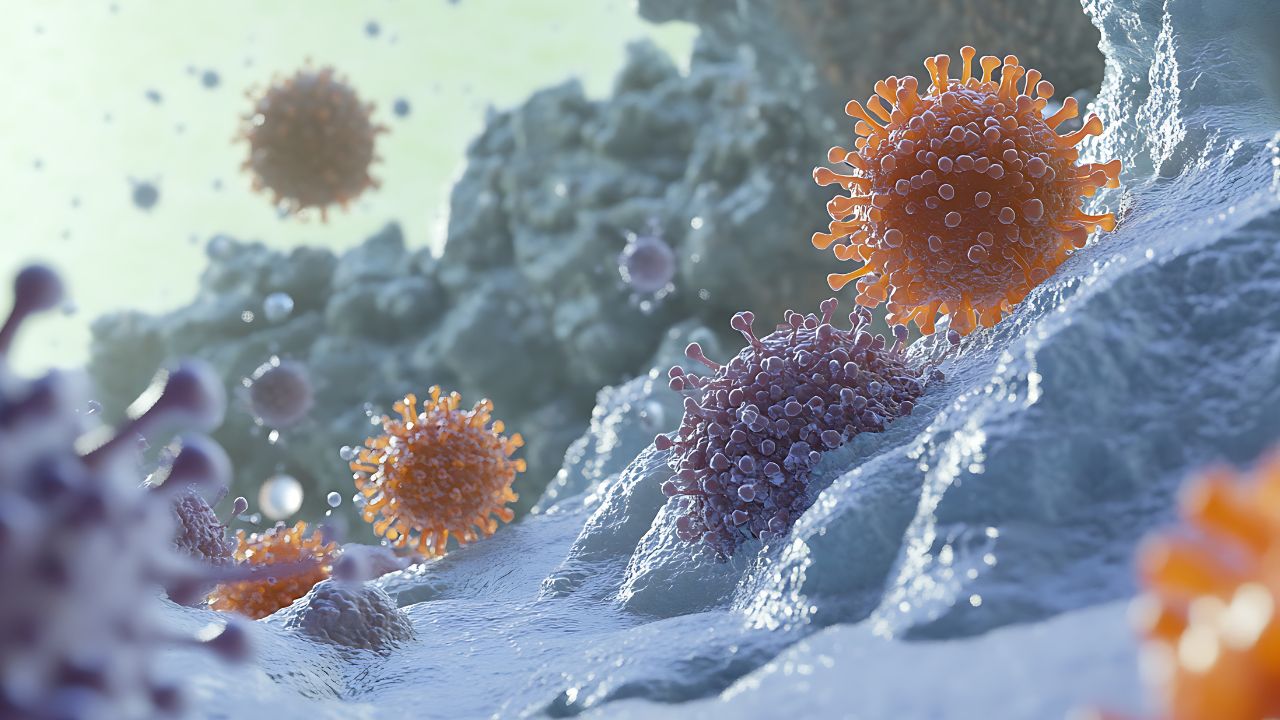
The warnings started in 2014. Researchers found Pithovirus sibericum in 30,000-year-old Siberian permafrost. They thawed it carefully in a lab and saw it attack amoebae, proving viruses can survive for tens of thousands of years in frozen ground.
This find opened doors to more study. It showed permafrost acts like a giant library of ancient microbes. Scientists realized they needed to dig deeper into what else might still be alive down there, setting off a chain of research projects.
Breaking Records with the Oldest Virus

In 2023, a team led by Jean-Michel Claverie at Aix-Marseille University in France went further. They revived a 48,500-year-old virus from Siberian permafrost, dated with radiocarbon methods. Once thawed, it infected amoebae in safe lab tests.
They also pulled 13 unknown viruses from lake sediments and frozen animal remains in the area. One stood out: Pandoravirus yedoma. These discoveries highlight how permafrost stores a huge variety of old viruses, many unlike anything we know today.
Growing Pressures in Siberia

Siberia deals with two big problems at once: quick warming and booming industry. Traces of dangerous human viruses like poxviruses and herpesviruses show up in permafrost samples, but only as harmless DNA bits so far. No full, infectious human virus has come back to life yet.
Still, people today lack defenses against ancient strains. Natural melting could let these pathogens mix into ecosystems more easily. As development pushes forward, the chance of unexpected releases grows.
Gaps in Monitoring and the Need for Action
Right now, tracking these risks falls behind industrial growth. Groups like the University of the Arctic try to coordinate, but no worldwide rules exist to check for pathogens freed by thawing. Permafrost traps twice as much carbon as the air does today; when microbes wake up, they spew CO2 and methane, worsening warming in a vicious cycle.
Scientists push for global plans that weave health protections into Arctic rules, much like those used in pandemics. In Siberia, teams now scan genomes in spots melting fastest. Labs grow viruses only in amoebae under strict lockdown.
Industrial projects dig deeper into this changing ground, balancing jobs and profits against unknown dangers. Experts call for alert systems that track both climate shifts and germs. This way, progress can happen without ancient ice sparking crises we can’t control.
Sources:
“An Update on Eukaryotic Viruses Revived from Ancient Permafrost.” Journal of Viruses, February 2023.
“Permafrost and the Global Carbon Cycle.” Permafrost Carbon Network, Arctic Report Card, National Oceanic and Atmospheric Administration (NOAA), 2023.
“Permafrost can imprison dangerous microbes for centuries. Will Arctic thaw release them?” Science Magazine, 26 September 2023.
“Scientists prepare safeguards against possible Arctic zombie viruses.” Medical Brief, 23 January 2024