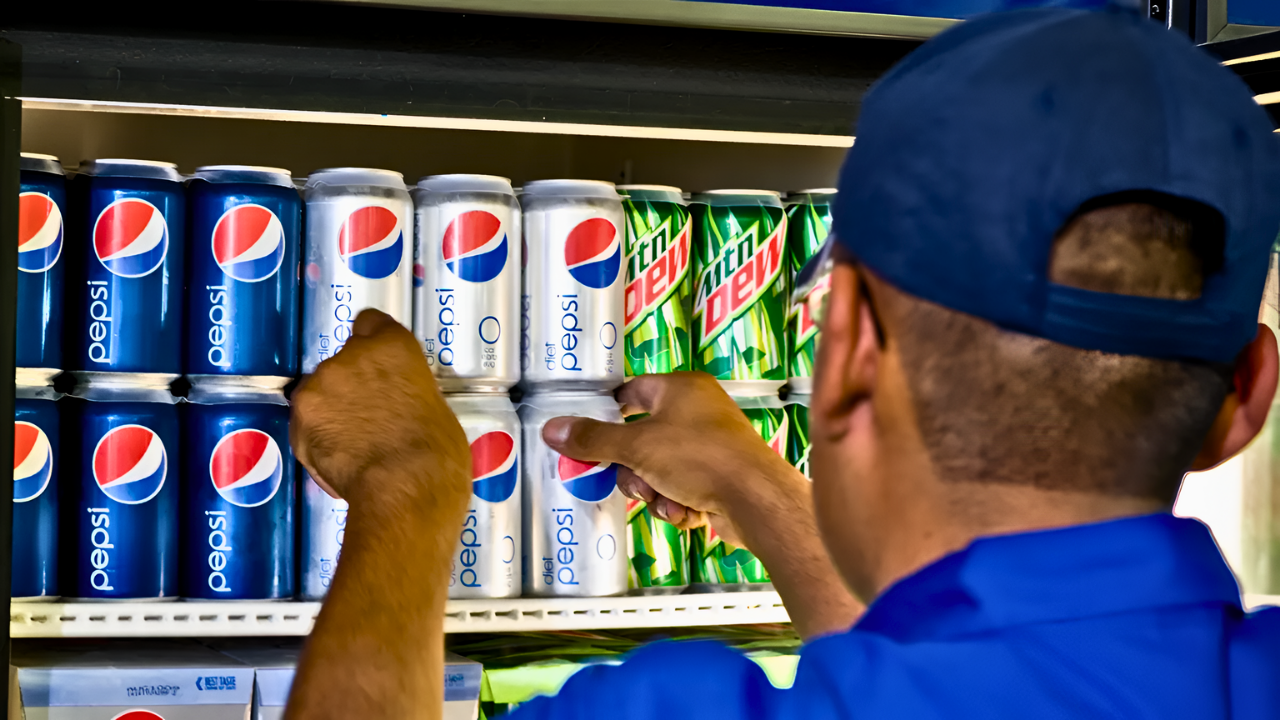
Walk into any grocery store right now, and the shelves look normal—rows of Doritos, Cheetos, and Lay’s stacked high. However, by this time next year, one in five of those products will have disappeared.
PepsiCo just confirmed the biggest product purge in its modern history, slashing nearly 20% of its lineup to salvage a business battered by angry shoppers, shrinking sales, and a $4 billion reckoning from one of Wall Street’s most aggressive investors.
The $4 Billion Ultimatum That Changed Everything
In September 2024, activist hedge fund Elliott Investment Management took a $4 billion stake in PepsiCo and delivered a blunt message to CEO Ramon Laguarta: fix this, or we will. Elliott’s partner Marc Steinberg accused the snack giant of “strategic confusion,” stalling growth, and bleeding profits across North America.
On December 9, PepsiCo blinked. The company announced sweeping changes, including price cuts, product eliminations, factory closures, and a board shakeup.
What Went So Wrong at the World’s Snack Empire
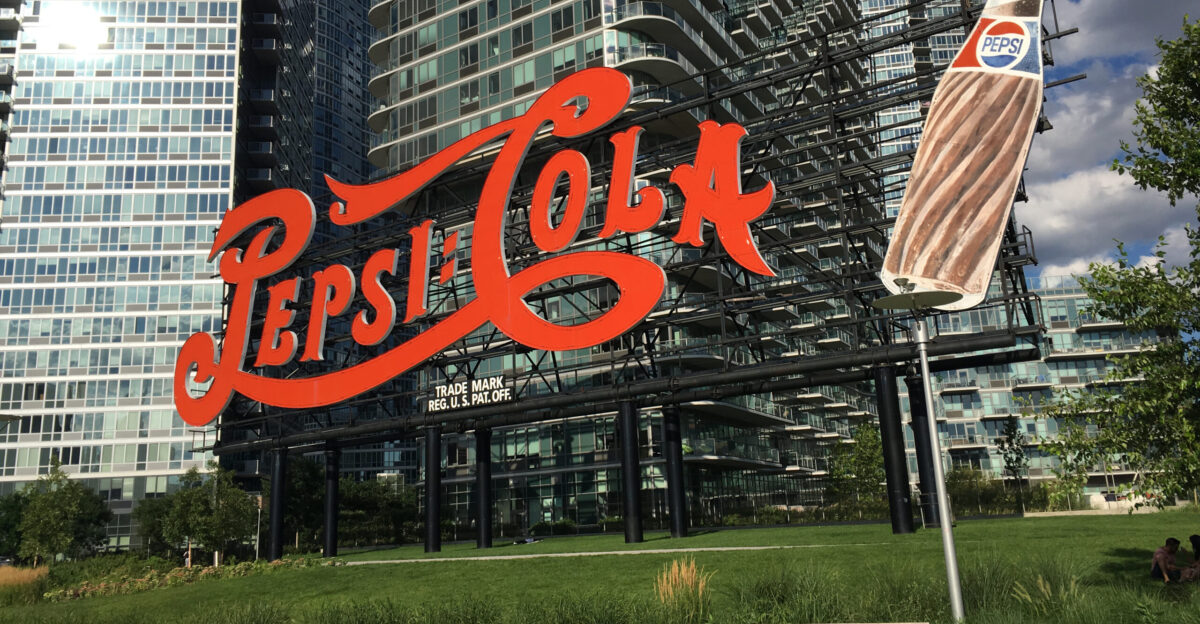
For years, PepsiCo raised prices relentlessly—double-digit hikes stacked year after year. Executives bet that families would continue to buy Pepsi and Lay’s, no matter the cost. They were wrong.
By early 2025, organic revenue growth had collapsed to just 1.5% in nine months, the weakest pace in recent memory. Pepsi-Cola itself tumbled to fourth place in market share, behind Coke, Dr Pepper, and even Sprite.
It Priced Out America
In February 2025, PepsiCo quietly acknowledged what millions of families had already known: years of price increases had eroded demand. Shoppers weren’t just choosing cheaper brands—they were skipping snacks altogether.
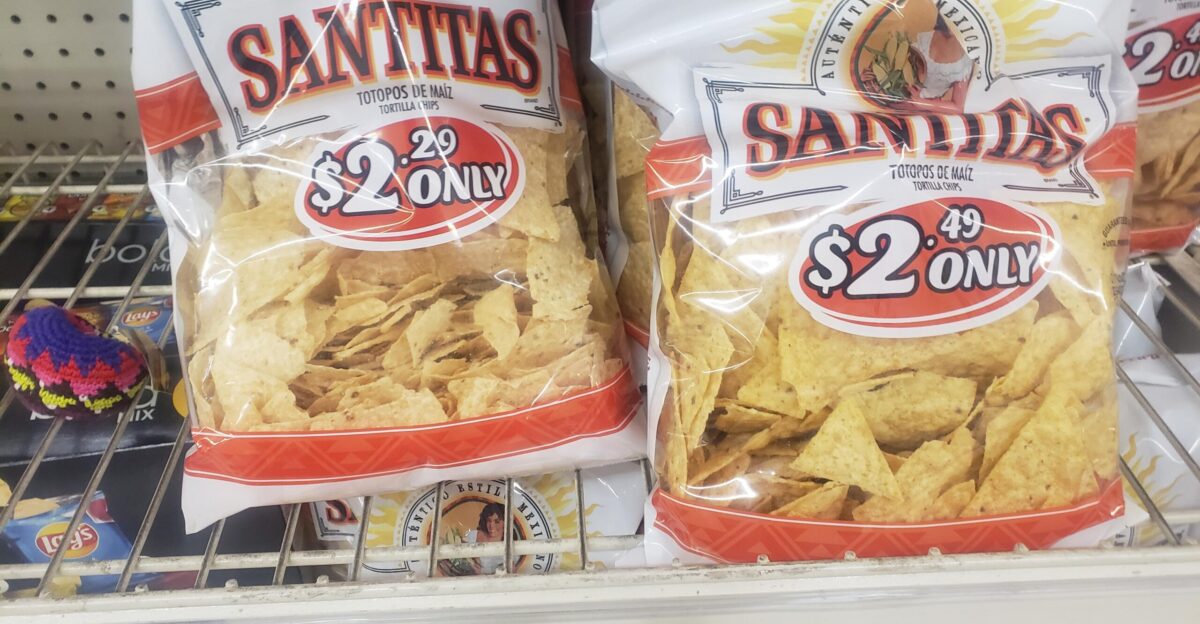
By July, the company rushed cheaper “value” brands like Chester’s and Santitas into more stores, attempting to shake off the stigma that PepsiCo products had become luxuries families could no longer afford.
The Great Snack Purge
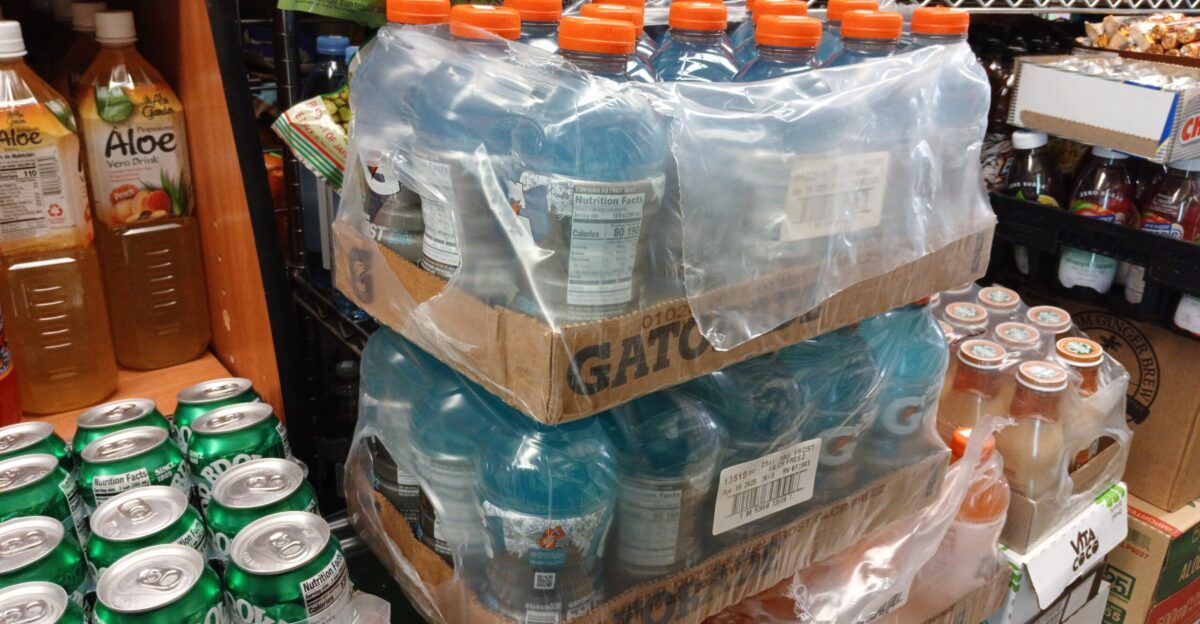
PepsiCo won’t disclose which items are getting axed, but the math is staggering. The company sells thousands of individual SKUs—different sizes, flavors, package types—across Frito-Lay, Gatorade, Quaker, Tropicana, and beverage lines.
Analysts estimate hundreds, possibly thousands, of products will disappear. Niche flavors, limited editions, and underperforming regional items—all candidates for elimination as PepsiCo bets big on simplicity.
Factories Are Shutting Down
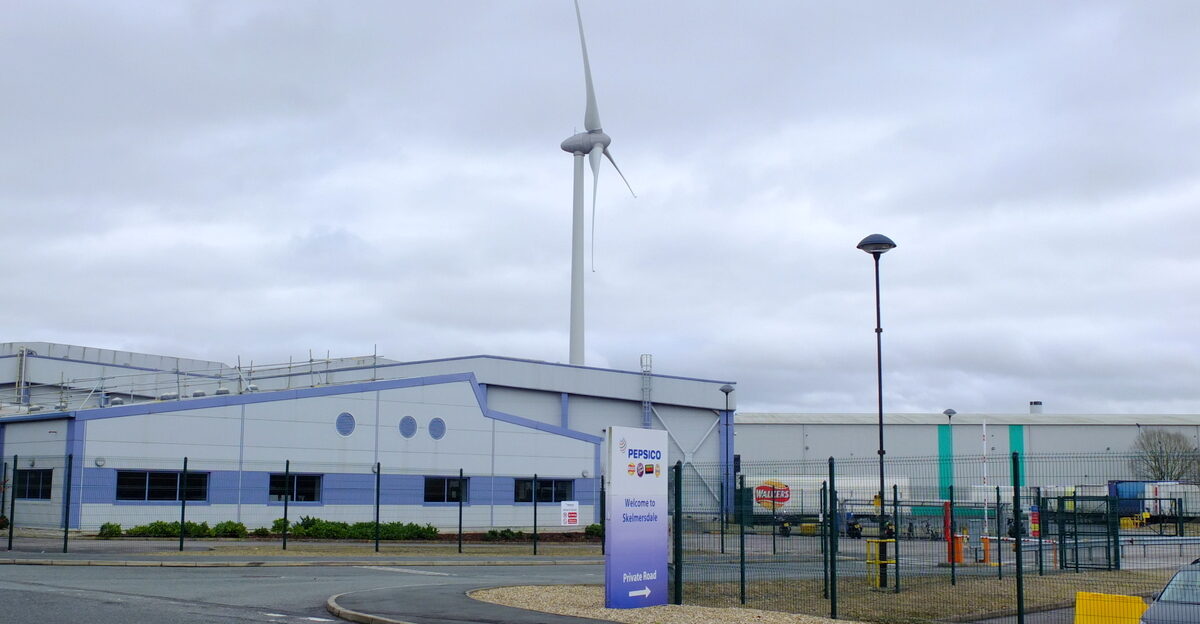
PepsiCo has already closed three manufacturing plants and shut down multiple production lines in 2025. The company is accelerating automation, digitizing its supply chains, and targeting what it calls “a record year of productivity savings in 2026.”
Behind the corporate language, jobs are being cut across the U.S. and Canada as the company reshapes its operations for a leaner, more cost-effective future.
Price Cuts Are Coming
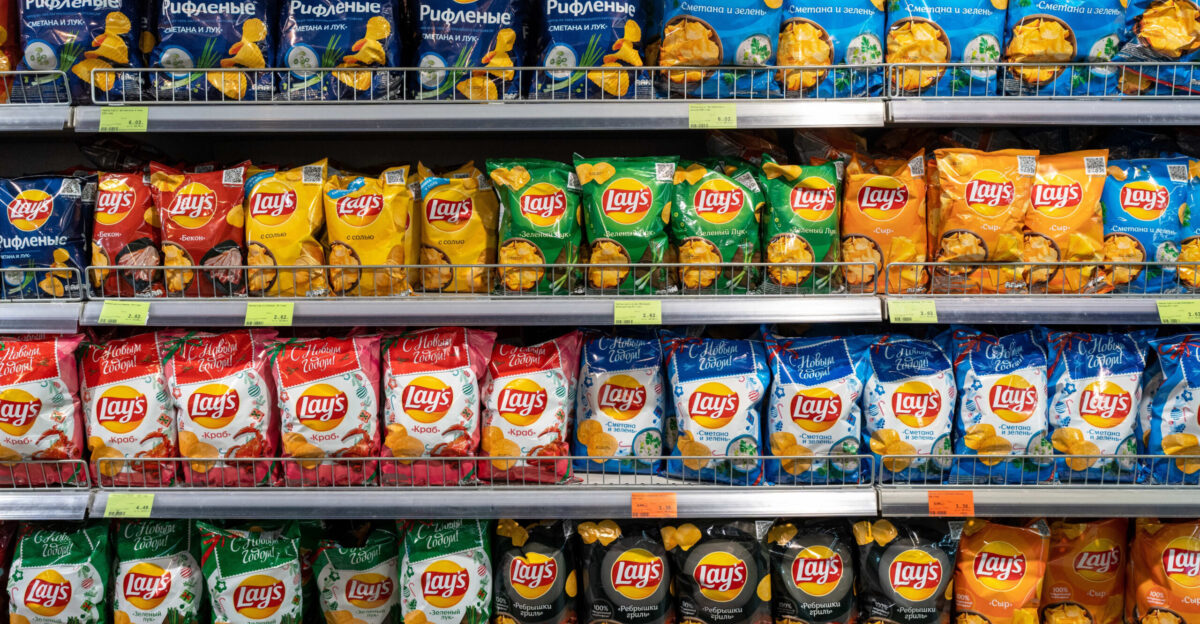
PepsiCo promises “sharper everyday value” and “enhanced affordability” across its mainstream brands starting in 2026. The company refused to disclose specific price reductions but said shoppers will notice “greater everyday value” on shelves.
The move mirrors Target’s recent rollback on 3,000 grocery items as retailers scramble to respond to an affordability crisis hammering American households.
Simpler Ingredients, Bigger Promises
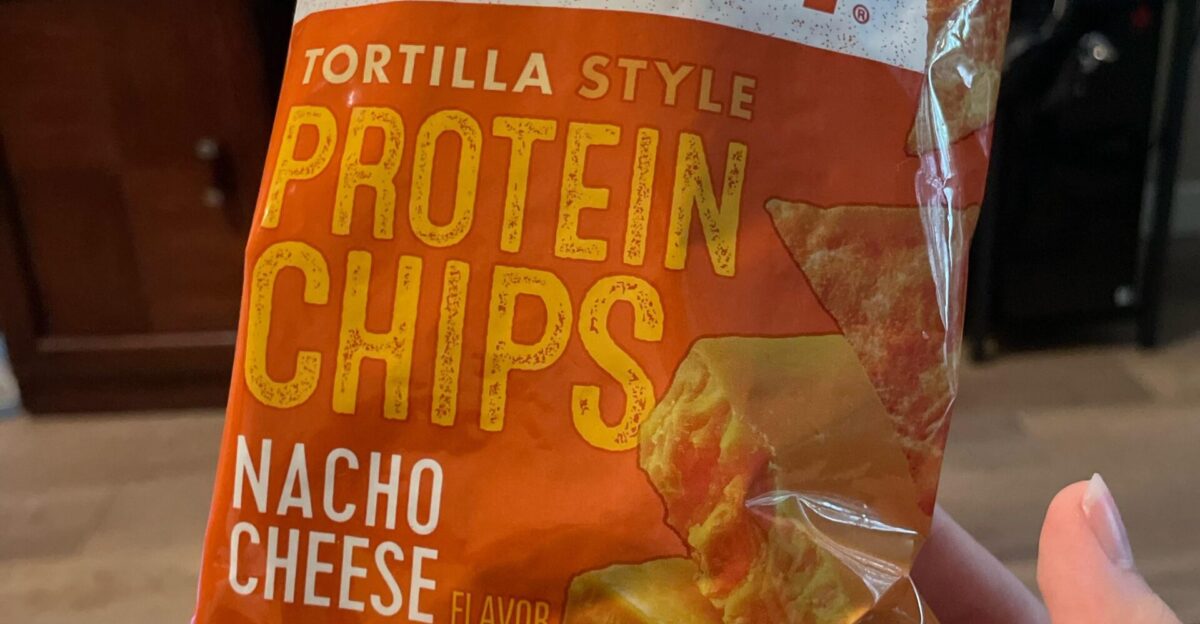
To win back skeptical consumers, PepsiCo is accelerating the launch of products built on “simple, functional ingredients.” Coming soon: Doritos Protein, a prebiotic Pepsi-Cola, and the Simply NKD line of Cheetos and Doritos—stripped of artificial flavors and colors.
The pitch is part health-conscious pivot, part damage control, as the company tries to convince shoppers it’s listening after years of ignoring complaints about over-processing and over-pricing.
Elliott’s Fingerprints Are All Over This
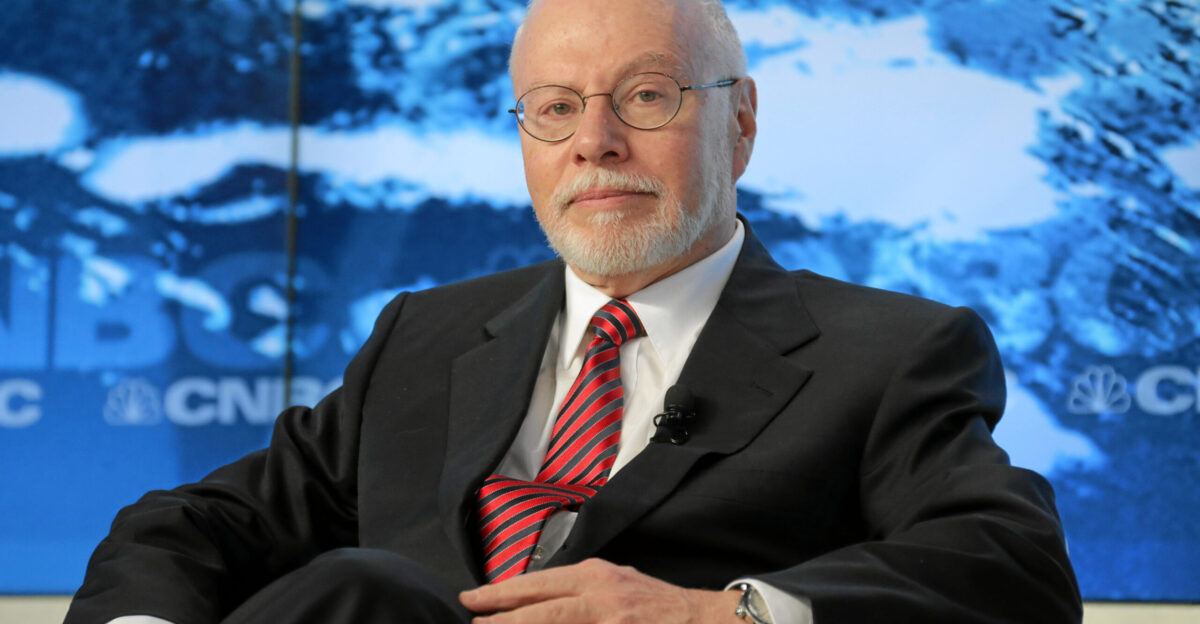
Marc Steinberg, Elliott’s partner, praised PepsiCo’s “urgency” and predicted that the overhaul would “drive greater revenue and profit growth.” Translation: Elliott won. The hedge fund didn’t get board seats, but it didn’t need them.
PepsiCo agreed to review its entire North American supply chain, refresh its board with “global growth leaders,” and aggressively slash costs—every demand Elliott made in its September push.
Can 2% Growth Save a Giant?

PepsiCo expects organic revenue to grow between 2% and 4% in 2026, aiming for the higher end of the range only in the second half of the year. That’s barely above inflation—a stunning comedown for a company that once dominated consumer packaged goods.
Analysts see the target as both realistic and damning: PepsiCo is no longer chasing explosive growth. It’s fighting to stay relevant in an America where families are rethinking every dollar they spend.
Your Grocery Aisle Will Look Different by Summer
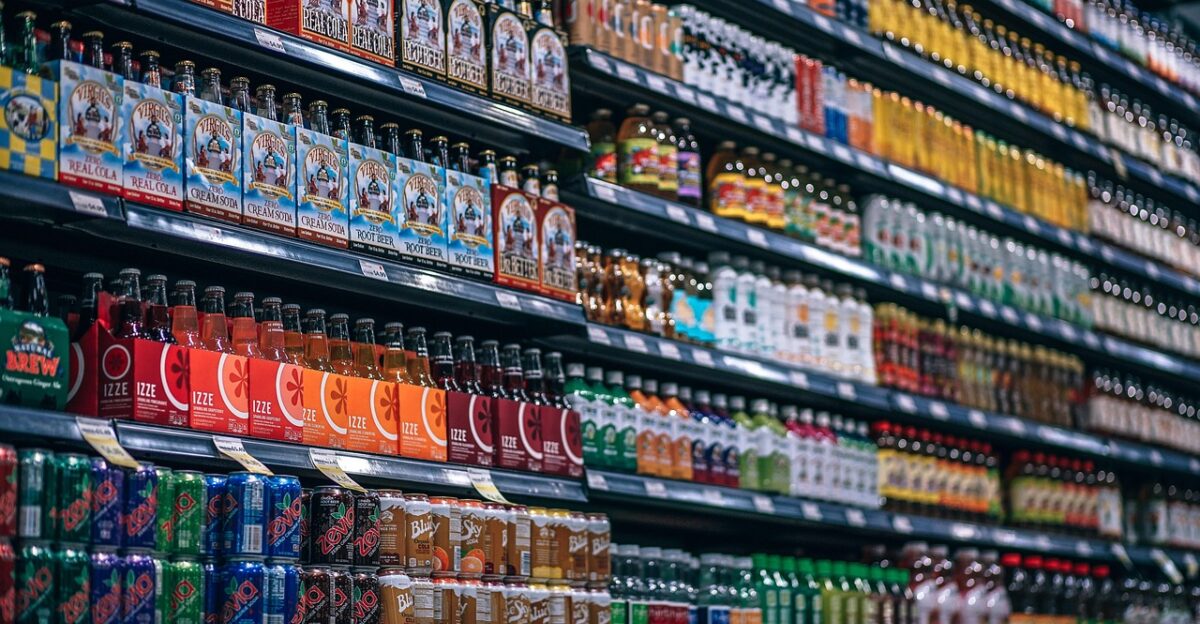
Expect fewer choices, tighter assortments, and noticeably smaller product variety when you shop in mid-2026. Premium beverages and specialty items may stay expensive due to ingredient and freight costs, even as core brands drop in price.
Retail experts warn that the shift creates tension: consumers want value, but they also want variety.
The End of Big Food’s Pricing Power
PepsiCo’s retreat marks a turning point for the entire packaged-goods industry. For years, giants like PepsiCo, Mondelez, and Coca-Cola leaned on pricing—not volume—to hit growth targets. Now, with elasticity back and consumers pushing back, affordability is the only lever left.
Rivals are watching closely: if PepsiCo’s gamble works, expect similar pullbacks across grocery aisles nationwide.
Families Bear the Hidden Cost
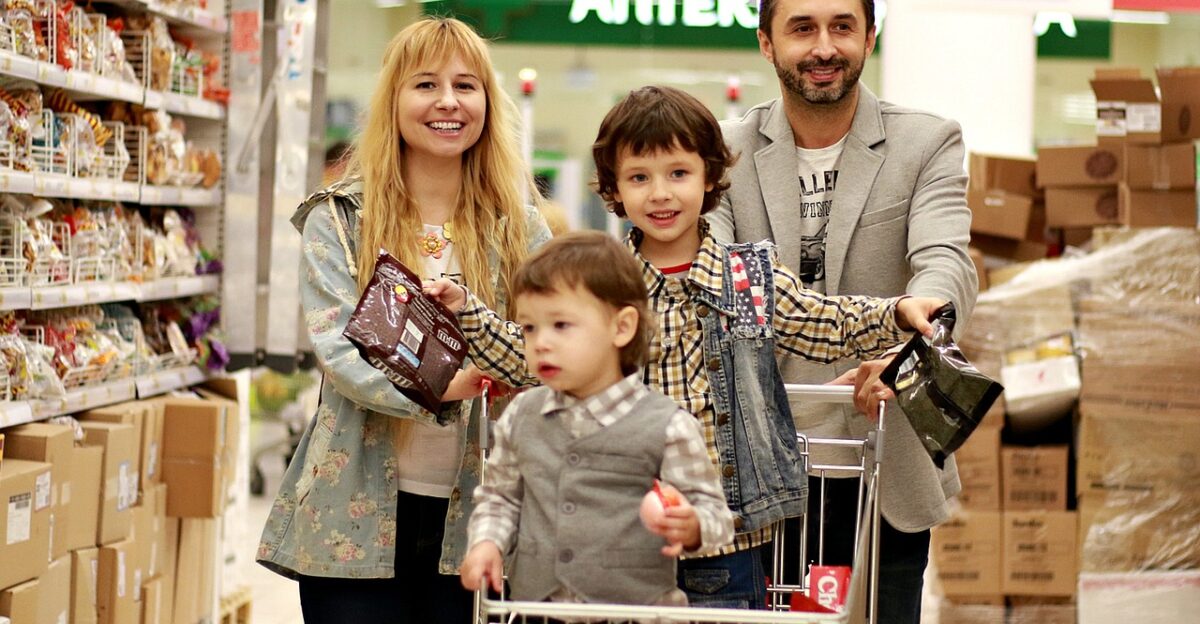
Behind the corporate jargon about “SKU rationalization” and “margin optimization” are real people. Parents who budgeted for familiar snacks now face vanishing options. Workers are losing jobs as factories close.
Low-income shoppers who spent years absorbing double-digit price hikes, only to be told the company is “listening” now that an activist investor demanded change. The human cost of PepsiCo’s miscalculation won’t show up in quarterly earnings, but it’s there.
What Happens If This Fails
Elliott isn’t going anywhere. The firm is “looking forward to continued engagement,” which in activist-speak means: we’re watching, and we’re not afraid to push harder. If PepsiCo’s plan doesn’t deliver by late 2026, expect more pressure—board fights, asset sales, maybe even a breakup of the company’s sprawling portfolio.
For now, Elliott is satisfied. But in the cutthroat world of activist investing, satisfaction has a very short shelf life.
The Reckoning Every Shopper Saw Coming
PepsiCo spent years betting Americans would pay whatever it asked for Doritos and Pepsi. Families proved them wrong, voting with their wallets until a $4 billion investor forced the reset button. Now the company is racing to rebuild trust—cutting prices, simplifying products, promising change.
Whether it’s enough depends on whether shoppers believe the giant that ignored them for years is finally ready to listen.
Sources:
PepsiCo Announces Priorities to Enhance Shareholder Value and Provides Preliminary 2026 Financial Outlook — PepsiCo press release
PepsiCo to cut prices, eliminate products as part of a deal with an activist investor — AP News
PepsiCo Will Cut Prices And Drop 20% Of Its Products In U.S. — Forbes
PepsiCo to cut prices, eliminate products as part of a deal with an activist investor — ABC News (syndicated AP)