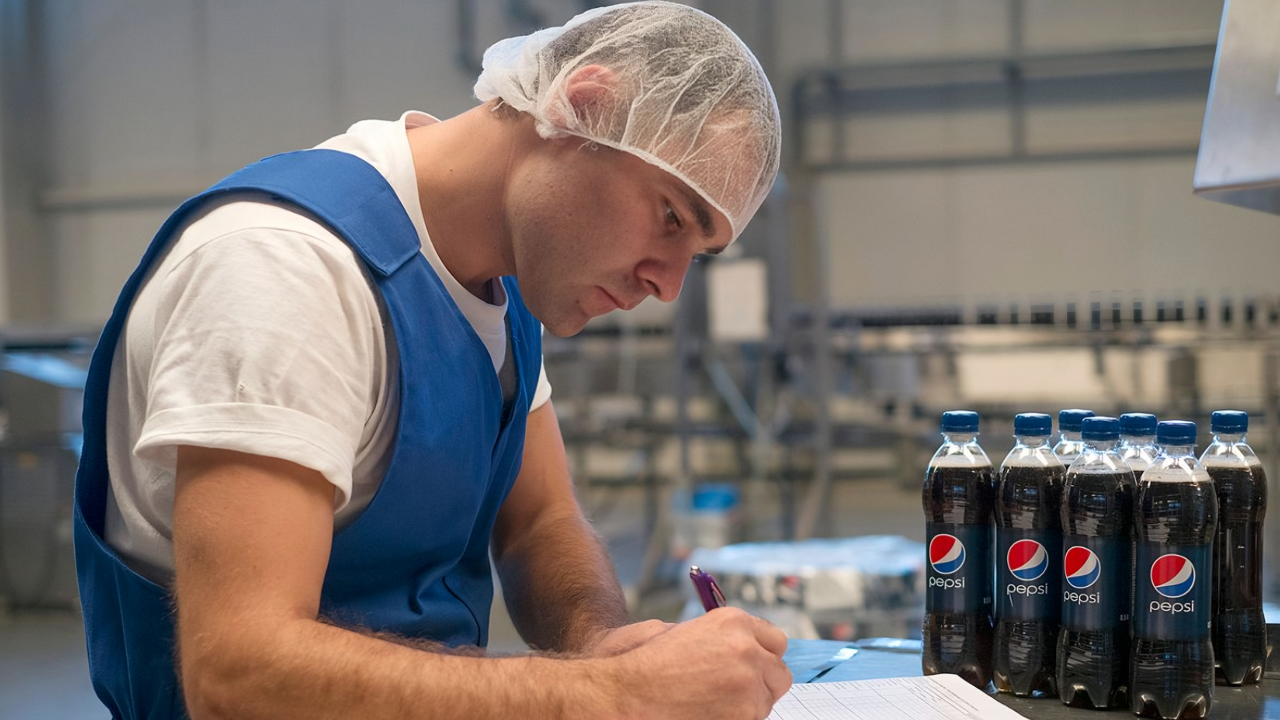
PepsiCo has shut down its Orlando plant after 60 years, immediately displacing 454 workers, with another 46 set to lose their jobs by next May. CEO Ramon Laguarta said, “We’re clearly going after some manufacturing nodes that are not needed anymore,” signaling a push toward automation and efficiency. Families, local businesses, and the regional supply chain now face ripple effects.
This closure is part of a broader 2025 shakeup, suggesting more profound changes across PepsiCo’s operations. Here’s what’s going on.
What’s Happening With Workers
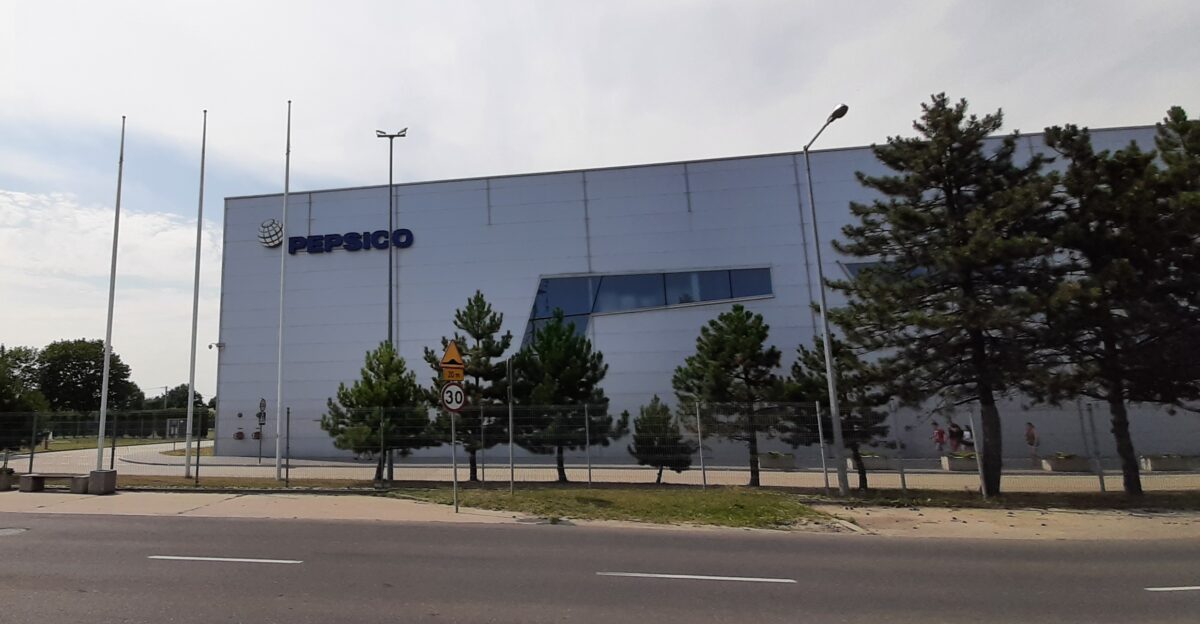
The Orlando plant employed 454 blue-collar workers, including laborers, packaging operators, and maintenance staff. Non-unionized, these employees have no transfer protections. Another 46 workers at Parks Oaks Avenue will lose jobs by May 2026. Around 1,500–2,000 family members are directly impacted.
Sullivan County Legislator Louie Alvarez noted, “Most of them have made their life here—this is their home.” The local economy and Main Street retailers could feel the ripple effects as families adjust.
Nationwide Layoff Context
This closure is part of a broader trend in 2025. February saw the Liberty, New York, PopCorners facility close, affecting 287 workers. June brought Rancho Cucamonga, California’s 55-year-old plant shut down, displacing 432–480 employees.
By year’s end, PepsiCo confirmed 1,187 layoffs across three states. These cuts are part of a nationwide strategy of consolidation and automation.
Why PepsiCo Is Restructuring
CEO Ramon Laguarta explained, “We’re clearly going after some manufacturing nodes that are not needed anymore.” The closures focus on efficiency, automation, and supply chain modernization rather than catastrophic sales collapse.
CFO Jamie Caulfield also noted Frito-Lay’s “subdued” performance and ongoing turnaround efforts. Steve Schmitt will assume the CFO role from 10 November 2025, bringing supply chain expertise from Walmart.
Activist Investor Influence
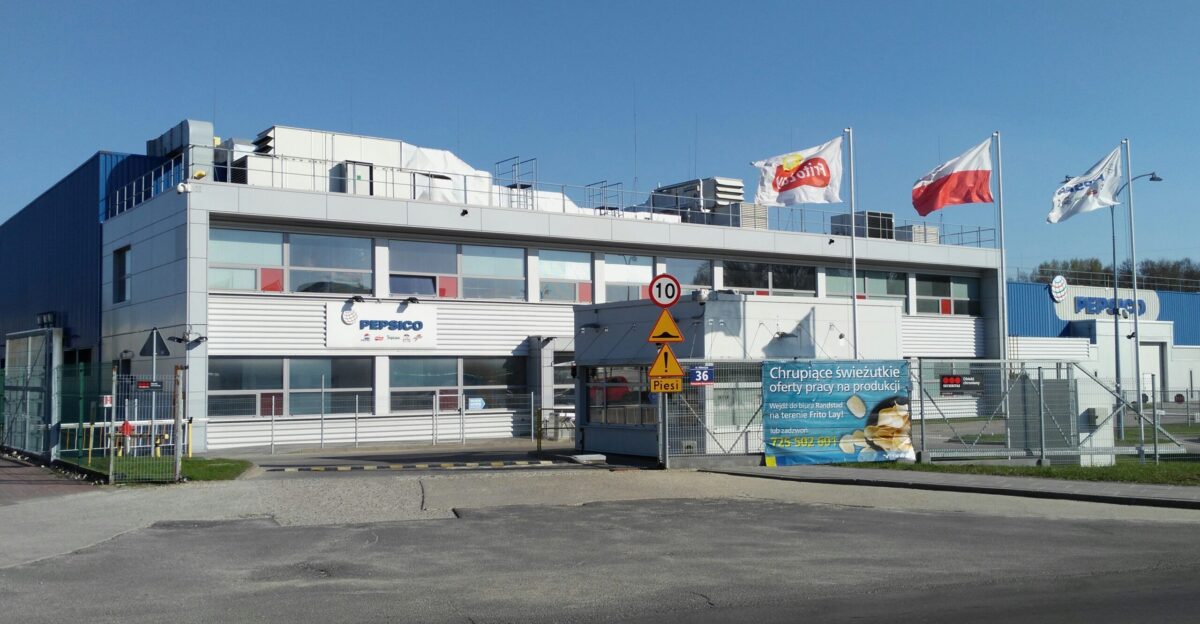
Elliott Investment Management acquired a $4 billion stake in September 2025, pushing for cost-cutting, portfolio simplification, and potential refranchising of bottling operations.
Their pressure accelerated operational restructuring. Elliott described PepsiCo as “a dramatic underperformer,” urging immediate efficiency improvements amid automation and broader workforce reductions.
Snack Market Shifts
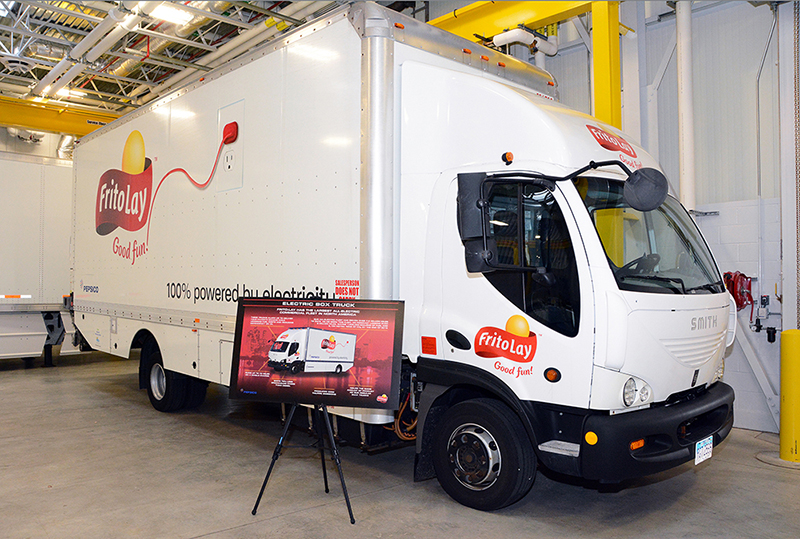
Frito-Lay North America saw a modest 2% volume decline in Q3 2025, with organic revenue down 3%. Higher snack prices and shifting consumer habits played key roles.
42% of consumers reduced snack purchases due to inflation. Health-conscious trends also shifted demand toward better-for-you products, reflecting broader industry patterns rather than a company-specific collapse.
Inflation and Consumer Behavior
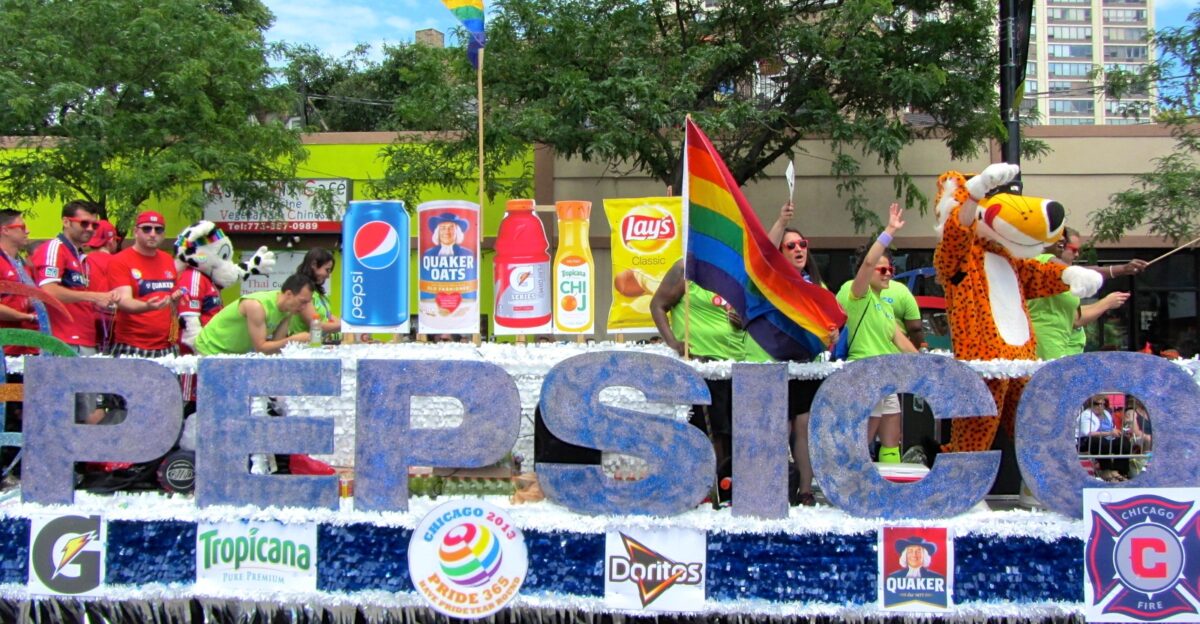
Snack inflation reached 15.2%, nearly double the total food inflation at 7.7%. Price-sensitive consumers prioritized essentials over discretionary snacks.
Mondelēz CEO Dirk Van de Put explained, “Consumers switching to more essentials in grocery and snacking categories are suffering.” PepsiCo’s restructuring aligns with this changing demand landscape.
A Year of Plant Closures and Layoffs
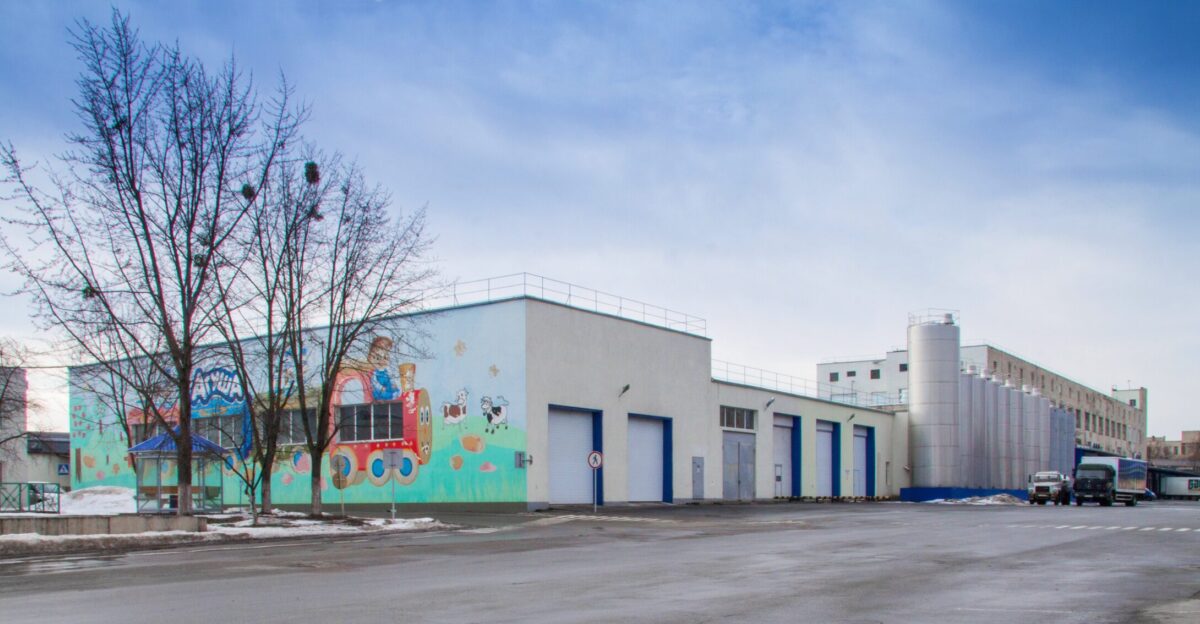
PepsiCo’s 2025 restructuring began in February with the Liberty, New York, PopCorners closure, officially affecting 287 workers by May. June brought Rancho Cucamonga, California’s plant shutdown, displacing 432–480 employees.
On November 4, Orlando’s Silver Star Road facility closed immediately, affecting 454 workers, with the Parks Oaks warehouse following on May 9, 2026. Nationwide, October saw 153,074 jobs cut—the worst month since 2003—bringing year-to-date layoffs to 1,099,500.
Geographic Impact
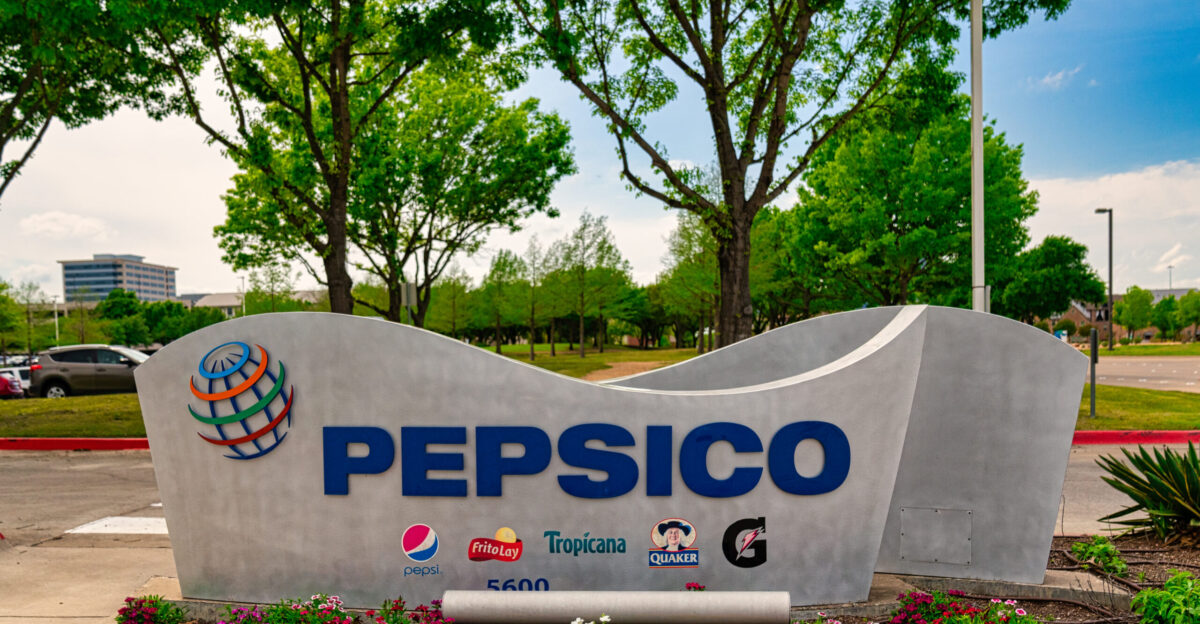
Florida’s Orlando facilities shut down 454 manufacturing jobs and 46 warehouse roles, while California’s Rancho Cucamonga and New York’s Liberty plants closed, affecting hundreds more. These closures ripple across the region, disrupting local economies and families.
The Orlando plant served as a key distribution hub. Its shutdown forces inbound materials and finished snacks to be rerouted to other Southeast facilities, creating transitional logistics demands across Florida and neighboring states.
Supply Chain Effects
Potatoes, cornmeal, cooking oils, and packaging previously handled in Orlando will now be routed to other Southeastern facilities.
Finished snack products will be redistributed through new distribution lanes. Transitional logistics demand will increase in Florida and the surrounding regions.
Automation and Cost Cutting
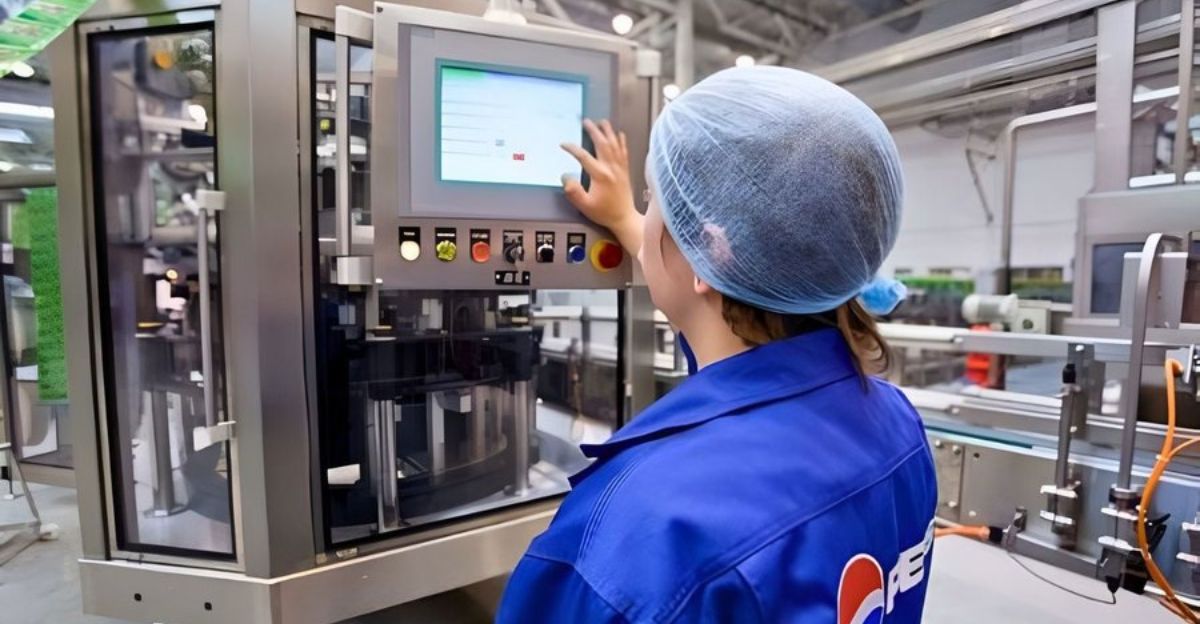
PepsiCo is consolidating plants into larger, more automated facilities. Automation replaces labor-intensive roles while centralizing production and distribution.
Average annual wages lost are $50,000–$63,000 per worker. The strategy eliminates redundancy and boosts efficiency amid broader macroeconomic pressures.
Macro Job Market Context
October 2025: 153,074 jobs cut—the worst single month in 22 years. Year-to-date totals hit 1,099,500 cuts, 65% higher than 2024.
Major companies, including Amazon, Verizon, and Target, also announced layoffs, reflecting a systemic shift in workforce management.
Financial and Community Impact
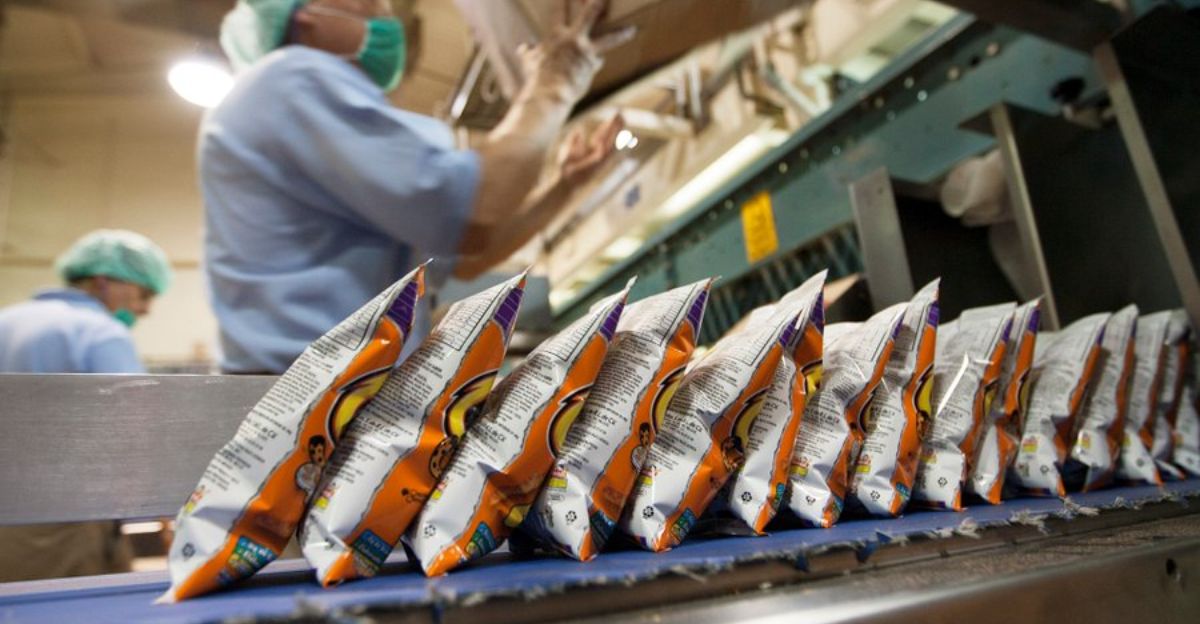
Annual revenue loss: estimated $150–300 million. Wages lost: ~$60–75 million. Families affected: 1,500–2,000 people.
PepsiCo layoffs represent ~0.6% of North America’s workforce. The closures highlight the human and economic consequences of automation-driven consolidation.
Historical Context
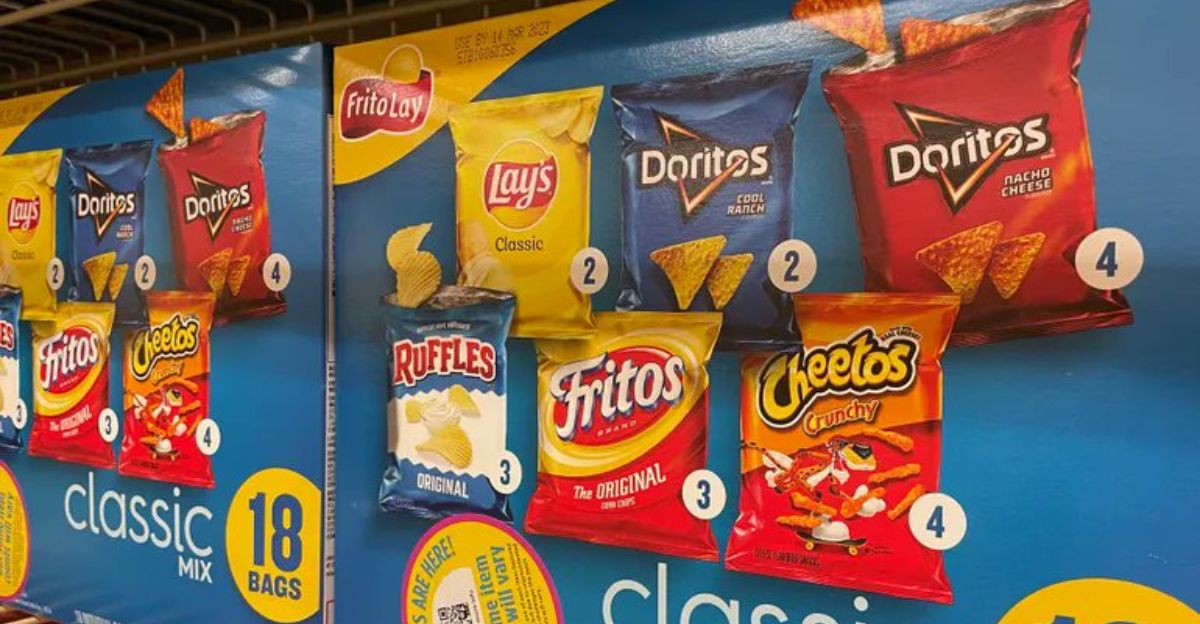
The Orlando plant operated since 1965, predating Walt Disney World. It provided multi-generational employment and community integration.
October 2025 layoffs mark the sharpest single-month surge since 2003. The closures underscore how modern pressures reshape longstanding industrial landscapes.
Strategic Takeaway
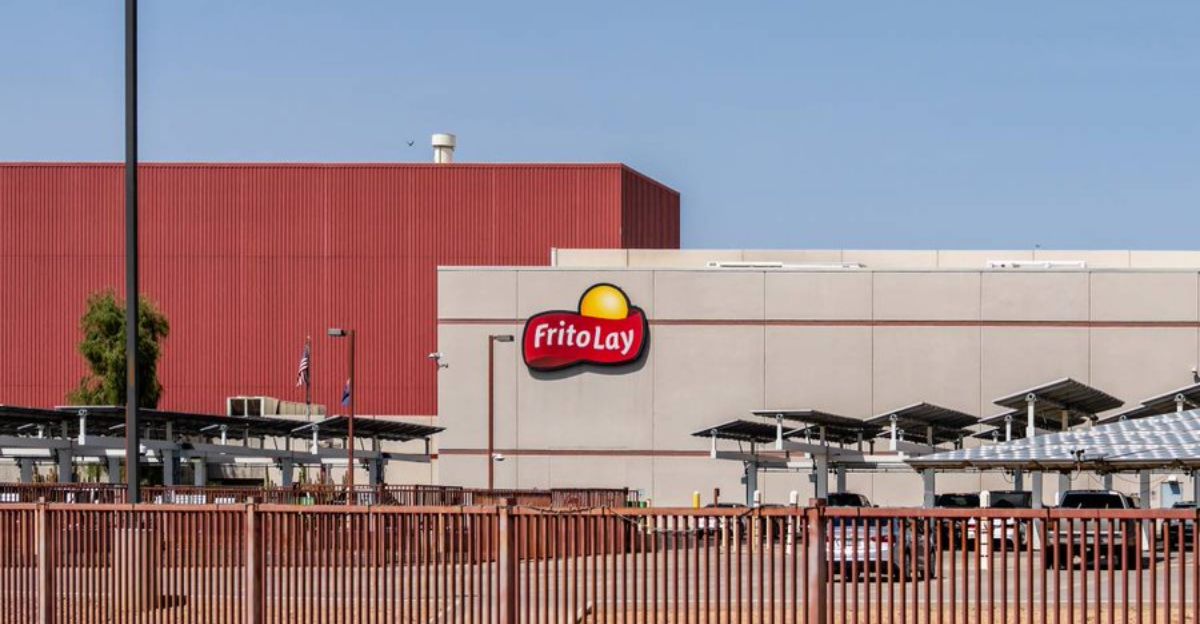
PepsiCo’s 60-year Florida site closure is driven by automation, efficiency, activist investor pressure, and consumer spending shifts.
Rather than a “sales collapse,” this reflects strategic consolidation amid modest sales decline and changing snack consumption patterns, signaling a new era of manufacturing and workforce realignment for the company.