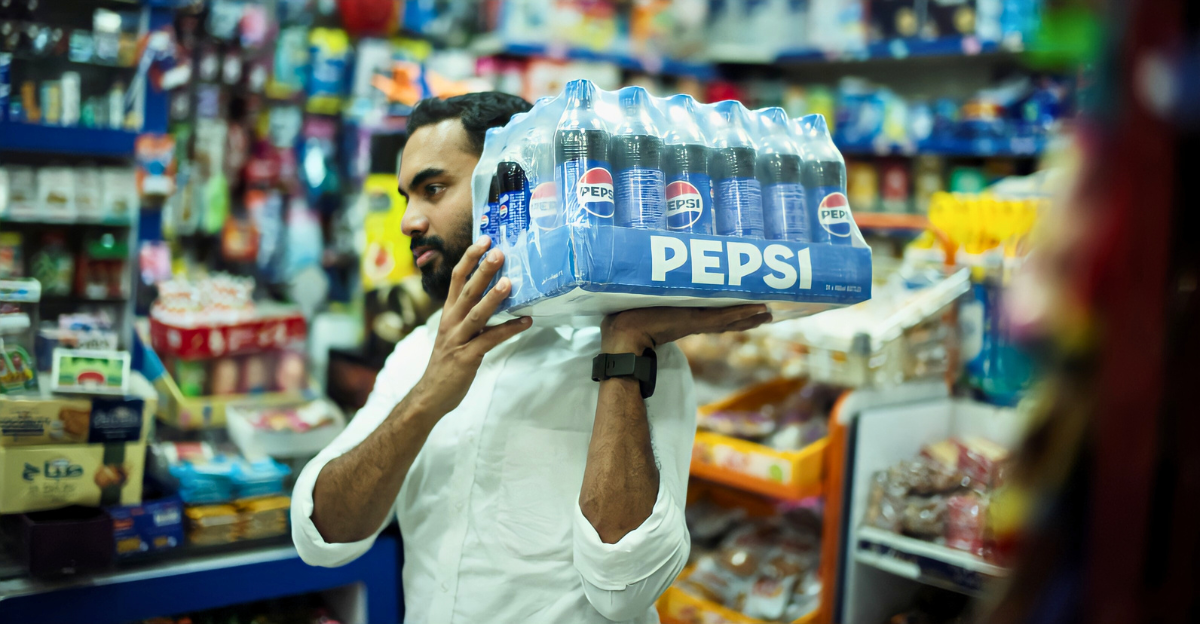
Rising health awareness is transforming America’s soft drink market, compelling giants like Pepsi and Coca-Cola to reevaluate their product offerings. As consumers increasingly demand beverages free of artificial ingredients and packed with lower sugar content, a new battleground for consumer trust emerges.
This shift is prompting both industry titans to rethink their recipes alongside their marketing strategies. “Customers want transparency and healthier choices,” says a local grocery store manager observing consumer trends. The movement towards better health is spreading nationwide, influencing product lines and redefining how these brands connect with their audiences.
Declining Youth Consumption
Recent statistics reveal a notable decline in soda consumption among U.S. youth, plummeting from 80% in 2003 to 61% by 2016. This trend underscores a growing health-conscious mindset among younger consumers, who increasingly opt for alternatives to sugary drinks. “Kids today are more aware of what they consume,” explains a health educator.
This shift puts pressure on major soda brands to retain their market share and to confront the rising competition from disruptive newcomers offering innovative, healthier options. The landscape is evolving, and the pressure on these legacy brands to adapt is palpable.
Legacy Titan Rivalry
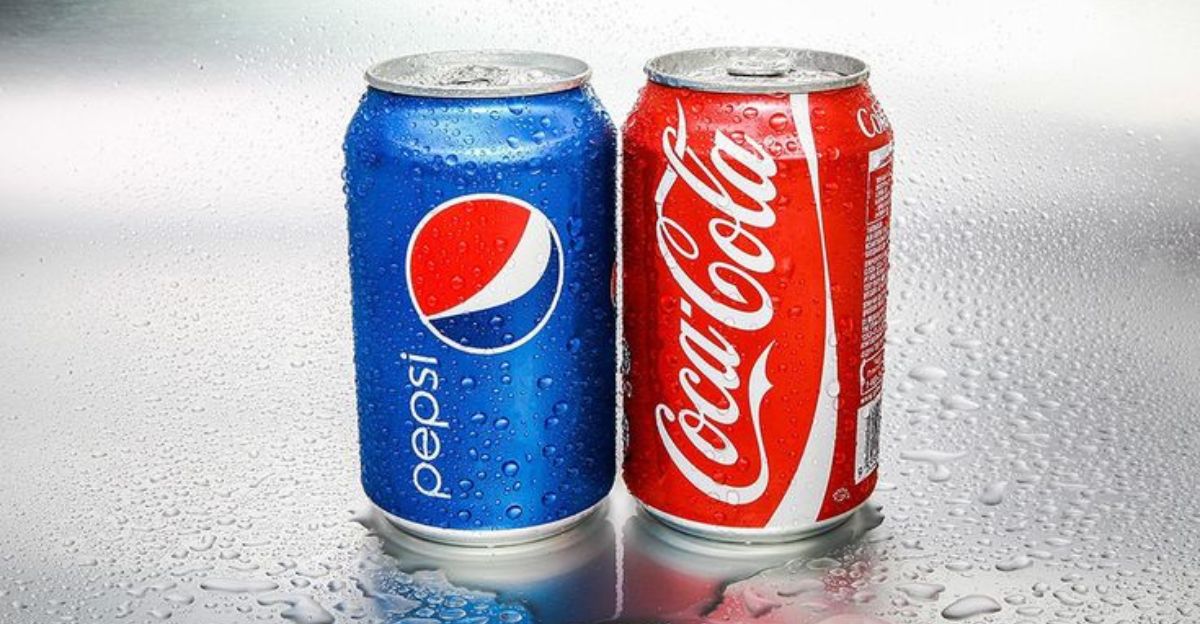
For over a century, Pepsi and Coca-Cola have dominated the American soda market, continuously battling for flavor superiority and consumer loyalty. However, both brands now face unprecedented scrutiny regarding the health implications of their sugary products. “These brands need to modernize to survive,” a beverage industry analyst mentions.
Consumers are reevaluating their choices, creating an urgent need for these titans to navigate public concerns about health and nutrition. This legacy rivalry faces a unique challenge: evolving from traditional competitors into advocates for healthier lifestyles.
Pressure from Health Evidence

Mounting evidence linking high soda consumption to obesity, diabetes, and various related health risks has intensified regulatory scrutiny. Recent initiatives, like the ‘Make America Healthy Again’ campaign, aim to enforce ingredient transparency and sustainability in soft drinks. “People are fed up; we need real change,” shares a public health advocate.
These pressures are forcing beverage companies to reconsider their formulas and redefine their marketing approaches. The conversation around health is no longer just a trend; it’s become a cornerstone of consumer expectations and government regulations, shaping the future of the soda market.
Pepsi’s Game-Changer: Prebiotic Cola
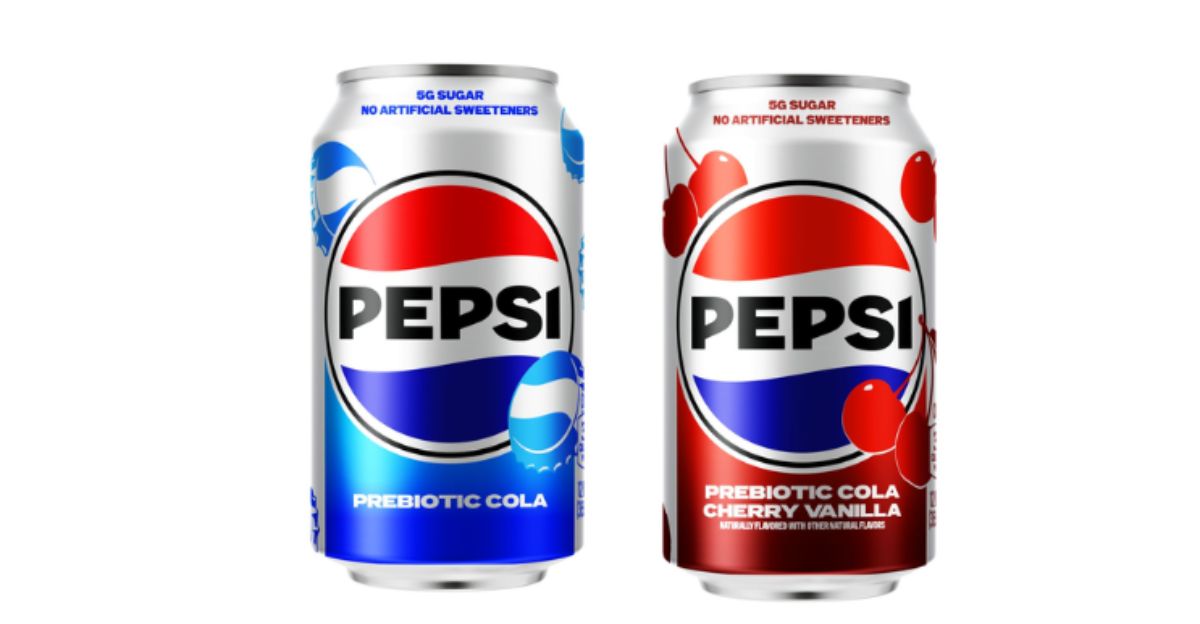
On July 21, 2025, Pepsi turned heads by introducing Prebiotic Cola, a bold response to shifting health trends. This innovative beverage features 30 calories per can, with 5 grams of cane sugar and 3 grams of prebiotic fiber. “It’s about time we had a healthier option,” stated a long-time Pepsi consumer excited by the news.
This move sets a new benchmark in the soft drink industry, showcasing Pepsi’s commitment to meeting consumer demand for healthier choices while preserving the iconic flavor that fans love. The launch may very well redefine mainstream sodas for years to come.
Changing Retail Dynamics
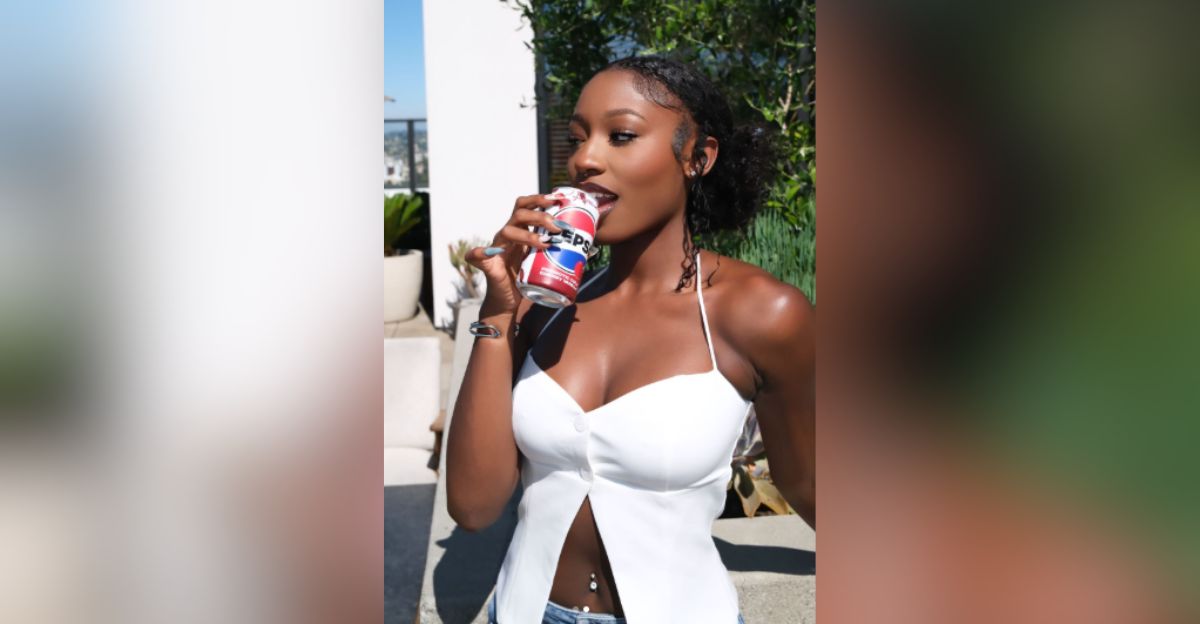
Beginning early 2026, shoppers will discover Pepsi’s new sodas alongside traditional flavors in local stores, available in single cans and convenient 8-packs. This multifaceted approach aims to win over health-conscious consumers disillusioned by legacy sugary colas. “More options mean more choices for consumers,” notes a market analyst monitoring these shifts.
Early reactions indicate a positive reception, suggesting that Pepsi is on the right track to reclaiming health-conscious customers. This move isn’t just about sales; it’s about responding to a community increasingly prioritizing health in purchasing decisions.
The Focus on Gut Health

Experts highlight that many Americans often overlook digestive health-related issues; over 18% are diagnosed with hemorrhoids, while 15% suffer from GERD (Gastroesophageal Reflux Disease). Pepsi’s prebiotic sodas aim to support gut health, tapping into the growing interest in digestive wellness. “Consumers crave functionality in their drinks now,” shares a nutritionist advocating for health awareness.
Leveraging these insights, Pepsi captures a burgeoning market where health benefits are not merely an afterthought but a key selling point. The alignment of this product line with consumer values may signal a significant shift in the soft drink industry.
Coca-Cola Aligns with Health Trends
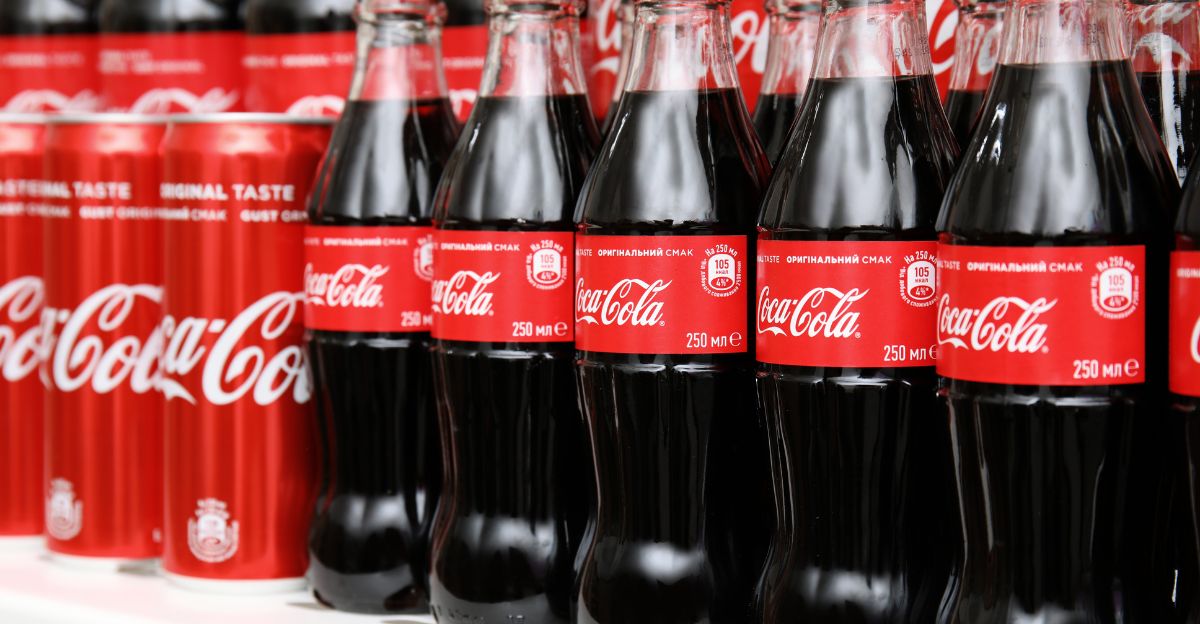
In response to these changing consumer preferences, Coca-Cola is also implementing notable changes. The company is transitioning flagship sodas from high-fructose corn syrup to cane sugar, which can sway millions of loyal customers towards healthier alternatives. “It’s a smart move that aligns with modern health concerns,” a beverage industry analyst states.
This strategic shift meets evolving regulatory expectations and positions Coca-Cola as a player committed to offering healthier choices. The race to remain relevant in a health-conscious market is heating up for all major players.
Structural Industry Changes
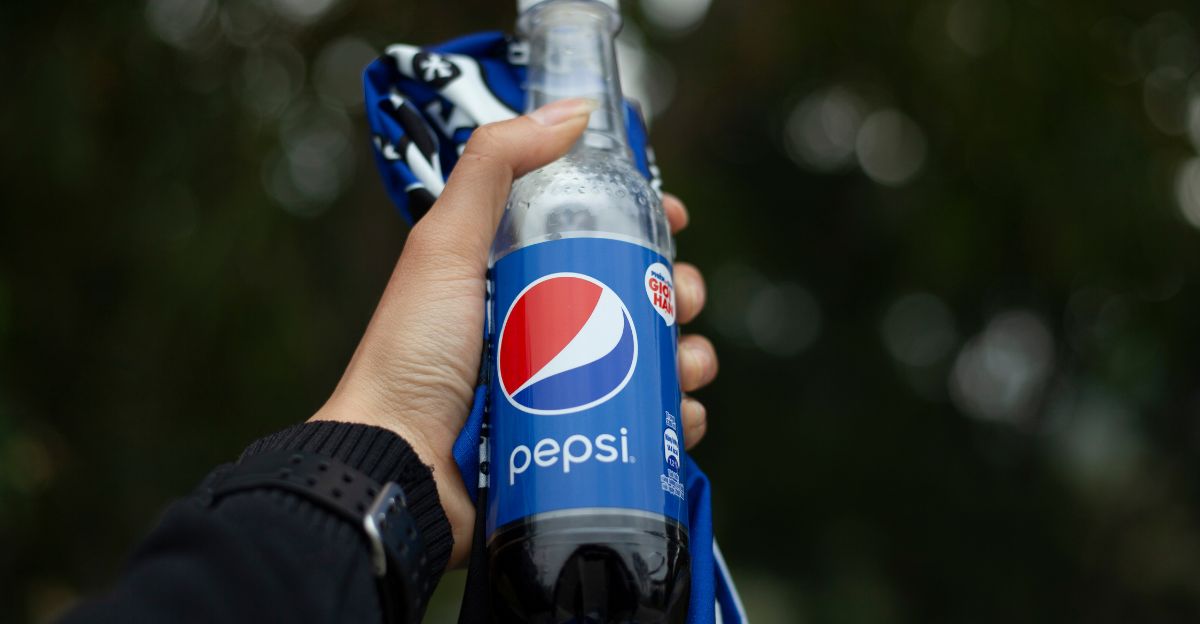
The ongoing shifts in consumer preferences reflect deep structural transformations within the soft drink industry. Giants like Pepsi and Coca-Cola are recalculating their recipes and revisiting branding strategies to prioritize ingredient quality and consumer health concerns.
“Consumers deserve to know what they’re drinking,” emphasizes a food safety advocate. This recalibration reveals a broader trend away from traditional taste rivalries toward emphasizing transparency and wellness. The industry faces a critical moment where consumer preferences demand a focus on health rather than nostalgia or legacy flavors.
Pepsi’s Strategic Acquisition
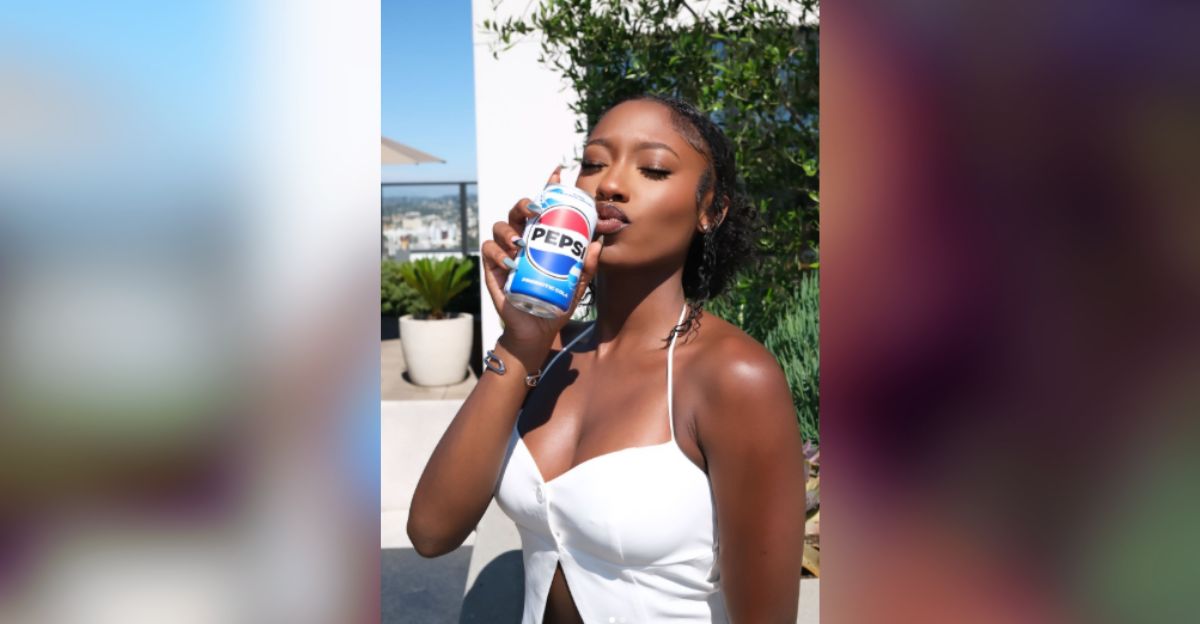
Pepsi’s recent acquisition of prebiotic soda brand Poppi for $2 billion brings innovation in-house while expanding options for health-conscious drinkers. “This is an exciting time for change and better choices,” says a former Poppi employee. This significant investment highlights Pepsi’s commitment to functional beverages and rapid product development.
Here’s where it gets interesting: this acquisition not only broadens Pepsi’s reach in the health segment but also signifies a pivotal moment for the industry, as large corporations recognize the importance of functional nutrition in consumer choices.
Navigating Internal Tensions
Despite the proactive approach, internal tensions are brewing at Pepsi, with some insiders voicing concerns about rushing formula changes. They worry this could alienate long-time customers who are still loyal to the brand’s classic recipes. “It’s a delicate balance between innovation and maintaining our status,” a Pepsi marketing executive acknowledges.
The challenge lies in harmonizing evolving health trends with brand loyalty, illustrating the complexities of competing in a fast-evolving market. As pressure mounts to respond to consumer needs, these discussions will be critical in shaping the company’s future direction.
Task Forces for Health Innovation
In a bold move towards health-focused innovation, executives at both Pepsi and Coca-Cola have established new task forces dedicated to accelerating low-sugar product development. “This is a critical step for the entire industry,” states a beverage consultant observing these changes.
These specialized teams are tasked with ensuring that new offerings align with the evolving preferences of health-conscious consumers. As industry watchers brace for an influx of “better-for-you” launches planned for late 2025 and early 2026, the soft drink landscape is on the verge of transformative change.
Aiming for a Strategic Comeback
With its new product lineup, Pepsi seeks to reformulate its offerings and aims for a strategic comeback. Pepsi hopes to reverse several years of market share loss to smaller wellness-focused brands by targeting younger generations with functional, healthier drinks.
“If they play their cards right, this could re-energize the brand,” shares a retail analyst. The challenge lies in blending nostalgia with innovation, ensuring loyal consumers feel connected to something new while embracing a healthier lifestyle. The race is on, and the stakes are higher than ever.
Expert Skepticism on New Offerings
While Pepsi’s innovations represent an ambitious step forward, not all industry experts are convinced. Some gastroenterologists warn that prebiotic sodas could lead to bloating or gas for specific consumers and emphasize that such beverages should not replace the health benefits of plant-based fibers from fruits and vegetables.
“Moderation is the key, regardless of how healthy it claims to be,” cautions a local dietitian. This skepticism highlights the ongoing conversation about food product labels and their benefits versus marketing claims, reminding consumers to stay informed about their choices.
Competitive Evolution in the Beverage Space
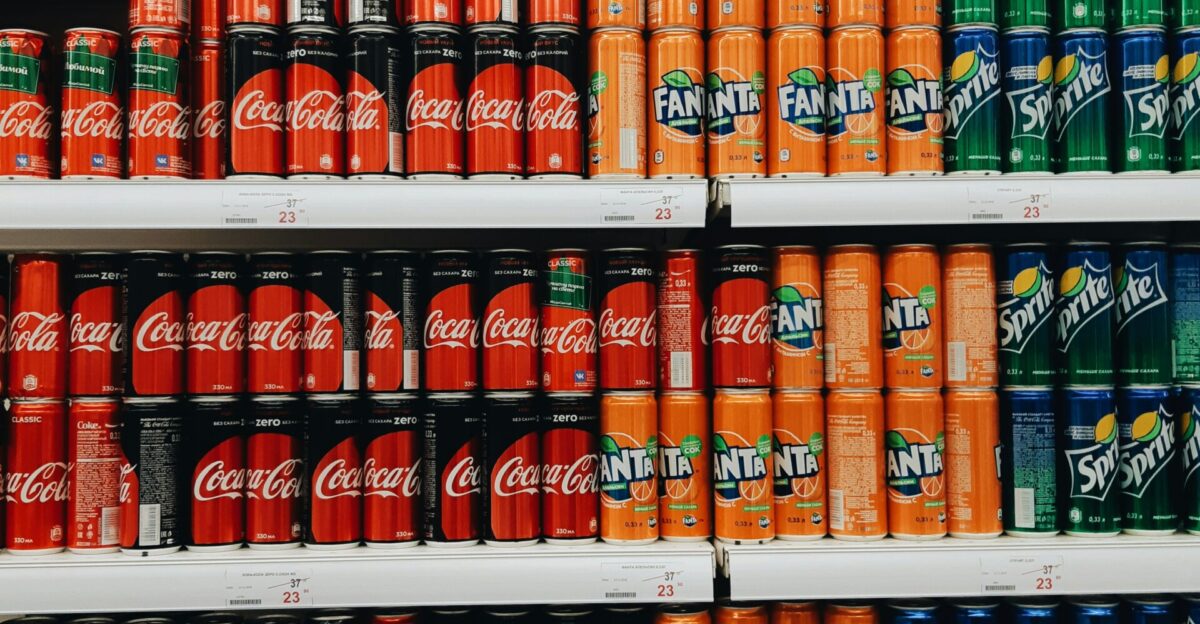
Will other players join this movement toward healthier options as the beverage landscape shifts? Analysts predict significant growth for prebiotic and gut-friendly drinks, posing a serious challenge for major brands now competing against eager startups ready to fill the health gap.
“This is just the beginning; innovation is going to accelerate,” states a market researcher tracking trends in the beverage industry. While larger brands struggle to adapt, agile newcomers eager for market share will likely push for continued innovation, causing ongoing disruption in the soda sector.
Policy Changes and Industry Impacts
U.S. Secretary of Health and Human Services Robert F. Kennedy Jr. is leading initiatives to eliminate synthetic dyes and reduce sugar content in sodas. “These changes are necessary for a healthier future,” argues a public health advocate involved in the discussions.
Such policy efforts set a precedent for nationwide reform in ingredient standards, adding another layer of pressure on soda manufacturers to comply with evolving consumer expectations. Ultimately, these policies will likely accelerate product reformulations and further the American public’s shift toward healthier beverage options.
Consumer Advocacy Rising
As health awareness grows, consumer advocacy for healthier beverage options has become increasingly prominent. Activists are leveraging social media and awareness campaigns to pressure beverage companies to prioritize health in their offerings.
“People are demanding change, and companies have to listen,” states a grassroots organizer focusing on nutrition education. This push shapes the market narrative, compelling even legacy brands like Pepsi and Coca-Cola to reconsider their roles in promoting public health and be more accountable for their products’ nutritional value.
Navigating Sustainability Trends
Alongside health trends, sustainability is crucial in consumer purchasing choices. Beverage companies are now reevaluating sourcing and production methods to meet consumer demands for eco-friendly practices.
“Consumers want brands that align with their values,” notes a sustainability consultant. The intersection of health and sustainability represents a new frontier for soft drink makers, indicating that future success may depend on their ability to adapt to these intertwined perspectives while maintaining product quality and taste.
The Broader Beverage Market Landscape

This transformation isn’t limited to sodas; the beverage market is shifting significantly. Consumers actively explore various alternatives that meet their health and wellness goals, from flavored waters to plant-based drinks.
“Choice is expanding, and that’s exciting for consumers,” a beverage industry expert emphasizes. As traditional soft drink consumption declines, companies that embrace innovation and cater to these evolving preferences are poised to thrive in a competitive landscape that increasingly favors healthier options.
The Future of Soft Drinks
Looking ahead, industry players and consumers alike are navigating a rapidly changing landscape embossed with health consciousness and transparency. Beverage giants face intense scrutiny and pressure to reformulate products that align with modern health standards.
“It’s a pivotal moment for the industry; innovation is essential,” concludes a forward-thinking analyst. As the race to innovate intensifies, the soft drink market will continue to evolve, reflecting the consumers’ quest for healthier choices and a transparent approach to food and beverage consumption.