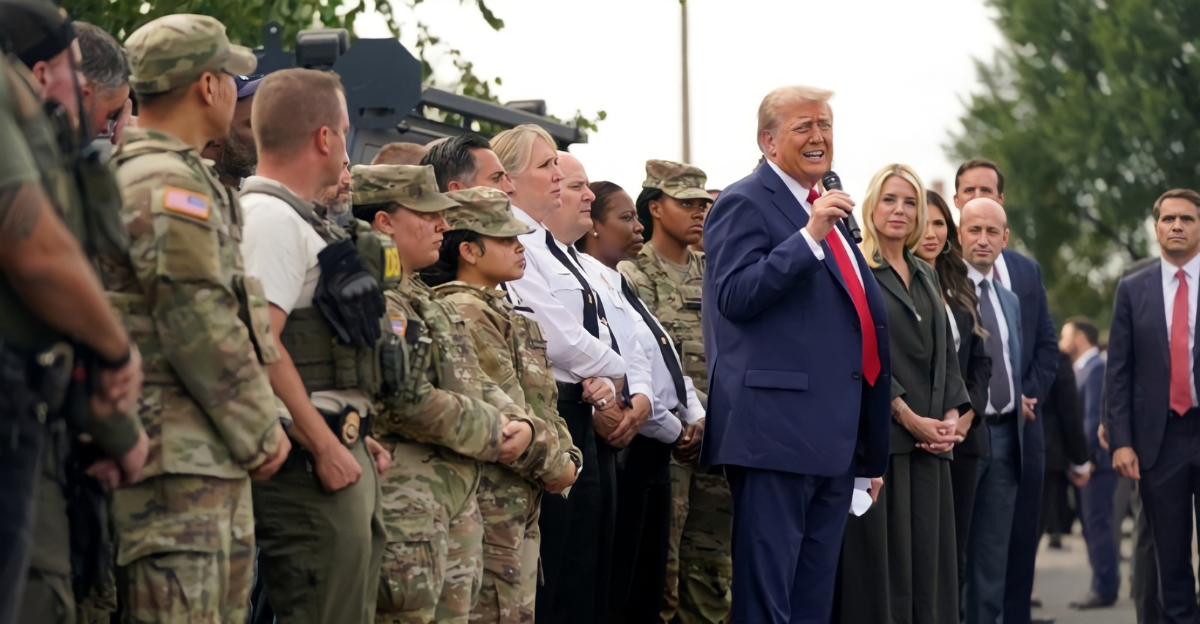
A significant crackdown on free expression within the military is represented by the Pentagon’s recent enforcement of speech restrictions. The program’s fundamental tenet is a “zero-tolerance” policy for social media posts by service members that are deemed disrespectful or disloyal, especially in reaction to politically sensitive incidents like the murder of conservative activist Charlie Kirk.
The Uniform Code of Military Justice (UCMJ), which has historically restricted political speech and behaviors judged detrimental to discipline and good order, is extended by this policy. Nonetheless, the extent and severity of the enforcement demonstrate a new level of rigor that is arguably unheard of in contemporary military history, and they have already resulted in disciplinary measures, including the dismissal of one colonel.
Military Speech Restrictions Throughout History
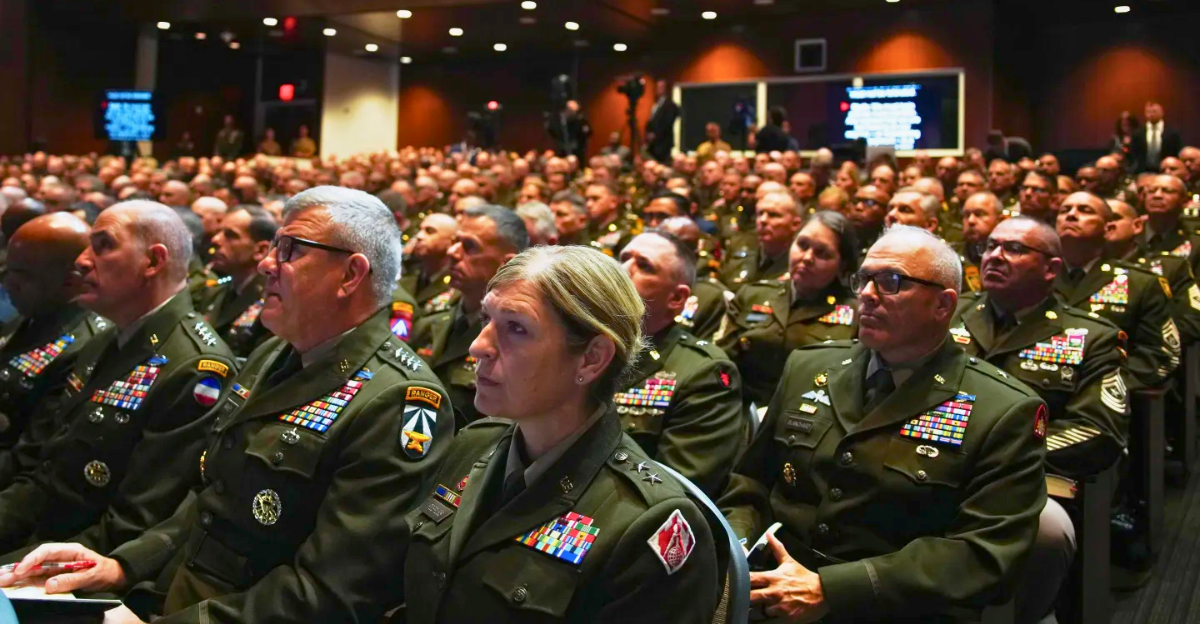
Due to the need for discipline and unity, the military has historically placed strict restrictions on free speech. The UCMJ expressly forbids service members from acting in a way that is considered detrimental to good order, making derogatory remarks about the chain of command, or participating in political activities while in uniform. These restrictions, however, have historically concentrated on upholding discipline in official and active duty settings rather than going as far as to restrict speech in private or off-duty settings or on social media.
The emergence of digital communication channels opened up a new area and called into question the validity of established norms. Although speech restrictions have been implemented by earlier administrations, the current crackdown led by Defense Secretary Pete Hegseth shows a noticeable increase, focusing on both overt acts and opinions expressed in private online spaces.
The Political Environment Encourages Intensification
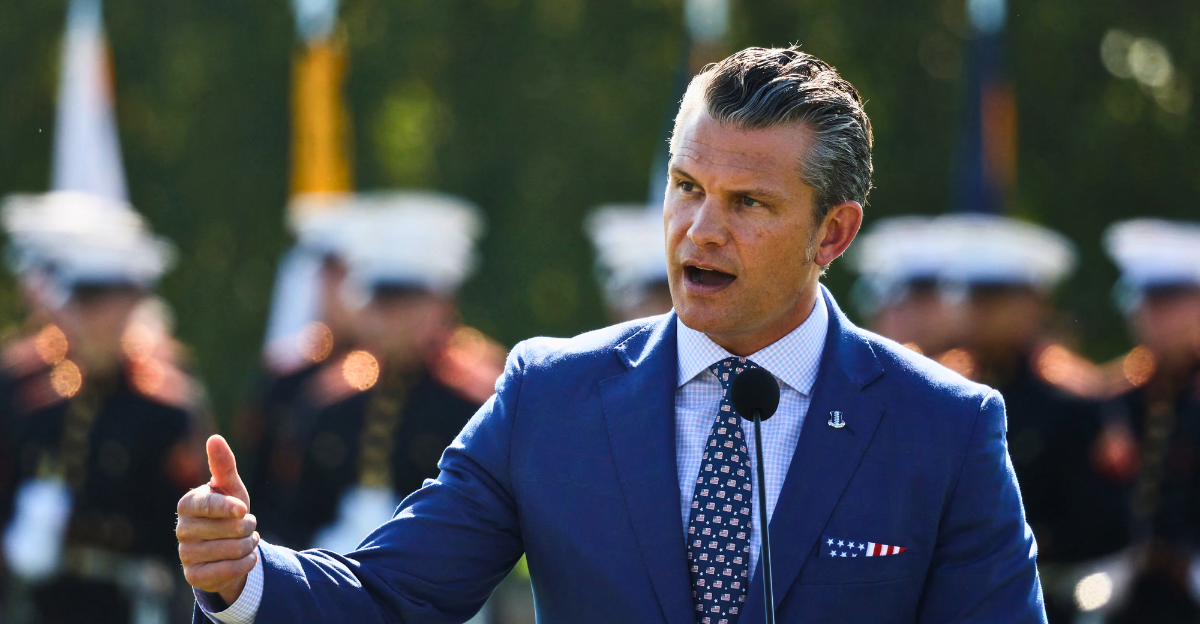
The Trump administration’s aggressive stance on dissent and information control, which combines military discipline with overt political allegiance, is closely aligned with the Pentagon’s crackdown. The main objectives of Defense Secretary Pete Hegseth’s agenda are censoring dissenting voices, removing diversity and inclusion initiatives, excluding transgender troops, and promoting ideological conformity.
These policies are a reflection of the polarization of the larger political landscape, where partisan goals are increasingly aligned with military loyalty. The suppression of speech, especially in the wake of Charlie Kirk’s politically charged death, shows how military leadership has historically attempted to maintain a clear separation between political loyalty and military service.
The Colonel’s Resignation Raises Concern
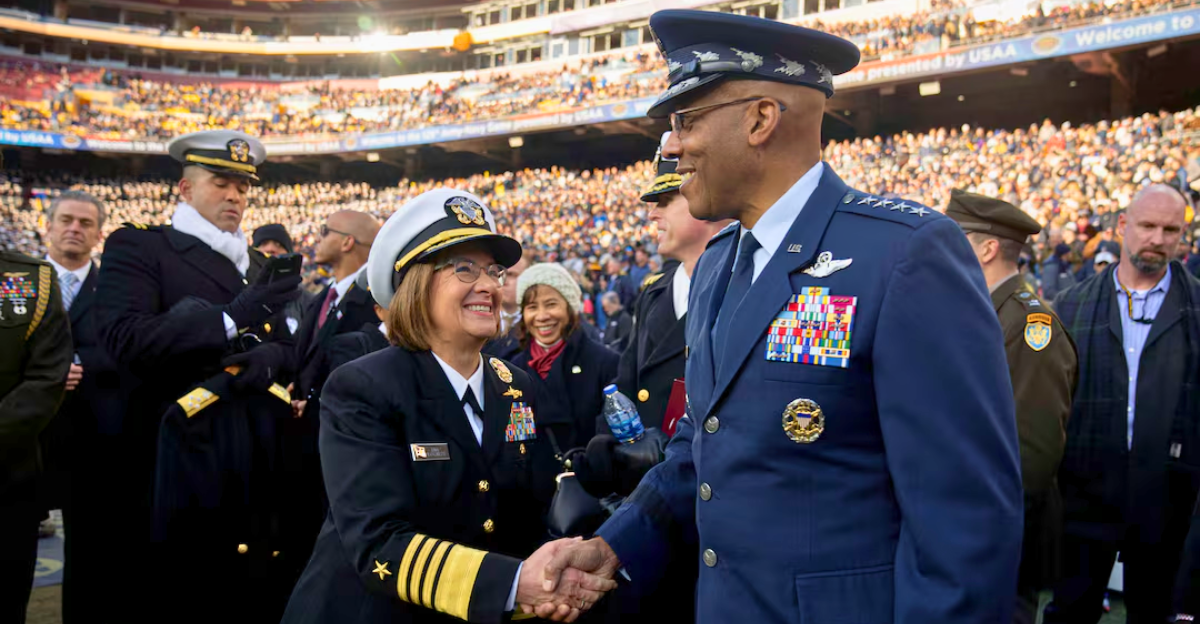
A clear illustration of the concrete repercussions of the crackdown is the termination of a US Army colonel in accordance with these new speech regulations. The incident shows that even senior officers can face disciplinary action for speech that is deemed politically or ideologically unacceptable, even though the specifics of the colonel’s actions are still being investigated.
Lower-ranking military personnel and civilians in the Defense Department are more alarmed by such a high-profile dismissal because they interpret it as a warning about the boundaries of acceptable speech. Additionally, it marks a departure from previous conventions that linked officer misconduct to operational or ethical shortcomings rather than to speech or opinion.
Constitutional and Legal Views
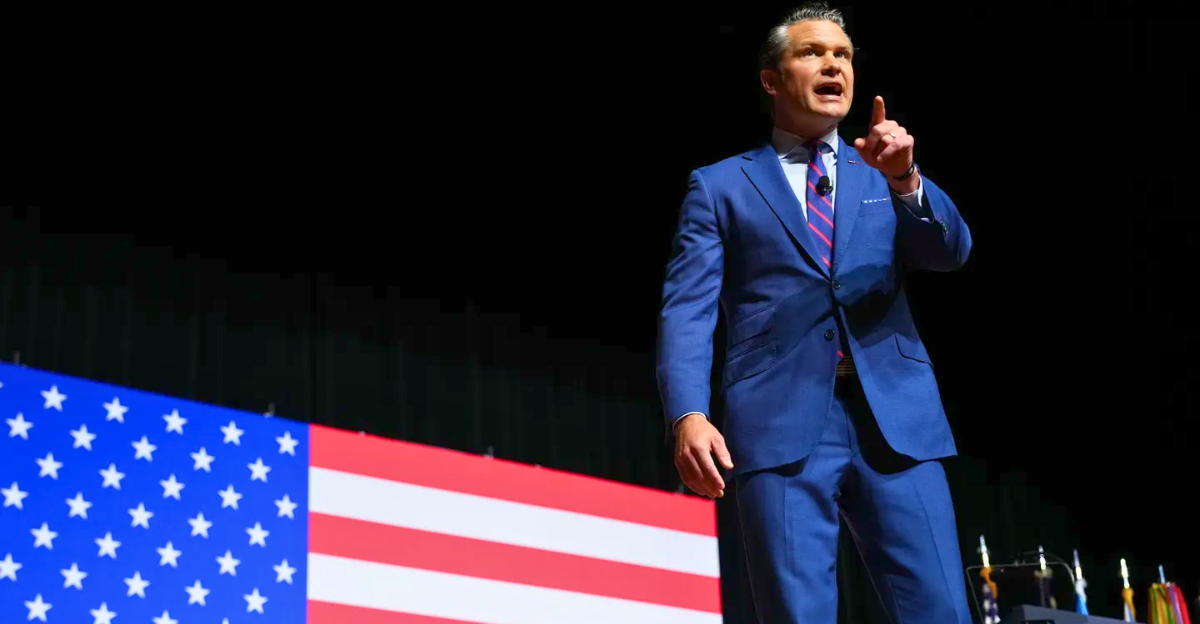
The crackdown presents significant First Amendment issues from a legal perspective. Due to the necessity of military discipline, service members’ free speech protections are less than those of civilians; however, the scope and character of current restrictions are similar to what constitutional scholars refer to as “prior restraint”, government prohibition of speech before it occurs.
The Pentagon’s new regulations, which limit soldiers’ online speech and require preapproval and pledges from journalists, are criticized for disproportionately violating press freedom and free expression. Such regulations run the risk of stifling free expression within the military, preventing soldiers from openly voicing valid concerns and taking part in larger political and social discussions.
Effects on Troops’ Minds
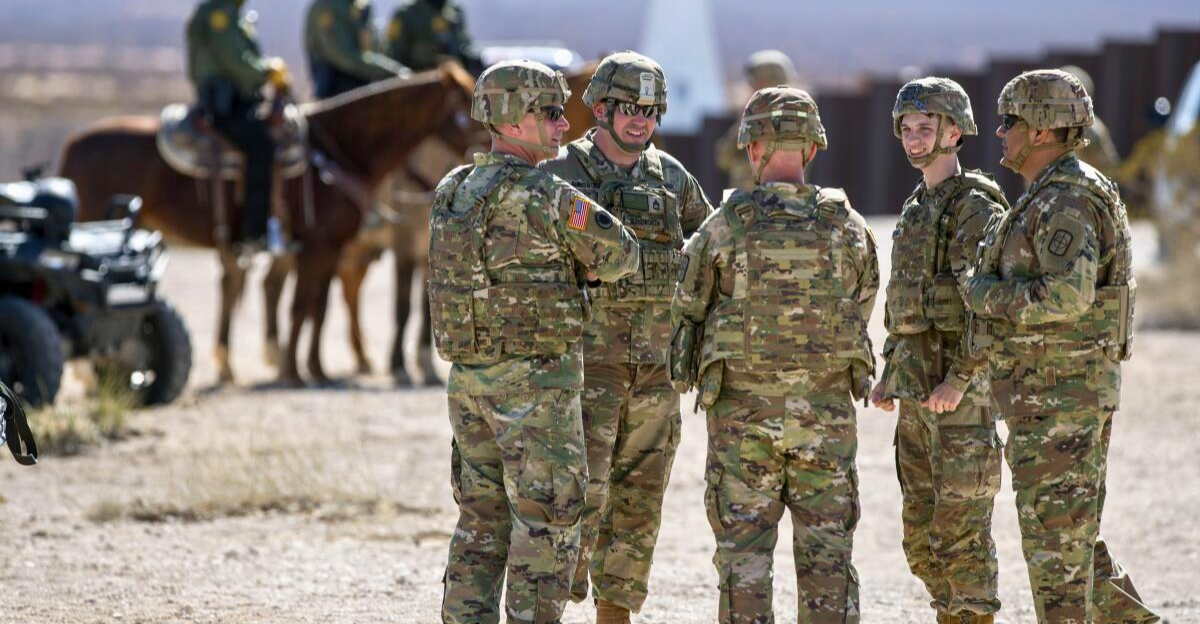
This crackdown has serious psychological repercussions. In addition to the stress of service requirements, troops are constantly afraid of being watched, monitored, and possibly retaliated against for voicing any opinion, no matter how subtle or private. Self-censorship is brought on by this chilling effect, which undermines leadership-service member trust, a vital component of military unity.
Morale is weakened by the threat of unjust punishment for offenses involving ambiguous speech, which may result in disengagement and a reduction in preparedness. Anxiety about reputational harm, social rejection, and career hazards are further manifestations of the psychological strain. Military psychology experts caution that this kind of speech suppression can backfire because repressed dissent can take on different forms, which weakens morale and unit cohesion.
Effects on Military Discipline and Culture
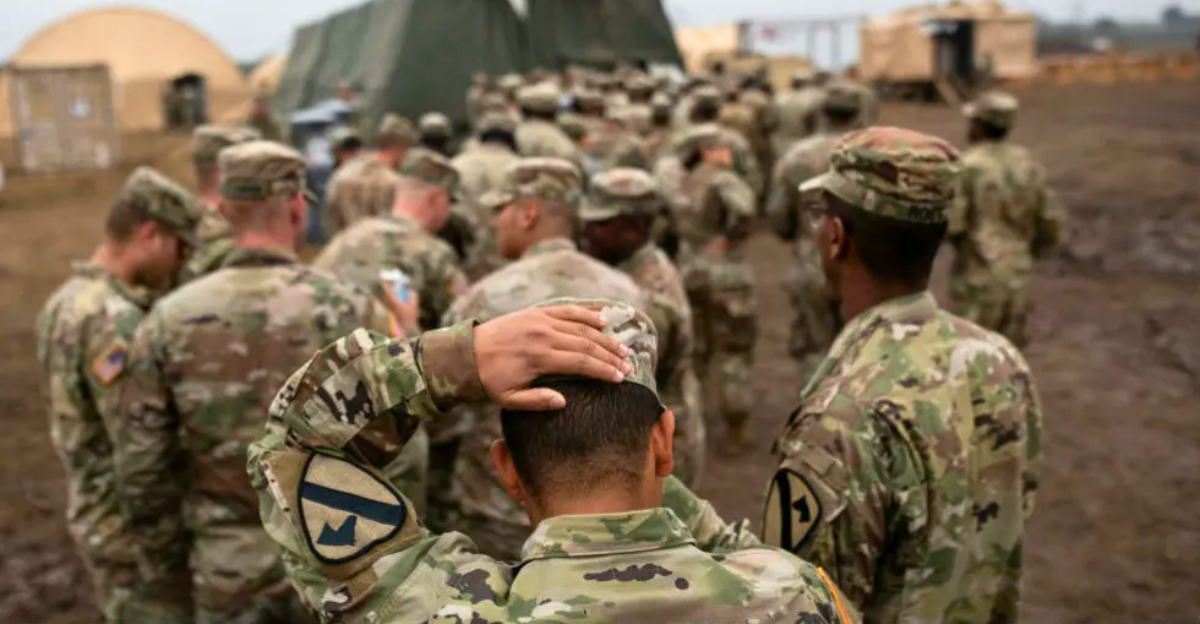
Although the military stresses the importance of discipline, the crackdown runs the risk of eroding the open communication and mutual respect cultures that are essential to efficient operation. Open lines of communication and expression are necessary for effective military leadership because they foster creativity and problem-solving.
Excessively harsh speech regulations foster a climate of distrust, which hinders open communication and candid discussion. The military could become a surveillance state as a result of this betrayal of internal culture, where loyalty is based more on ideological purity than on integrity or performance. Ironically, by weakening the very esprit de corps required for military effectiveness, such an atmosphere can erode discipline.
Issues with the Media and Press Freedom
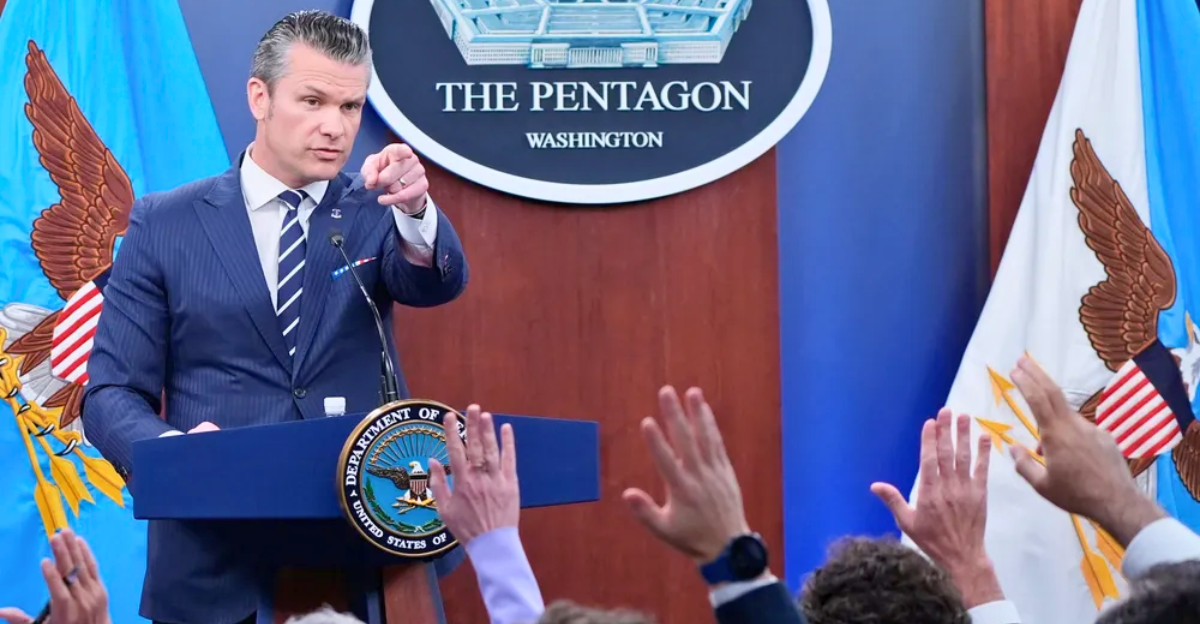
The Pentagon is cracking down on reporters who cover the military in addition to troops. According to a new 17-page memo, journalists must obtain preapproval before publishing any information, even unclassified information, and they must promise not to publish anything without express government consent. This unprecedented requirement costs transparency and accountability by limiting public scrutiny of military operations and endangering independent journalism.
Democracy’s oversight mechanisms are weakened when there are fewer independent voices covering military affairs and the public is only exposed to sanitized, government-approved narratives. Proponents of press freedom caution that this is a warning sign of an authoritarian movement that seeks to control information rather than advance the truth.
Social Media as a Platform for Free Expression
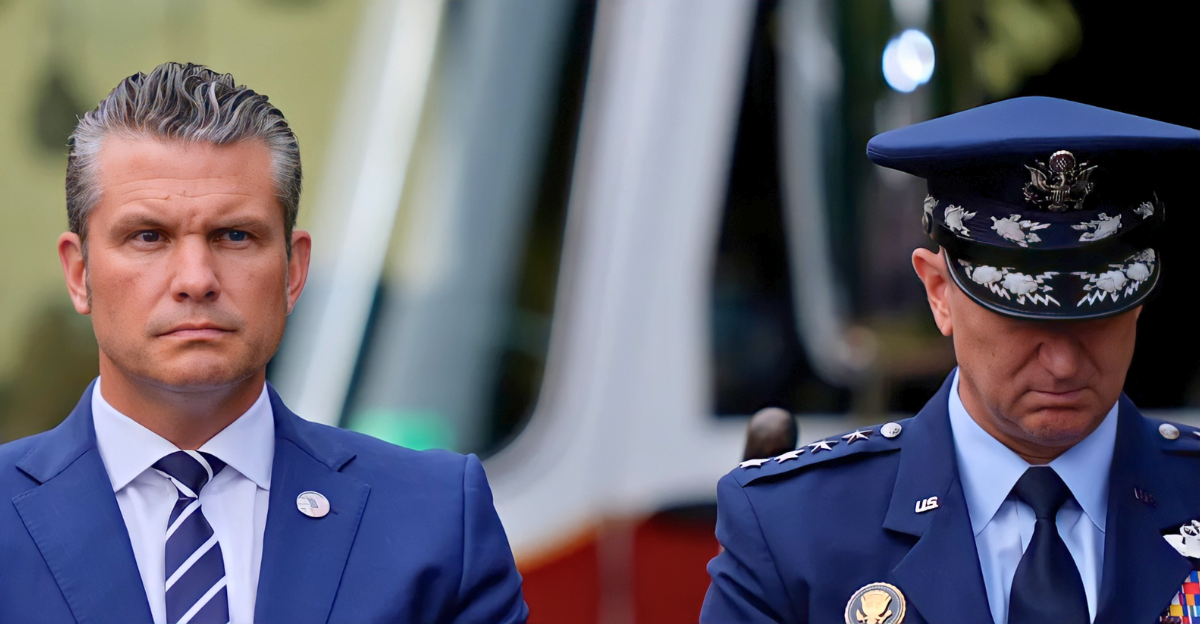
Since social media serves as both a public and private space for troops, it is a crucial front in this speech conflict. Troops are put in dangerous situations by the Pentagon’s zero-tolerance policy for posts that “celebrate” or make fun of politically sensitive events. Although there is a legitimate need to stop harmful behavior like incitement or disrespect, the broad and ambiguous enforcement leaves people unsure of what speech is punishable.
In order to avoid penalties, troops are left to continuously review their statements, which results in the widespread removal of previous posts. Even in hierarchical structures, this overreach undermines individual liberty and fosters a coercive self-policing online culture that is incompatible with democratic ideals of free speech.
Possible Effects of a Second Order on Hiring
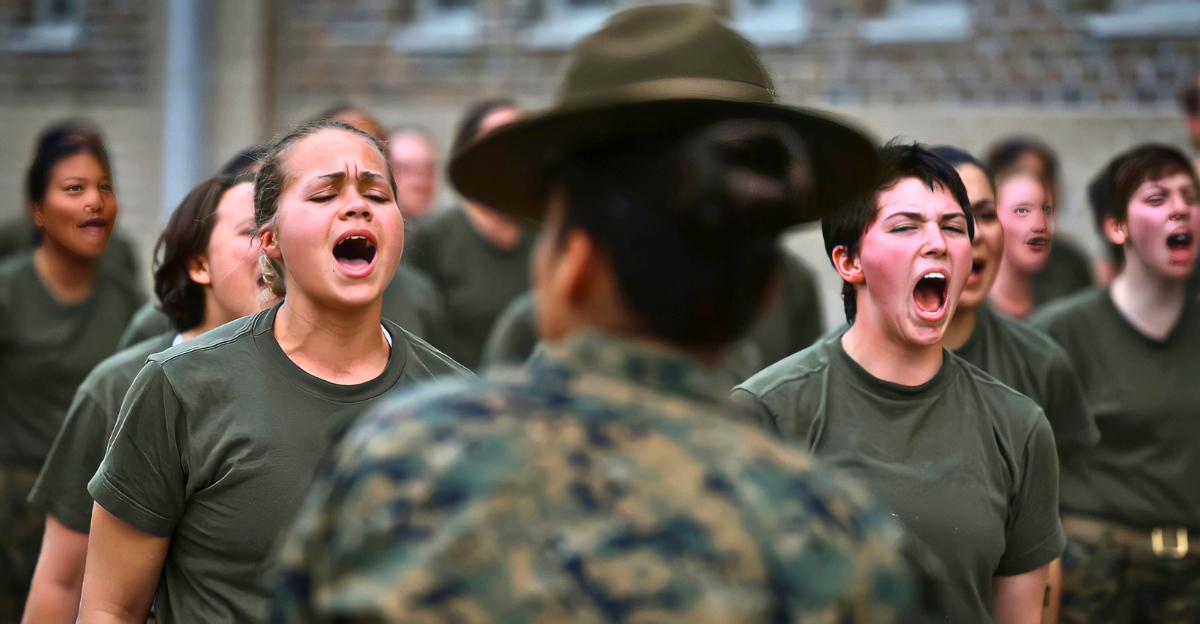
The crackdown might affect military recruitment in unexpected ways. Even in roles that are disciplined, today’s youth expect personal freedoms, such as the ability to communicate. Potential recruits who are concerned about losing their autonomy or being singled out for political reasons may be discouraged by news of punitive measures for speech that is controversial but protected by the Constitution.
Damage to the military’s reputation runs the risk of reducing its pool of potential recruits, particularly from diverse communities that are vulnerable to political repression. A decrease in the number and diversity of enlisted personnel could harm the military’s long-term effectiveness and be a sign of poor strategic human capital management.
Effects of the Third Order on Military Innovation and Agility
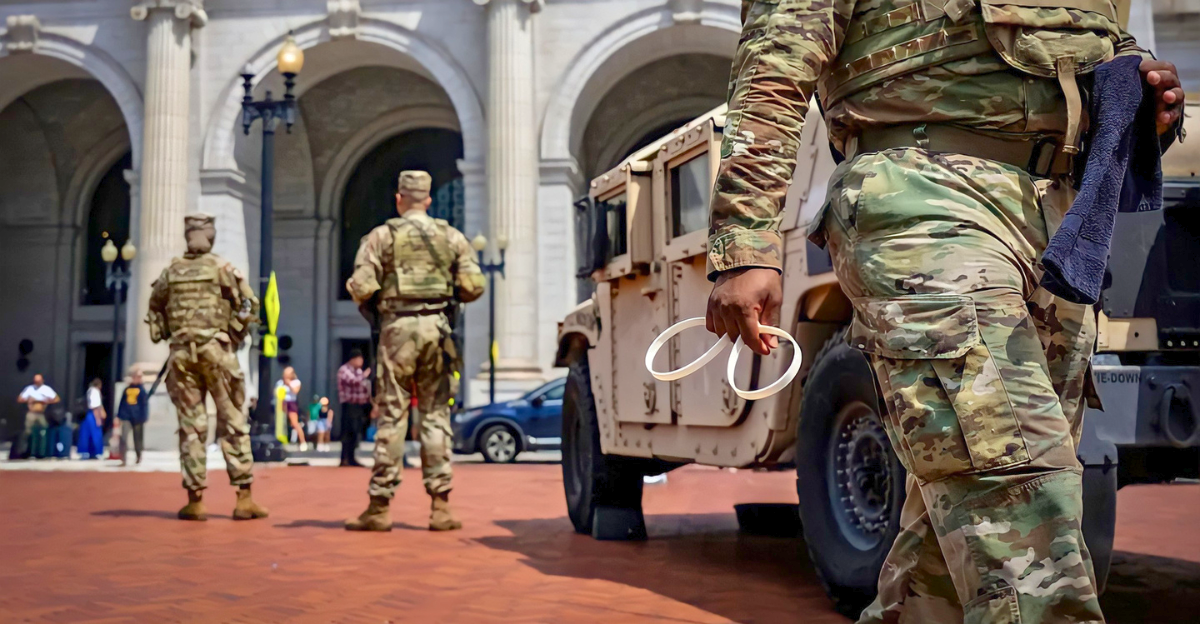
Suppressing free speech may eventually hinder innovation, which is essential for the military to adjust to new threats. Honest criticism and the free flow of ideas, including opposing viewpoints, are necessary for creative problem-solving and innovation. The risk-taking required for innovations in operations, technology, and strategy is discouraged in a punitive setting.
Additionally, officers and recruits might not question outmoded doctrines or policies, which would allow vulnerabilities and inefficiencies to continue. The military runs the risk of becoming a rigid organization susceptible to operational failure and strategic surprise if intellectual freedom is lost.
Democracy vs. Discipline in a Military Setting
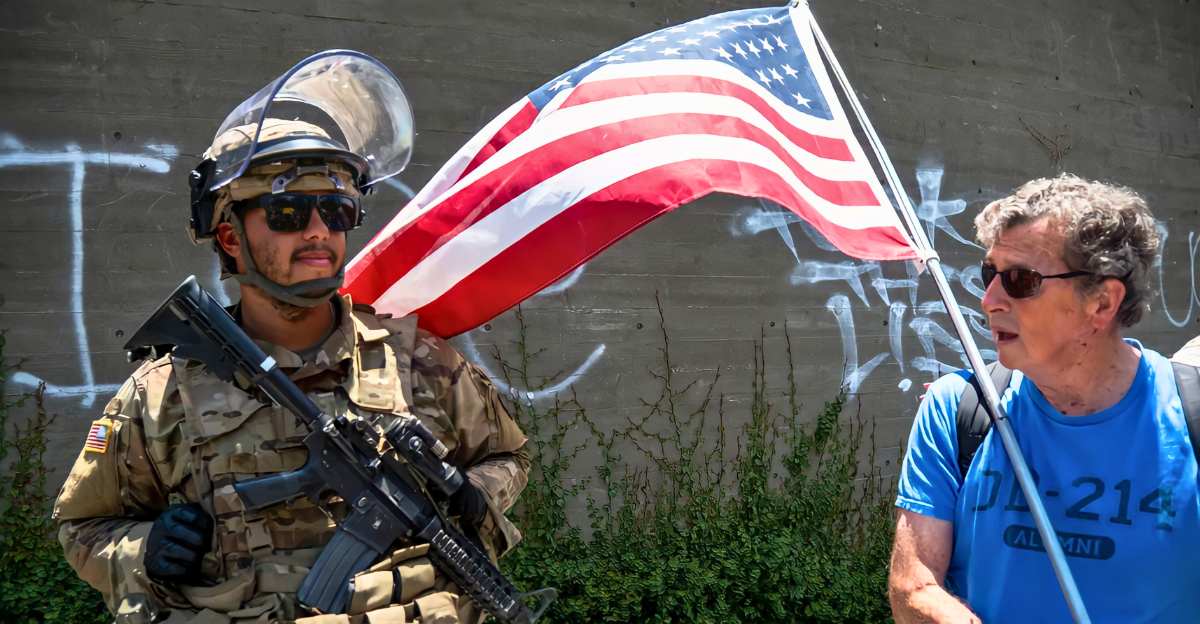
While many criticize the crackdown, others contend that for the military to function effectively and maintain national security, free speech must always yield to military discipline. According to this perspective, limitations preserve order, which is essential in combat situations, and avoid division. Political speech has the potential to weaken unity and split ranks.
The difficulty still lies in striking a balance between this discipline and democratic ideals while preventing the military from becoming politicized. Critics caution that current policies go beyond necessary restraint and border on censorship, endangering constitutional standards in the military. The risk of militarizing political loyalty instead of maintaining service integrity is indicated by the contrarian viewpoint, which also emphasizes the challenging tension.
Confluence with More General Trends in Government
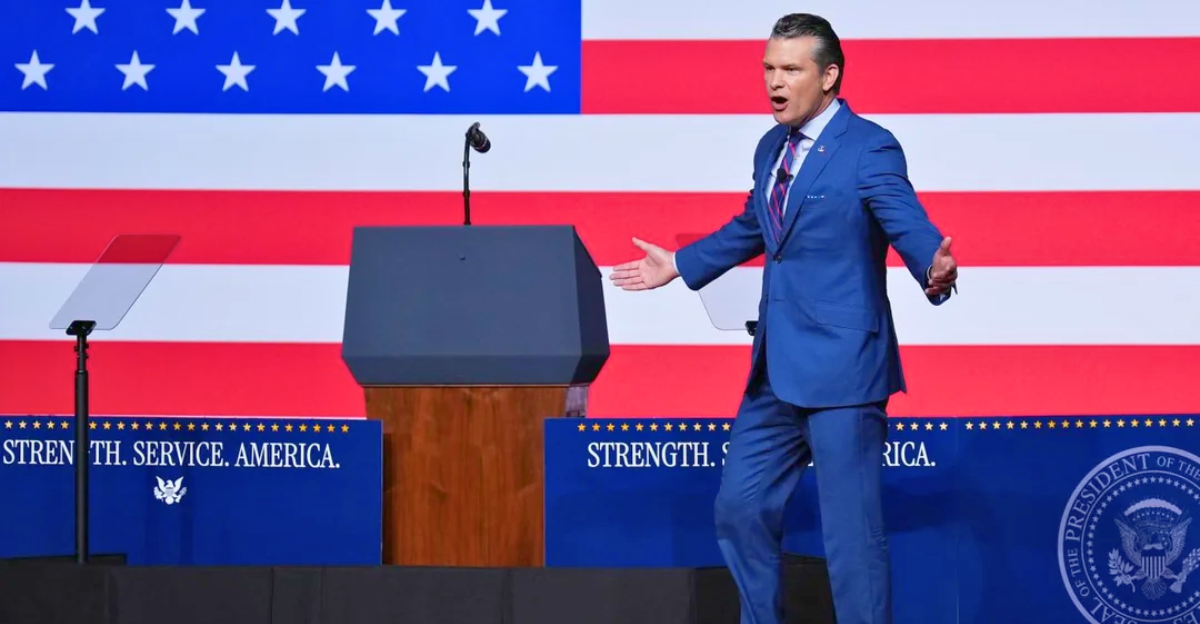
The Pentagon’s crackdown undermines traditional free expression norms and is part of a larger trend in the post-digital era toward greater speech regulation by the government and corporations. “Cancel culture” and “content moderation” have made it difficult to distinguish between censorship and moderation, according to social media companies and government organizations.
A particularly stark example of the intersection of political control and national security justification is military restrictions. The future of democratic discourse and the military’s function as a nonpartisan organization in a time of growing polarization are both called into question by this development.
Military Speech and the Use of Psychological Safety
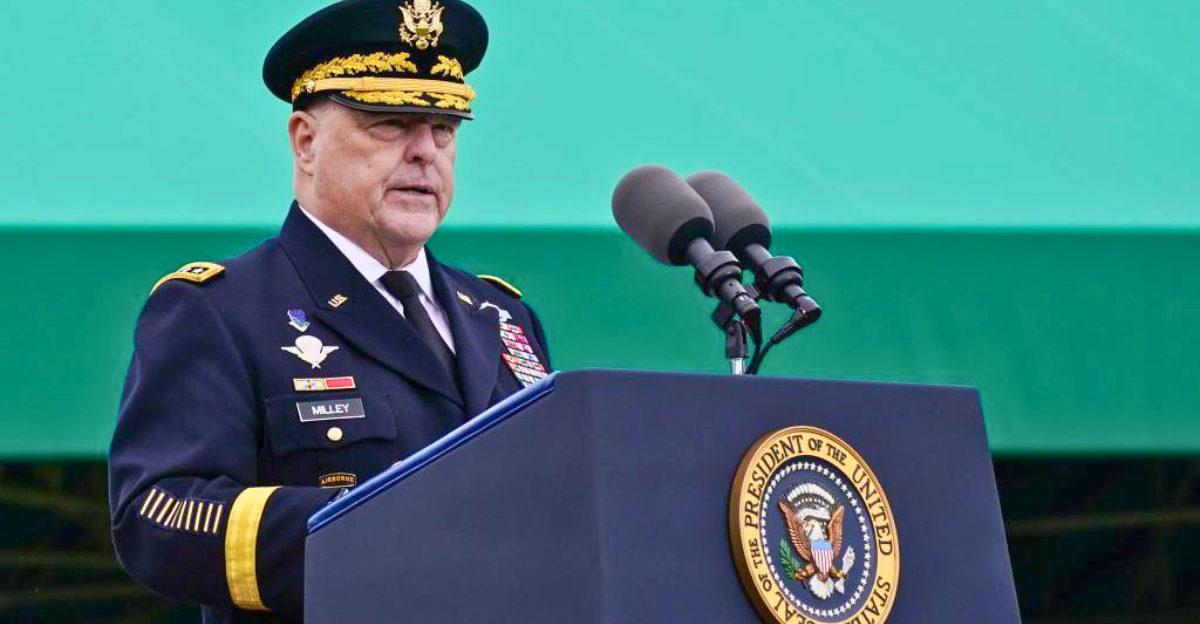
A distinctive framework is provided by applying the idea of psychological safety, allowing people to speak without worrying about punishment, to the context of military speech. Psychological safety metrics indicate that allowing responsible, respectful dissent and dialogue improves trust, morale, and performance, even though discipline has its limits.
This ideal is reversed by the Pentagon’s crackdown, which encourages fear and silence rather than transparency. Maintaining operational effectiveness and upholding democratic values at the same time may be achieved by promoting a careful balance that allows soldiers to express their concerns without jeopardizing order.
Possible Effects on Global Perception and Partnerships
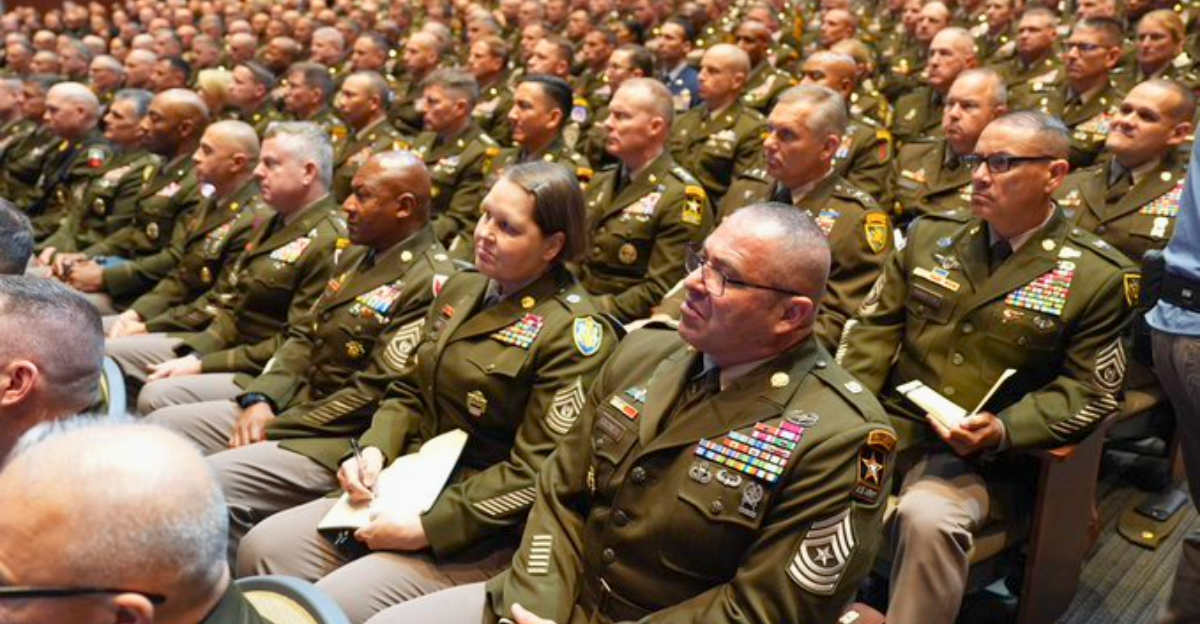
The crackdown may damage the US military’s standing as a champion of human rights and democracy abroad. The suppression of free speech may be seen by allies and international partners as being incompatible with the values that guide international collaboration with US forces.
When mutual trust and shared ethical standards are important, this perception runs the risk of undermining alliances, harming soft power, and making joint operations more difficult. The politicization of military speech by the crackdown may lead to comparable repressive actions in allies, undermining international standards for democratic governance and military behavior.
Historical Similarities to Autocratic Systems
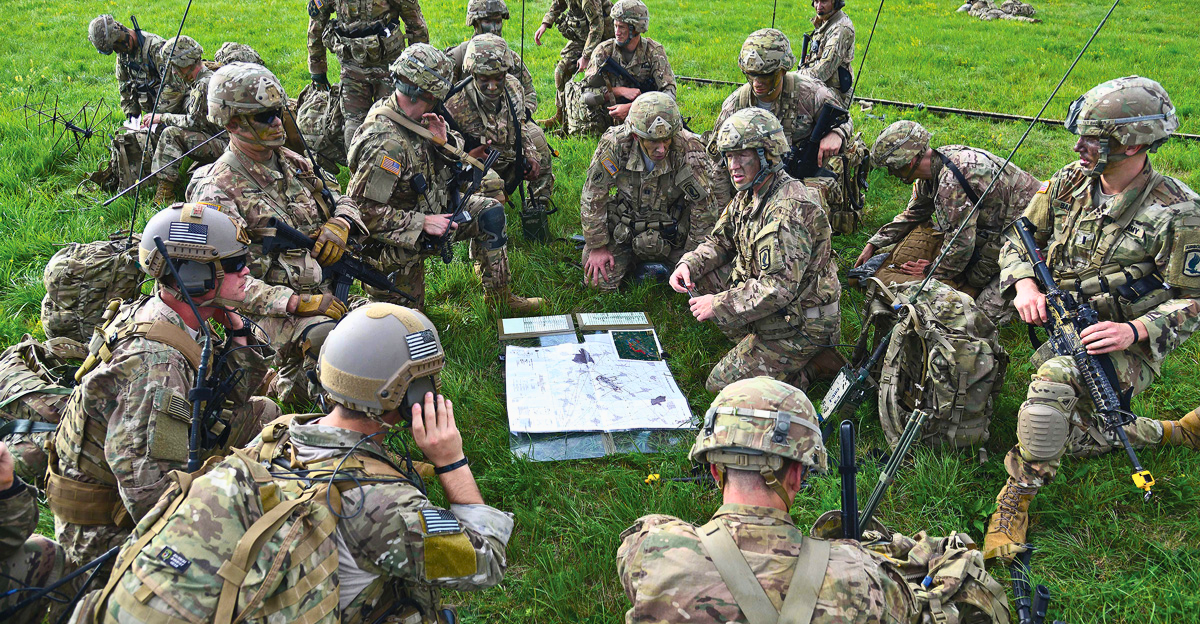
There are historical parallels where authoritarian regimes severely restricted military speech in order to maintain political allegiance, frequently at the expense of efficacy and human rights. The Soviet Union and Nazi Germany serve as examples of how politicized militaries can carry out atrocities without internal opposition, with disastrous results.
The current crackdown’s trajectory indicates concerning parallels in speech control, highlighting the need for vigilance to preserve democratic military traditions even though the United States is not heading toward authoritarianism. These similarities act as a warning case study, highlighting the potentially disastrous outcomes that could arise if the Pentagon’s policies continue or worsen.
Crackdown on Speech as a Control Test
According to some analysts, this crackdown is a component of a larger experimental strategy by political actors to use speech policing under the pretense of national security in order to exert control over military and civilian institutions.
According to this theory, restrictions on free speech in the military are purposefully tested in order to generalize similar regulations in other governmental domains. Although unproven, this theory raises concerns about growing authoritarianism and the militarization of political allegiance, predicting future speech-related governance disputes that may alter American civil-military relations and democratic governance.
Remedies and Suggestions
Recalibrating speech policies to strike a balance between discipline and constitutional principles is necessary to address the crisis. It is essential to create more precise rules that distinguish between harmful behavior and protected speech. Along with operational readiness, psychological safety, and democratic values should be emphasized in leadership training. To lessen fear and arbitrariness, disciplinary actions must be transparent and accountable.
The rights of soldiers would be safeguarded by establishing impartial review procedures for sanctions pertaining to speech. Adherence to constitutional standards is ensured by involving Congress and judicial bodies in policy reviews. Rebuilding trust necessitates constant communication and evaluation in order to avoid politicization and preserve the military’s core apolitical values.
Future Trends and Monitoring
Trends point to a persistent conflict within the Pentagon between freedom and control, driven by both technological advancements and political upheavals. Constitutionalists, military ethicists, and public policy specialists should keep an eye on this development.
This is an emerging flashpoint for democracy itself because of the confluence of political polarization, social media’s development, and military governance. Resolving these conflicts in a way that maintains free speech without sacrificing discipline is crucial for the future of American civil-military relations; this delicate balance calls for alertness and moral leadership.
Conclusion
The balance between military discipline and constitutional freedoms is seriously threatened by the Pentagon’s crackdown on free speech within the military, which was exemplified by the dismissal of a colonel and severe disciplinary measures. It fosters widespread fear and jeopardizes morale, creativity, and democratic values within the armed forces. It is rooted in an elevated political environment and extends restrictions into personal expression.
The chilling effect of the policy runs the risk of turning the military from an impartial guardian of the country into a politicized institution. Maintaining both military effectiveness and American democratic values requires a careful recalibrating of these policies to uphold order and respect free speech. Beyond the military, the future of press freedom, civil liberties, and democratic discourse in the US is at risk.