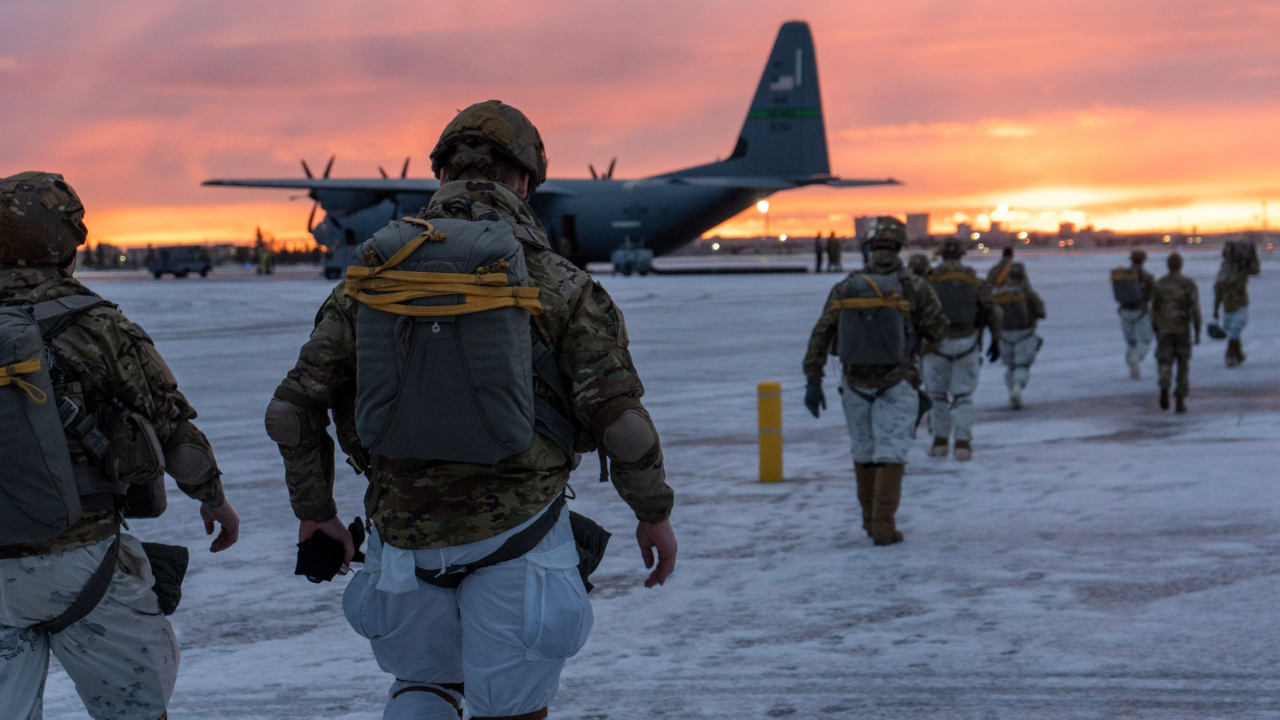
Before dawn in Alaska, formal orders moved quietly through barracks at Fort Wainwright. Roughly 1,500 active-duty soldiers from the U.S. Army’s 11th Airborne Division were told to prepare for deployment—destination undisclosed. The date was January 18, 2026.
Within hours, reporters confirmed the target: Minnesota. As protests intensified nearly 3,000 miles away in Minneapolis, America’s only Arctic warfare division was placed on alert—an extraordinary step not taken for domestic unrest in over three decades.
Arctic Angels Mobilize
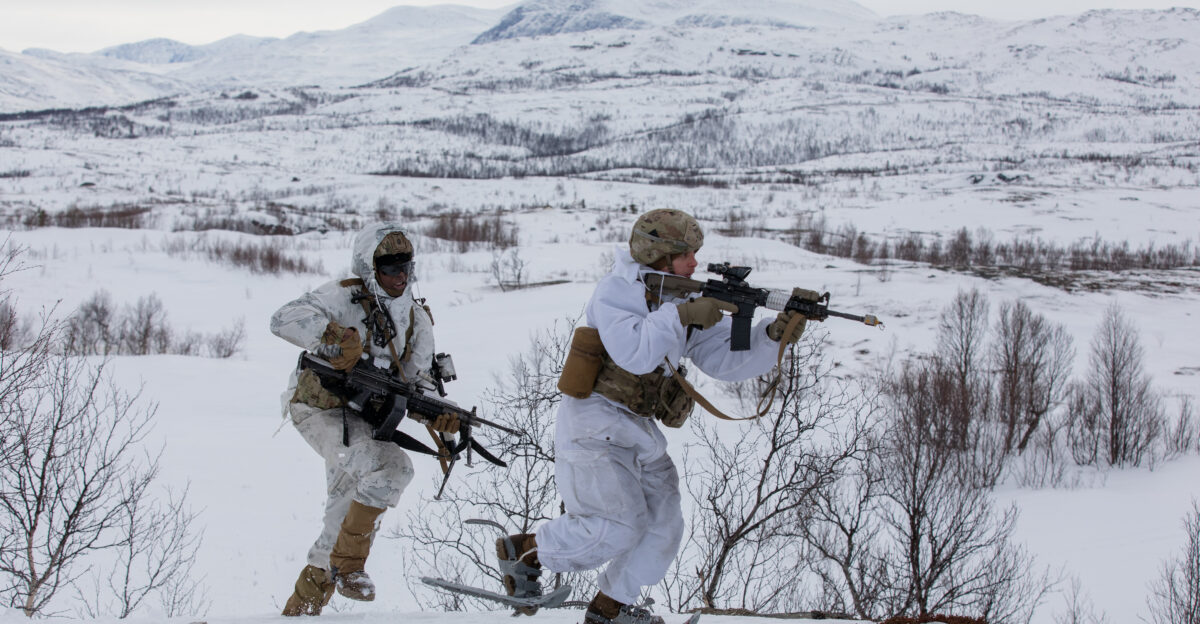
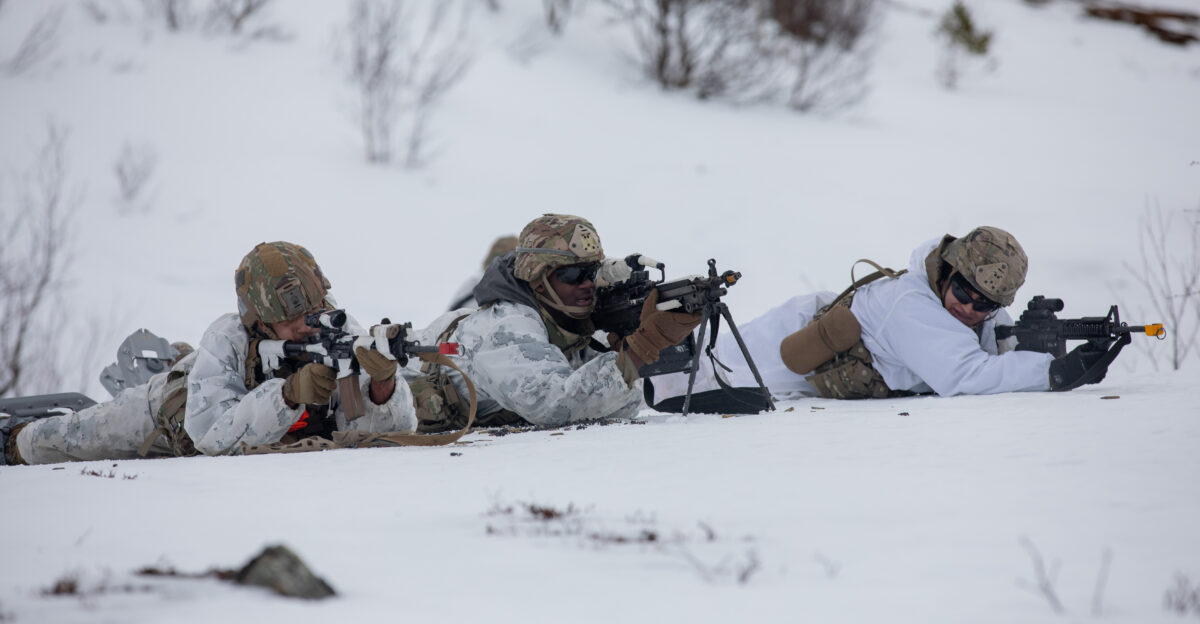
The soldiers on standby belong to the 11th Airborne Division, known as the “Arctic Angels.” Based in Alaska, the unit is the U.S. Army’s only formation designed specifically for arctic and sub-zero warfare.
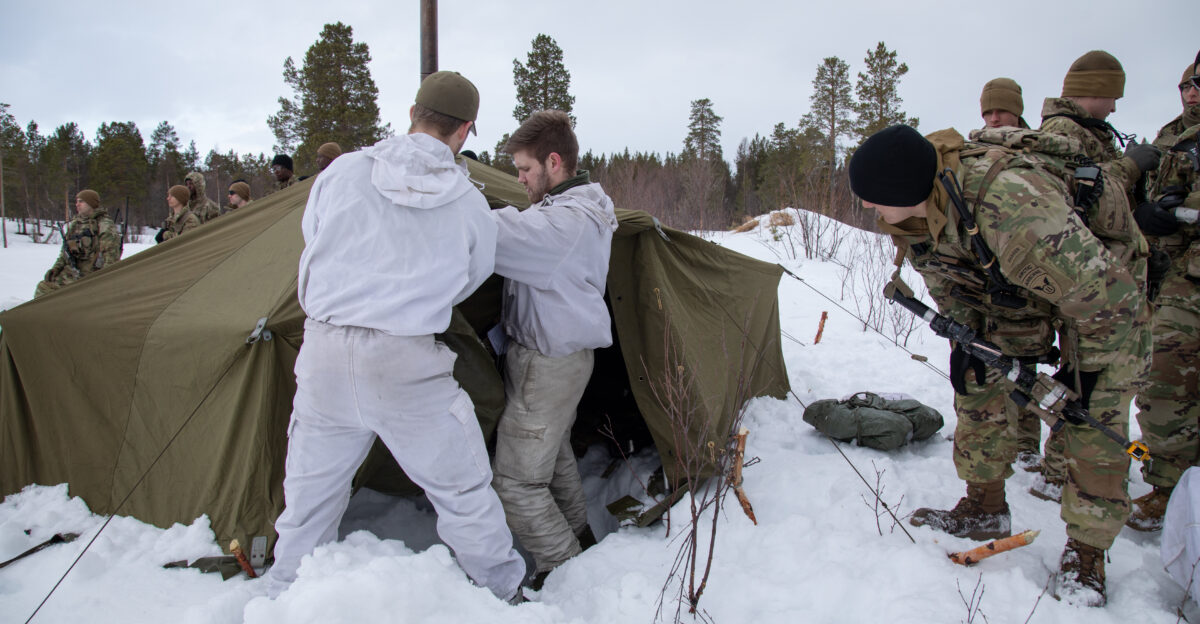
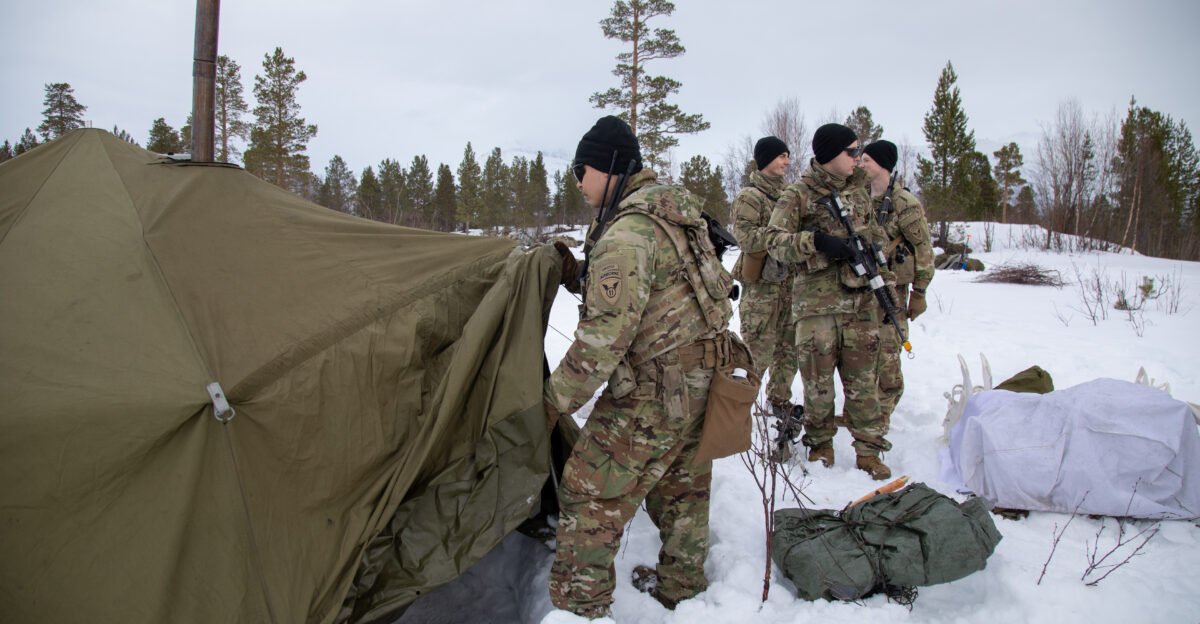
Its troops train year-round in extreme cold, mountain terrain, and rapid-deployment operations. While Minnesota is no tundra, January conditions can be severe. Selecting cold-weather infantry suggests planners are preparing for extended winter operations—not symbolic presence alone.
The Insurrection Act Playbook
The legal mechanism behind any domestic troop deployment is the Insurrection Act of 1807, which allows presidents to deploy active-duty forces when state authorities cannot maintain order. It has been invoked sparingly across U.S. history.
That list includes Lincoln during the Civil War, Eisenhower during desegregation, Johnson during the 1968 riots, and George H.W. Bush in 1992, when troops entered Los Angeles after unrest killed 63 people and caused $1 billion in damage.
Minneapolis Becomes the Flashpoint
Minneapolis is now the epicenter of one of the largest federal immigration enforcement surges in modern U.S. history. Since early January, roughly 3,000 ICE and U.S. Border Patrol agents have flooded the Twin Cities.
The operation, known as “Operation Metro Surge,” prioritizes interior enforcement rather than border security. Two violent encounters between ICE officers and civilians transformed the crackdown into a national flashpoint, triggering daily protests and drawing intense federal scrutiny.
The Renée Good Shooting
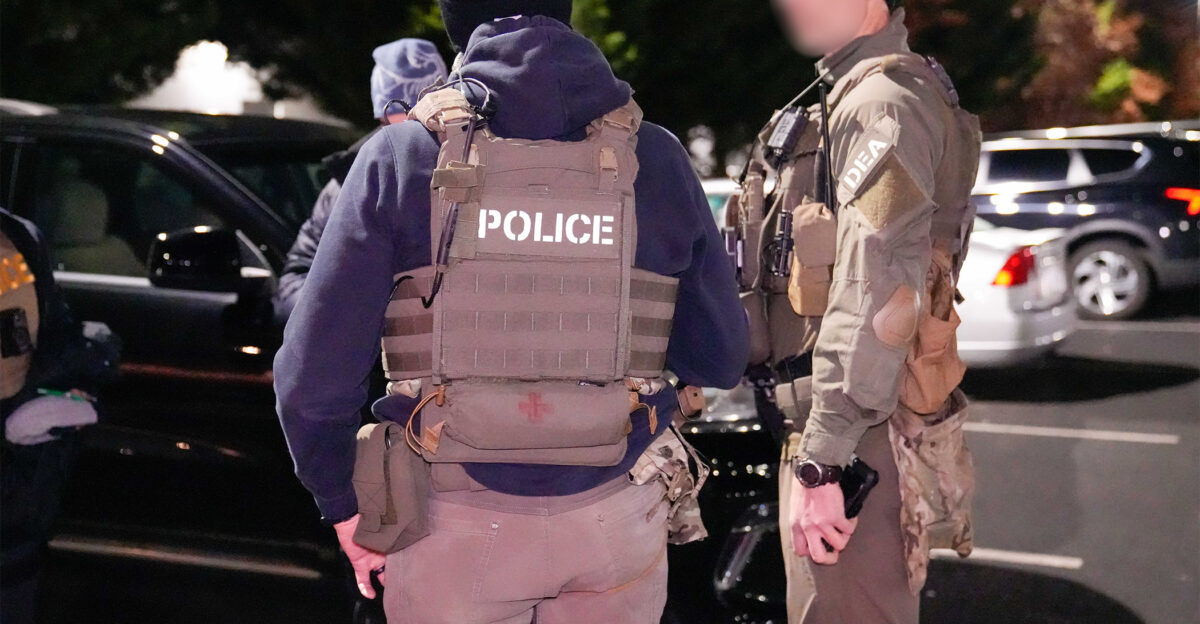
The crisis ignited on January 7, 2026, when ICE officer Jonathan Ross fatally shot Renée Nicole Good, a 37-year-old mother of three, during an enforcement action on Minneapolis’s north side.
ICE said Good attempted to flee in her vehicle. Video footage and witnesses indicate she was reversing away when shots were fired. The killing—the first fatal ICE shooting of Trump’s 2026 crackdown—sparked immediate outrage and sustained demonstrations.
A Cascade of Clashes
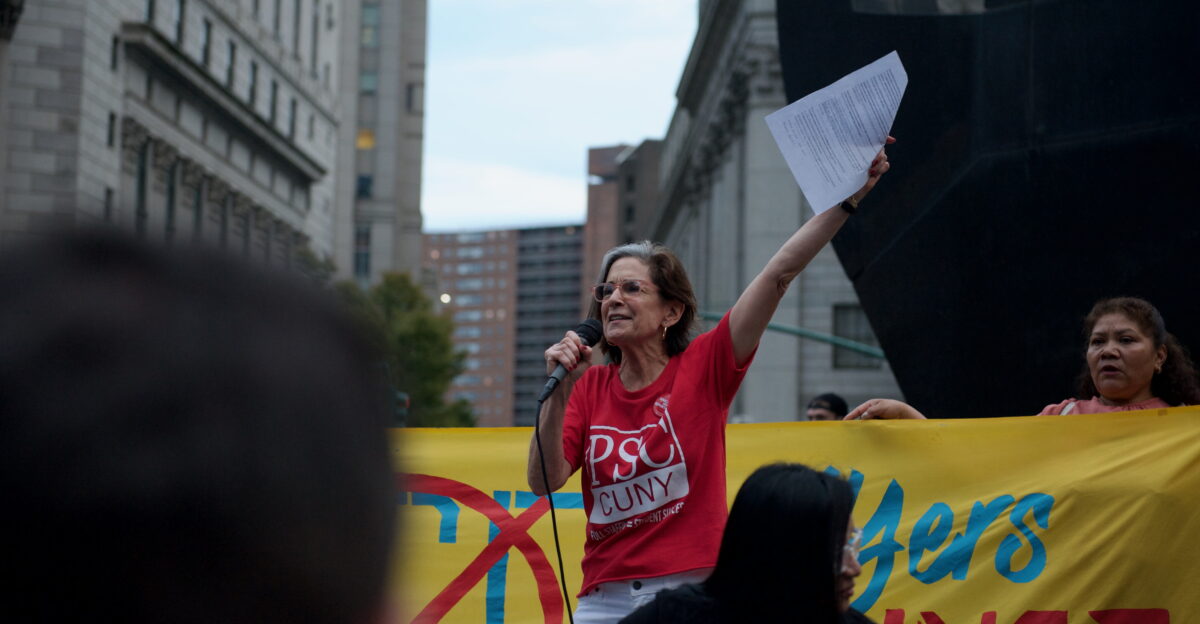
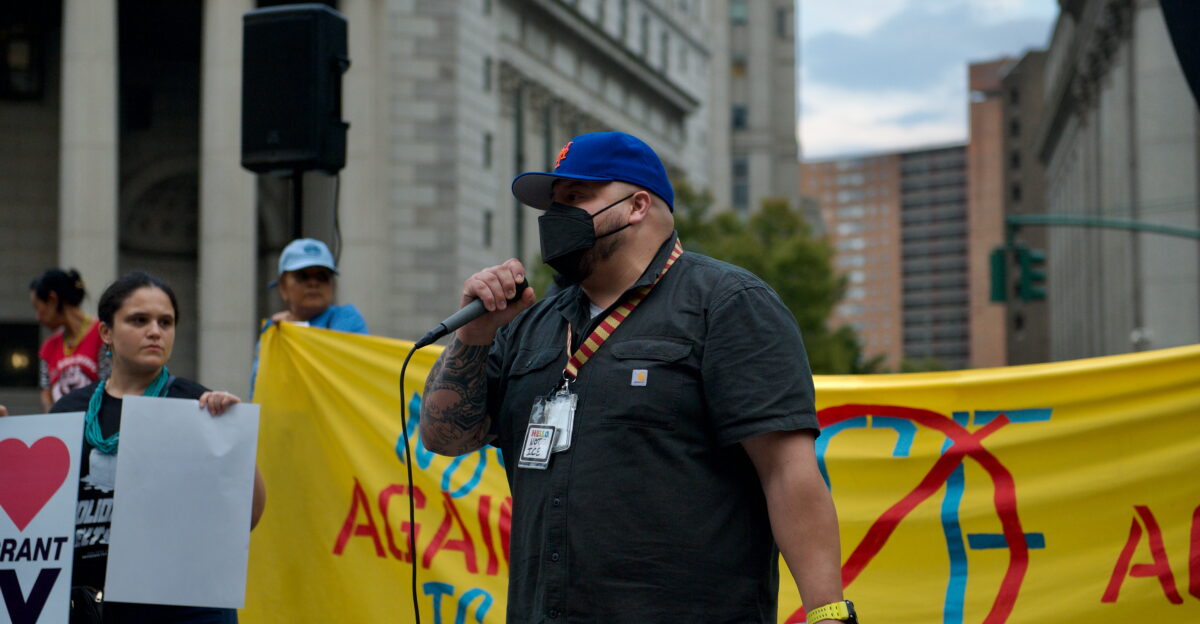
Protests erupted within days. On January 10–11, tens of thousands marched downtown, many carrying signs reading “Abolish ICE.” The demonstrations initially remained peaceful but quickly grew more confrontational.
Tensions escalated on January 14, when ICE officers shot Julio Cesar Sosa-Celis in the leg. Federal agents deployed tear gas; protesters threw rocks and fireworks. Officials reported injuries and dozens of arrests amid spreading unrest.
The Mayor’s Despair
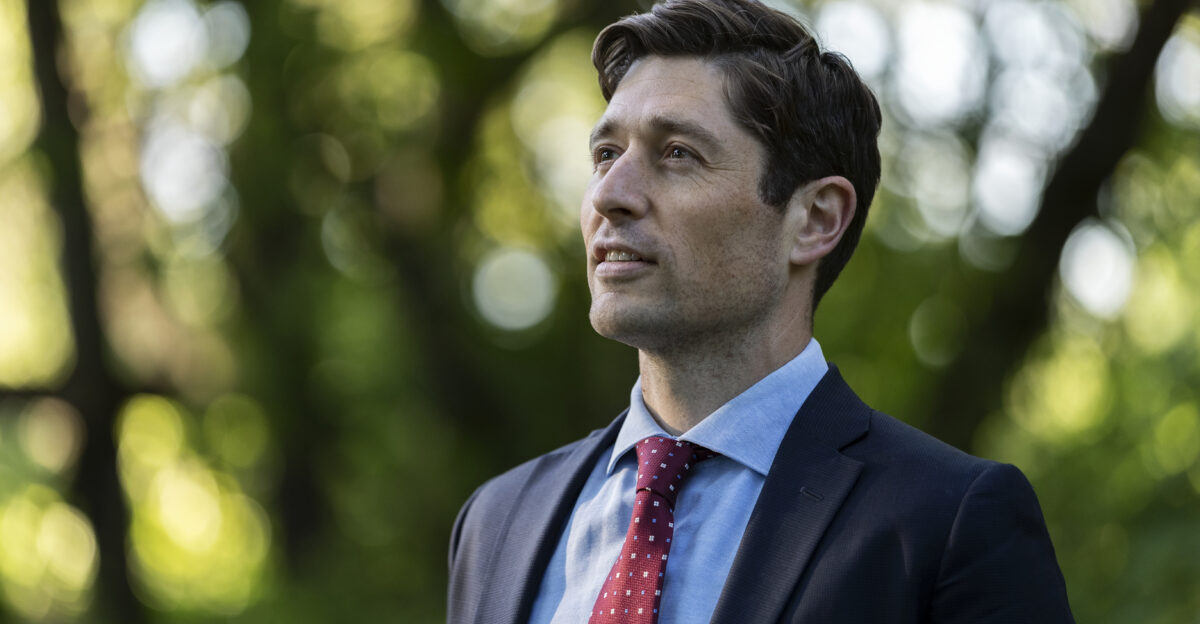
Mayor Jacob Frey described an untenable imbalance: about 600 Minneapolis police officers attempting to maintain order while 3,000 federal agents conducted aggressive enforcement citywide. He called the situation “impossible.”
Frey accused the federal government of deliberately intimidating residents and urged officials to scale back operations. His remarks underscored a growing rift between municipal leadership and federal authorities over who controls public safety in the city.
Legal Pushback
The conflict quickly moved into the courts. A federal judge issued a temporary restraining order limiting ICE’s use of tear gas and pepper spray during enforcement operations—an unusual judicial intervention.
Civil rights advocates hailed the ruling as a major victory. The Justice Department appealed immediately, arguing the limits endangered agents and weakened enforcement, highlighting unresolved constitutional questions surrounding force and civil liberties.
Trump’s Threat
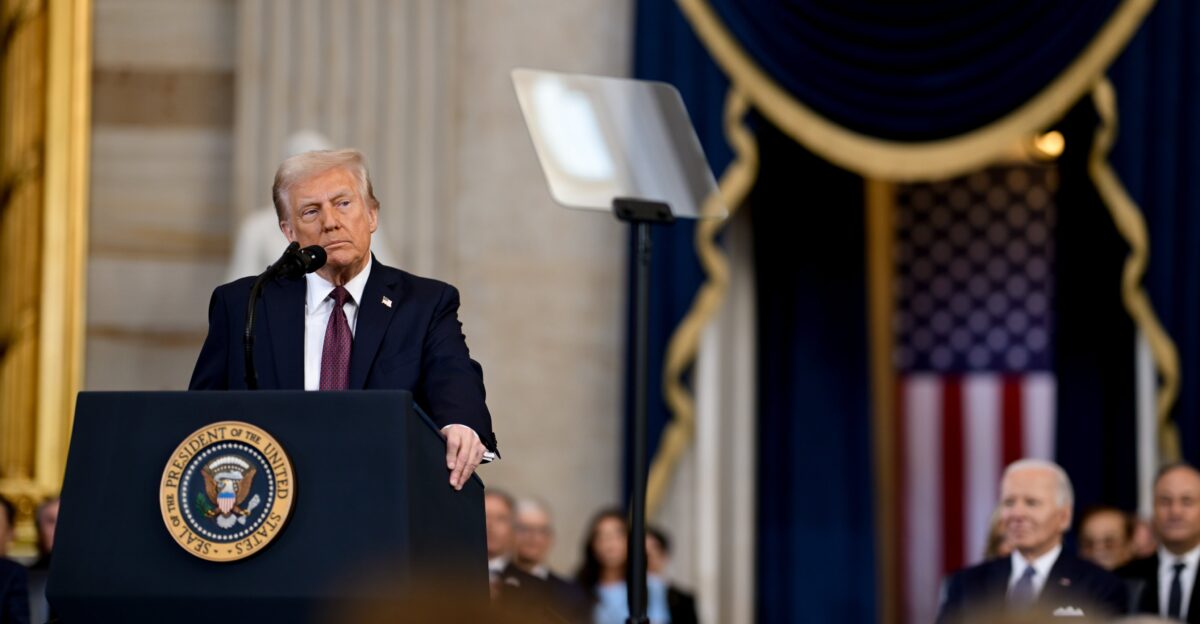
President Donald Trump escalated rhetoric on January 15, warning he would invoke the Insurrection Act if Minnesota officials failed to “obey the law.” The warning was delivered publicly and without ambiguity.
Posting on Truth Social, Trump accused local leaders of tolerating “insurrectionists.” The statement unsettled state officials and military planners alike, who were left uncertain whether the threat represented imminent policy or political pressure.
A Sudden Reversal
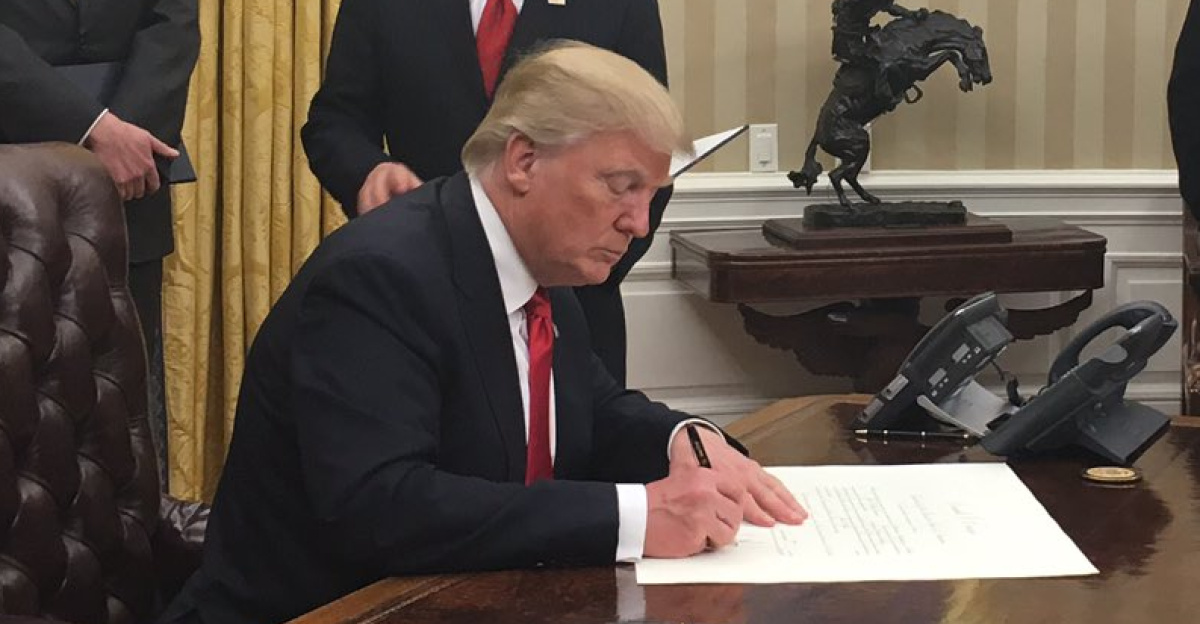
Within 24 hours, Trump softened his stance. Speaking to reporters on January 16, he said, “I don’t think I need it right now—but if I needed it, I’d use it.”
Rather than invoking the Insurrection Act, the administration ordered the Pentagon to place troops on standby. The move preserved escalation options while avoiding the political shock of immediately deploying soldiers into a U.S. city.
The Pentagon’s Caution
Pentagon spokesman Sean Parnell confirmed readiness with careful wording: “The Department of Defense stands ready to carry out the orders of the commander in chief if necessary.”
Behind the scenes, defense officials expressed concern. Domestic deployments raise constitutional risks and escalation dangers. The Pentagon’s restraint reflected long-standing unease about blurring the line between military power and civilian law enforcement.
The National Guard Buffer
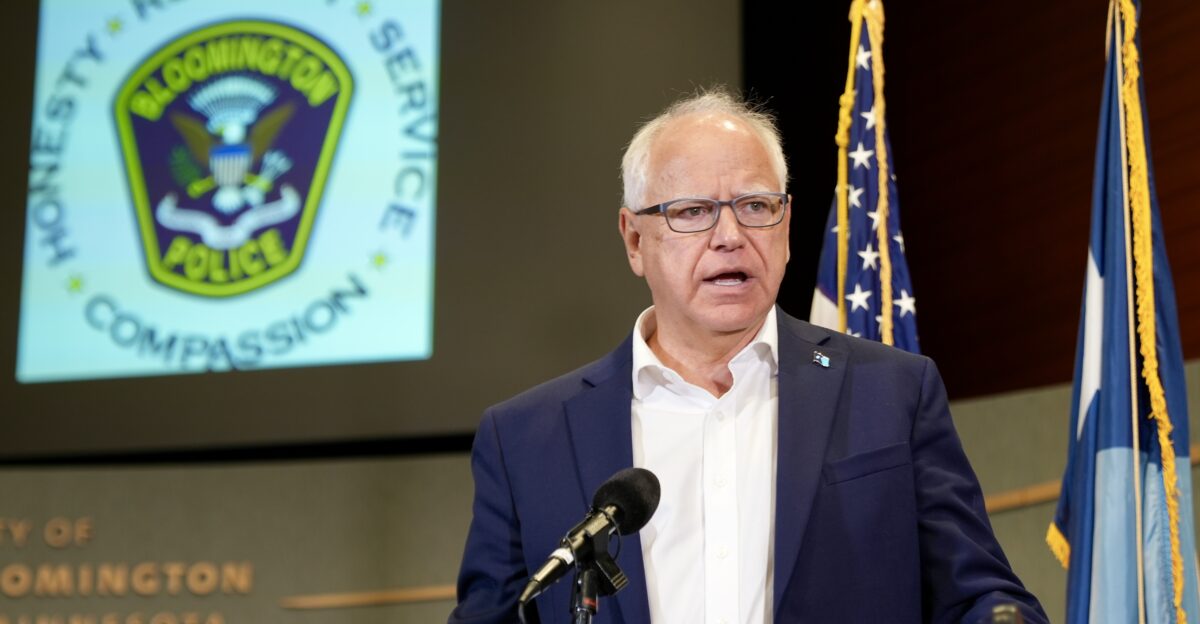
Minnesota Governor Tim Walz announced the National Guard would be placed on standby to support local authorities if requested. Unlike active-duty forces, Guard units remain under state control.
Walz’s move aimed to keep the crisis managed locally. However, that buffer would disappear if the Insurrection Act were invoked, instantly shifting control of Guard units to federal command.
Why Arctic Troops?
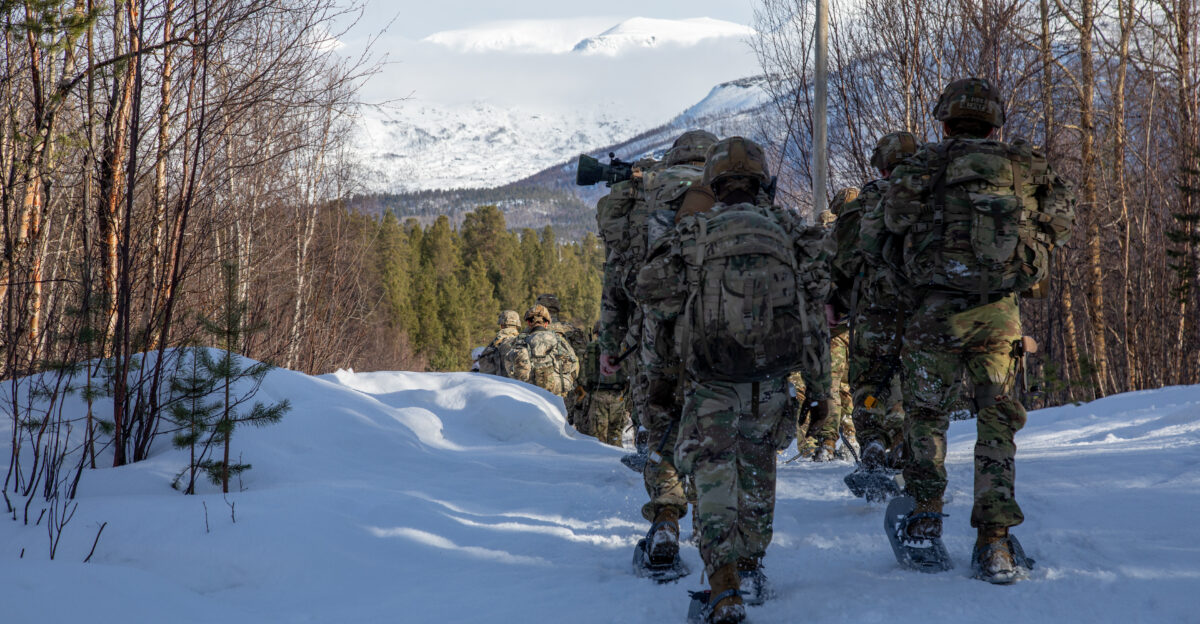
Analysts questioned why arctic-trained infantry battalions were selected for potential deployment to Minneapolis. Some viewed the choice as symbolic, emphasizing elite military capability.
Others noted practical advantages: cold-weather discipline, logistical resilience, and stress-tested command structures. Still, using the 11th Airborne domestically would be unprecedented since the 1992 Los Angeles riots.
Watching From Abroad
International observers followed events closely. Deploying U.S. troops to an American city would signal domestic instability, offering propaganda material for rivals like China and Russia.
Allies also worried about distraction from global commitments, including support for Ukraine. The global attention increased pressure on the White House to resolve the crisis without crossing the military threshold.
A Constitutional Crossroads
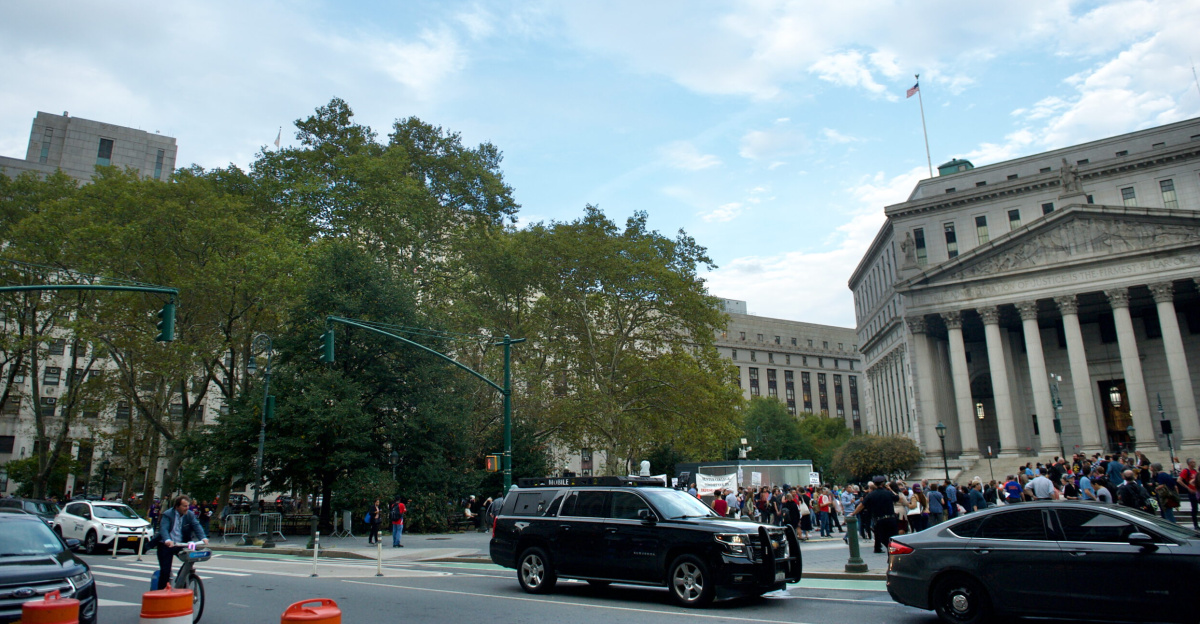
Legal scholars warned that invoking the Insurrection Act in Minneapolis would set a lasting precedent. The Brennan Center for Justice identifies the Act as a loophole permitting military law enforcement.
Any deployment would likely trigger immediate court challenges. The issue could force the Supreme Court to revisit doctrines dormant since 1992, reshaping civilian–military boundaries for future administrations.
Immigration Policy on Trial
Operation Metro Surge reflects a core Trump strategy: aggressive interior immigration enforcement. Rather than focusing on borders, it targets undocumented immigrants embedded in U.S. communities.
Critics argue the approach undermines due process and expands ICE authority. Supporters call it overdue enforcement. Minneapolis has become the test case for whether this strategy can proceed without military intervention.
Organized Local Resistance
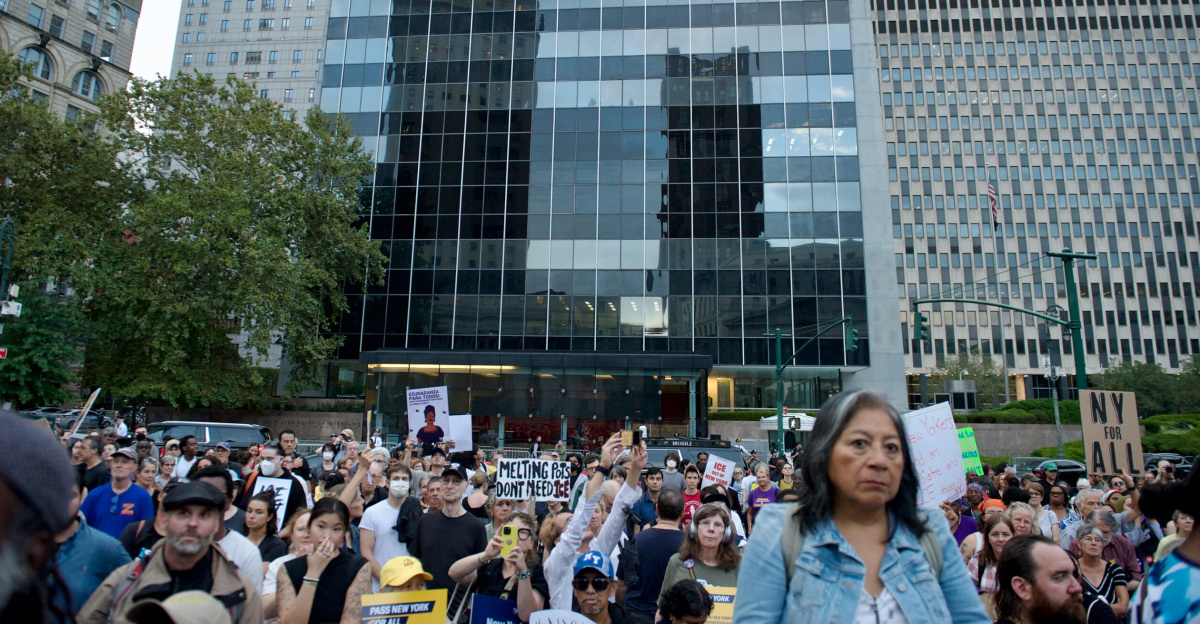
Civil rights groups, immigrant advocates, labor unions, and faith organizations have coordinated daily protests and legal action. Minneapolis’s political leadership broadly supports the resistance.
Organizers are preparing for long-term confrontation, including civil disobedience and congressional pressure. This sustained mobilization raises the political cost of escalation and complicates any federal decision to deploy troops.
Surveillance and Privacy Fears
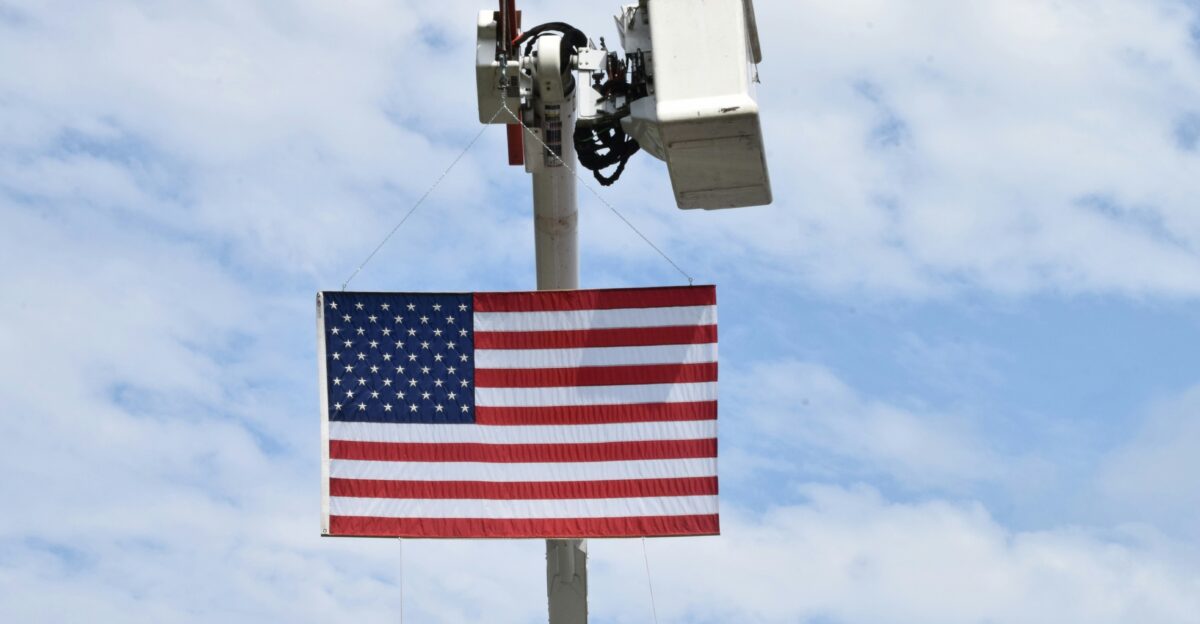
The presence of 3,000 federal agents has heightened concerns over surveillance. Immigration enforcement often involves monitoring, checkpoints, and data collection across entire neighborhoods.
Privacy advocates warn the operation could normalize dragnet tactics and erode Fourth Amendment protections. A military deployment would intensify those fears by inserting armed soldiers into civilian surveillance roles.
A Generational Divide
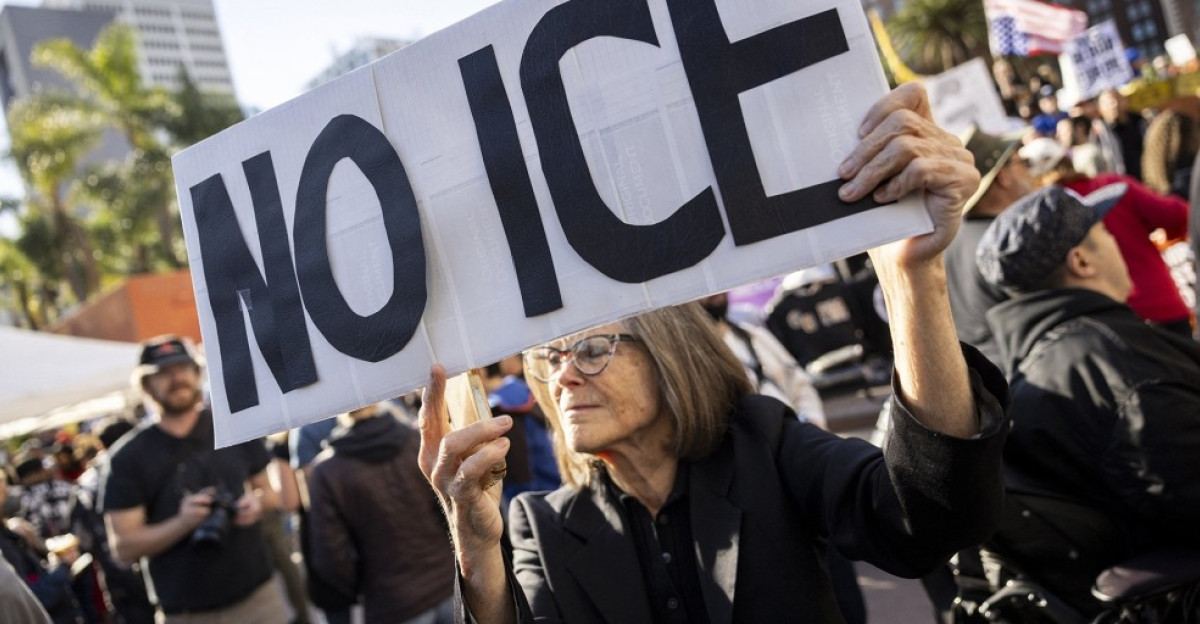
Minneapolis’s unrest exposes a sharp generational split. Younger protesters overwhelmingly reject ICE’s legitimacy, citing long-term harm to immigrant communities.
Older residents express concern about federal overreach but also fear prolonged disorder. This fragmentation leaves the city politically divided—conditions that often precede federal intervention.
What Comes Next
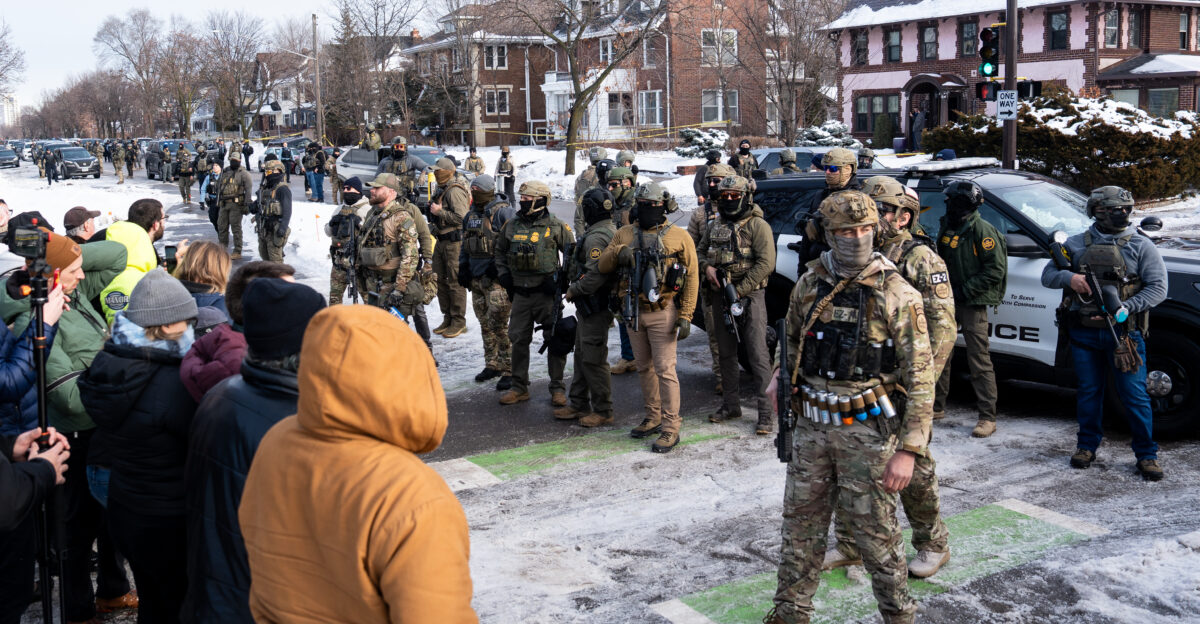
As January 20, 2026 approaches, Minneapolis remains in suspense. Pentagon standby orders renew quietly, keeping military deployment a constant possibility.
If violence escalates, Trump could invoke the Insurrection Act, deploying Arctic-trained troops for the first time in 34 years. If tensions fade, the orders may lapse. For now, the city waits.
Sources:
Washington Post, “1,500 troops prepare to possibly deploy to Minnesota,” January 18, 2026
BBC News, “Around 1,500 soldiers on standby for deployment to Minneapolis,” January 18, 2026
ABC News, “Minneapolis ICE shooting: A minute-by-minute timeline of how Renée Nicole Good was killed,” January 8, 2026
PBS NewsHour, “2,000 federal agents sent to Minneapolis area to carry out ‘largest immigration operation ever,'” January 6, 2026
Al Jazeera, “Trump threatens to use Insurrection Act in Minnesota: What it means,” January 16, 2026
NBC News, “Judge orders federal agents to stop pepper spraying, retaliating against peaceful Minnesota protesters,” January 16, 2026