Hundreds of protesters have taken to the streets of Minneapolis, their chants echoing demands for justice following the fatal shooting of Renee Nicole Good during an Immigration and Customs Enforcement operation. The incident has sparked widespread unrest, drawing national attention as federal agencies monitor the escalating demonstrations and prepare for potential intervention.
Federal Response Mobilizes
The Pentagon has placed active-duty military units on heightened alert amid the growing protests. Intelligence assessments are flowing rapidly, underscoring the seriousness of the situation in Minneapolis, which officials view as a critical test for national response strategies.
Military Readiness Doctrine
U.S. law restricts active-duty troops from domestic law enforcement without presidential approval, primarily through the Posse Comitatus Act. The Insurrection Act, last prominently used during the 1992 Los Angeles riots, remains a rare option that could authorize such involvement if unrest persists.
Minneapolis Under Pressure
Good’s death has fueled marches involving civil liberties advocates, immigrant rights groups, and local organizers, leading to traffic disruptions and larger crowds. With the Minnesota National Guard already activated, city leaders express concern that additional federal forces could heighten tensions rather than calm them.
Troop Preparations Underway
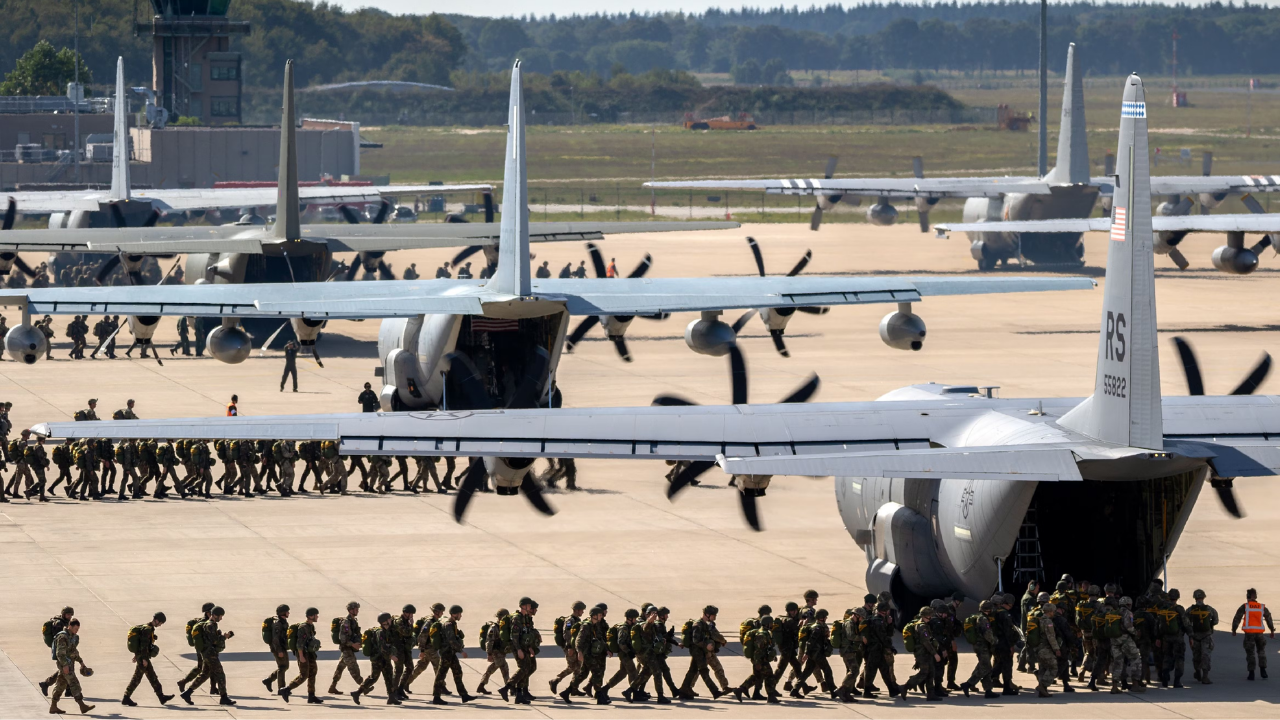
For the first time, the Pentagon issued a prepare-to-deploy order to 300 to 500 personnel from the 16th Military Police Brigade at Fort Bragg, North Carolina. Separately, Arctic-trained soldiers from Alaska’s 11th Airborne Division stand ready, capable of rapidly securing supply lines in harsh conditions. These steps, though pending presidential sign-off, mark tangible federal preparations.
Local and National Tensions Rise
Minneapolis Mayor Jacob Frey and state officials, including Governor Tim Walz, oppose federal troop involvement, arguing it would erode protest rights and exacerbate divisions. Bipartisan lawmakers voice worries over the Insurrection Act’s implications, with Republicans questioning its efficacy and Democrats fearing power abuses. Pentagon spokespeople describe the alerts as standard contingency measures, not imminent action, amid internal debates from military lawyers on legal boundaries.
Expert warnings highlight the unprecedented nature of any sustained deployment, differing from limited past uses like Hurricane Katrina. Civil rights organizations are filing preemptive lawsuits, potentially delaying moves through the courts. The Trump administration defends a firm approach against perceived threats from extremists, contrasting with the Pentagon’s restraint.
Generational perspectives vary, with younger Americans skeptical due to past government overreaches, while views among older cohorts remain divided. Globally, allies monitor for impacts on U.S. human rights standing, as adversaries spotlight perceived democratic fractures.
The path forward hinges on whether the Insurrection Act is invoked, which could deploy troops swiftly or prolong uncertainty. Either outcome will influence federal-state dynamics, protest management norms, and the military’s domestic role for years ahead.
Sources:
U.S. News & World Report, Army Orders Military Police to Get Ready for a Possible Minneapolis Deployment, January 21, 2026
The New York Times, Military Police Troops Put on Alert for Possible Deployment to Minneapolis, January 21, 2026
Army Times, Army Orders Soldiers to Stand By for Possible Minneapolis Deployment, January 21, 2026
Yahoo News, Are Fort Bragg Troops Headed to Minneapolis? Here’s What We Know, January 22, 2026
CBS News, Active-Duty Soldiers Put on Standby as Minneapolis ICE Protests Grow, January 19, 2026
Military.com, Active Duty Troops and Minnesota National Guard Placed on Standby Amid Minneapolis Protests, January 18, 2026