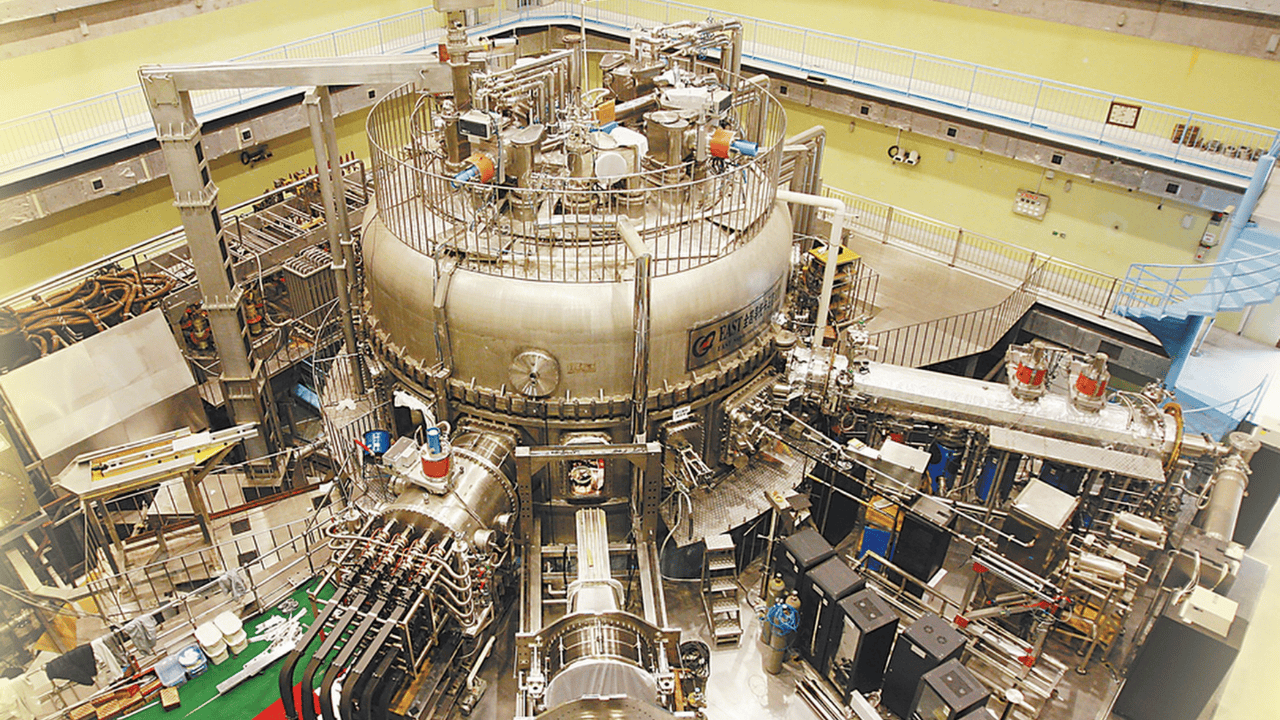
China’s Experimental Advanced Superconducting Tokamak (EAST), often called the country’s “artificial sun,” achieved a new world record on January 20, 2025. The reactor sustained high-confinement fusion plasma for 1,066 seconds at temperatures exceeding 100 million degrees Celsius.
This surpassed EAST’s previous 403-second record from 2023 and marked the first time any fusion device maintained stable plasma for more than 1,000 seconds.
What EAST Is and Where It Operates

EAST is located in Hefei, Anhui Province, at the Institute of Plasma Physics under the Chinese Academy of Sciences. Operational since 2006, it is a fully superconducting tokamak designed to test long-duration plasma confinement.
Unlike experimental shots lasting seconds or minutes, EAST focuses on steady-state operation, a key requirement for future fusion power plants that must run continuously rather than in short bursts.
Why the 1,066-Second Run Matters
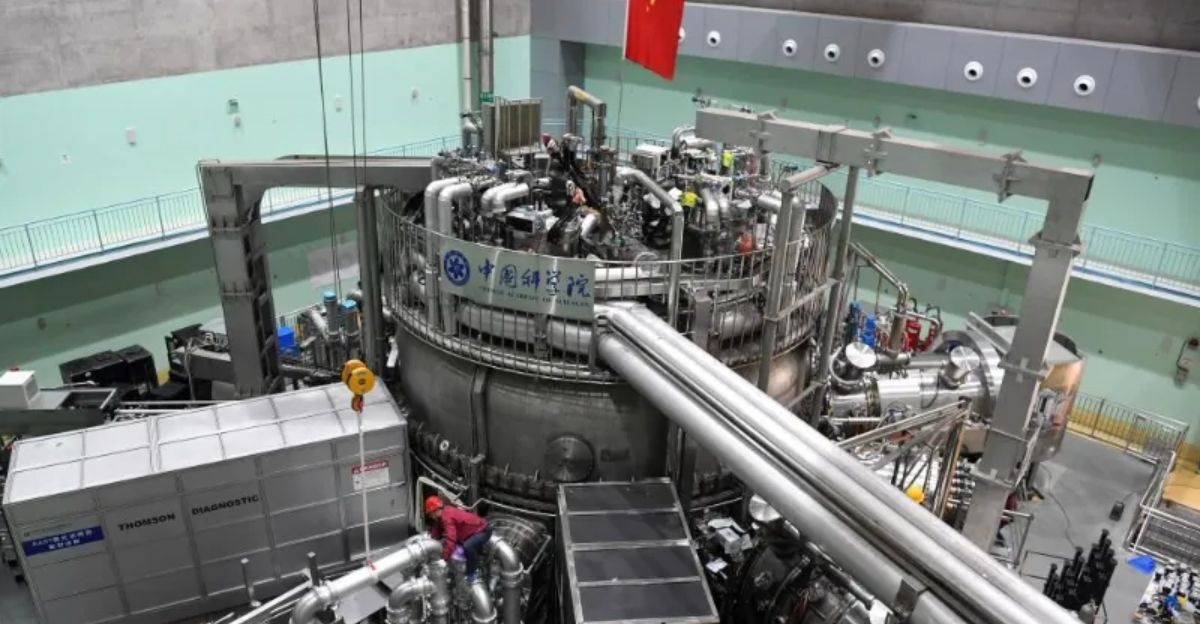
Fusion science has long struggled with sustaining extreme temperatures and plasma stability over time. EAST’s 1,066-second run demonstrated that advanced magnetic confinement systems can hold plasma at reactor-relevant conditions for extended periods.
While no net energy gain was produced, the experiment addressed one of fusion’s core engineering challenges: maintaining stable, controlled plasma long enough for practical electricity generation to become feasible.
Record Enabled by Major System Upgrades
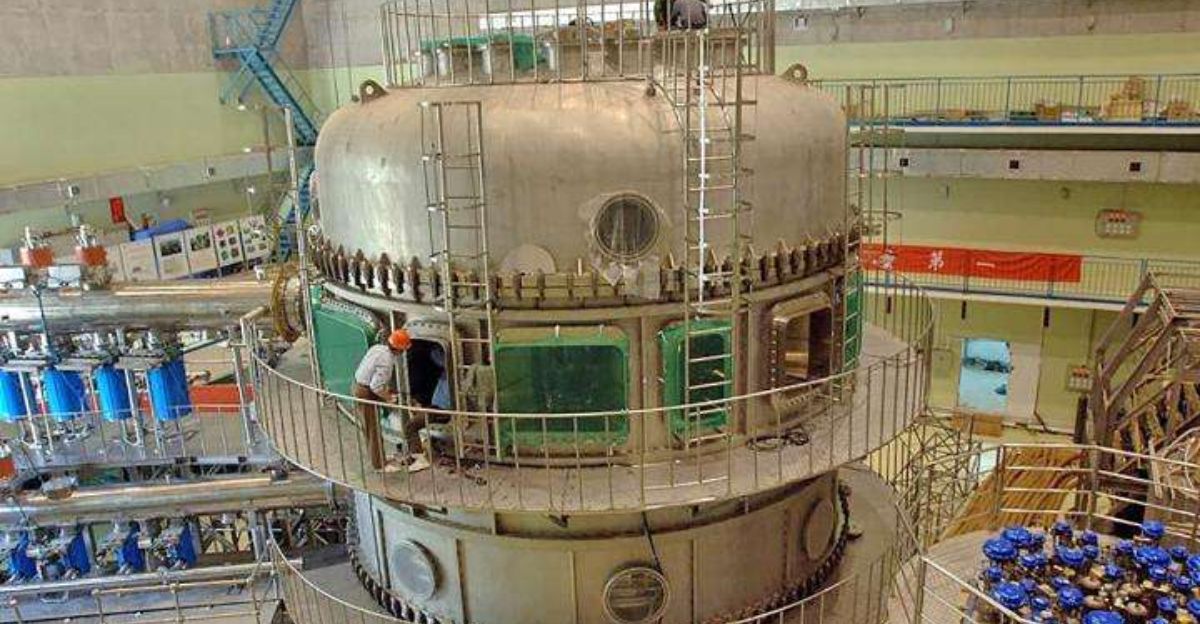
The record followed extensive upgrades to EAST’s heating, control, and diagnostics systems. Researchers significantly increased heating power and improved plasma feedback controls, allowing more precise regulation of temperature and magnetic confinement.
These changes reduced instabilities that typically disrupt long fusion runs. According to project leaders, such upgrades are essential for moving from experimental demonstrations toward reactor designs capable of sustained operation.
Temperatures Far Beyond the Sun’s Core
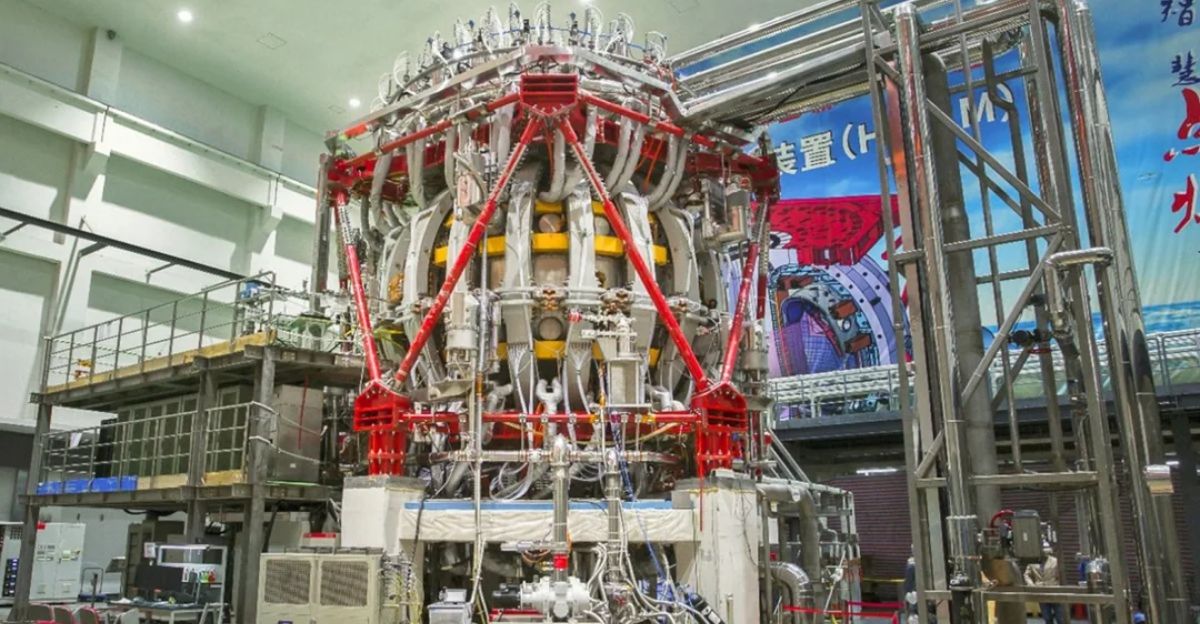
During the record run, EAST’s plasma exceeded 100 million degrees Celsius, more than six times hotter than the Sun’s core. Such temperatures are necessary to overcome the natural repulsion between atomic nuclei and enable fusion reactions.
Achieving and maintaining these conditions on Earth requires immense energy input and sophisticated magnetic confinement, underscoring the technical difficulty of controlled fusion research.
The Scale of Power Required
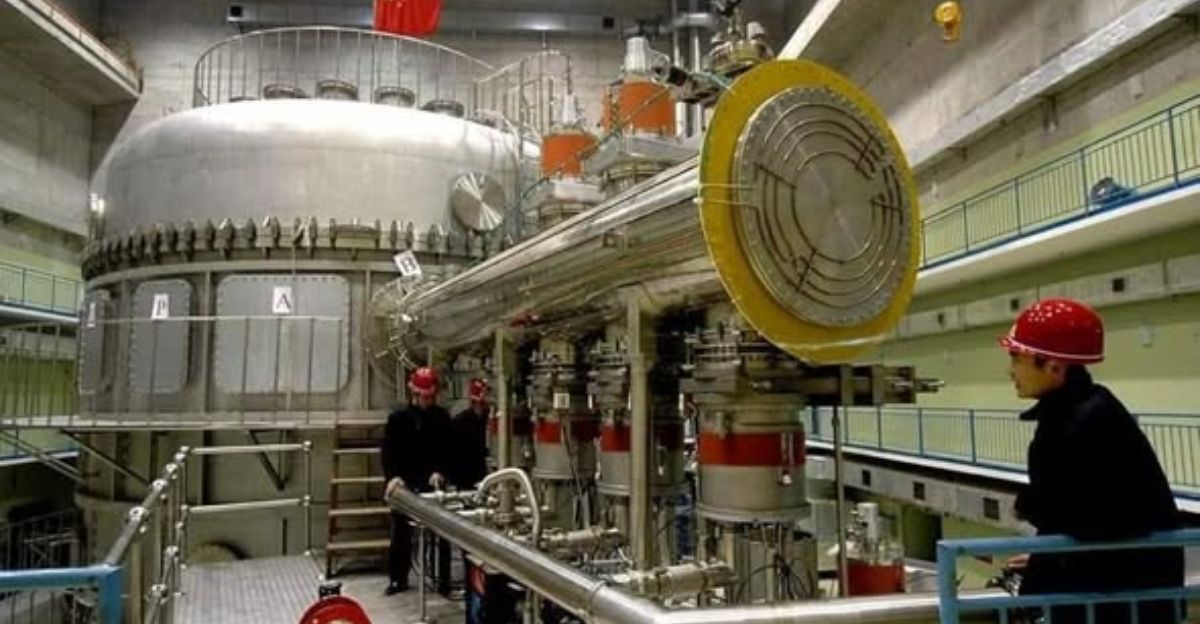
The heating systems used during EAST’s record operation delivered power equivalent to roughly 140,000 household microwave ovens running simultaneously. This illustrates the enormous energy needed to sustain fusion plasma.
While future reactors aim to produce more energy than they consume, current experimental devices like EAST focus on understanding how to manage these extreme power levels safely and efficiently over long durations.
No Evidence of Military or Planetary Impact
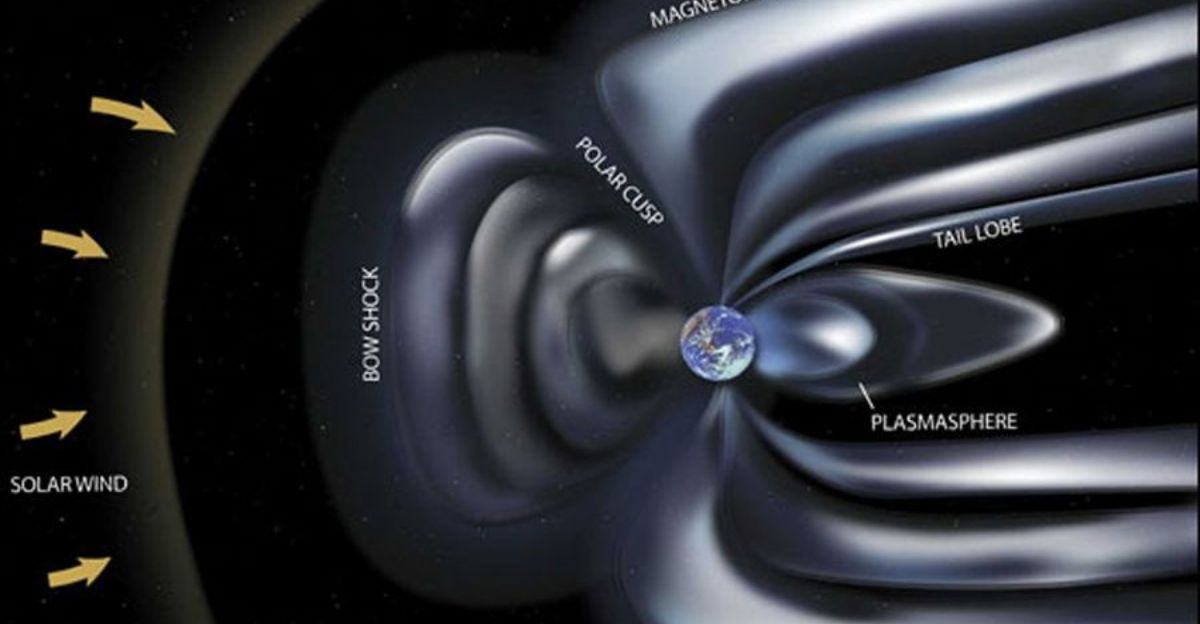
Despite dramatic headlines elsewhere, there is no credible evidence that EAST’s experiment triggered military responses, disrupted Earth’s magnetic field, or caused global disturbances. The verified achievement is purely scientific and engineering-focused.
EAST’s magnetic fields are confined within the reactor and pose no planetary-scale effects. The significance of the milestone lies in fusion research progress, not geopolitical or geophysical consequences.
China’s Role in Global Fusion Research
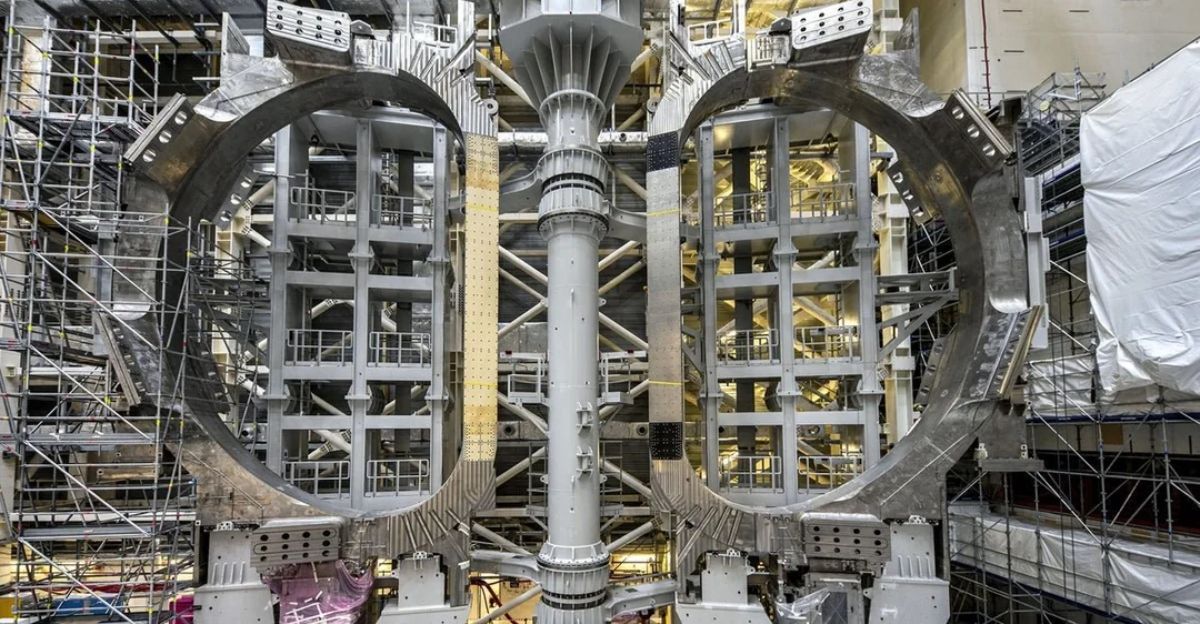
China has been an active participant in international fusion efforts for decades. It joined the ITER project in 2006 and contributes roughly nine percent of ITER’s construction and operational responsibilities.
EAST serves as a testbed for technologies and operational strategies that may later inform larger international projects, strengthening China’s position within the global fusion research community.
How EAST Supports ITER’s Mission
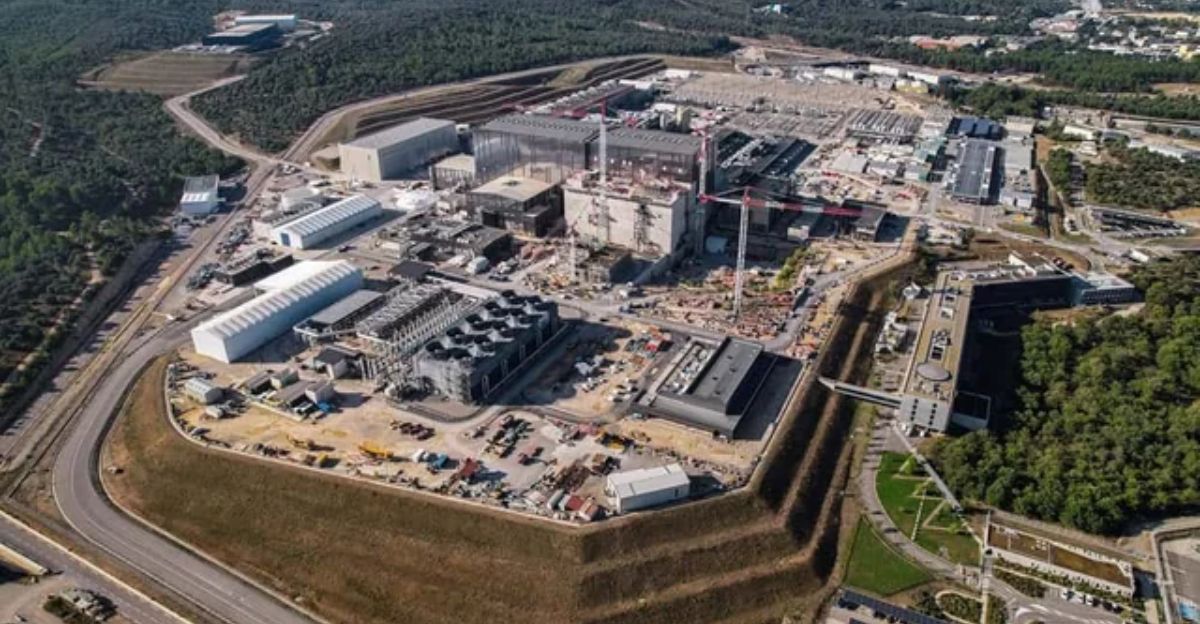
ITER, under construction in France, aims to demonstrate large-scale fusion power production but will not operate continuously for decades.
Data from EAST’s long-duration plasma experiments help ITER researchers understand steady-state behavior, plasma control, and material stresses. Lessons learned in Hefei directly inform ITER’s design choices, operational planning, and risk management for future high-power experiments.
Fusion as a Long-Term Energy Option

Fusion offers the promise of abundant energy with minimal greenhouse gas emissions and limited long-lived radioactive waste.
However, commercial fusion remains a long-term goal. EAST’s achievement narrows the gap between theory and practice but does not signal imminent power generation. Experts widely agree that practical fusion electricity is still decades away, requiring further breakthroughs in materials, efficiency, and reactor design.
Relationship With Renewables, Not Competition
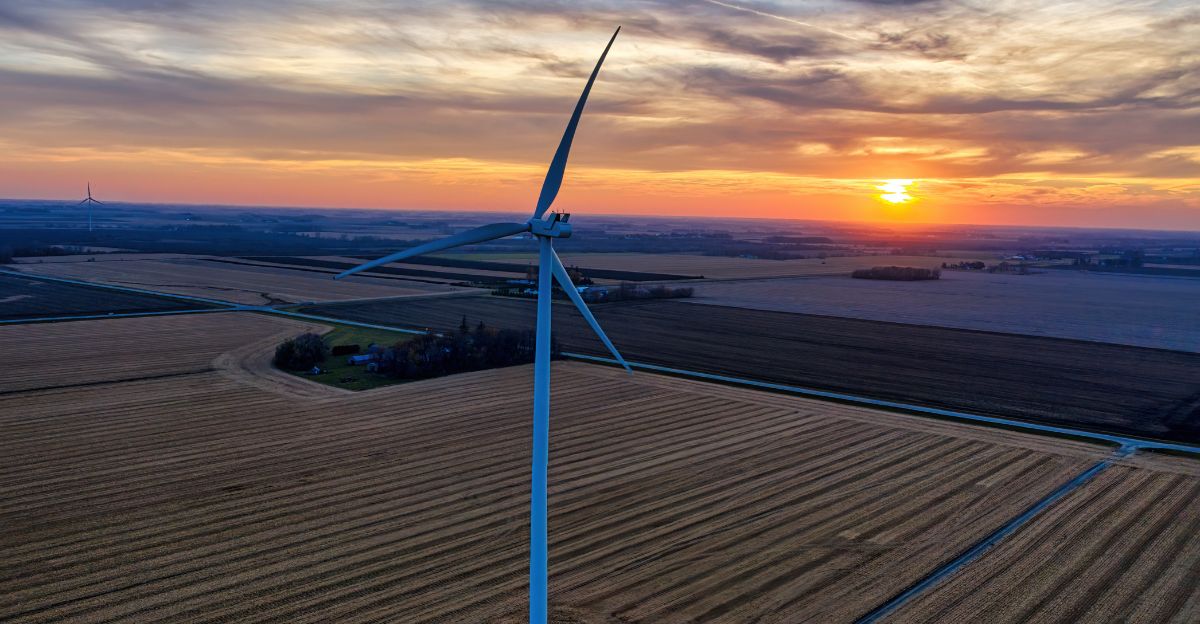
Fusion is often discussed alongside renewable energy sources such as solar and wind. Rather than replacing renewables, future fusion power could complement them by providing steady baseload electricity when weather-dependent sources fluctuate.
EAST’s progress supports research into this long-term energy mix, but renewables remain the primary tools for near-term decarbonization and energy transition strategies worldwide.
Economic Significance of Incremental Progress
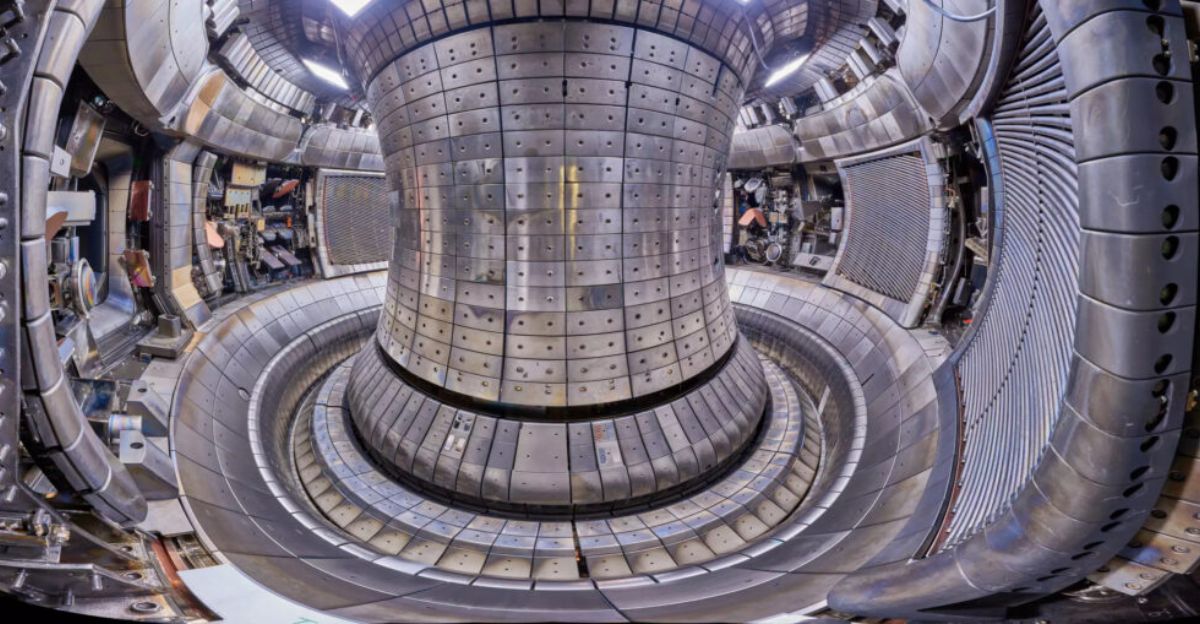
Although fusion power plants do not yet exist, steady experimental advances influence long-term economic planning. Governments and research institutions use milestones like EAST’s record to justify continued funding and infrastructure development.
However, fusion has not reached commercialization, and there are no confirmed cost models for electricity production. Economic impacts remain speculative until sustained net-energy systems are demonstrated.
Industry and Technology Sector Interest
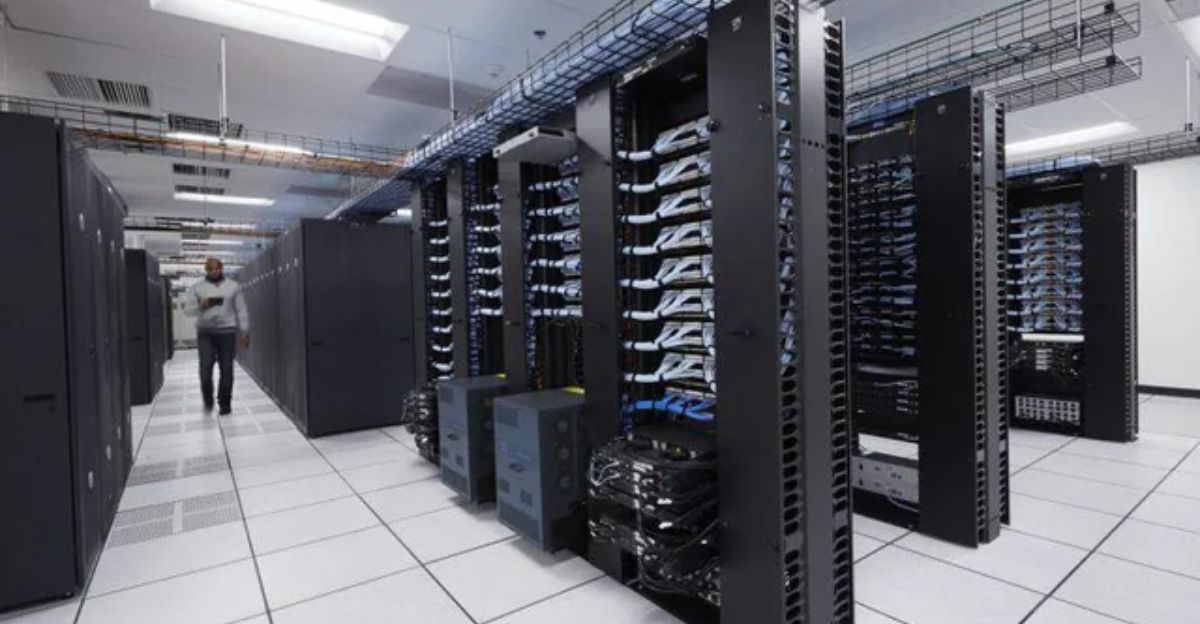
Technology companies, data-center operators, and heavy industry monitor fusion research due to future energy demands. EAST’s success signals technical momentum but does not yet offer deployable solutions.
For now, industry interest is focused on research partnerships, materials development, and advanced computing for plasma modeling, rather than near-term energy supply contracts or infrastructure changes.
Implications for Energy Security Discussions
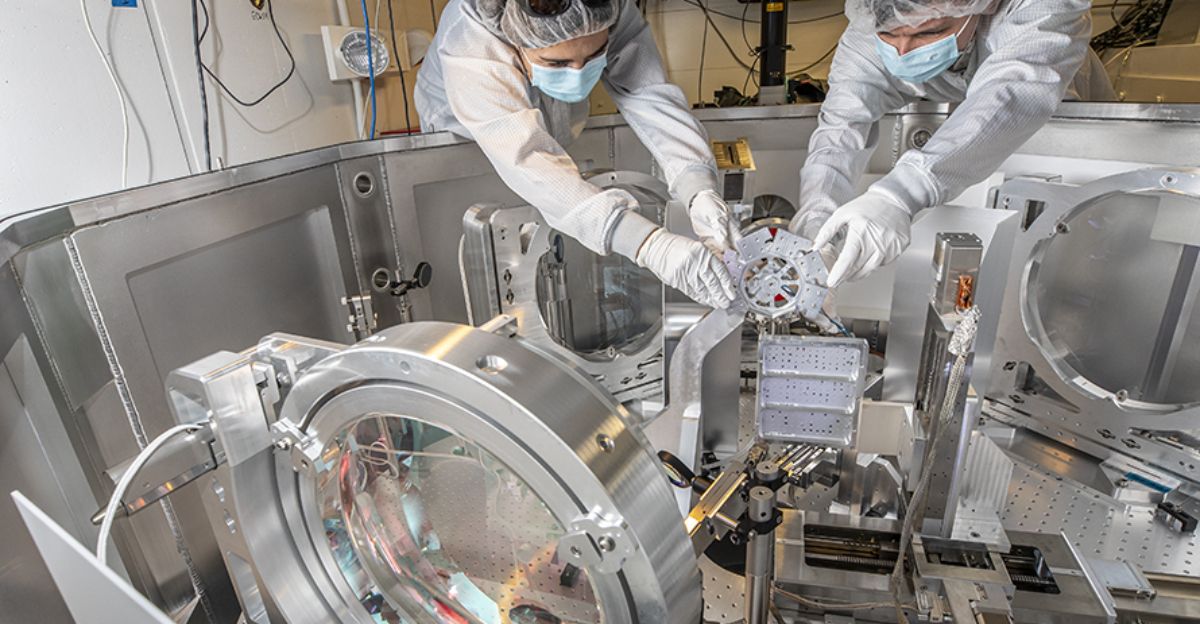
Fusion research is often framed within broader energy security debates. While EAST strengthens China’s scientific standing, it does not immediately alter global energy balances.
Fossil fuels, nuclear fission, and renewables continue to dominate supply. Fusion’s strategic value lies in its potential over the coming decades, not in any short-term shift in geopolitical or military power dynamics.
Media Attention and the “Artificial Sun” Label

The term “artificial sun” is a popular media nickname rather than a scientific designation. It reflects the reactor’s extreme temperatures, not its power output. While the label attracts public attention, researchers emphasize that EAST is an experimental platform.
Communicating its achievements accurately helps distinguish real scientific progress from exaggerated or misleading claims.
Scientists Behind the Breakthrough
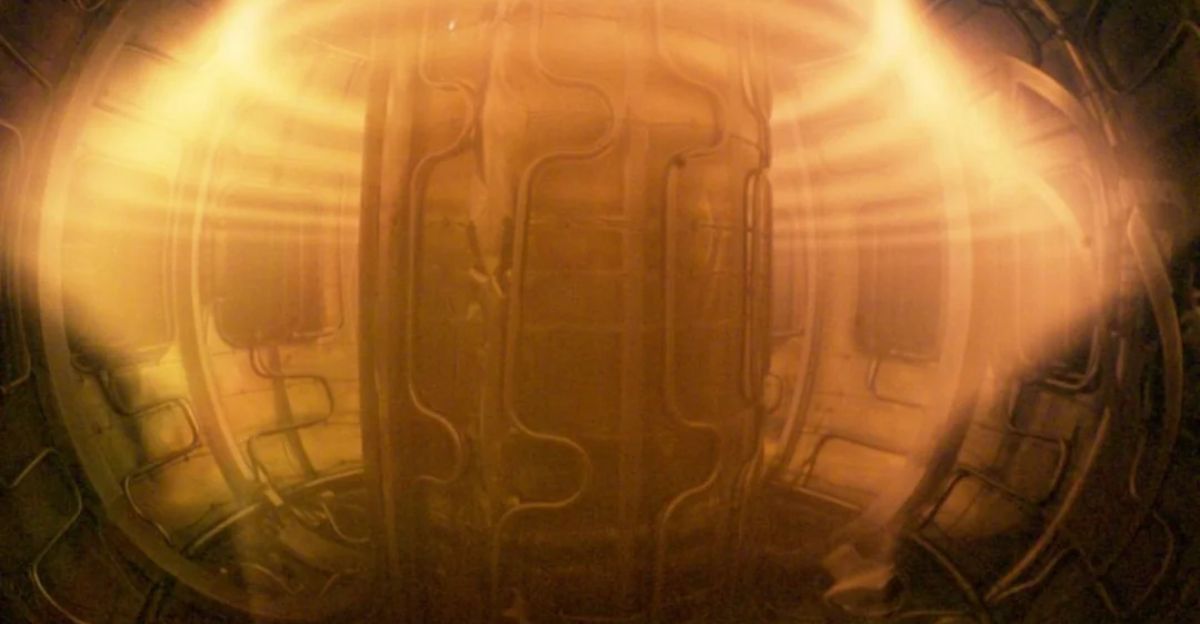
The record was achieved by a large multidisciplinary team at the Institute of Plasma Physics. Project leaders highlighted the role of improved plasma control and long-term operational stability.
Their stated goal is not isolated records, but repeatable, reliable performance that can inform the design of future reactors capable of running for thousands of seconds or longer.
China’s Next Step: CFETR

China plans to build the China Fusion Engineering Test Reactor (CFETR) in the 2030s. CFETR is intended to bridge the gap between experimental devices like EAST and commercial fusion plants.
Data from EAST’s long-duration runs will directly influence CFETR’s design, particularly in areas such as heat exhaust, materials endurance, and steady-state plasma control.
What This Means for the Public Today
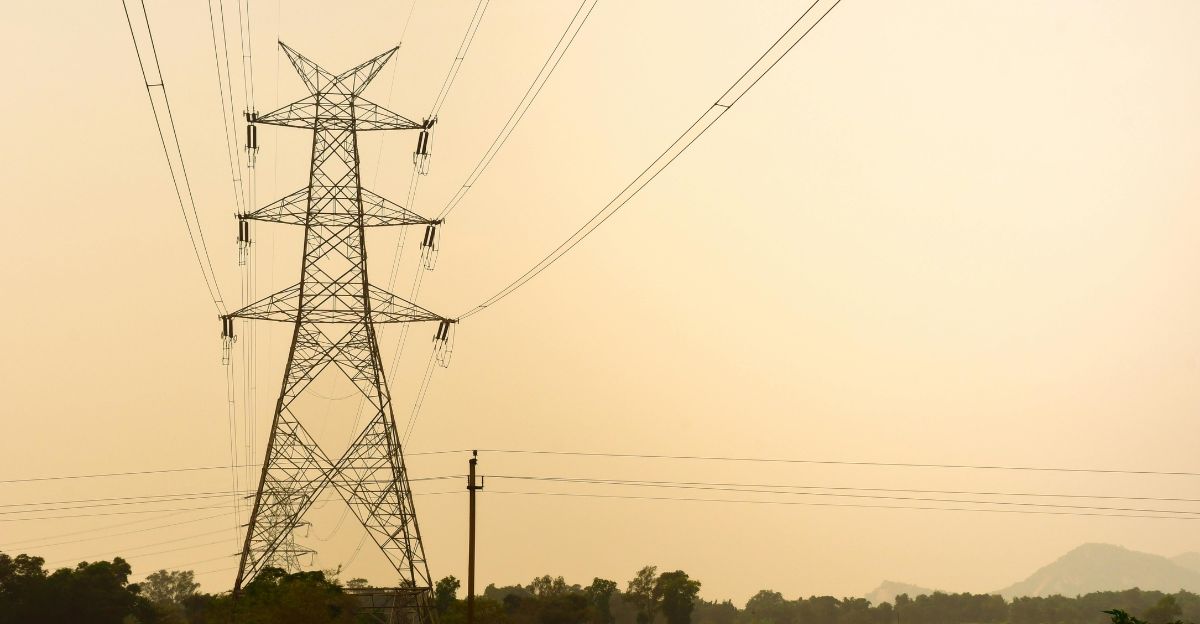
For consumers, EAST’s achievement does not change energy availability or prices in the near term. Experts continue to recommend proven measures such as energy efficiency, renewable adoption, and grid modernization.
Fusion research remains a long-term investment, while immediate climate and energy challenges are addressed with existing technologies.
A Global Effort, Not a Solo Race
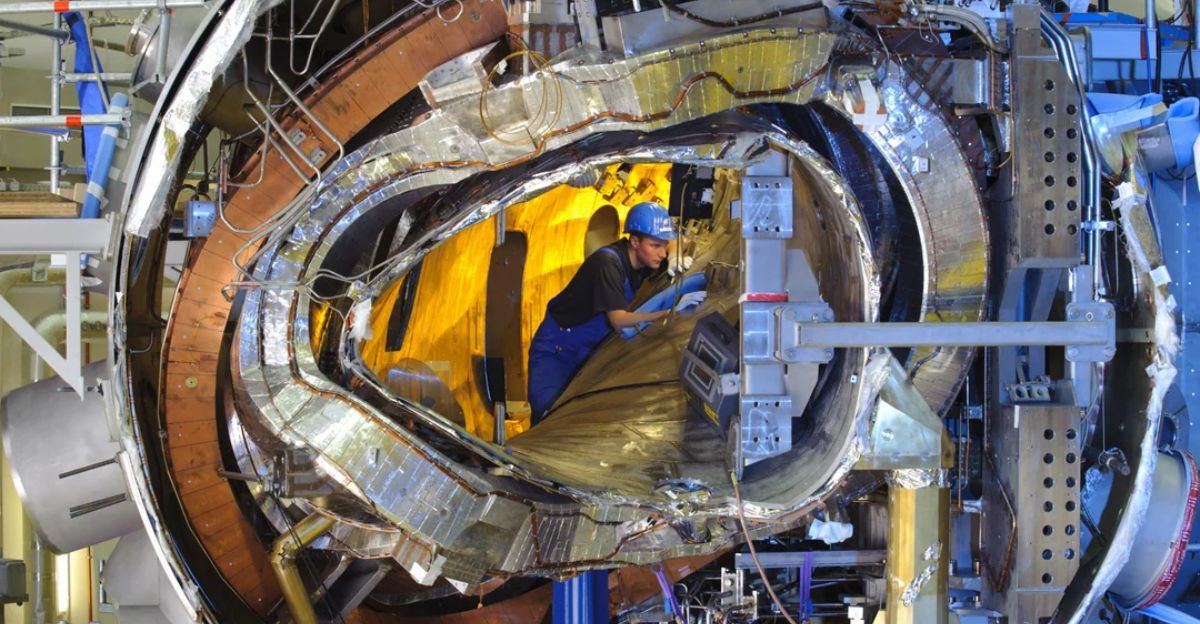
Fusion research is inherently international. While nations often highlight domestic achievements, progress depends on shared data, collaboration, and decades of collective experimentation.
EAST’s milestone adds valuable knowledge to this global effort, reinforcing the idea that fusion’s eventual success will be the result of sustained cooperation rather than isolated breakthroughs.
A Major Scientific Step, Not a Final Destination
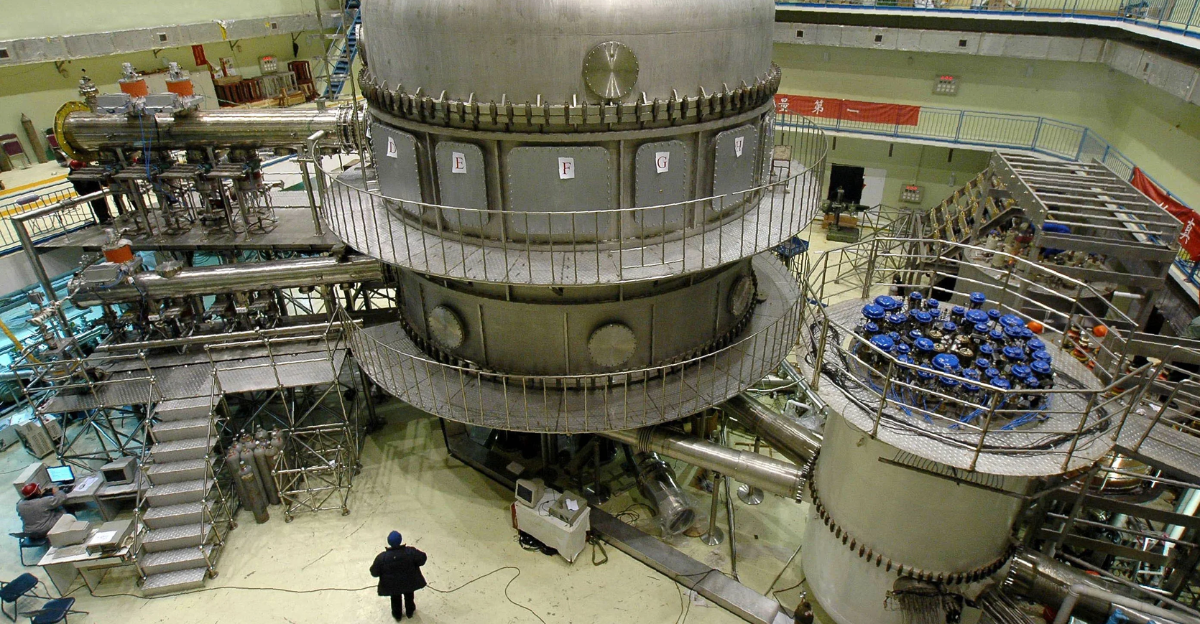
EAST’s 1,066-second plasma record represents a significant advance in fusion science and engineering. It demonstrates improved stability, control, and endurance under extreme conditions.
However, it does not signal the arrival of unlimited energy. Instead, it marks steady progress along a long, complex path toward practical fusion power that remains one of science’s most ambitious goals.
Sources:
Phys.org, 2025-01-21: “Chinese artificial sun achieves record-setting milestone towards fusion power generation”.
Live Science, 2025-01-21: “China’s EAST tokamak smashes nuclear fusion record”.
SCMP (South China Morning Post), 2025-01-21: “Chinese ‘artificial sun’ sets new record in milestone step towards fusion power”.
ITER Organization, 2006: “ITER Organization Official Agreement and Timeline Documents”.
Wikipedia EAST, ongoing: “Experimental Advanced Superconducting Tokamak (EAST)” entry.
ITER Organization, 2006-11-21: “China Joins ITER as Seventh Member”.