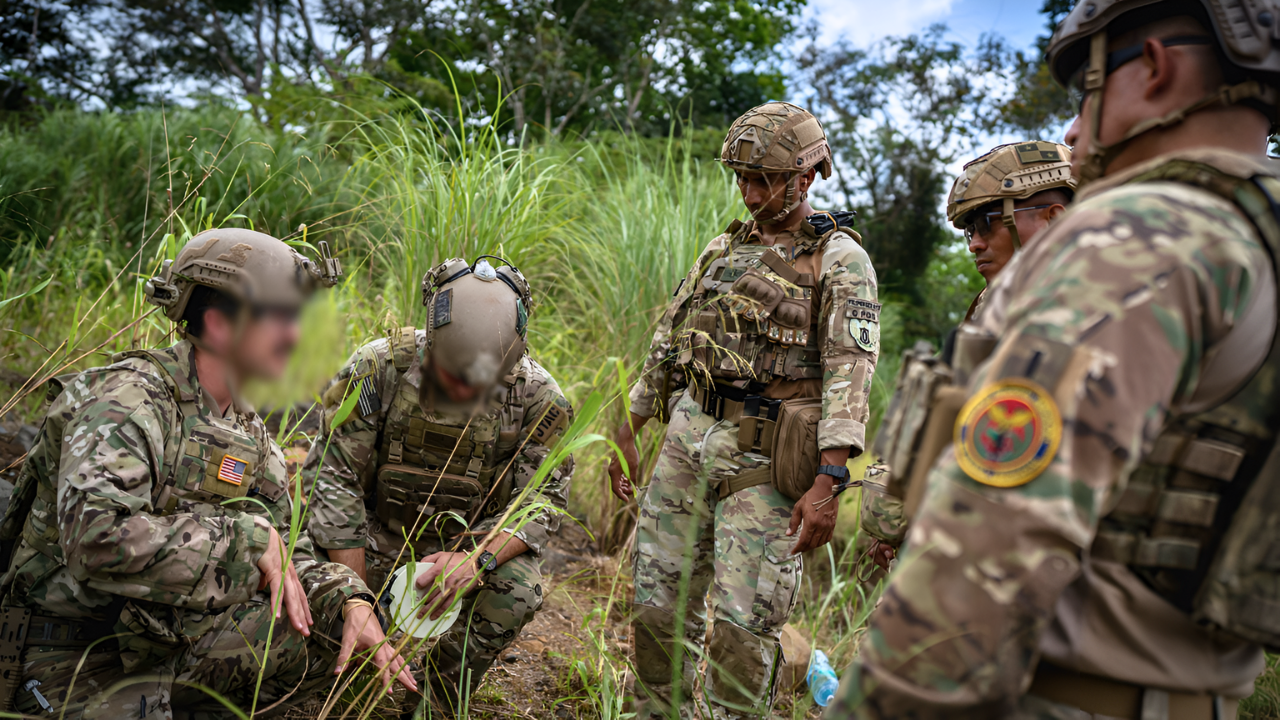
For the first time in over two decades, the Pentagon has deployed ground forces to Panama for jungle training. The sight of U.S. troops once again in the dense, unforgiving jungles of the Darien Gap marks a dramatic shift in military priorities. Nearly 10,000 U.S. personnel are now stationed in the region, with the USS Gerald R. Ford stationed in the Caribbean.
This move, part of Operation Southern Spear, signals an urgent reassertion of American military presence near the Panama Canal. The Canal is not only vital to global shipping but also to U.S. strategic interests. Its control and security remain key to maintaining U.S. dominance in the region.
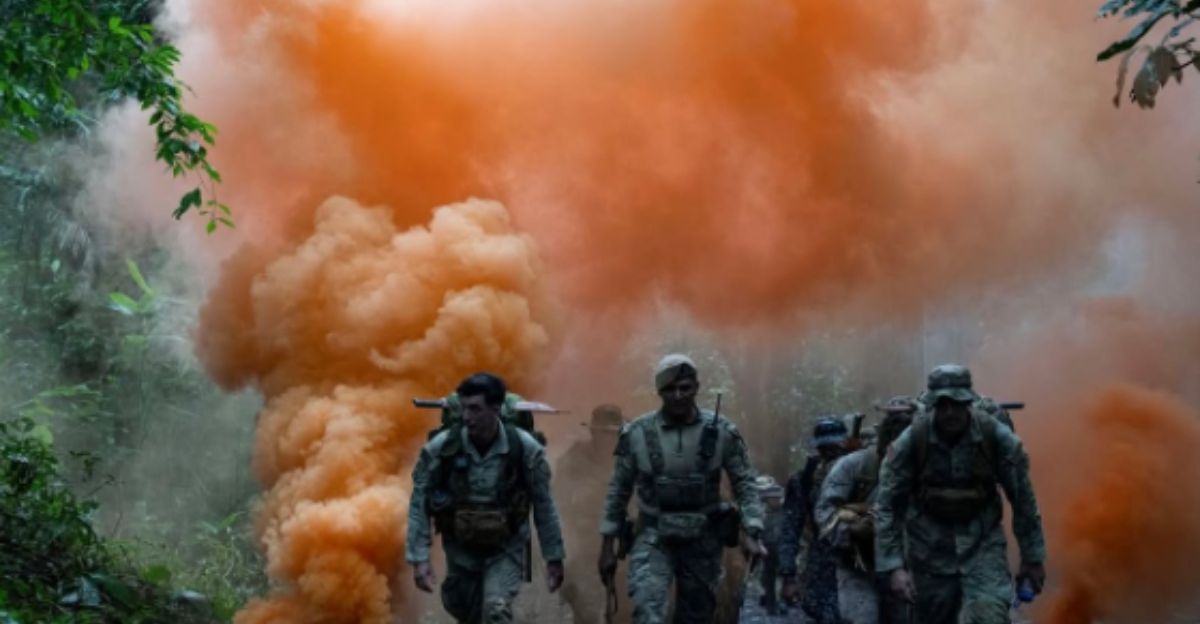
Of the approximately 10,000 U.S. troops deployed across the Caribbean theater as part of Operation Southern Spear, approximately 5,000 are stationed aboard the USS Gerald R. Ford Carrier Strike Group and at forward bases in Puerto Rico, while smaller rotational training units—typically 40-50 personnel per rotation—are deployed to Panama to conduct jungle warfare training and build partnerships with Panamanian security forces. This tiered deployment model allows the U.S. to maintain a substantial regional presence while focusing specialized jungle training operations in Panama.
Strategic Stakes
This deployment is no coincidence. As U.S. officials warn of rising Chinese influence in the region, especially near the canal, the Pentagon is taking action. The U.S. wants to secure vital trade routes and counter any external actors threatening to undermine U.S. interests.
The strategic value of the Panama Canal, a lifeline for global shipping, means its control is critical to U.S. security. The return of U.S. forces signals a renewed commitment to protecting this crucial waterway from external challenges, particularly China’s growing footprint in the region.
A Historic Military Presence
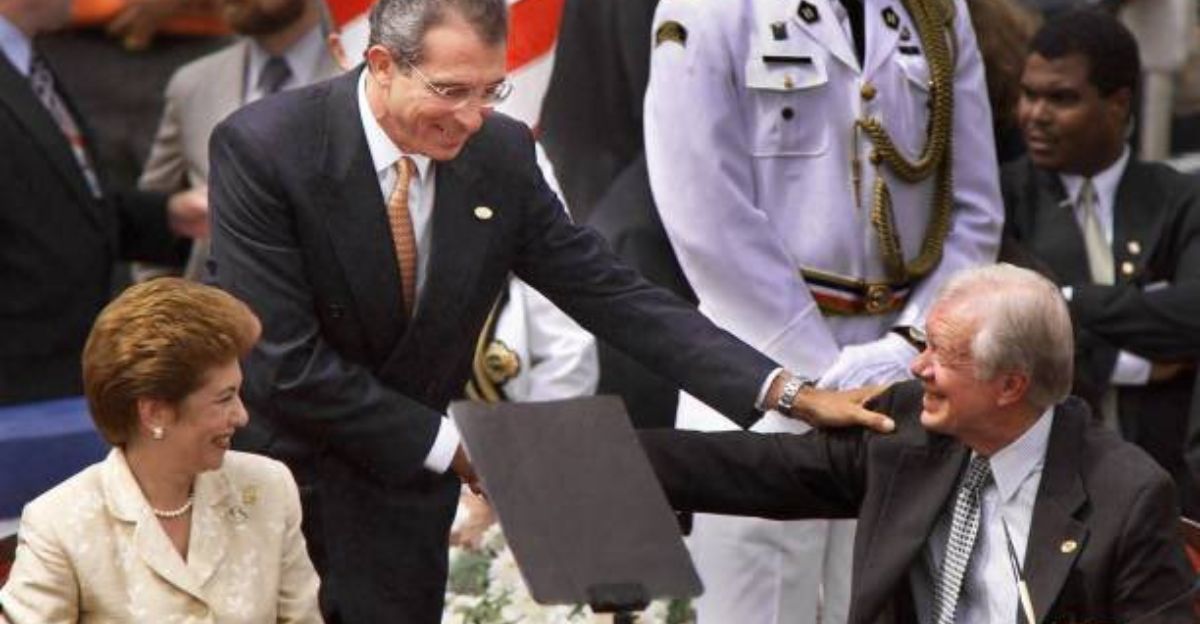
The U.S. military’s connection to Panama goes back over a century, reaching its peak during the Cold War. After the 1999 handover of the canal to Panama, American bases were shut down, but the military never fully left. Now, with renewed focus, Fort Sherman’s reopening for joint operations signals a full-scale return to jungle warfare tactics on a significant scale.
Fort Sherman, once a symbol of U.S. military might during the Vietnam War, is now being revived for modern training exercises. This marks a historic reversal of post-Cold War military strategy and signifies the Pentagon’s renewed interest in Latin America and the Caribbean.
Mounting Pressures
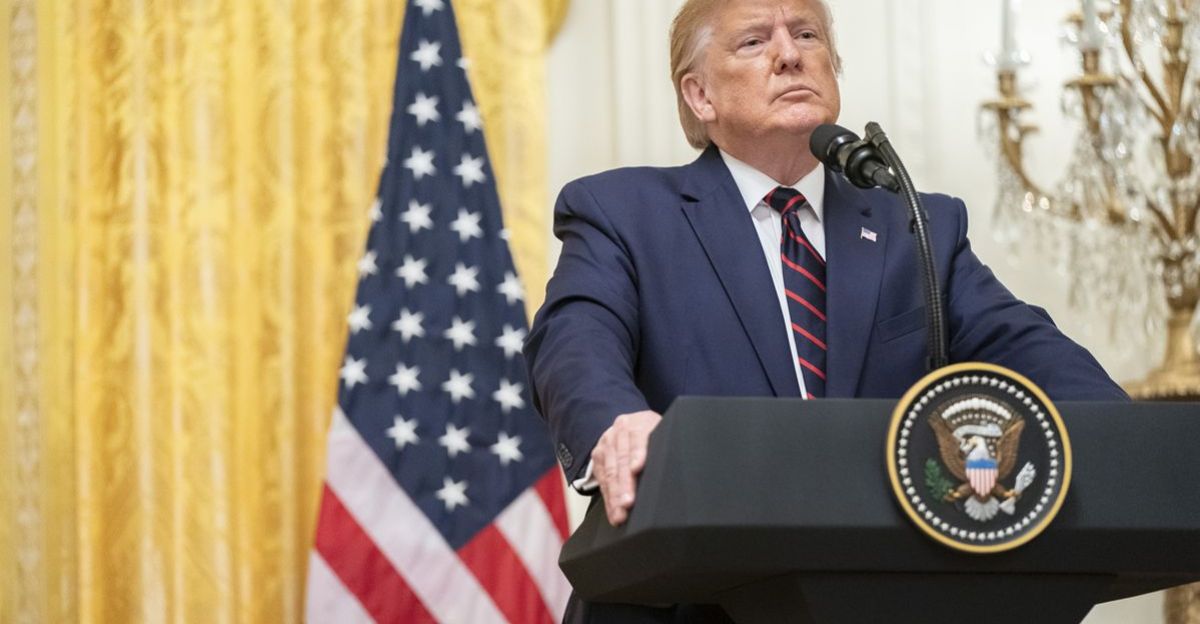
For years, Washington has faced mounting pressures in Central America. From battling narcotics trafficking to countering foreign influence, the region has become increasingly unstable. Former President Donald Trump stressed the need to “take back” the canal, pushing for stronger military and political ties in the region to protect American economic and security interests.
The move to deploy troops to Panama reflects the broader geopolitical instability in Latin America. U.S. officials view the deployment as a necessary step to maintain dominance in the region and safeguard American interests from rising foreign influence.
Jungle Warfare Revival
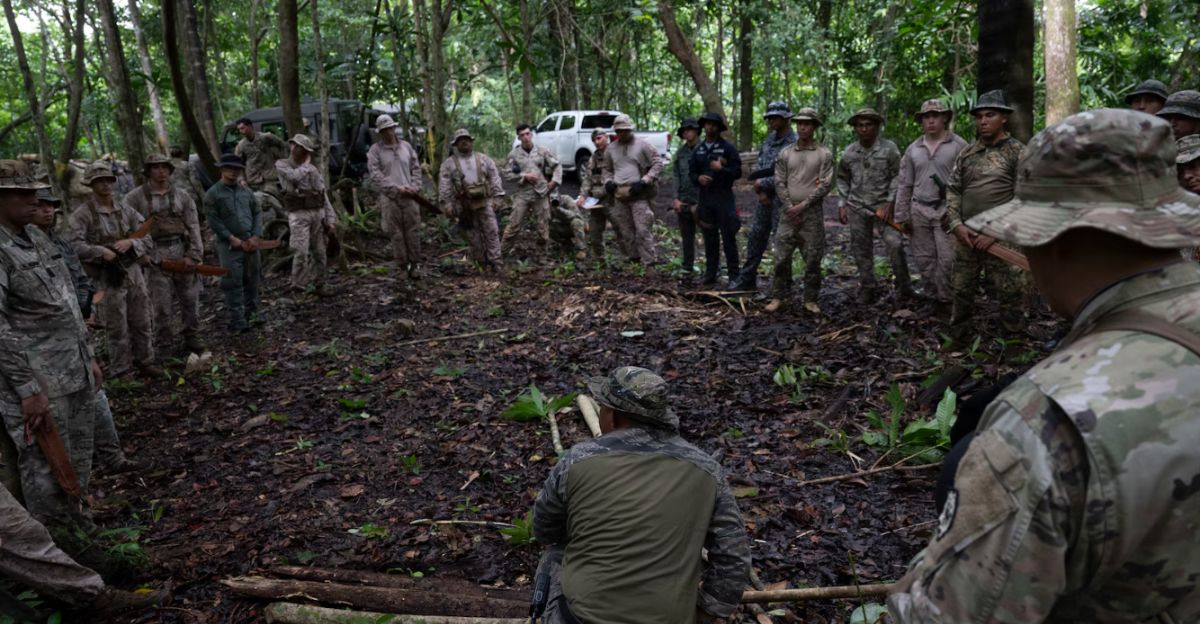
In August 2025, the Pentagon launched a Combined Jungle Operations Training Course at Base Aeronaval Cristóbal Colón, a place long known as “Green Hell” for its Vietnam-era training programs. The first class included 46 graduates, with plans to expand training to platoon-sized rotations in the coming months.
The return of ground forces to Panama after 26 years is a clear signal that U.S. military priorities are shifting. This training is critical for preparing troops for the unique challenges posed by jungle warfare, where communication and logistics are especially difficult, and survival is a constant challenge.
Regional Impact
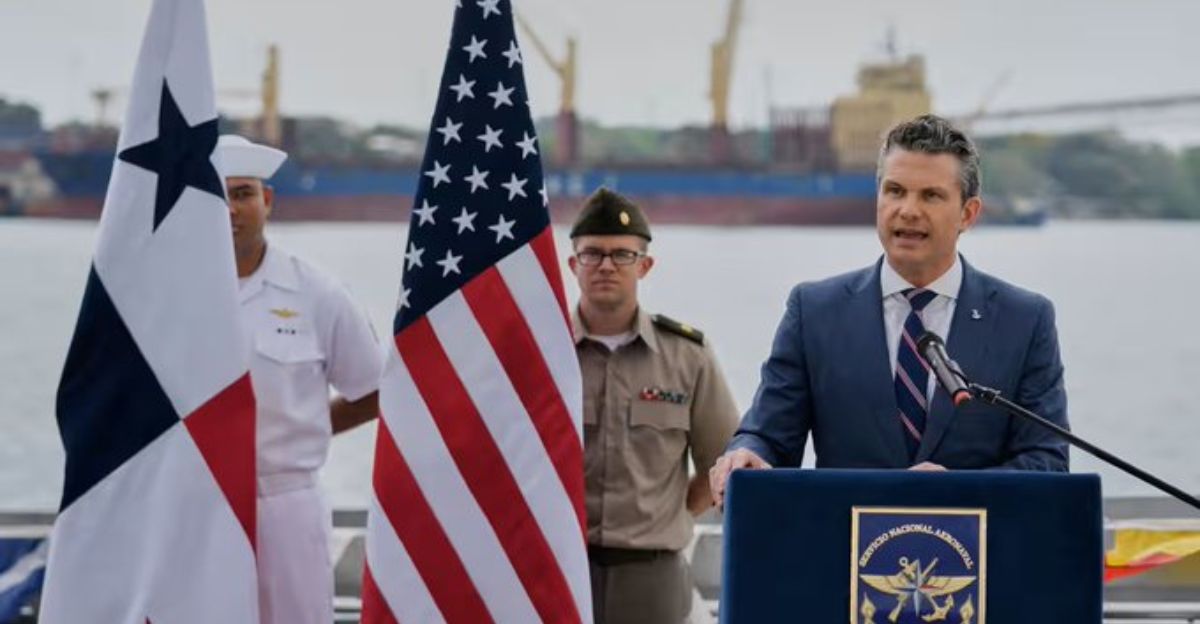
The return of U.S. forces to Panama has immediate implications for the region. Joint operations with Panamanian forces will enhance military cooperation and build trust, especially in combating organized crime. The training also serves as a deterrent to any external adversaries trying to increase their influence near the Panama Canal.
By strengthening its ties with Panama, the U.S. seeks to bolster regional stability. The deployment is not only about military readiness but also about sending a clear message to other global powers that the U.S. remains committed to securing vital trade routes and maintaining regional influence.
Building Trust with Panamanian Forces
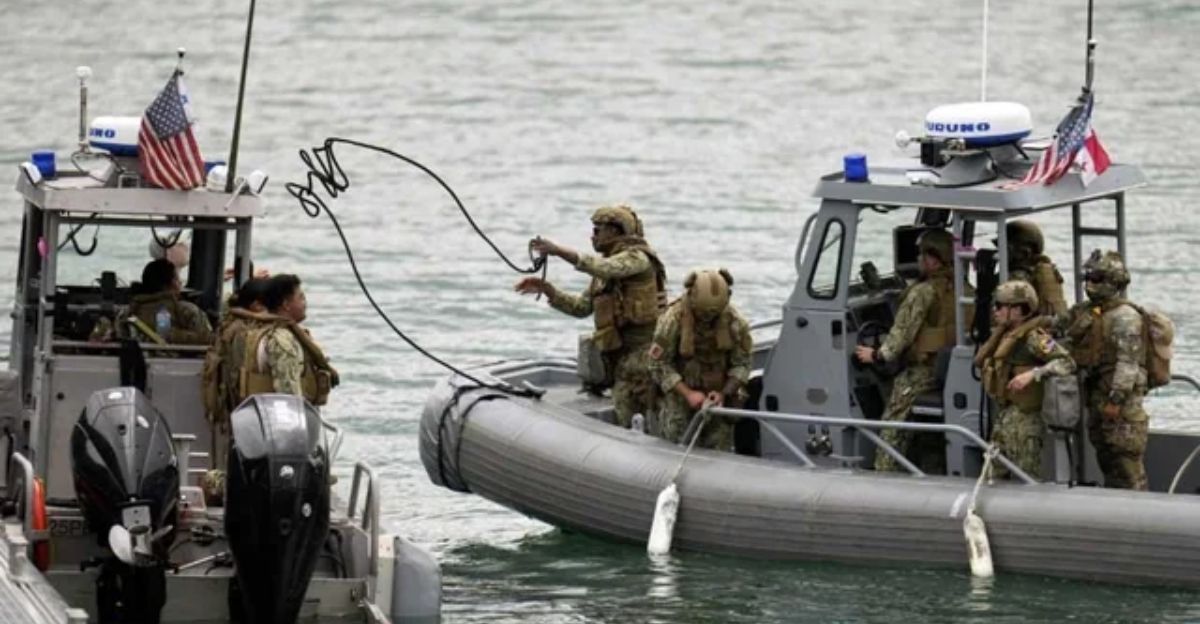
Sgt. Maj. Chris Taylor of the U.S. Marines emphasized that this joint training was critical for strengthening bonds between American and Panamanian troops. “This kind of hands-on, shared training helps build trust and prepares both of our forces for the challenges we face together,” Taylor said, highlighting the importance of cooperation in tackling shared security threats.
By engaging in direct, shared training, both U.S. and Panamanian forces can better understand each other’s tactics and capabilities. This mutual respect and trust will be key in facing future challenges in the region, especially in tackling organized crime and other security threats.
China’s Growing Influence
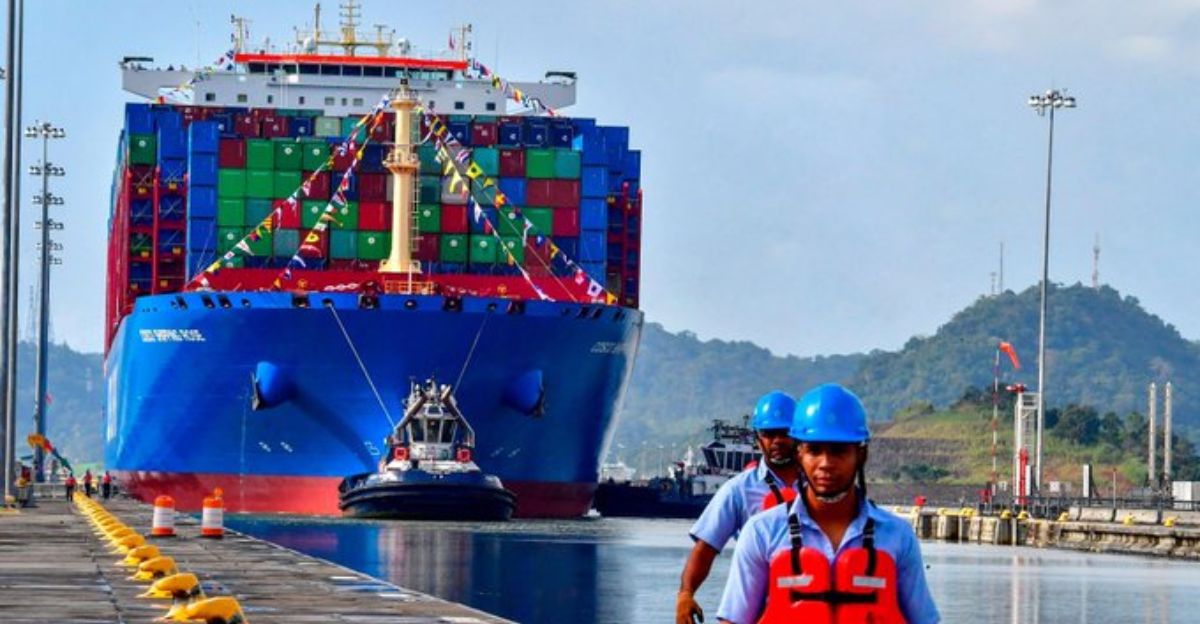
China’s expanding footprint in Panama, especially with its investments in port operations, has not gone unnoticed. U.S. officials view this as part of Beijing’s broader strategy to gain control over global trade routes. With Panama’s decision to withdraw from China’s Belt and Road Initiative in early 2025, the U.S. sees an opportunity to reassert influence and counter Beijing’s activities in the region.
The increasing Chinese presence in Panama is seen as a direct challenge to U.S. influence. By deploying military forces to the region, the U.S. aims to assert its dominance and prevent further Chinese encroachment on this strategically vital area.
Broader Military Buildup
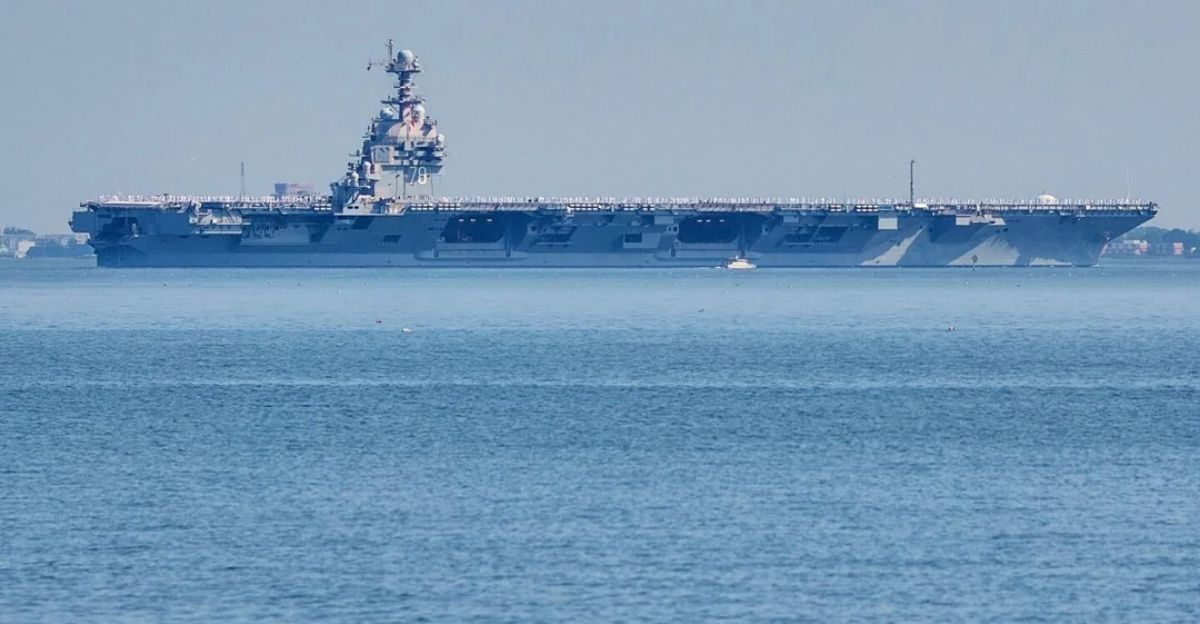
This deployment is part of a larger military buildup in the Caribbean, with the U.S. reviving bases in Puerto Rico and intensifying naval patrols in the region. These moves echo Cold War-era strategies, aiming to ensure regional stability amidst a shifting global power landscape.
The reestablishment of U.S. military operations in the Caribbean reflects a broader trend of American military expansion across Latin America. This approach underscores the growing concerns about global security dynamics and the U.S. government’s strategic response to these challenges.
Sovereignty Debate
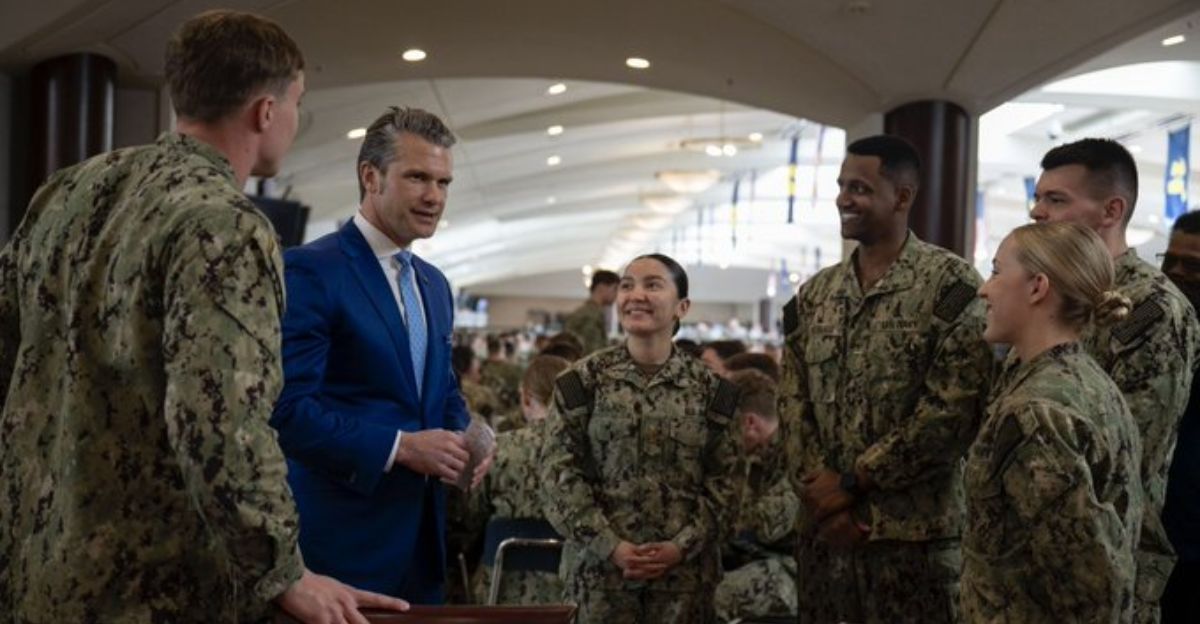
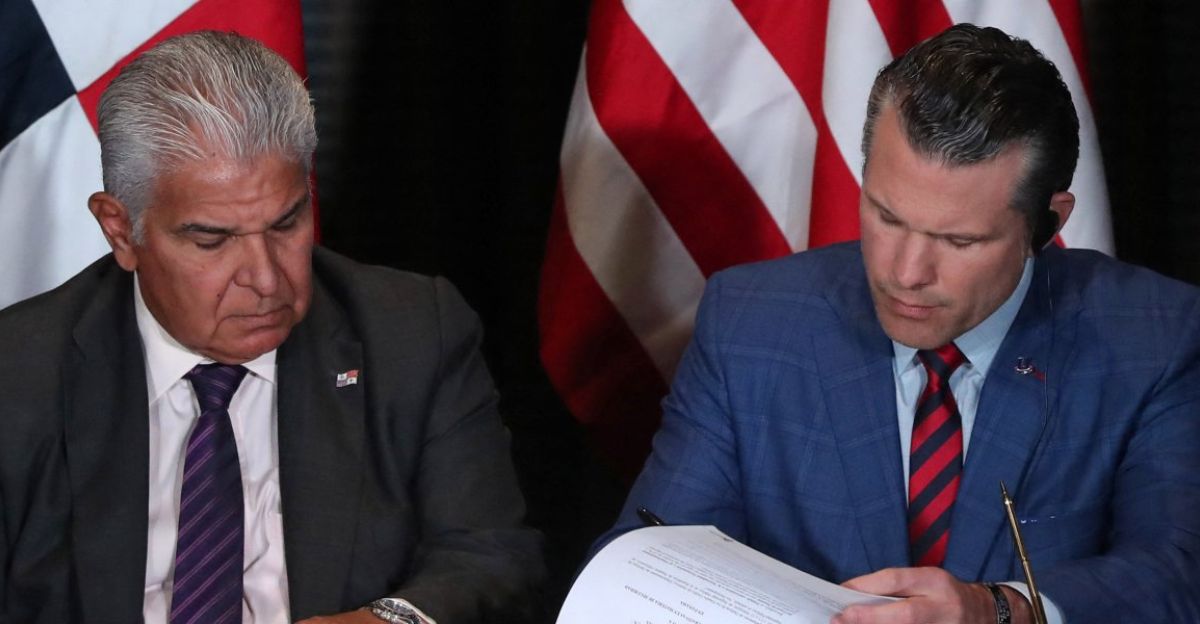
Despite this expanded U.S. presence, Panama has insisted on maintaining full sovereignty over its territory. The 2025 Memorandum of Understanding between the U.S. and Panama explicitly prohibits permanent U.S. bases on Panamanian soil, with all deployments requiring Panamanian approval. This agreement has sparked debate over the balance between security cooperation and national autonomy.
The sovereignty debate highlights the tension between Panama’s desire for security cooperation with the U.S. and its need to maintain control over its territory. This ongoing dialogue between the two governments will shape the future of their partnership and military cooperation.
National Debate
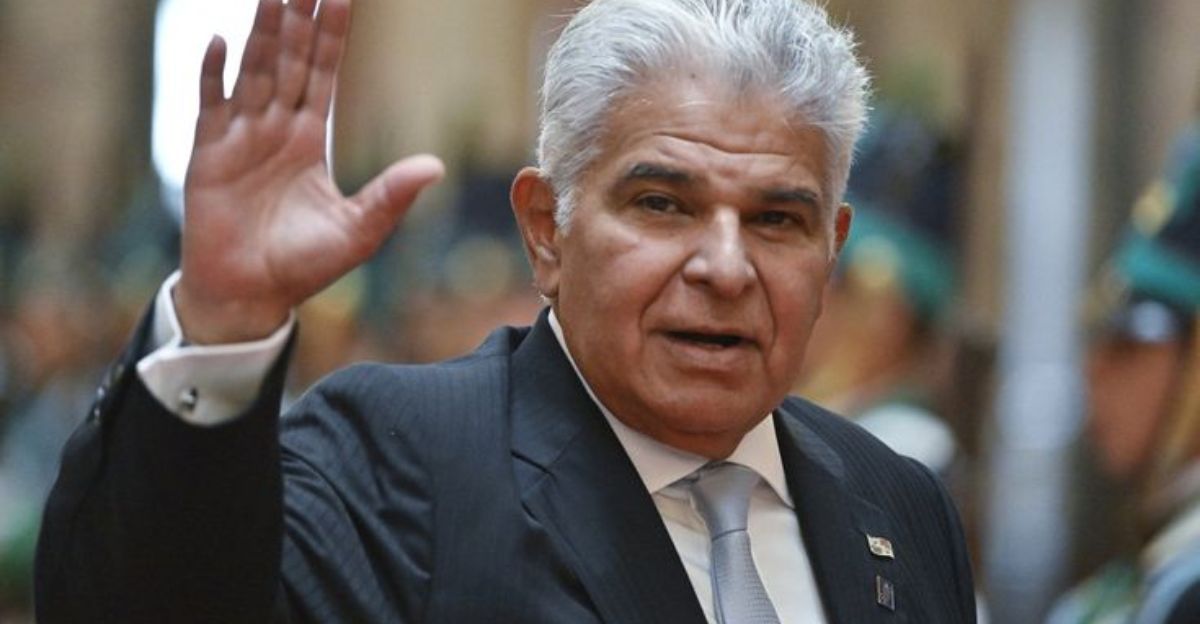
The agreement has ignited internal debate in Panama, with trade unions and opposition parties expressing concerns about the potential loss of sovereignty. While President José Raúl Mulino defends the deal, emphasizing its alignment with Panama’s constitution, critics argue that it risks further eroding the nation’s independence in favor of U.S. interests.
The internal debate underscores the challenges of balancing national security with public opinion. The Panamanian government must navigate these concerns while maintaining strong relations with the U.S. and ensuring that the terms of the agreement align with the country’s broader goals.
Key Leadership Roles
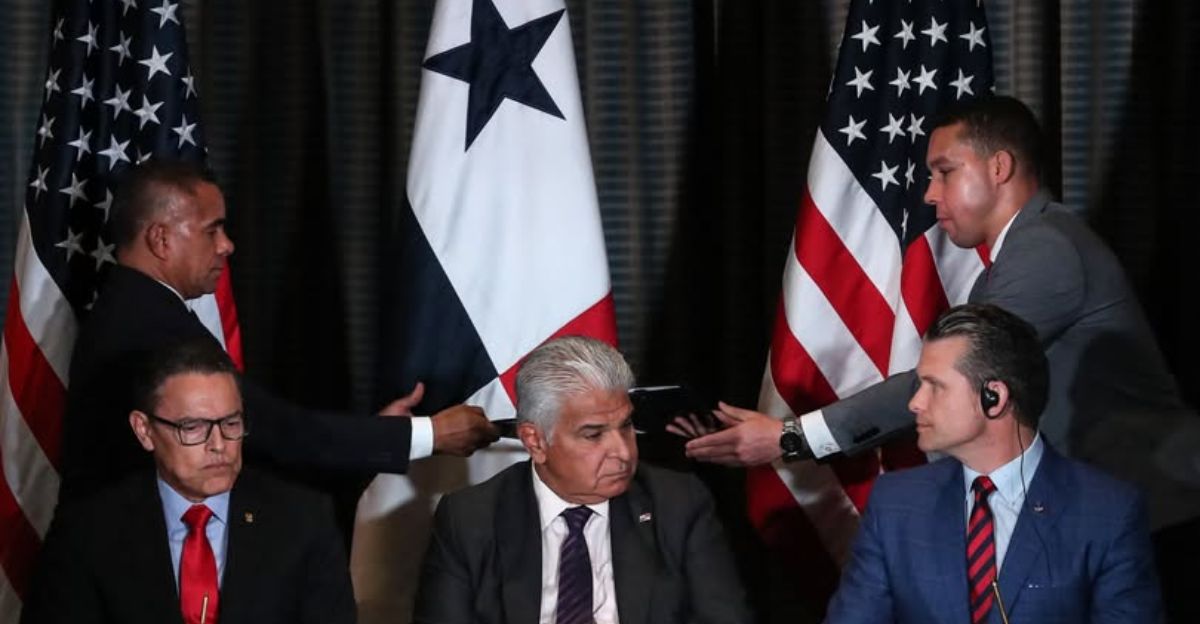
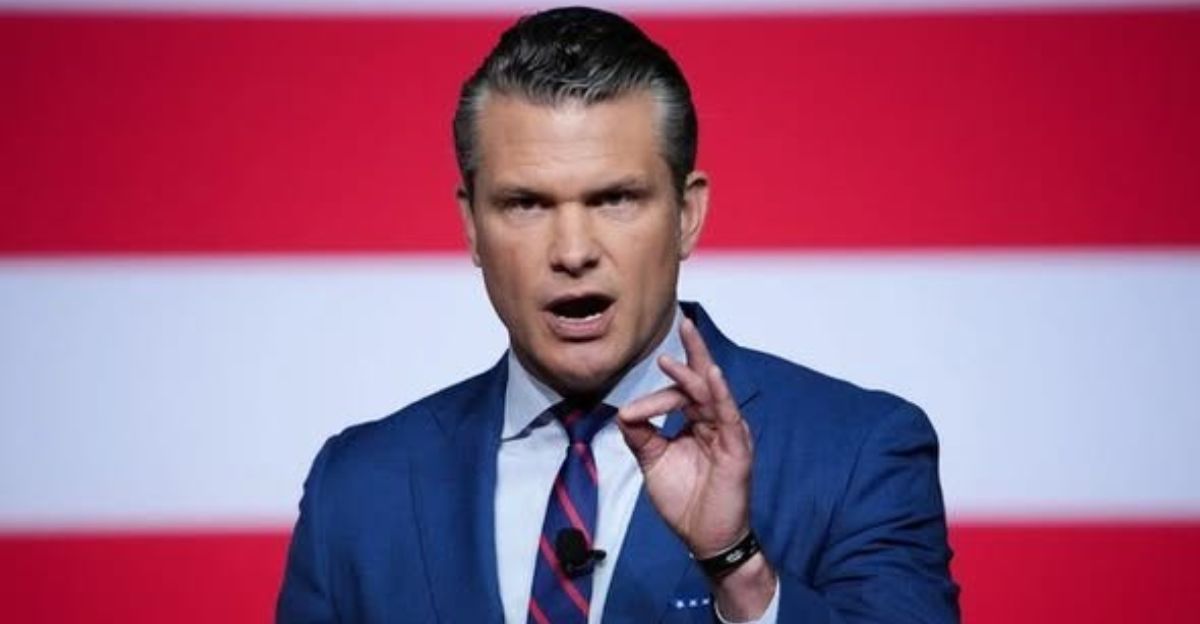
U.S. Secretary of Defense Pete Hegseth and Panamanian Public Security Minister Frank Alexis Abrego played key roles in the signing of the security memorandum. Their joint statements stressed the mutual benefits of the agreement, but also acknowledged the differing priorities between the two governments as they navigate their complex partnership.
These leaders’ involvement reflects the high stakes of the agreement. Their collaborative efforts underscore the importance of U.S.-Panama relations and the need to address both security concerns and sovereignty issues moving forward.
A Strategy of Cooperation
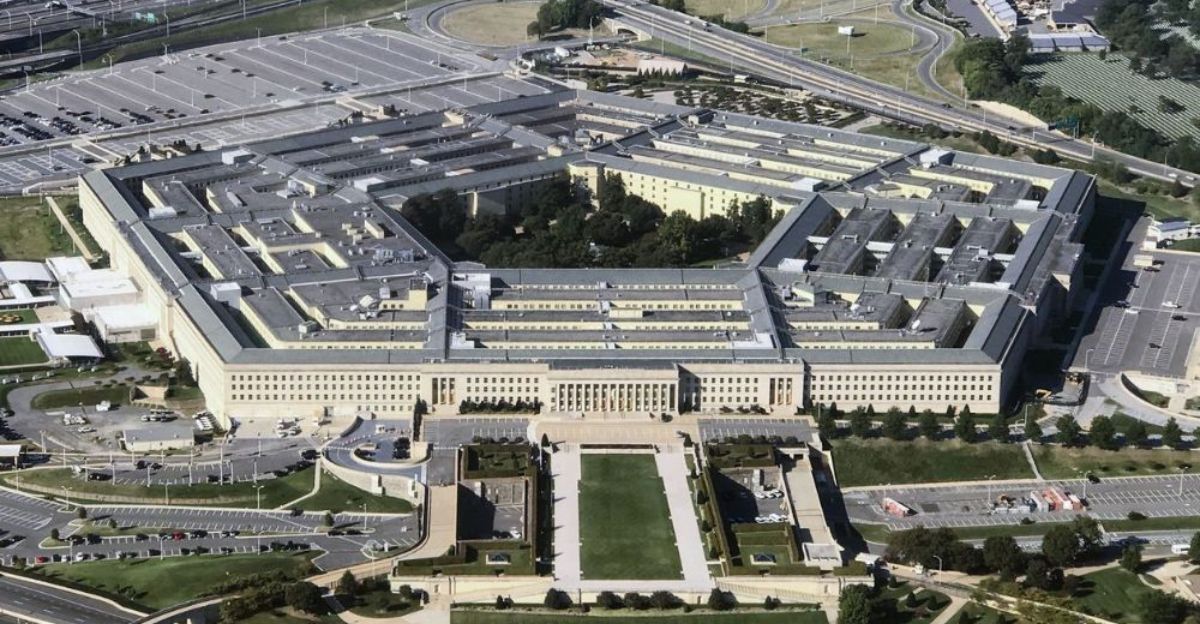
The Pentagon’s approach to Panama is not solely focused on military training. Humanitarian efforts, such as the deployment of the USNS Comfort hospital ship, demonstrate the broader scope of U.S. engagement. These efforts aim to showcase the tangible benefits of cooperation to both the Panamanian public and American citizens.
These humanitarian missions are an important part of the Pentagon’s strategy. They serve to foster goodwill between the two nations and demonstrate the positive impact of the U.S. military’s presence in Panama beyond just security matters.
Expert Analysis
Military analysts like Alex Plitsas have noted that while this training program is modest in scale, it signals a major shift in U.S. military policy. “It’s an expansion of an existing relationship,” said Plitsas, pointing to the broader geopolitical context that includes the U.S. administration’s renewed interest in Latin America.
The scale of the training program is expected to grow in the coming months. Analysts view this as a clear indication of the U.S. military’s renewed commitment to the region and its efforts to maintain influence over key strategic locations.
Looking Ahead
The partnership between the U.S. and Panama is expected to grow, with plans to scale up training to platoon-sized rotations and reintroduce the PANAMAX defense exercise in 2026. The future of this alliance will have significant implications for regional security and U.S. interests in Latin America.
Looking ahead, the U.S.-Panama military relationship is likely to deepen, with increased cooperation across various sectors. The partnership will continue to evolve, shaping the future of security in the region and beyond.
Political Fallout
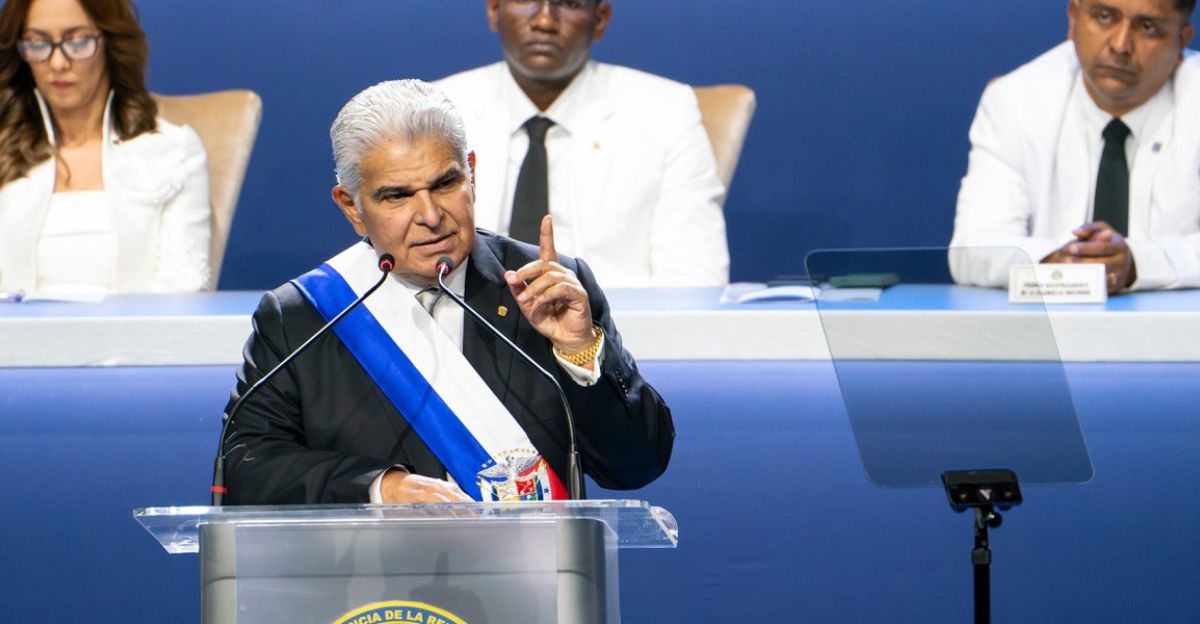
The Pentagon’s deployment has sparked political debates within Panama. Opposition parties and civil society groups have raised questions about the transparency and long-term impacts of the agreement. The Panamanian government faces increasing pressure to balance security cooperation with concerns over national autonomy and public opinion.
This political fallout highlights the complexities of international agreements. The Panamanian government must carefully navigate these internal debates while keeping an eye on the broader strategic goals of the partnership with the U.S.
Global Reactions
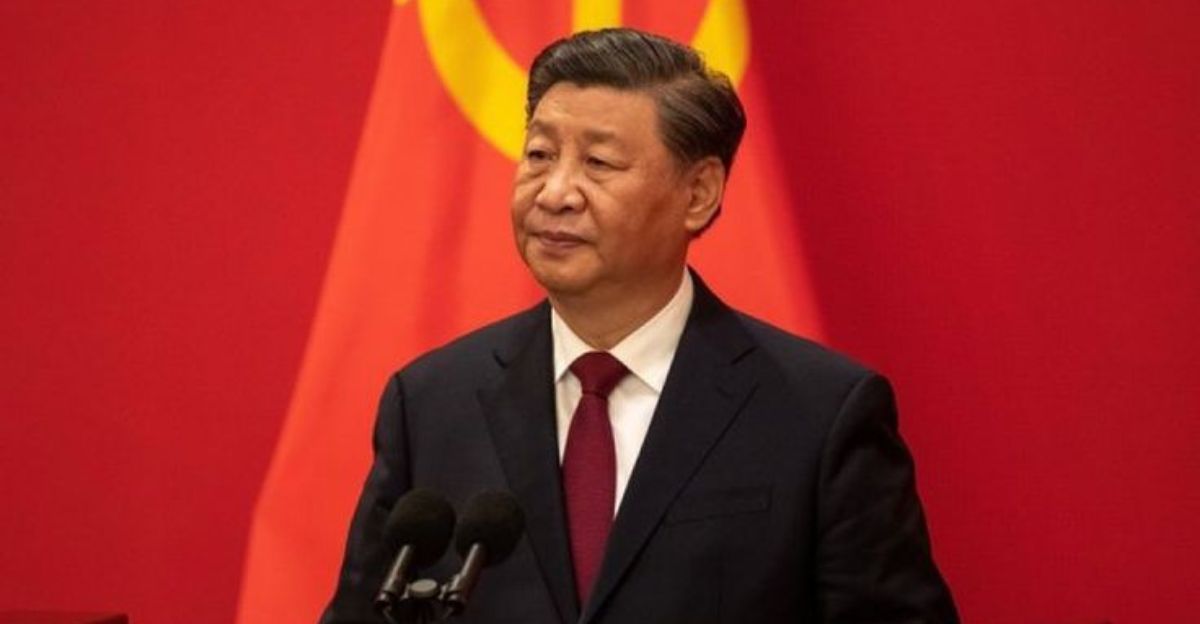
China has strongly criticized the U.S.-Panama agreement, further escalating tensions between the two global powers. The Chinese government has launched an antitrust investigation into a major port sale to a BlackRock-led consortium, signaling the broader geopolitical rivalry for control of Panama’s critical infrastructure.
The global reaction to the U.S.-Panama agreement reflects the high stakes involved. China’s opposition to the deal adds a layer of complexity to an already delicate situation, with the U.S. and China vying for influence in Panama and Latin America.
Legal and Environmental Oversight
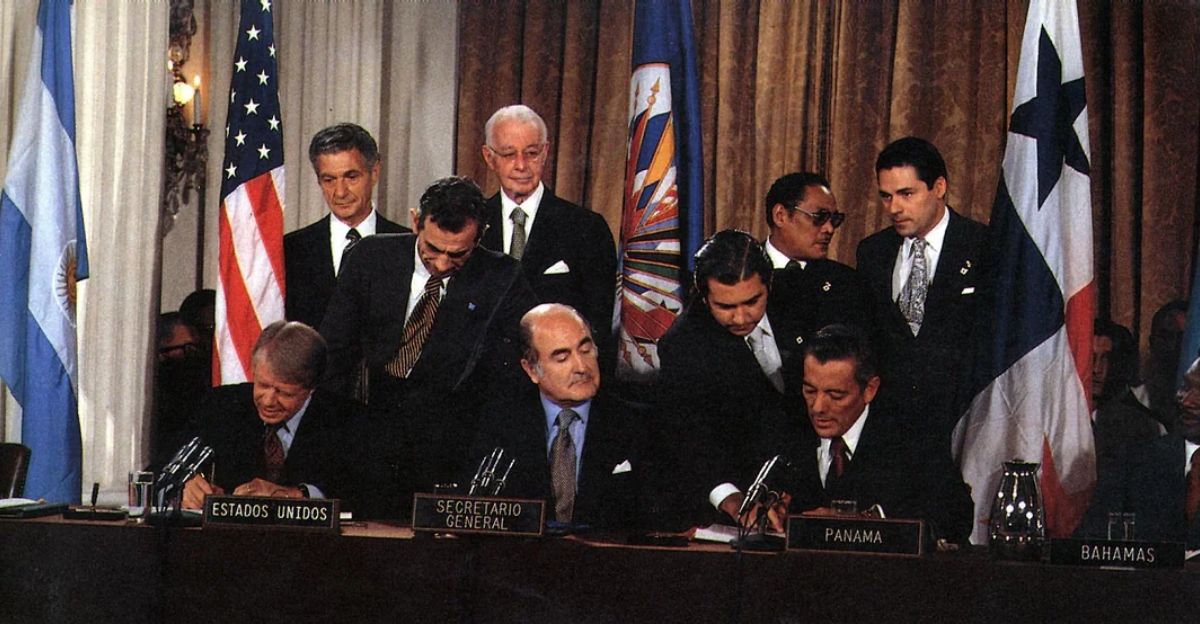
The U.S.-Panama agreement aligns with the 1977 Treaty of Neutrality, ensuring compliance with international law. Environmental groups, however, remain concerned about the reopening of former military bases, citing potential ecological risks and the long-term impact of U.S. military activities in these sensitive areas.
These environmental concerns must be addressed carefully as the U.S. and Panama move forward with their partnership. The U.S. military’s presence in Panama must balance security needs with the protection of the environment and the long-term well-being of the region.
Cultural Impacts
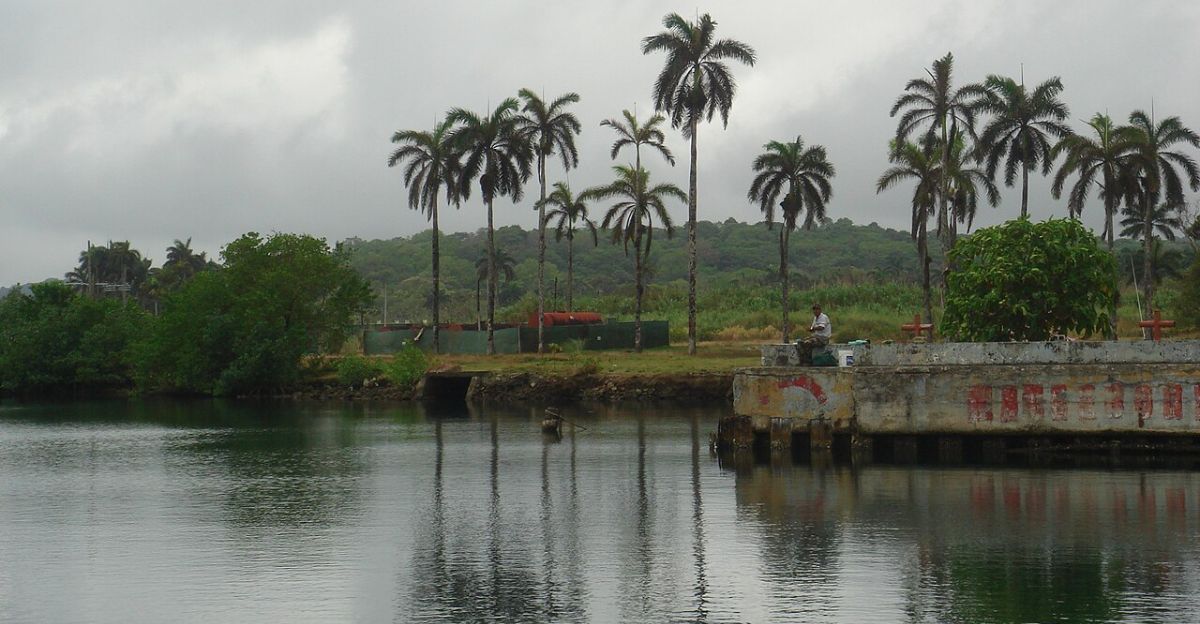
The return of U.S. troops to Panama has sparked a cultural debate over the nation’s identity and historical memory. For many Panamanians, the reopening of sites like Fort Sherman evokes both nostalgia and unease, reflecting a complex relationship with foreign military presence that spans generations.
This cultural shift highlights the tension between Panama’s past and its present. The return of U.S. forces brings back memories of a different era, and the Panamanian people must come to terms with the evolving role of foreign military presence in their country.
What’s Next?
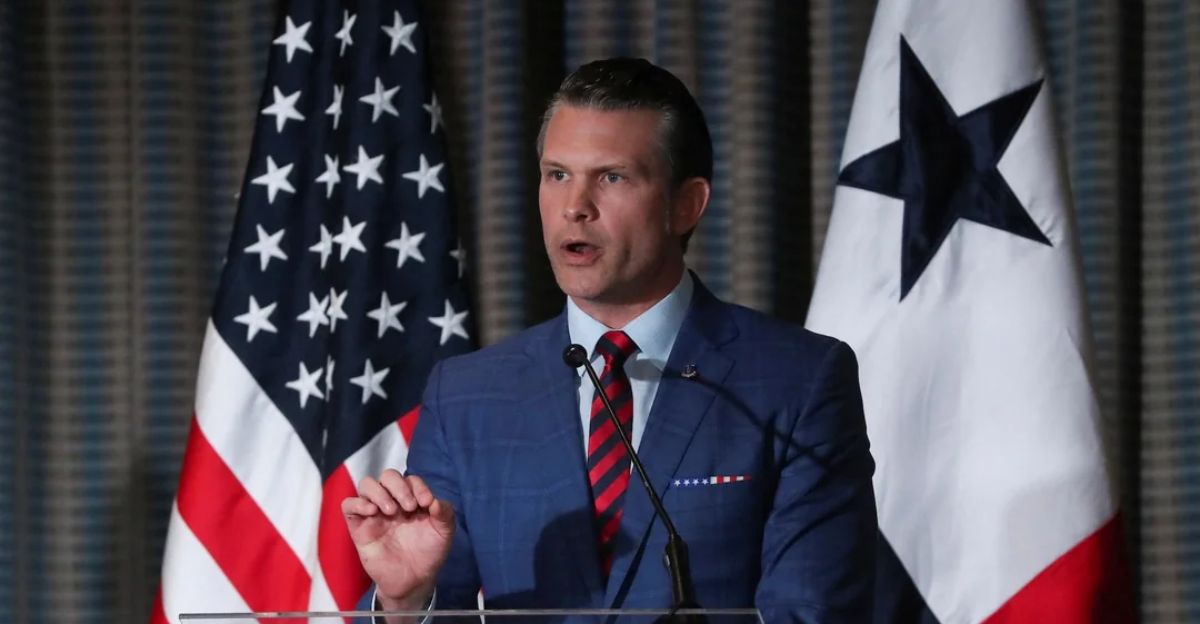
The Pentagon’s renewed presence in Panama is a turning point in U.S. military strategy in the region. By blending security, diplomacy, and competition with global powers, this partnership will test the balance between sovereignty and cooperation, setting the stage for a new chapter in U.S.-Panama relations.
As this partnership evolves, the U.S. will need to carefully manage its interests in Panama while respecting the sovereignty of the Panamanian people. The future of this relationship will play a crucial role in shaping the geopolitical landscape of the Americas.