
The Pentagon has begun what insiders describe as a historic realignment of American military strategy. By quietly eliminating 200 positions across 3 critical NATO command centers, the Trump administration is signaling a fundamental shift in Europe’s role within the alliance. This reduction represents roughly 50% of US personnel at these elite centers, as tensions rise over Greenland, tariffs, and a 2027 ultimatum. The details show how fast trust is eroding.
The Unraveling Of Transatlantic Trust

The Pentagon has begun withdrawing American personnel from 3 key NATO command centers without immediate replacement. About 200 positions will be eliminated as staff rotate out naturally over several years. This reduction affects roughly 50% of US personnel stationed at these elite intelligence, special operations, and maritime command facilities amid tensions over Greenland and tariffs. The timeline raises deeper questions.
Three Targets, One Strategic Message

The cuts target the UK-based NATO Intelligence Fusion Centre, Allied Special Operations Forces Command in Brussels, and STRIKFORNATO maritime operations in Portugal. The Fusion Centre, operational since 2007, supports intelligence for NATO leaders across 28 member states. STRIKFORNATO oversees maritime strike capabilities. Special Operations Command coordinates alliance-wide missions. Officials say “natural attrition” matters most.
The 80,000 Question Across Europe
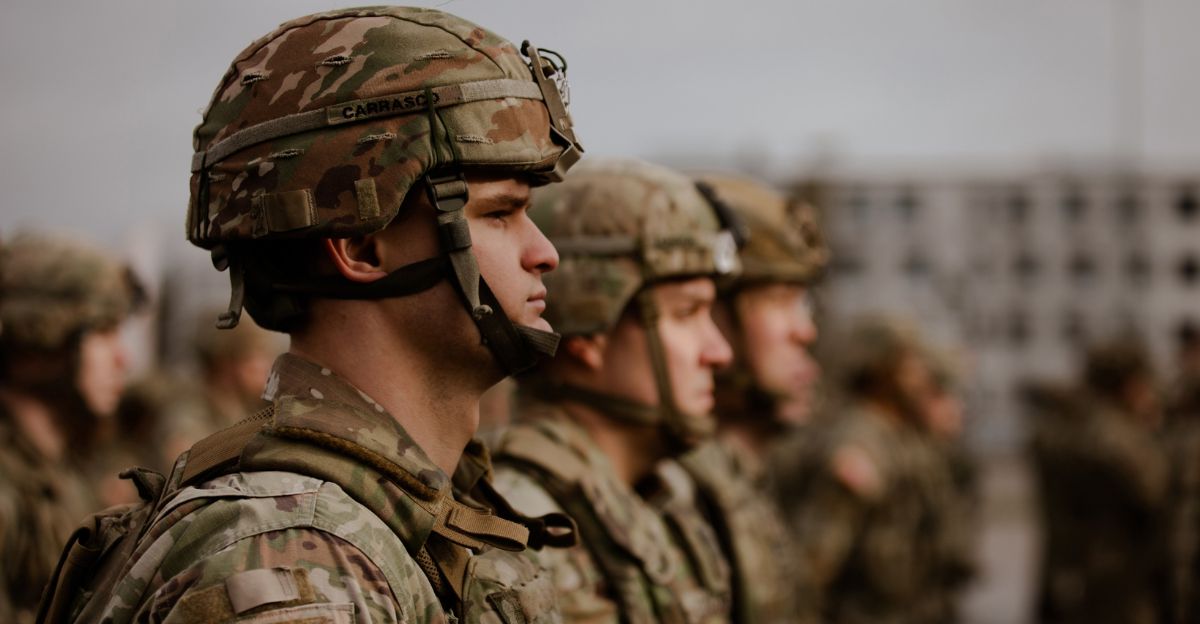
Roughly 80,000 US military personnel currently station across Europe, with nearly half concentrated in Germany. Germany hosts approximately 35,000 active-duty US troops. These forces plus rotating units in Poland, Romania, and Bulgaria form America’s largest forward presence outside Asia. The 200 eliminated NATO positions equal 0.25%, yet impact coordination. Which roles vanish first?
NATO’s Brain Under Quiet Pressure

The NATO Intelligence Fusion Centre operates 24/7/365 with over 200 professionals from 28 member states. It provides classified intelligence to Allied Command Operations and allied nations. It uses national intelligence, open-source, signals, geospatial, and electronic intelligence across 3 continents. Losing experienced American officers means losing decades tracking Russian capabilities. But another deadline reshapes everything.
“We Must Carry The Burden”
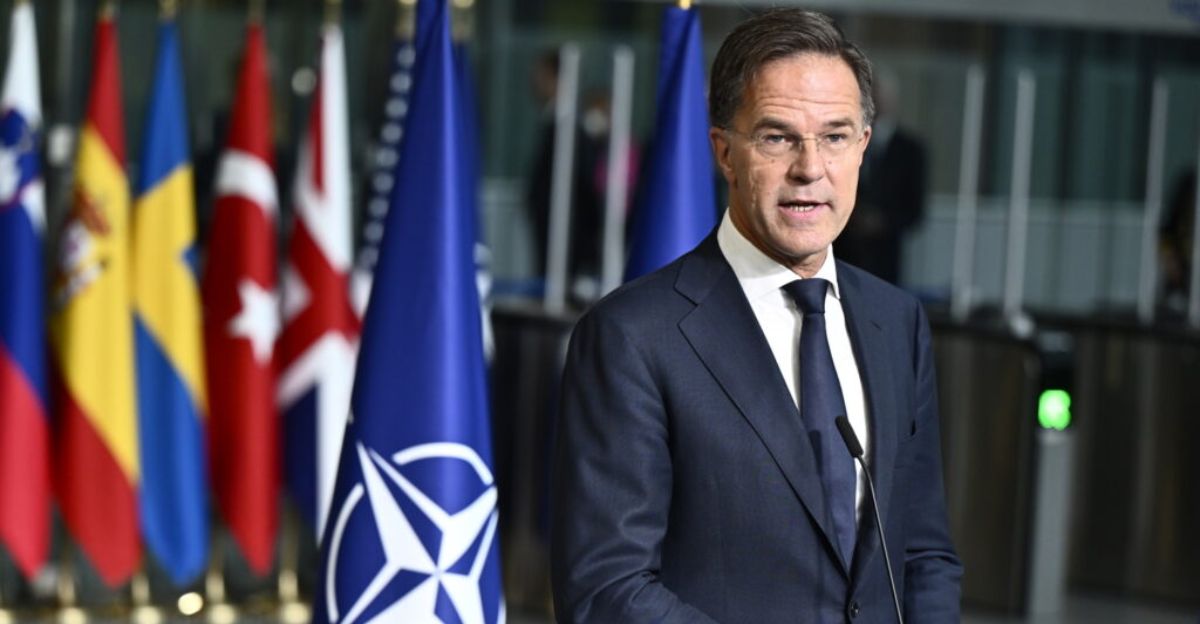
“The time when we conveniently let the United States carry the burden for our security is over,” NATO Secretary General Mark Rutte stated on January 13, 2026. The line captured a growing European recognition that American support is no longer guaranteed. Yet the remark also landed as Washington began shrinking key staffing inside NATO’s nerve centers. What happens when words meet timelines?
The 2027 Deadline Europe Cannot Ignore
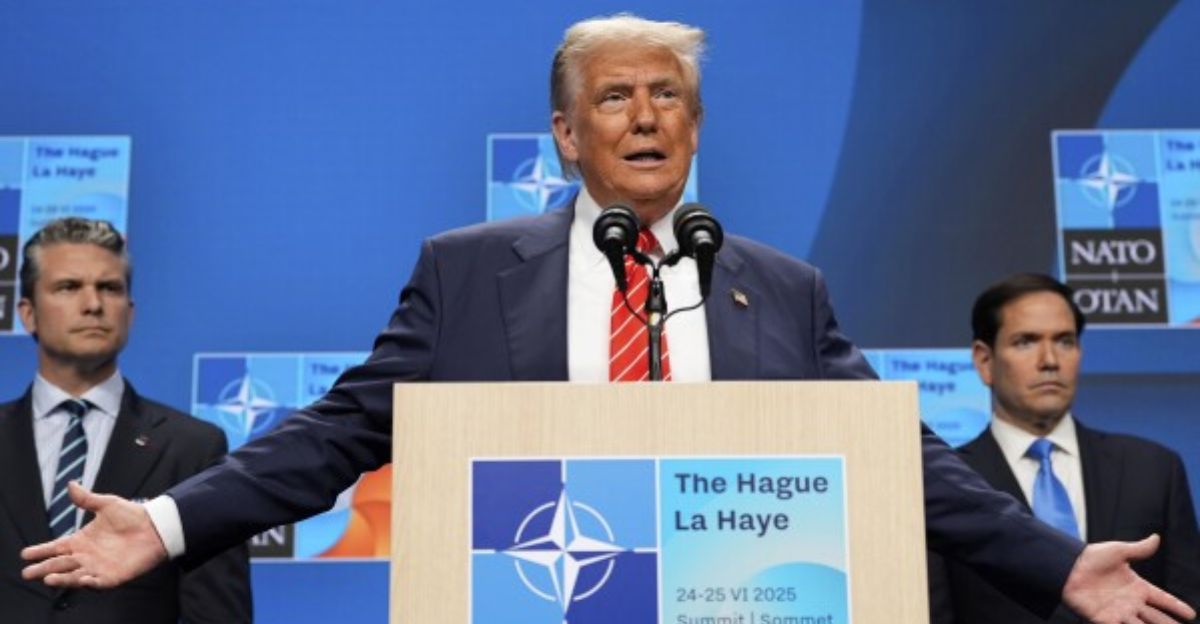
Pentagon officials told European counterparts in December 2025 that Europe must assume most NATO conventional defense responsibilities by 2027, just 24 months away. That means replacing US forces, enablers, and capabilities that have been relied on for decades. Bruegel estimates that Europe needs 50 new combat brigades and 300,000 troops, at a cost of over $250B per year. Another pressure campaign runs alongside it.
Greenland, Tariffs, And Military Leverage
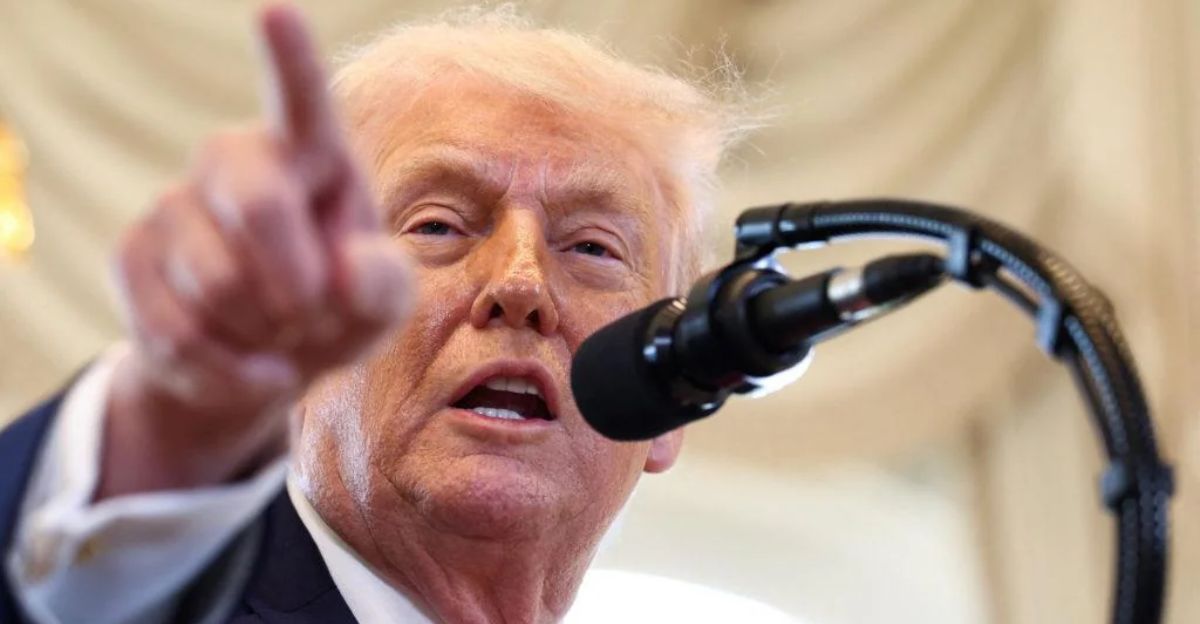
President Trump threatened 10% tariffs on 8 European nations starting February 1, 2026, escalating to 25% until Denmark ceded Greenland to the United States. European officials suspended a bilateral trade agreement. After Davos talks on January 22, 2026, Trump paused tariffs for an Arctic security “framework,” tied to the 1951 Defense Agreement. Congress noticed the leverage, too.
Congress Tries To Stop A Retreat
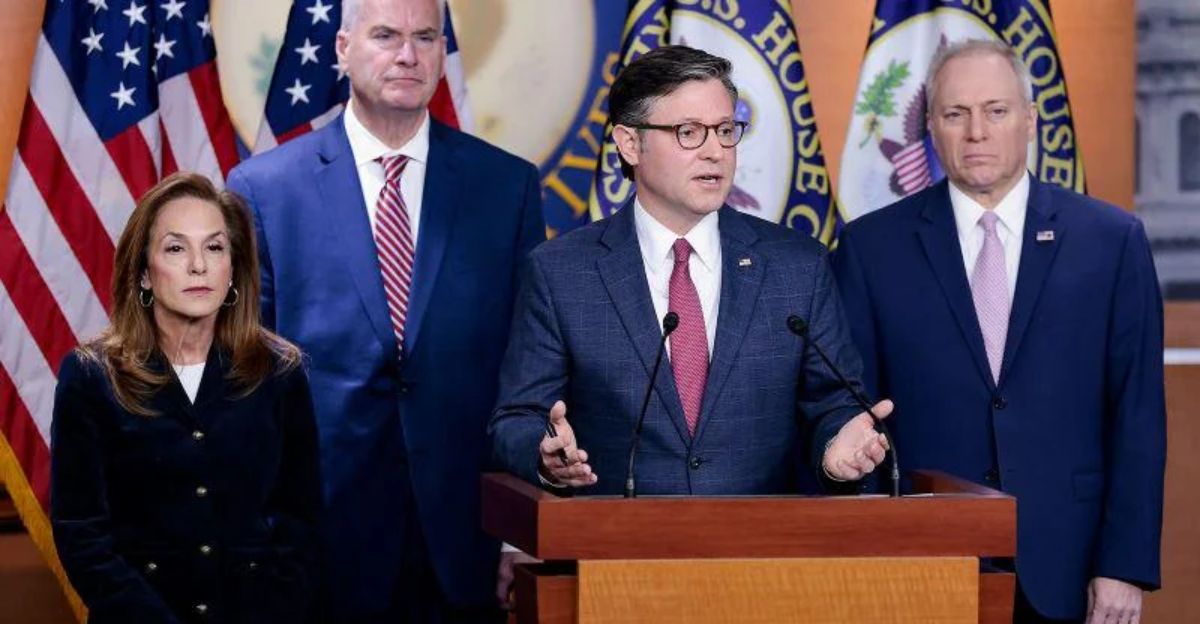
The House passed a $901 billion defense authorization bill in December 2025, barring troop cuts in Europe below 76,000 without Pentagon certification. Similar restrictions applied to South Korea. The bill authorized $400 million for Ukraine security aid despite the administration seeking none. Lawmakers also limited unilateral NATO withdrawals. Yet Congress cannot force staffing if the Pentagon refuses to backfill. What does unity look like now?
“A Remarkable Level Of Unity”
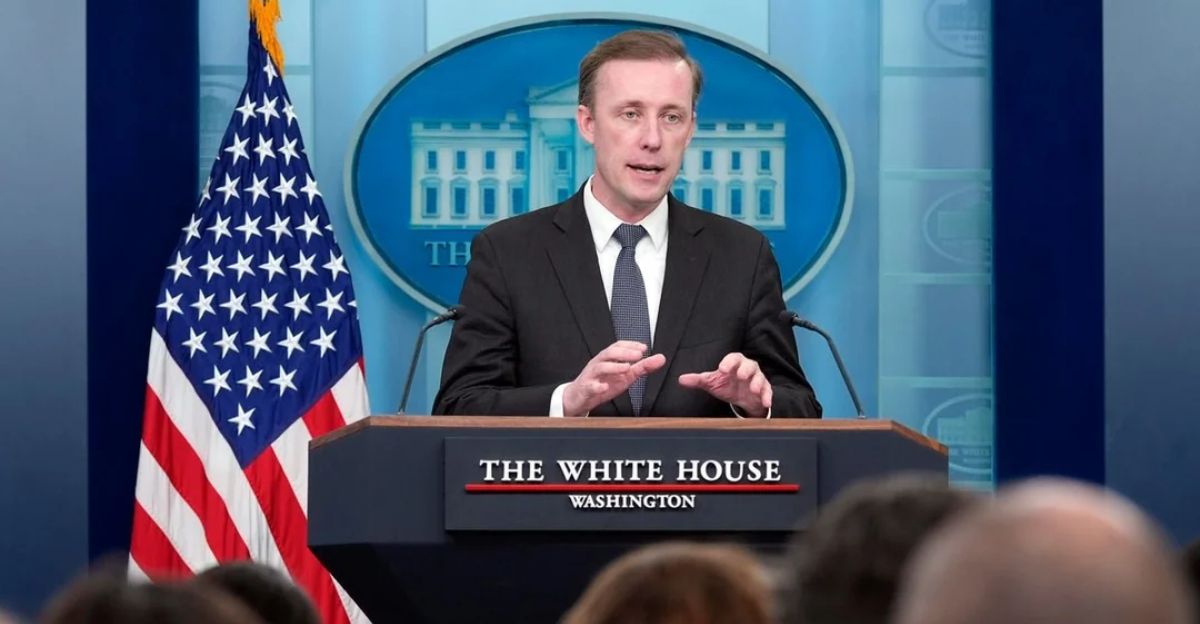
“We have achieved a remarkable level of unity and common purpose — from the broad strategy down to technical details,” according to White House National Security Advisor Jake Sullivan on February 11, during the Biden administration’s 2022 Ukraine response. That earlier moment now stands as a contrast to today’s widening gaps in staffing and trust. The adversary watching most closely is not slowing down.
Russia Expands While NATO Rebalances
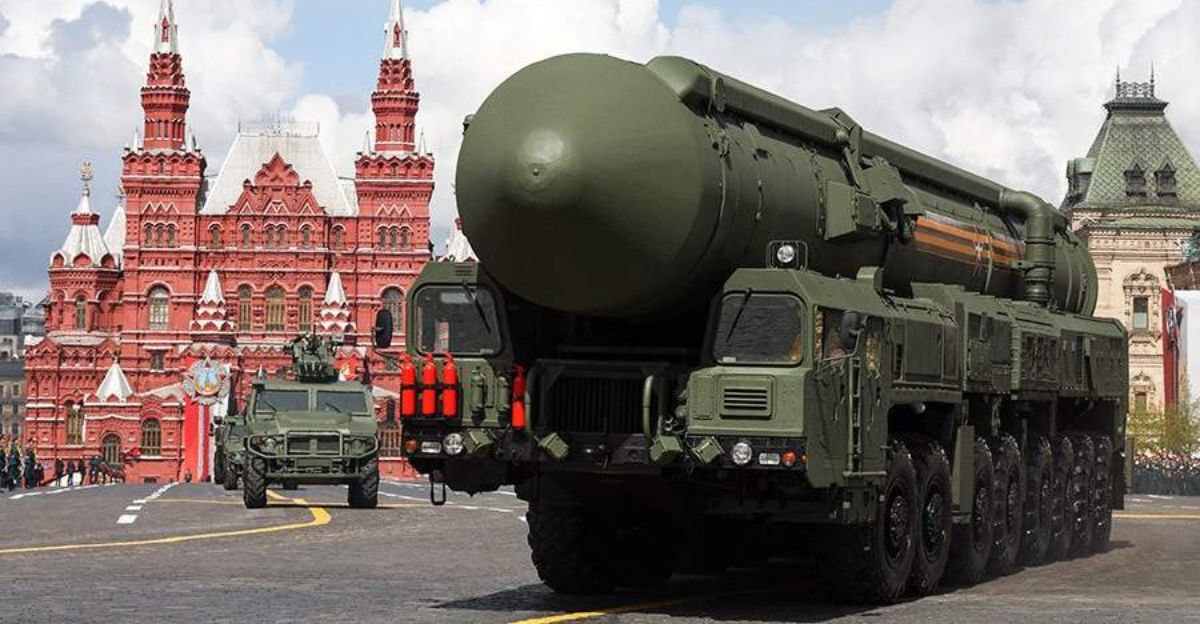
Russia holds over 5,400 nuclear warheads and keeps modernizing despite 24 months of war in Ukraine. It has expanded Arctic conventional forces and deployed nuclear-capable Tsirkon and Kinzhal systems. German intelligence documents reportedly warn of covert operations preparing for conflict by 2029. Russia suffers 20,000 to 25,000 casualties monthly yet regenerates forces through conscription. The mismatch fuels new doubts.
Europe’s Capability Gap Before 2027
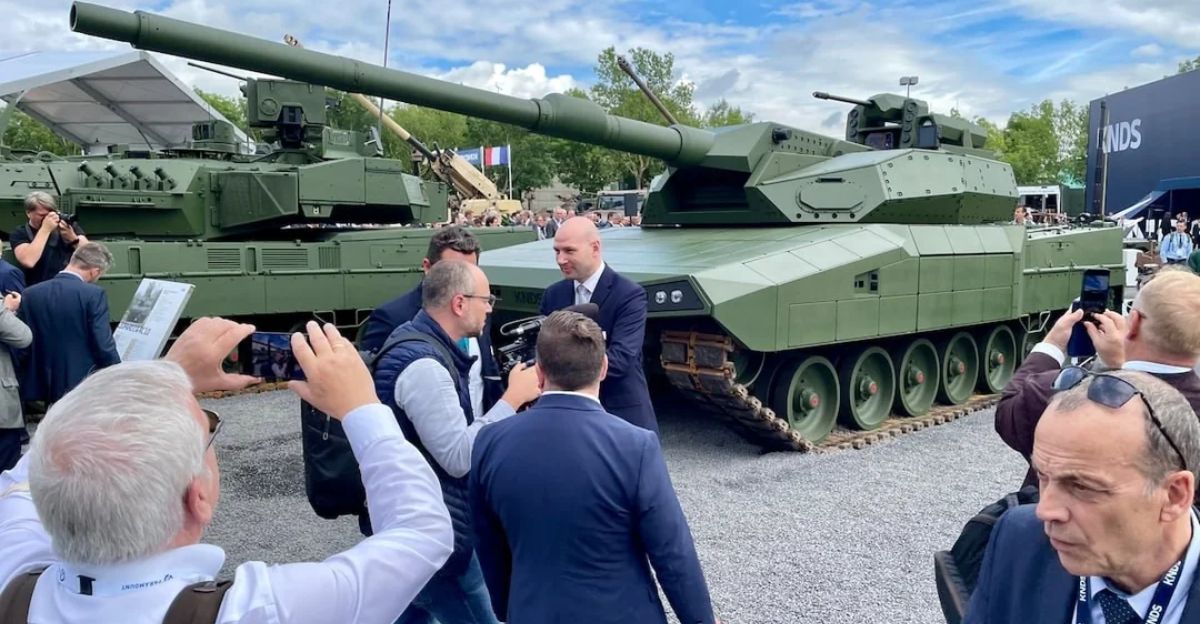
European NATO members have 1,400 main battle tanks across France, Germany, Italy, and the UK, yet defending the Baltics may require 1,400 tanks alone. Europe has 1.47 million active-duty personnel but lacks US-style unified command systems. Experts cite “barebones” artillery stocks, needing 1,000,000 155mm shells for 90 days. Can production match politics quickly enough?
A Strategy Document That Shocks Allies
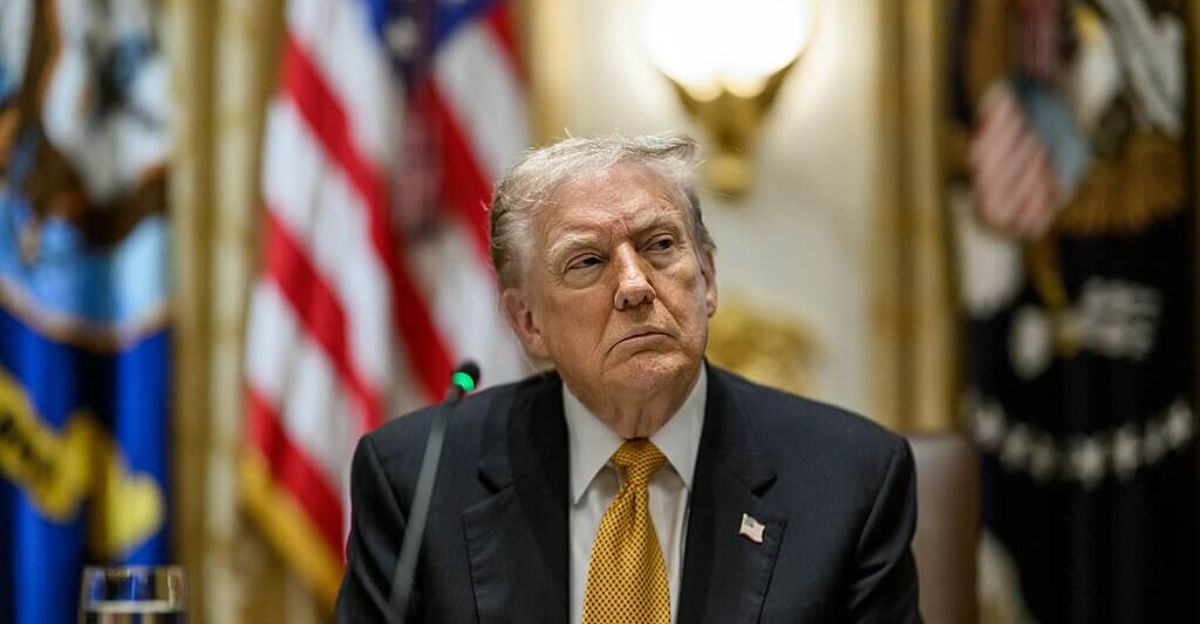
The Trump administration’s December 2025 National Security Strategy does not identify Russia as a major threat to the United States or Europe. Instead, it targets the European Union for “civilization erasure” and anti-democratic policies. It promotes National Rally, Reform Party, and Alternative for Germany as “real allies.” Moscow welcomed it as “largely consistent” with Kremlin views. The staff cuts now feel less technical.
NATO Warns Of Hybrid Warfare Tools
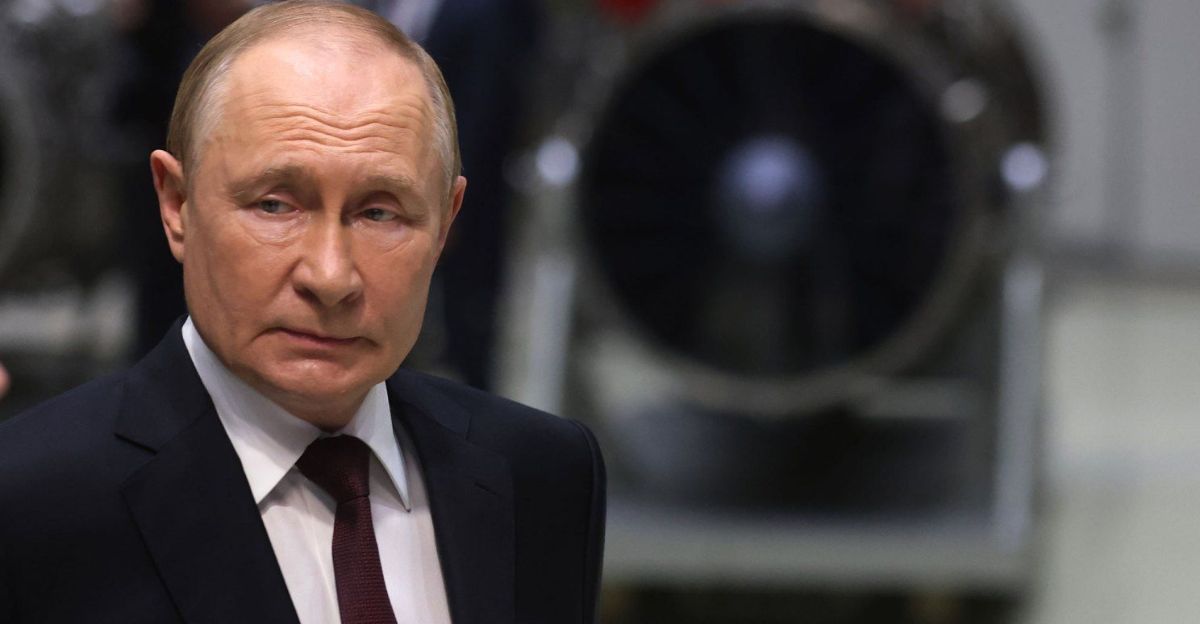
“Russia will use a suite of military and non-military hybrid warfare tools, including disinformation campaigns, influence operations, economic sanctions, diplomatic pressure and energy supply cuts,” according to NATO’s Allied Command Transformation regional assessment of Russian strategy. The warning reads like a checklist for fracturing alliances without firing first. With command center staffing shrinking, even spotting patterns gets harder. What does Article 5 mean under this strain?
Article 5 Credibility Starts To Erode
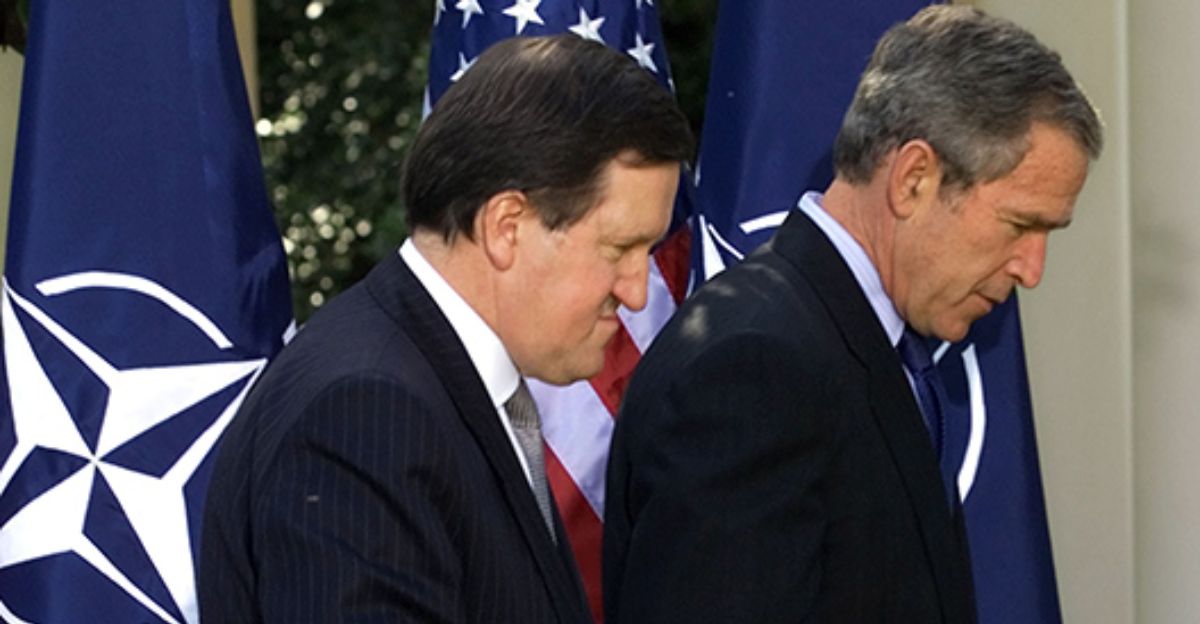
Article 5 has been invoked once, after 9/11, when 32 NATO members mobilized to support the United States. The treaty allows flexibility: each member decides what action is sufficient, and military force is not legally required. Its power is credibility and expectation of US response. That credibility is tested as the US pulls from coordination hubs while threatening Denmark over Greenland. Would Europe still bet on it?
Russia’s Low-Intensity Test Plan
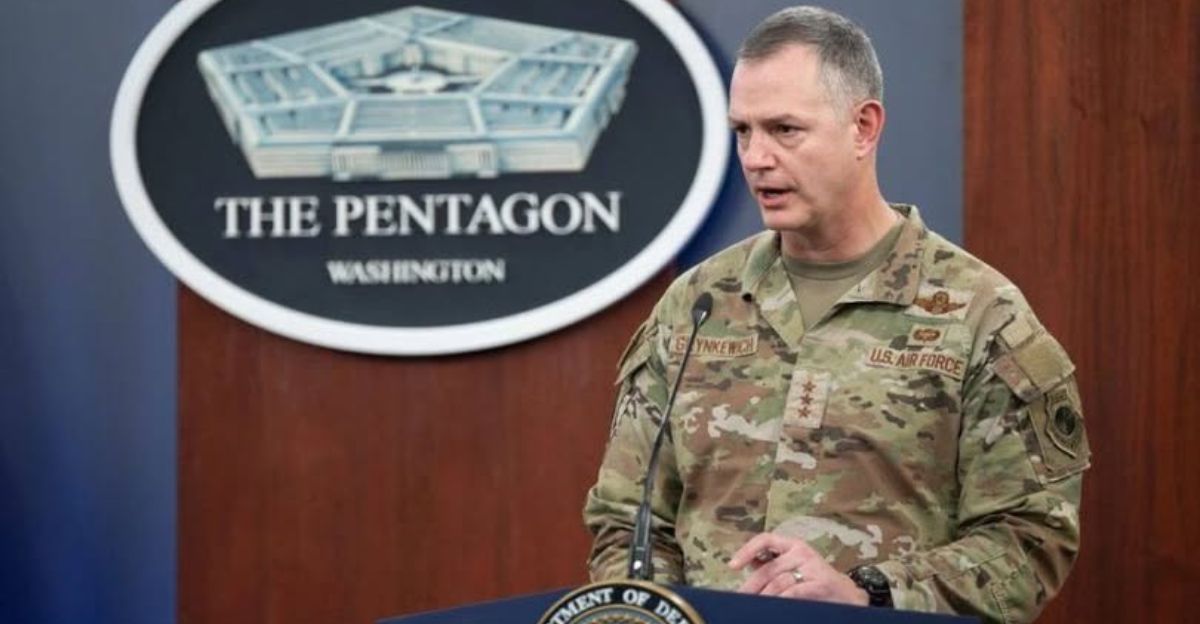
Former Finnish intelligence chief Pekka Toveri warned Russia may avoid full invasion and instead strike a single NATO member, then use nuclear threats to split the alliance. Incidents include drone incursions, sabotage of Polish rail infrastructure, and cyber attacks that normalize aggression. NATO commander General Alexus Grynkewich said hybrid threats are “a real issue” and more are expected. Can understaffed commands react quickly enough?
“Europe’s Defence Market Remains Fragmented”
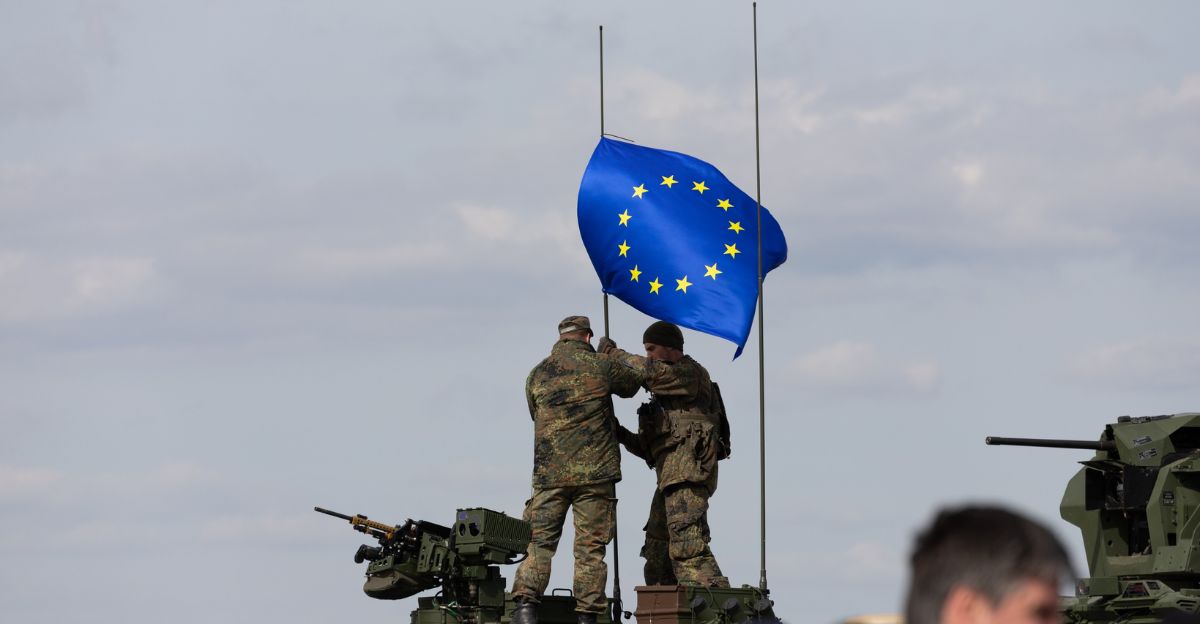
“The European defence market remains fragmented. The lack of joint procurement and national preferences for defence spending translate into small markets with low production numbers,” according to Bruegel’s analysis of European defense industrial strategy. The diagnosis explains why ramping up shells, drones, armor, and air defense is slow even with fresh money. Fragmentation becomes a battlefield advantage for adversaries. Europe is trying to change that fast.
Europe’s Strategic Awakening Comes Late
EU leaders held emergency summits in late January 2026 to reduce dependence on the US. The Re-Arm Europe plan 2030 proposes 150 billion euros in defense loans to unlock 800 billion euros in spending. Germany under Chancellor Friedrich Merz pledged raising defense from 80 billion euros to 140 billion euros yearly, near 3.5% GDP. Yet timelines clash with 2027 demands. What do NATO insiders admit privately?
“Adjustments To US Force Posture”

“Adjustments to US force posture are not unusual. The Americans had assured us for several months that they would announce a reduction in personnel within the various NATO structures,” according to a NATO military source on January 22, 2026. The quote frames the cuts as expected, even routine, while critics see deliberate degradation through vacancy. The method matters as much as the number. Why choose “natural attrition” now?
The Symbolic Surrender Inside NATO
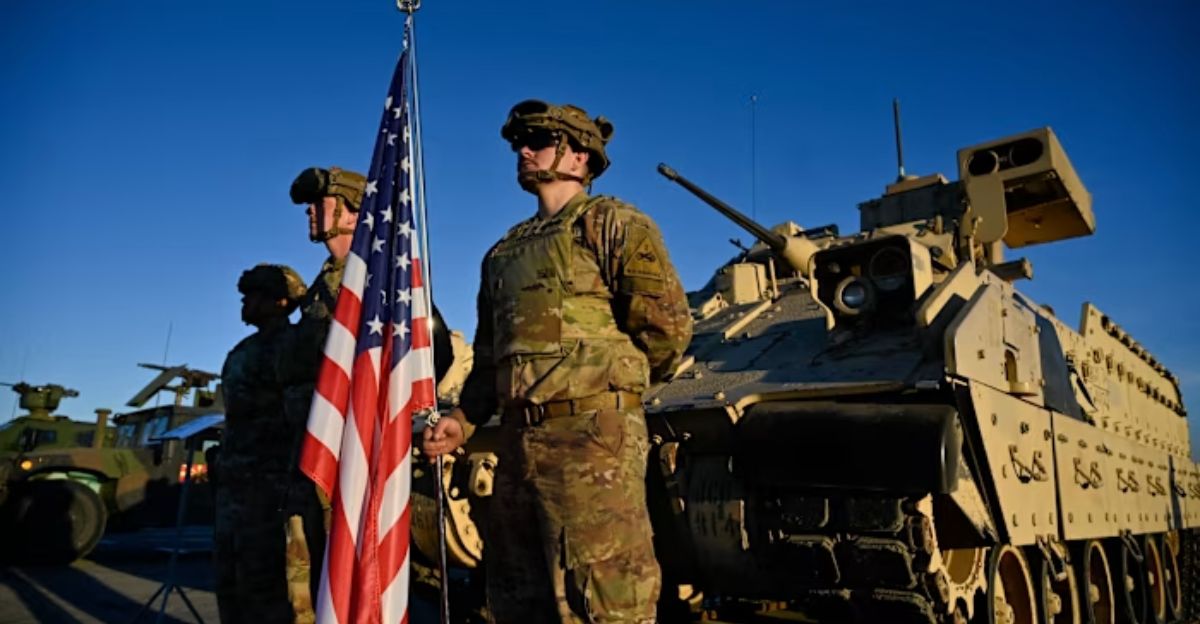
Withdrawing 200 personnel via “natural attrition” avoids a public fight while steadily weakening capability. NATO officials note US forces remain “historically large,” but removing half of US staff from intelligence fusion, special operations, and maritime headquarters signals strategy, not savings. The Pentagon could backfill positions and will not. Combined with the 2027 deadline and tariff leverage, NATO’s future is being rewritten quietly.
Sources
US to Cut Roughly 200 NATO Positions. Reuters, January 23, 2026
US Announces Initial Withdrawal of Officers From NATO Structures. Le Monde, January 22, 2026
Pentagon Funding Deal Includes $8B Hike and Support for NATO. Stars and Stripes, January 21, 2026
US Sets Deadline For Europe To Lead NATO By 2027. Stars and Stripes, December 8, 2025