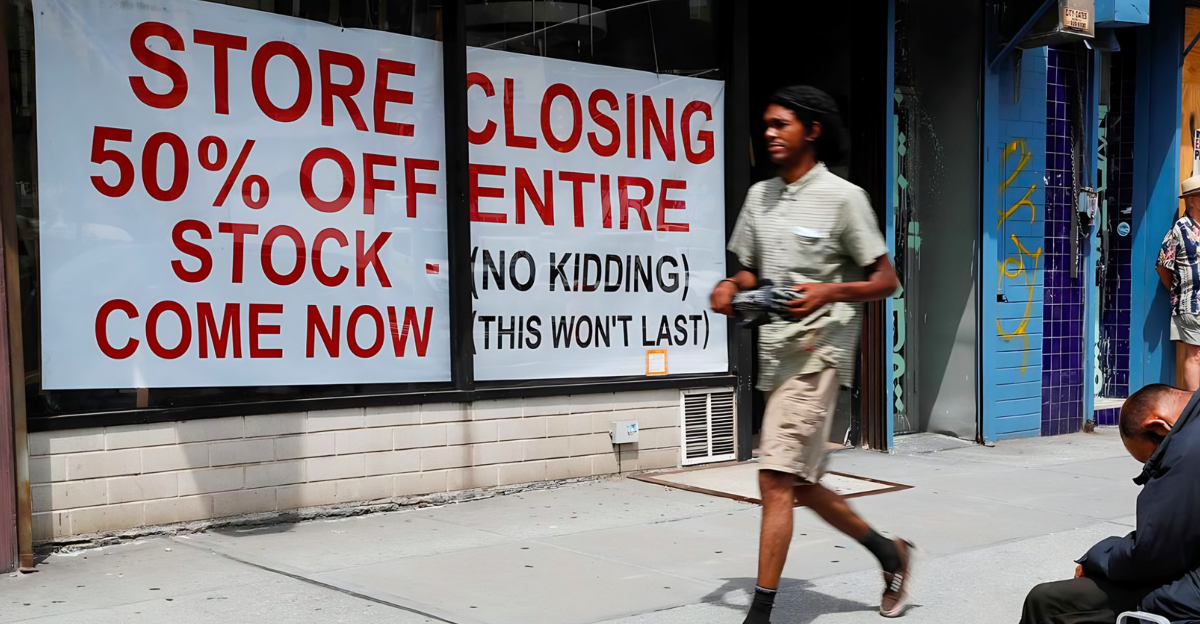
In 2025, Pennsylvania’s manufacturing and business base faced its sharpest decline in nearly two decades.
According to state labor notices and industry tallies, nearly 400 separate businesses shut their doors in the first seven months of the year, affecting rural and urban communities. Over 2,000 jobs disappeared, hitting long-established industrial towns and modern service and logistics hubs.
Reports confirm this is Pennsylvania’s highest closure rate since the 2008 financial crash, with job losses in steel, logistics, food, healthcare, and creative sectors.
Historic Steel Plants Go Silent
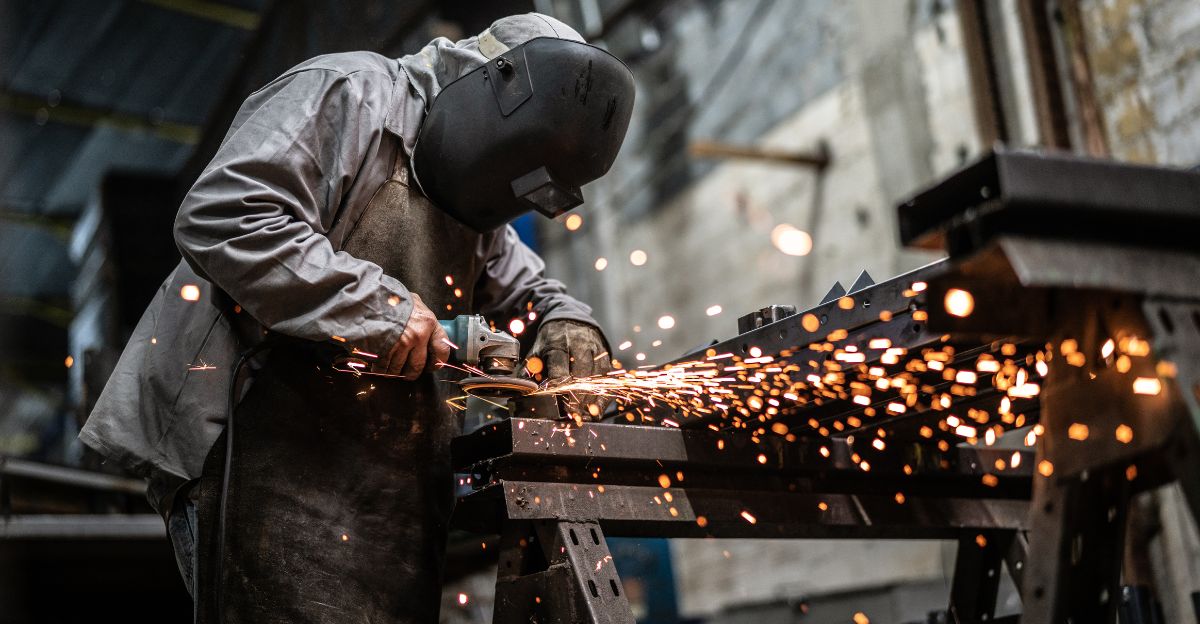
One of the most painful examples occurred with Cleveland-Cliffs idling the historic Steelton and Conshohocken steel plants on June 30, 2025. The Steelton facility, dating from 1866, had run for over 150 years, while Conshohocken was also a longtime major employer.
Cleveland-Cliffs eliminated 559 jobs between the two. “We are taking decisive action to streamline our operations and enhance efficiency… The decision to fully or partially idle certain locations was not taken lightly… [This] will allow the company to consolidate operations, withdraw from loss-making businesses and deliver annualized savings exceeding $300 million,” explained Lourenco Goncalves, Cleveland-Cliffs’ CEO, on the closures.
These savings come at the cost of the region’s steelmaking tradition and family livelihoods.
Major Logistics Layoffs
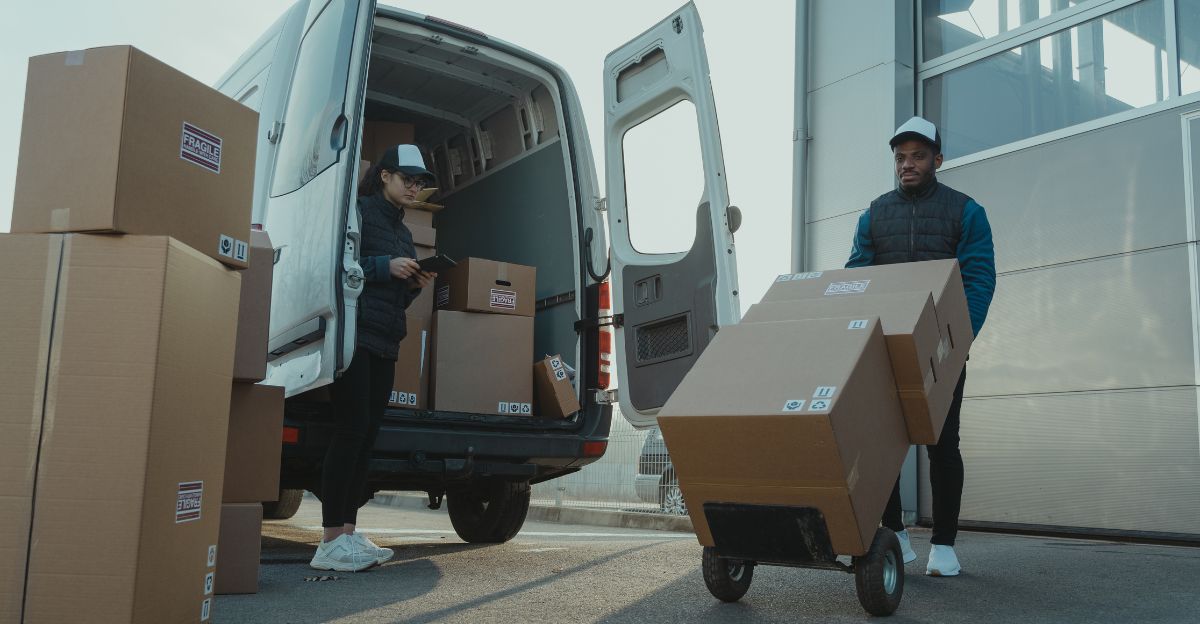
UPS, the shipping giant, closed key distribution centers in Harrisburg, New Kensington, and Stroudsburg.
This move is part of a national “network of the future” strategy that prioritizes automation and larger centralized hubs. It has led to the loss of up to 20,000 jobs nationwide, including hundreds in Pennsylvania.
While the company expects to gain $3.5 billion in annual savings and reduce its physical footprint by 73 facilities by July, local economies are scrambling as longstanding shipping jobs vanish.
Shocks in Food Manufacturing
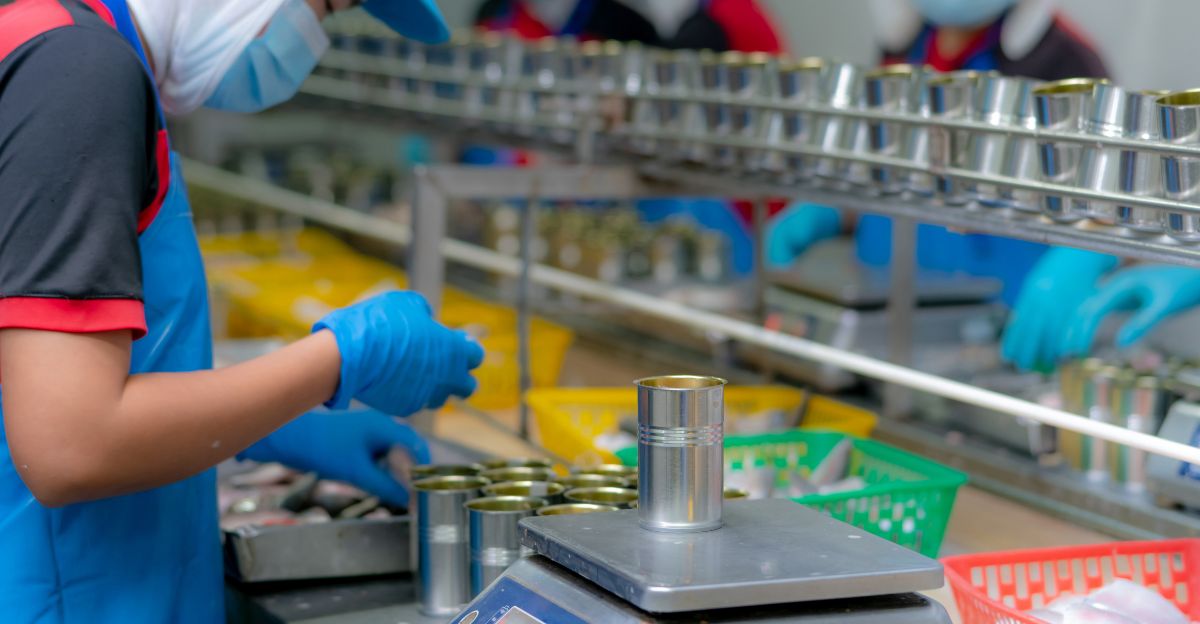
The closures did not spare the food and beverage industry. Joriki Beverages in Pittston, PepsiCo’s bottling plant in Harrisburg, and Kunzler & Company in Lancaster led a wave of food processing shutdowns, costing well over 500 jobs.
Notably, these companies were not fledgling startups—they had deep local histories and significant payrolls, underlining the scale of the economic shock.
Each loss often had ripple effects on local suppliers, trucking firms, and services connected to these plants.
Permanent Corporate Shifts
Unlike the temporary pandemic closures, these shutdowns are permanent and stem from corporate restructuring or automation strategies.
Companies no longer see value in Pennsylvania’s aging facilities, favoring states with new infrastructure or relocating jobs to places with fewer union constraints and lower operational costs.
The state’s losses now dwarf those from the pandemic in scale and likely duration.
The Human Toll Spreads

For many working families, plant closures mean lost wages and the disappearance of community life. In places like Steelton, restaurants have lost customers, schools are bracing for budget cuts due to falling tax revenue, and delivery drivers have fewer routes.
The impact is especially severe in towns where a single company once provided the economic anchor for shops, clinics, and town services.
“We asked if they were going to think about layoffs at any time, and they said ‘No, that they weren’t’,” recalled Mark Murray, a United Steel Workers representative, highlighting the deep sense of betrayal among workers who lost jobs with little warning.
Healthcare Gaps Grow

The closure trend extends to healthcare access. Rite Aid’s bankruptcy eliminated 69 Pennsylvania pharmacies this year alone and over 280 in recent years, leaving entire neighborhoods and small towns with no nearby prescription access.
The gaps, sometimes described as “healthcare deserts,” are especially tough for seniors or those with chronic illness, who now travel farther or lack regular care.
The Automation Engine
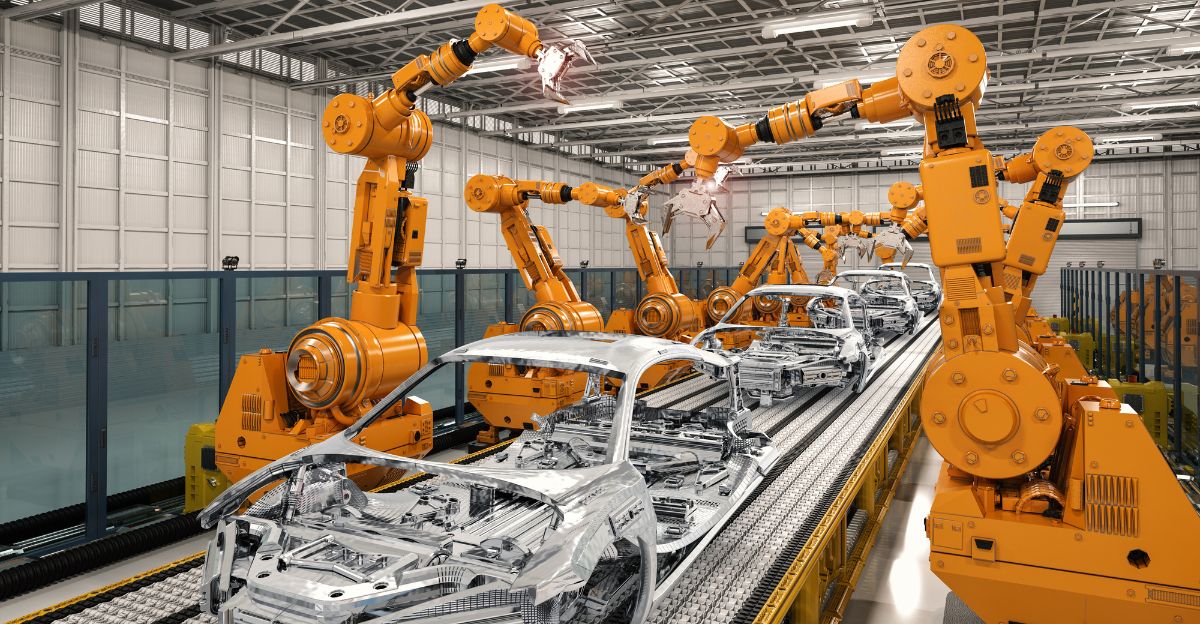
The rapid growth of automation is at the heart of this crisis. Factories, warehouses, and food processors are quickly replacing jobs with AI-driven robots, automated lines, and self-cleaning systems.
Once these systems are operational, the old jobs will not come back. Pennsylvania’s older factories, built before high-tech upgrades were remotely possible, cannot compete with modern, highly automated plants constructed elsewhere.
Decisions Driven by the Bottom Line

Executives like Cleveland-Cliffs’ CEO cite falling demand and pricing as a key reason for closures. However, financial analysts and public notices reveal that these moves are also about saving money for shareholders.
Kimberly Pupillo of Mack Trucks provided insight into such decisions on the trucking side: “Heavy-duty truck orders continue to be negatively affected by market uncertainty about freight rates and demand, possible regulatory changes, and the impact of tariffs.
Yesterday, we informed our employees that, unfortunately, this means we’ll have to lay off 250 to 350 people… to align production levels with current market conditions.”
Patterns, Not Accidents

Rather than a series of separate events, the closures follow a clear pattern: big companies are consolidating, moving jobs away from older, union-heavy states like Pennsylvania in favor of areas with cheaper labor, modern buildings, and less regulation.
The loss is not just of jobs, but of entire industries and skillsets that took generations to develop.
Overwhelmed State Response

Governor Josh Shapiro’s administration has responded with plans for retraining, job fairs, and attempts to attract new businesses.
However, the speed and volume of layoffs have outstripped what state services and workforce programs can handle, and incoming businesses are slow to fill the gap left by multi-hundred-employee factory closures.
Unions Face New Challenges
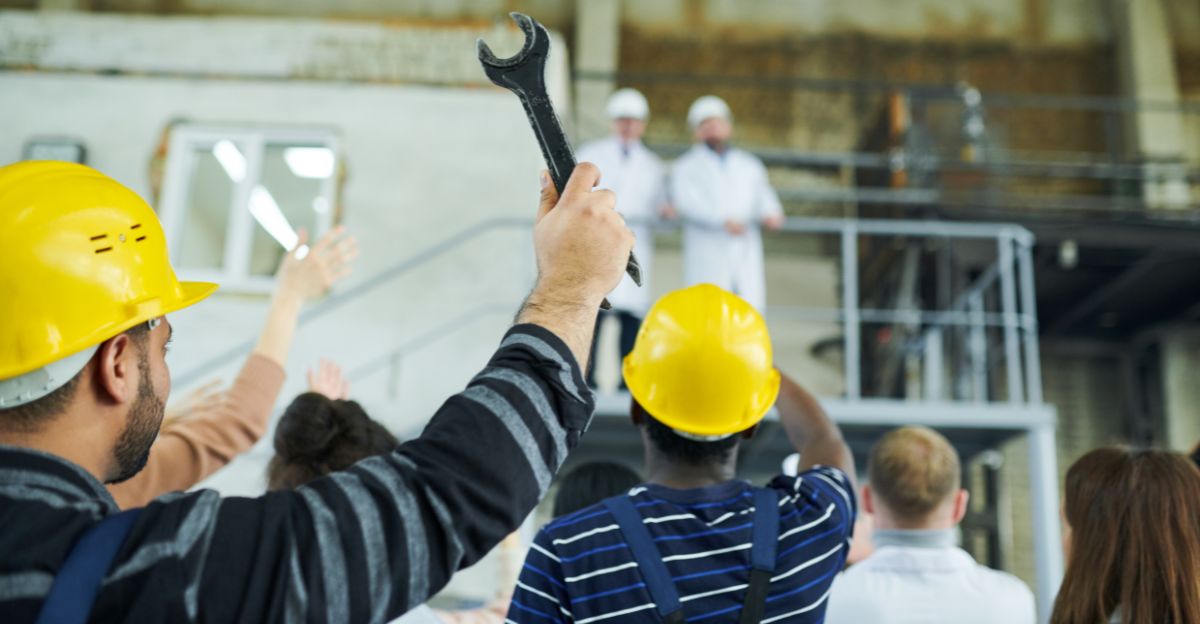
Major unions, including the United Steelworkers and Teamsters, have organized protests and bargaining efforts. However, the core challenge is that automation and industry consolidation do not respond to normal labor negotiations.
Even strong union contracts can’t halt decisions when machines replace entire departments.
As a Pennsylvania union leader testified before Congress, “In a class of fifty people, forty-eight raised their hands [when asked] how many had gone through a mass layoff…They felt betrayed and let down… Nobody cared about what happened to them. That story is buried beneath the good news… about the rising middle class.”
Investors Benefit, Workers Do Not

While thousands in Pennsylvania are laid off, corporate shareholders enjoy larger profits.
UPS’s savings from automating jobs and Cleveland-Cliffs’ stock boosts demonstrate how cutting “costs” for companies means direct pain for communities, as profit is prioritized over supporting the places that built these companies.
Old Infrastructure Becomes a Burden
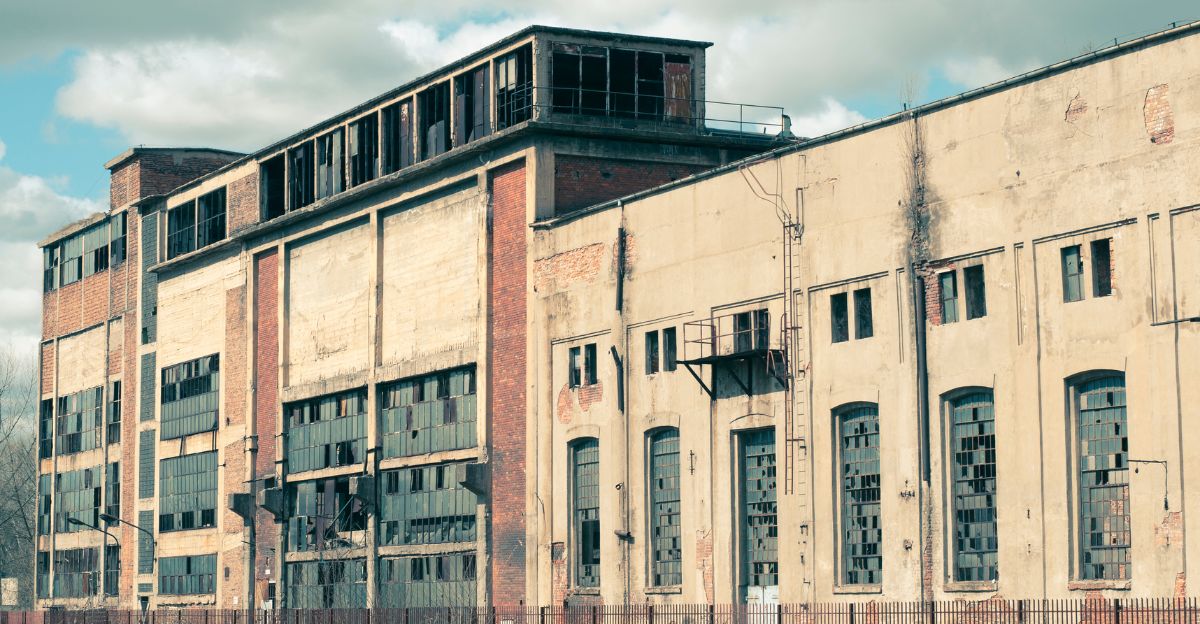
Pennsylvania’s factories, many built in the last century, are difficult and expensive to remodel for robotic lines or smart tech.
Companies prefer starting fresh in other states instead of renovating, causing a snowball effect; each closure makes the state less able to attract modern manufacturing in the future.
Crossroads for the State

The choice for Pennsylvania is clear: invest and modernize or risk losing more jobs and economic influence.
Nathan Benefield, Chief Policy Officer of the Commonwealth Foundation, notes: “The latest Census data shows Pennsylvania’s uncompetitive economy costs the state residents and businesses. Year after year, Pennsylvania loses thousands of residents to low-tax, business-friendly states like Florida, Texas, and North Carolina… Lawmakers must take immediate steps to attract working-age residents.”
“This data underscores the importance of… tax, regulatory, and education reforms to make Pennsylvania more attractive to families and employers.”
Legal Pushback Emerges

Some companies in Pennsylvania didn’t give workers the 60-day warning required by the federal WARN Act before significant layoffs or plant closures.
As a result, workers are suing for lost wages and benefits, and some have started class-action lawsuits to get compensation.
If courts rule these companies broke the law, they could be forced to pay employees back pay for each day of missed notice.
These cases could set stricter rules for how all American companies handle mass layoffs in the future.
National Supply Chain Disruptions
The impact of these closures is felt outside the state: Pennsylvania has long been the heart of East Coast logistics, railroads, and food processing.
Shuttered plants mean delays and higher costs throughout the country as remaining facilities are overwhelmed and delivery times increase, costs that often reach everyday consumers.
Online Outrage and Mixed Information

Pennsylvania residents, unions, and local leaders have flooded social media with stories and anger about the job losses.
The hashtags #PennsylvaniaLeftBehind and #SteeltownShutdown trend as rumors, anger, and sometimes incorrect claims mix online.
Economic analysts clarify some facts, but agree that much of the blame is rooted in real hardship and widespread anxiety.
History Repeats
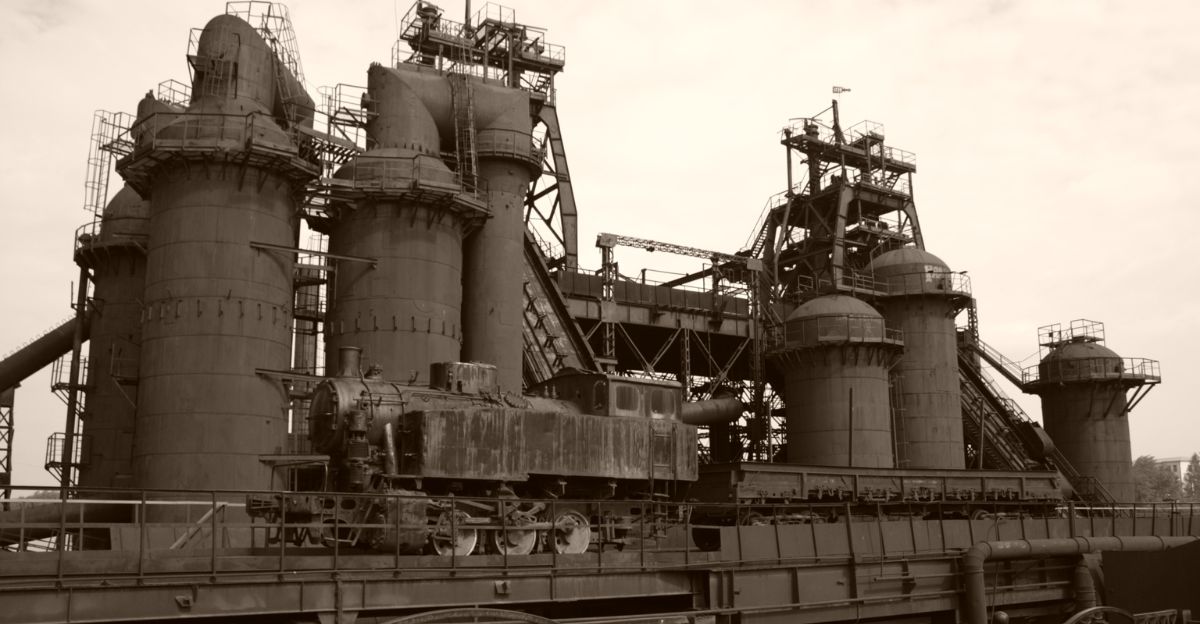
Unlike in the past, when Pennsylvania lost thousands of factory jobs but many people hoped new factories would eventually reopen, today’s situation is different.
Because of automation and factories moving overseas, most laid-off manufacturing workers are unlikely to get similar jobs again. Machines have replaced a lot of tasks, and new jobs that do come back often need different skills or fewer workers.
This makes Pennsylvania’s job losses much more challenging to recover from and more likely to last longer.
The Stark Reality

The data signals a harsh new phase for Pennsylvania: nearly 400 closures and 2,000 jobs lost in months could become the new normal if nothing changes.
Unless significant changes are made the decline of Pennsylvania’s historic manufacturing power may be permanent, as jobs, skills, and entire communities disappear in the pursuit of efficiency and profit.
As Congressman Brendan Boyle put it about recent layoffs: “It’s not 400 federal jobs, it’s 400 Philadelphia jobs… So you’re telling me at the same time, we’re slashing the workforce that works here? That is nuts!”