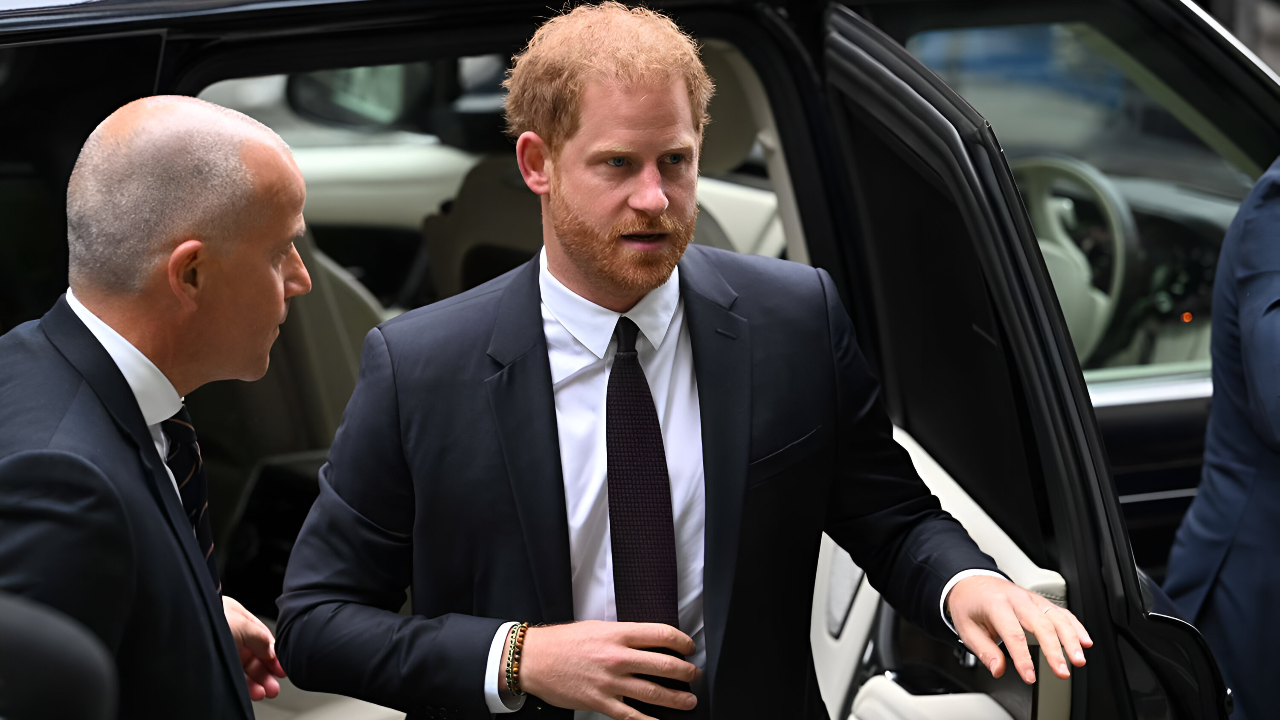
Prince Andrew kept his royal title, residence, police protection, and Queen Elizabeth’s financial backing for six years after stepping back amid sexual assault allegations. Prince Harry lost his security, taxpayer funding, and safe haven in Britain immediately for choosing privacy over public duty.
On October 18, 2025, King Charles made a 10-minute phone call that finally stripped Andrew of his titles. But for Harry, the damage was irreversible: a decade of legal battles, a fractured family, and exile while an accused uncle remained shielded by the institution itself.
The Newsnight Interview That Should Have Cost Everything
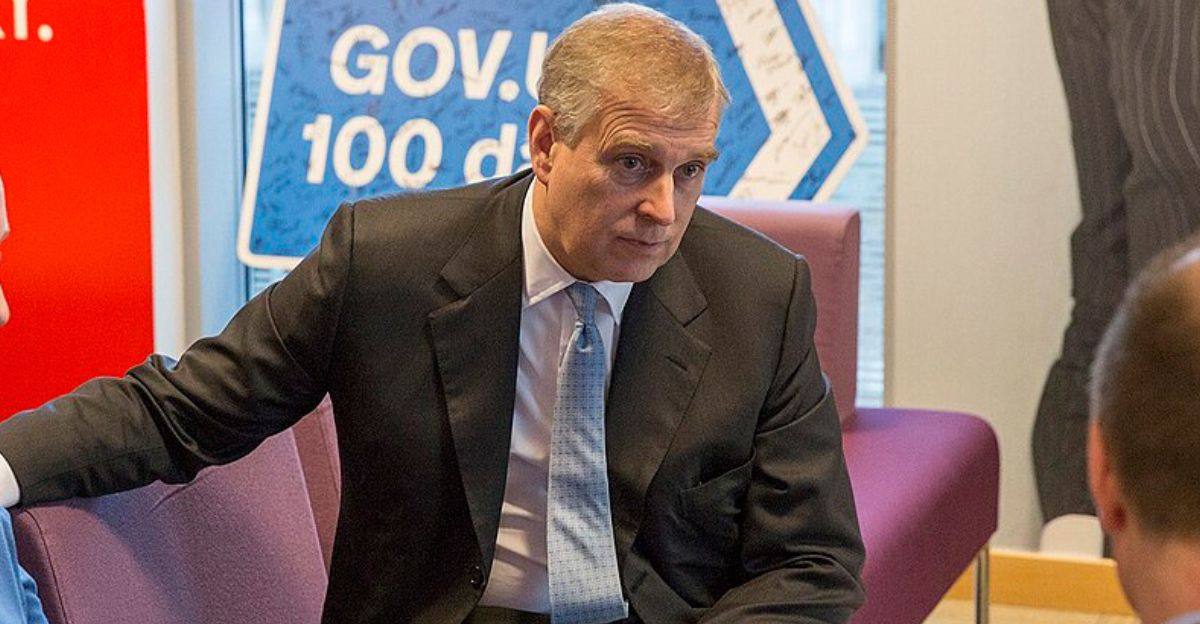
During a BBC Newsnight interview on November 16, 2019, Prince Andrew explained his friendship with convicted sex offender Jeffrey Epstein. When interviewer Emily Maitlis asked why he’d met Epstein in 2010 after conviction, Andrew said he needed to end the relationship, yet didn’t regret it because of “opportunities” it provided.
Combined with Virginia Giuffre’s allegations that Andrew sexually assaulted her as a teenager, his emotional detachment made his position nationally toxic. Queen Elizabeth permitted him to “step back from public duties” on November 20, 2019—a carefully worded exit that preserved his honors, titles, and critically, his police protection.
Meanwhile, Harry’s World Imploded
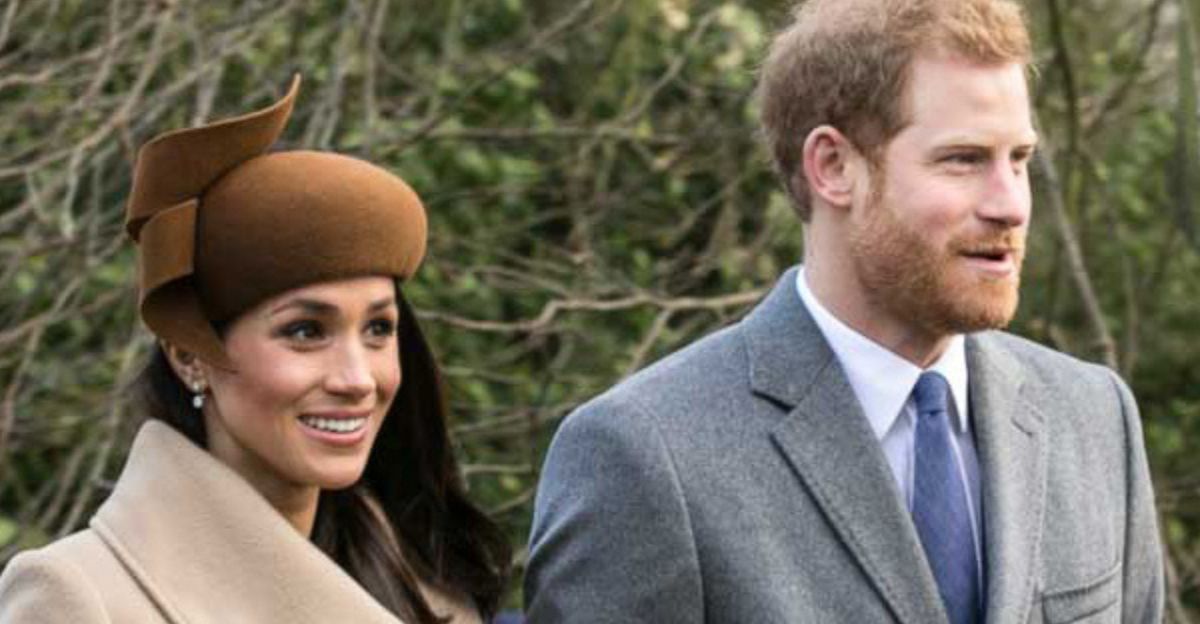
Prince Harry and Meghan Markle announced their decision to step back as senior working royals on January 8, 2020, following months of tension and documented threats. The Sandringham Summit convened behind palace walls.
Queen Elizabeth wrote to the Cabinet that “ensuring that the Duke and Duchess of Sussex remain safe is of paramount importance,” acknowledging their vulnerability to extremist threats from Harry’s military service. Yet within weeks, that protection vanished entirely.
The Borders Close, the Security Vanishes
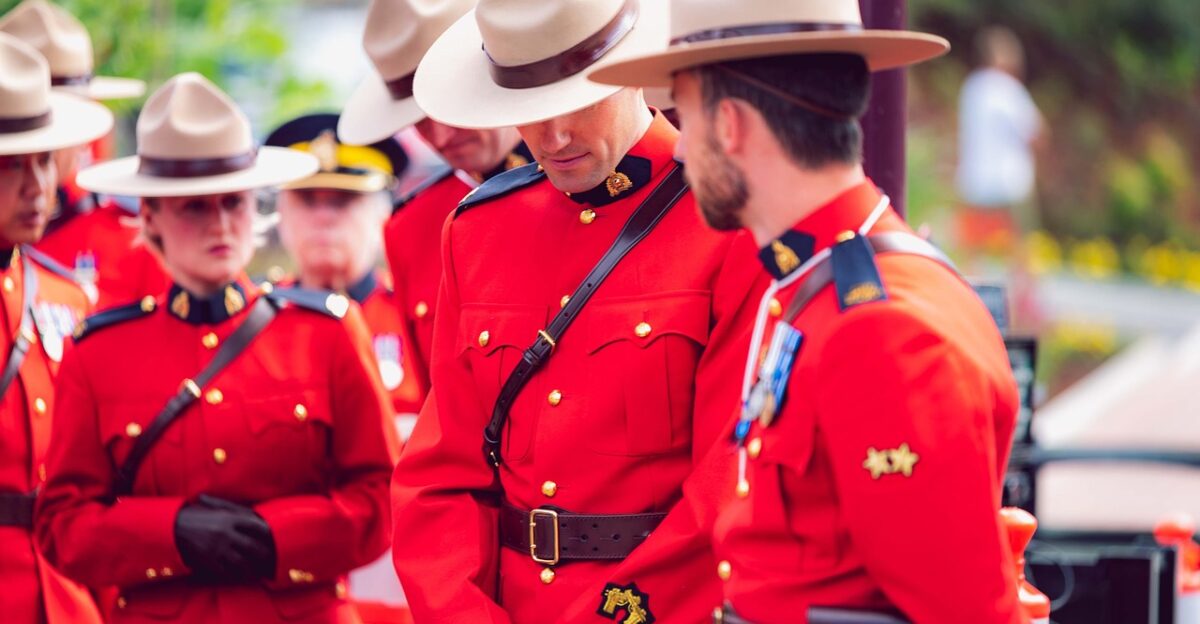
By March 31, 2020, Canadian authorities confirmed that the Royal Canadian Mounted Police would no longer provide protection for Harry, Meghan, and their infant Archie during the early COVID-19 lockdowns.
Harry revealed the shock: “I then got told, at short notice, that security was going to be removed. So suddenly it dawned on me: ‘The borders could be closed, we’re going to have our security removed, who knows how long lockdown is going to be, the world knows where we are—it’s not safe, it’s not secure.'” Archie was not yet a year old.
Tyler Perry Becomes the Unlikely Savior
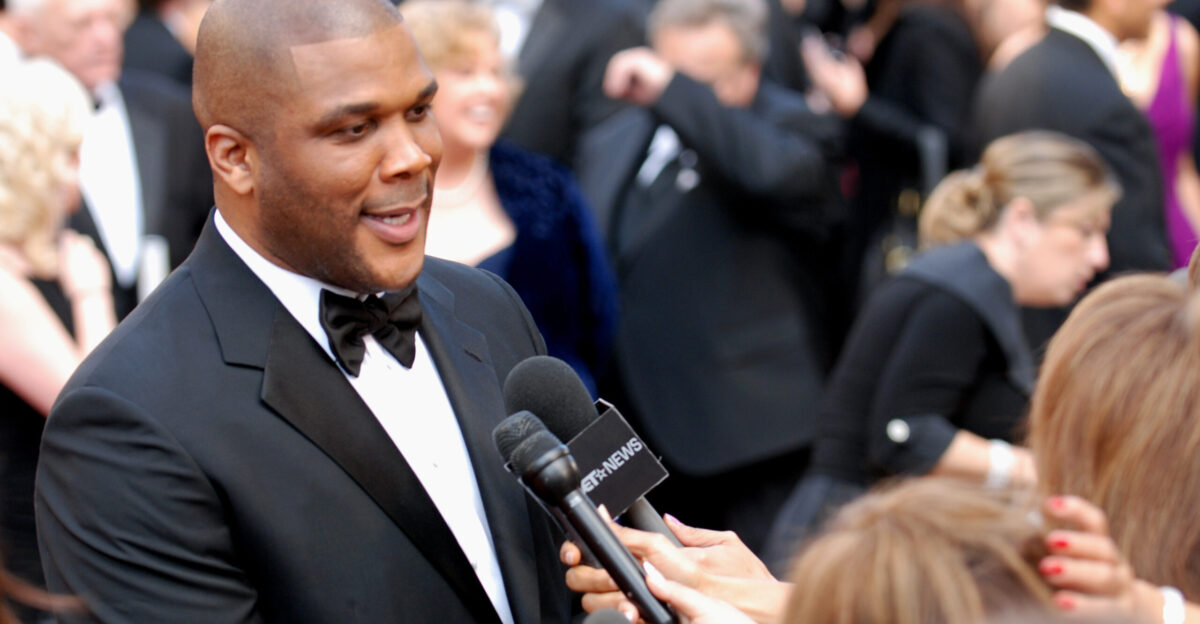
As Harry, Meghan, and their son faced exposure with no official protection, Hollywood mogul Tyler Perry stepped in, offering his California estate and private security team. Perry’s intervention became crucial when their Canada location became public during border lockdowns.
The family eventually purchased a Montecito home for $14.7 million and relied entirely on privately funded security—a financial burden the royal family deemed unnecessary despite their documented threat level.
Andrew’s Settlement—And Who Really Paid
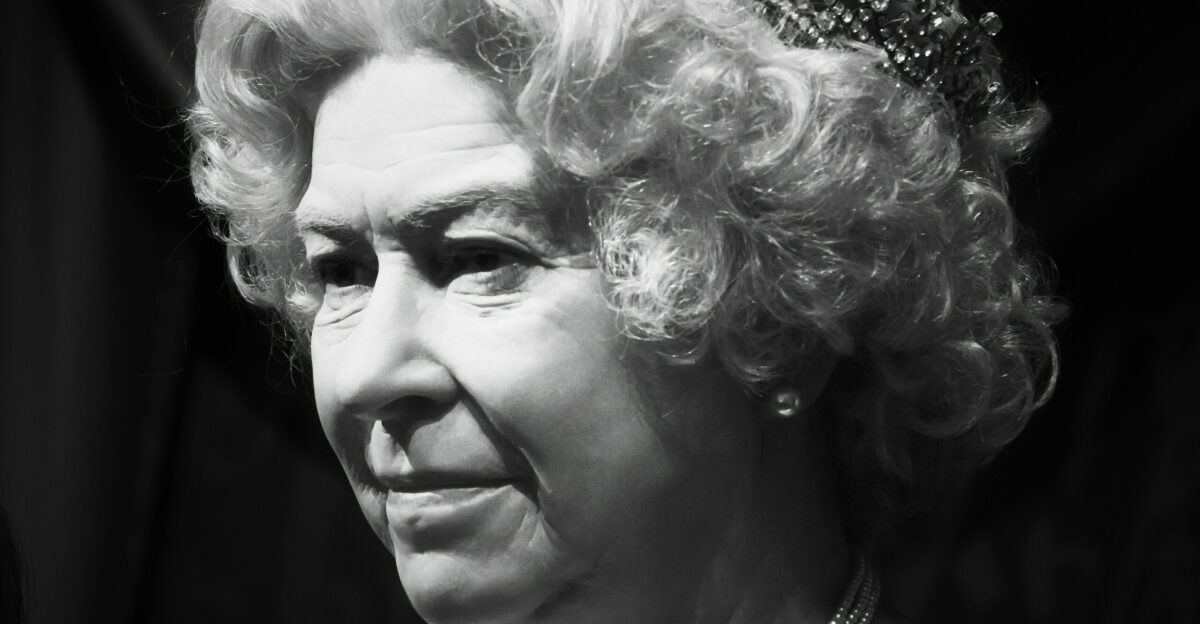
In February 2022, Prince Andrew and Virginia Giuffre reached a confidential settlement estimated at £12 million to end her lawsuit. Rather than let her son face financial ruin, Queen Elizabeth contributed £2 million directly. She also continued to fund his private security through the Duchy of Lancaster—royal funds, which are fundamentally public money.
Giuffre’s attorney stated the settlement “does not in any way insulate him from any criminal liability,” and Giuffre didn’t sign an NDA, meaning she could continue speaking about allegations. Yet Andrew remained housed, protected, and titled.
The Three-Year Gap That Defines Everything
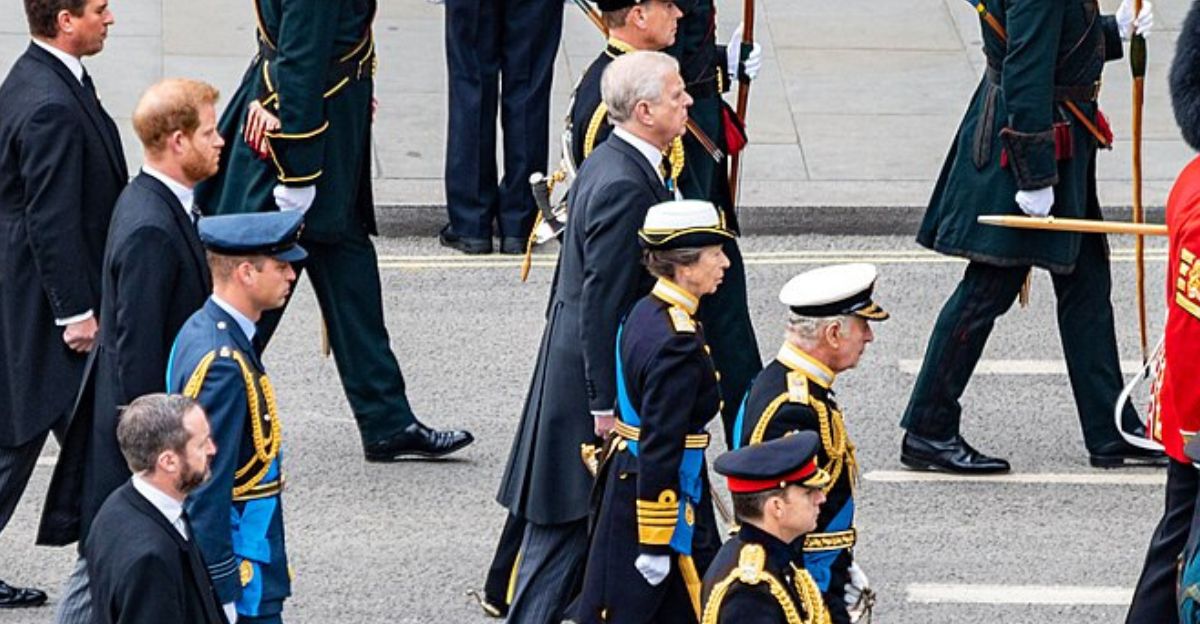
The timeline reveals stunning institutional inequality. Harry lost his security in March 2020, immediately upon stepping back. Andrew stepped back in November 2019 but retained state-funded police protection until November 2022—a three-year gap.
During those years, while taxpayers funded Andrew’s security and the Queen subsidized his settlement, Harry had to rely on private protection and was unable to return to Britain safely. The message was that scandal was negotiable; service was not.
King Charles Inherits the Problem—And Becomes Complicit
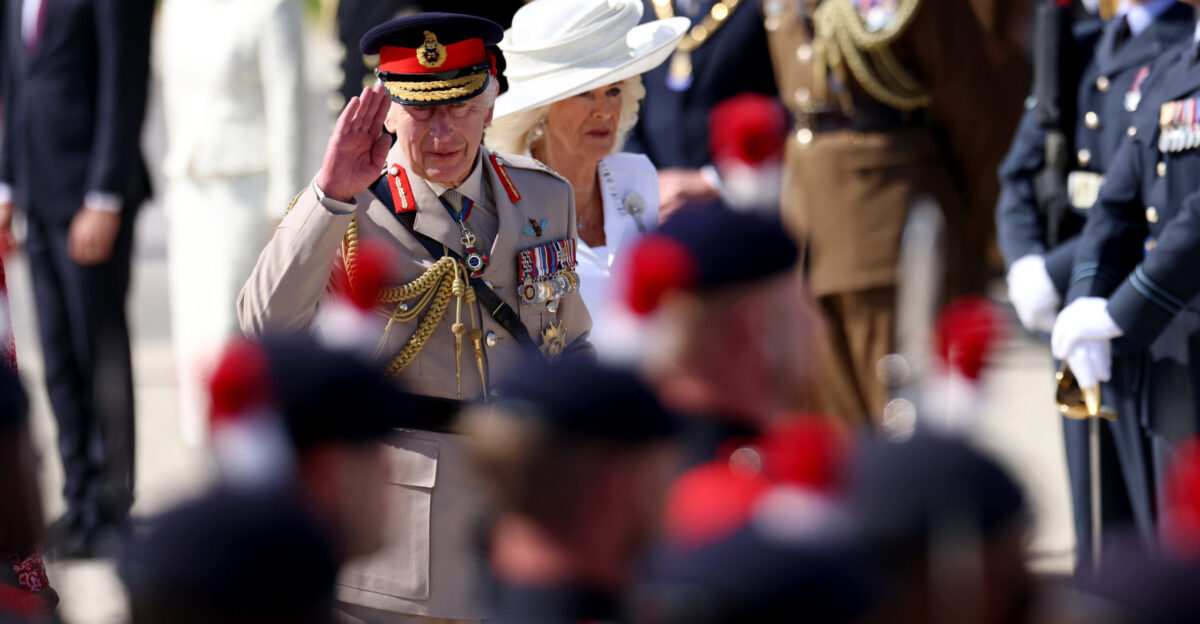
Upon ascending to the throne on September 8, 2022, King Charles allowed Andrew’s privately funded security to continue, but grew frustrated with the mounting scandals and financial drain. By October 2022, Andrew lost public funding. By November 2022, police protection ceased.
Yet Charles maintained residential security through the royal estate at Royal Lodge in Windsor. He continued personally funding arrangements—an estimated £3 million annually—creating a paradox where a king cut his brother’s public allowance but subsidized private protection.
Harry’s Memoir Reveals the Bitter Truth
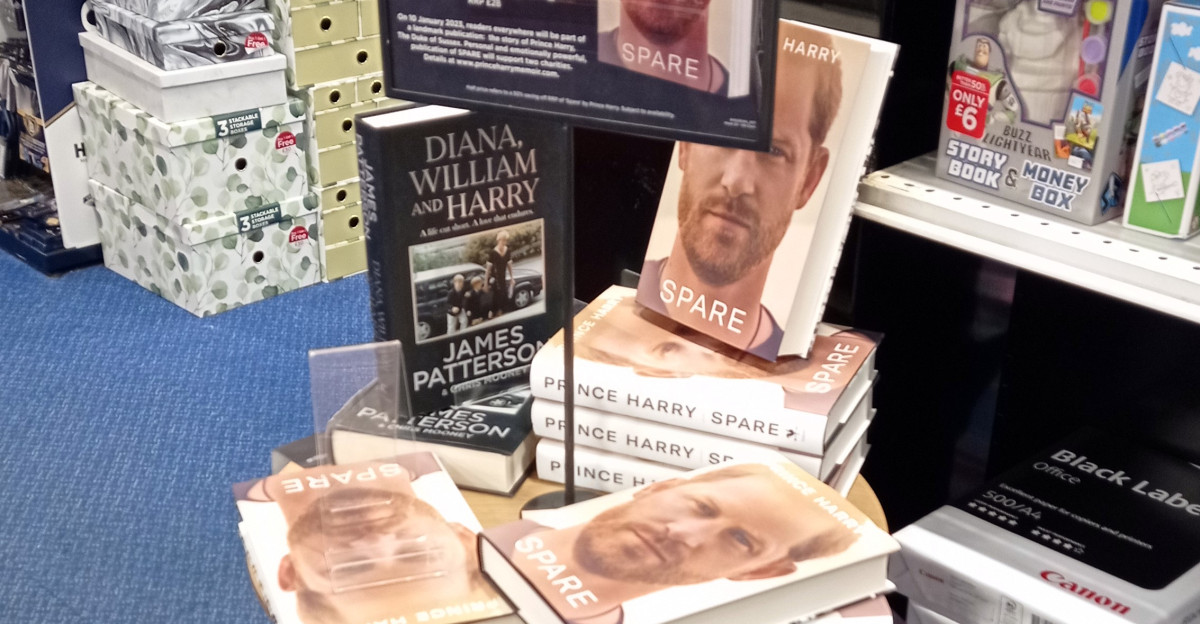
In his 2023 memoir Spare, Prince Harry addressed the security disparity that haunted him for years. When Meghan asked if they’d lose protection after stepping back, Harry recalled reassuring her: “Never. Not in this climate of hate. Not after what happened to my mother. Also, not in the wake of my Uncle Andrew.”
He continued: “He was embroiled in a shameful scandal, accused of the sexual assault of a young woman, and no one had even so much as suggested that he lose his security. Whatever grievances people had against us, sex crimes weren’t one of them.”
August 2024—King Charles Cuts Andrew’s Last Lifeline
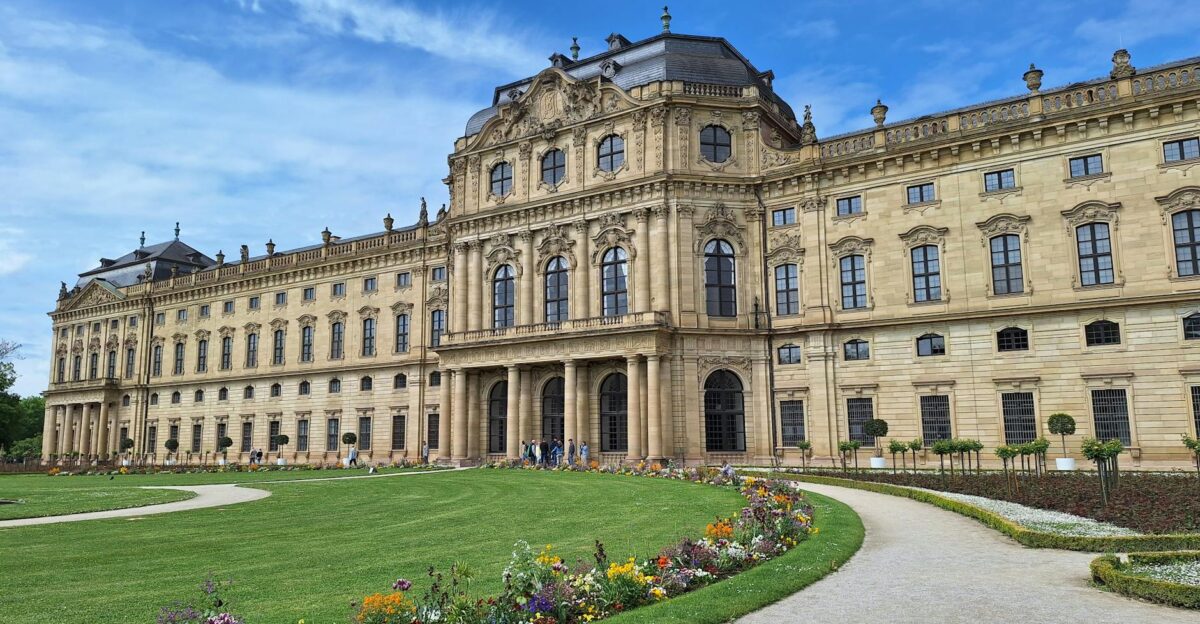
By August 2024, King Charles ended his personal financial support for Andrew’s security. Royal biographer Robert Hardman reported the King instructed the Keeper of the Privy Purse to cease all funding—Andrew’s £1 million annual allowance and estimated £3 million private security costs.
This marked a decisive break from his mother’s indulgence. Yet Andrew retained his Royal Lodge residence, complete with built-in structural protections—a safety net that Harry, despite his military service and documented threats, never received.
The 10-Minute Call That Changed Everything
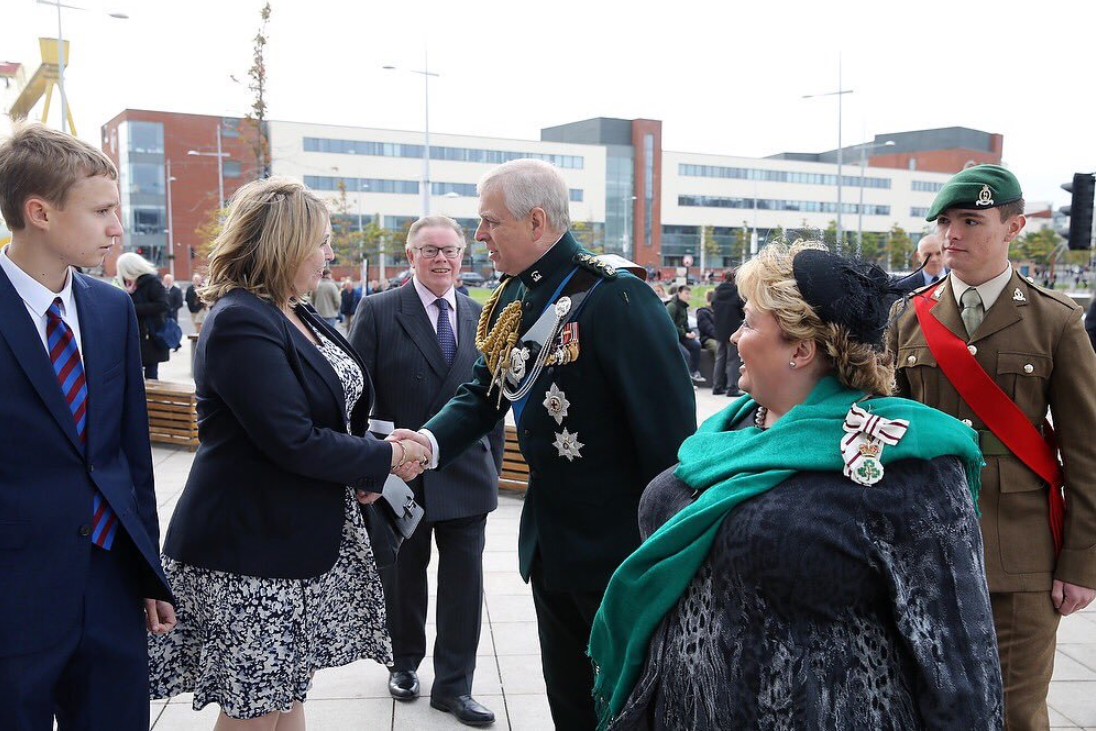
On October 18, 2025, King Charles placed a brief phone call to Prince Andrew from Scotland, lasting approximately 10 minutes. Charles told Andrew his time as a senior royal had ended, and he must relinquish his titles. The King consulted Prince William beforehand by telephone.
There were no in-person meetings, no lengthy negotiations—just a terse directive. Six years of institutional protection ended with less conversation than most business calls.
Andrew’s Voluntary Surrender—Spin and Damage Control
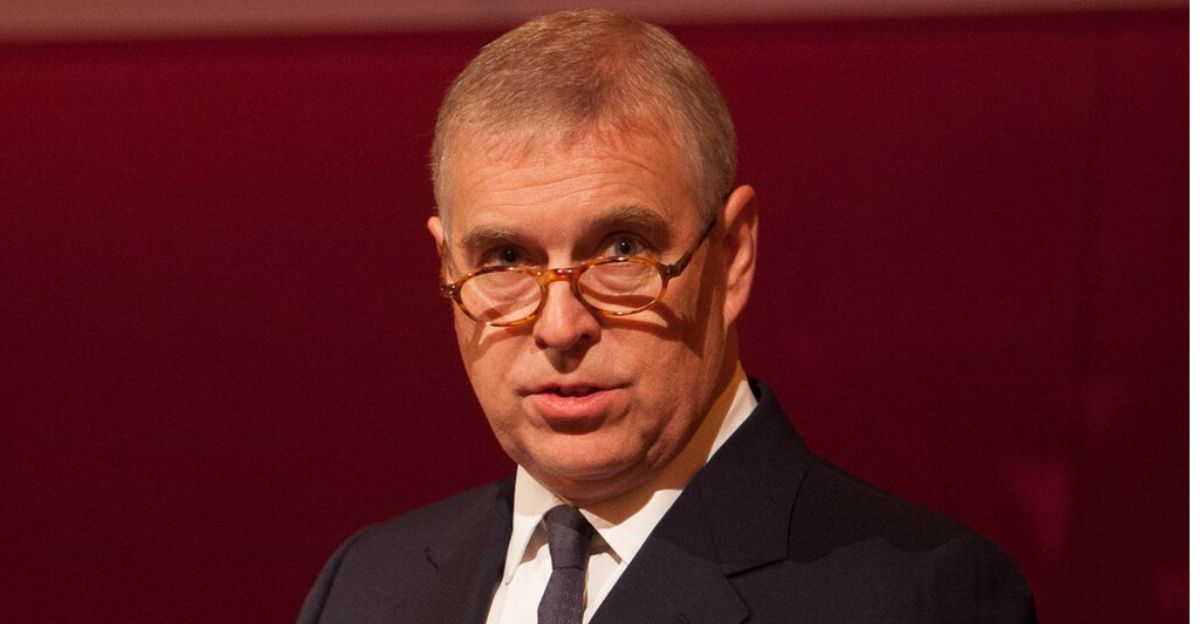
Hours after the call, Prince Andrew issued a carefully worded statement: “After discussions with The King and my close family, we have agreed that the ongoing accusations distract from the work of His Majesty and the Royal Family. I have chosen, as I always have, to prioritize my duty to my family and country,” He announced, relinquishing his Duke of York title, though he “reaffirm[ed]” his “firm denial of the allegations against me.”
The timing—just days before Virginia Giuffre’s memoir publication—suggested crisis management rather than principle.
The Official Stripping of Titles
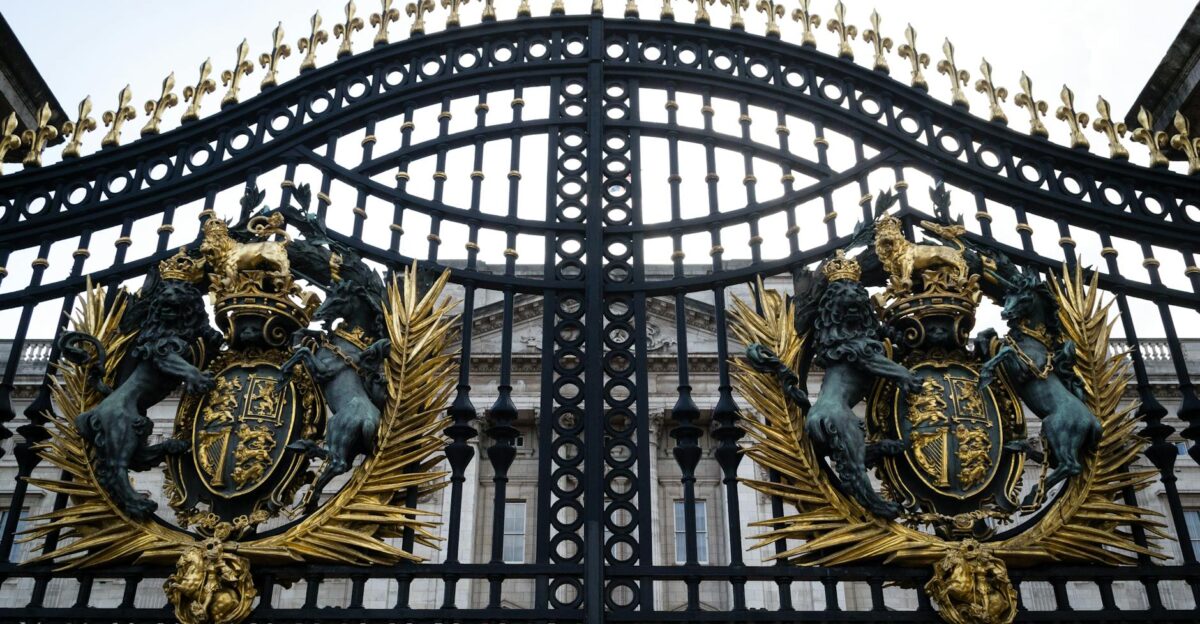
King Charles formally removed Andrew’s titles via The Gazette on 6 November 2025. Letters Patent declared “Andrew Mountbatten Windsor shall no longer be entitled to hold and enjoy the style, title or attribute of ‘Royal Highness’ and the titular dignity of ‘Prince.'”
He retained only his birth name. Yet he kept his residence, structural protections, and freedom from prosecution.
Six Years of Unearned Privilege
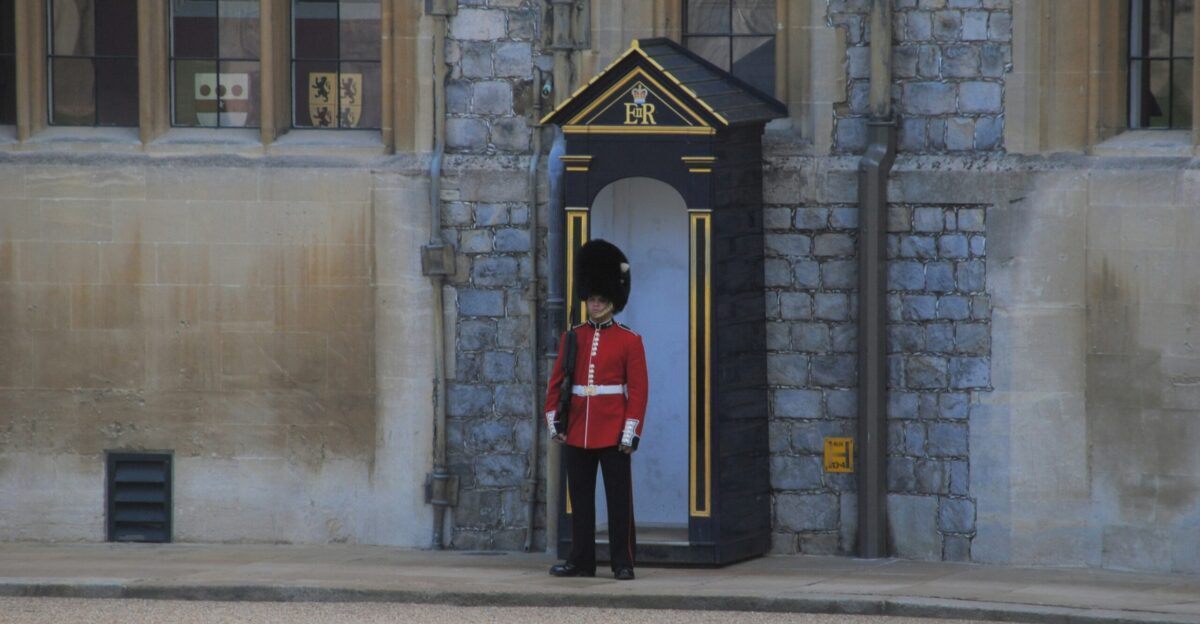
From November 2019 to October 2025, Andrew retained royal privileges for nearly six years. He avoided criminal prosecution, maintained residential security, received the Queen’s settlement backing, and collected his naval pension.
Harry—whose only offense was choosing privacy—faced immediate security removal, court battles to restore protection, a judgment against him in May 2025, and ongoing vulnerability despite documented lack of allegations or personal scandals.
The Financial Cost of Asymmetry
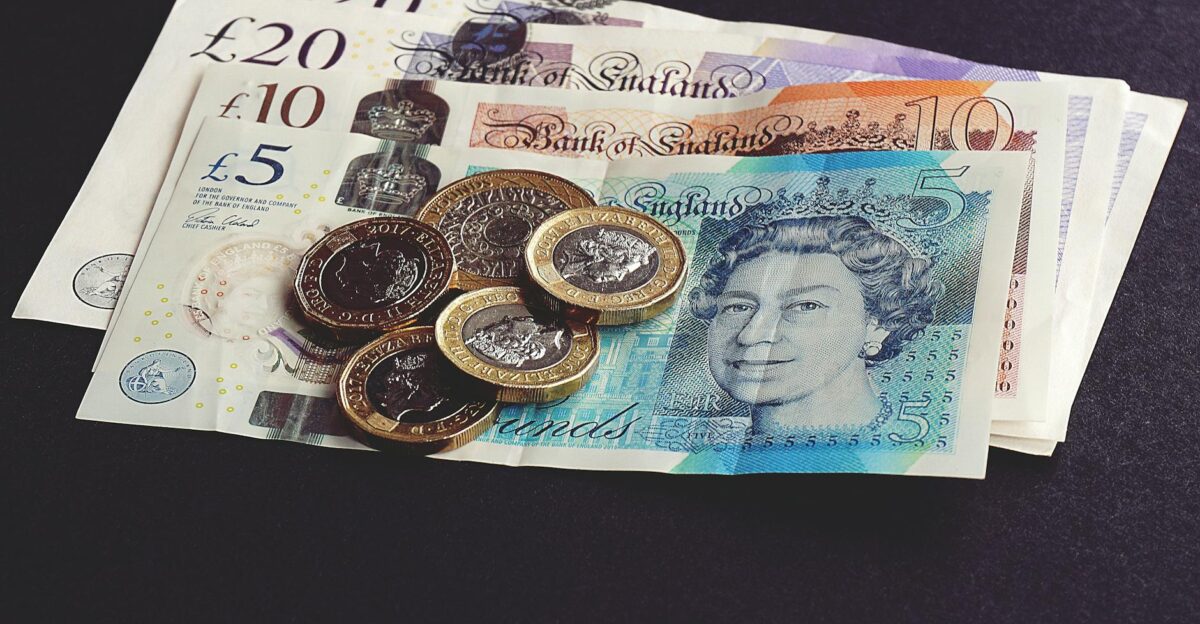
Andrew’s protection costs exceeded £500,000 to £1 million annually from 2019 to 2022. Queen Elizabeth contributed £2 million to his settlement. King Charles funded private arrangements at an estimated £3 million annually until 2024.
Harry and Meghan’s Montecito security costs approximately £500,000 annually—entirely self-funded—despite Harry’s royal birth status, military service, and documented threats, which Andrew lacks.
Harry’s May 2025 Court Loss
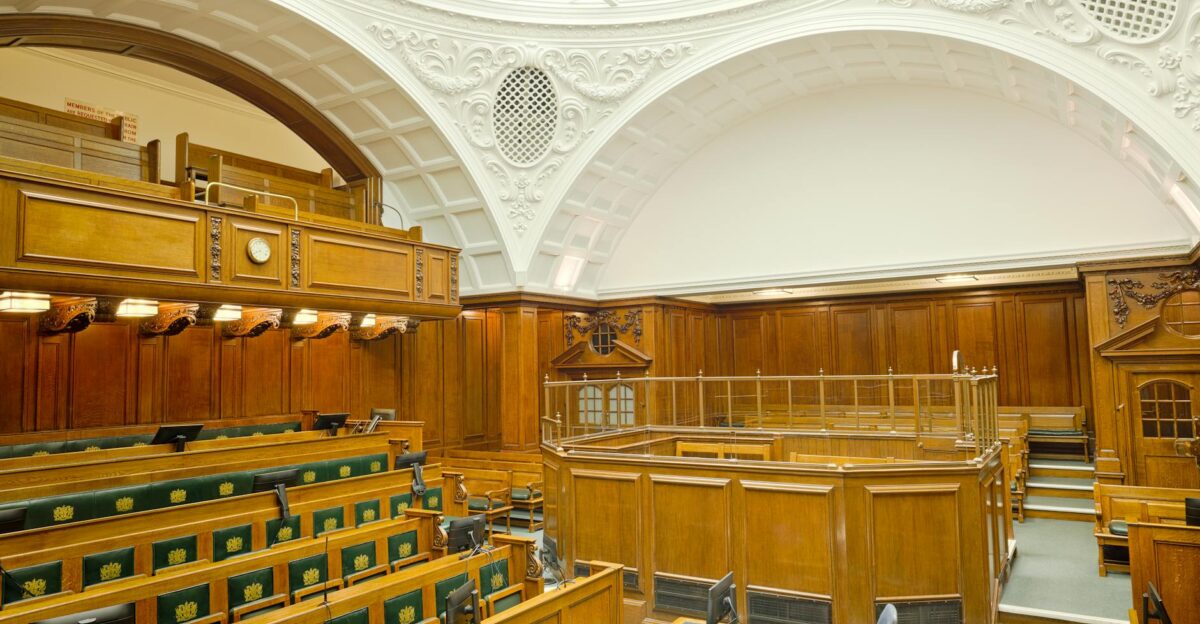
In May 2025, the U.K. Court of Appeal upheld the government’s decision to withdraw Harry’s automatic police protection, requiring case-by-case assessment for visits. His legal challenge spanning years ultimately failed.
Yet simultaneously, Prince Andrew—facing allegations, settlements, and national security concerns—retained residential protections within the royal estate. The message was unmistakable: scandal-free service was punished; those accused of scandal were shielded.
The Reckoning Arrives Too Late
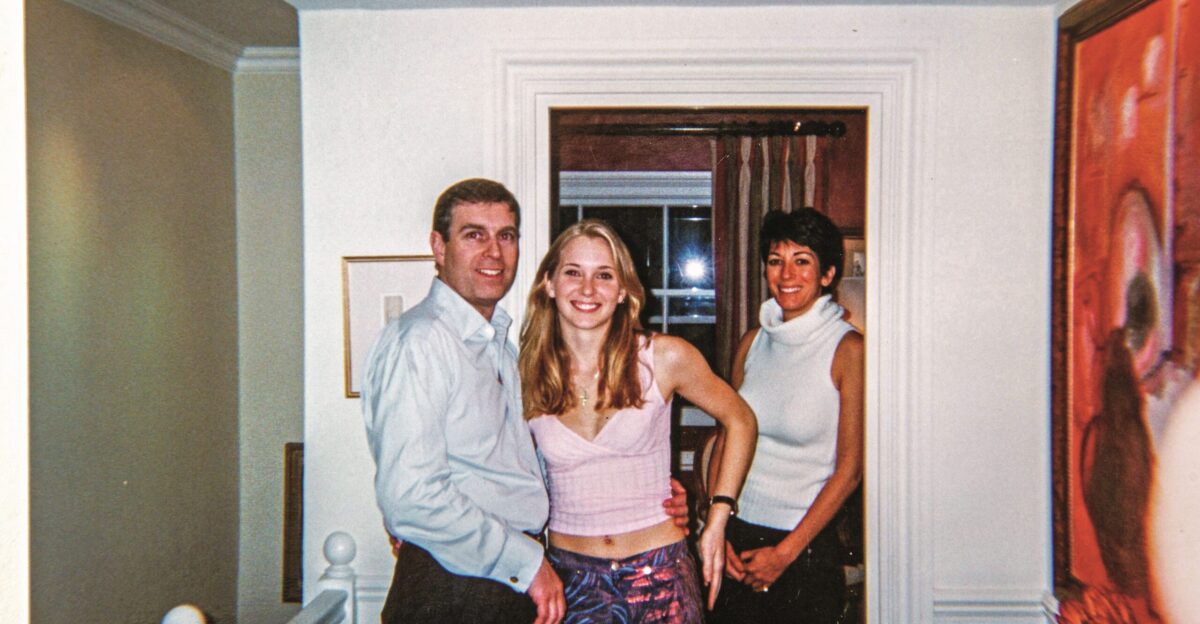
Andrew’s October 2025 title surrender represents a belated reckoning arriving six years too late. The timing—before Giuffre’s memoir—suggests crisis management, not principle. King Charles stripped titles but retained protections through the estate and legal immunity. Harry’s security remains precarious and case-by-case; legal victories are elusive; home is unsafe.
The palace’s six-year handling reveals uncomfortable truths: obedience matters more than integrity, and accused relatives prove more valuable to protect than those who are scandal-free.
The Irony of October 2025
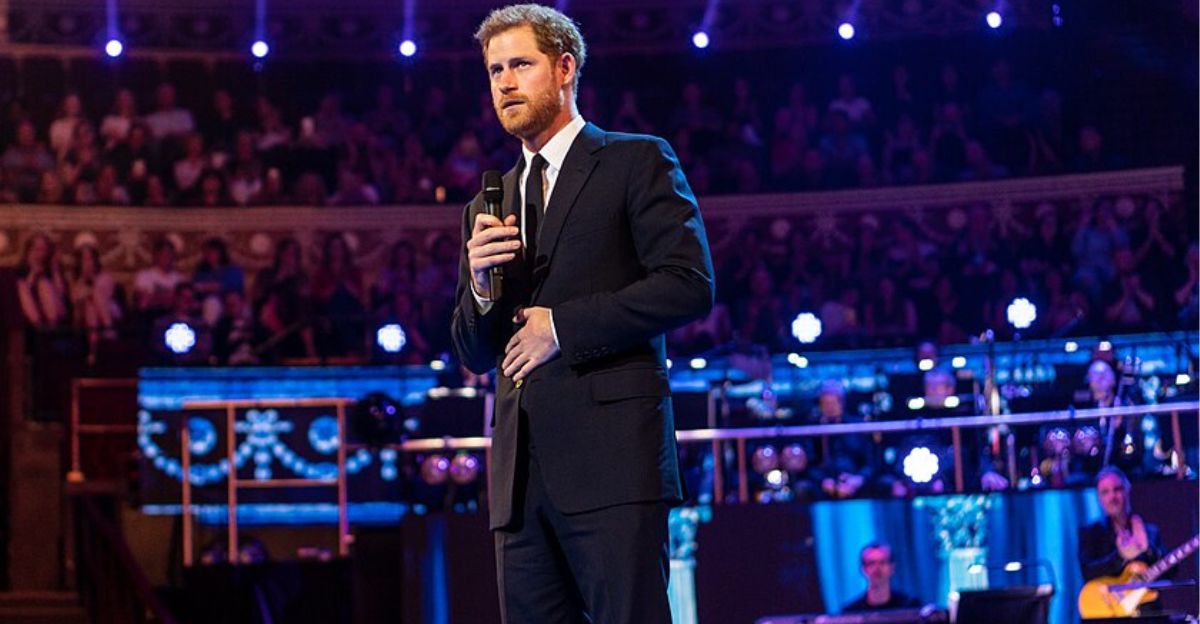
Six years after he should have stepped aside, Andrew surrendered his titles, yet he remains at Royal Lodge, sheltered by the estate’s infrastructure and legal immunity. Harry remains in exile, fighting for basic safety during visits to his own country, excluded from family events.
The palace had six years to correct course. Instead, it took a 10-minute call to end one man’s privilege while another’s protection remained untouchable. That asymmetry may ultimately prove far more damaging to the monarchy than any scandal ever could.