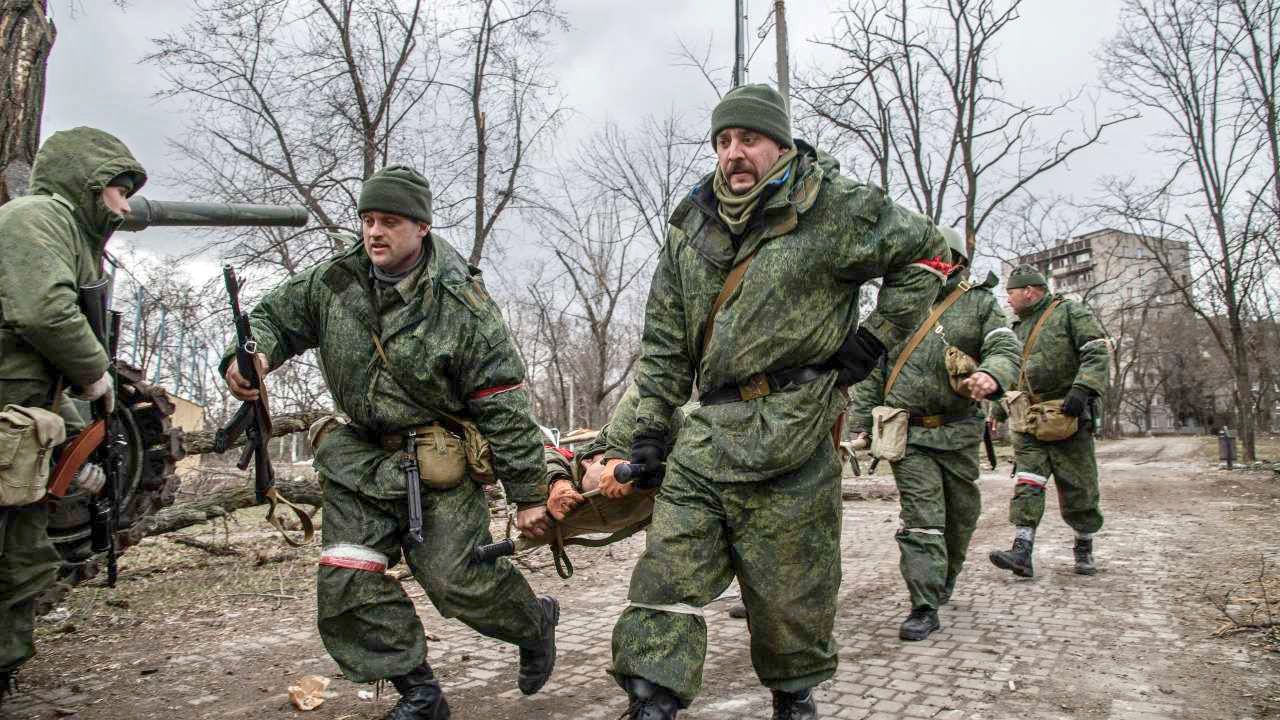
A surge in non-combat deaths among Russian soldiers has cast a harsh spotlight on the internal strains facing Russia’s military as its war in Ukraine grinds on. According to Ukrainian military intelligence, more than 600 troops from Russia’s Central Military District died from causes unrelated to battle between 2024 and 2025. The leading factors—drug abuse, acute food poisoning, and suicide—reveal deepening morale issues and systemic failures in troop support, raising urgent questions about the sustainability of Russia’s military campaign.
Morale Breakdown and Mounting Risks
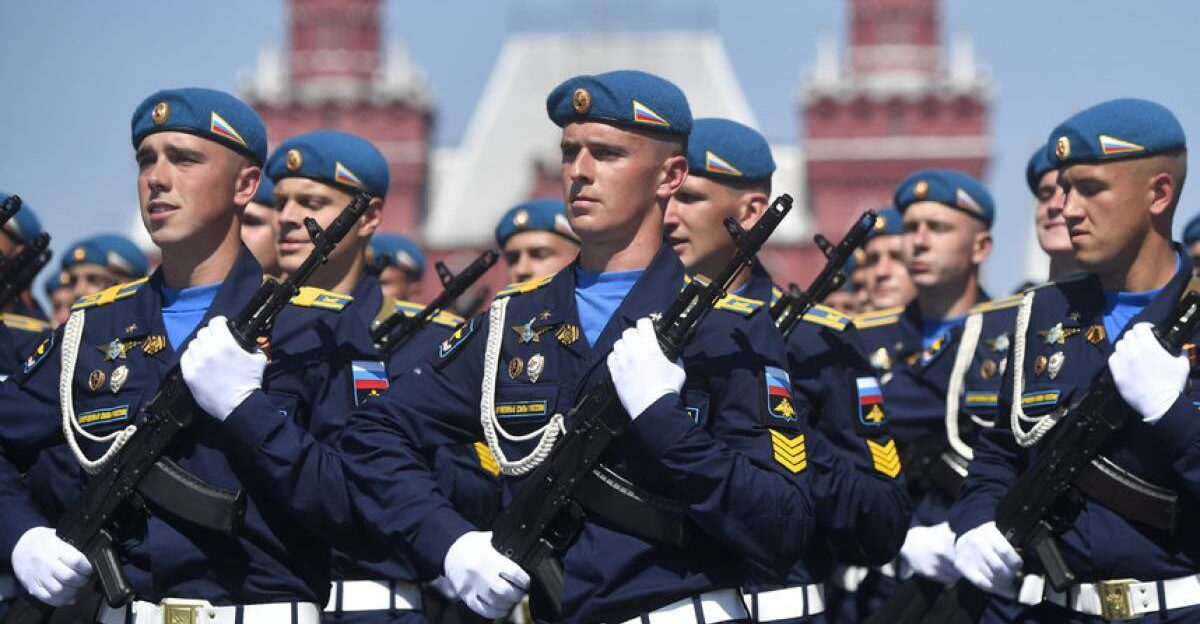
The reported causes of death—255 from drug abuse, 32 from food poisoning, and 157 from suicide—underscore the toll of prolonged deployments and inadequate oversight. Soldiers endure extended combat rotations with little rest, minimal supervision, and scarce mental health resources. This environment fosters exhaustion and risky behaviors, turning rear-area positions into dangerous spaces even far from the front lines.
Ukrainian intelligence links these patterns to a collapsing support structure within the Russian military. The lack of predictable rotations and poor living conditions accelerate psychological deterioration, leaving many troops vulnerable to substance abuse and self-harm. As the war drags on, non-combat environments have become increasingly perilous for Russian soldiers.
Families Left in the Dark
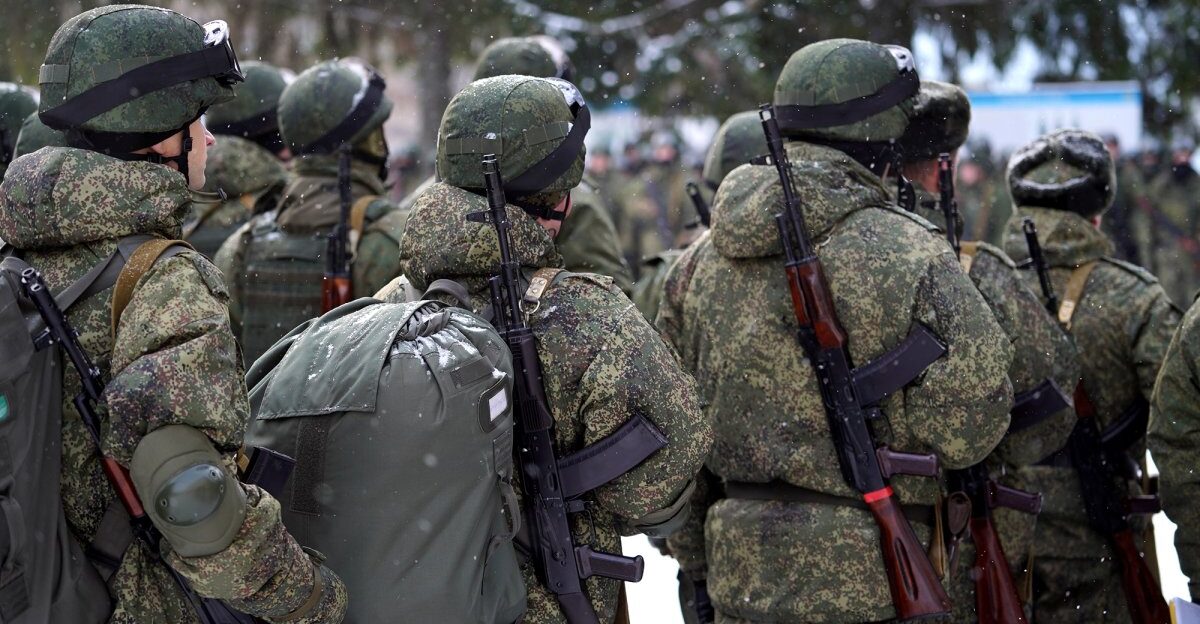
For the families of affected soldiers, the aftermath is marked by confusion and mistrust. Many receive vague or misleading explanations about the circumstances of their loved ones’ deaths, complicating efforts to seek compensation or understand what happened. The military’s limited transparency forces relatives to rely on independent media and social channels for information, deepening the divide between official narratives and personal realities.
This communication gap intensifies the emotional burden on families, who must navigate a system that offers little clarity or support. The lack of open dialogue not only erodes trust but also leaves communities grappling with unanswered questions and unresolved grief.
Command Response and Discipline Challenges
Despite the rising death toll, Russian military leadership has not publicly acknowledged the crisis. Internal measures aimed at curbing drug use have yielded little progress. Notably, drug-related fatalities in the first half of 2025—112 deaths—nearly matched the total for all of 2024, which stood at 143. These figures highlight a widening gap between command directives and the realities faced by troops on the ground.
Efforts to address substance abuse often focus on punishment rather than support. Commanders frequently discipline drug-using soldiers by assigning them to penal assault units known for high-risk operations, reinforcing a cycle of trauma and attrition. Investigations into non-combat deaths remain rare, and calls for meaningful reform have yet to translate into substantive policy changes.
Expanding Drug Markets and Frontline Vulnerability

As drug-related deaths climb, illicit drug markets have flourished around Russian military positions. Suppliers target exhausted and demoralized troops, with substances like mephedrone and amphetamines becoming increasingly common. Independent assessments suggest that up to 15% of Russian soldiers in some combat zones are using drugs, further fueling addiction and risky behavior.
The accessibility of narcotics near the frontlines not only contributes to the surge in non-combat fatalities but also undermines discipline and operational effectiveness. The spread of synthetic drugs among soldiers has created a parallel crisis, with traffickers profiting from the growing dependence within military ranks.
Broader Implications and International Scrutiny
The wave of non-combat deaths has drawn attention from foreign governments, security analysts, and human rights observers, who view it as a key indicator of systemic dysfunction within Russia’s armed forces. These internal failures raise questions about the military’s ability to maintain discipline, safeguard troop welfare, and sustain long-term operations.
The crisis extends beyond military settings, as soldiers returning home with untreated addictions contribute to rising synthetic drug use in regions such as Krasnodar, Moscow, and Chelyabinsk. This spillover effect signals broader public health challenges, forcing local authorities to confront the civilian consequences of inadequate troop care.
Within Russia, public discussion of mental health and addiction remains limited. Deep-seated stigma discourages soldiers from seeking psychological support, while official silence suppresses debate and perpetuates misinformation. This cultural environment impedes effective intervention and leaves affected families and communities isolated.
Looking Ahead: Stakes and Unresolved Questions
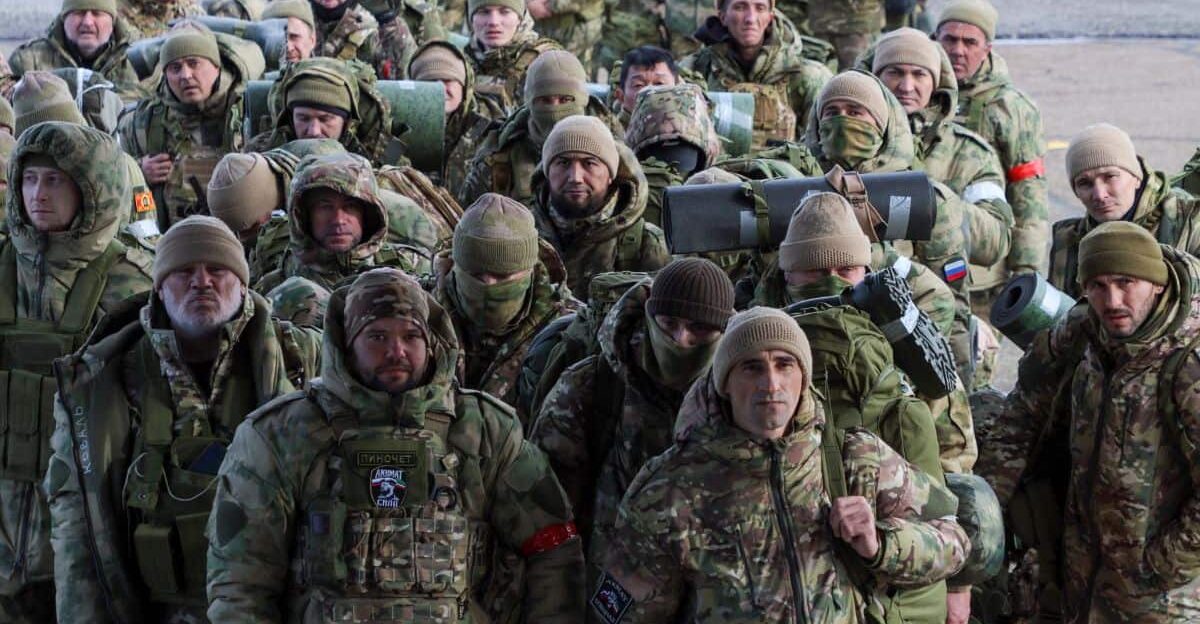
With drug-related deaths accelerating and more than 600 non-combat fatalities recorded in the Central Military District alone, Russia’s military faces mounting pressure to address systemic weaknesses. The crisis exposes failures in troop care, rotation planning, and substance abuse prevention, with significant implications for both military effectiveness and national health.
As Russia’s defense budget rises—projected to reach 38% of federal spending in 2026—the strain from preventable losses adds another layer of pressure to an already stretched wartime economy. Analysts will closely monitor whether Russian authorities confront these underlying issues or allow the crisis to deepen, shaping the future trajectory of both the military and the broader society.