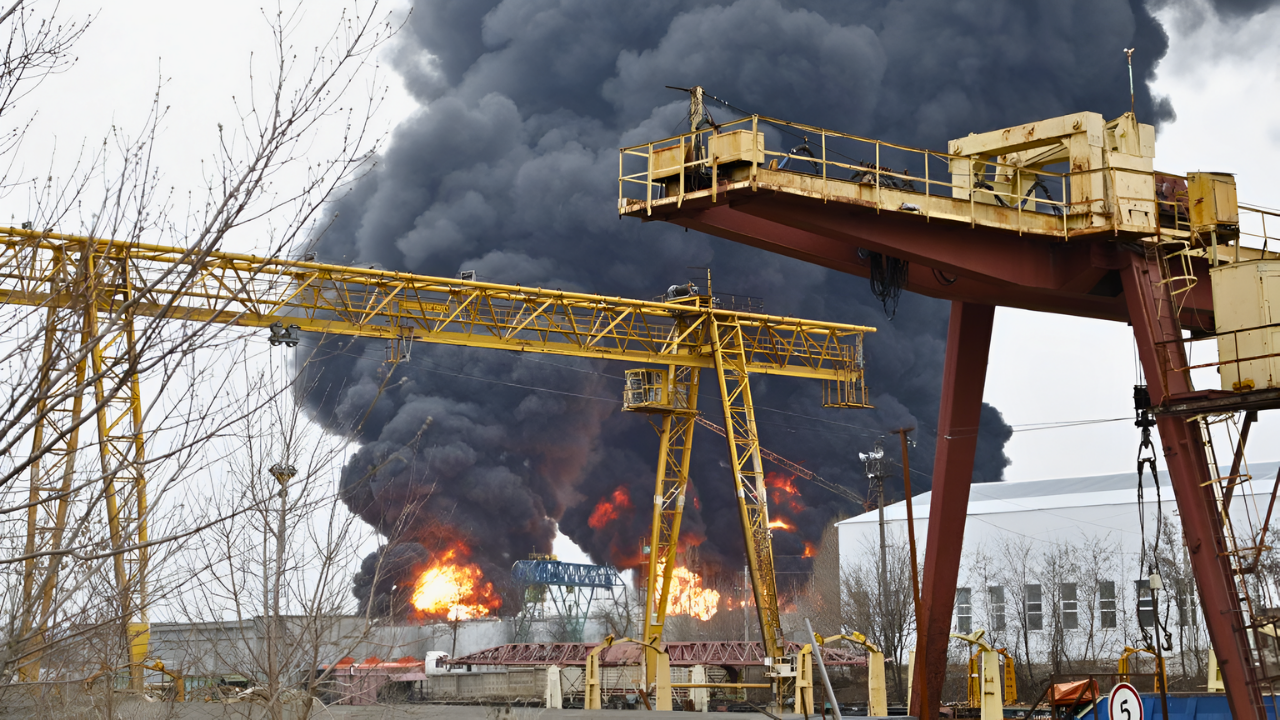
Ukrainian Special Operations Forces have fundamentally altered the nature of the conflict through a coordinated drone campaign targeting Russia’s energy infrastructure. On October 28-29, 2025, low-cost unmanned systems struck three critical facilities deep within Russian territory—the Mari Oil Refinery, the NS-Oil Refinery, and the Budyonnovsk Gas Processing Plant—igniting massive fires and explosions that crippled operations across multiple regions.
This unprecedented assault marks a pivotal shift toward asymmetric warfare, demonstrating how technological innovation can compensate for conventional military disadvantages.
Scope of the Strikes
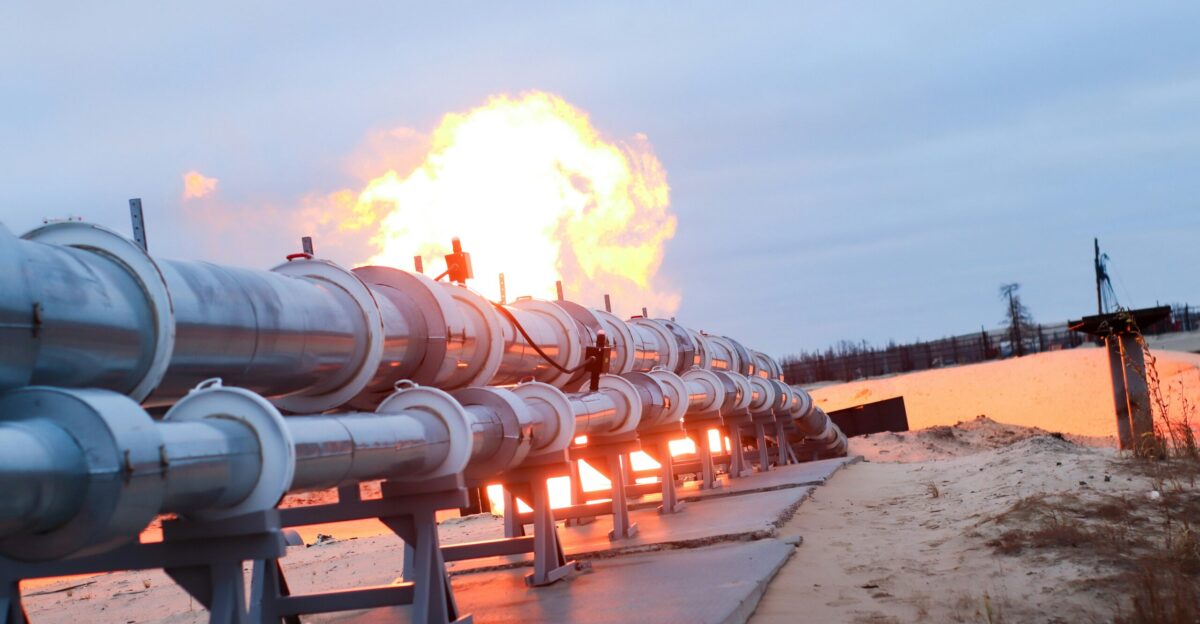
The three targeted facilities represent substantial portions of Russia’s energy capacity. The Mari Oil Refinery in Mari El Republic processes 1.6 million tonnes annually, while the NS-Oil Refinery in Ulyanovsk Oblast handles 600,000 tonnes per year. The Budyonnovsk Gas Processing Plant in Stavropol Krai manages 2.2 billion cubic metres of gas annually.
Together, these strikes delivered a coordinated blow to Russia’s energy stability, with eyewitness accounts confirming the scale of destruction. One Mari El resident reported: “We saw flames lighting up the night sky,” illustrating both the immediate impact and psychological toll on communities far from traditional front lines.
Escalating Campaign Throughout 2025
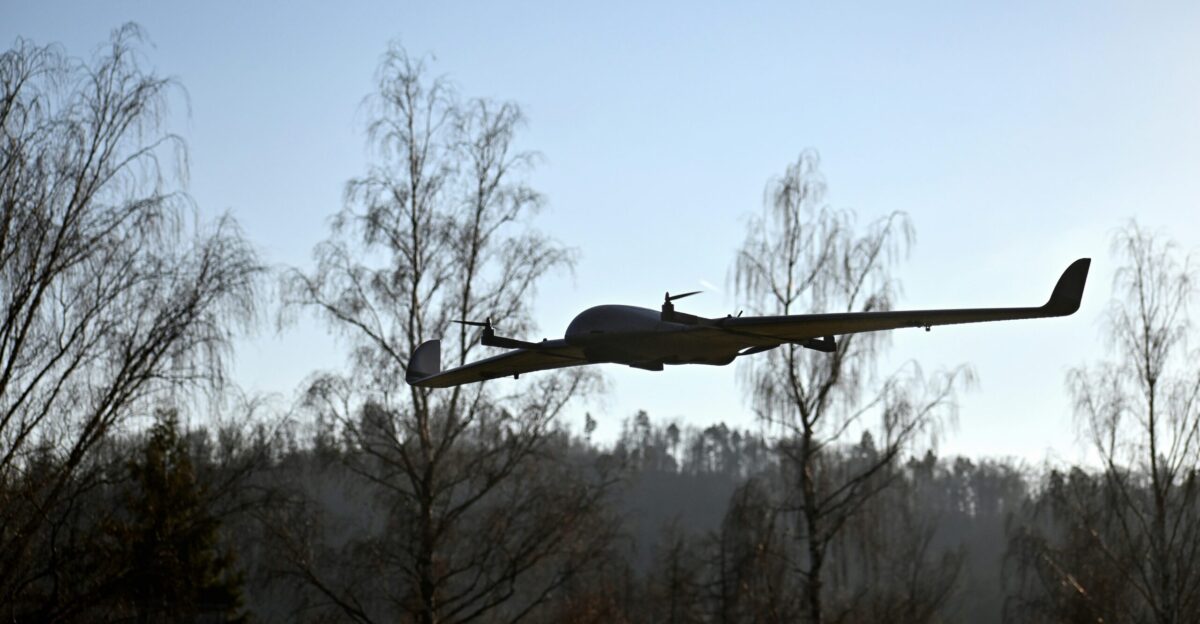
Ukraine’s drone operations have intensified dramatically throughout 2025. Early attacks targeted refineries near the Ukrainian border, but recent missions have penetrated more than 1,000 kilometers into Russian territory, revealing enhanced technical capabilities and strategic boldness.
This progression demonstrates Ukraine’s commitment to disrupting Russia’s economic lifelines at their core. Military analysts note that the shift illustrates a fundamental change in how Ukraine approaches the conflict, moving from defensive operations to sustained economic pressure.
Russia’s Defensive Vulnerabilities
Despite reallocating air defenses and investing in makeshift anti-drone systems, Russia continues to struggle containing Ukrainian incursions. Ukrainian drones breach Russian airspace with alarming regularity, exposing significant gaps in Moscow’s defensive capabilities.
Russian military leadership faces mounting pressure to reassess strategies, with frustration brewing among officials over repeated breaches. Some military leaders advocate for urgent upgrades to anti-drone systems, while others question the effectiveness of existing intelligence and preparedness measures. This internal debate reveals fracturing confidence within the Russian security apparatus.
Economic and Infrastructure Consequences
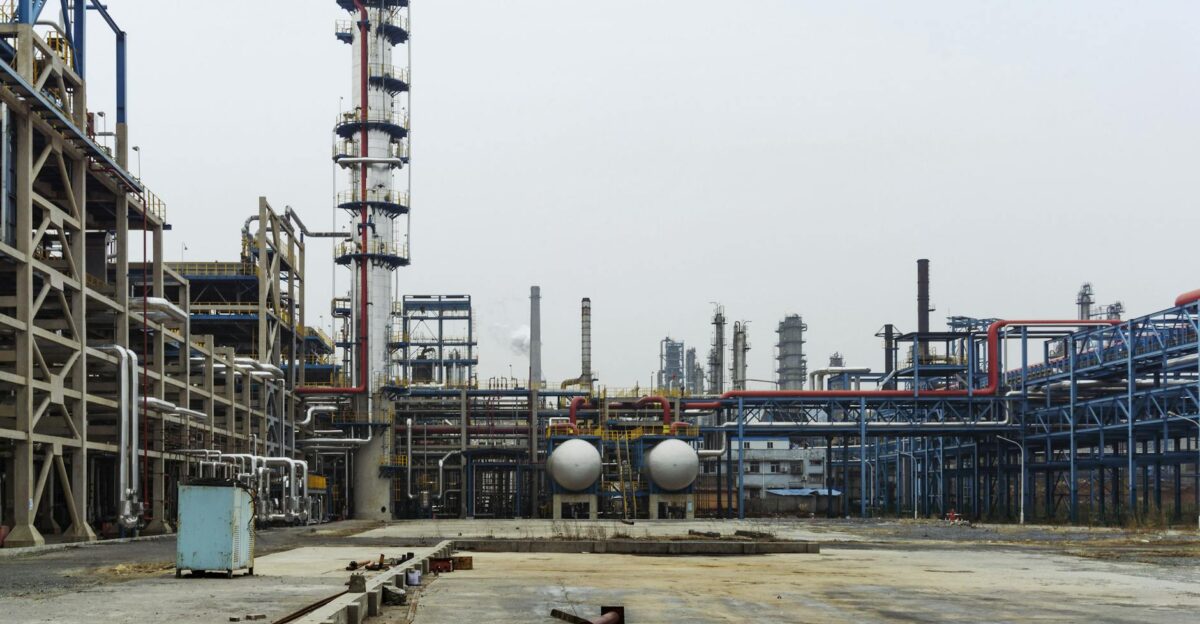
The strikes have triggered substantial disruptions across Russia’s energy sector. Oil and gas supply chains have contracted sharply, with several refineries operating at reduced capacity or halting production entirely. Russian oil product exports declined 17 percent in September, while gasoline production decreased approximately 10 percent. Domestic fuel prices have surged, creating widespread shortages across the nation.
Collateral damage extended beyond targeted facilities. On October 31, 2025, significant blackouts affected Zhukovsky and surrounding areas in Moscow Oblast, approximately 40 kilometers southeast of Moscow. This incident highlighted critical vulnerabilities in Russia’s power grid and its susceptibility to targeted strikes, prompting urgent calls for enhanced security measures.
Broader Strategic Implications
The drone campaign represents more than tactical innovation—it signals a transformation in modern conflict. Ukraine’s use of low-cost technology to achieve high-impact results has redefined asymmetric warfare, forcing both sides to reassess military doctrine and defensive strategies. Russia must now defend energy infrastructure that once seemed secure, while Ukraine continues demonstrating that technological ingenuity can alter power dynamics fundamentally.
The effects ripple globally. Supply chain disruptions foster instability in international energy markets, prompting nations to reassess energy policies and alliances. Price volatility and supply concerns are reshaping diplomatic relationships and forcing the international community to confront new realities about energy security and geopolitical vulnerability.
As both sides adapt to this evolving landscape, the conflict enters a new phase where innovation and adaptability determine survival. The drone strikes serve as a learning moment, proving that modern warfare extends far beyond traditional battlefields. How Ukraine and Russia navigate this transformed tactical environment will define not only the conflict’s trajectory but potentially reshape regional and international relations for years to come.