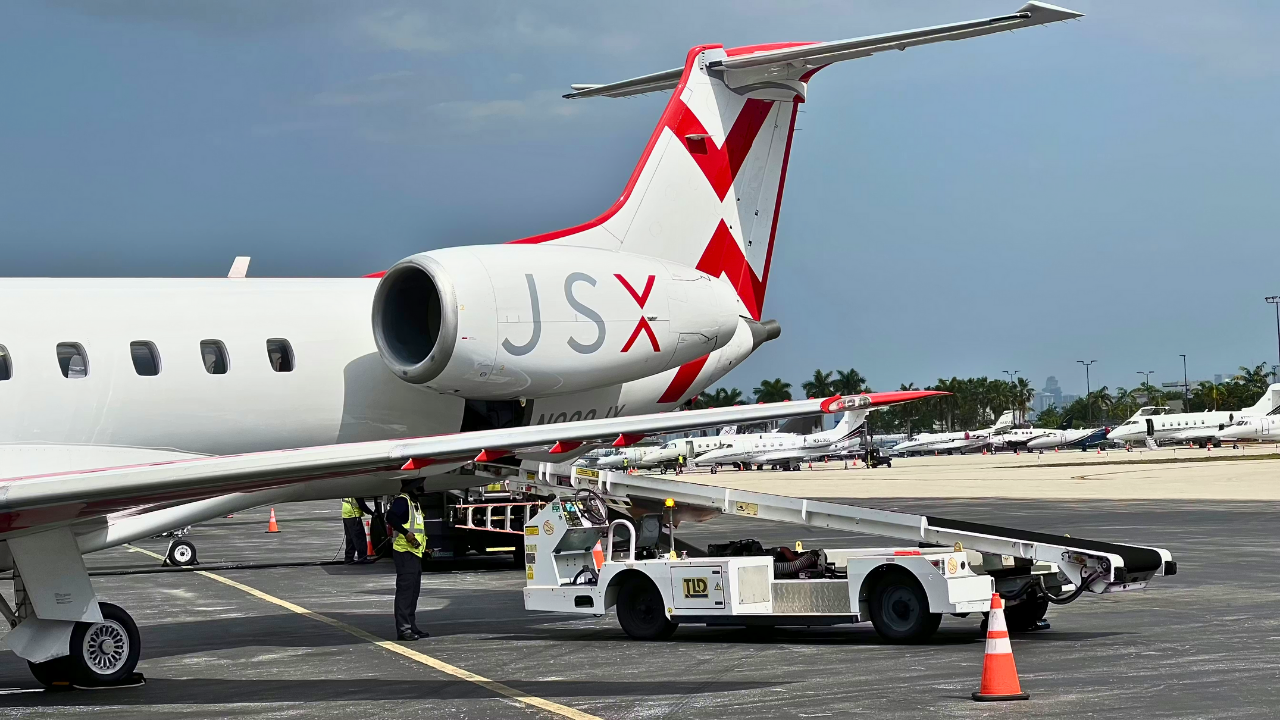
At midnight on November 10, the Federal Aviation Administration (FAA) imposed an unprecedented ban on private jets at America’s twelve busiest airports, signaling a crisis that extends far beyond the inconvenience of grounded luxury flights. After 43 days of government shutdown, the nation’s air traffic control system teetered on the edge of collapse, with exhausted controllers, mass flight cancellations, and a workforce exodus threatening the stability of U.S. aviation just as the holiday travel season approached.
Air Traffic Controllers Under Siege
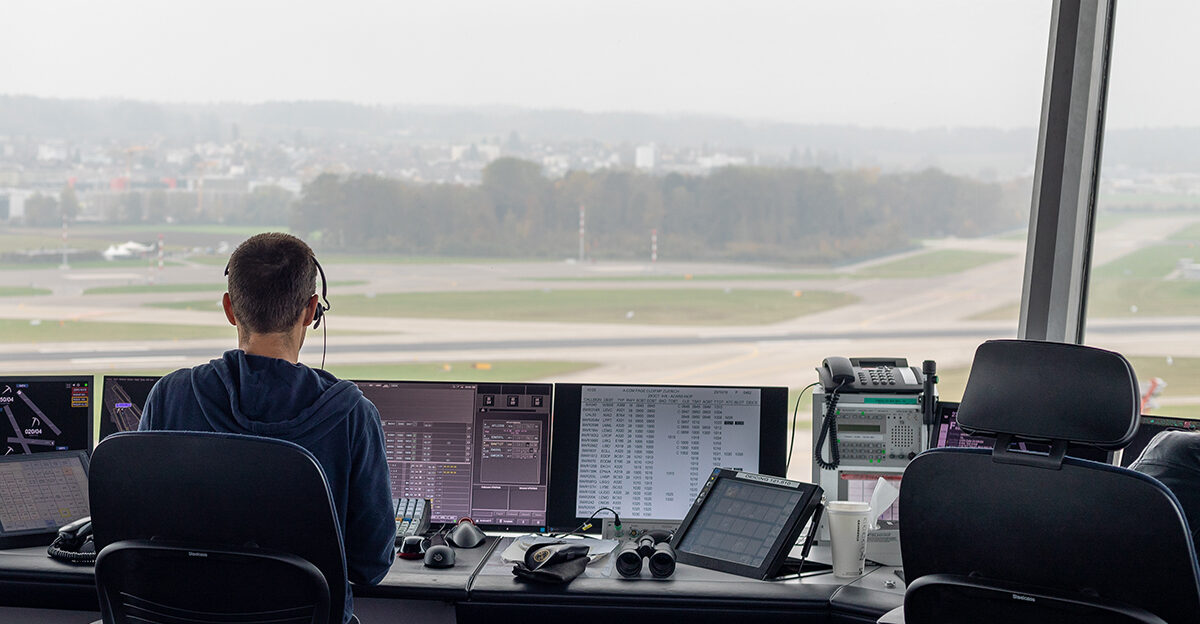
Across the country, air traffic controllers faced relentless pressure. Deemed “essential” employees, they worked ten-hour shifts, six days a week, without pay for over a month. Legally barred from striking or calling in sick, controllers managed the safety of thousands of flights under mounting fatigue. The shutdown, the longest in U.S. history, left them not as heroes, but as hostages to a system in crisis. The psychological toll was severe, with many forced to take second jobs to cover basic expenses, all while making split-second decisions that affected the lives of hundreds of passengers at a time.
A Workforce in Freefall
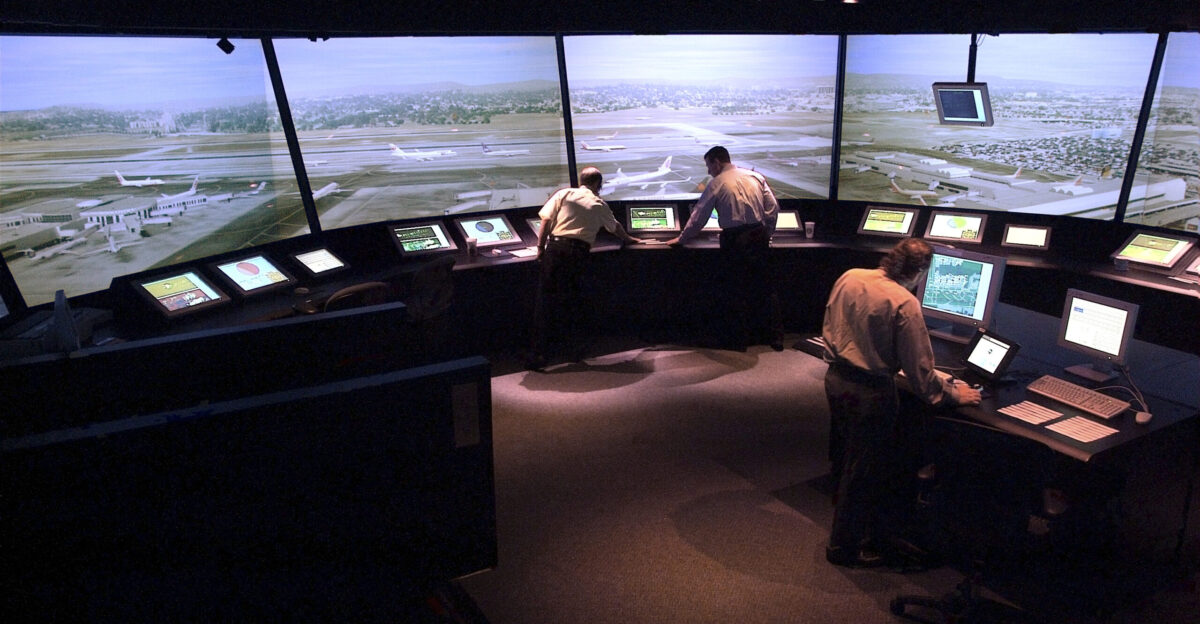
The shutdown accelerated an already critical staffing shortage. Before October, the FAA was short by 3,000 controllers. During the shutdown, retirements surged to four times the normal rate, with 15 to 20 controllers leaving daily. Over 43 days, this meant as many as 860 experienced professionals exited the workforce, far outpacing the rate at which new controllers could be trained—a process that takes up to four years. With training programs halted and maintenance suspended, the pipeline for new talent dried up, deepening the crisis and setting the stage for long-term instability.
Flight Cancellations Ripple Nationwide
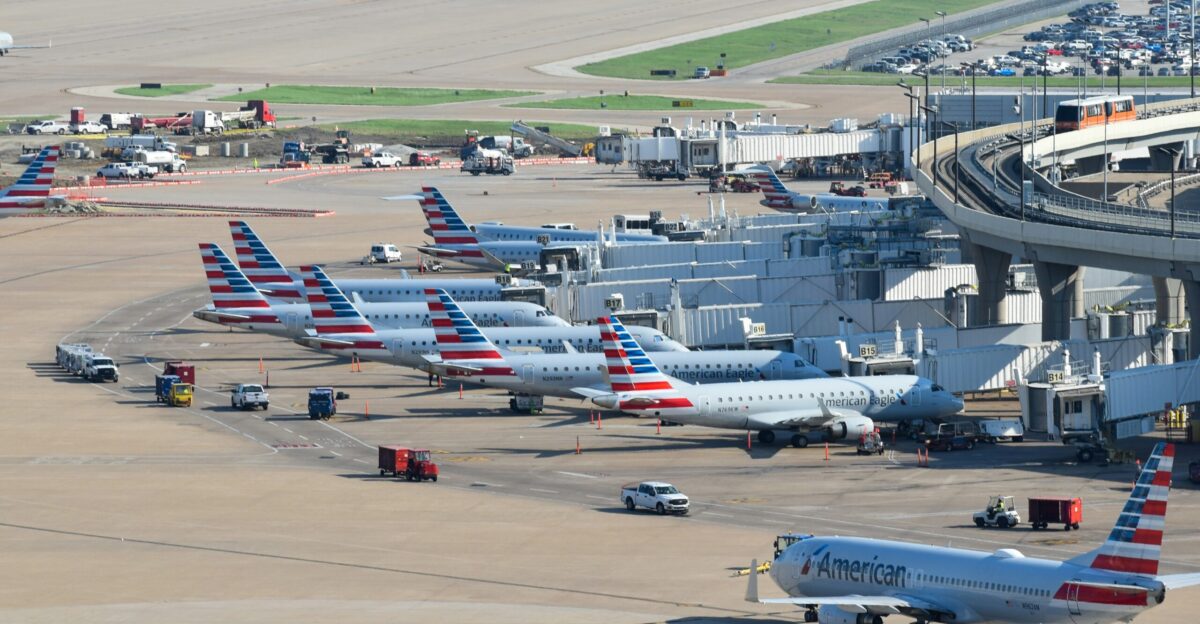
The impact on travelers was immediate and severe. On November 9 alone, more than 2,800 flights were canceled, and over 10,000 were delayed, stranding hundreds of thousands of passengers. Delta Air Lines canceled or delayed more than half its flights that day. The domino effect rippled through the entire airspace system, with Thanksgiving travel plans for millions thrown into doubt. The FAA’s incremental cuts—first 4 percent of flights at major airports, then 6 percent, with threats of reaching 10 percent—culminated in the midnight ban on private jets, leaving commercial flights operating on skeleton schedules.
Economic Fallout and Industry Backlash
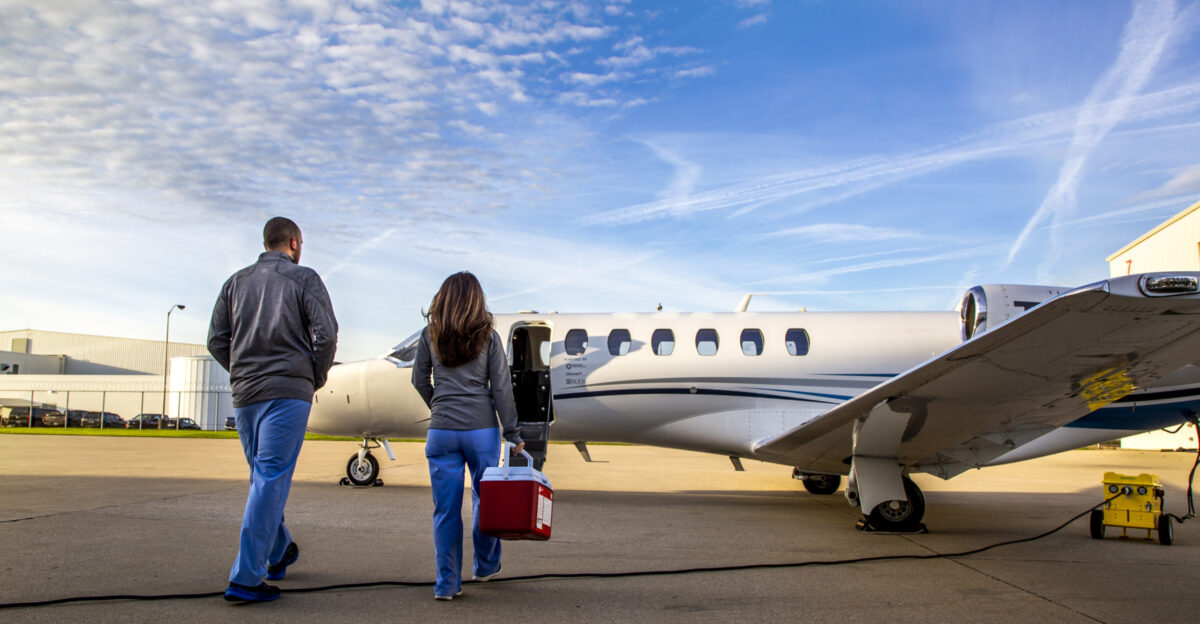
The ban on private jets sent shockwaves through the $340 billion business aviation sector, which supports over a million jobs and provides critical services such as medical flights and organ transport. Industry leaders decried the move as disproportionate, arguing that it hampered not just luxury travel but essential operations. Charter companies and corporate operators were grounded, and emergency flights were forced to reroute, disrupting the economic and logistical lifelines that depend on general aviation. Despite the outcry, the ban remained in place, underscoring the government’s struggle to balance equity and efficiency in a system stretched to its limits.
Safety Concerns and the Road to Recovery
As fatigue mounted, safety incidents increased. Pilots filed more than 500 reports of errors linked to controller exhaustion, including near-misses and miscommunications that could have led to disaster. The FAA’s workforce, already diminished by years of budget cuts and previous shutdowns, now faced a backlog that would take years to resolve. Even after Congress passed a bill to end the shutdown on November 12, officials warned that recovery would be slow. Airlines had canceled flights a week in advance, and the process of restoring pay, benefits, and trust would not happen overnight. The Department of Transportation froze flight reductions at 6 percent, but the scars—missed connections, stranded families, and a demoralized workforce—remained.
Looking Ahead: Fragile Recovery and Lingering Risks
The shutdown exposed deep vulnerabilities in America’s aviation infrastructure. With Thanksgiving looming, officials warned that air travel would be reduced to a trickle, and many families would be unable to reunite. The system, already weakened by years of underinvestment, now faced a long road to recovery. The ban on private jets, intended to prioritize commercial passengers, instead highlighted the arbitrary and sometimes counterproductive nature of crisis management. As the nation’s airports struggled to return to normal, the episode served as a stark reminder: the resilience of U.S. air travel depends not just on technology and infrastructure, but on the people who keep the skies safe—and on the political will to support them.