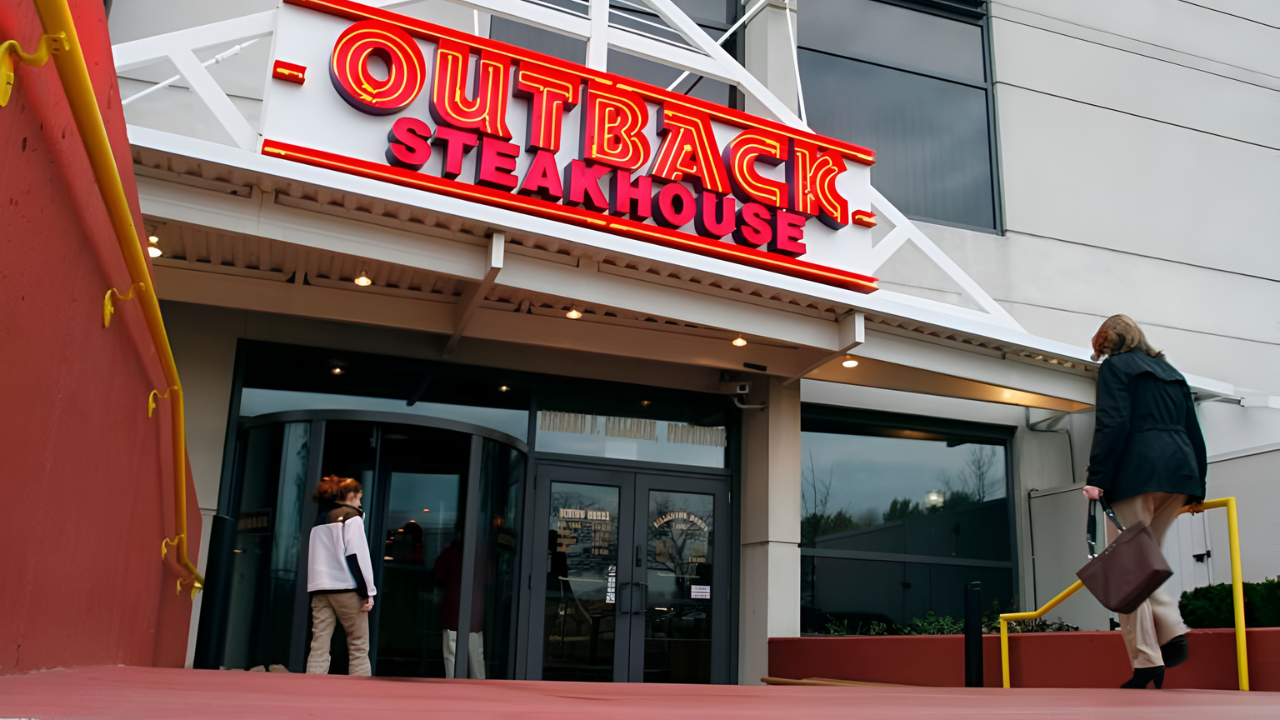
Outback Steakhouse, a staple of American casual dining for nearly four decades, is undergoing its largest contraction ever. In October 2025, parent company Bloomin’ Brands confirmed the closure of eight Outback locations and one Bonefish Grill across Alabama, Florida, Louisiana, Maryland, New York, and Wisconsin as part of a $2 billion turnaround plan. This wave of closures came roughly 20 months after 41 earlier shutdowns in February 2024, indicating continued consolidation at a company that still operates hundreds of Outback locations nationwide. The retrenchment has reduced Outback’s U.S. footprint from over 711 restaurants to approximately 670, raising questions about the future of the casual dining sector and the communities it serves.
Turnaround Strategy Under Scrutiny
The $2 billion turnaround plan has failed to halt the chain’s decline, with the latest closures suggesting the investment has yet to reverse Outback’s struggles. The timing has raised concerns among industry observers about whether the restructuring strategy can stabilize the brand’s declining footprint or will accelerate further regional retrenchment across Bloomin’ Brands’ roughly 1,450+ global restaurants.
Restructuring for Survival
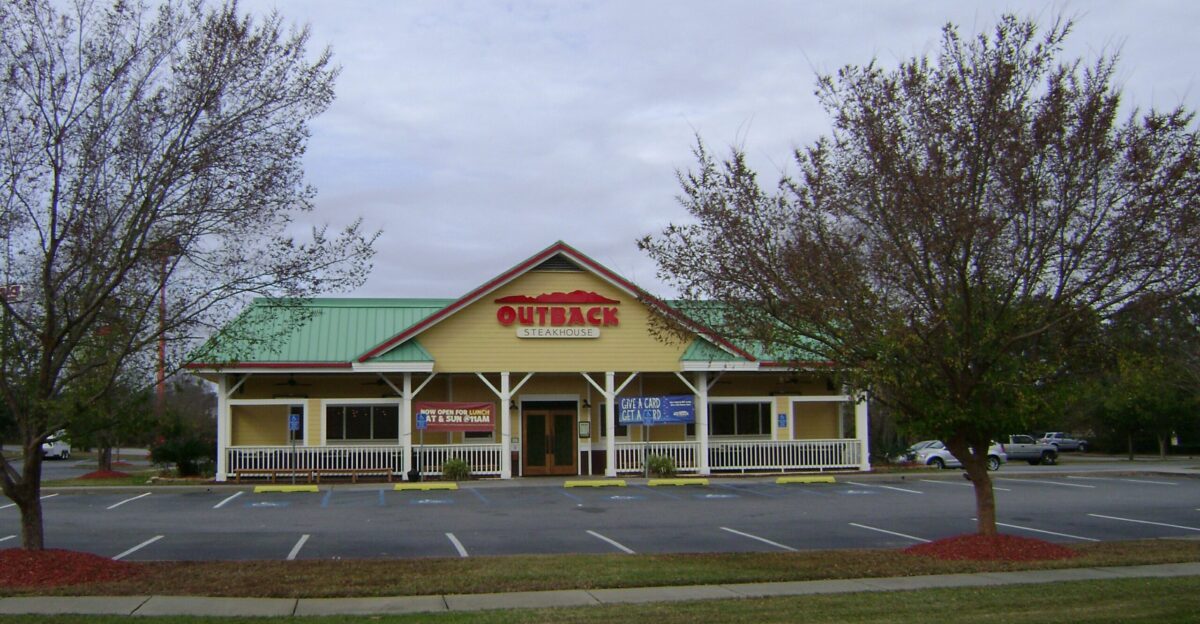
Bloomin’ Brands attributes the closures to its sweeping turnaround plan designed to restructure operations and restore profitability. “These are business decisions that are part of our ongoing turnaround plan,” explained company spokesperson Elizabeth Daly, emphasizing the need for strategic change in the face of mounting industry pressures. The company reported a $79.5 million net loss in the fourth quarter of 2024, a stark reversal from the $43.3 million profit posted the previous year. Local outlets confirmed that the long-running Merrick, N.Y., Outback closed after 30 years, highlighting the personal impact of these decisions on loyal patrons who have lost their neighborhood gathering spot.
Bloomin’ Brands has sought to soften the blow for employees, offering transfers to nearby restaurants where possible and providing severance and outplacement assistance for those unable to relocate. In addition to restaurant closures, the company laid off 100 corporate employees at its Tampa headquarters in February 2025, underscoring the scale of the retrenchment.
Competitive Shifts and Consumer Choices
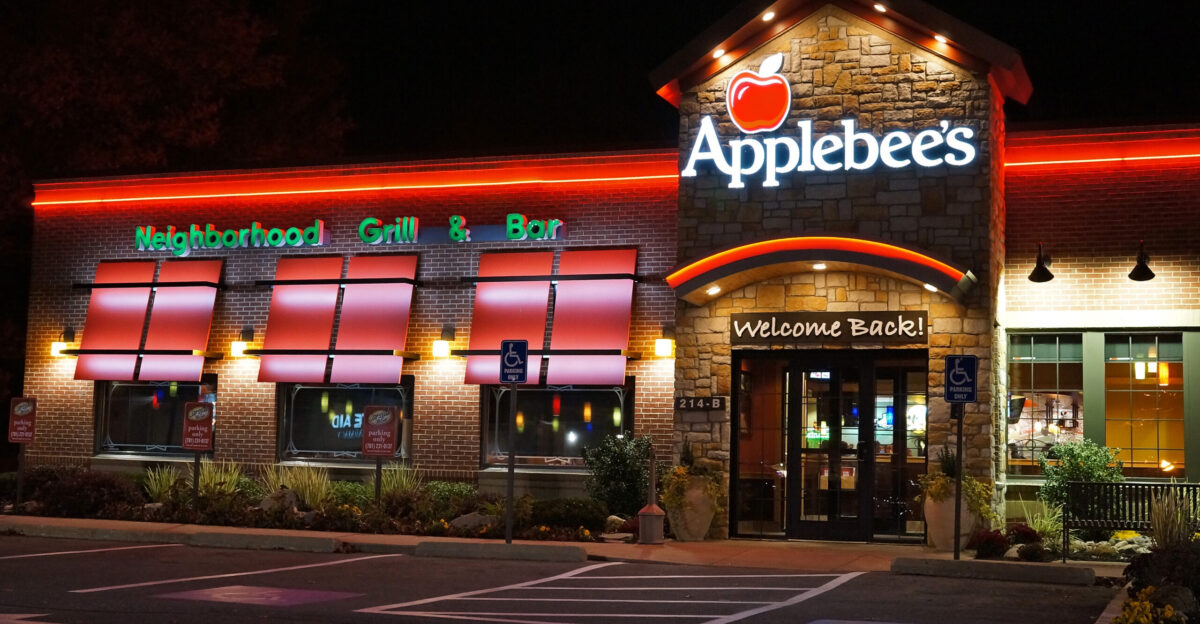
As Outback contracts, competitors are moving quickly to capture displaced diners. Chains like Chili’s, Applebee’s, and Olive Garden have ramped up value-driven promotions and bundled meal deals, attracting price-conscious customers. Chili’s, in particular, reported a 21.4% increase in same-store sales and a 13.1% rise in traffic in the first quarter of 2026, signaling a shift in consumer preferences toward affordability and convenience.
Local independent restaurants may also benefit from Outback’s retreat, as communities seek new venues for family celebrations and social gatherings. However, the closures have disrupted local economies, affecting not only workers but also suppliers and service providers who relied on steady business from the shuttered locations. “Any business decision that personally impacts team members is difficult, but we are taking great measures to support those leaving the company,” Daly said, reflecting the human cost of corporate restructuring.
Global Stability and Adaptation
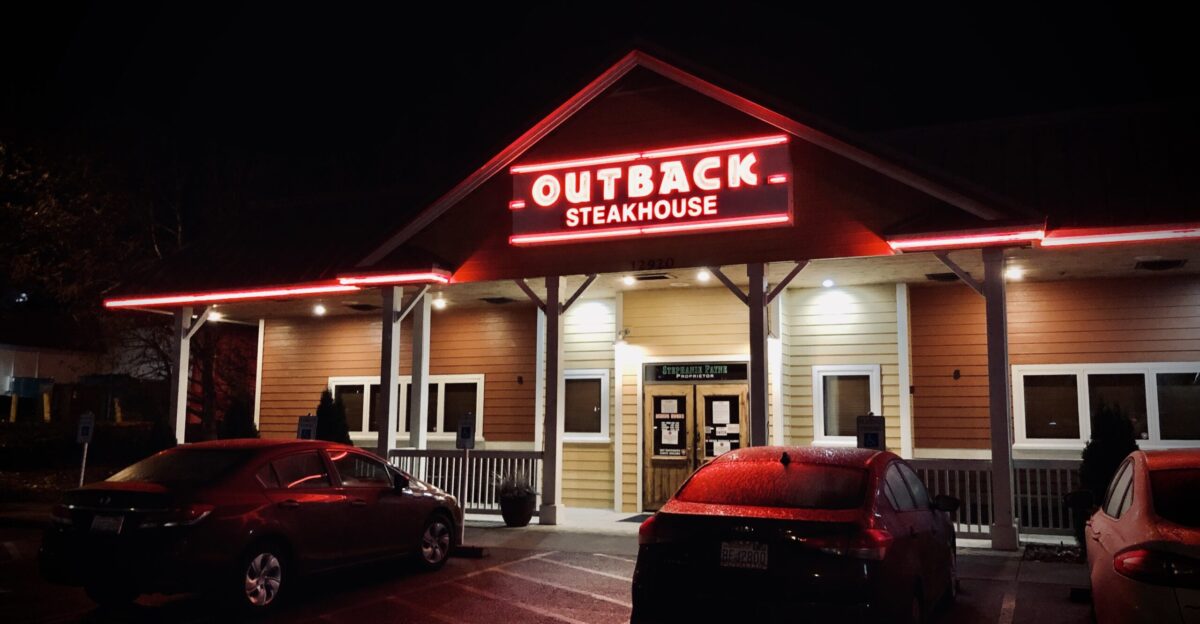
While Outback’s U.S. presence has diminished, its international footprint remains robust. The brand operates more than 1,450 restaurants worldwide, including over 350 locations outside the United States in markets such as Brazil and South Korea. Bloomin’ Brands sold a majority stake in its Brazil operations for $243 million in December 2024, but the company’s global strategy appears stable, with contraction efforts focused primarily on domestic markets.
International Outback locations continue to thrive by adapting menus and experiences to local tastes. In South Korea, for example, restaurants have customized offerings while preserving the signature Australian-themed atmosphere. This flexibility has helped Outback maintain relevance abroad, even as its U.S. operations face headwinds. Industry analysts note that global brands adapting their menus and experiences to local preferences tend to weather market disruptions more effectively than those maintaining rigid standardization.
Economic Pressures and Changing Habits
The closures at Outback reflect broader challenges facing the casual dining industry. Inflation and rising costs have made consumers more price-sensitive, with restaurant prices increasing 3.9% year-over-year as of August 2025, outpacing grocery inflation at 2.7%. These economic pressures have driven demand for value-oriented dining and prompted brands to streamline operations.
At the same time, lifestyle changes are reshaping how Americans eat. Off-premises dining—including takeout and delivery—now rivals traditional restaurant visits. Younger consumers, particularly Gen Z, have demonstrated strong preferences for delivery and takeout options, according to industry research. Outback’s closures may accelerate this trend, as diners seek convenience and adapt to fewer dine-in options.
Industry Outlook and Community Impact
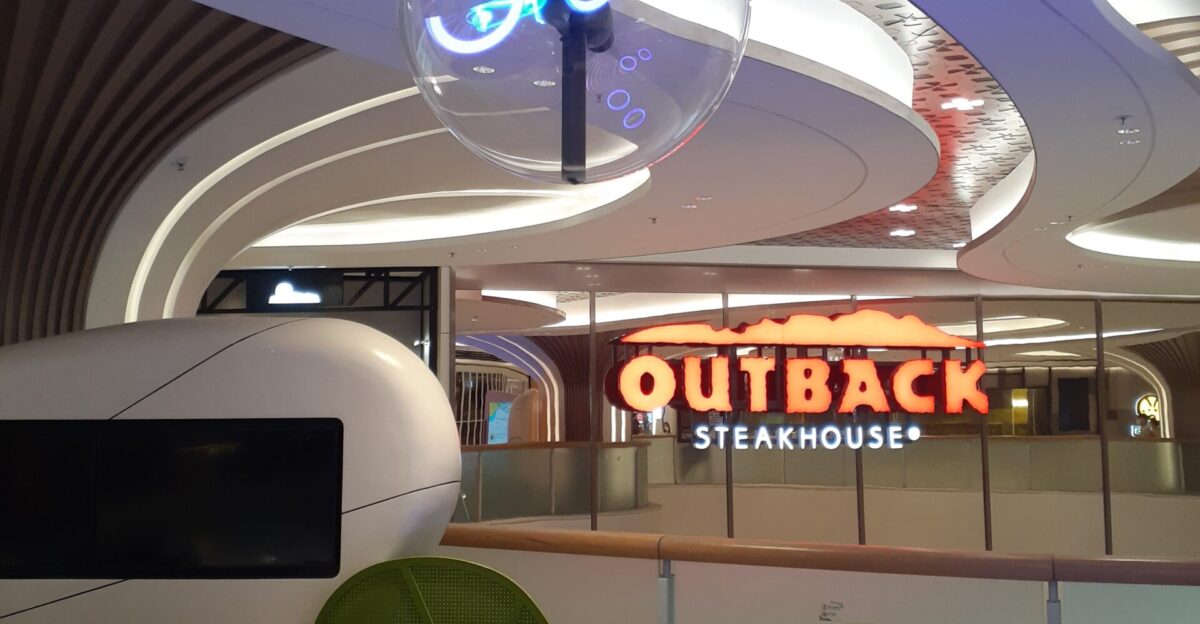
The loss of long-running Outback locations has sparked debate about the cultural role of casual dining chains. These restaurants often serve as informal “third places” where families celebrate milestones and friends reconnect. Their disappearance raises questions about changing social habits and the future of communal dining.
Industry groups, including the National Restaurant Association, have called for policy support to stabilize the sector, advocating for pro-growth tax policies and relief measures. Despite ongoing challenges, the industry projects adding 200,000 jobs in 2025, bringing total employment to 15.9 million workers.
Looking ahead, Outback Steakhouse’s contraction marks a pivotal moment for casual dining in America. Whether the restructuring will accelerate further regional downsizing or stabilize the brand remains uncertain. Success will depend on brands’ ability to deliver compelling value, embrace off-premises dining, and maintain meaningful community connections. As inflation, evolving consumer behavior, and technological transformation reshape the landscape, the future of the sector will hinge on innovation and adaptability.