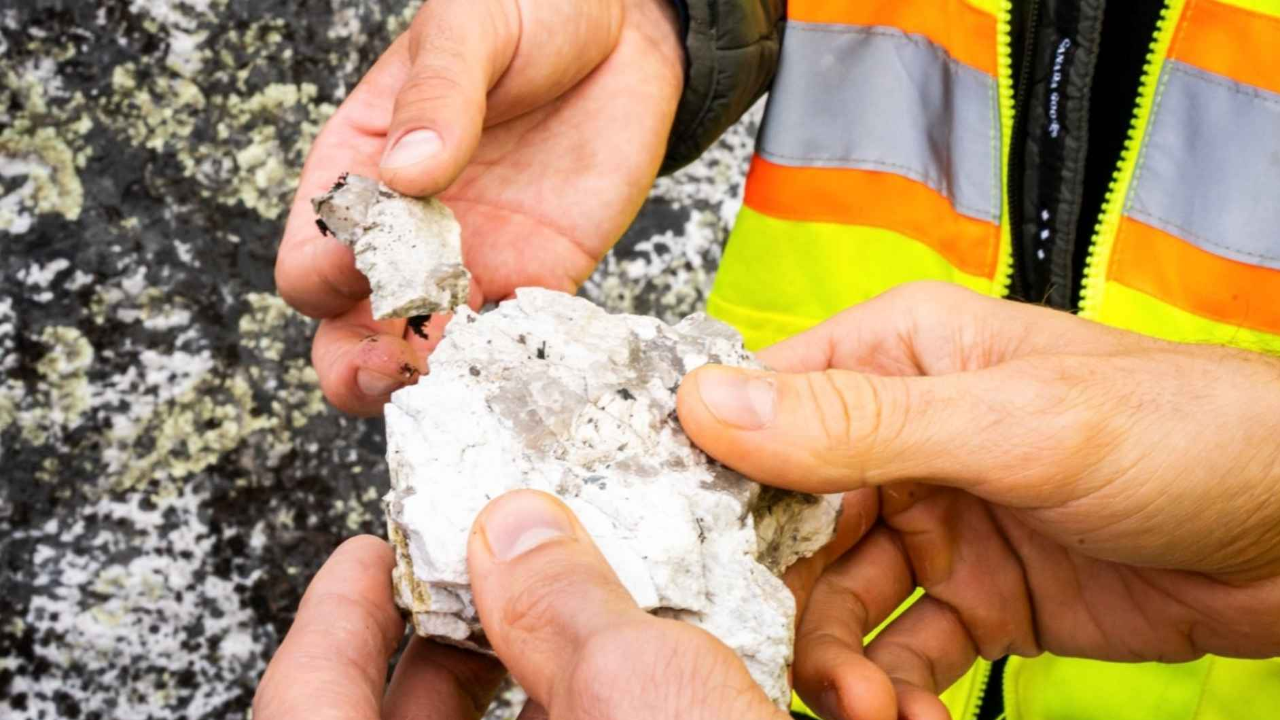
Beneath Oregon’s high desert, a colossal lithium deposit lies in ancient volcanic clay, containing 20 to 40 million metric tons valued at approximately $1.5 trillion. This McDermitt Caldera find promises to bolster U.S. battery production amid surging electric vehicle demand, but it endangers wildlife habitats and Indigenous cultural sites, igniting debates over energy security and preservation.
White Gold in Volcanic Clay
The McDermitt Caldera, a 16-million-year-old volcanic crater straddling the Oregon-Nevada border, harbors one of the largest lithium concentrations in the United States. Mineral-rich sediments trap the lithium in smectite and illite clays, complicating extraction compared to traditional brine or hard-rock methods. Industry interest has surged as global needs intensify, with two key projects advancing to tap this resource.
A New Lithium Rush
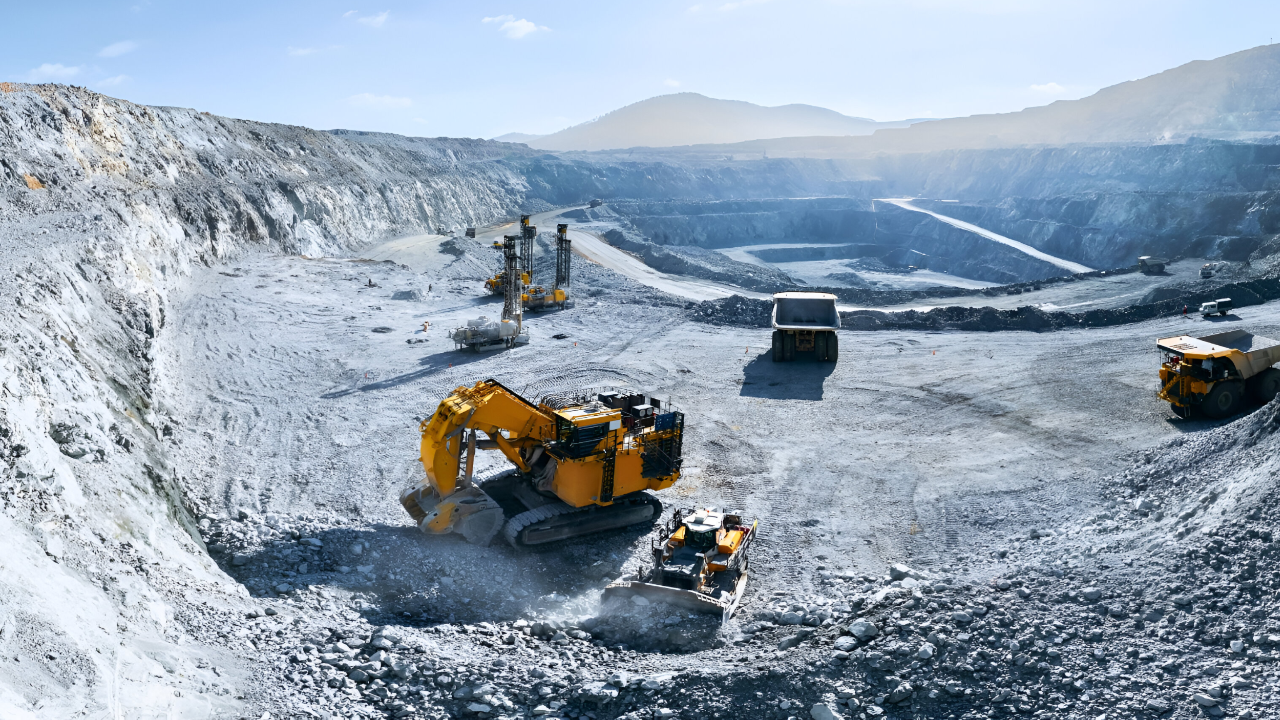
Lithium Americas’ Thacker Pass project in Nevada is leading the charge, supported by a $650 million investment from General Motors, finalized in early 2023, and backed by the U.S. Department of Energy. Construction began in March 2023, 60 miles northwest of Winnemucca, with the goal of producing 160,000 tonnes of battery-grade lithium carbonate annually at full capacity over an 85-year mine life. It’s 13.7 million tonnes of lithium carbonate equivalent, marking it as the biggest known U.S. sedimentary deposit.
On the Oregon side, Jindalee Resources advances its McDermitt Lithium Project, 35 kilometers north, with plans for a 63-year operation and onsite conversion facility. Jindalee’s February 2023 assessment pegs measured and indicated resources at 21.5 million tonnes of lithium carbonate equivalent, including 2.34 million tonnes in probable ore reserves.
Designated a FAST-41 project in April 2025, it has prompted accelerated drilling amid growing local scrutiny. The FAST-41 designation, established under federal permitting reform legislation, provides coordinated federal review to expedite critical infrastructure projects.
Geological Origins
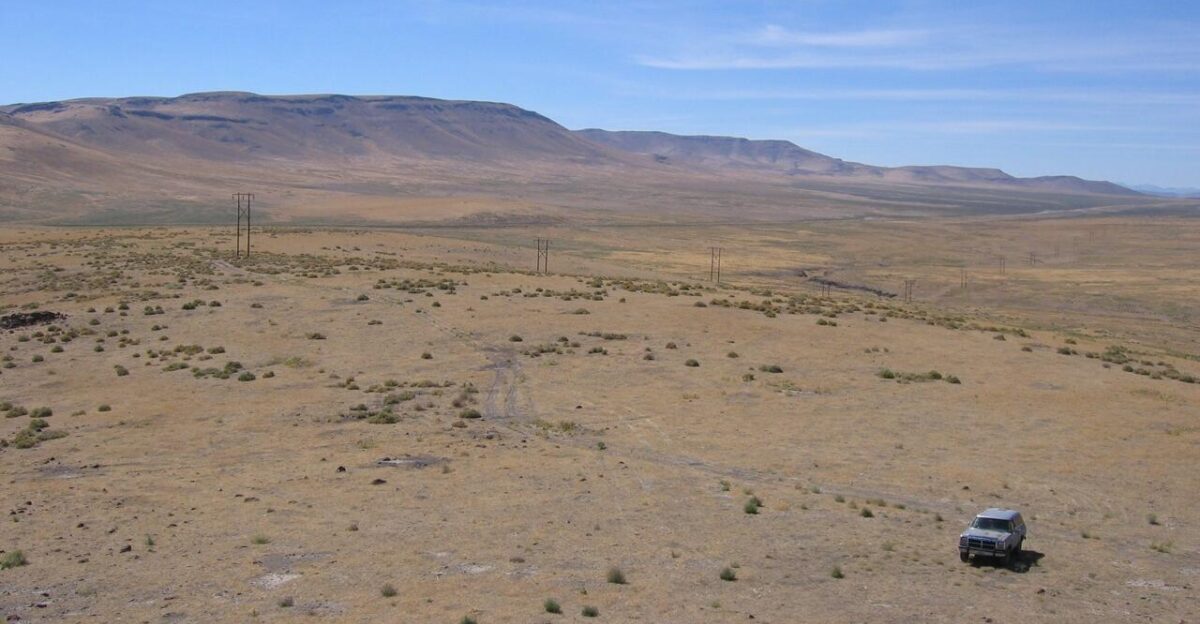
Some 16.4 million years ago, the North American plate overrode the Yellowstone hotspot, sparking a massive eruption that collapsed into the McDermitt Caldera. A lake filled the basin as alkaline magma cooled, and hydrothermal activity locked lithium into the clays. This unique formation explains both the deposit’s scale—enough for over 900 million electric vehicles under current battery chemistries—and the extraction challenges driving innovation in acid leaching and direct lithium extraction techniques.
Surging Demand Pressures
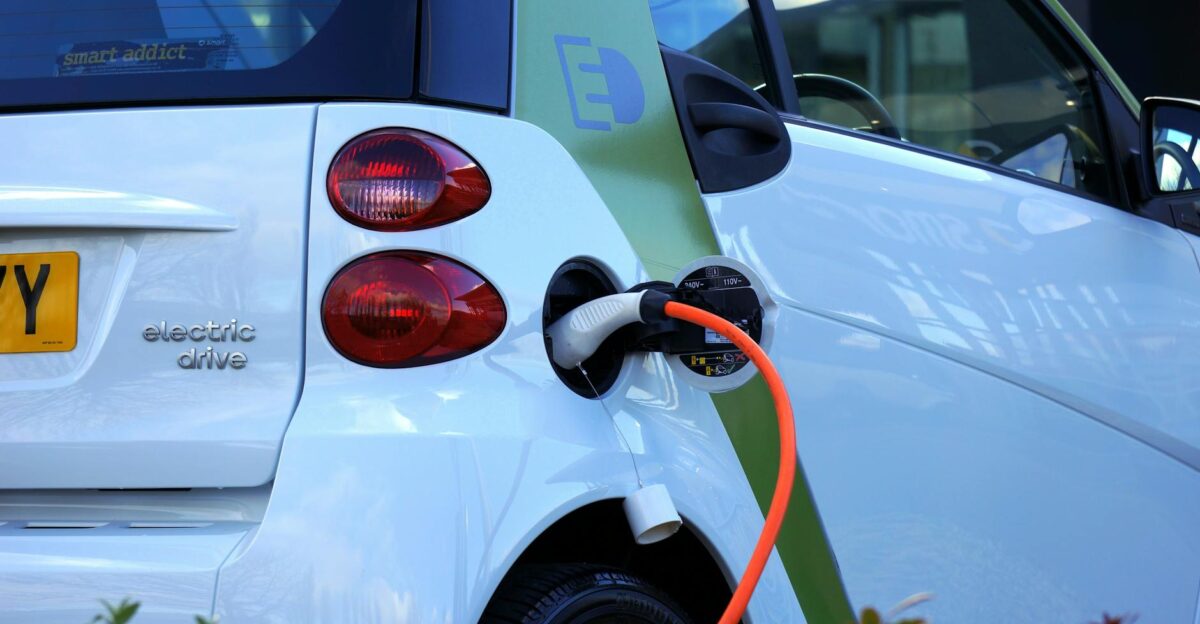
Electric vehicle sales climbed from approximately 60,000 units in 2011 to over 14 million in 2023, according to the International Energy Agency’s Global EV Outlook. By 2024, EVs reached approximately 17-18% of global new vehicle sales, with projections targeting 50% by 2035. Each EV demands 8 to 10 kilograms of lithium for battery packs.
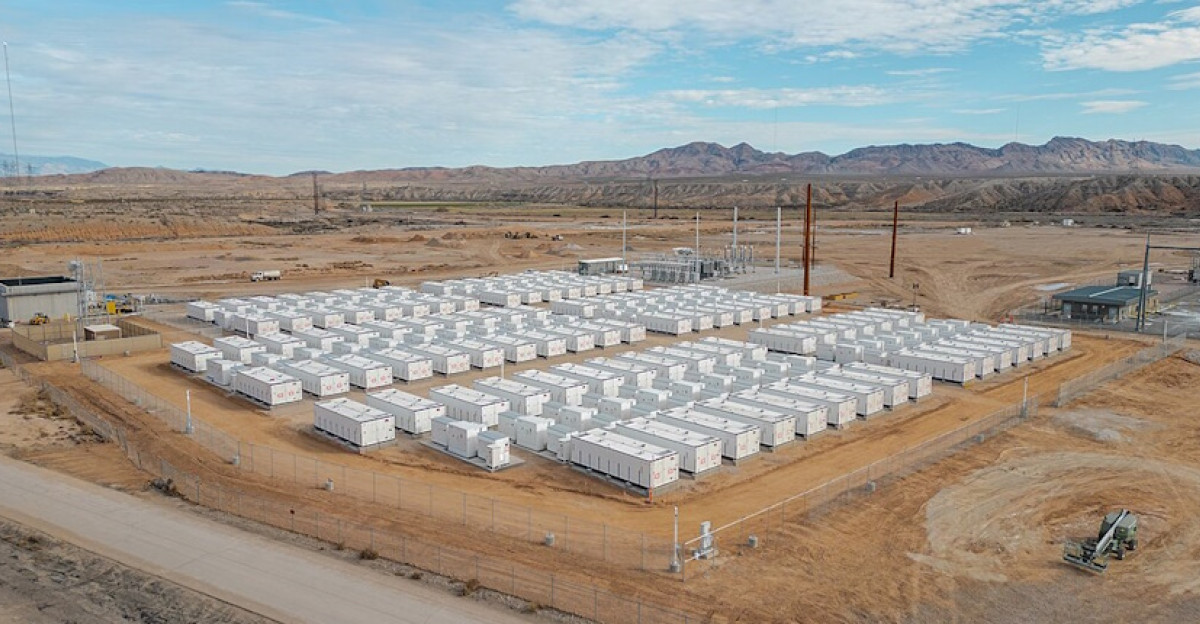
Grid-scale battery storage contributes to the strain, with over 90 gigawatt-hours installed globally by 2024. Energy storage systems are projected to claim approximately 30% of lithium demand by 2026 and potentially 36% by 2030, according to recent industry forecasts. Analysts, including J.P. Morgan, predict that shipment growth will exceed 50% in 2025 and continue to expand in 2026 as renewable energy integration accelerates.
China dominates the market with approximately 70-90% of refining capacity and substantial rare earth mining operations, while U.S. output remains below 1% of global production, primarily from Nevada’s Silver Peak operation, which produces roughly 5,000 metric tons annually. In September 2025, the Department of Energy acquired 5% equity stakes in Lithium Americas and the Thacker Pass joint venture, restructuring earlier loan commitments to strengthen domestic supply chains.
Lithium carbonate prices in North Asia hit 152,000 Chinese yuan per tonne (approximately $21,000) on January 12, 2026, reflecting an 8.57% daily increase and 59.75% monthly surge, after recovering from multi-year lows throughout 2024.
Environmental and Cultural Clashes
The caldera overlaps vital habitats for pronghorn antelope, greater sage-grouse (down 80% since the 1960s, according to U.S. Fish and Wildlife Service data), Lahontan cutthroat trout, and golden eagles. Bureau of Land Management environmental reviews note four occupied sage grouse leks onsite and 25 within three miles.
Water use poses significant risks: clay extraction via acid leaching consumes substantial water volumes, threatening Nevada’s arid basins in patterns similar to Chile’s Atacama operations, where lithium mining has consumed up to 65% of regional water resources. Indigenous communities, including the Fort McDermitt Paiute and Shoshone Tribe, oppose the projects, viewing Thacker Pass—known as Peehee Mu’huh—as sacred ground tied to a 1865 massacre where U.S. cavalry killed 30 to 70 Paiute people. Tribal advocates have filed multiple lawsuits alleging violations of the National Historic Preservation Act and inadequate consultation under federal trust responsibilities.
Balancing Act Ahead
Jindalee and Lithium Americas both commit to environmental stewardship, transparent community engagement, and responsible design. As projects progress into 2026, the stakes involve securing domestic supply for clean energy transitions against irreversible ecological and cultural losses. Federal permitting decisions, ongoing litigation, and market dynamics in the coming years will determine if the U.S. can harness this windfall without sacrificing fragile high-desert legacies.
Sources
Geology and Evolution of the McDermitt Caldera. U.S. Geological Survey Yellowstone Volcano Observatory, 3 June 2024
U.S. Lithium Reserves and Domestic Production Capacity. U.S. Geological Survey Mineral Commodity Summaries, 2025
Lithium Deposit Resource Estimate and Pre-Feasibility Study. Jindalee Resources Limited, 27 November 2024
Thacker Pass Lithium Mine Project Update. Lithium Americas Corporation, January 2024
Bureau of Land Management Decision on Jindalee McDermitt Exploration Project. U.S. Department of the Interior Bureau of Land Management Oregon Office, 8 December 2025
Electric Vehicle Sales and Lithium Demand Projections. International Energy Agency Global Critical Minerals Outlook, 2024–2025Sources