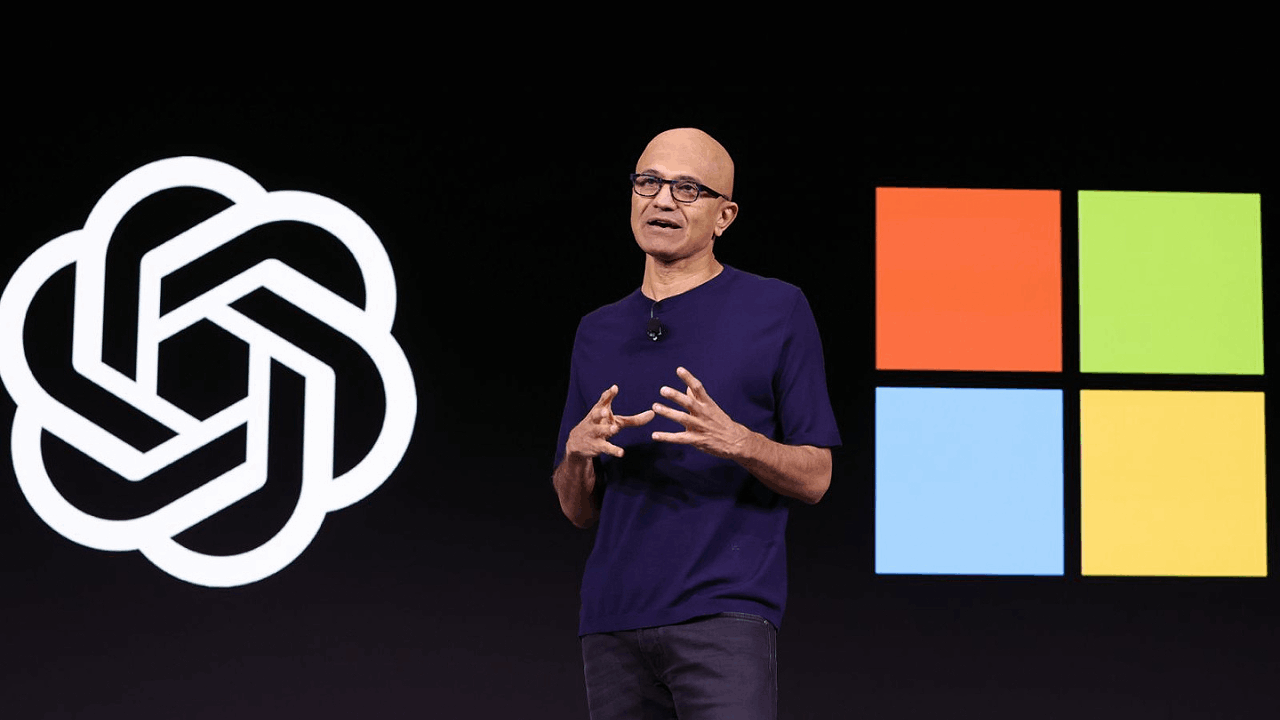
OpenAI has taken a historic step, officially transforming into a Public Benefit Corporation on October 28, 2025, reshaping the future of artificial intelligence development and governance. The company now stands as the world’s most valuable private AI firm at $500 billion, yet nonprofit oversight remains intact, maintaining control over its mission.
This rare combination of commercial scale and public interest signals a new era in tech governance. By aligning corporate success with global benefit, OpenAI sets a bold example of how AI growth can coexist with societal responsibility.
The Valuation and Wealth Transfer

OpenAI’s $500 billion valuation marks one of the most significant concentrated wealth transfers in the history of technology. Employees and investors collectively hold 47% of the for-profit entity, worth roughly $235 billion, while Microsoft owns 27%, valued at $135 billion. The nonprofit OpenAI Foundation retains 26% equity and exercises governance through board appointments, thereby holding a decisive role in shaping the company’s mission.
This unique structure ensures the foundation’s influence while allowing the for-profit arm to scale commercially. The arrangement guarantees that corporate success directly funds philanthropic initiatives, with the foundation committing $25 billion to global health and AI resilience projects. OpenAI’s model shows how mission-driven oversight can coexist with large-scale wealth creation.
Microsoft’s Strategic Position

Microsoft has been a key partner, investing $13 billion since 2019 and remaining OpenAI’s primary cloud and intellectual property partner. Under the new structure, Microsoft will receive revenue shares starting at 20% and decreasing to 8% by 2030, linking its financial gains to OpenAI’s growth while supporting its ambitions in artificial general intelligence.
Beyond equity, OpenAI signed a $250 billion cloud services contract with Microsoft Azure—the largest in history—ensuring the computing power needed for advanced AI models. The deal represents long-term infrastructure obligations estimated at $1.4 trillion, cementing Microsoft’s role in powering OpenAI’s global expansion.
Infrastructure and Economic Impact

OpenAI’s Stargate data centers, developed with Oracle and SoftBank, are expected to generate over 100,000 U.S. jobs while modernizing construction, logistics, and energy supply chains. With facilities in Texas, Ohio, Michigan, Wisconsin, and New Mexico, the company is also planning international expansion, extending its footprint worldwide.
The company has adopted a multi-cloud strategy, leveraging both Azure and Google Cloud to ensure flexibility and reduce vendor dependence. This approach supports enterprise, consumer, and research AI applications globally, strengthening OpenAI’s ability to scale while maintaining reliability and resilience across its operations.
Financial Pressures and Governance

Despite its massive valuation, OpenAI faces significant financial pressures. The company reports quarterly losses exceeding $11 billion as it deploys advanced models, with capital needs for AGI development and infrastructure totaling $1.4 trillion over the coming years. These financial challenges directly motivated the establishment of the new corporate structure and the historic cloud contract.
To address governance concerns raised by California and Delaware regulators, OpenAI implemented an independent verification panel to confirm any AGI achievement before revenue-sharing or IP arrangements are changed. This external oversight sets a new industry precedent, demonstrating how transparency and regulation can coexist with rapid technological innovation.
Consumer Reach and Competitive Implications
ChatGPT now reaches 800 million weekly users worldwide, with upcoming consumer hardware co-designed by Jony Ive set to expand OpenAI’s influence into personal devices. The restructuring positions OpenAI as a leading force in both the U.S. and global AI markets, pushing competitors such as Google, Anthropic, Meta, and xAI to accelerate their own investments.
However, this rapid expansion raises questions about privacy, labor practices, and platform dependence. The concentration of AI capabilities within a single entity—even a public benefit corporation—creates regulatory and societal challenges that remain unresolved, highlighting the delicate balance between innovation and oversight.
A New Model for Tech Governance
OpenAI’s transformation establishes the wealthiest philanthropic foundation in tech while creating $500 billion in value in just ten years—the fastest in AI history. The nonprofit-to-for-profit transition, completed while retaining nonprofit control, sets a precedent for public-benefit capitalism, rewarding early talent and expertise while ensuring alignment with the mission.
The stakes extend beyond OpenAI, influencing hardware, energy, software, and construction sectors worldwide. Its restructuring and infrastructure expansion are reshaping supply chains and accelerating the commoditization of AI. Whether this bold model leads to greater societal progress or deeper technological dependence will define the AI landscape for the decade ahead.