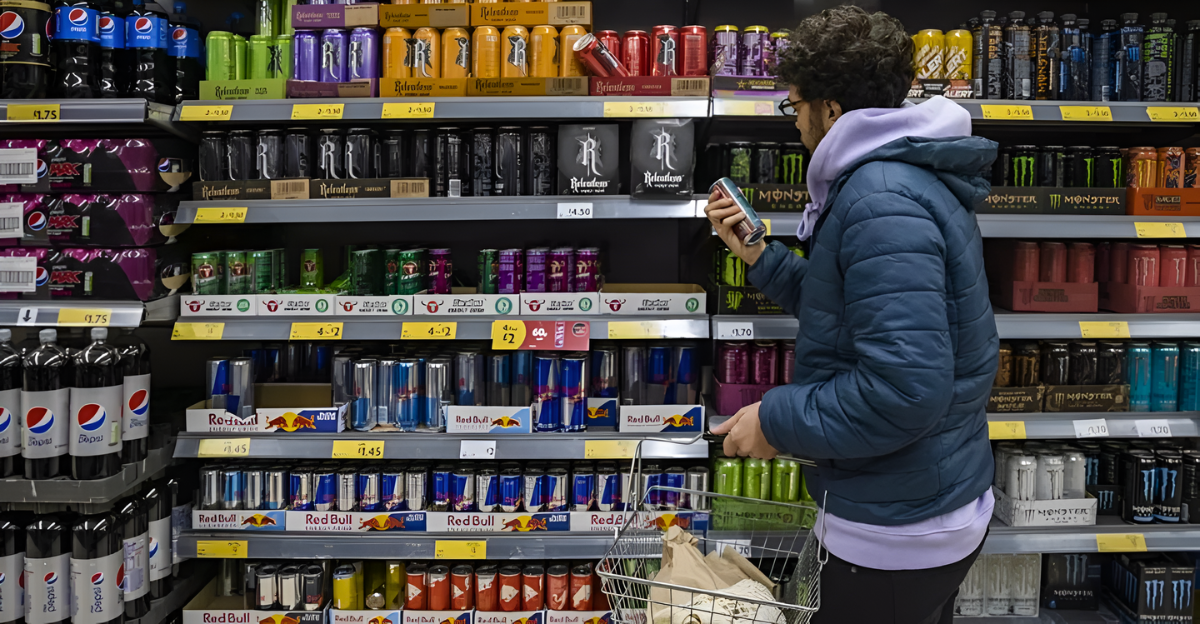
Some unsuspecting customers might have gotten more than their daily pickup when they sipped their energy drink, which wasn’t quite what they expected. The situation unfolded when a third-party supplier accidentally sent empty Celsius energy drink cans to High Noon, a leading vodka seltzer brand.
The U.S. Food and Drug Administration and both brands have rushed to alert the public, as concerns mount about unintentional alcohol ingestion, especially among teens and those avoiding alcohol for health or religious reasons.
The Brands Involved
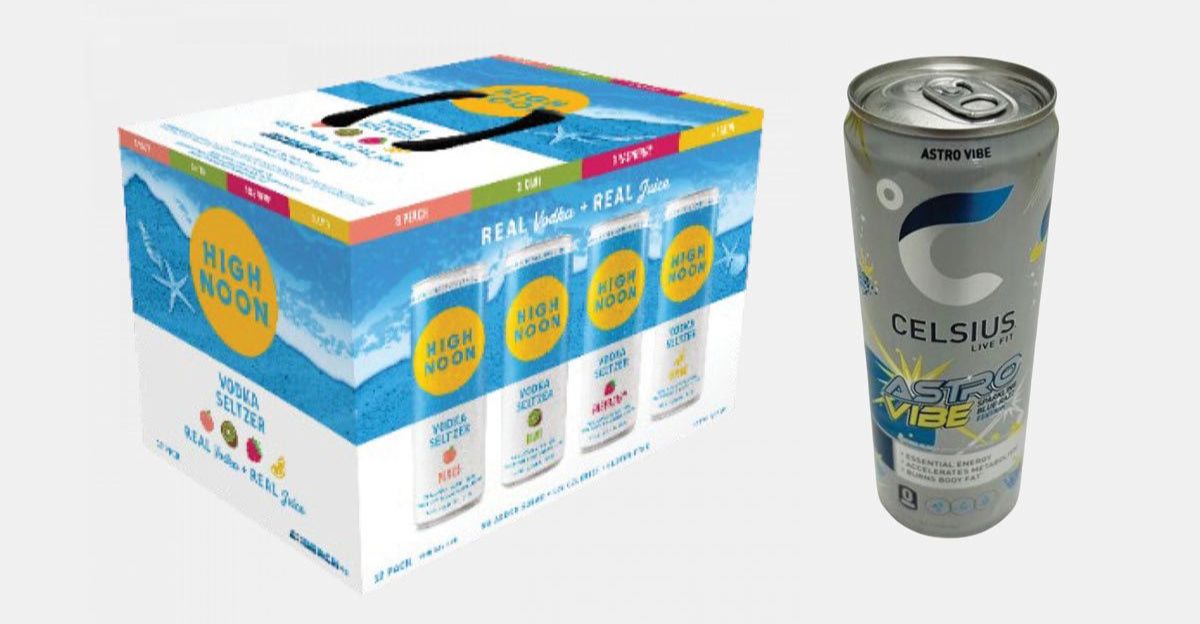
The recall has put two major beverage brands in the spotlight. Celsius is a well-known energy drink company favored for its functional beverages, which promise performance benefits and a caffeine kick without alcohol.
On the other hand, High Noon is a top-selling American brand owned by E & J Gallo Winery. It specializes in vodka-based hard seltzers crafted with real fruit juice and stands out for making its seltzers with genuine distilled vodka rather than the malt or cane sugar bases common in rival brands.
What Exactly Happened?
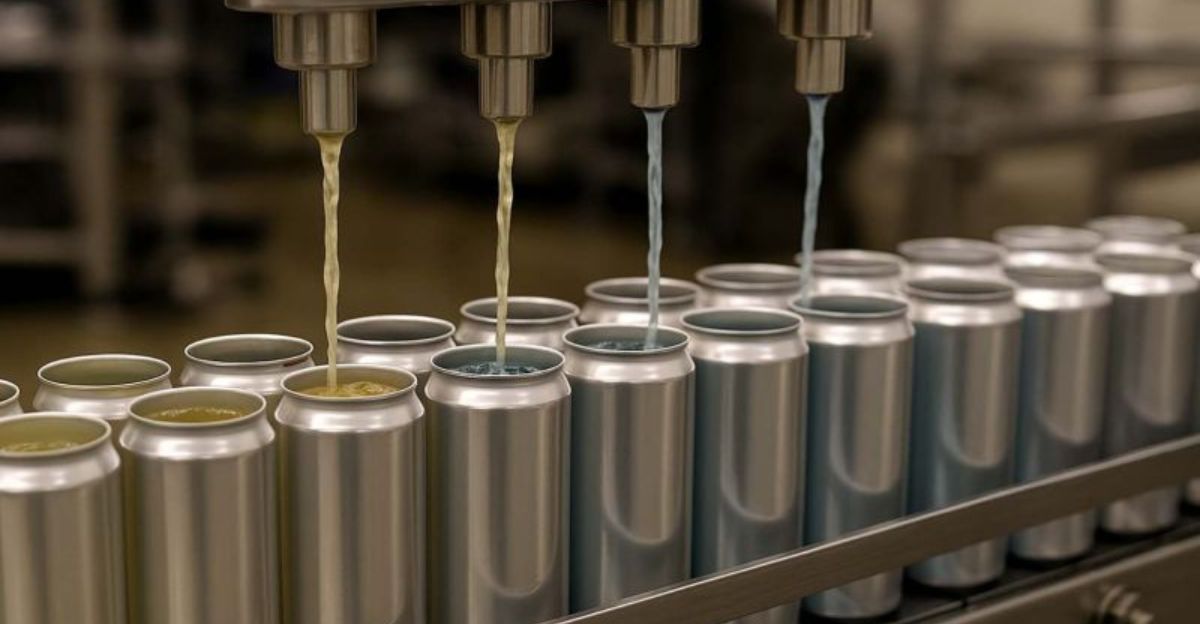
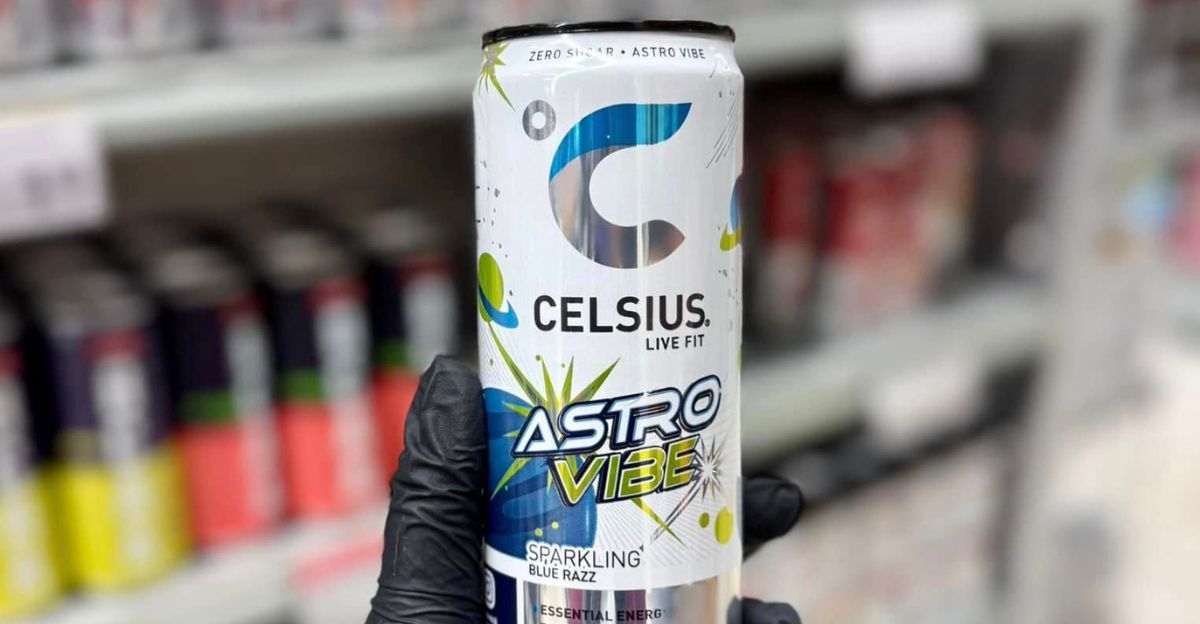
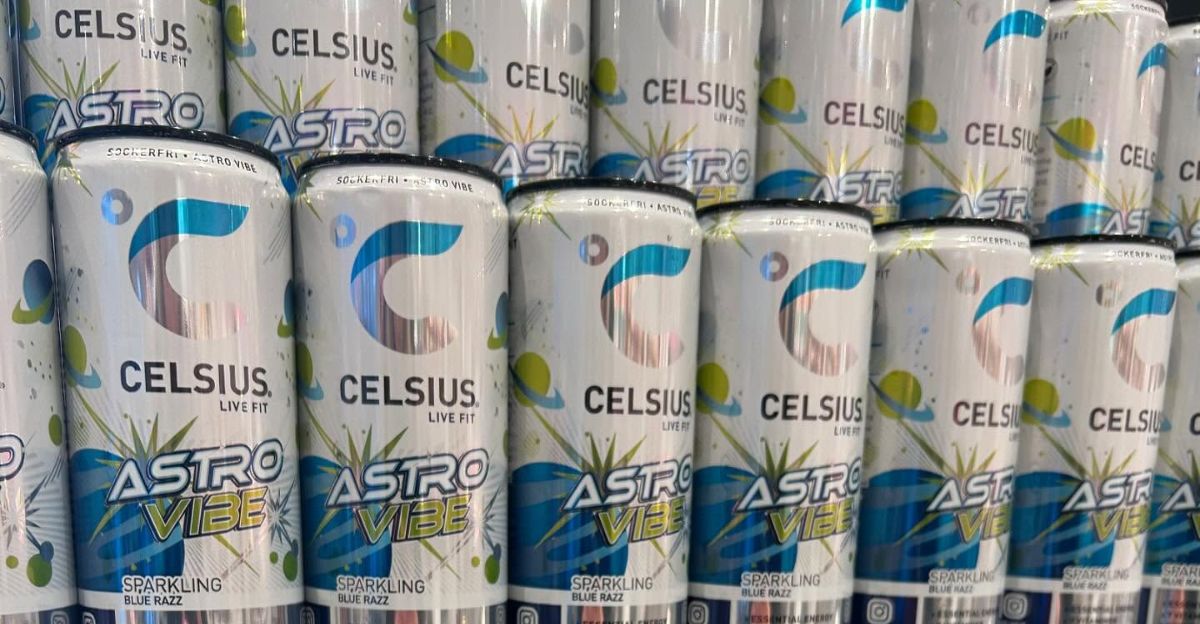
The mistake came in when the facility sent empty Celsius energy drink cans to High Noon’s production site. These cans, meant for nonalcoholic energy drinks, were then filled with vodka seltzer and packaged into High Noon’s popular Beach Variety 12-packs. Adding to the confusion, the mislabeled cans had a silver lid instead of the usual black lid used by Celsius, making detection tricky for consumers.
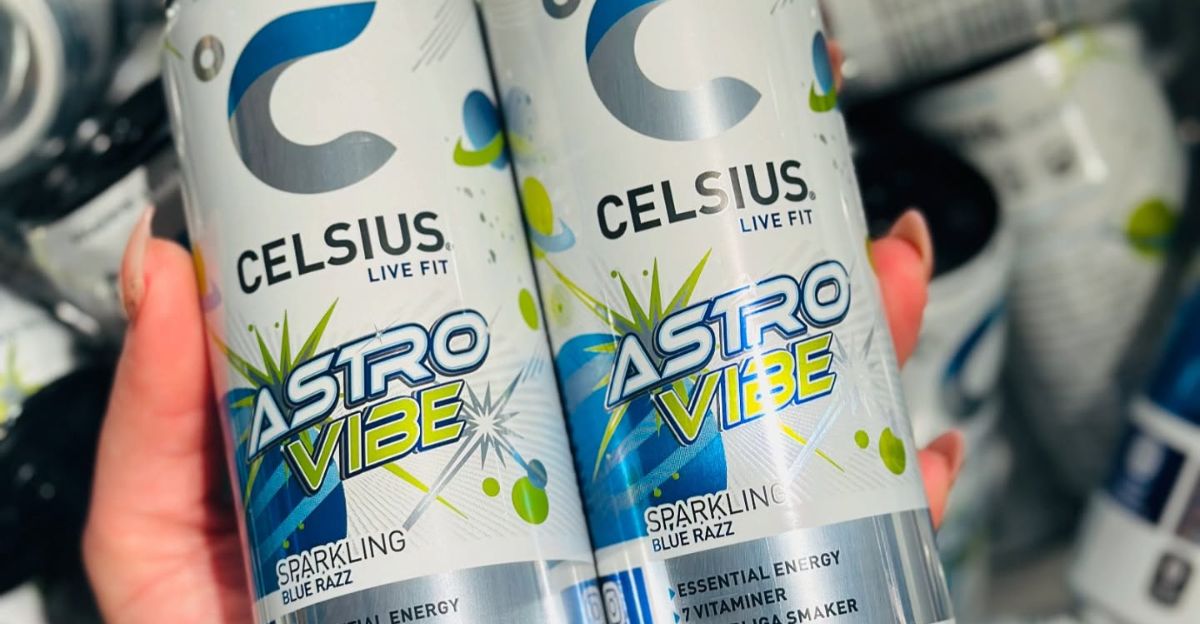
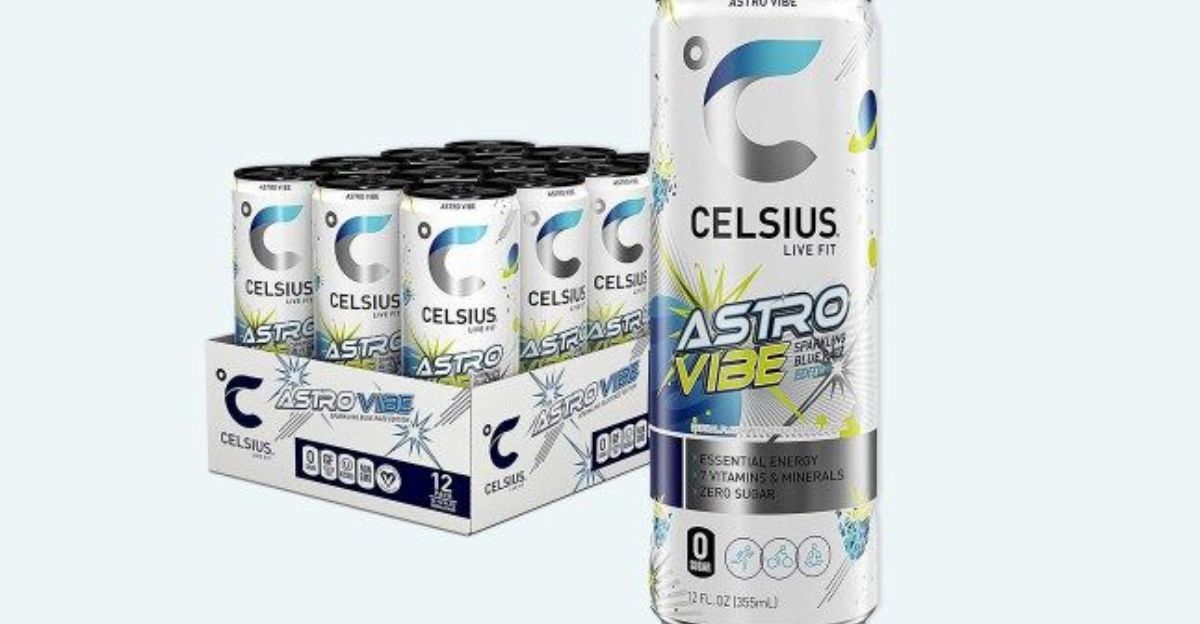
“Some of these packs contain cans that are filled with High Noon vodka seltzer alcohol and are mislabeled as CELSIUS® ASTRO VIBE™ Energy Drink, Sparkling Blue Razz Edition with a silver top,” the USFDA said.
Urgency of the Recall
Within days of discovering the error in late July 2025, High Noon and Celsius began working closely with the FDA to warn consumers nationwide about the risk of unintentional alcohol ingestion. The affected products, mainly the Celsius Astro Vibe Energy Drink, Sparkling Blue Razz Edition with silver lids and specific lot codes, were shipped to retailers in several states during a narrow window between July 21 and July 23, 2025.
These brands want to ensure that these contaminated drinks aren’t consumed by children, teens, or those who abstain from drinking without their knowledge.
The Scope of the Distribution
With approximately 48,000 cans affected and distributed across multiple U.S. states, these brands hope to get things under control sooner rather than later. Between July 21 and July 23, 2025, two production lots of High Noon Beach Variety 12-packs containing mislabeled Celsius Astro Vibe Energy Drink cans were shipped to retailers in Florida, Michigan, New York, Ohio, Oklahoma, South Carolina, Virginia, and Wisconsin.
Identifying Affected Products
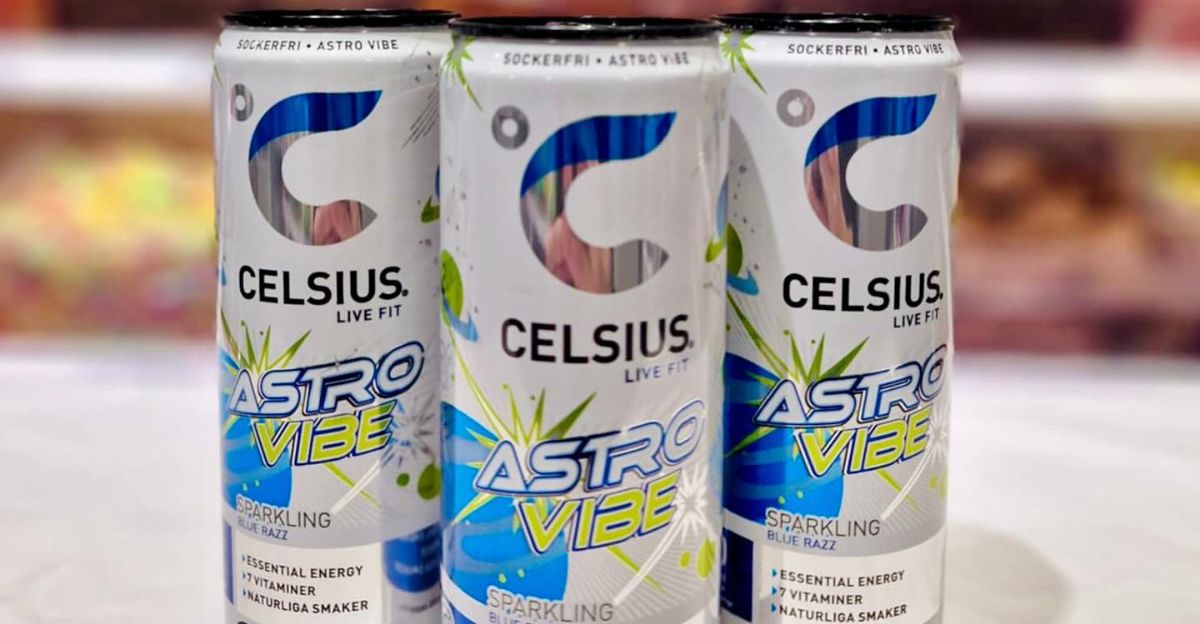
Consumers can identify the affected products primarily by checking lot codes, lid color, and packaging details. The recalled items are Celsius Astro Vibe Energy Drink, Sparkling Blue Razz Edition in 12-ounce cans, specifically marked with lot codes ranging from L CCB 02JL25 2:55 to L CCB 02JL25 3:11, visible on the bottom of the can. A distinctive feature is a silver lid, which deviates from Celsius’s standard black lid for this product.
“Check for the presence of a silver lid or the bottom of the can for lot codes L CCB 02JL25 2:55 to L CCB 02JL25 3:11; both are signs that the product is affected,” Celsius says.
No Reported Illnesses, Yet Concerns Persist
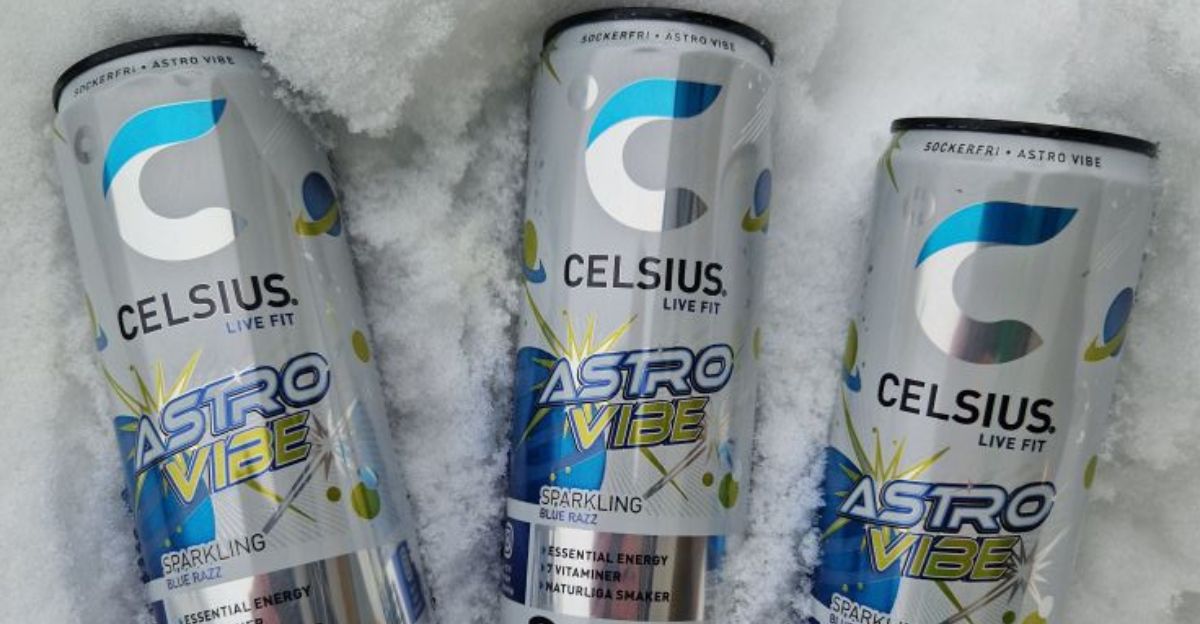
Although no illnesses or adverse health effects have been reported since the recall was announced, significant concerns persist among authorities, consumers, and the brands involved. The risk of unintentional alcohol ingestion is especially troubling for children, teenagers, those abstaining from alcohol, and individuals with medical conditions incompatible with alcohol use.
“Consumers are advised to dispose of the Celsius Astro Vibe energy drink, Sparkling Blue Razz Edition cans with the impacted lot codes, and not consume the liquid,” the USFDA said.
FDA’s Warning
The FDA has issued a prominent warning in light of the recall, urging consumers to be vigilant when purchasing or consuming Celsius Astro Vibe Energy Drink and High Noon Beach Variety Packs. The FDA advised consumers to identify the affected products by checking for silver lids and the designated lot codes.
If you discover a recalled can, the FDA recommends disposing of it immediately and contacting High Noon consumer relations for further instructions.
How Mistakes Like This Happen
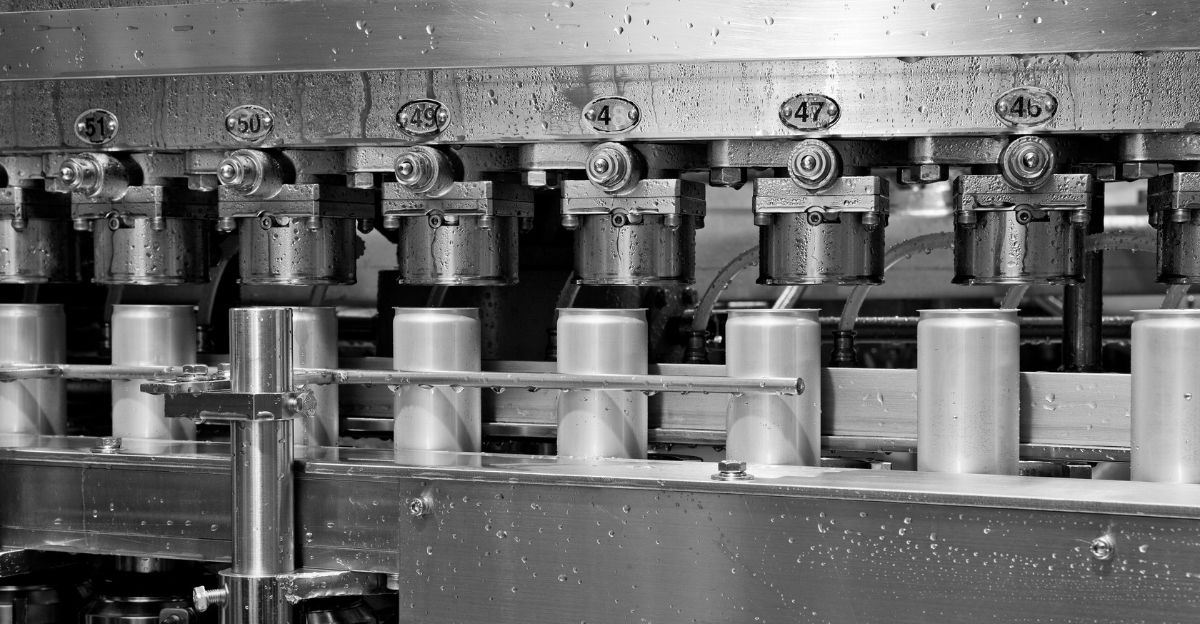
When multiple beverage brands operate in the same third-party facility, the risk of cross-contamination rises. In this case, Celsius energy drink cans were accidentally delivered and filled with High Noon vodka seltzer due to a breakdown in communication and distribution oversight at the packaging level.
Industry experts highlight that while safety protocols and barcode tracking systems are widely deployed, even a minor oversight can have far-reaching effects across product lines.
Why Food Recalls Are on the Rise
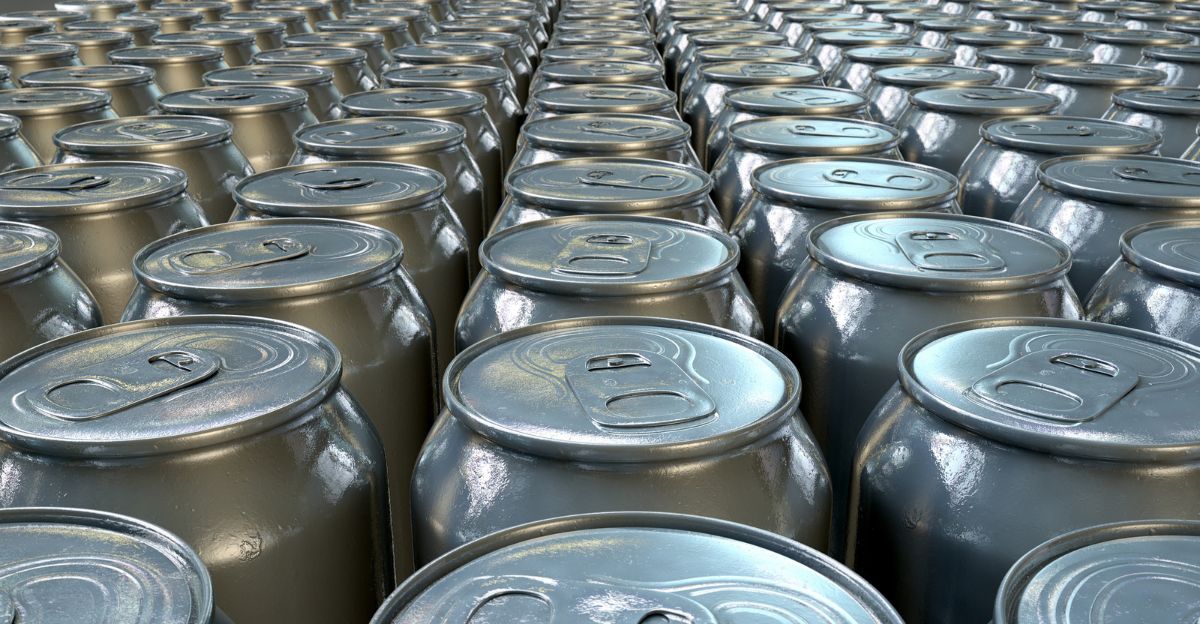
Increasingly complex supply chains create more opportunities for errors, while large-scale production runs mean one misstep can affect thousands of products across multiple states. Fragmented technologies and inconsistent safety standards are often the result of declining investment in advanced automation, which can also heighten risks.
According to Food Safety Net Services, “296 food products were recalled in the U.S. in 2024. Nearly 1,400 people were sickened. Hospitalizations jumped from 230 in 2023 to 487 in 2024, and deaths increased from 8 to 19 in the same period.”
Manufacturer’s Statement

In partnership with Celsius and parent company E&J Gallo Winery, High Noon quickly acknowledged the packaging error and issued a clear and transparent statement to reassure consumers. The manufacturer explained that the issue stemmed from a shared third-party can supplier mistakenly shipping empty Celsius Astro Vibe energy drink cans to High Noon’s production facility.
“We are working with the FDA, retailers, and distributors to proactively manage the recall to ensure the safety and well-being of our consumers,” said Gallo spokesperson Krista Fontana.
Implications for Children and Teens
Adolescents are particularly vulnerable as their brains are still developing into their mid-twenties, and exposure to alcohol at this stage can result in long-term emotional and cognitive problems. The risk is compounded in this particular recall scenario, given that children and teens are more likely to consume energy drinks, not expecting any alcohol content.
Impact on Non-Drinkers
Non-drinkers may rely on clear labeling to make safe choices, and a mistake like this undermines that trust, exposing them to potentially distressing situations and health risks. For someone in recovery or with medical contraindications to alcohol, unintentional ingestion could lead to serious consequences ranging from physical illness to emotional distress.
Not to mention, religious and ethical abstainers can be affected both personally and socially if they unknowingly consume an alcoholic product.
Retailers Respond
Upon receiving notification, stores in affected states began pulling the implicated High Noon Beach Variety 12-packs and mislabeled Celsius Astro Vibe cans from shelves and distribution centers. Many major chains, including CVS, advised customers to return the affected products for a full refund, making customer safety and transparency a clear priority.
Retailers also updated their staff on recognizing the Silver-lidded, recalled cans and assisted in spreading the word about the recall through in-store notices, email alerts, and social media outreach.
The Importance of Lot Numbers
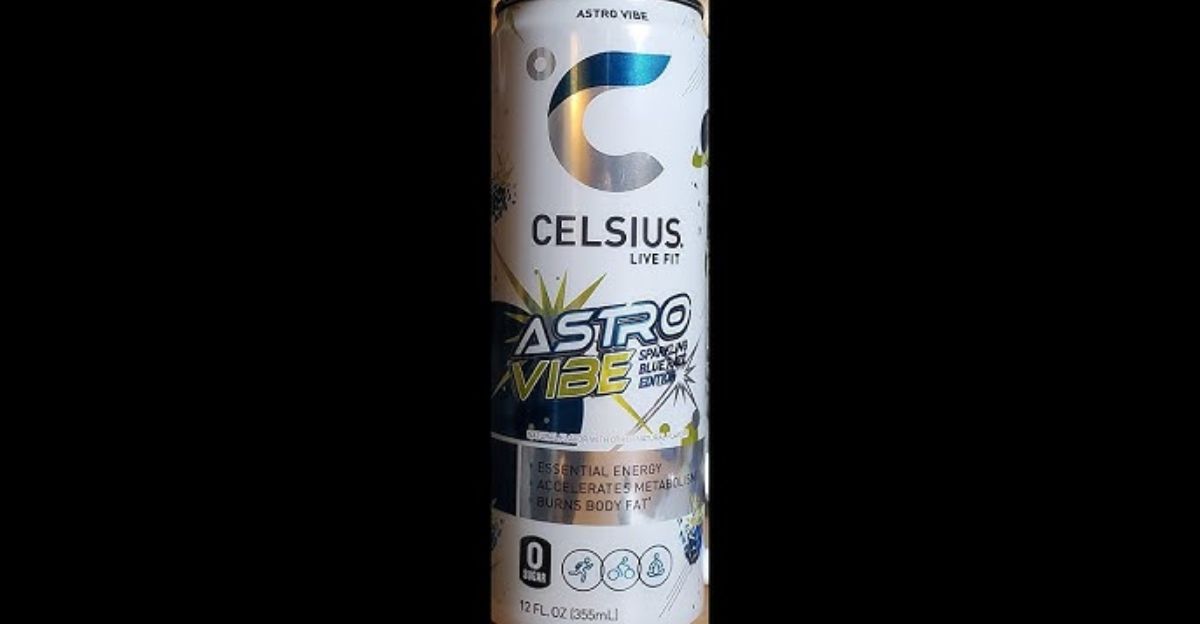
Lot numbers, which are laser-etched onto the bottom of each can or printed on packaging, allow manufacturers, retailers, and consumers to accurately identify batches involved in a recall and distinguish them from unaffected products.
These lot codes guided the recall response, making it possible for consumers to know whether a particular can posed a risk and could be safely consumed or should be discarded.
What to Do If You Have Affected Drinks
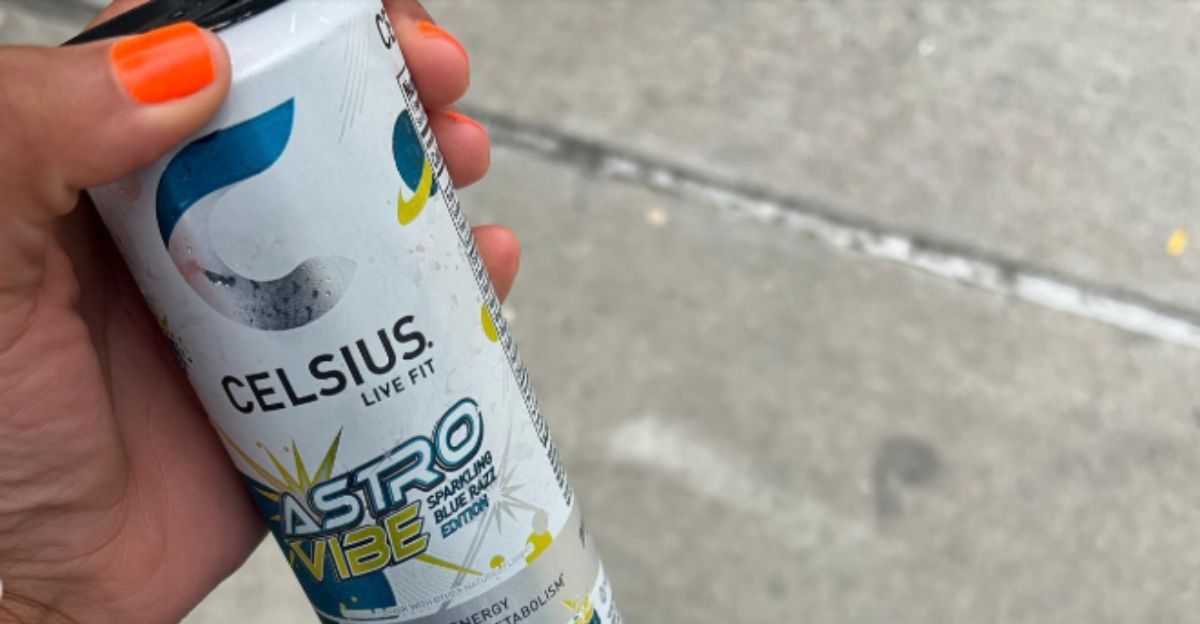
If you have any of these drinks in your possession, it is recommended that you dispose of them immediately. You are encouraged to contact High Noon Consumer Relations for details on obtaining a refund or further instructions. This recall has the official backing of the FDA, and following these safety steps is crucial to prevent unintentional alcohol ingestion and related health risks.
Preventing Future Recalls
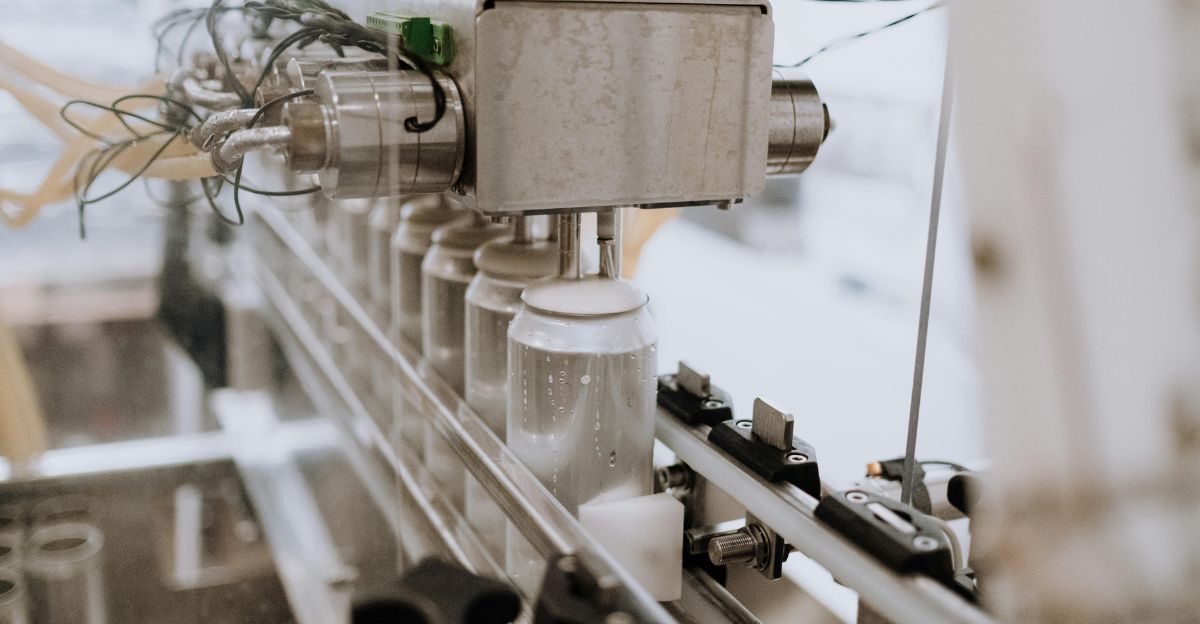
While this isn’t something that happens often, it can happen, and there is always some risk of contamination, no matter the case. Manufacturers can minimize risks by regularly ensuring that batch tracking and lot traceability are fully integrated and up-to-date, and strictly adhering to labeling protocols to prevent misidentification.
Commitment to ongoing staff training, collaborative safety culture, and clear crisis management plans further reduces the chance of mistakes slipping past internal controls.
Regulatory Oversight
The FDA has the authority to monitor, support, and, if necessary, mandate product recalls for any food or beverage that poses a risk to public health. While manufacturers initiate most recalls voluntarily, the FDA can order a mandatory recall if a company fails to act. The FDA and the Alcohol and Tobacco Tax and Trade Bureau (TTB) have supervised the recall, ensuring all legal and safety protocols are followed.
A Wake-Up Call for Packaging Safety
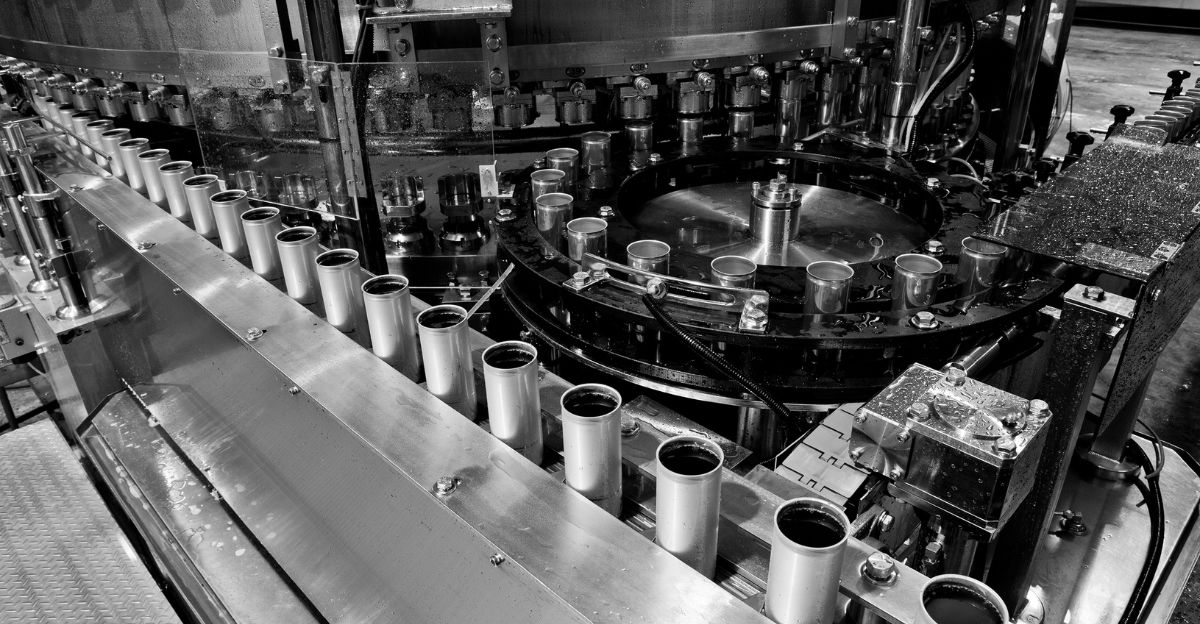
This recall has served as a dramatic wake-up call for the beverage industry regarding packaging safety. The scale and reach of the recall demonstrate the potential consequences when quality assurance systems or communication channels fail, especially in environments where multiple brands are packaged side by side.
Going forward, experts emphasize the necessity for tighter controls, more rigorous staff training, increased automation, and advanced tracking technologies to safeguard against similar mistakes.
Impact on Reputation and Revenue
A mix-up like this can cause potential loss of consumer trust, which can take years to rebuild. Brand loyalty hinges on the perception of safety and reliability, and even a single mix-up can erode goodwill painstakingly earned over time.
The direct losses from returned products, costly logistics to remove items from shelves, regulatory penalties, and possible legal action can cause a lot of damage to the company financially.