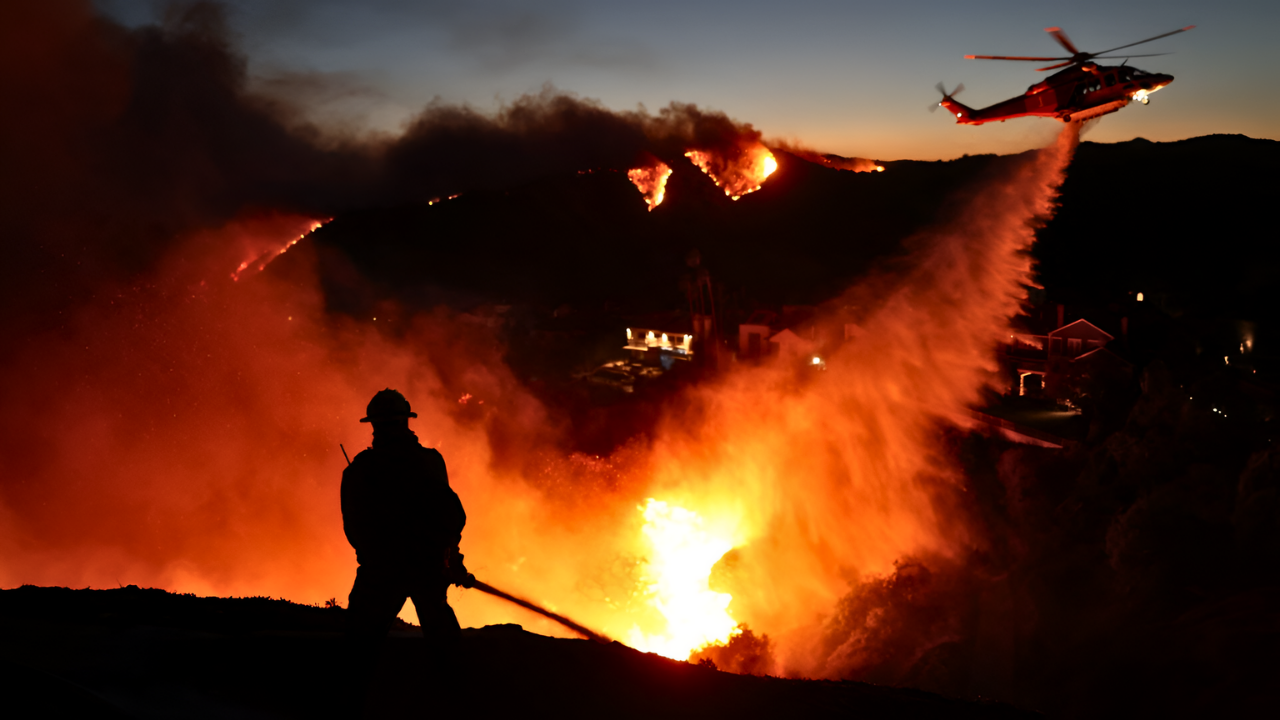
Exactly one year after the devastating Palisades and Eaton wildfires in January 2025, Los Angeles County is still grappling with the aftermath. These fires, which killed 31 directly and potentially up to 440 more through indirect effects, devastated communities.
Red Flag warnings were issued again on January 6, 2026, with Santa Ana winds forecasted to hit nearly 100 mph, posing another grave threat to the region.
Winds and Drought Combined for Disaster
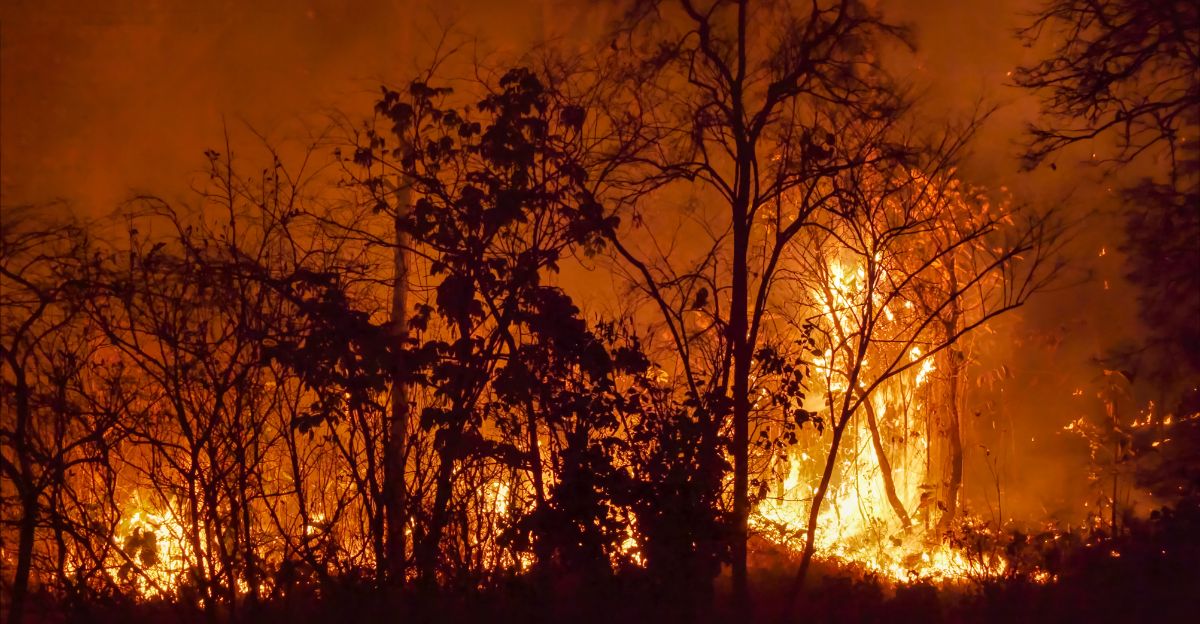
The 2025 fires were fueled by fierce Santa Ana winds reaching speeds of 100 mph, exacerbated by years of drought.
Red Flag warnings were issued due to these extreme conditions, creating a dangerous fire weather pattern. The Palisades Fire ignited at 10:30 AM on January 7, 2025, while the Eaton Fire started later that evening at 6:17 PM, both escalating rapidly under the fierce winds.
200,000 Evacuations in 48 Hours
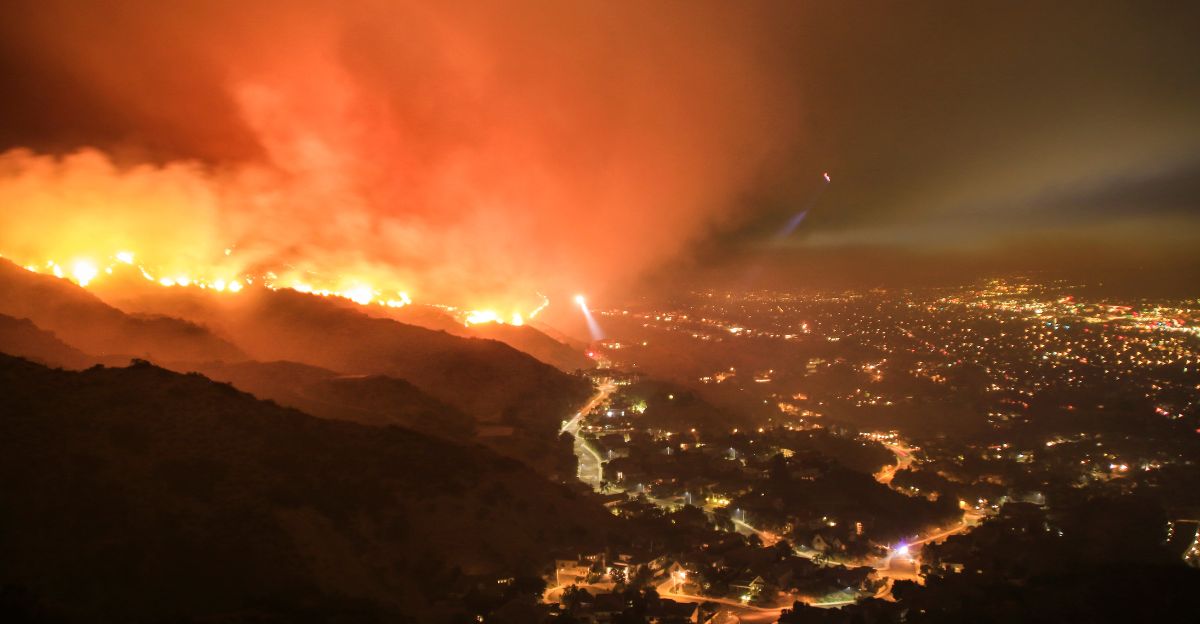
More than 200,000 people were displaced as the fires wreaked havoc on Los Angeles County. Residents in affected areas had little time to react as the Palisades Fire grew at a terrifying rate, consuming three football fields of land per minute.
Power outages impacted 414,000 Southern California Edison customers, adding to the chaos during the fires’ peak.
Rebuilding the Burned Communities
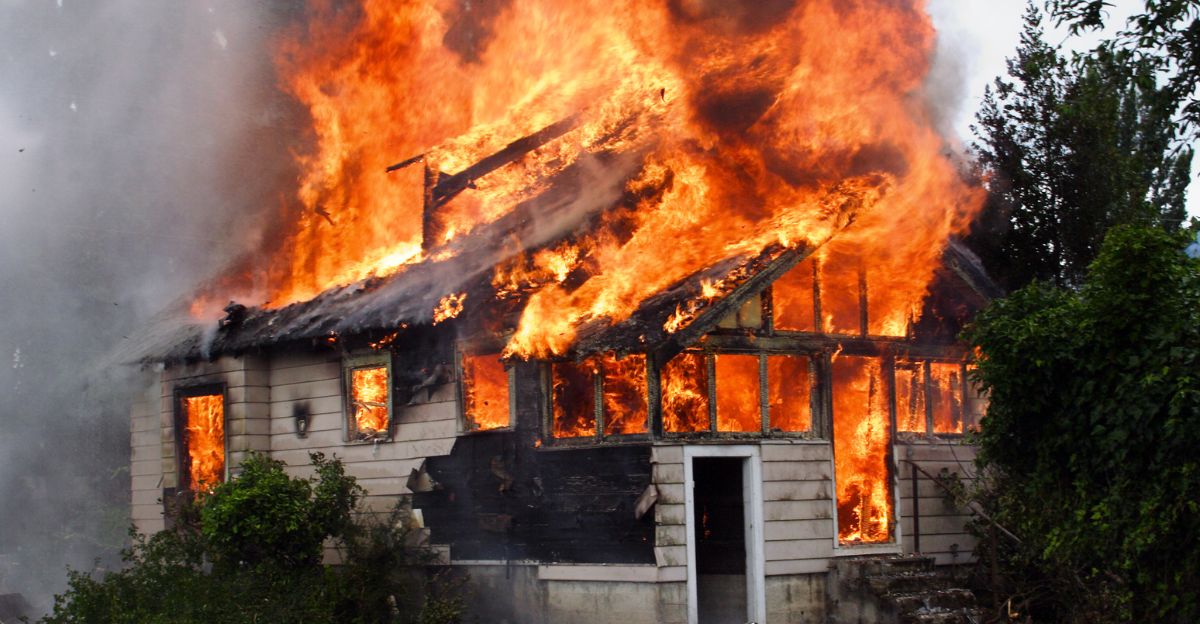
One year after the fires, many families are still deciding whether to rebuild. Governor Gavin Newsom’s executive orders accelerated the permitting process, making it three times faster than usual, ensuring a smoother path to rebuilding in Pacific Palisades and Altadena.
However, the emotional toll remains as residents navigate the slow pace of recovery.
Fire-Resistant Materials in High Demand
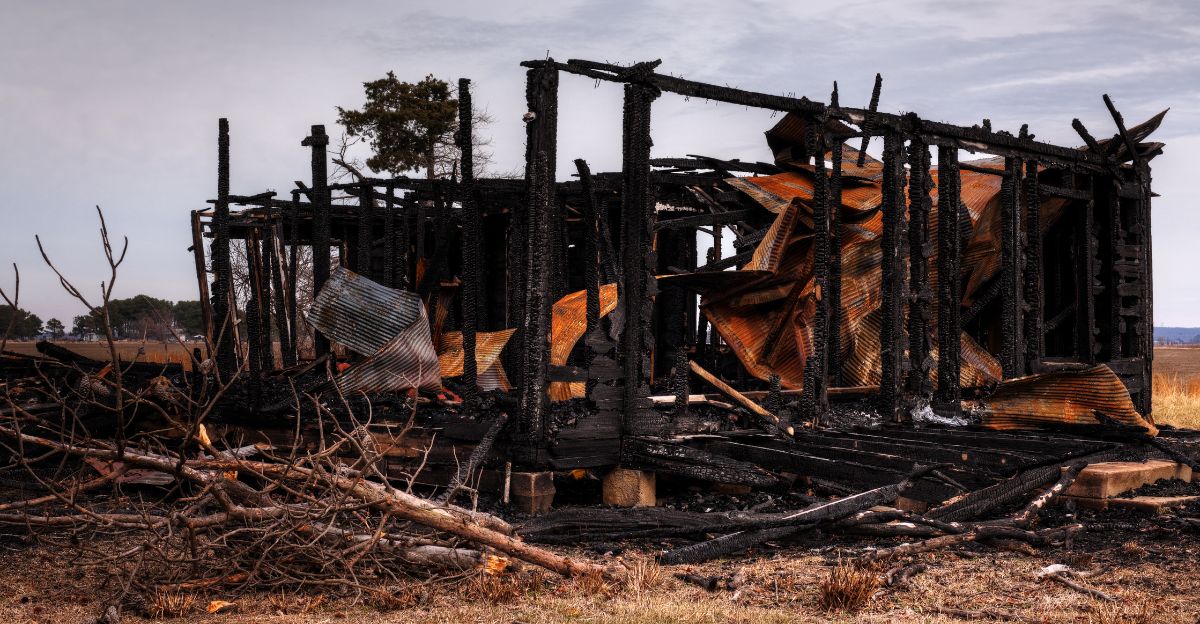
As the rebuilding effort intensifies, the demand for fire-resistant building materials has surged. Over 6,000 rebuilding applications have been submitted in just one year.
Newsom’s $4 million in funding for permitting acceleration and additional aid for schools demonstrates the state’s commitment to replacing the 16,000 structures destroyed by the fires.
Supply Chain Strain from Rebuild Efforts
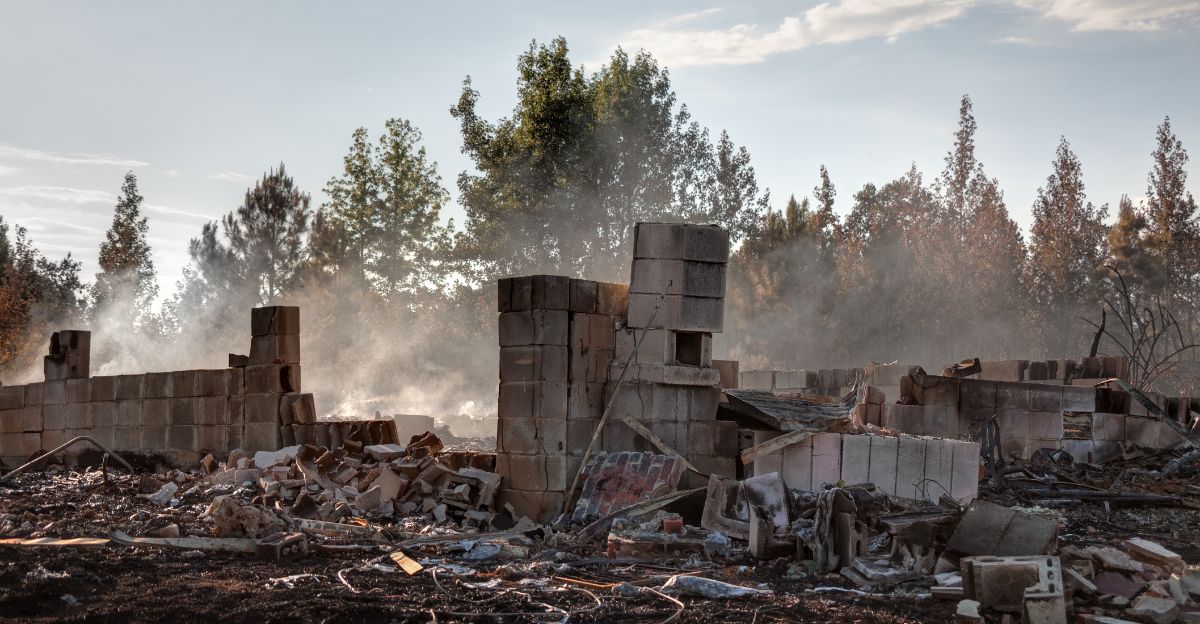
The scale of destruction—57,529 acres burned—has strained supply chains, making construction materials harder to come by.
State funding of $2.5 billion has been instrumental in supporting recovery, but supply chain challenges persist, with regional building codes also shifting to meet fire-resistant standards as Los Angeles County recovers.
A Heroic Battle Against the Flames
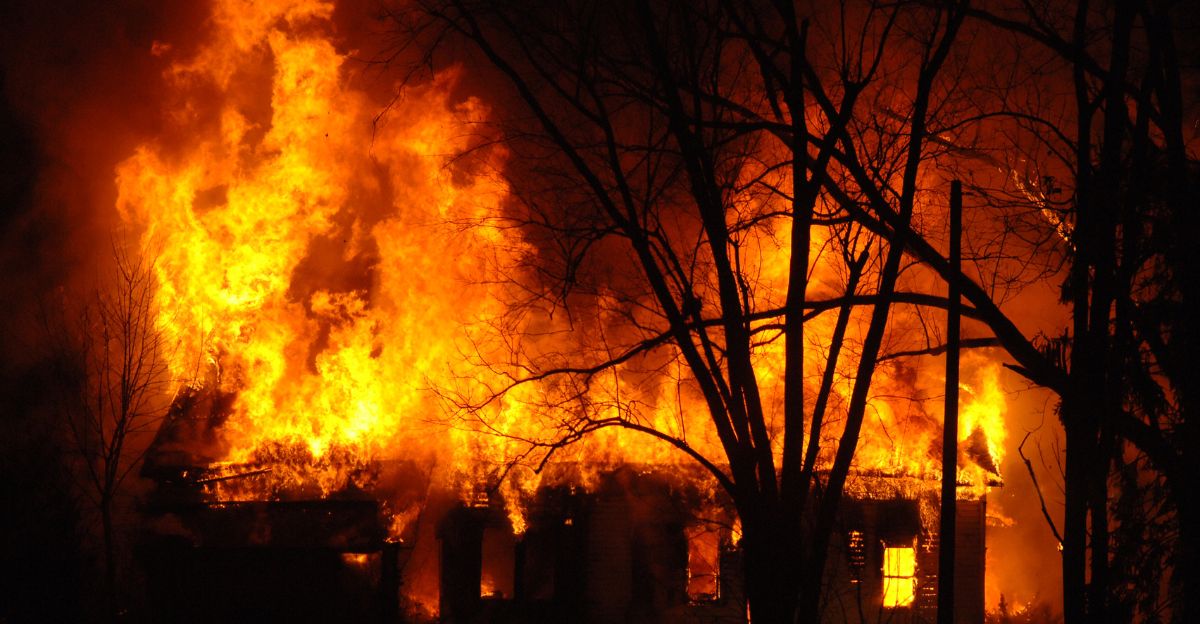
Over 16,000 firefighters, including 2,500 members of the National Guard, fought tirelessly to contain the blazes.
Despite these efforts, the fierce winds grounded many firefighting aircraft, overwhelming the initial response. Resources had been pre-positioned in anticipation of the fires, but the extreme conditions pushed the teams to their limits.
Governor Newsom’s Emergency Actions
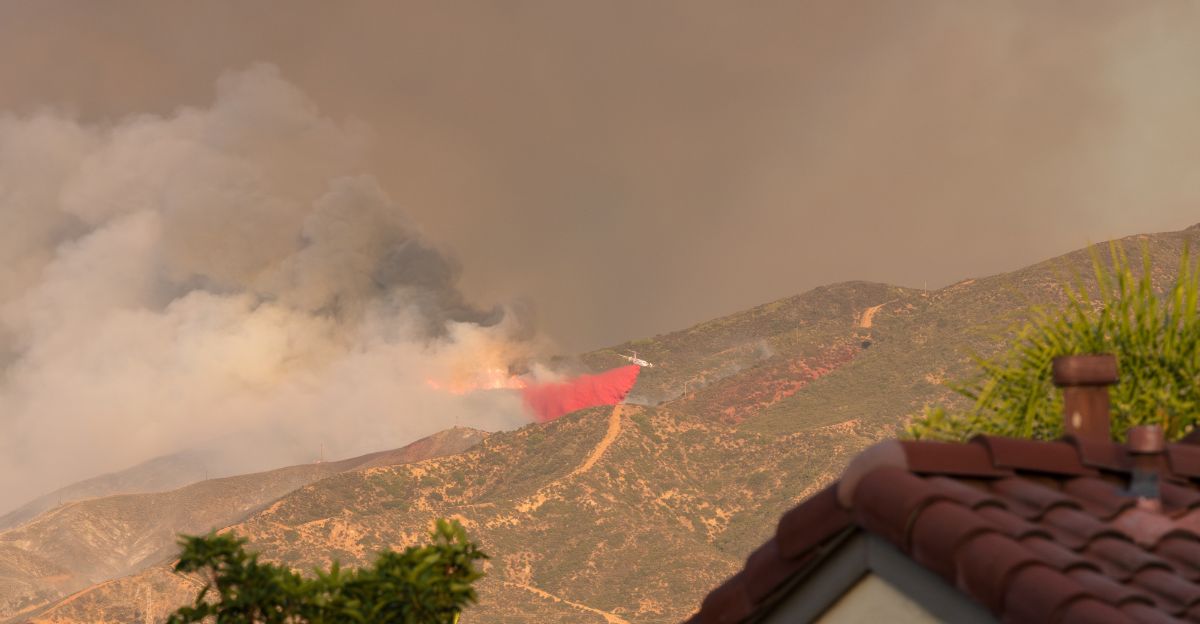
In response to the fires, Governor Newsom declared a state of emergency and secured a Major Disaster Declaration from President Biden.
This led to $2.5 billion in state legislation, funding the largest disaster response operation in California’s history. Cleanup efforts were immense, with 2.5 million tons of debris removed in a record-breaking cleanup effort.
Economic Impact Shatters Records
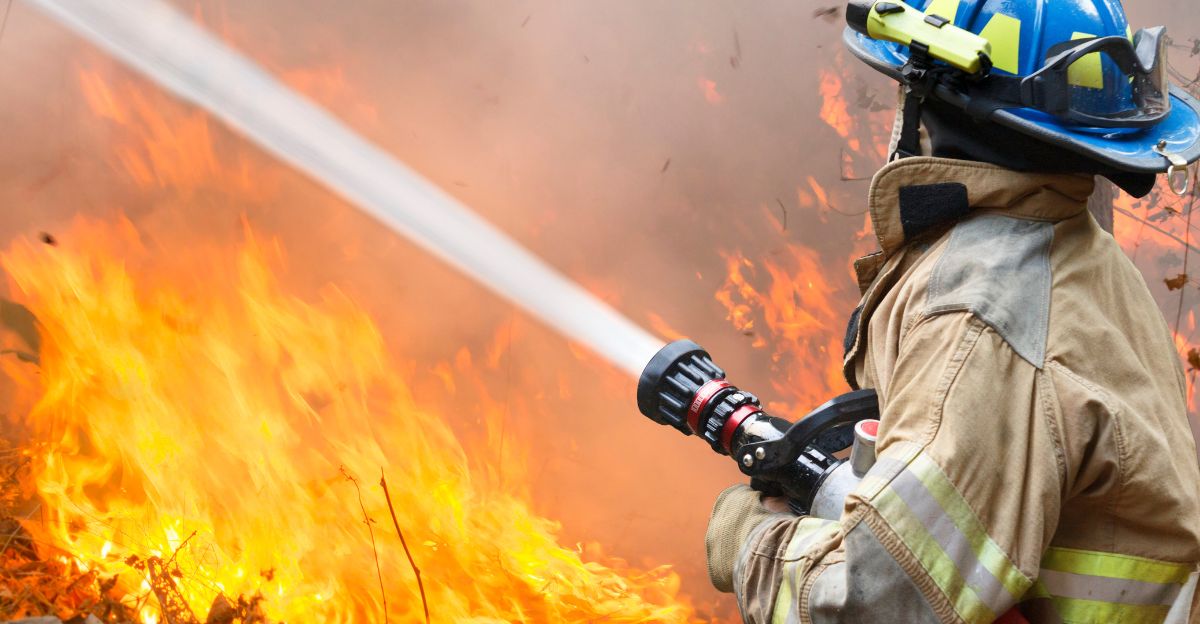
The fires caused a staggering $250–275 billion in economic losses, making it one of the most expensive disasters in U.S. history.
Infrastructure damage and the cost of debris removal placed enormous strain on local budgets. Over 10,000 fire-damaged properties required immediate cleanup to prevent further destruction.
Air Quality Crisis and Health Risks
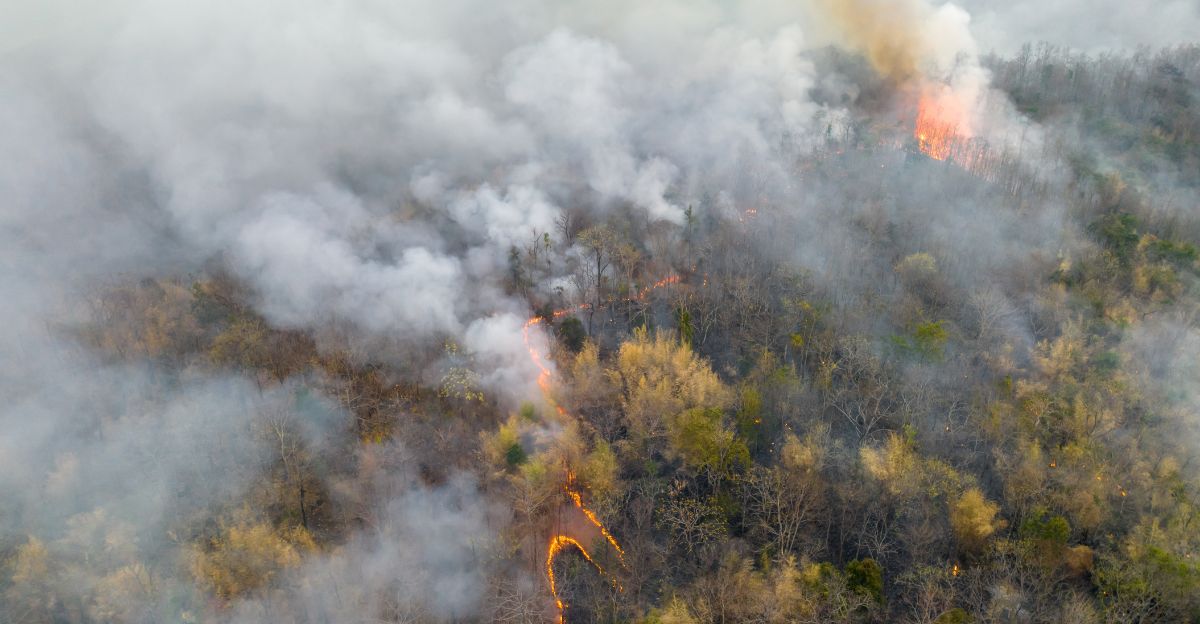
The fires had a severe impact on air quality, with up to 440 deaths linked to smoke inhalation, according to a study from Boston University.
Residents in areas like Malibu and Pasadena were forced to use HEPA filters as hazardous air quality levels continued to make breathing difficult for thousands across Southern California.
A Shift Toward Sustainability and Preparedness
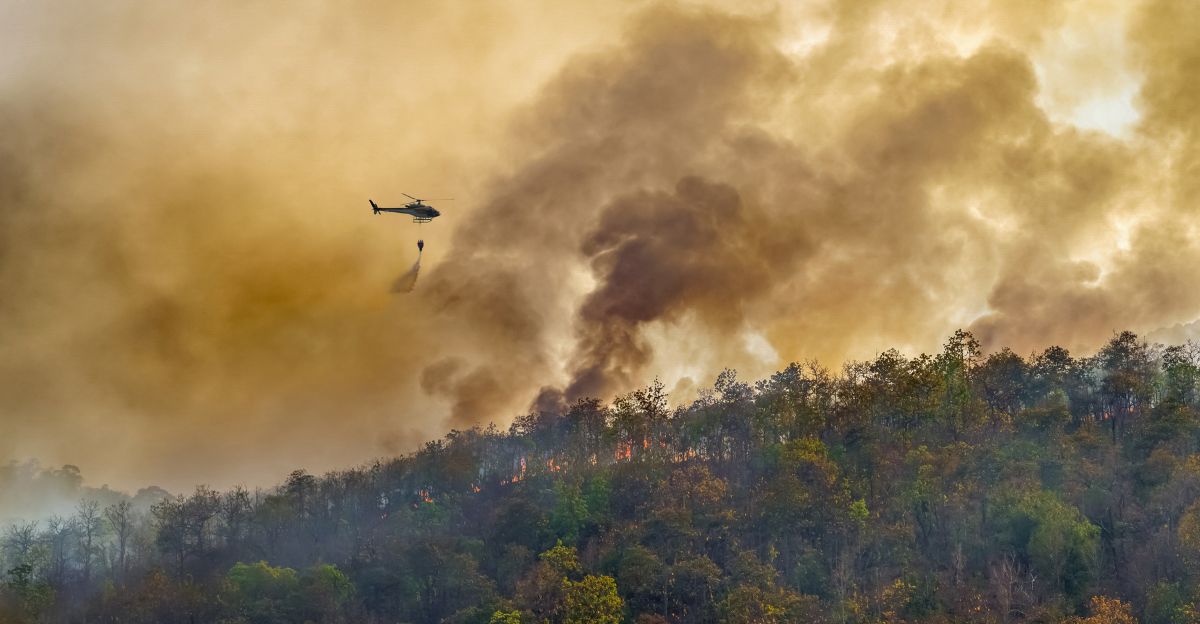
The fires prompted a reevaluation of California’s approach to wildfire management. Governor Newsom increased CAL FIRE’s budget to nearly double its previous funding.
This move, alongside a growing demand for better forest management, reflects the need for long-term climate adaptation to reduce the risks of future wildfires.
California’s Global Fire Crisis
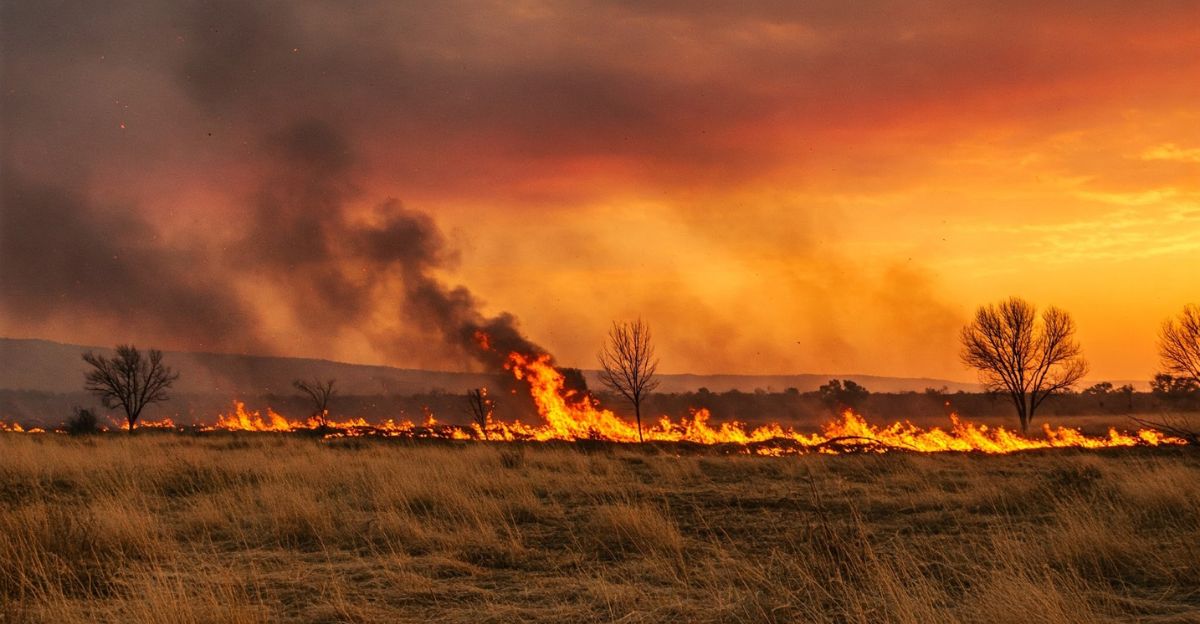
The 2025 fires garnered worldwide attention, serving as a stark reminder of the climate risks faced by the U.S. West Coast.
As Los Angeles and its neighboring counties reeled from the loss of over 16,000 structures and 31 confirmed deaths, the global community took notice of the growing vulnerability to wildfires.
Historic Cleanup Efforts Underway
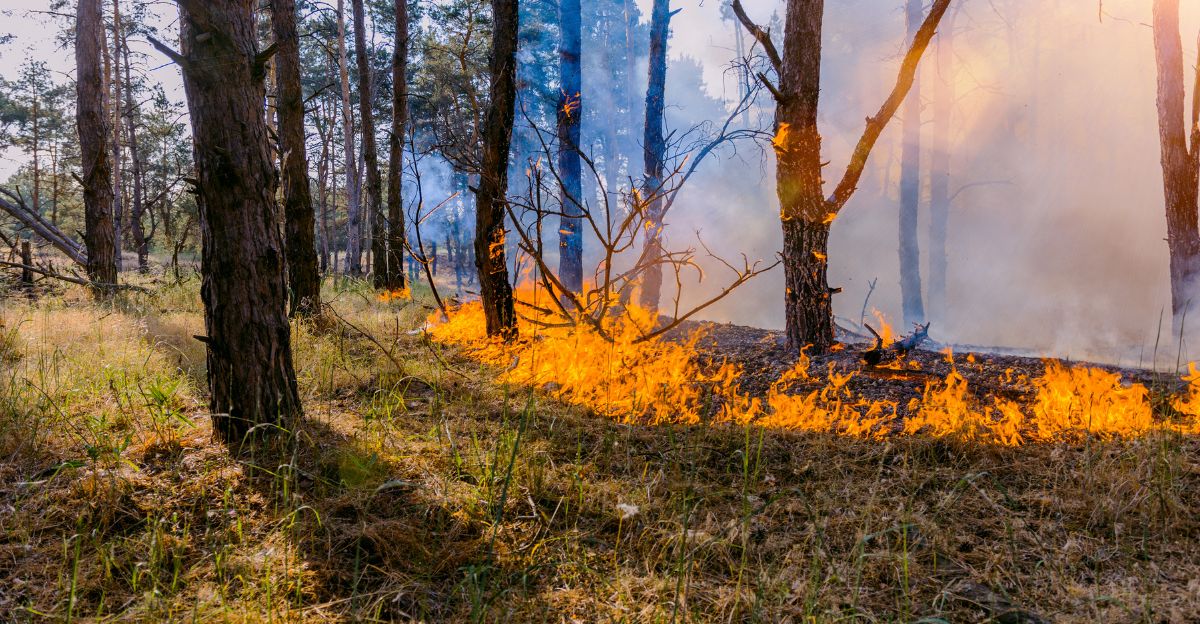
In the aftermath of the fires, the U.S. Army Corps of Engineers and hazmat crews led the largest and fastest disaster cleanup in U.S. history.
By mid-2025, they had cleared 5.5 billion pounds of debris from over 10,000 parcels, making it the quickest major disaster cleanup in American history.
The Long Road to Recovery
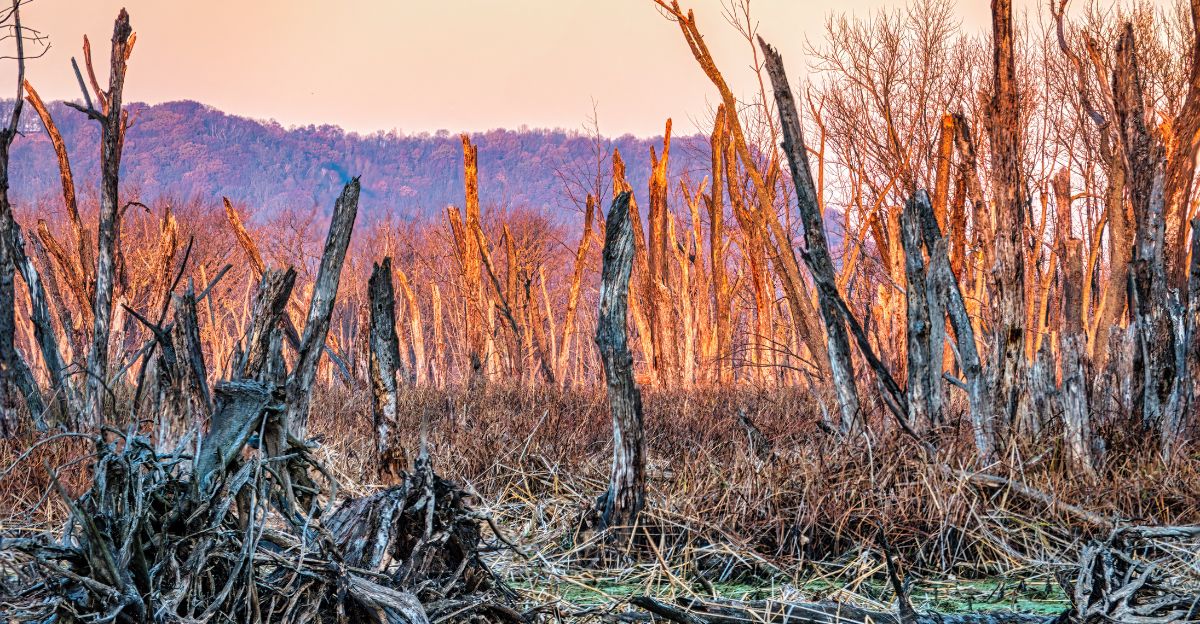
One year on, only a fraction of the destroyed homes have been rebuilt. Permits are still under review, and many survivors remain uncertain about when they will be able to return to their homes.
With Newsom’s support, expedited rebuilding processes continue, but the emotional and financial challenges of recovery persist.
The Ongoing Battle for Resilience
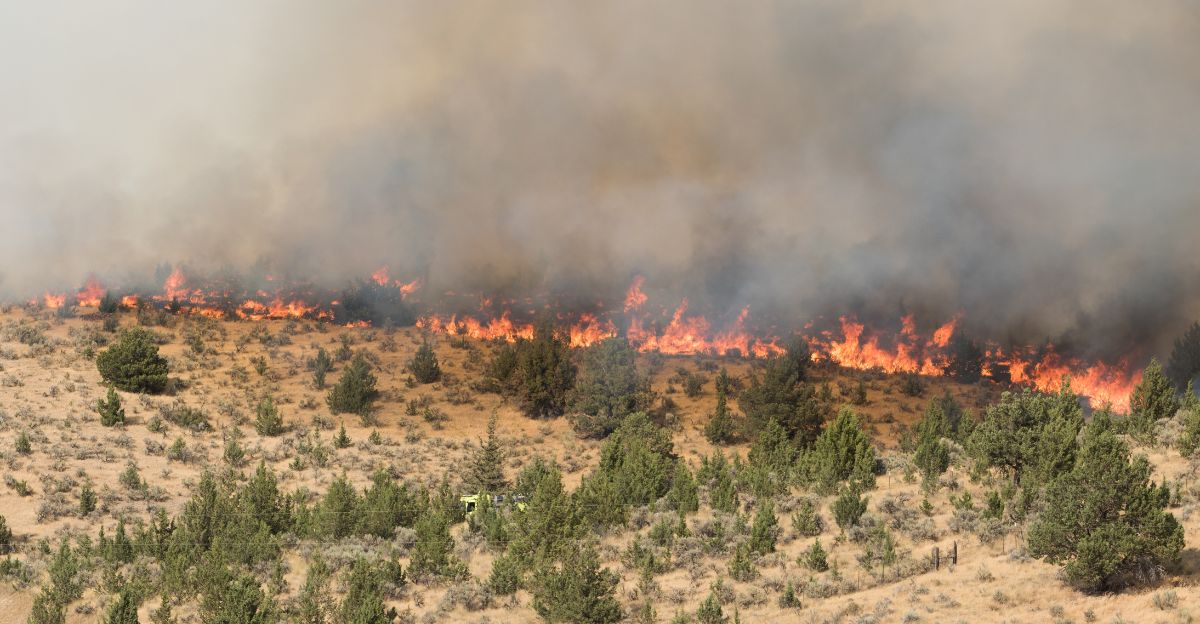
The past year has shown just how much work remains in California’s recovery from the 2025 fires. While state resources have doubled, and cleanup efforts have set records, many survivors are still struggling.
The anniversary serves as a reminder of the urgent need for climate resilience and better preparedness to prevent future losses.
Sources:
“January 2025 Southern California wildfires.” Wikipedia, 2025.
“Excess Deaths Attributable to the Los Angeles Wildfires of January 2025.” American Medical Association / Boston University School of Public Health, Aug 2025.
“Estimated cost of fire damage balloons to more than $250 billion.” Los Angeles Times, 24 Jan 2025.
“One year after Los Angeles firestorms, California continues all-of-government community recovery work.” Office of Governor Gavin Newsom, 5 Jan 2026.