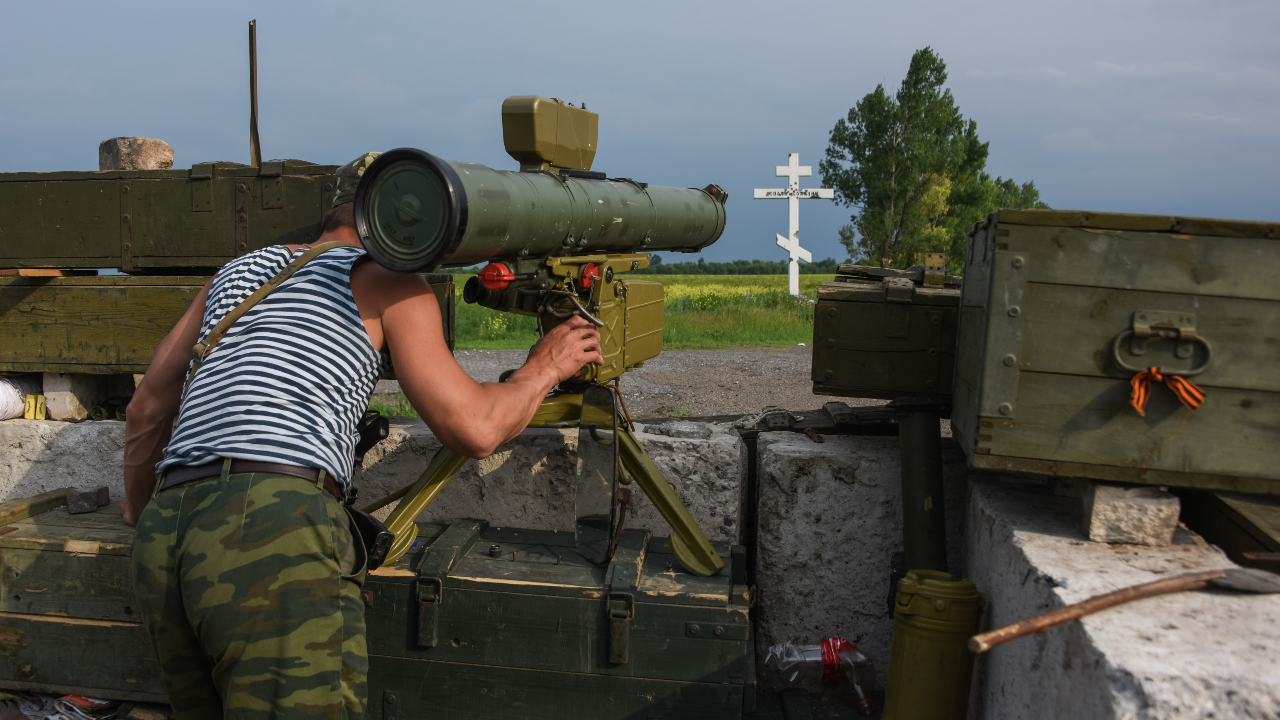
Before dawn on September 7, 2025, three sudden flashes lit up the sky over occupied Luhansk. By sunrise, a key Russian air-defense site had been reduced to wreckage—a radar, a missile launcher, and a reload vehicle all destroyed in a single, coordinated strike. Ukraine’s Omega Special Operations unit, working with Defence Intelligence, had just delivered a blow that reverberated far beyond the battlefield.
A Precision Assault on Russian Defenses
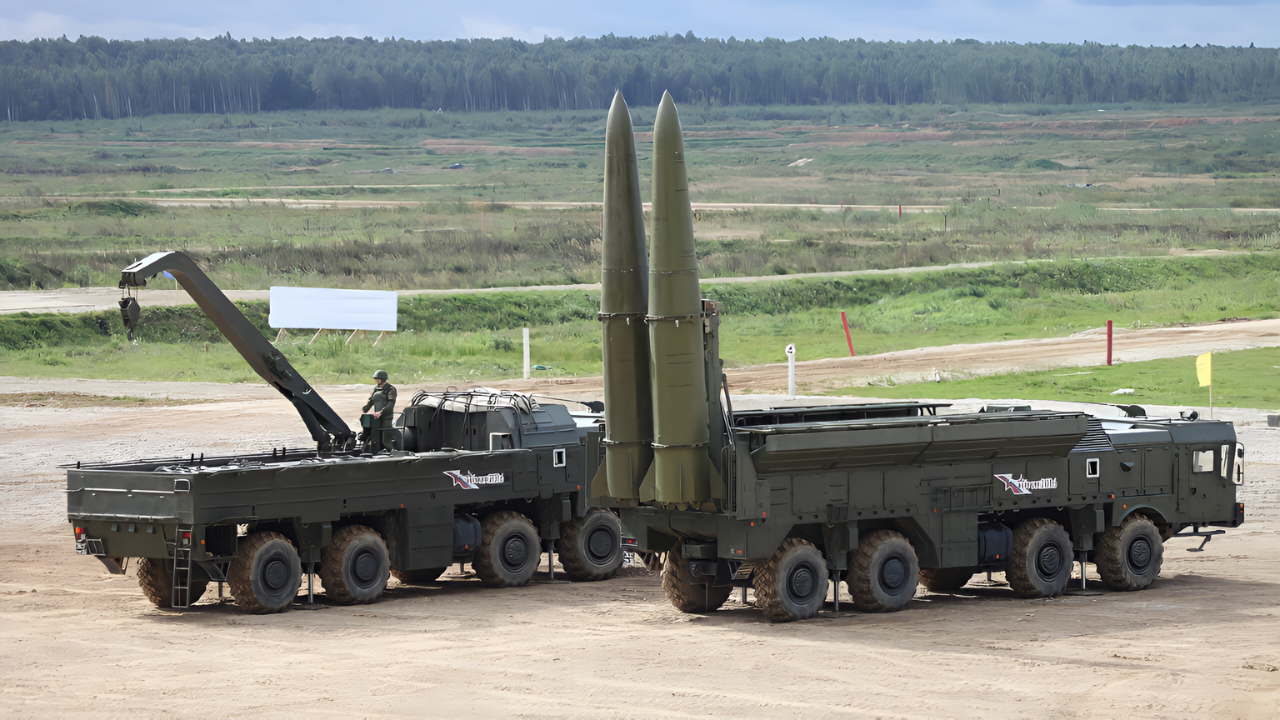
The operation targeted three critical components of Russia’s integrated air-defense network: the 9S18 Kupol radar, a Buk surface-to-air missile system, and a 9K37 launcher-loader. Each played a distinct role in shielding Russian positions from aerial threats. Ukrainian forces, guided by real-time intelligence and meticulous planning, struck all three assets in rapid succession. “It was a textbook example of coordination and timing,” said Colonel Serhiy Bondarenko, a local commander familiar with the operation. “We knew we had a narrow window to hit all elements before they could relocate or respond.”
Blinding the Buk: Tactical Impact
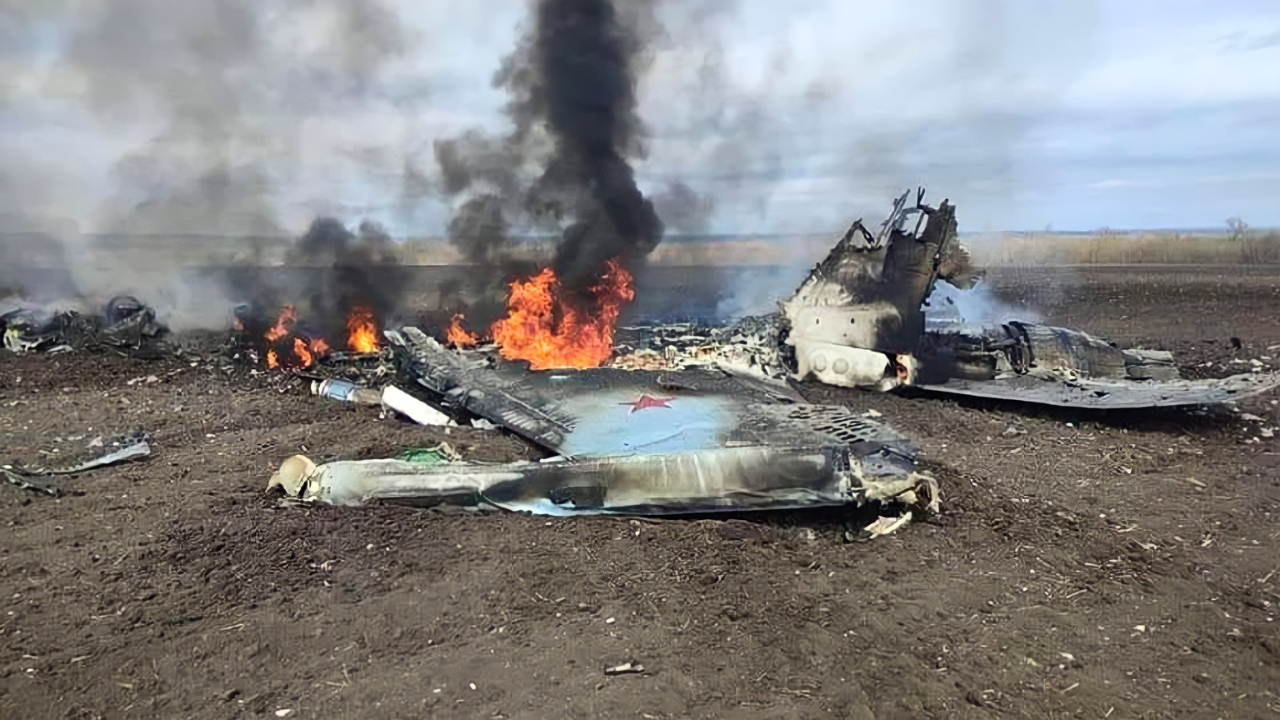
The 9S18 Kupol radar, often called the “eyes” of the Buk system, scans for incoming aircraft and missiles across a range of up to 120 kilometers. Its destruction instantly blinded Russian air defenses over an area roughly the size of Vermont and New Hampshire combined. Without the radar, the Buk launcher lost its ability to detect and engage targets, leaving Russian positions exposed. The loss of a single launcher and its loader meant 12 interceptor missiles were wiped out—enough to disrupt defenses against a medium-sized drone or missile swarm.
For Ukraine, the strike removed a major threat from the skies. For Russia, it created a sudden vulnerability in what was supposed to be an unbroken shield. “Every time a radar goes down, it’s not just hardware lost—it’s a gap in our situational awareness,” explained Dr. Pavel Ivanov, a Moscow-based military analyst. “Crews must scramble to reposition, and the network’s reliability suffers.”
Financial and Strategic Consequences
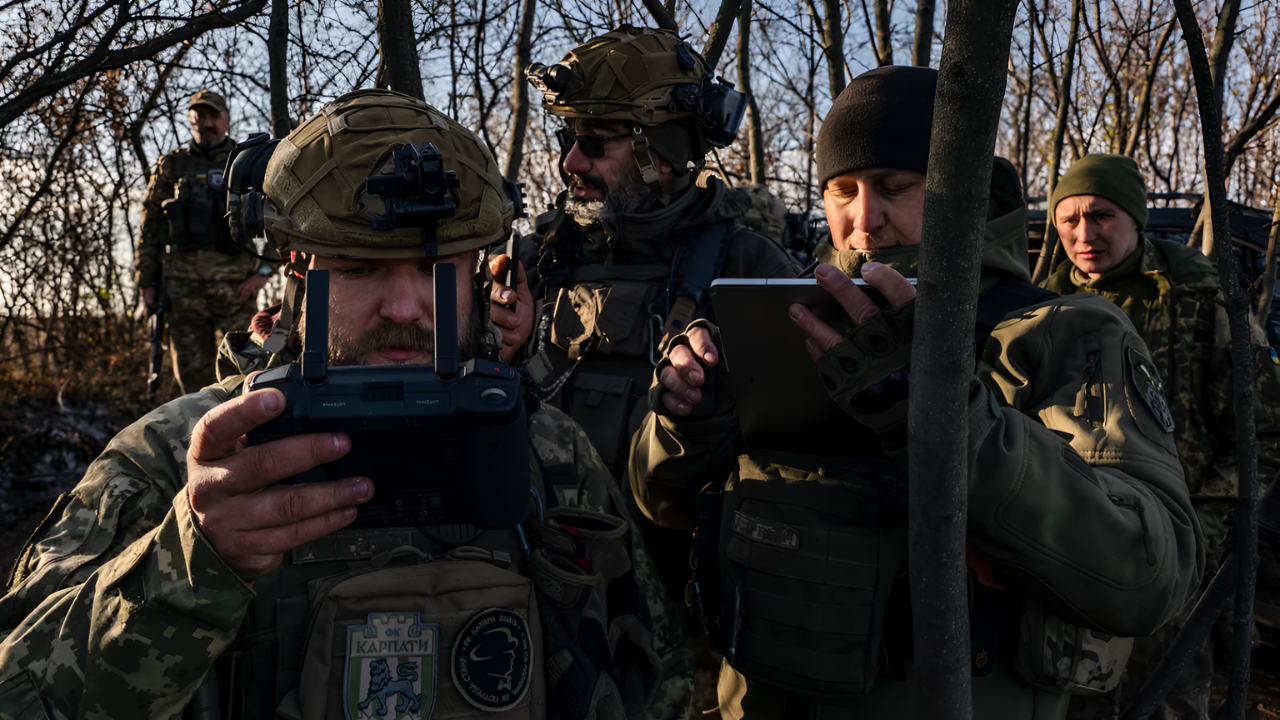
Each Buk system, depending on its configuration, is valued between $30 million and $40 million. Destroying both the radar and launcher dealt Russia a costly setback, especially as Western sanctions make replacement parts and new systems difficult to obtain. The strike was not just a tactical victory but a financial blow, turning a symbol of Moscow’s air dominance into a liability on the Luhansk front.
The operation’s sequence—neutralizing the radar, then the launcher, then the reload vehicle—stripped the Buk of its detection, engagement, and resupply capabilities in one coordinated attack. Few modern strikes achieve such layered effects, marking a milestone in Ukraine’s evolving approach to air-defense suppression.
Ukraine’s Deep-Strike Strategy
The Luhansk attack was part of a broader Ukrainian strategy targeting the backbone of Russia’s Integrated Air Defence System. Days later, Ukrainian forces struck an S-400 radar and launcher in Russia’s Kaluga region, demonstrating their ability to reach deep into enemy territory. Earlier in May, an ATACMS missile destroyed a Nebo-M radar near Luhansk, reinforcing Ukraine’s message: no radar, no launcher, no safe zone.
Buk batteries are designed to move frequently, hiding from detection and changing positions to avoid being targeted. The success of Omega’s strike suggests precise coordination between reconnaissance drones, electronic-intelligence teams, and real-time data from the front. “Catching a mobile Buk battery in the open and hitting all its components is a feat of timing, patience, and technical skill,” said Oleksandr Shevchenko, a Ukrainian drone operator involved in reconnaissance.
Global Comparisons and Shifting Perceptions
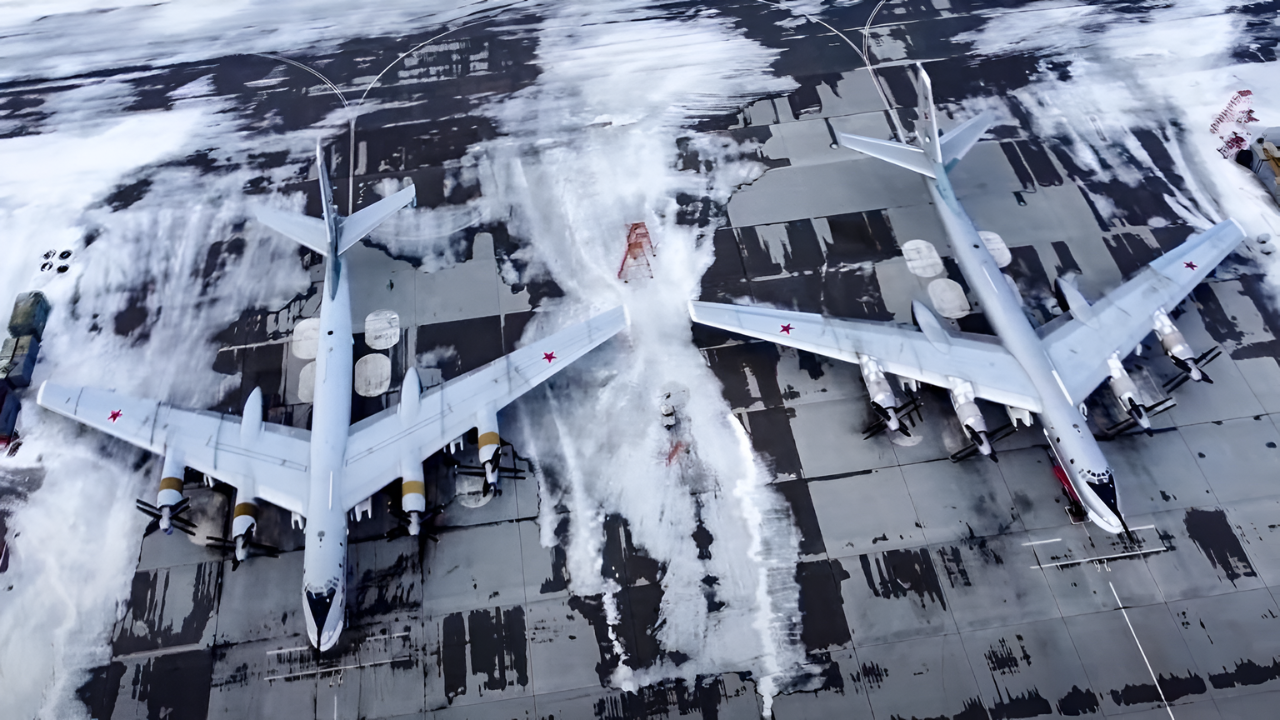
Russia’s air-defense network has long been considered among the world’s most formidable, rivaled only by systems in the United States and China. Yet, repeated Ukrainian strikes have exposed vulnerabilities. The illusion of invulnerability fades with every radar blinded and launcher destroyed. “The myth of a perfect shield is just that—a myth,” noted Dr. Ivanov.
Each destroyed air-defense unit increases pressure on Russia’s overstretched front line, thinning radar coverage and forcing units to reposition constantly. For commanders, the growing holes in the air-defense map are becoming impossible to ignore and costly to fill.
Looking Ahead: The Stakes of Precision Warfare
The September 7 strike near Luhansk marked a turning point in the air war over Ukraine. By dismantling Russia’s air-defense network piece by piece, Ukraine is reclaiming control of its own skies and opening corridors for future operations. The conflict is increasingly defined by precision, intelligence, and adaptation rather than sheer numbers.
As Ukraine’s deep-strike playbook evolves, the stakes rise for both sides. Each successful hit not only weakens Russian defenses but also shifts the balance of power in the region. The message from Kyiv is clear: Russia’s shield is cracking, one precision strike at a time.