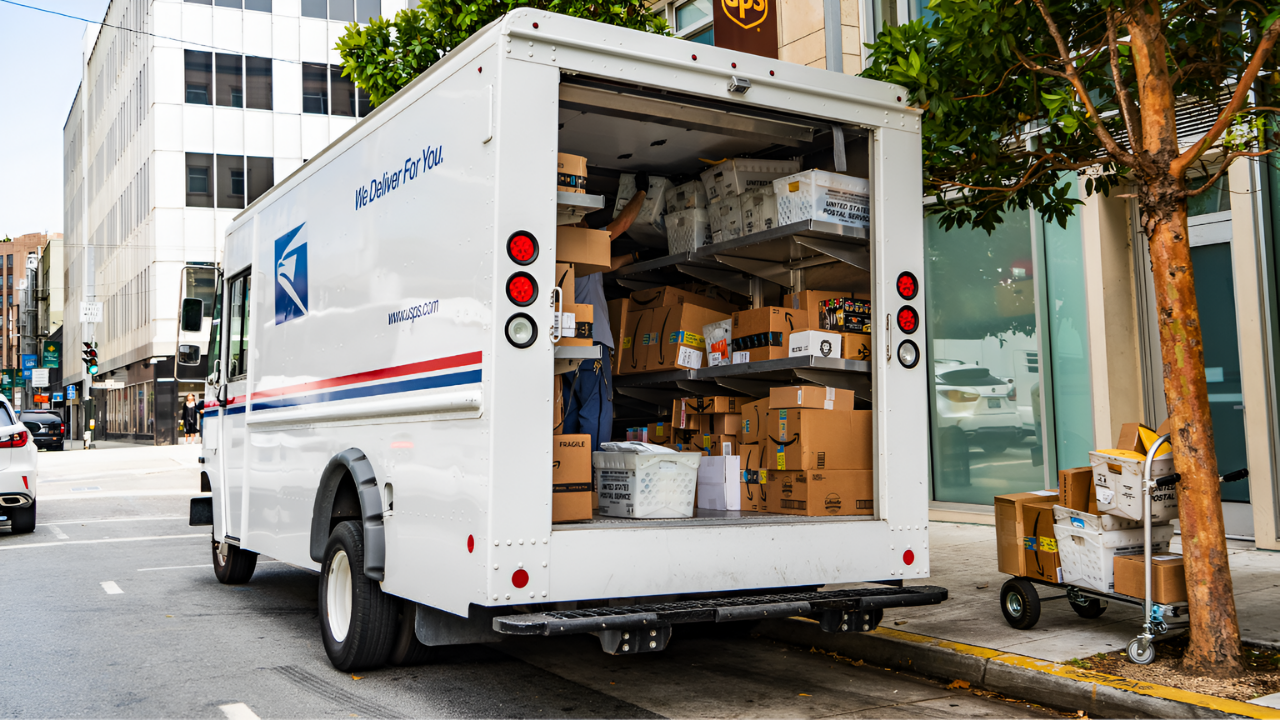
On December 1, 10 Roads Express, a cornerstone of the U.S. Postal Service’s contractor network for nearly half a century, announced it would shut down entirely by the end of January. The closure will remove 2,462 trucks and leave 2,000 workers facing sudden unemployment. Industry veterans describe the move as unprecedented, exposing hidden risks in government contracts. This isn’t just a business story—it’s a human and logistical crisis.
Here’s what’s driving the collapse.
What Is 10 Roads Express?
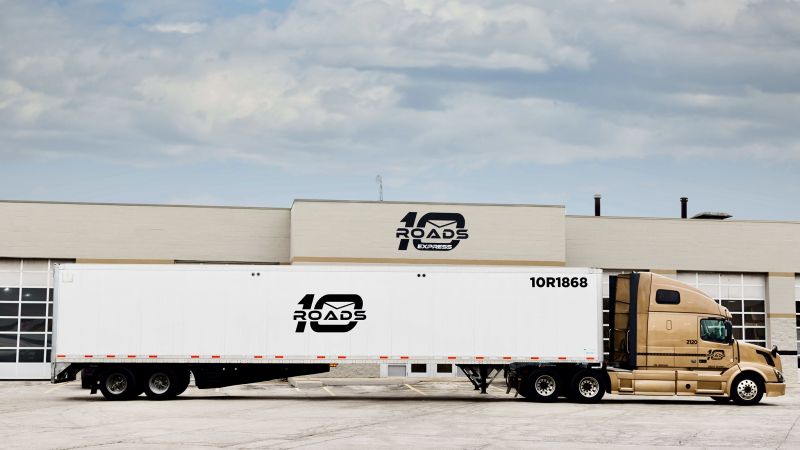
Founded in 1946, 10 Roads Express became a major USPS contractor, running 2,462 trucks and employing 2,606 drivers across 36 terminals in 47 states, ranking No. 50 on Transport Topics’ Top 100 list.
Yet its long history offered no protection when USPS priorities changed. The details of this 47-year partnership reveal what went wrong next.
47 Years of Partnership
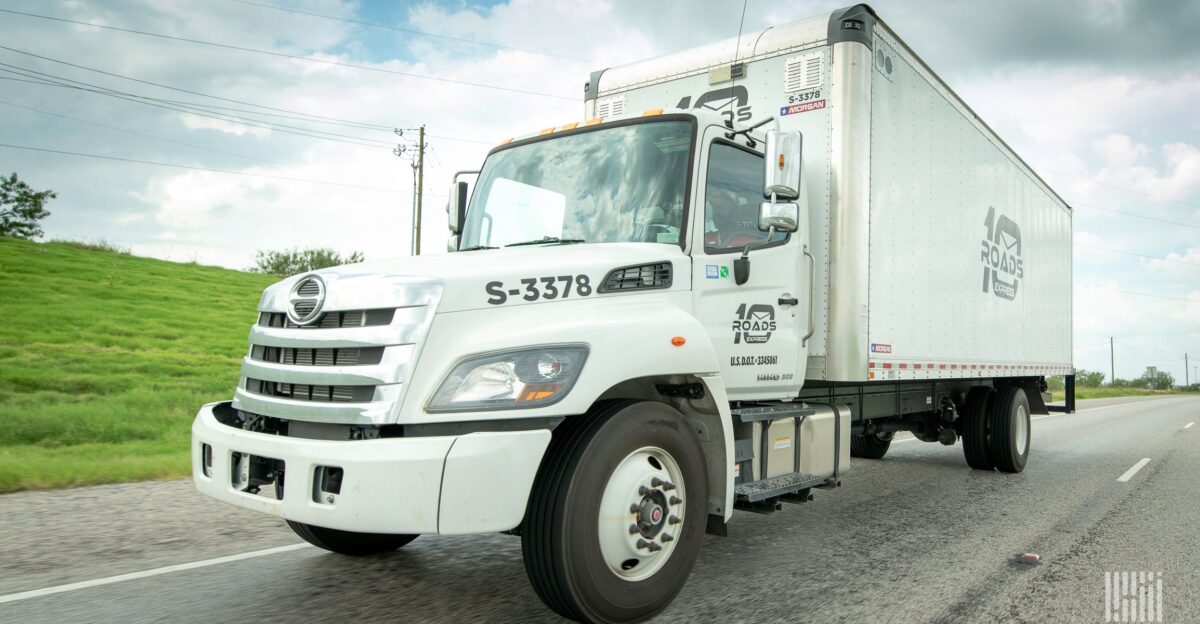
10 Roads started working with USPS in 1977, surviving recessions, consolidation, and the 2008–09 Great Recession. Company records show it built stability through decades of challenging logistics environments.
However, no longevity could protect it from the policy changes USPS introduced, which would ultimately devastate its operations and revenue streams.
The Government Contract’s Hidden Vulnerability
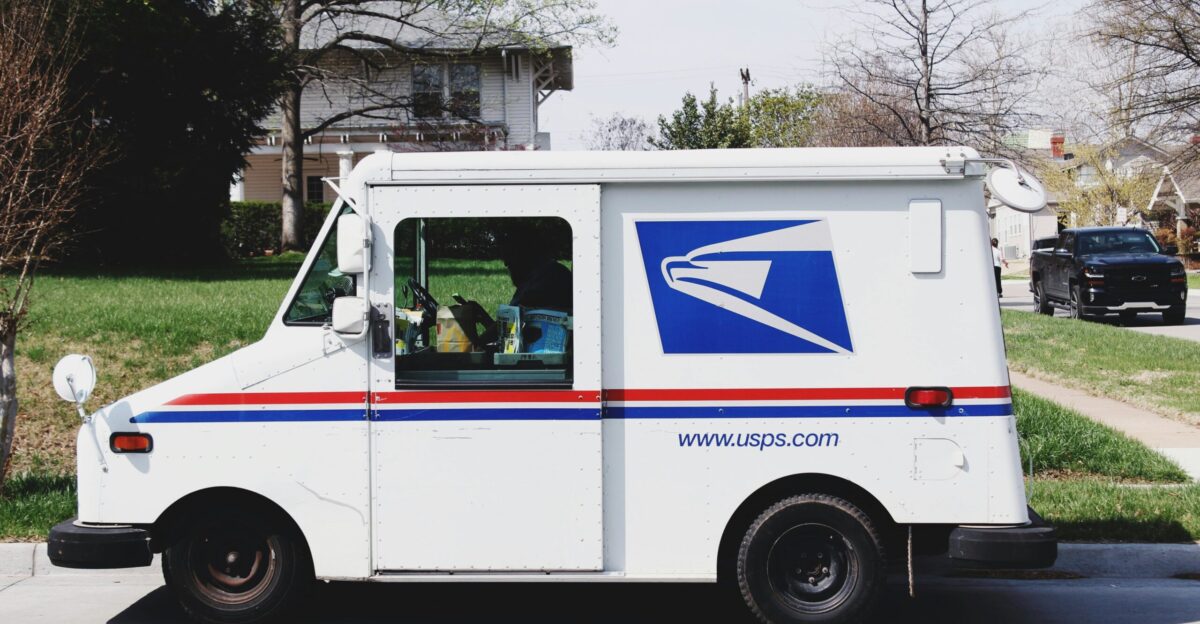
Government contracts fluctuate in response to policy shifts and budget pressures. The USPS faced mounting losses and aimed to cut costs sharply, initially projecting $160 billion in losses over 10 years, which it then reduced to $70 billion by April 2024.
This $90 billion improvement depended on strategies that contractors like 10 Roads could not anticipate or counteract.
‘Delivering for America’: USPS’s Secret Pivot
The USPS launched “Delivering for America” in 2021, a 10-year plan to bring critical transportation in-house and reduce reliance on contractors. Pilot programs created “Postal Vehicle Operator” roles that did not require commercial licenses.
Initial contract renewals gave contractors confidence. But that trust would soon be tested in unexpected ways.
The Betrayal: Renewed Contracts, Then Elimination
“USPS renewed contracts with impacted vendors just months before launching insourcing pilots,” said Government Executive, August 3, 2023. One contractor added, “It’s the first time anything like that had happened, to my knowledge.”
10 Roads likely renewed its contract mid-2024, expecting stable work, only to face sudden elimination months later.
A 70% Revenue Collapse in 24 Months

By December, 10 Roads had lost 70% of its revenue over two years. With an estimated $917 million annual revenue, the company saw roughly $640 million vanish.
This was not a market downturn—it was a direct outcome of USPS’s policy decisions, leaving contractors exposed and struggling to survive.
Two Prongs of Attack: Insourcing and Brokers
USPS used two strategies: insourcing linehaul work with in-house Postal Vehicle Operators and expanding freight broker use, which takes 15–25% margins from rates paid to contractors.
An industry analyst told Trucking Dive, December 1, 2025, “Insourcing and the use of brokers created a perfect storm,” destabilizing established carriers like 10 Roads.
Why 10 Roads Couldn’t Adapt
10 Roads cut its fleet from 3,500 tractors to 2,462 by October 2025, trying to align costs with declining revenue. Fixed costs—such as terminals, unionized wages, debt, and insurance—remained inflexible.
CCJ Digital, December 3, 2025, reported that leadership admitted they were “unable to reduce its platform enough” to stay operational.
The Feb 2025 Labor Strike Nobody Expected

In February, over 500 drivers went on strike across eight states during a Teamsters union campaign. The strike coincided with the company’s desperate cost-cutting efforts.
The timing intensified pressures on 10 Roads’ already shrinking operations. Unfortunately, this disruption was only one of several challenges piling on simultaneously.
The Great Freight Recession: A Three-Year Grind

Since March 2022, the trucking industry has endured 13 consecutive quarters of weak demand. In early 2025, long-haul truckload demand dropped 25% year-over-year as shippers shifted to cheaper rail alternatives.
For a linehaul-dependent contractor like 10 Roads, the policy shift and market slump combined to create near-impossible conditions for survival.
Bankruptcies Surge While Recovery Stalls

In Q3 2025, 21 trucking companies filed for bankruptcy, including 10 in September alone—the highest monthly total since Q2. Dean Croke from DAT Freight and Analytics warned that recovery won’t arrive until Q2 next year.
Amid this broader collapse, the shutdown of 10 Roads marks a major warning for other contractors in the industry.
The Non-Bankruptcy Shutdown: Unusual and Troubling

10 Roads is closing without filing Chapter 11 bankruptcy, leaving workers with only state unemployment insurance and no court protections. Typical bankruptcy protections and structured severance are missing.
The company will operate through January 30, 2026, but the abrupt closure provides almost no safety net for employees relying on steady work.
2,000 Workers Face Uncertain Futures
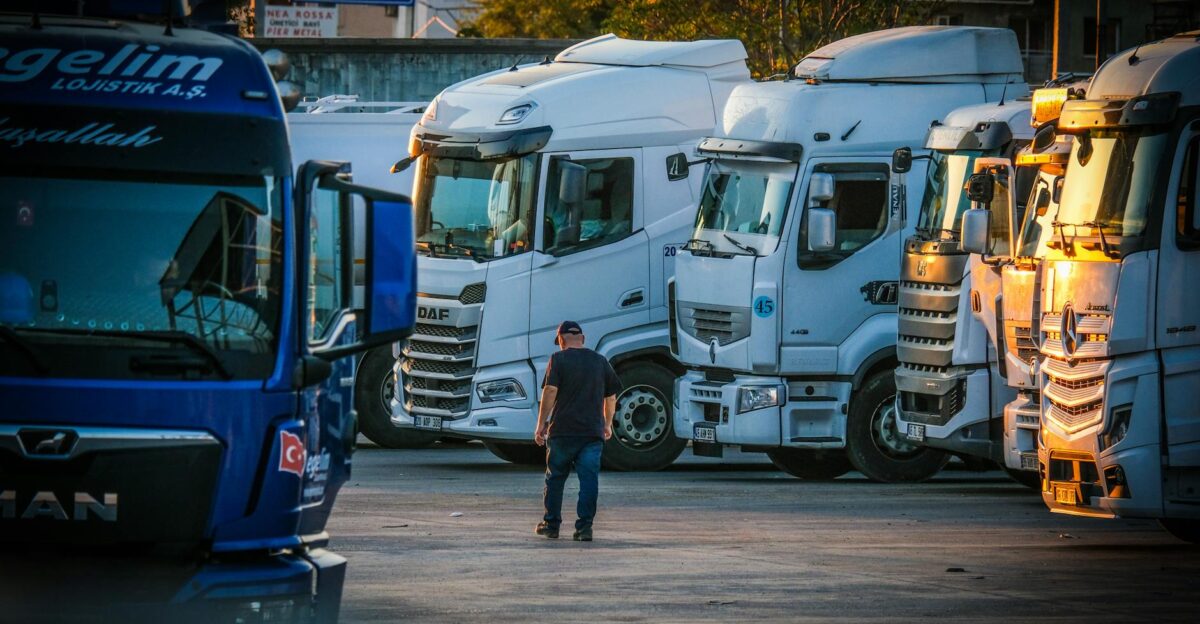
The company employed 2,606 drivers and operational staff. With the shutdown, around 2,000 will lose jobs by the end of next month, according to Trucking Dive.
This affects drivers, mechanics, dispatchers, and coordinators. Careers built over decades vanish overnight, underscoring the real human cost of sudden policy-driven corporate closures.
Tampa’s 84 Workers: A Community Impact Story
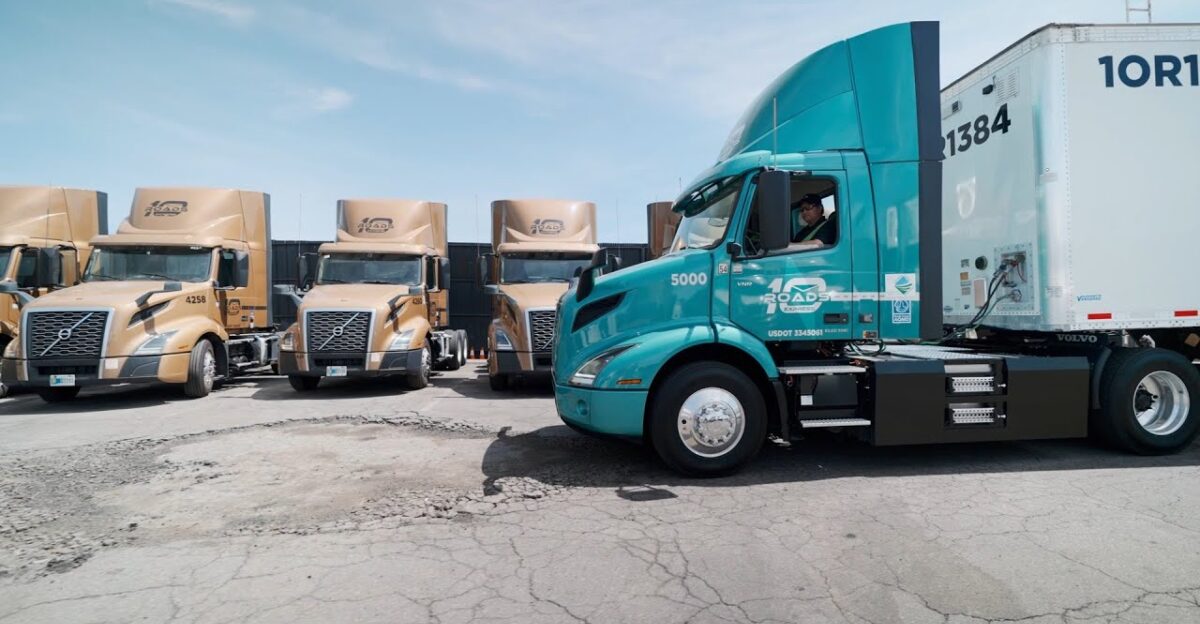
At Tampa’s 6813 Benjamin Road facility, 84 workers face layoff, including 79 drivers, three mechanics, one shop assistant, and one manager, reported Business Observer Florida, December 1–3, 2025.
Non-unionized employees have no bumping rights. The ripple effect spreads locally as community members confront sudden unemployment with little warning.
The Economic Ripple: From Families to Communities
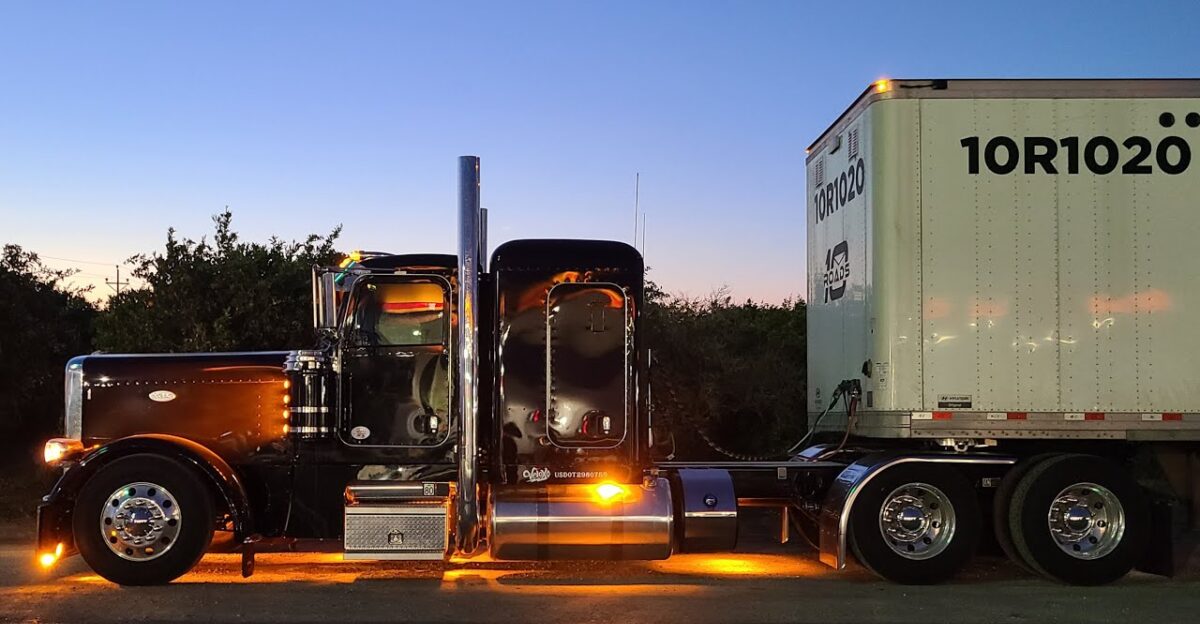
Based on 2,000 affected workers, 6,000–10,000 people may experience economic impact. Estimated annual wage loss: $80–120 million. Suppliers, fuel distributors, and maintenance shops also lose business as 10 Roads vanishes.
The consequences extend far beyond the trucking workforce, touching communities that depend on a stable logistics network.
What USPS Told Contractors About the Future
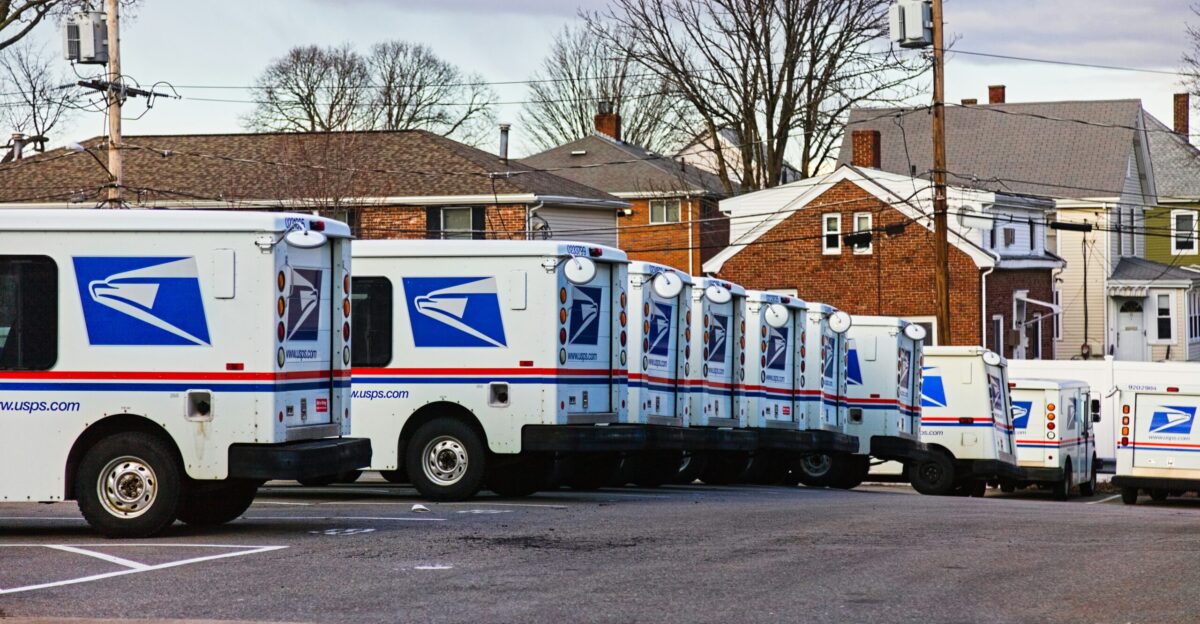
Government Executive, August 3, 2023, reported that seven Richmond-area contractors lost all or part of their USPS agreements, affecting 134 families. One contractor warned, “Many contractors would cease to exist without their USPS agreements.”
The shutdown of 10 Roads signals a chilling warning: longevity and loyalty offer no safeguard against government-driven change.
The Mail Network’s Capacity Crisis, Right Now
During December’s peak holiday season, 2,462 trucks vanished from USPS’s network. The USPS must scramble to backfill capacity through insourcing, broker deals, or retaining existing contractors, according to Trucking Dive, December 1, 2025.
Holiday deliveries face disruption precisely when consumers expect reliability, intensifying pressure on both USPS operations and staff.
What Comes Next for America’s Mail

The USPS may accelerate insourcing by filling more Postal Vehicle Operator roles or expanding broker usage at higher rates, potentially increasing postage costs, according to Multichannel Merchant, August 3, 2023.
The decades-old contractor model is being dismantled, signaling long-term changes in how mail moves across the U.S. and which companies will survive.
79 Years Ended by Policy Shift: A Cautionary Tale
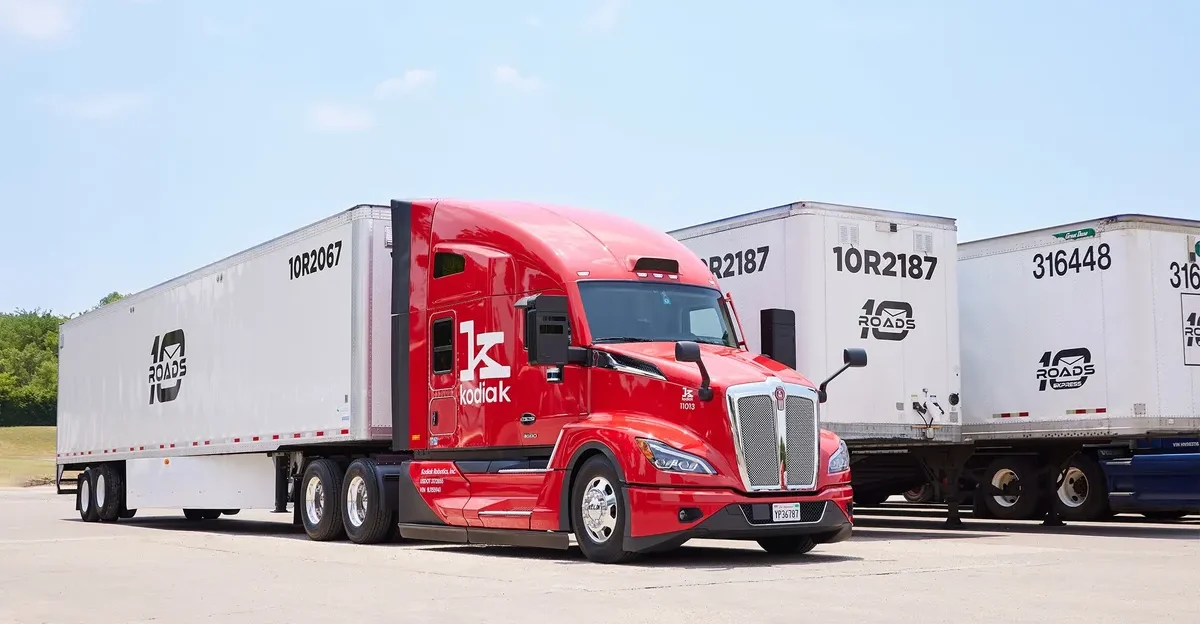
10 Roads Express survived nearly eight decades, recessions, and wars, maintaining loyalty and infrastructure investments. USPS’s in-house focus rendered all that moot.
The collapse serves as a warning about how quickly policy decisions can erode trust, eliminate thousands of jobs, and disrupt critical infrastructure—all in pursuit of cost reductions that may never materialize.
Sources:
Trucking Dive
Transport Topics
CCJ Digital
Business Observer Florid