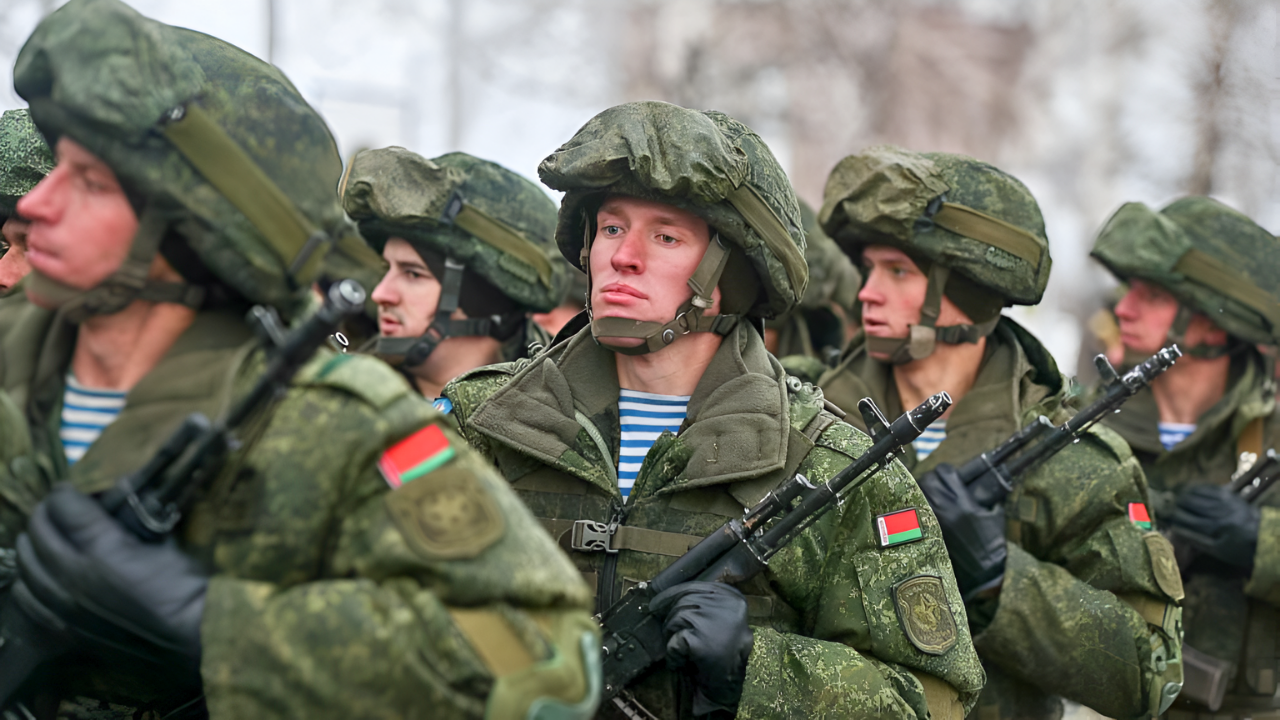
In October 2025, the small city of Pokrovsk in eastern Ukraine became the epicenter of the deadliest month for Russian forces since the full-scale invasion began in February 2022. Over the course of just 30 days, approximately 25,000 Russian soldiers were killed in fierce fighting—a staggering rate that has sent shockwaves through military and political circles alike. The battle for Pokrovsk, a critical logistics hub in Donetsk, has not only altered the course of the war but also raised urgent questions about the sustainability of Russia’s military campaign.
Pokrovsk’s Strategic Weight
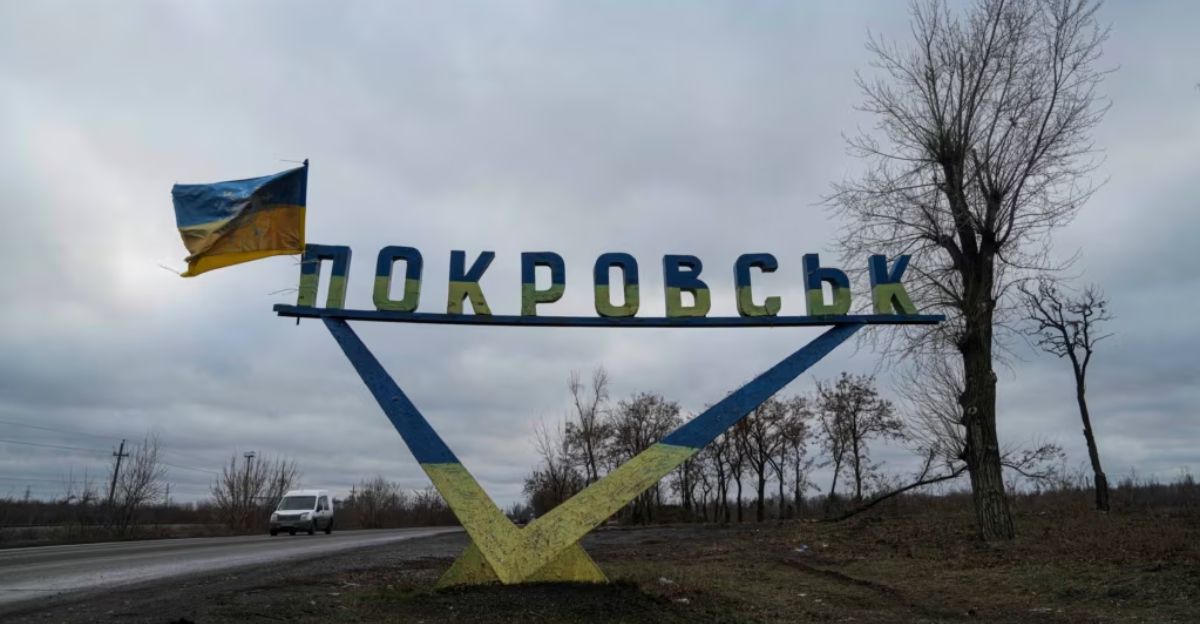
Pokrovsk’s significance lies in its role as a gateway for supplies and reinforcements in the eastern Donetsk region. Recognizing its value, Russian commanders concentrated their efforts on capturing the city before the onset of winter, hoping for a symbolic and strategic victory. This push came at a tremendous cost. Ukrainian officials, relying on verified video evidence, reported 25,000 Russian fatalities in October alone, with Ukrainian President Zelenskyy confirming this was an exact count based on verified drone footage. The scale of loss is comparable to erasing the population of a small American city in a single month.
The impact of these casualties has rippled across Russia, particularly in regions such as Buryatia and Yakutia, where families now face daily anxiety over missing loved ones. Communities are grappling with collective grief as the magnitude of the losses becomes impossible to ignore.
Strained Forces and Shifting Tactics
The Pokrovsk offensive has exposed deep cracks in Russia’s military apparatus. Recruitment efforts have faced significant challenges throughout 2025, with actual enlistment figures lagging behind official claims. In response, Moscow deployed nearly a third of its Ukraine-committed troops—over 170,000 soldiers—to the Pokrovsk sector. Military personnel have been deployed to combat roles facing acute manpower pressures.
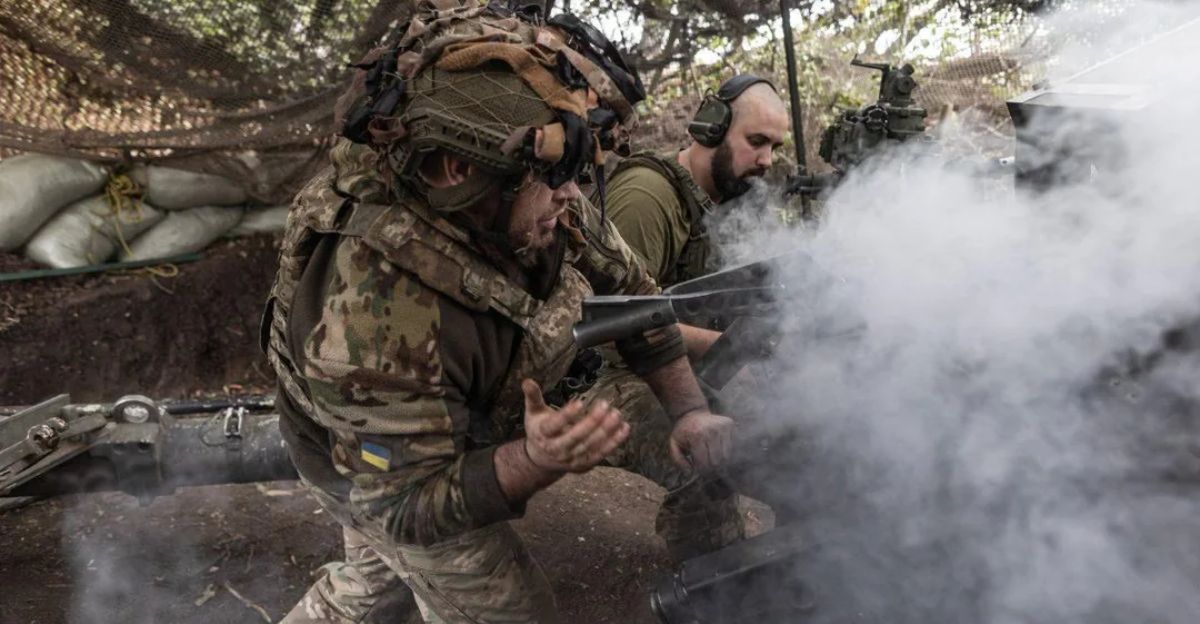
On the Ukrainian side, defenders relied on a combination of layered fortifications, persistent drone surveillance, and tactical flexibility. These measures forced Russian troops into repeated, costly frontal assaults. By mid-November, Ukrainian sources confirmed that up to 314 Russian soldiers were inside the city, as street fighting continued to rage.
Material Losses and the New Transparency
The human toll at Pokrovsk has been matched by extraordinary equipment losses. According to leaked Russian military data published by Ukraine’s Main Directorate of Intelligence, in the first 243 days of 2025 (January–August), Russian forces lost 13,145 pieces of military equipment irretrievably, with an additional 48,458 units capable of being restored. Each destroyed vehicle further strains Russian supply lines, complicating operations across the front.
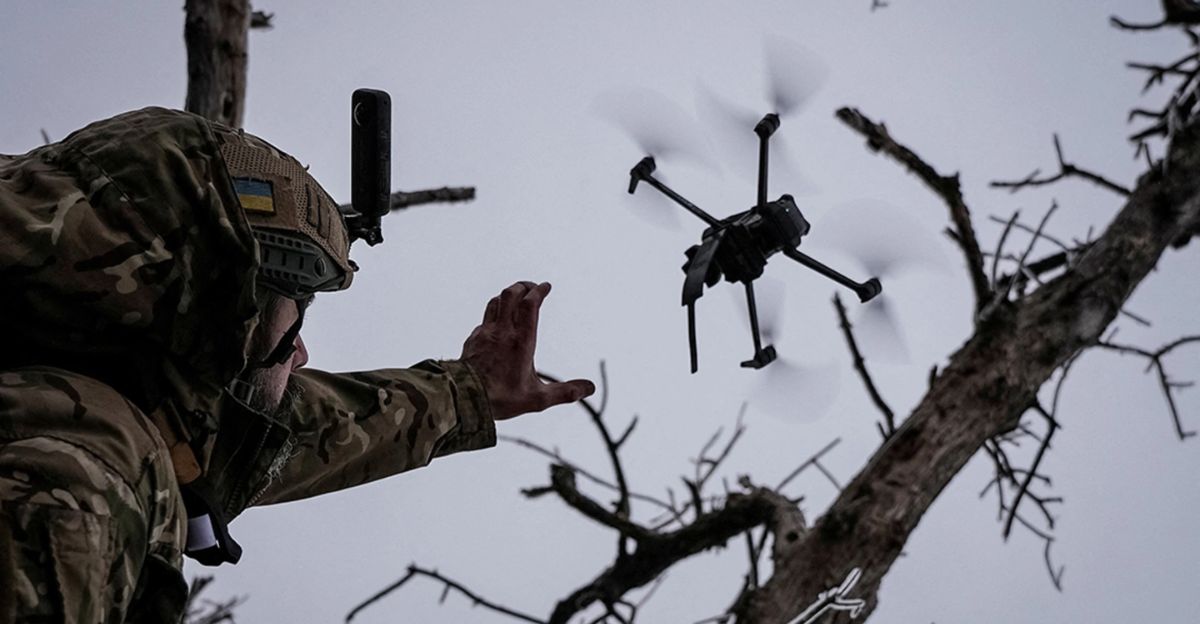
Unlike previous conflicts, the battle for Pokrovsk unfolded under the watchful eyes of drones and open-source intelligence analysts. Real-time footage and satellite imagery have made it nearly impossible to conceal the scale of casualties and destruction. This unprecedented transparency has fueled global debate about the true cost of modern warfare and challenged longstanding narratives about the war’s progress.
Political and Economic Fallout
The consequences of Pokrovsk’s carnage extend far beyond the battlefield. Inside the Kremlin, the losses have sparked heated debate about the viability of current strategies. According to UK Defence Intelligence, Russia suffered approximately 332,000 total casualties in 2025 through October, including significant personnel losses throughout the year. Russia has failed to capture a single major Ukrainian city despite these substantial sacrifices. Political insiders are now openly questioning whether the campaign can be sustained or if it is headed for collapse.
The financial burden is equally severe. Replacing tens of thousands of soldiers and thousands of vehicles has placed immense strain on Russia’s defense budget. Inflation and shortages are rising, and social spending is being squeezed as military costs mount. Meanwhile, the economic shockwaves have reached global markets, driving up energy prices and increasing volatility.
Human and Psychological Toll
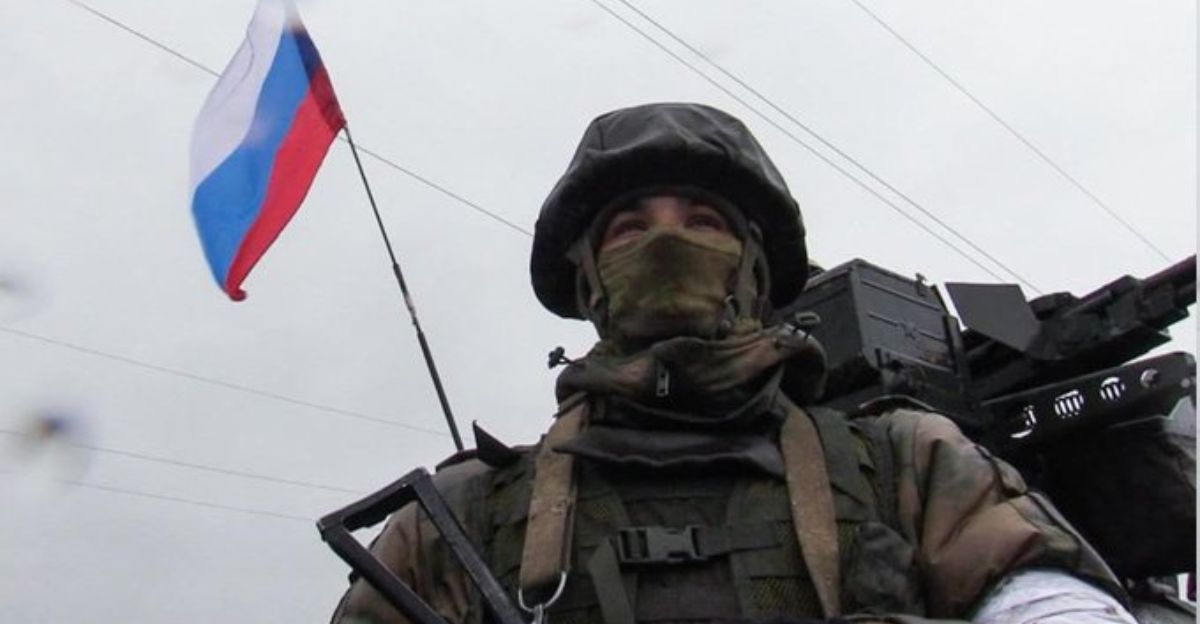
Behind every statistic lies a personal tragedy. Many wounded Russian soldiers are reportedly left behind, with reports suggesting a low evacuation rate compared to standard military practices. Civilians near Pokrovsk endure daily disruptions to food, water, and essential services, while the psychological impact of relentless loss reverberates through Russian society. Reports from the front describe some troops refusing to enter Pokrovsk, calling it “almost certain death”—a sentiment now echoed in Russian homes and public discourse.
The battle has also galvanized Ukraine’s international allies, who cite the country’s resilience and tactical innovation as reasons for renewed support. At the same time, the uneven distribution of casualties—particularly among units from Siberia and the Far East—has intensified demographic and economic pressures in those regions.
A Defining Moment
Pokrovsk now stands as a symbol of both resistance and the limits of attritional warfare. With both sides facing mounting pressure, military analysts warn that the current pace of losses is unsustainable. As winter approaches, leaders face critical decisions: whether to escalate, adapt, or seek new avenues for negotiation. The legacy of Pokrovsk—a chapter marked by resilience, sacrifice, and the unblinking eye of modern technology—will shape the trajectory of the conflict and the choices of those who wage it.