Medicare assumes doctors only approve care they examine personally. Dr. Timothy Sutton broke this trust. For three years, he signed prescriptions for thousands of patients he never examined—not in person, not by video. He never met them at all.
His scheme cost taxpayers $14.5 million. It exposed a major telemedicine vulnerability. On January 12, 2026, a federal judge sentenced Sutton to 64 months in prison for one of the largest physician Medicare fraud cases in years.
The Telemedicine Boom

Telemedicine promised to help people access doctors without having to travel far. Legitimate doctors could reach remote areas. After 2020, telehealth grew rapidly, adding double-digit percentages each year. By 2025, telehealth will make up over 13% of primary care visits nationwide.
However, this fast growth created problems. Criminals found gaps in the rules. They used remote care speed to commit fraud. Florida companies became hotspots for dubious schemes targeting Ohio physicians in high-paying categories.
The Kingpin Doctors

Not all telemedicine fraud happens at a system level. Often, one corrupt doctor drives the entire scheme. These doctors lend their medical credentials to criminals. They sign pre-filled orders without patient contact. They collect fees from shell companies.
One signature opens doors to millions in payments. Pharmacies and patients assume real exams occurred. Dr. Sutton matched this pattern perfectly. He was credentialed, available, and willing to ignore rules without hesitation.
The Setup

Sutton started working with two Florida telemedicine firms in January 2018. Real Time Physicians, LLC (registered in Nevada but operated from Florida) and 24 Hour Virtual MD specialized in high-volume approvals with minimal review. Both supplied Sutton with pre-filled order forms.
The forms covered knee braces, wrist supports, back braces, and cancer genetic testing kits. Sutton just had to sign. Companies handled billing, patient recruitment, and shipping. He earned flat fees or commissions per signature. By October 2020, he earned about $142,000. Not one patient received a real examination.
The Smoking Gun: Numbers
The fraud scale was staggering. Sutton submitted 5,519 false claims to Medicare covering 3,417 different patients. These claims justified the shipment of 23,344 medical items nationwide. Sutton approved as many as 25 prescriptions in just 15 minutes.
Real patient evaluation is impossible at that speed. From January 26, 2018, to October 21, 2020, Sutton became Ohio’s top prescriber of medical equipment braces. This statistical oddity should have triggered alerts. Instead, false claims flowed into Medicare’s payment system unchecked.
The Human Cost
Medicare patients got equipment they never ordered and did not need. Elderly patients discarded or donated unexpected packages. Some became targets for follow-up scams. Criminals sold them “free” genetic tests in exchange for insurance details.
One Ohio woman received seven knee braces in a single month. Healthcare fraud drains federal funds. It destroys trust in real telemedicine, stops genuine patients from seeking remote care and, it exposes seniors to further scams and identity theft risks.
The Doctor’s Perspective

What drove Sutton to commit fraud? Court documents point to three factors: money pressure, weak oversight, and gradual moral decline. Sutton earned roughly $47,000 yearly from real medical practice. That is below average doctor income.
The telemedicine work offered fast, easy money with almost zero accountability. No patient complaints, no malpractice danger and, no questions asked. He convinced himself the equipment caused no harm. Over time, the line between legal practice and crime blurred. By 2022, when investigators arrived, Sutton had normalized complete betrayal of his medical oath.
The Investigation
The FBI and the HHS Office of Inspector General discovered the scheme through data analysis and insider tips. Medicare’s fraud detection flagged Sutton’s unusual prescription patterns. Investigators got court orders for records from both telemedicine firms.
They found pre-filled forms and zero patient records. Phone records showed Sutton never contacted patients. Electronic health records contained no notes or exams. By September 2022, Sutton faced charges for conspiracy to commit wire and mail fraud, false healthcare statements, and identity theft.
Ripple Effects in Telemedicine

Sutton’s case showed major gaps in telemedicine safety. Many state medical boards cannot access prescription data across different companies in real time. Telemedicine platforms operate in many states but report to none fully. Insurance companies use reviews after the fact, not real-time checks.
Result? Fraudsters can harm patients in dozens of states before anyone catches them. Industry experts estimate 2–4% of telemedicine billing involves fraud or unnecessary care. Medicare loses between $500 million and $1 billion yearly to this problem.
Accomplices Still Free
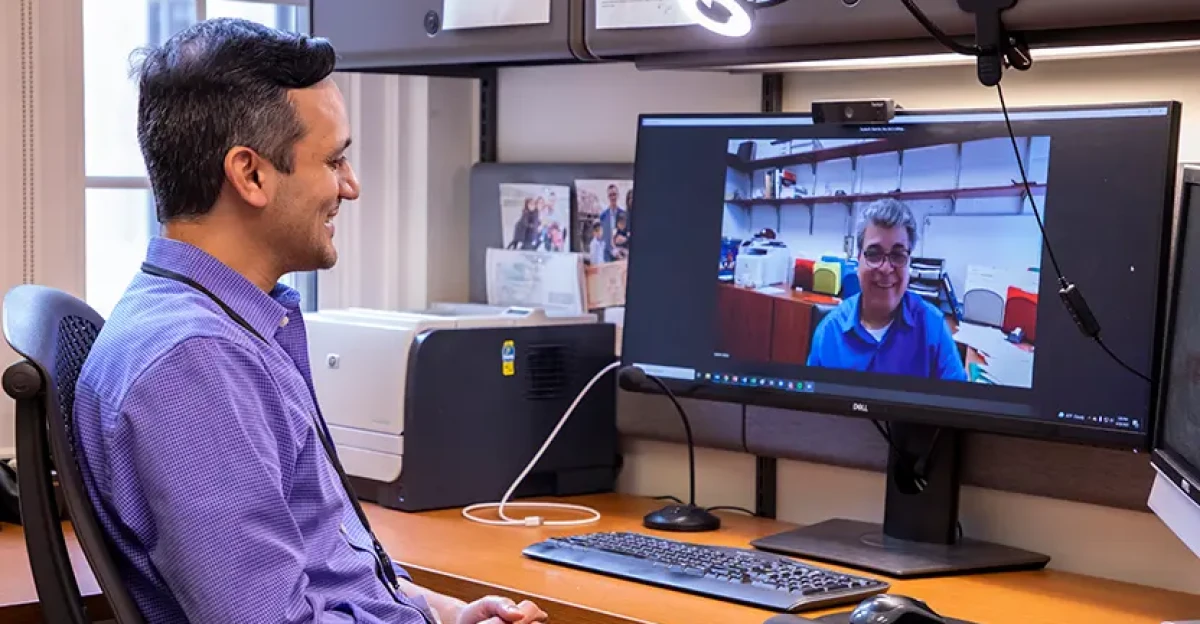
Sutton did not act alone. The firms that supplied him, billed patients, and shipped equipment remain under investigation. Leaders at Real Time Physicians and 24 Hour Virtual MD were never charged. Prosecutors say they “knowingly helped” the fraud scheme.
Some have already started new ventures using the same model. Regulatory gaps let these operators move, rebrand, and restart. Federal prosecutors chase shadows. This imbalance defines modern healthcare fraud. Individual doctors go to prison. Corporate enablers slip away.
Guilty Plea & Capitulation

On April 4, 2025, Sutton pleaded guilty to all charges. These included conspiracy to commit wire and mail fraud, making false healthcare statements, and identity theft. He avoided trial. Admitting guilt showed full responsibility.
U.S. Attorney David M. Toepfer stated: “Sutton intentionally lied about patient exams and misused his trusted position to profit at taxpayer expense.” The guilty plea saved Sutton from a potential 20-year sentence. Federal prosecutors agreed to request a middle-range term in exchange for his help in investigating co-conspirators.
Restitution & Reckoning

Judge David A. Ruiz imposed a 64-month federal prison sentence. Sutton also must serve three years of supervised release and pay nearly $6 million to the U.S. Department of Health and Human Services.
The restitution equals the full $14.5 million in false claims minus what was recovered through civil settlements and asset seizures. Sutton will lose about five years in prison, then years of probation.
His $142,000 in fraud profits will cost him decades in lost income and legal fees. This calculation might deter other corrupt doctors.
Precedent & Deterrence

Sutton’s prosecution ranks among the largest individual doctor telemedicine fraud cases in American history. Similar big cases precede it. Dr. Rakesh Talwar in Florida billed $74 million for unneeded cancer care and Dr. Jacques Roy in Louisiana massively prescribed opioids through telemedicine. Dr. Tejpal Bhogal in California falsely approved genetic tests.
Together, these cases show federal prosecutors treat healthcare fraud as a serious white-collar crime. Prison time is now a standard punishment. The message is clear: medical licenses do not protect doctors from prosecution for fraud.
State & Federal Response

Ohio’s Medical Board now watches doctors’ prescribing patterns more closely. They focus on high-paying service categories. CMS requires telemedicine firms to send real-time prescription data to state medical boards and Medicare’s fraud system.
Congress introduced the Bipartisan Healthcare Fraud Prevention Act in late 2025. It would require credential checks across all states for telemedicine doctors. It would be fine if platforms failed to check doctors properly. These changes show a tougher regulatory approach. Telemedicine will continue, but uncontrolled growth is ending.
The Question Ahead

Sutton’s conviction sends a warning. But will enough doctors listen? Thousands of physicians work in telemedicine with little supervision. The money pull—quick cash for simple signatures—stays strong. Federal prosecution takes years.
A fraudulent doctor can harm 1,000 patients before the trial ends three years later. True solutions require real-time data sharing, mandatory audits, and computer systems that flag odd patterns. These tools cost millions. CMS and state governments have not fully funded them yet.
Emerging Oversight: Technology as Gatekeeper
CMS is testing AI systems to instantly spot unusual prescription patterns. These programs compare each doctor’s prescription volume, patient age and type, and medical codes with those of other doctors. An Ohio primary care doctor suddenly prescribing over 100 genetic tests monthly would trigger an automatic warning.
Manual review will follow. Private insurance companies are using blockchain systems to verify doctor credentials across state lines. These tools cost millions yearly. But savings could be higher. Expect these systems to become standard within 18 months.
Spillover: Genetic Testing Goes Under Scrutiny
Sutton’s case brought the genetic testing sector into focus. It billed Medicare $8 billion in 2024 alone. Real genetic tests for cancer risk (BRCA genes) are legitimate but pricey—ranging from $2,000 to $5,000 per test. Fraudsters exploit this by ordering tests for patients with no family cancer history or medical need.
The result harms patients emotionally and wastes government money. After Sutton’s sentencing, Congress asked the Government Accountability Office to audit genetic testing billing practices. Stricter rules and mandatory pre-approval will likely arrive by mid-2026.
Public Trust & Misinformation

Sutton’s case sparked competing stories on social media. Some posts call telemedicine inherently corrupt. Others defend it as vital for rural health access. False claims spread, saying “all telemedicine lacks rules” or “the government bans remote care.” Reality is more nuanced.
Telemedicine helps patients and is growing. But stronger safeguards are needed. Public health experts worry negative coverage will scare real patients away from remote care. This matters most in remote areas. The American Telemedicine Association now stresses credential checks and patient safety.
Historical Precedent: When Systems Fail
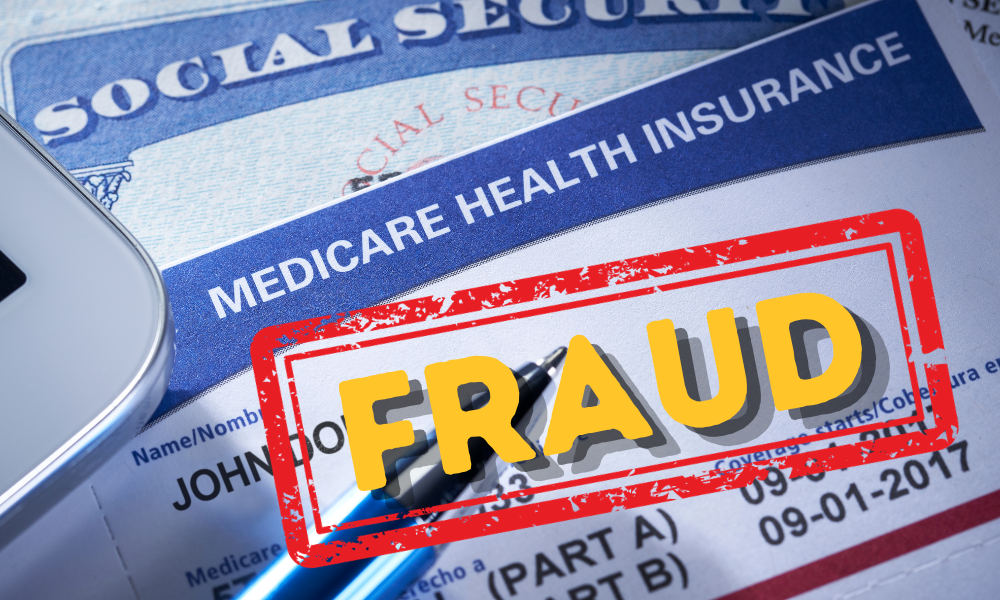
Sutton’s fraud echoes past healthcare fraud scandals. In the 1990s, Miami-area medical equipment suppliers became infamous for rubber-stamping prescriptions. This became known as the “Miami Model” of fraud—high volume, low scrutiny, big profits.
Congress then tightened equipment payment rules and state licensing standards. Yet telemedicine had similar weak points. History shows that rules tend to lag technology by 5 to 10 years. We may be halfway through fixing telemedicine’s gaps. Future cases will likely target company leaders, not just individual doctors.
Trust Requires Systems

Sutton’s 64-month sentence benefits law enforcement and taxpayers. But one imprisoned doctor is not a solution. One doctor in prison cannot fix the money incentives that enable fraud. Real change requires three parts. First, real-time data sharing across state lines and insurers.
Second, computer systems that watch for odd patterns. Third, fast license suspension, not just prosecution years later. Telemedicine itself is safe. But trust cannot rest on assumptions alone. It needs strong systems. Until CMS, state boards, and platforms invest in real oversight, more Suttons will emerge.
Sources:
- U.S. Department of Justice, Press Release, January 14, 2026
- Federal Court Documents, U.S. v. Sutton Case Files, 2025-2026
- HHS Office of Inspector General, Fraud Alert and Case Summary, 2024-2026
- FBI Healthcare Fraud Task Force, Press Releases and Investigation Reports, 2022-2026
- Chronicle Telegram, North Ridgeville Doctor Medicare Fraud Coverage, April 2025
- DOJ Sentencing Memorandum, U.S. v. Sutton, January 2026