Medicare expects doctors to approve care only after real checkups. Dr. Timothy Sutton did not follow that standard. For several years, he signed orders for medical equipment and genetic tests without actually examining the patients in person or by proper telehealth visits. He claimed that the patients needed braces or cancer genetic testing, even though he had not met them or evaluated them. This behavior broke the basic trust among doctors, patients, and the Medicare system.
Federal officials say the scheme aimed to bill Medicare for more than $14.5 million in false or unnecessary claims. Companies in Florida sent Sutton pre-completed forms for durable medical equipment and cancer genetic tests, and other medical businesses then billed Medicare after he signed the forms.
Sutton collected payments for using his medical license to approve those forms, even though he did not provide real care. According to court documents, he lied by stating he had examined patients and that the equipment and tests were medically needed. This fraud placed costs on taxpayers and weakened confidence in telemedicine services that many patients rely on.
How Investigators Uncovered the Scheme

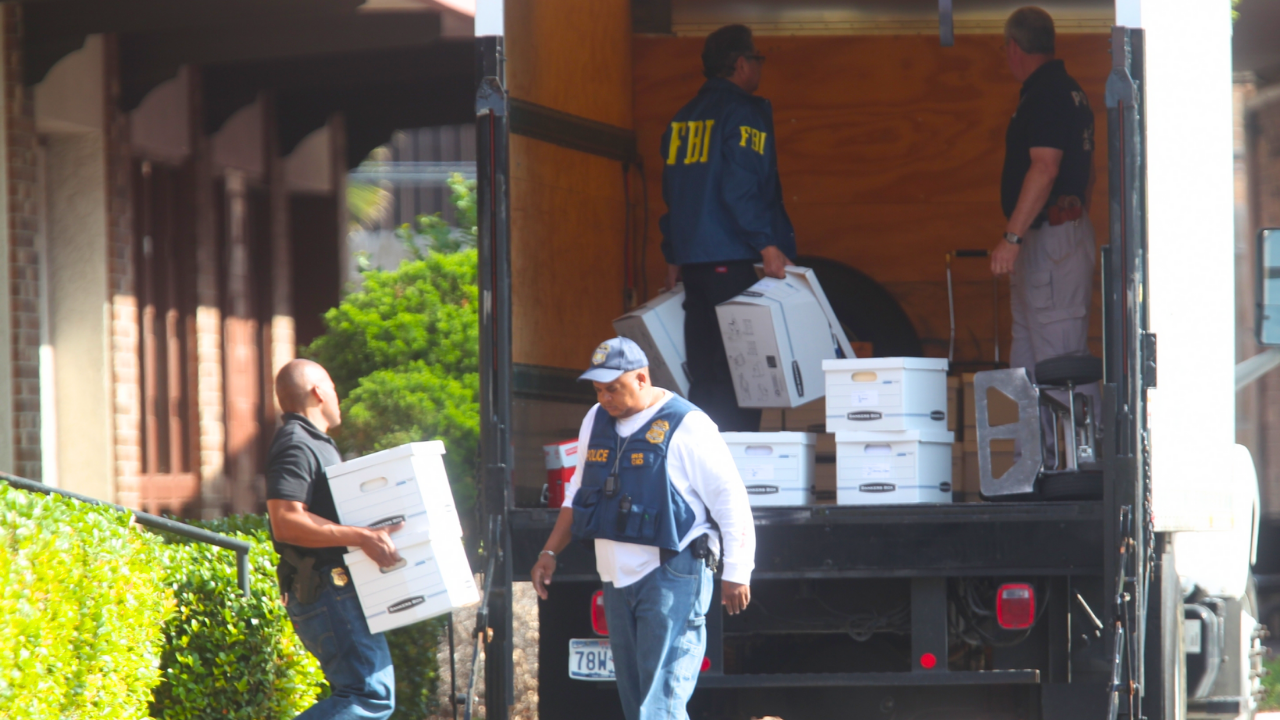
The fraud did not stay hidden forever. Investigators from the FBI and the Department of Health and Human Services Office of Inspector General reviewed billing data and records from the telemedicine companies. They saw patterns of very high volumes of orders linked to Sutton, with no proper exam notes or real telehealth visits in the files. That pattern suggested that Sutton signed forms mainly to push claims through Medicare, not to treat patients. Investigators concluded that Sutton falsely presented himself as the treating physician for many people who had not been properly evaluated.
As the evidence grew, federal prosecutors brought charges. In April 2025, Sutton pleaded guilty to conspiracy to commit wire and mail fraud, making false healthcare statements, and aggravated identity theft. By pleading guilty, he admitted his role in the scheme and avoided a trial. His case illustrates one example in a larger national push to stop telemedicine-related fraud and protect public health programs from abuse. Officials said the outcome should serve as a warning to other doctors that misusing telehealth and billing rules can lead to serious federal penalties.
Sentence, Restitution, and Wider Impact

On January 12, 2026, U.S. District Judge David A. Ruiz sentenced Sutton to 64 months in federal prison, which is 5 years and 4 months. After prison, Sutton must serve three years of supervised release. The court also ordered him to pay nearly six million dollars in restitution to the U.S. Department of Health and Human Services, reflecting the losses that remained after some recoveries. Officials said Sutton abused his position of trust by pretending to examine patients and by misusing Medicare funds for personal gain.
The case shows how one doctor’s actions can undermine public trust in telemedicine, even though many providers use it correctly. Government agencies now use enforcement actions like this to send a clear message: telehealth is welcome when it follows the rules, but it cannot serve as a shortcut for false billing.
By exposing this scheme and imposing prison time and restitution, authorities aim to protect patients and taxpayers and reduce future fraud in programs that provide vital care to millions of people.
Sources:
U.S. Department of Justice, Press Release, January 14, 2026
Federal Court Documents, U.S. v. Sutton Case Files, 2025-2026
HHS Office of Inspector General, Fraud Alert and Case Summary, 2024-2026
FBI Healthcare Fraud Task Force, Press Releases and Investigation Reports, 2022-2026
Chronicle Telegram, North Ridgeville Doctor Medicare Fraud Coverage, April 2025
DOJ Sentencing Memorandum, U.S. v. Sutton, January 2026