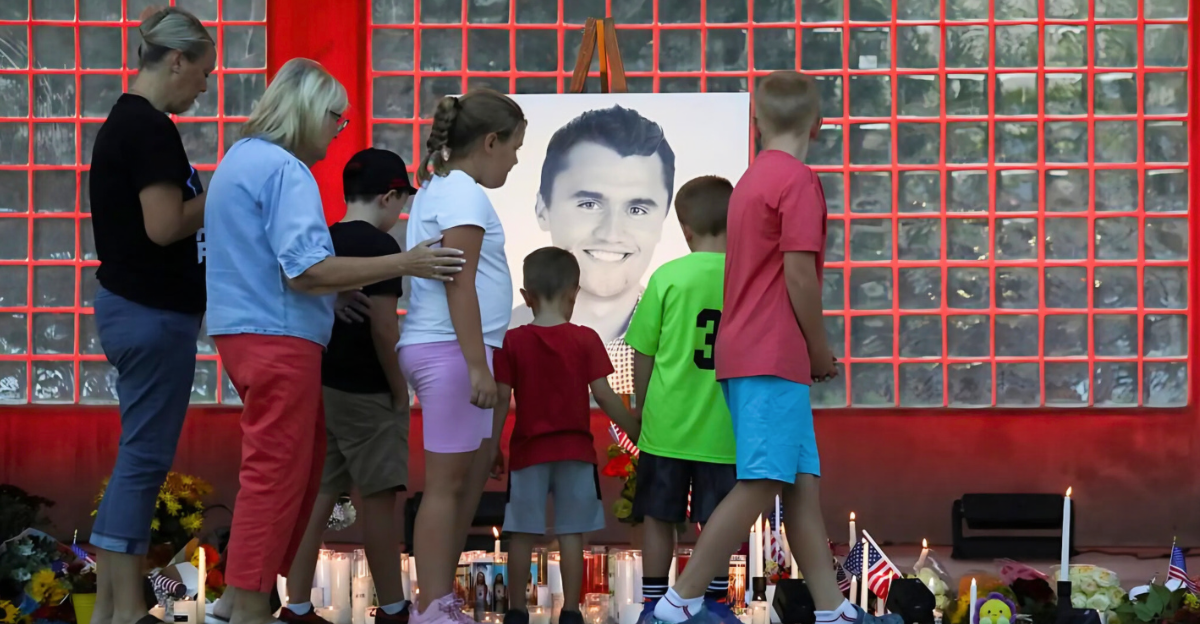
Munroe Falls councilman John Impellizzeri left public life after his Facebook post about Charlie Kirk’s assassination went viral and unleashed a wave of threats. He and his family chose to go into hiding.
His message, posted September 12, drew criticism after national conservative figures—including Stephen Miller—amplified it on social platforms.
The situation escalated quickly. Impellizzeri reported more than 500 threats against him and his family, including calls for his resignation. He deleted his Facebook account, skipped city events, and followed federal officials’ advice to remain out of sight.
Impellizzeri insisted he never endorsed violence or Kirk’s killing. He called the assassination “horrendous” and “completely unacceptable.” Nonetheless, many accused him of inciting violence. The backlash exemplifies the risks that public officials face when social media ignites controversy.
Local police stated they found no documented threats against the department or city, though Impellizzeri said messages targeted both his family and public institutions. The episode reveals how digital outrage can quickly spill into real-world danger.
Social Media Turns Local Comments into National Flashpoint
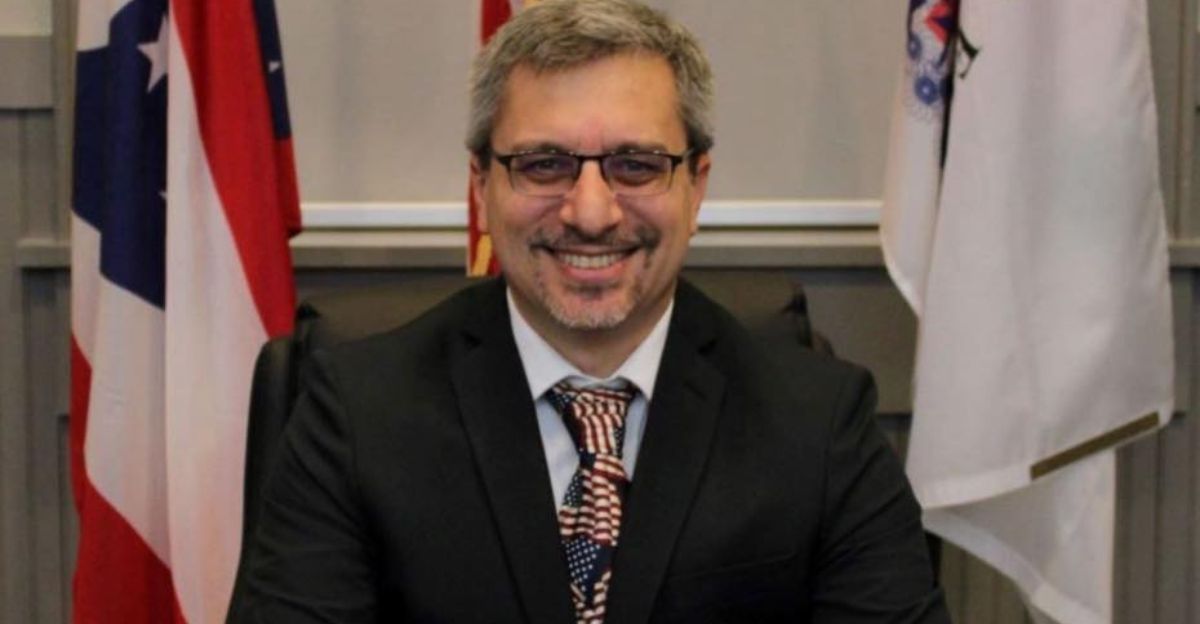
Impellizzeri wrote his comments in the wake of Kirk’s September 10 assassination. In his post, he criticized Kirk’s history, stating, “the world is a better place now that he’s gone.” Stephen Miller and Libs of TikTok picked up the story, amplifying it across the internet.
Impellizzeri responded, saying his post referenced Kirk’s divisive statements, not his murder. He clarified, “I am against all forms of violence.” However, despite these explanations, anger grew online.
Threats mounted quickly. Some messages included personal attacks and ominous warnings. Conservative social media users demanded that Impellizzeri resign at his position as coucilman.
Others shared contact information found on the city’s website. Some claimed to have located him, while criticism grew in local forums. City officials received requests for comment but delayed responses until September 15.
Police and city representatives denied receiving official threats. However, Impellizzeri described encounters at the city center where people took photos and made menacing statements. He claimed the fire department also received hostile messages. Stress took a heavy toll; he admitted to losing sleep for more than 36 hours due to ongoing threats and uncertainty about his future.
Safety Measures, Accountability, and Lasting Division
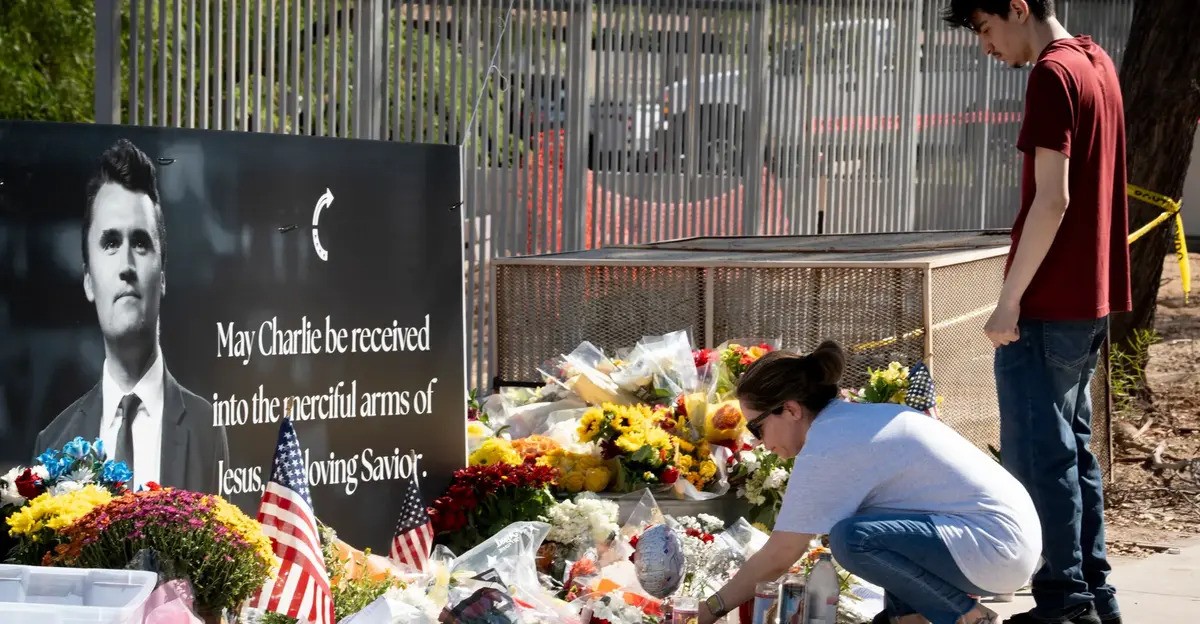
Munroe Falls now faces the fallout from Impellizzeri’s withdrawal. Critics worry that social media outrage has created a climate where aggressive online movements intimidate officials and undermine public debate.
Supporters say his words were misunderstood and warn that unchecked hostility stifles democratic discourse. Federal advice and the complete deletion of Impellizzeri’s Facebook profile underscore the seriousness of the threats.
Impellizzeri’s experience demonstrates how swiftly comments can escalate when influencers spread controversy. “I am not celebrating Kirk’s death. I never have—never will,” he told reporters. Yet, calls for his resignation continue. Community tensions remain high.
City officials monitor developments and urge respectful discussion. The councilman’s ordeal stands as a cautionary tale for local leaders and citizens facing the unpredictable consequences of viral controversy. In today’s digital world, words move fast. Threats follow and lives change overnight.