
Colorado’s mountains stand eerily bare in January 2026, their snowpack at record lows, signaling a potential water crisis for 1.5 million Denver-area residents who rely on distant melts from the Dillon Reservoir watershed.
This marks the lowest snow levels since monitoring began in 1978 for that key area, with statewide figures at 63% of median and Colorado River headwaters at 58%. Warm, dry weather has delayed ski seasons and heightened fears of shortages ahead.
Record Low Snowpack
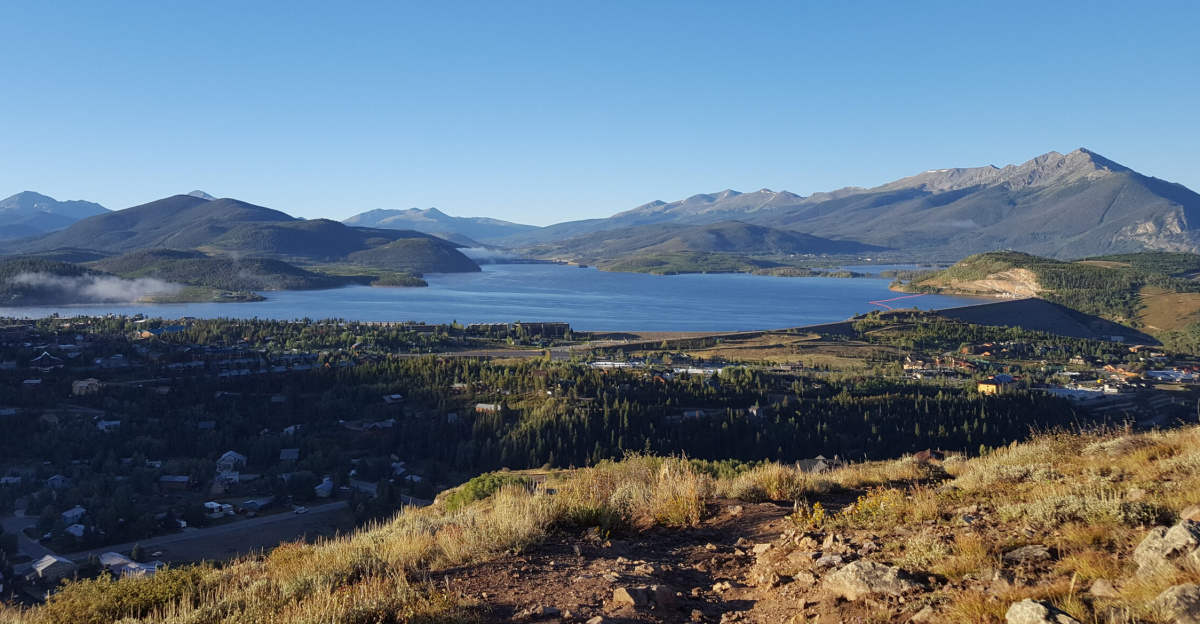
The Dillon Reservoir watershed snowpack has dropped to 46% of historical average, the worst in nearly 50 years of local records and since comprehensive statewide SNOTEL data started in 1987. Parts of the reservoir stayed unfrozen into mid-January, a visible sign of the drought’s severity.
Statewide, snowpack hit the “zeroth percentile”—the absolute bottom of records—multiple times since late November 2025, with the Arkansas Basin at 50% of normal. Forecasts show little moisture relief through late January, dimming hopes for quick turnaround.
Unseasonal Warmth Delays Accumulation
Colorado endured its fourth-warmest September-to-November period on record, with November third-warmest. These conditions stalled snow buildup, leaving areas like Gunnison at 63% of typical early-winter levels.
Climatologists note that such warmth, tied to broader trends, pressures water systems as winter advances. The state typically sees peak snow accumulation in April, but current deficits suggest a steep shortfall without major storms.
Critical Reservoir at Risk
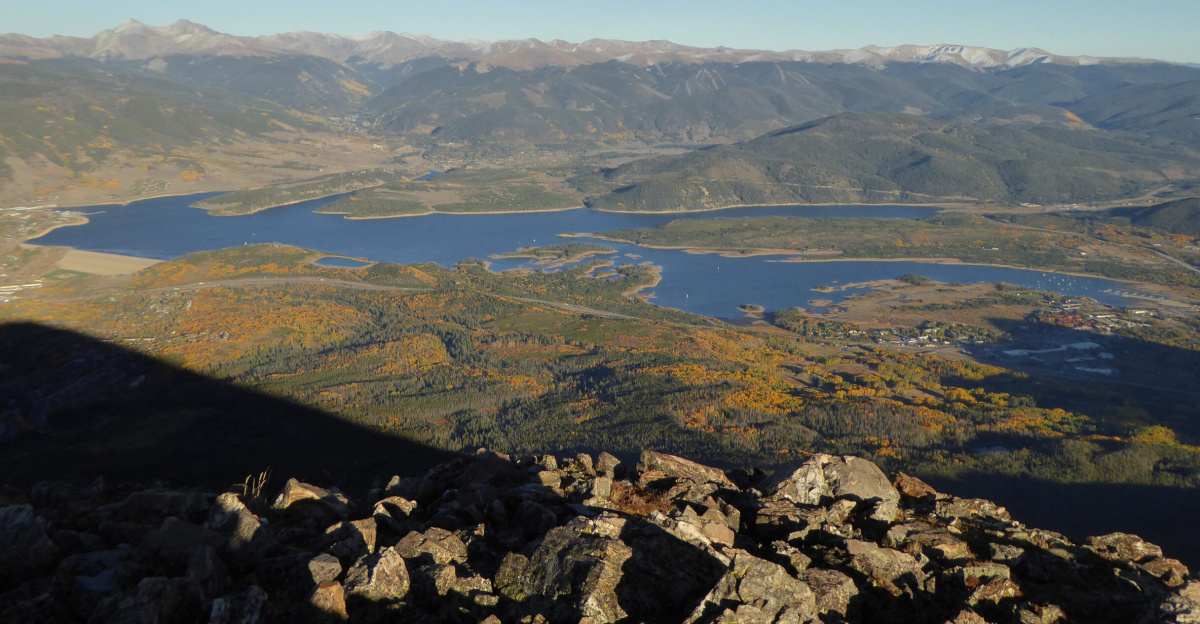
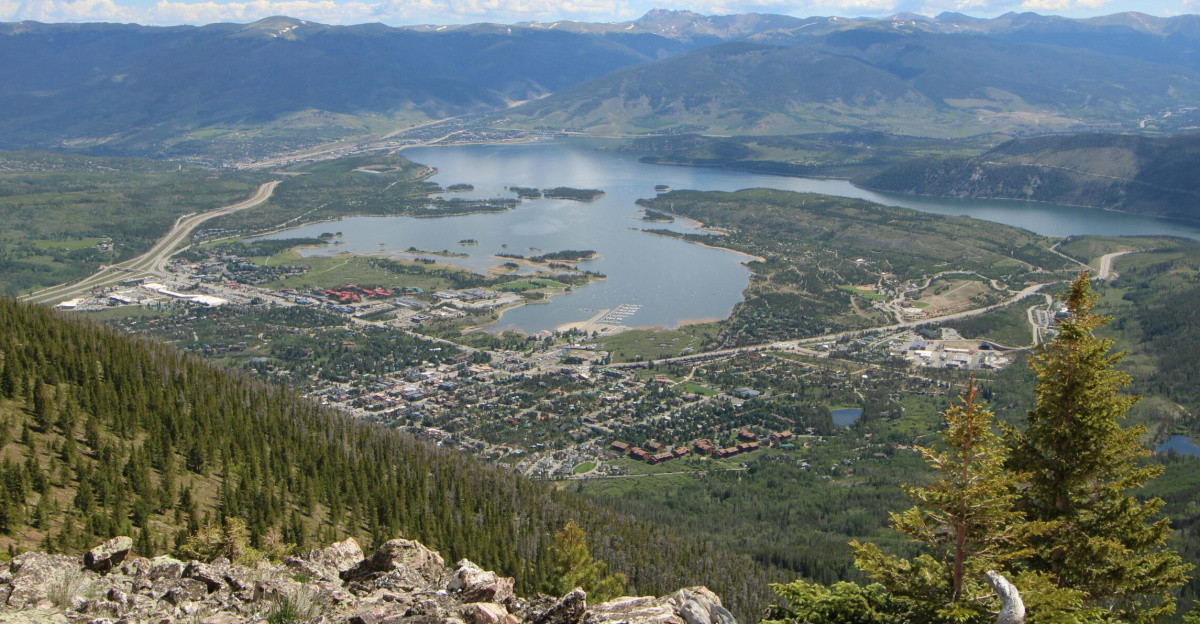
Built in 1963, Dillon Reservoir captures Blue River snowmelt, supplying most drinking water for Denver’s metro population. February-to-April inflows normally dominate, but this year’s thin snowpack threatens that flow.
Current reservoir levels hold near normal, bought time by prior storage. Yet a weak spring melt could trigger restrictions, hitting households, agriculture, and ecosystems in Jefferson and Arapahoe counties.
Regional and Broader Strain
Low snowpack ripples outward: Colorado River headwaters at 58% affect Lake Powell storage, prompting scrutiny of the Colorado River Compact for seven Western states. Neighboring basins face agriculture cuts and potential shortage declarations.
Globally, similar droughts hit the Sierra Nevada in 2025-2026. In Colorado, ski areas like Powderhorn delay openings and ramp up snowmaking, while ecosystems suffer from unfrozen waters, wildfire risks, tree die-offs, and reduced yields.
Management and Recovery Outlook
Denver Water managers monitor closely, noting past rebounds like 1999-2000 and 2012-2013 from late snows. They urge drought-resistant landscaping and conservation now. Assistant state climatologist Peter Goble cautions conditions may worsen first, citing non-recovering years like 2011-2012.
The utility advances long-term strategies with partners amid evolving climate patterns. February through April remain pivotal; without heavy snow, shortfalls could lock in, forcing policy shifts on allocation, conservation, and sustainability across the West.
Sources:
CBS News Colorado, Worst snowpack on record could spell consequences in Colorado mountains, January 2026
Grand Junction Daily Sentinel, Season’s snowpack remains meager with little moisture in sight, January 18, 2026
Sky-Hi News, Colorado’s snowpack hits record-lows for three days straight, January 17, 2026
The Cool Down, The worst it’s been in more than half a century, January 2026
Denver Water, Dillon Reservoir fact sheet, Accessed January 2026
USDA Natural Resources Conservation Service, Record Low Snowpack Observed Across Much of Colorado Heading into 2026, January 8, 2026