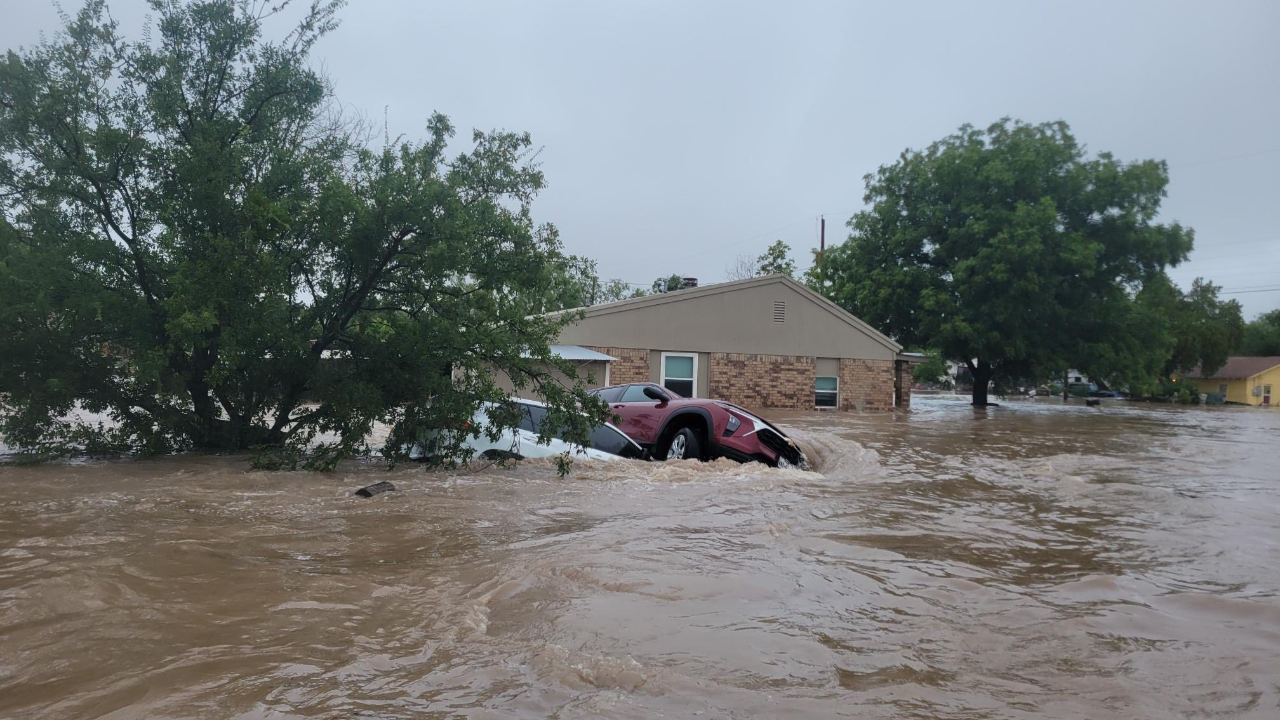
On November 20, 2025, the National Weather Service issued a chilling message for Menard, Texas: “Seek higher ground immediately!” With more than nine inches of rain falling in a single day, the small town was under a rare flash flood emergency. The scene unfolded in real-time, with officials scrambling to warn the 1,300 residents of imminent, life-threatening flooding.
This was no ordinary storm. With flash flood emergencies rarely issued, the stakes were higher than ever. As the town’s infrastructure was overwhelmed, residents began evacuating, unsure of what the next moments would bring.
Rising Waters

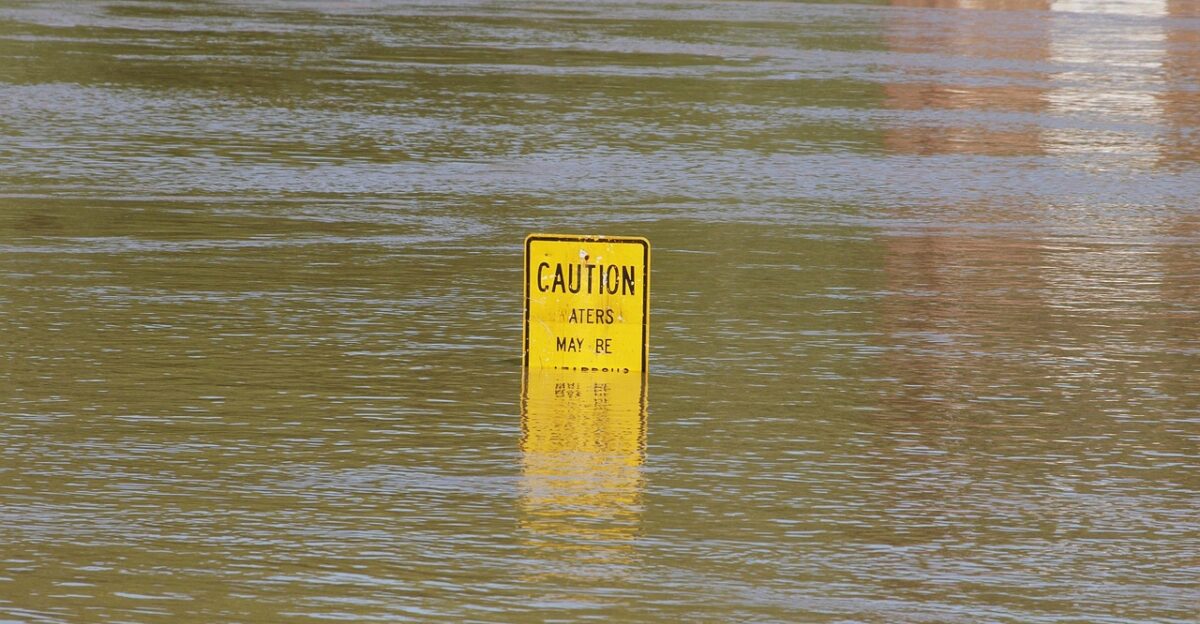
Floodwaters surged over roads, homes, and businesses in Menard County, as the storm intensified. Officials described the situation as “particularly dangerous,” highlighting the immediate threat to life. Escape routes were blocked, and residents abandoned vehicles as fast-moving waters crept up to their doorsteps.
In this rapidly escalating crisis, survival became the top priority for all affected. With rising waters cutting off escape routes and forcing residents into shelters, the clock was ticking for anyone left behind.
Historic Floods
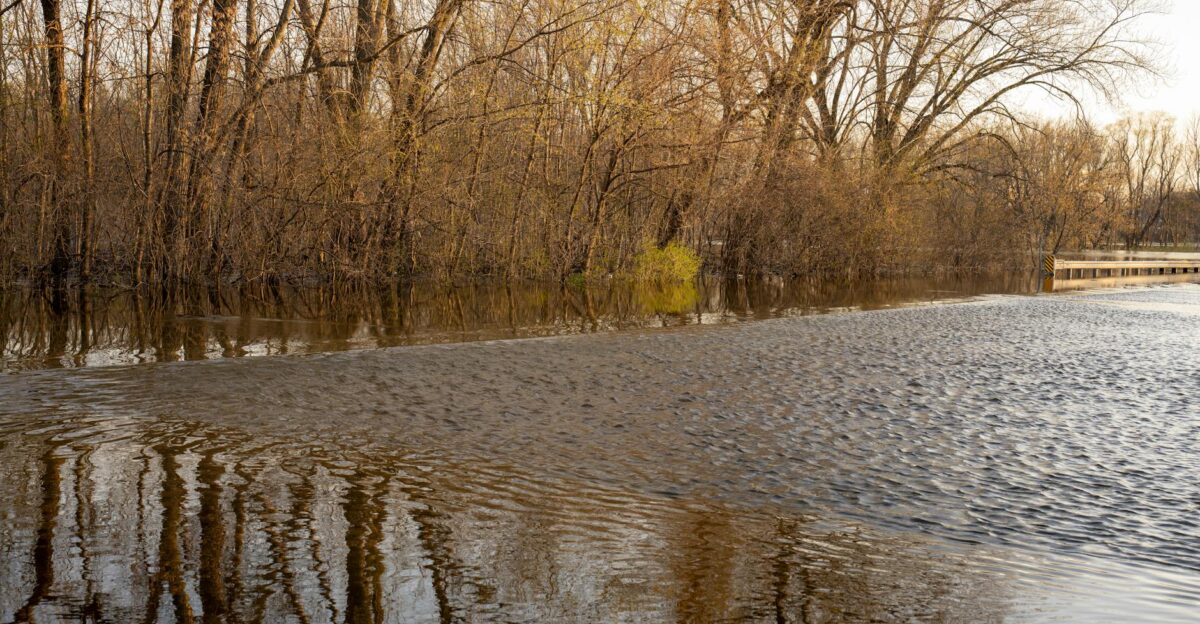
This was not the first time Texas had faced such devastation. Just months earlier, catastrophic flooding in the Texas Hill Country killed at least 135 people. Menard’s flash flood emergency mirrored the deadly pattern of extreme weather events in the state, with the Guadalupe River and surrounding areas frequently falling victim to unpredictable, life-threatening floods.
The growing frequency of such extreme weather events has raised concerns about the state’s long-term resilience. Each disaster adds weight to the question: How prepared is Texas for future catastrophic flooding?
Mounting Pressure

Meteorologists warned that the flash floods could worsen, coinciding with one of the busiest travel weeks of the year. The National Weather Service maintained a high-level alert, and local authorities scrambled to coordinate evacuations as millions across Texas remained under flash flood warnings.
The clock was ticking for those trying to escape the rising waters. Authorities focused on protecting lives, even as travel disruptions and widespread flooding began to overwhelm infrastructure statewide.
Menard Emergency

“Seek higher ground NOW!” This urgent message came from the National Weather Service as Menard became the epicenter of a rare flash flood emergency. Evacuations began immediately, with the RV park emptied out as waters rapidly rose. Officials worked frantically to protect the town’s 1,300 residents from the devastating flooding that was already underway.
The entire town of Menard was on high alert, and residents could only rely on the immediate actions of local officials and first responders as the floodwaters surged dangerously high.
Regional Fallout

The flooding wasn’t confined to Menard alone. Key transportation routes, including U.S. 83 and Highway 29, were closed as rising waters overwhelmed infrastructure. Travelers were stranded, and rescue operations became increasingly complex.
As the storm moved across Texas, emergency shelters were set up to accommodate the displaced, with residents of nearby towns bracing for more rain. The impact of the flooding rippled through the region, affecting countless other towns and cities in its path.
Impact On Residents
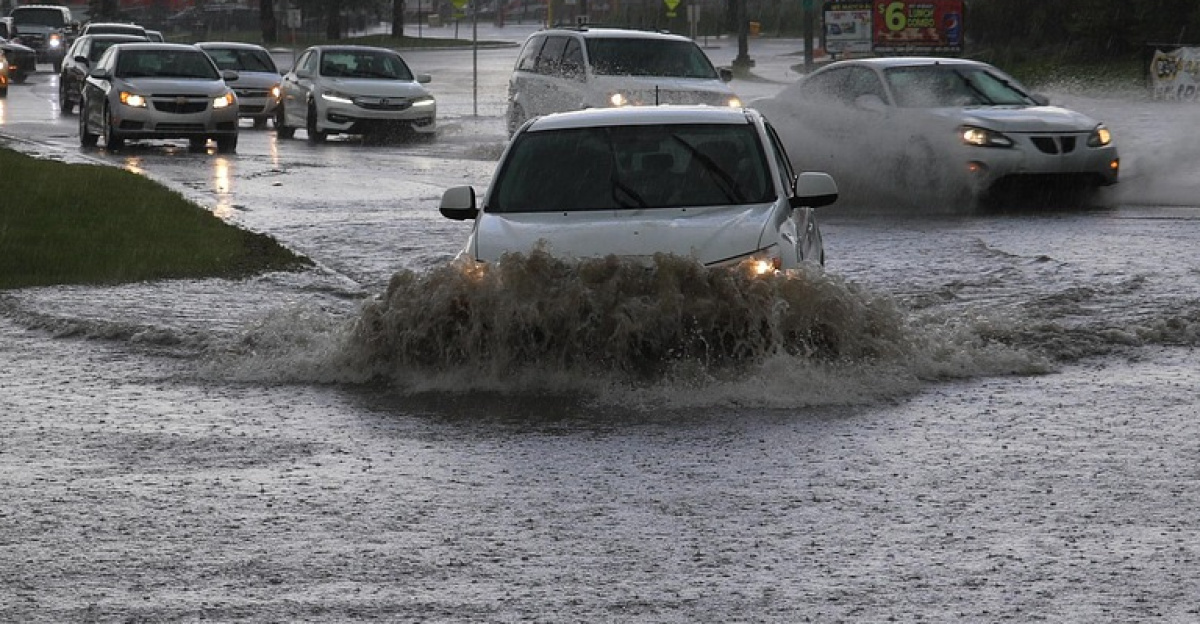
For those living in the Menard RV park, the evacuation orders hit hard. Families left behind belongings, unsure if they would ever return to their homes.
The sense of loss and uncertainty weighed heavily on the community as they sought shelter from the storm. For many, it wasn’t just about saving possessions; it was about preserving their lives in the face of an unprecedented crisis.
Statewide Impact
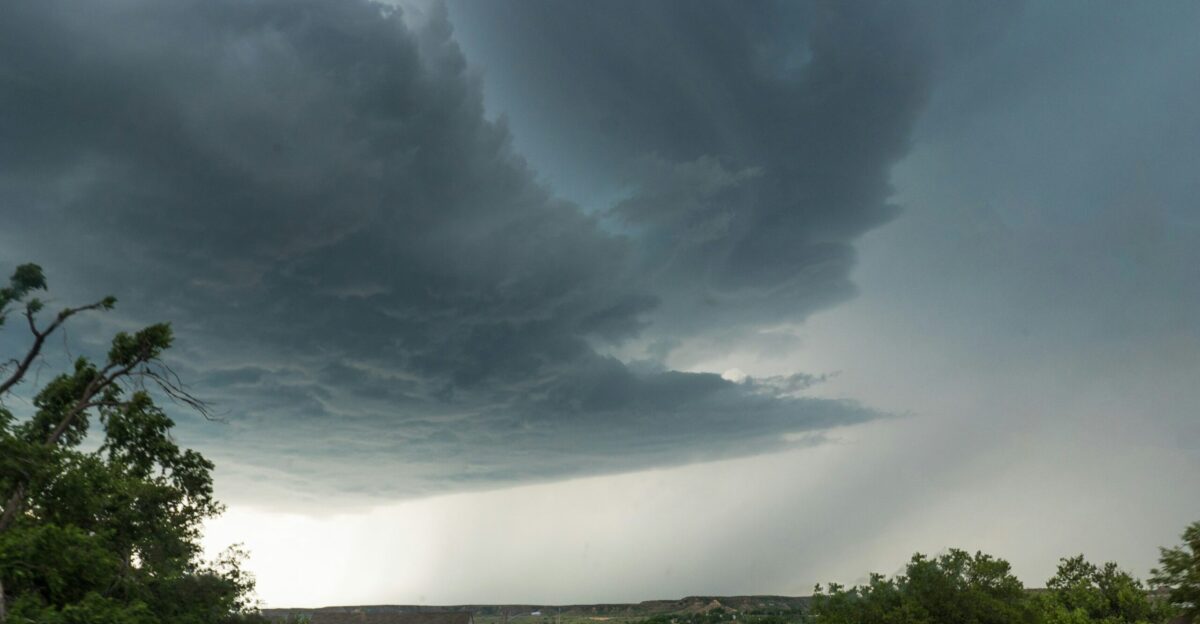
As the storm swept across Texas, millions of people found themselves under flash flood warnings. Urban centers like Dallas dealt with submerged streets, while rural areas faced washed-out roads. Emergency services were stretched to their limits, prioritizing life-saving rescues as communities scrambled to stay safe.
The disaster’s reach was far beyond Menard. Flash flood warnings and evacuations swept across the state, leaving residents in cities large and small scrambling for safety as the storm continued its deadly path.
Extreme Weather Trends

Texas has seen an increase in extreme weather events, with flash floods becoming more frequent and severe. Experts point to changing climate patterns, with droughts followed by intense rainfall, exacerbating the state’s vulnerability.
The deadly July 2025 flood in the Hill Country, which claimed over 130 lives, was a stark reminder of the growing threat of flash floods. For Texas, these extreme weather events are no longer isolated incidents but a growing reality residents must face.
Collateral Damage
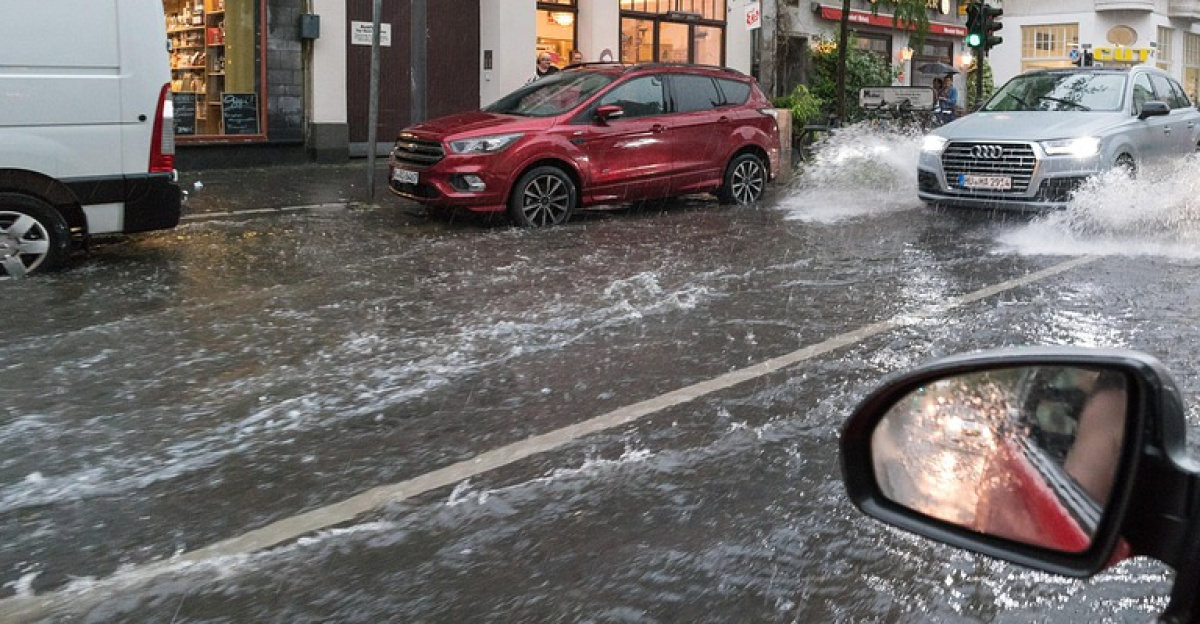
The economic impact was just as severe as the flooding itself. Local businesses were forced to shut down, and infrastructure repairs would take months, if not longer. Small towns like Menard were left to pick up the pieces, facing long-term recovery challenges.
The event raised questions about how vulnerable these communities truly are to the increasing frequency of extreme weather. How can small towns like Menard prepare for future disasters, and what long-term recovery measures are needed?
Community Frustration
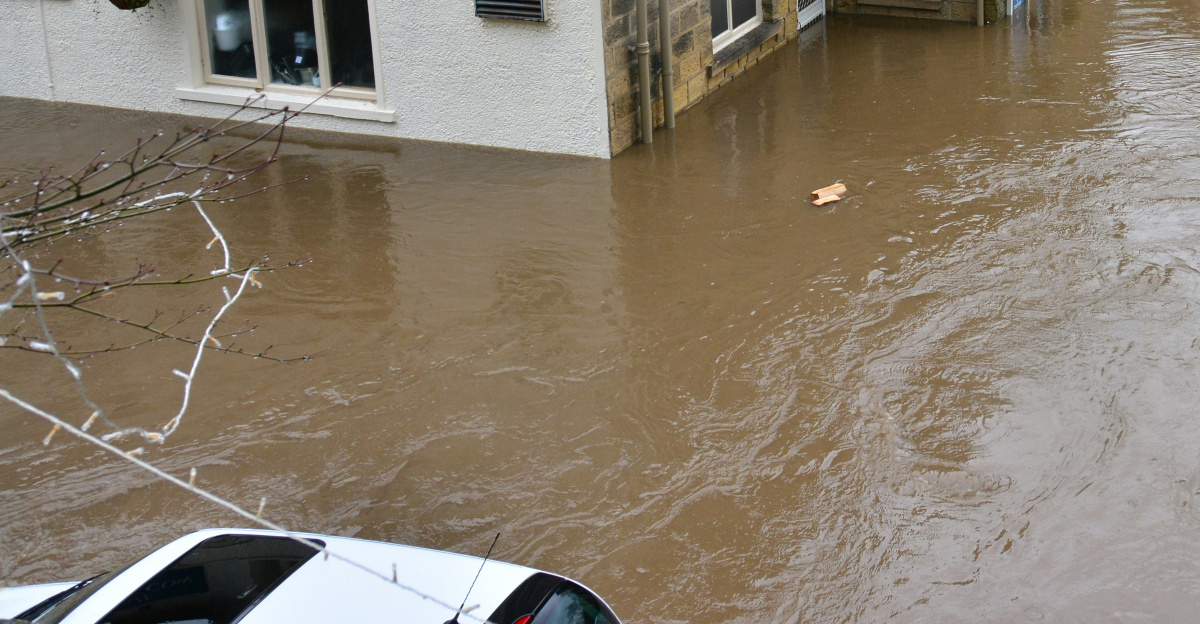
Not everyone was satisfied with how the emergency response was handled. Some residents expressed frustration at the speed and clarity of the official communication. While many praised the timely warnings, others felt unprepared for the scale of the disaster.
Community leaders vowed to improve emergency protocols and better engage with residents in future crises. The town’s experience highlighted the importance of clear, effective communication when facing catastrophic events.
Leadership Response
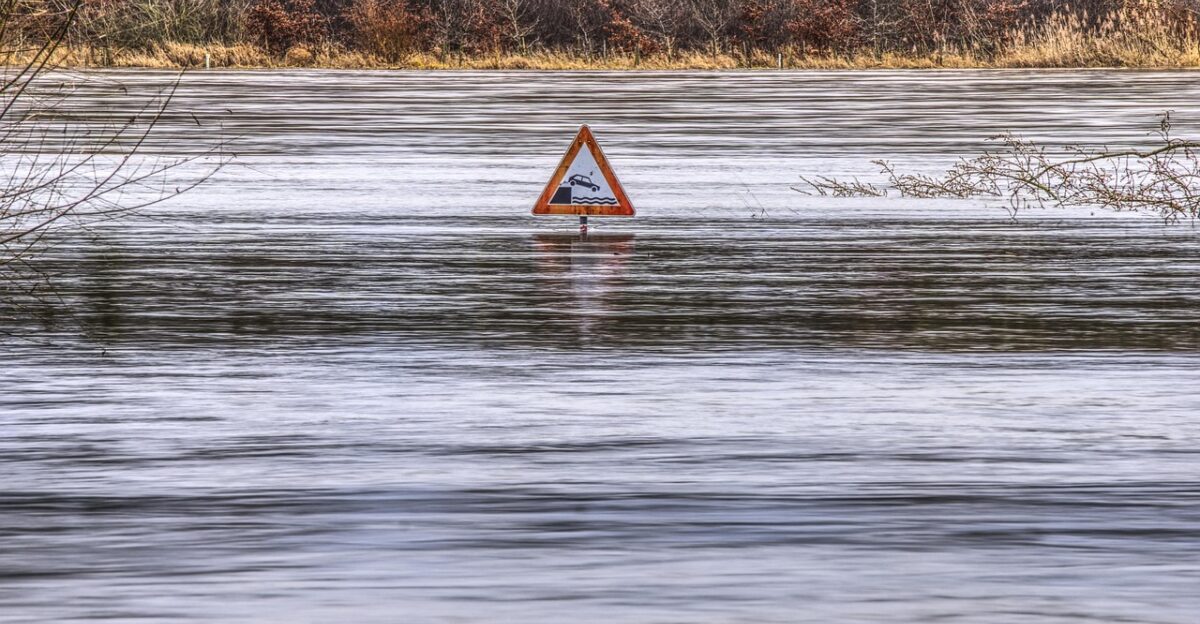
Local officials worked alongside state agencies and the National Weather Service to manage the flash flood emergency. Although there were no reported leadership changes, the event tested the town’s emergency management system.
Coordination with neighboring counties became crucial, ensuring that resources and information were shared quickly and effectively to mitigate the disaster. As the floodwaters receded, the leadership’s quick response was a point of focus for future planning.
Recovery Efforts

As the floodwaters receded, recovery efforts began. Volunteers distributed supplies, while local authorities conducted damage assessments. Residents returned to find their homes and businesses devastated by the waters.
The community’s resilience was tested, but they rallied together to begin the long and uncertain journey to rebuild. With the help of volunteers and aid organizations, the road to recovery started, but the full extent of the damage was only beginning to unfold.
Expert Skepticism
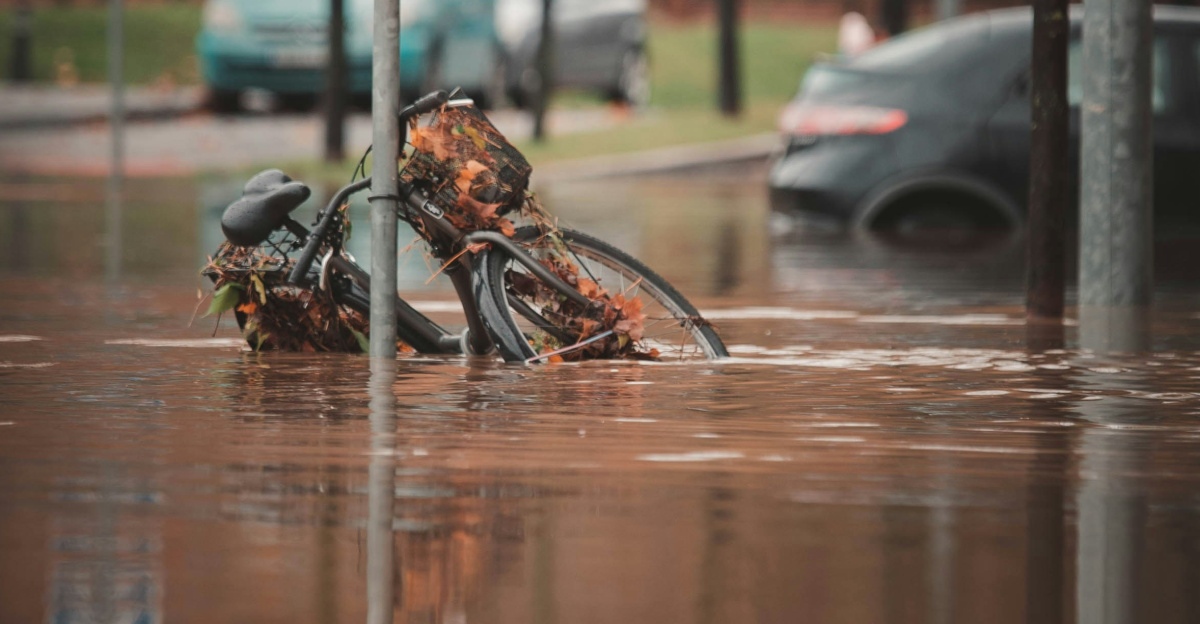
Flood experts questioned whether Menard’s response was enough to mitigate future disasters. Some critics pointed to inadequate flood mitigation strategies and urged investments in infrastructure and early warning systems.
With the July 2025 flood fresh in mind, they warned that Texas communities must be better prepared to handle these extreme weather events. It was clear that local systems would need to adapt to keep pace with rising flood risks.
Looking Ahead
The November 2025 flood emergency may spark long-needed changes in local policies. As Menard begins to recover, officials and residents are left grappling with pressing questions about how to better prepare for future storms.
With climate change intensifying the frequency of extreme weather, the stakes for building resilience have never been higher. The aftermath of this devastating event will likely lead to shifts in both local and statewide disaster preparedness policies.