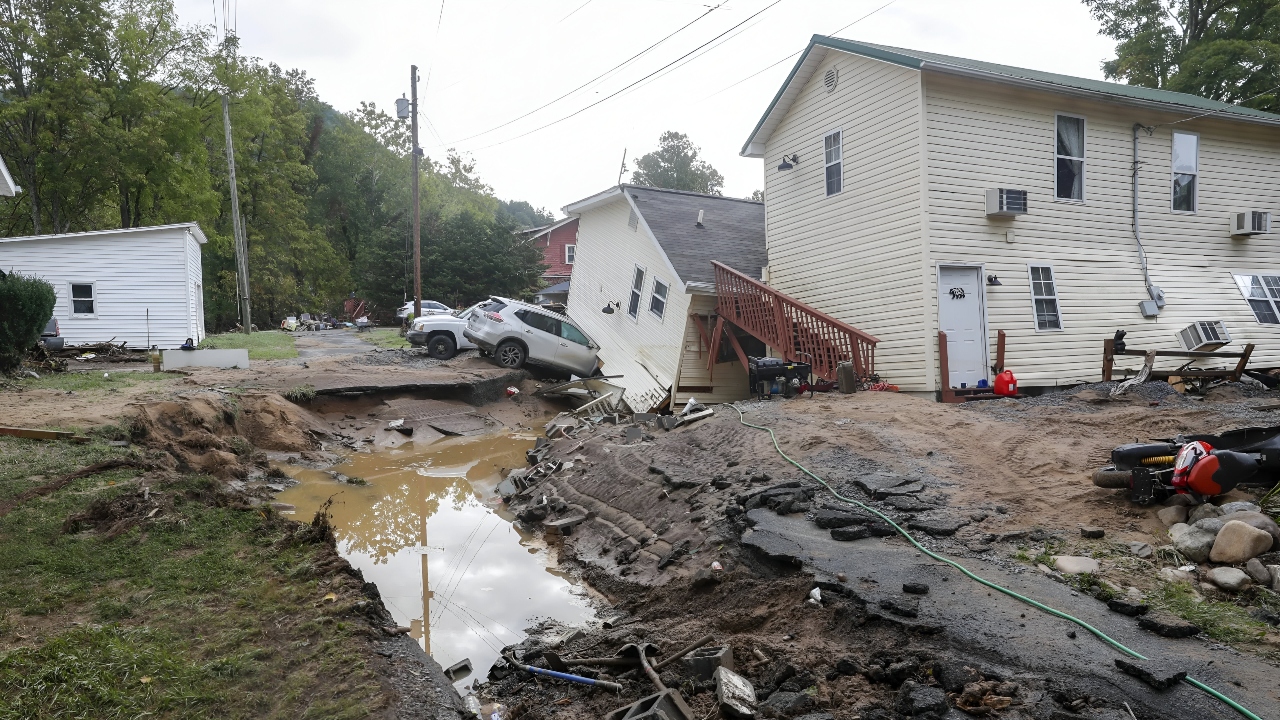
On November 20, 2025, Menard, Texas, became the center of a rare and rapidly escalating disaster. As more than nine inches of rain fell in a single day, the National Weather Service issued an urgent warning: “Seek higher ground immediately!” For the town’s 1,300 residents, the message signaled a life-threatening emergency, as floodwaters surged through streets, homes, and businesses, overwhelming the community’s infrastructure and forcing a scramble for safety.
Rising Waters and Immediate Threat
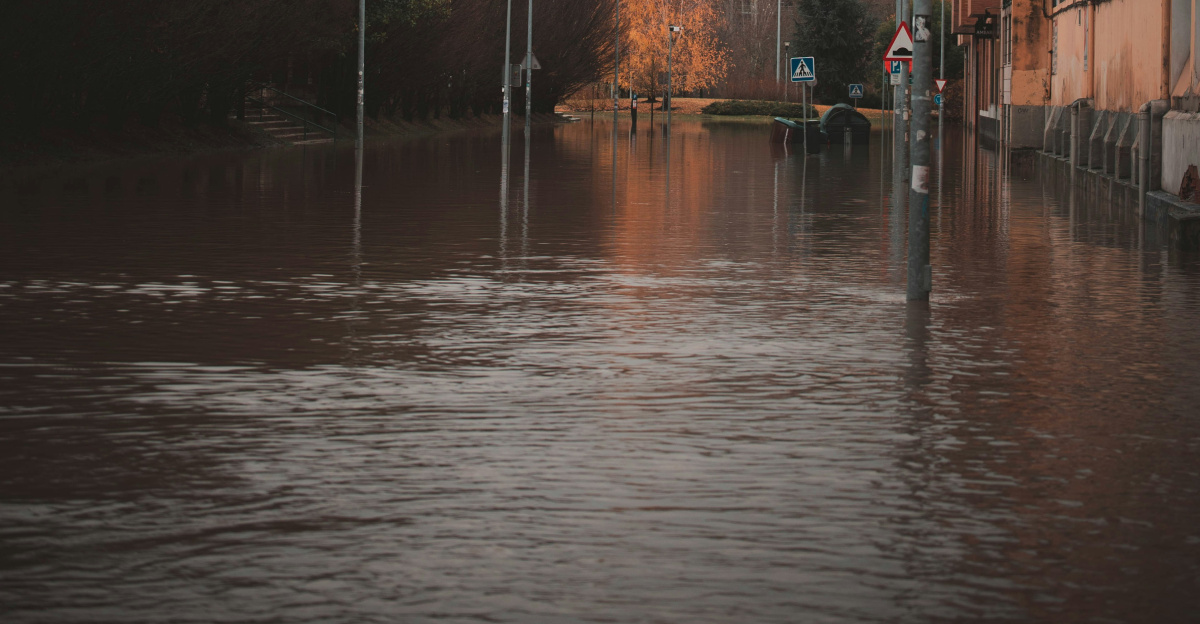
As the storm intensified, Menard County’s roads and escape routes vanished beneath fast-moving water. Residents abandoned vehicles and sought shelter wherever possible, while officials described the situation as “particularly dangerous.” The floodwaters crept up to doorsteps and cut off entire neighborhoods, leaving many with little time to react. Emergency shelters filled quickly, and first responders worked around the clock to reach those stranded by the rising tide.
The urgency was compounded by the timing: the storm struck during one of the busiest travel weeks of the year, complicating evacuation efforts and stranding travelers across the region. With millions under flash flood warnings statewide, authorities prioritized life-saving rescues as infrastructure buckled under the pressure.
A Pattern of Extreme Weather
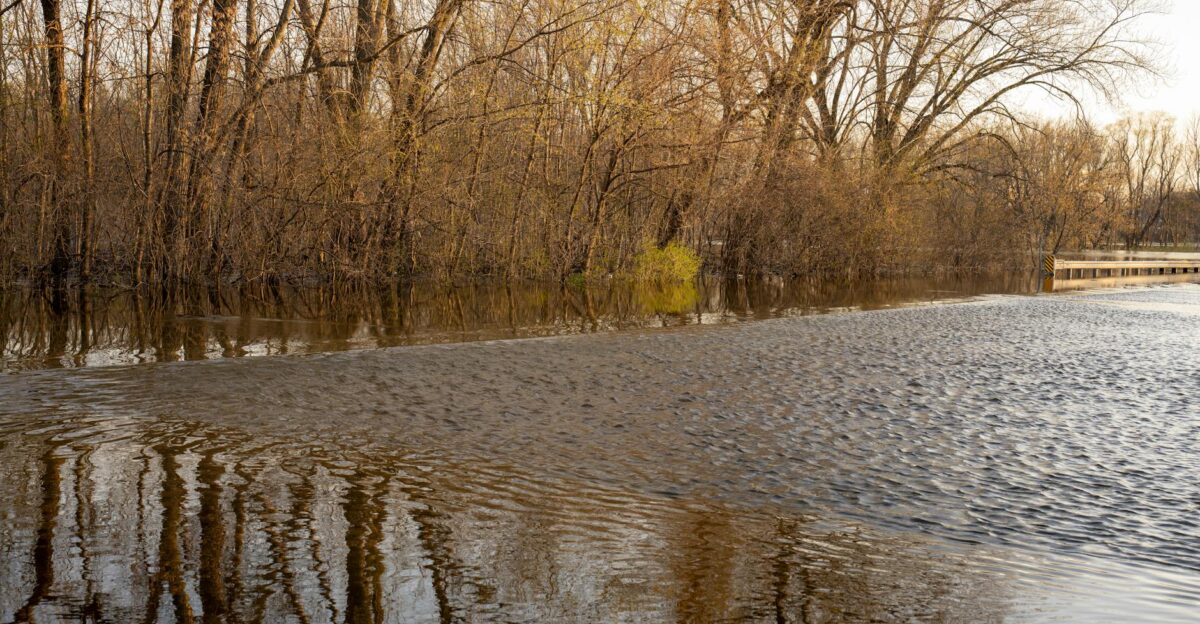
This crisis was not an isolated event for Texas. Just months earlier, catastrophic flooding in the Hill Country had claimed at least 135 lives, underscoring a troubling trend of increasingly frequent and severe weather events. The Guadalupe River and surrounding areas have repeatedly faced unpredictable, deadly floods, raising questions about the state’s preparedness for future disasters.
Experts point to shifting climate patterns as a key factor, with cycles of drought followed by intense rainfall making Texas more vulnerable to flash floods. The July 2025 disaster in the Hill Country served as a stark reminder that such events are becoming a recurring threat, not rare anomalies.
Community Impact and Response

In Menard, the impact was immediate and deeply personal. Families living in the town’s RV park were among the first to evacuate, leaving behind homes and belongings with no certainty of return. Local businesses shuttered as floodwaters inundated storefronts, and the economic toll mounted alongside the physical destruction.
Residents expressed a mix of gratitude and frustration regarding the emergency response. While many praised the timely warnings and the efforts of first responders, others felt unprepared for the scale of the disaster and called for clearer communication in future emergencies. Community leaders acknowledged these concerns, vowing to review and improve emergency protocols to better protect residents in the face of mounting risks.
Regional Fallout and Recovery
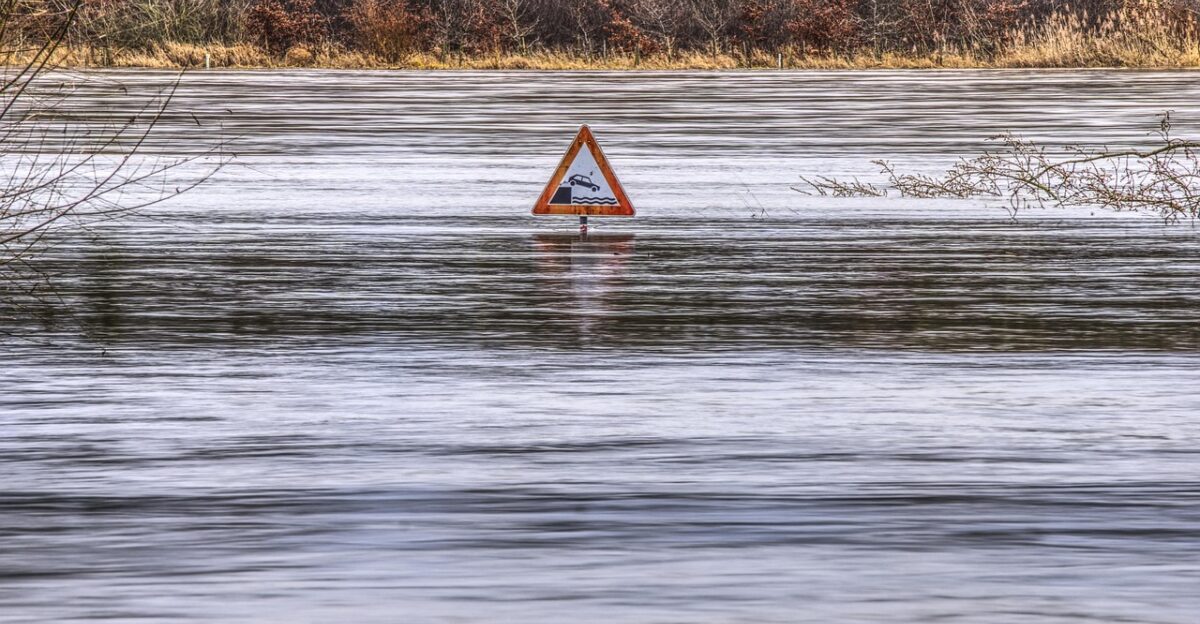
The flooding’s reach extended well beyond Menard. Major transportation routes, including U.S. 83 and Highway 29, were closed as water overwhelmed bridges and roadways, stranding travelers and complicating rescue operations. Emergency shelters opened in neighboring towns, bracing for additional rainfall and the possibility of further evacuations.
As the storm moved east, urban centers like Dallas faced submerged streets, while rural communities contended with washed-out roads and isolated neighborhoods. Emergency services across Texas were stretched thin, focusing on immediate rescues and the distribution of supplies to those displaced by the disaster.
Building Resilience
As floodwaters receded, Menard and other affected communities began the long process of recovery. Volunteers distributed food and essentials, while local authorities assessed the damage to homes, businesses, and infrastructure. The economic and emotional toll was evident, with many residents facing months of rebuilding and uncertainty.
Flood experts and local officials alike questioned whether current mitigation strategies are sufficient to address the growing threat of extreme weather. Calls for investment in infrastructure, early warning systems, and comprehensive disaster planning have grown louder in the wake of repeated crises.
The November 2025 flood emergency has become a catalyst for renewed debate about Texas’s resilience in the face of climate change. As officials and residents look ahead, the stakes for improving disaster preparedness and response have never been higher. The lessons learned in Menard may shape policies and practices across the state, as communities confront a future where extreme weather is an ever-present reality.