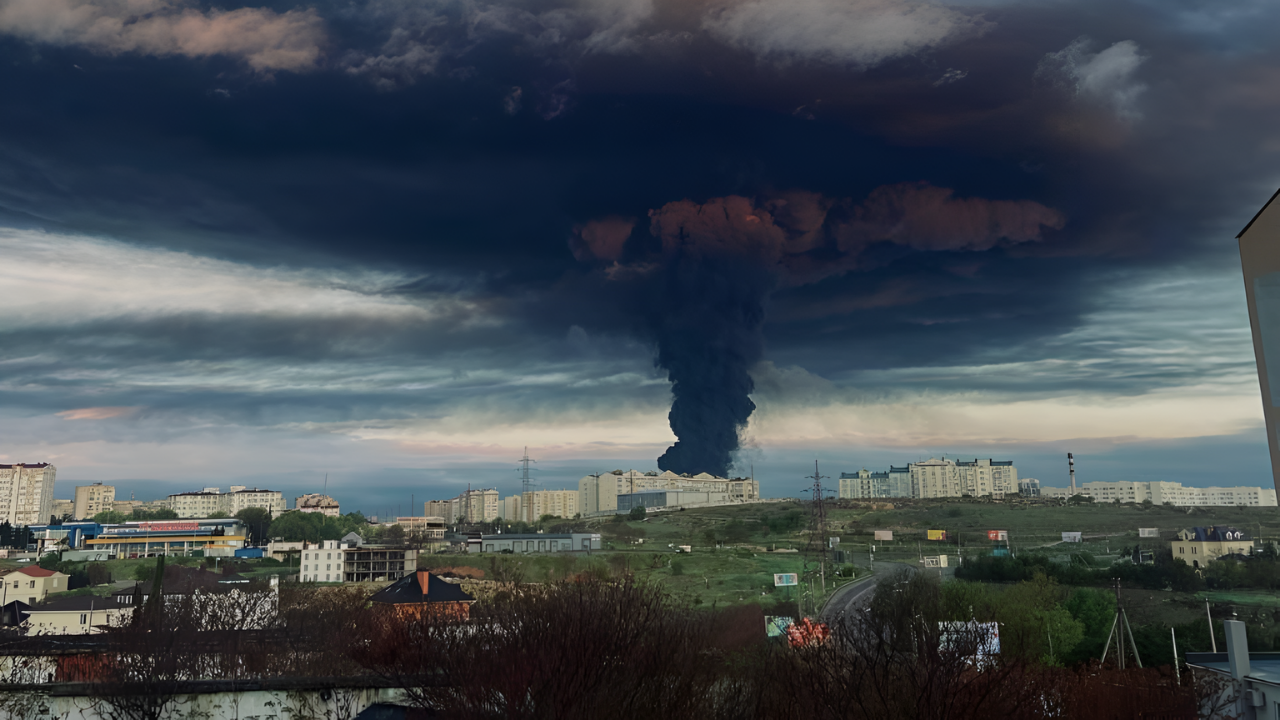
Odesa faced a major Russian Shahed drone attack overnight on November 17, 2025, as Russian forces systematically targeted the city’s vital port facilities, grain terminals, and critical energy infrastructure.
The intensive strike left tens of thousands of residents without electrical power and signaled a dramatic escalation in Russia’s ongoing campaign to cripple Ukraine’s essential grain export corridor.
Ukrainian officials confirmed widespread damage across multiple sectors and neighborhoods throughout the region.
Why Odesa? Russia’s Motive to Cripple Grain Exports

The attack was strategically planned as part of Russia’s broader ongoing campaign to undermine Ukraine’s grain export capacity and economic resilience systematically.
Odesa handles approximately 70% of Ukraine’s total grain shipments through its port terminals, making it a highly strategic target for Moscow as winter approaches and global food security concerns intensify. Control of this critical corridor remains central to Russia’s overall military and economic war strategy.
Immediate Consumer Impact: Blackouts and Disruption

Over 32,000 households in Odesa lost electrical power after the intensive drone barrage damaged critical electrical substations and a primary solar power generation plant.
The widespread blackout across the region affected tens of thousands of residents who faced darkness and cold conditions.
Temperatures dropped significantly below zero, intensifying the extreme hardship for affected families who lacked reliable heating systems or electric lighting in their homes.
Port Operations Paralyzed
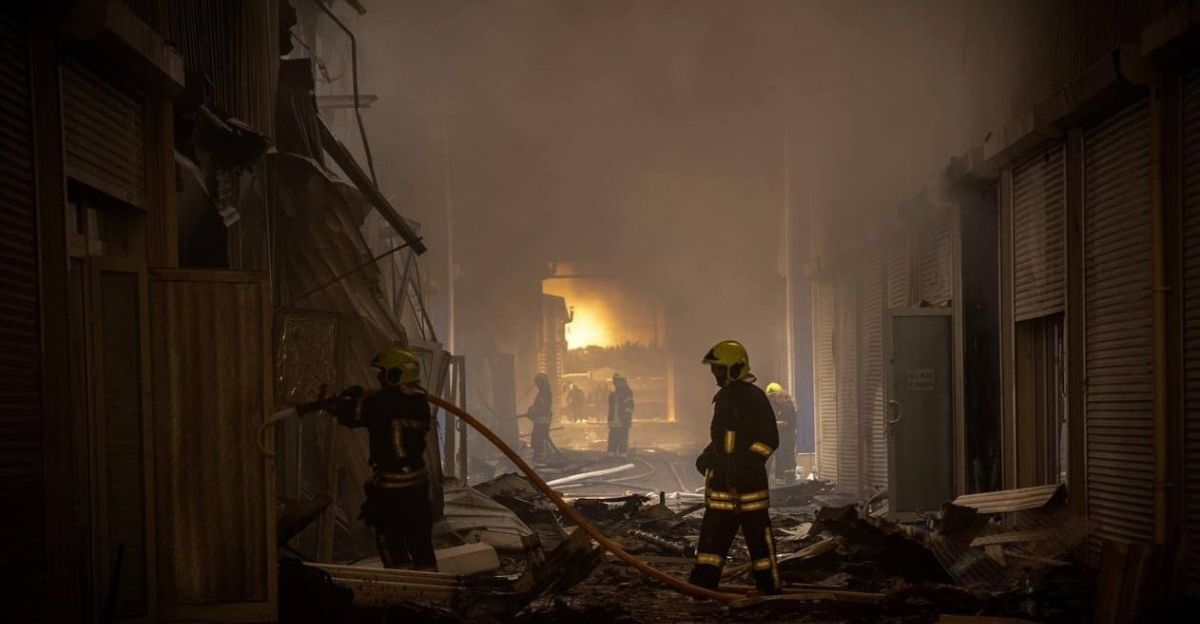
The strike caused extensive damage to port infrastructure and grain terminal facilities, forcing operational shutdowns and putting port workers, dock personnel, and maritime sailors at serious immediate risk.
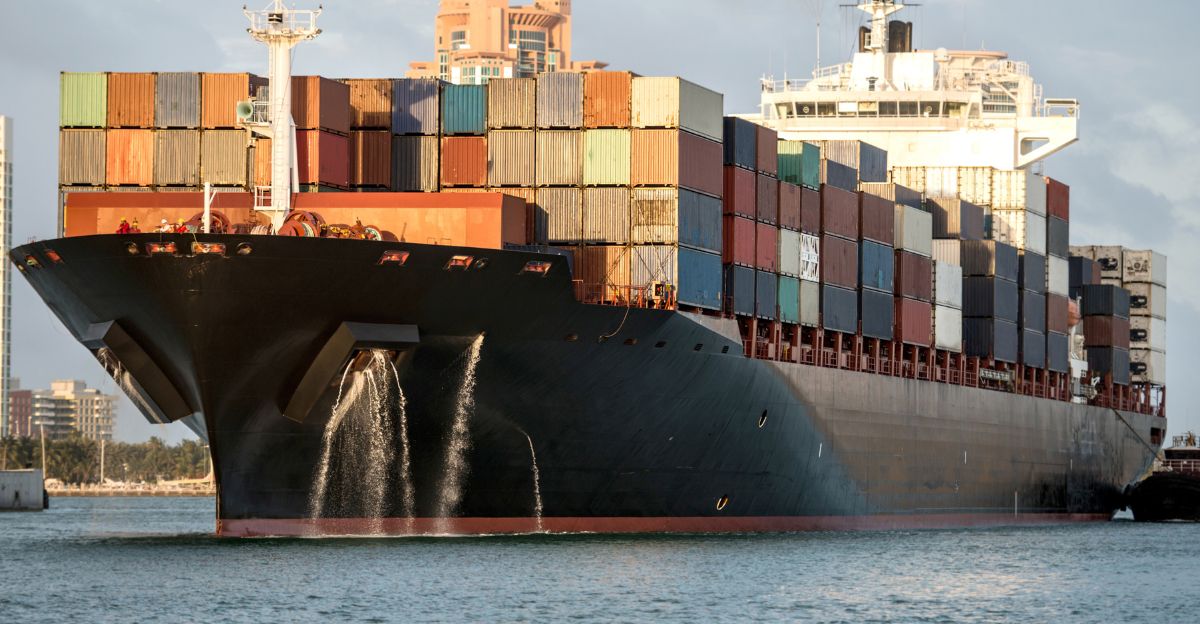
Three civilian merchant vessels were struck during the intense barrage, and multiple fires erupted at key commercial facilities throughout the port.
Emergency shutdowns were implemented across multiple locations, severely disrupting grain export schedules and potentially leading to substantial economic losses for businesses.
Energy and Shipping
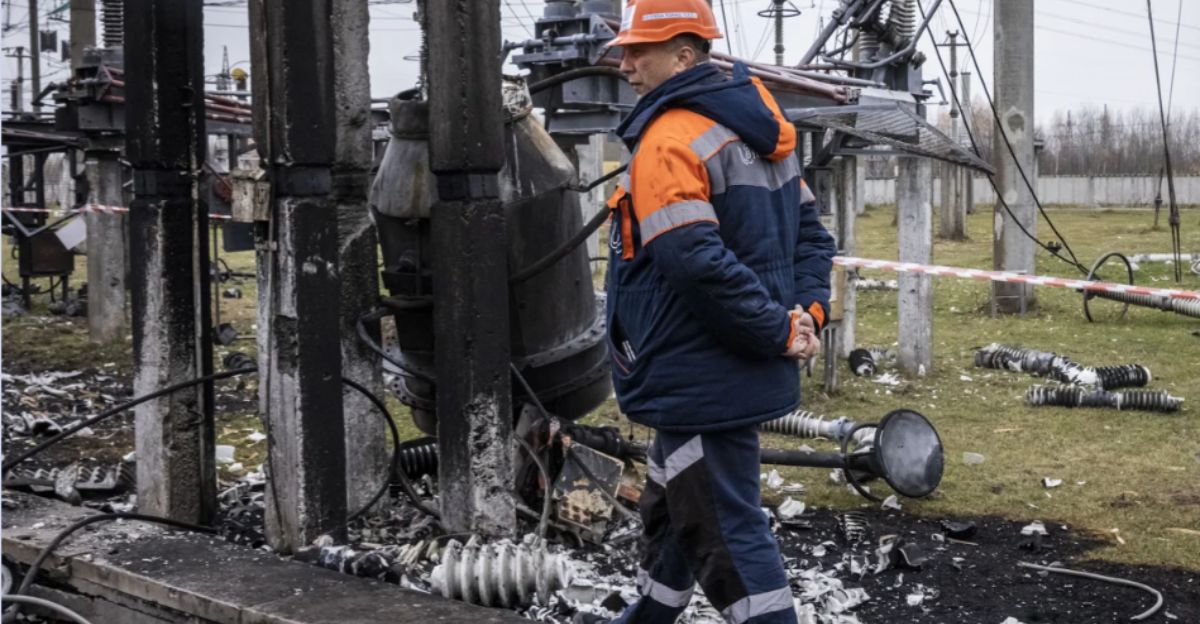
Damage to critical energy substations and a major solar power plant severely compounded the humanitarian crisis affecting the entire broader region and surrounding communities.
The Russian attack on civilian merchant vessels, including fuel tankers, significantly raised insurance costs and complicated risk assessments for shipping companies operating throughout the Black Sea.
These serious complications threaten to disrupt further established trade routes and dramatically increase operational costs for maritime commerce.
Grain Corridor Under Fire

Odesa’s port complex serves as the central hub for Ukraine’s vital grain corridor, functioning as an essential lifeline for global wheat and corn markets.
The attack directly threatened ongoing grain exports to international buyers worldwide, prompting urgent concerns about potential supply disruptions and market instability.
Commodity prices surged sharply amid widespread fears of further devastating strikes targeting the same critical infrastructure used for exporting grain shipments.
Workers and Residents in Peril

Port workers, maritime sailors, and emergency response personnel faced immediate and ongoing danger during and after the devastating attack on November 17.
One port worker sustained injuries from the strikes, while brave rescue workers battled fierce fires in dangerous sub-zero temperature conditions throughout the night.
The blackout left thousands of families in complete darkness, starkly underscoring the profound human toll of infrastructure warfare on civilian populations during harsh winter months.
Ukrainian Officials Condemn Escalation

Oleh Kiper, head of the Odesa Regional Military Administration, formally confirmed the widespread damage across the region and urgently called for significantly increased international support to defend critical infrastructure.
Ukrainian government authorities publicly highlighted the attack as a central component of Russia’s comprehensive winter military strategy aimed at pressuring Kyiv and its international allies.
Senior officials emphasized the critical need for a stronger international diplomatic response and substantially increased military aid packages to Ukraine.
Infrastructure Losses Mount
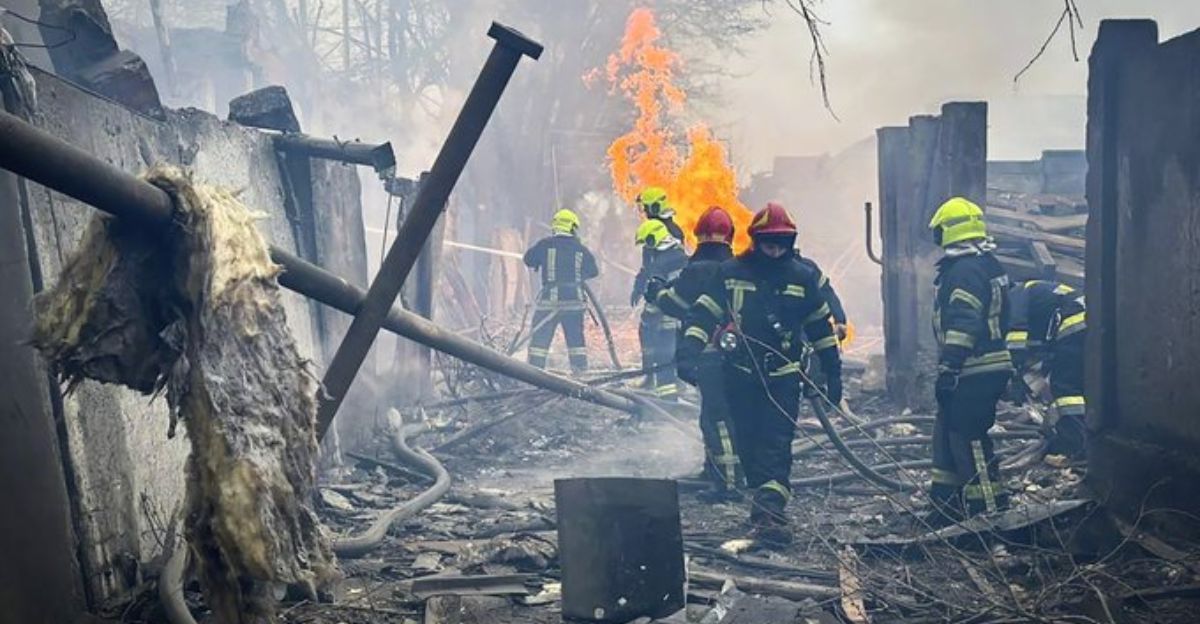
The continuing and repeated Russian attacks on Odesa’s critical infrastructure create substantial threats to raise costs for repairs, insurance, and comprehensive security measures.
Lost grain export revenue could further strain Ukraine’s already overburdened wartime economy, damaged by years of devastating conflict and destruction.
The systematic repeated targeting of port facilities creates compounding economic damage affecting farmers, grain exporters, and the nation’s overall financial stability and economic prospects for recovery.
Winter Hardships Intensify

With widespread power outages affecting tens of thousands of residents, communities faced increased hardship as temperatures dropped dramatically below zero across the southern region.
Disrupted heating systems and lost electric lighting heightened serious health risks, especially for elderly citizens, young children, and other vulnerable populations already stressed by years of ongoing war.
Winter conditions set in harshly across southern Ukraine, worsening already difficult conditions for affected communities without access to reliable infrastructure and services.
Fires and Food Security
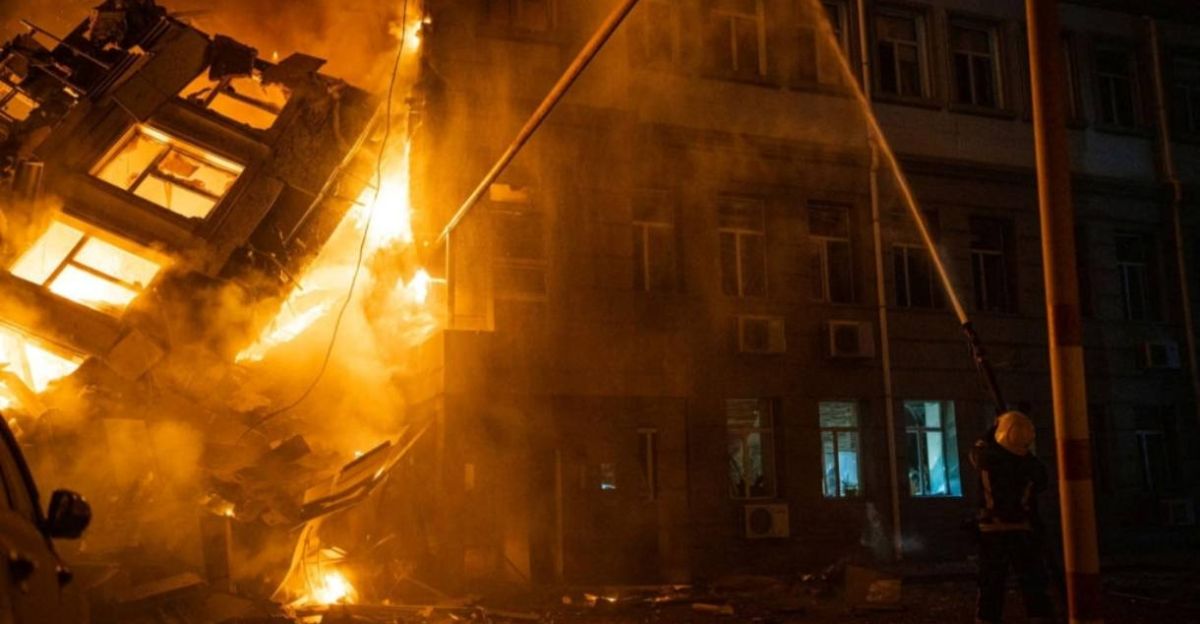
Fires at grain storage silos, electrical substations, and a major solar power plant raised significant environmental and serious humanitarian concerns across the region and beyond.
The attack reignited a crucial debate over protecting food production infrastructure during wartime and the broader implications for global food security systems and humanitarian assistance.
International humanitarian organizations warned urgently of potential serious ripple effects on the distribution of humanitarian assistance and agricultural production across Europe.
Confidence in Black Sea Trade Shaken

The repeated systematic targeting of Odesa’s port facilities has significantly shaken international confidence in the safety and viability of Black Sea shipping lanes.
Importers, shippers, and insurance companies are actively reassessing risks and carefully reconsidering commercial operations throughout the region.
Global consumers brace for possible price increases on staple food products as uncertainty grows regarding future supply stability and the viability of existing trade routes.
Shifting Trade Routes
As Ukraine’s agricultural exports falter, rival grain producing nations may benefit from higher commodity prices and substantially increased global demand for their agricultural products.
Conversely, Ukrainian farmers and grain exporters face mounting losses as international market access becomes increasingly difficult and risky for their businesses.
Commercial shipping firms are actively weighing the significant costs and operational risks of rerouting shipments through alternative routes or potentially suspending Black Sea operations altogether.
Brace for Volatility

Commodity markets reacted sharply to the attack with significant price spikes in wheat and corn futures trading, affecting agricultural businesses worldwide.
Financial analysts broadly advise consumers and businesses to expect continued volatility in agricultural commodity prices and consumer food prices.
Professional market watchers strongly recommend closely monitoring supply chain developments and trade news, as the ongoing conflict’s impacts on global food prices continue to unfold unpredictably.
Odesa’s Future and Global Stakes

With Russia continuing to target southern Ukraine in recent weeks and winter deepening, Odesa faces severe challenges to its resilience and infrastructure.
The international community watches as Ukraine races urgently to repair damaged infrastructure and safeguard critical grain exports amid ongoing military attacks.
The broader conflict’s ripple effects continue to shape global commodity markets and critical international security considerations worldwide.