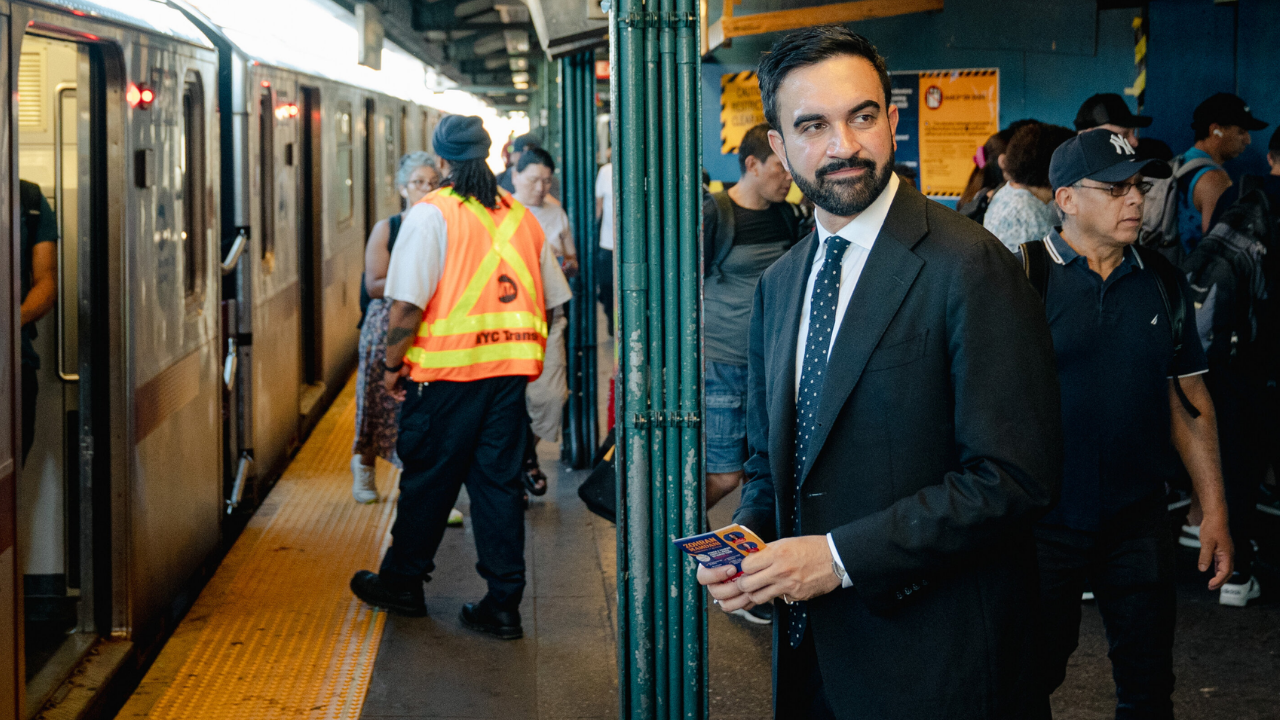
On January 4, 2026, swiping into a New York City subway or bus will cross a symbolic threshold: for the first time, the standard fare will hit $3.00. For millions of daily riders, that dime bump from $2.90 is not just a marginal change, but the latest step in a long climb in the cost of getting around the city. The increase lands as New York’s transit system faces persistent budget gaps and as a new mayor, Zohran Mamdani, prepares to take office after campaigning on making public transportation cheaper, not more expensive.
Historic Fare Hike and Wider Increases
The Metropolitan Transportation Authority’s newly adopted package raises prices across nearly every part of its network. Subways and local buses will see the base fare move to $3.00, while express bus tickets will go up by 25 cents. Commuter rail riders on the Long Island Rail Road and Metro-North Railroad face increases of up to 4.5 percent, and drivers will encounter toll hikes of up to 52 cents on bridges and tunnels controlled by the MTA.
Officials describe the higher fares and tolls as essential to keeping the system running safely and reliably amid inflation and lingering financial damage from the pandemic. Without the extra revenue, the agency projects widening deficits and warns of deeper service cuts. But the broad reach of the increases has sparked intensifying scrutiny from riders’ groups and some elected officials, who say the changes fall hardest on people with the least flexibility in how and when they travel.
A Long Climb in the Price of a Ride
The $3.00 mark is the latest chapter in a decades-long rise in New York’s transit prices. In the 1940s, a subway ride cost five cents; by 2023, the base fare had climbed to $2.90. In recent years, the MTA has pursued a policy of regular hikes roughly every two years to keep pace with inflation and rising operating costs.
That pattern was disrupted by the pandemic, when ridership collapsed and the agency relied on emergency federal aid. As that aid phases out and ridership remains below pre-2020 levels, budget shortfalls have returned to the forefront. The 2026 increases, approved by the MTA board, are framed as part of a long-term effort to stabilize finances. Yet the steady upward march in prices has many riders asking whether the city is nearing a limit on what working New Yorkers can reasonably pay for everyday travel.
Budget Pressures and the $3.00 Threshold
Inside the MTA, leaders argue they have little choice. Chairman Janno Lieber has said that without higher fares and tolls, the agency would be forced to cut back on service, defer maintenance, or scale back safety measures. The fare hike, from this perspective, is a tradeoff designed to avoid more disruptive outcomes for riders.
Outside the agency, critics counter that repeated increases, even in small increments, add up for people already under financial strain. For a regular subway commuter, the ten-cent rise is estimated to cost about $26 more per year. For riders who combine subways with express buses, commuter rail, or tolled bridges and tunnels, the higher prices can stack quickly. Advocacy organizations emphasize that low-income workers, many in service or shift-based jobs, often cannot change their travel patterns, making them particularly vulnerable to each new uptick.
City officials have limited formal power over these choices. Mayor Eric Adams has publicly opposed the $3.00 fare, but the MTA is a state-controlled authority, and fare decisions rest with its board. That division has become a recurring theme in debates over who should bear responsibility for making transit more affordable or finding new revenue sources.
New Technology, New Tradeoffs
Alongside the fare hikes, the MTA is expanding its OMNY tap-and-go payment system and phasing out MetroCard unlimited passes. Under a weekly “fare-capping” model, riders who spend the equivalent of 12 single rides—$35—within a seven-day period will automatically travel free for the rest of that week. The agency presents this as a way to protect frequent riders from unlimited cost escalation and to ensure they never pay more than a de facto weekly pass.
Supporters of OMNY’s cap say it can ease the burden for people who ride often but cannot pay up front for an unlimited pass. Skeptics respond that while the cap offers some relief, it does not change the underlying reality that the base charge for each ride is going up. For those who ride just enough to feel every increase but not enough to hit the weekly cap, the system may still feel more expensive than ever.
A New Mayor and Competing Visions
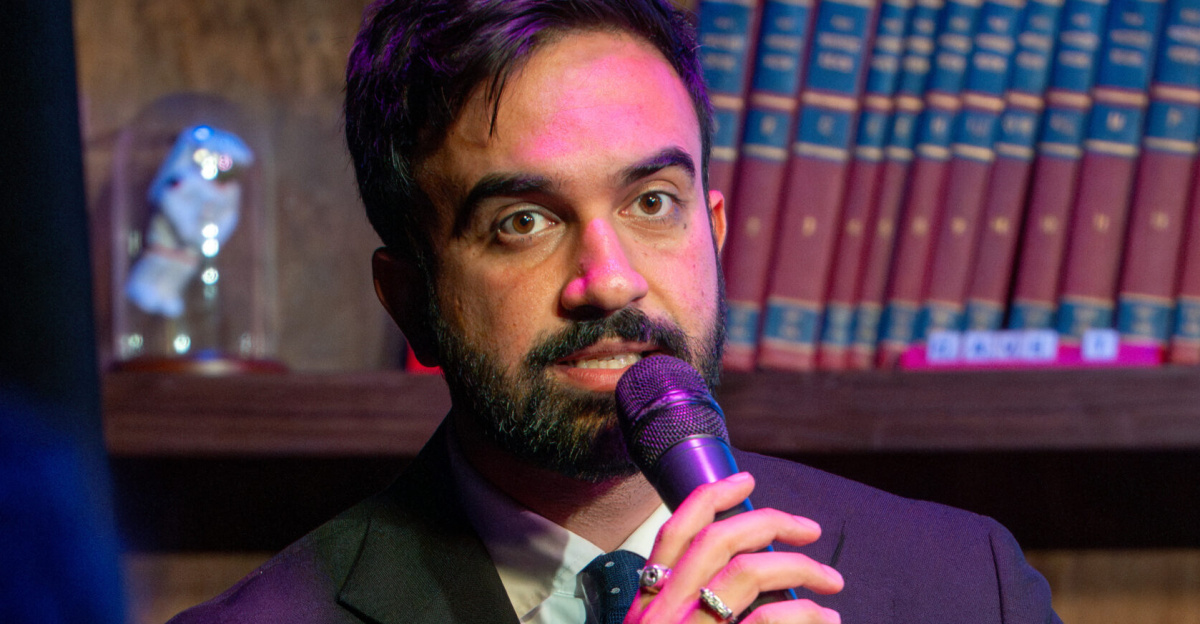
The political context around the 2026 fare hike is shifting quickly. Zohran Mamdani, a democratic socialist and state assembly member, won the mayor’s race with a campaign centered on lowering transit costs. He has promoted a vision of free city buses and cheaper fares overall, arguing that making public transportation more accessible would strengthen the city’s economy and improve equity.
Mamdani will not directly control the MTA’s budget or its fare levels. Those powers remain with the governor and the authority’s board. Even so, his administration will influence how much city funding is steered toward transit, what new revenue streams are pursued, and how aggressively City Hall presses Albany for changes.
A recent pilot program of fare-free buses in select corridors has become a central reference point in this debate. Supporters point to reported benefits, including improved rider safety and fewer assaults on bus operators when fare enforcement is removed. Unions and advocacy groups have rallied behind expanding such initiatives. At the same time, analysts estimate that making buses free citywide would cost hundreds of millions of dollars annually, with no firm plan yet in place for how to cover that bill.
Transit officials caution that rolling back scheduled fare hikes or scaling up free services without dedicated new funding could undermine the agency’s finances and ultimately harm service quality. The core tension—between making the system cheaper for riders and keeping it solvent—will shape negotiations among City Hall, the state, and the MTA in the months ahead.
When the $3.00 fare arrives in early 2026, it will land just days after Mamdani takes office. How his administration responds—whether through calls for new taxes, greater city contributions, or broader reforms—will help determine whether this increase is remembered as a turning point toward a more affordable system or a marker on the way to further rises in the price of a ride.
Sources
MTA Official Press Release: “MTA Board Adopts Fare and Toll Increases to Take Effect January 2026”Published: September 29, 2025 | Metropolitan Transportation Authority
The New York Times: “N.Y.C. Subway and Bus Fares Are Likely to Increase to $3 in January 2026”Published: July 30, 2025
City and State NY: “Zohran Mamdani wants to make NYC buses free as mayor. Here’s how it would work”Published: January 22, 2025
The Nation: “A Year Without Fares: Lessons From New York’s Free Bus Pilot”Published: June 24, 2025
Gothamist: “Mayor Adams opposes MTA fare hike, but has fewer voices on the agency board”Published: August 17, 2025
New York City Subway Fare History Reference MaterialsIncluding Wikipedia and NYC Almanack