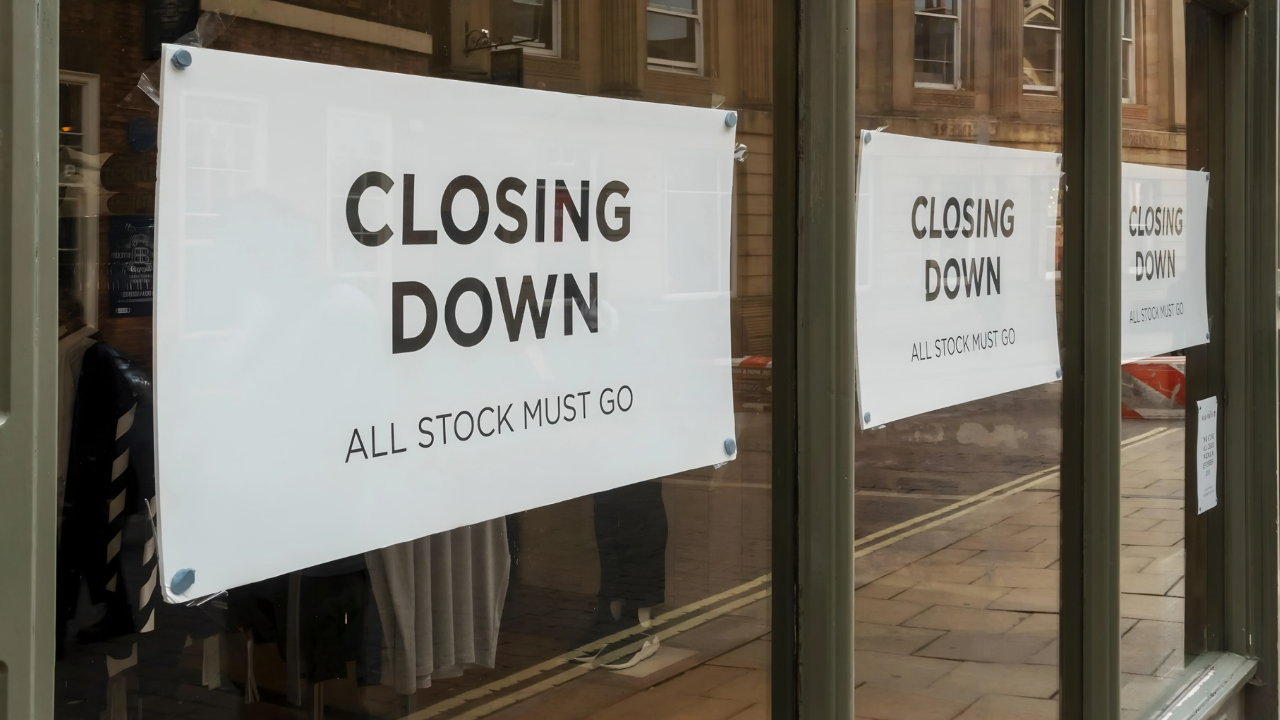
Picture this: December 31, 2025, the clock ticking toward midnight on Manhattan’s most coveted luxury corridor. Inside the gleaming flagship of Saks Off 5th at 125 East 57th Street, the final transaction rings up—a designer handbag, marked down one last time. Then darkness. The doors lock forever on an era.
Not bankruptcy, not a quiet pivot: a deliberate erasure of what once seemed permanent. Ten stores are vanishing. One thousand workers are facing unemployment on New Year’s. A $100 million revenue hole in Manhattan’s premium retail landscape. And the timing? Too perfect, too painful to ignore.
The Corporate Doublespeak That Fools No One
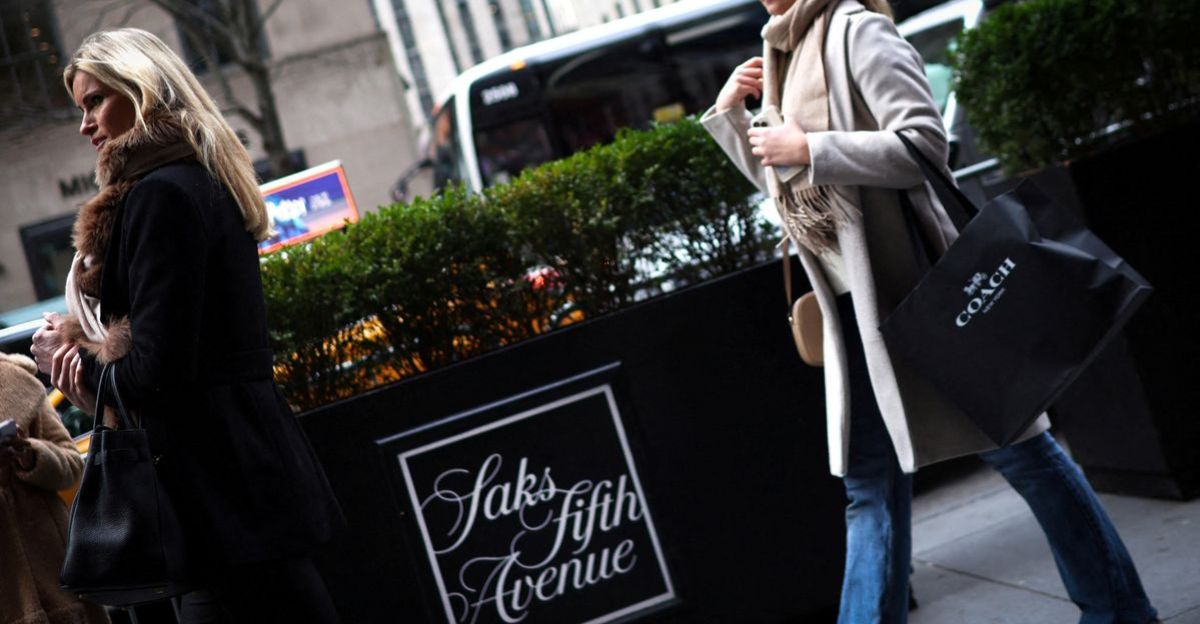
Saks Global refers to it as “strategic repositioning.” A carefully worded press release about “high-performing and high-potential store locations.” But here’s what they’re really saying: the math broke. The company’s own statement—”We are confident this will better position the Saks OFF 5TH business for long-term success”—reads like a eulogy dressed as corporate speak.
Behind closed doors, the numbers told a different story: $600 million in debt restructured in June, $300 million in emergency loans, and 550 workers already cut.
Nine Cities, Nine Communities, Thousands of Lives Disrupted
Austin. Chicago. Philadelphia. Niagara Falls. Pittsburgh. Washington D.C. West Hartford. East Hanover. Plymouth Meeting. By January 2026, nine Saks Off 5th locations will close, each a small shock to local retail ecosystems that were once considered resilient anchors.
These weren’t marginal stores—they were destinations in premium markets where affluent shoppers hunted designer deals. Now they’re memories.
The Discount Luxury Sector’s Dirty Secret
For decades, Saks Off 5th represented something sacred in retail: the treasure hunt, the deal, the “I found it” rush. Off-price luxury was supposed to be recession-proof, inflation-proof, crisis-proof. Workers could afford designer goods. Millennials built Instagram empires around liquidation finds. It was the democratic dream of luxury.
Except the dream was always fragile. And now? It’s suffocating. When even discount luxury can’t survive on Manhattan’s most iconic shopping street, you’re witnessing the death of a retail religion.
78 Major Stores Gone in 2025
Saks Off 5th’s 10 closures are just one tremor in a full seismic collapse. Macy’s shuttered 66 stores in January alone, with plans to close an additional 150 stores through 2026. Nordstrom cut two locations. Predictions now project that 15,000 U.S. retail stores will close in 2025—double the number that closed in the previous year.
That’s not restructuring. That’s not optimization. That’s a system failing in real time, with workers, communities, and the entire commercial real estate industry bracing for impact.
The $4 Billion Debt Bomb Nobody’s Talking About
Rewind to December 2024: Saks Global acquired Neiman Marcus, betting the combined entity could rule luxury retail. Instead, they inherited a $4 billion debt load that’s become a financial noose. The June 2025 debt restructuring forced creditors to accept massive losses, and then the company scrambled for a $300 million emergency loan to keep the lights on.
Now, three workforce cuts later, closing 10 stores feels less like strategy and more like triage.
The Mayor Who Terrifies Wall Street
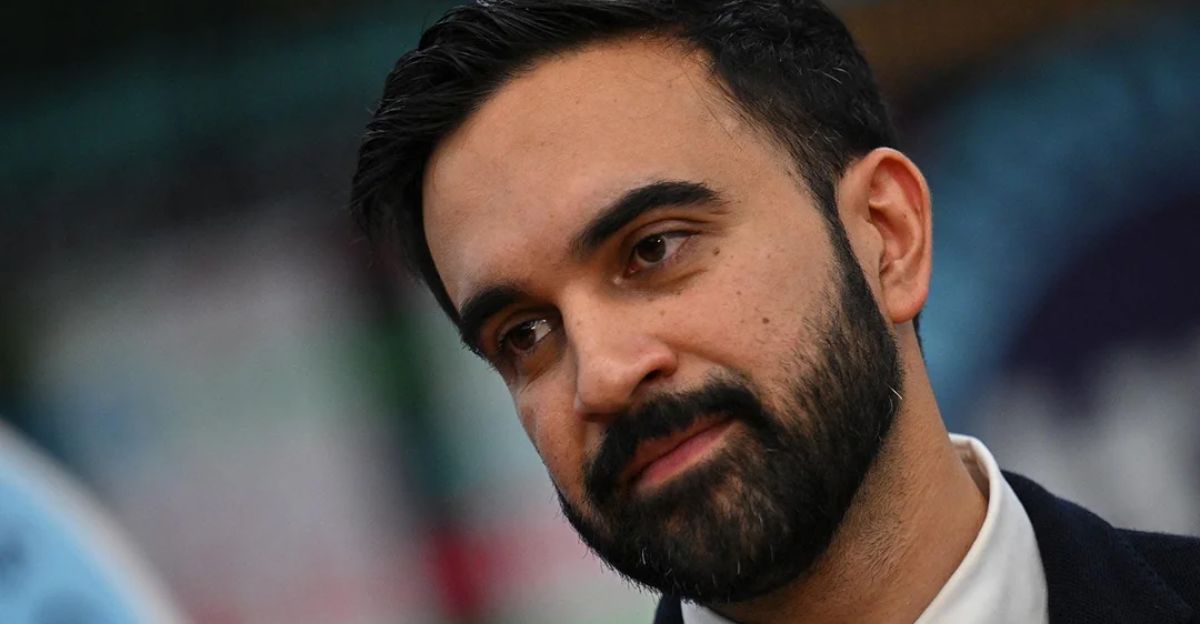
On November 4, the election results came as a shock. Zohran Mamdani won the NYC mayoral race, and wealthy Manhattan held its breath. Business elites had spent $40 million trying to stop him. His agenda? A 2% millionaire tax pushing combined city-state rates to 16.8%—the nation’s highest.
Rent freezes. Free buses. City-owned supermarkets. For luxury retailers, the message was clear: your best customers might leave, your costs will rise, your margins will shrivel.
The Paradox That Breaks the Model
Here’s the twist nobody expected: the ultra-wealthy aren’t abandoning New York. The week after Mamdani’s victory, 41 contracts were signed for properties above $4 million in Manhattan, the highest total since May. Between June and July, 64 luxury deals closed above $4 million, up 13% year-over-year.
The millionaires are still buying penthouses. The ultra-wealthy remain concentrated, with 2.4 million millionaires and 33,000 individuals with a net worth exceeding $30 million. They no longer want your stores.
The E-Commerce Betrayal

The cruel irony: luxury consumers have abandoned physical retail not because they’re poor, but because they’re empowered. E-commerce lets them shop globally. Direct-to-consumer brands allow designers to control their own pricing and discounting. International shopping trips provide better deals and exclusivity.
The treasure hunt that defined Saks Off 5th? It’s now happening on Instagram, in Dubai, through WhatsApp with personal shoppers. The store was made obsolete by the very affluence it once served.
200,000 Square Feet of Manhattan’s Heart, Voluntarily Surrendered
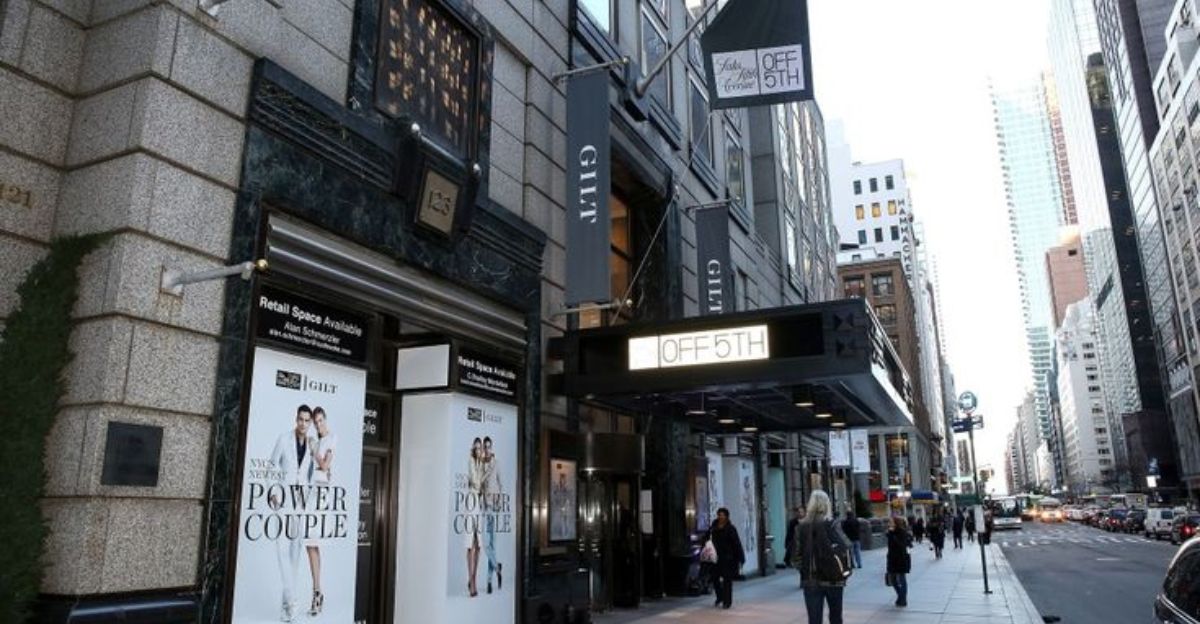
The 57th Street flagship represents 200,000 square feet of prime Manhattan retail space—the kind of real estate that real estate developers dream about. Saks Off 5th is walking away from it. The landlord will reclaim space for condos, offices, and corporate headquarters.
This isn’t just a store closing; it’s a celebration of a legacy. This is Manhattan physically rejecting the retail model. The symbolism stings: a 50-year retail paradigm, vanishing overnight, making way for residential towers and corporate glass.
1,000+ Workers Face December Unemployment

Meet the real cost: the seasonal worker hired for the holiday rush, who now won’t make next month’s rent. The store manager, with 15 years of service, watched as the holiday sales floor emptied. The single mother working retail, calculating how to stretch her final paycheck through January.
The announcement came now—mid-holiday shopping—because corporate always does this when they think the news cycle will bury the story. 1,000 to 1,500 people across 10 locations, job hunting in winter.
Where Do Luxury Shoppers Go Now?
Close a Saks Off 5th in Chicago, and discount luxury shoppers scramble to Nordstrom Rack—if one exists nearby. Close one in Austin, and they’re driving to Dallas or shopping online. The closure map reveals a fragmented, weakening ecosystem. Neiman Marcus Last Call barely exists. Outlets are consolidating. Direct-to-consumer bypasses the off-price model entirely.
For working professionals who built their wardrobes on off-price deals, the choices are shrinking. Pay full price, buy cheap fast fashion, or give up on luxury altogether.
Why Deny What Numbers Scream?
In October, Saks Global said the magic words: “A restructuring is not being contemplated.” They claimed progress “reducing outstanding payments.” Yet here we are: a $600 million debt refinancing in June, emergency loans, workforce cuts, and now strategic store closures. Industry analysts read it differently.
This isn’t stabilization. This is a company in managed decline, closing stores to preserve cash flow, even as it denies bankruptcy’s approach while walking toward the door. The denials make the closures scarier.
The Symbolism of Retail’s Midnight Execution
Midnight on New Year’s Eve. The flagship closes exactly as the old year dies and the new one begins. It’s almost too perfect a metaphor—the final stroke of twelve marking the end of 2010s retail optimism. That era believed physical stores were a permanent fixture.
December 31 isn’t random scheduling. It’s the most brutal possible timestamp: a holiday with meaning, a symbolic death, an erasure timed for maximum emotional impact and minimum news coverage.
Luxury Retail’s Last Stand Crumbles

What’s happening at Saks Off 5th isn’t isolated. It’s the endgame of a sector that believed it was immune to disruption. As luxury conglomerates consolidate and optimize, the discount segment—once considered recession-proof—faces a decline in relevance. The flagship’s closure signals final acceptance: physical stores can’t compete on price, can’t compete on convenience, can’t recreate the experience that once justified a trip to 57th Street.
E-commerce won. Globalization won. Direct-to-consumer won. The store was the past, and the past just closed its doors.
What Happens to Fifth Avenue When Luxury Loses Its Anchor?
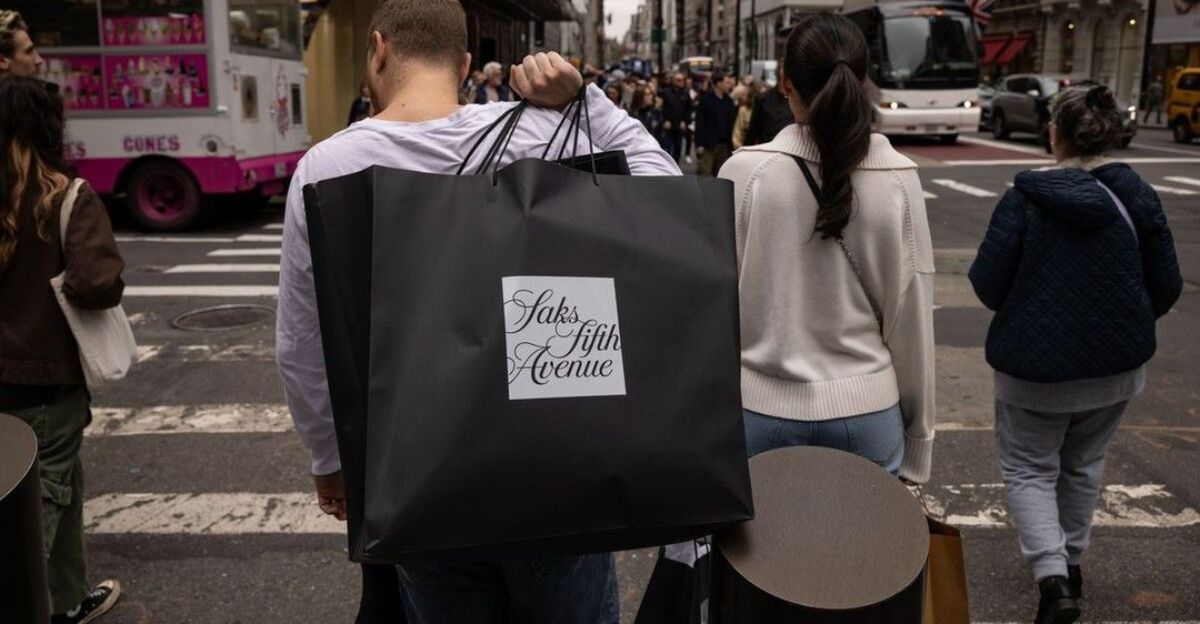
For New York City, the loss cuts deeper than financials. Fifth Avenue’s identity rested on flagship stores—permanent anchors for global shopping tourism. Saks Off 5th represented the democratic interpretation of that dream: luxury for the masses, carefully curated discount merchandise. With it gone, 57th Street becomes more vulnerable.
In a city where tourism and luxury retail intertwine, losing this anchor signals a larger shift: New York is becoming a city for the ultra-wealthy, not the aspirational middle class. Mamdani’s victory may not have caused this collapse, but it accelerated the reckoning.