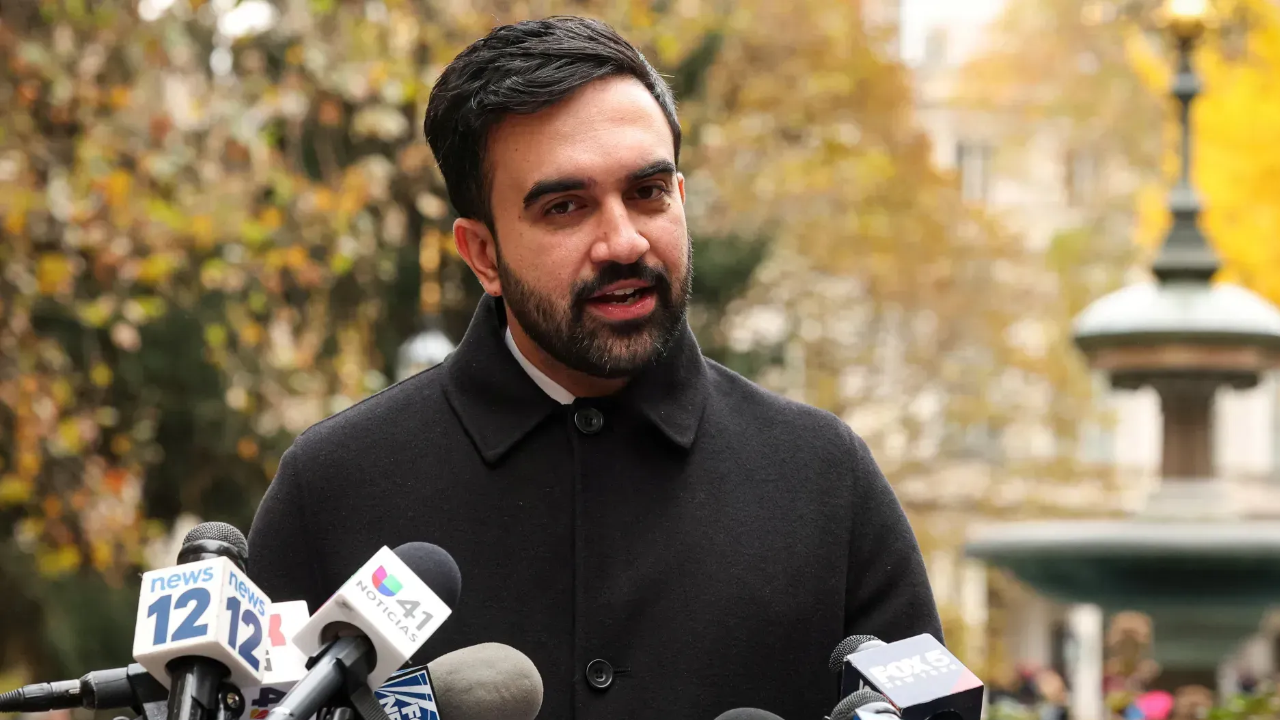
New York is heading into a tense political moment as Mayor-elect Zohran Mamdani pushes a nine-billion-dollar tax plan that could reshape how the city funds services and how businesses choose where to operate. Early warnings from Wall Street, paired with shifting financial jobs, reveal real stakes for workers and their families. The proposal’s scale and timing have already ignited debate over what the city can afford to risk. Here’s where the story begins.
What’s Going On
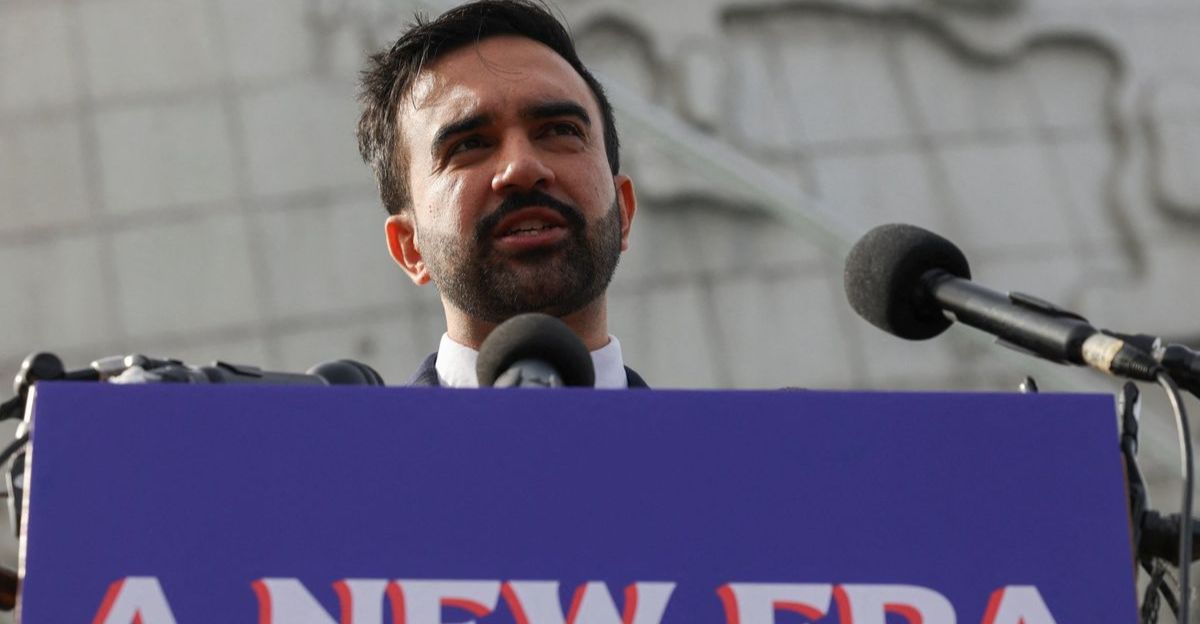
Mamdani campaigned on raising taxes for corporations and top earners, arguing the city needs new revenue for universal childcare. His combined income and corporate tax plan aims to raise nine billion dollars annually. Supporters call it bold. Critics call it dangerous. The question is how New York’s business ecosystem will react.
The Nine-Billion-Dollar Plan
The proposal includes two major parts. First is a two-point income tax increase on about thirty-five thousand to forty thousand filers earning over one million dollars. Second is raising the state corporate tax rate to match New Jersey’s 11.5 percent. Mamdani said on Good Morning America that “these things together raise about nine billion”.
The Corporate Rate Shock

New York’s current combined state and city corporate tax burden already reaches more than eighteen percent. Under Mamdani’s plan, the combined rate would rise to roughly 23.8 percent, surpassing the federal rate. This would result in the highest corporate tax burden in the country and intensify relocation incentives for major employers.
Wall Street’s Growing Migration
NYC’s financial sector is already shifting. Texas employs more financial workers than New York. JPMorgan Chase now has over thirty-one thousand employees in Texas. Meanwhile, NYC lost more than eight thousand finance jobs between January and August 2025. These trends began before Mamdani’s plan but may accelerate under higher taxes.
Why Corporations Might Leave

Research shows corporate tax hikes reduce investment, suppress hiring, and raise prices. Companies also relocate when the long-term math no longer makes sense. Wall Street firms collectively manage trillions and face pressure to cut costs. A higher corporate rate could lead to more jobs being relocated to Texas, Florida, or Connecticut, where taxes are significantly lower.
What Workers Could Face
Higher corporate taxes rarely stay confined to boardrooms. Economic research finds about twenty-eight percent of the burden ultimately falls on workers through lower wages or fewer job openings. For families already grappling with rising living costs, any loss of earnings or employment prospects could offset the benefits of expanded childcare services.
Impact on Millionaire Earners
The proposed two-point increase raises the top NYC income tax rate to roughly 5.9 percent. Past data shows that most millionaires do not leave immediately after hikes, yet behavioral shifts happen at the margins. With about forty thousand affected filers, even small relocation percentages could meaningfully reduce projected revenue.
Small Businesses and Pass-Through Firms

Small businesses would not face direct taxation under this plan, but many operate as pass-through entities tied to high-earning owners. Experts warn that indirect pressure from supply chains, wage expectations, and economic uncertainty could strain firms with narrow margins. Consultant Michelle Bufano said most owners want consistency and worry that sudden cost changes will hurt stability.
Hochul’s Critical Role
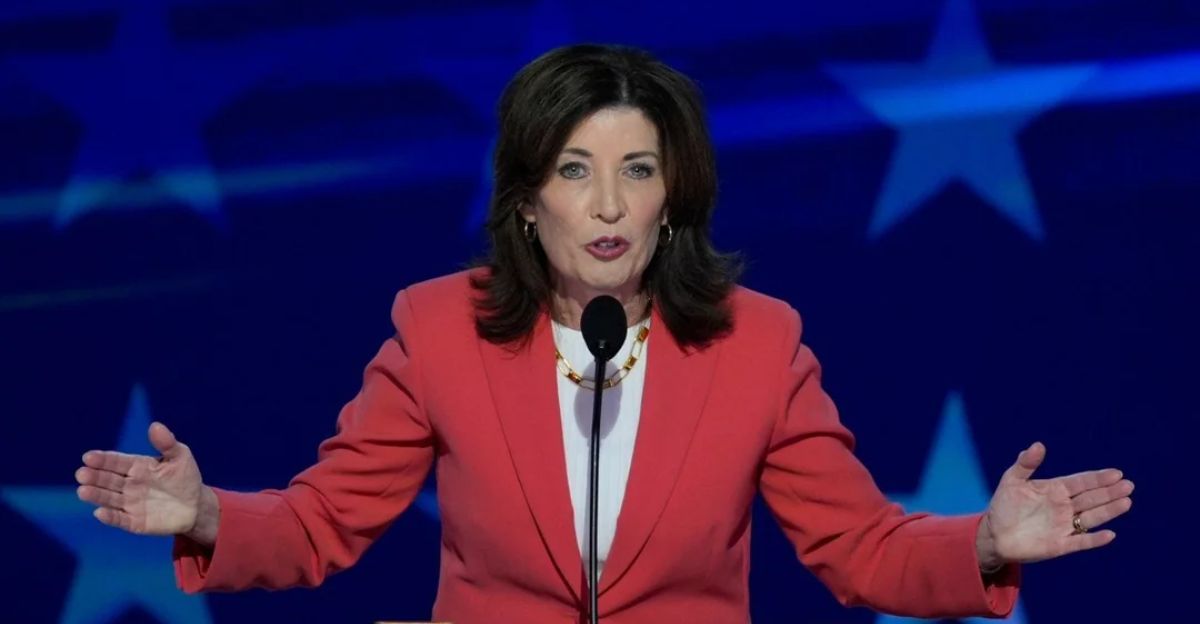
Mamdani cannot raise taxes alone. New York’s legislature must approve changes, and Governor Kathy Hochul holds veto power. Politico reported she and her staff began quiet discussions about increasing corporate taxes. Despite her public caution, these conversations suggest political pressure from progressives and upcoming primaries could shape her decision.
The Primary Pressure Point
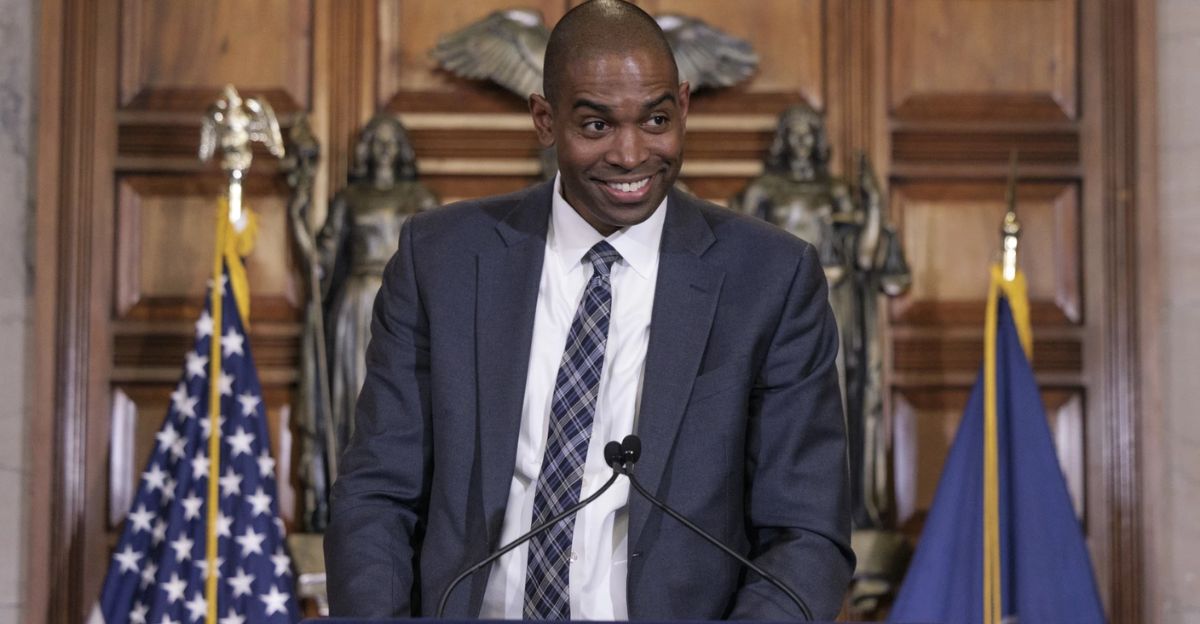
Lieutenant Governor Antonio Delgado is challenging Hochul from the left in the June 2026 primary. He has repeatedly called for higher taxes on the wealthy and large corporations. His stance intensifies pressure on Hochul, who must balance fiscal needs, political risks, and fears of accelerating out-migration among top taxpayers.
Why Mamdani Says It’s Necessary
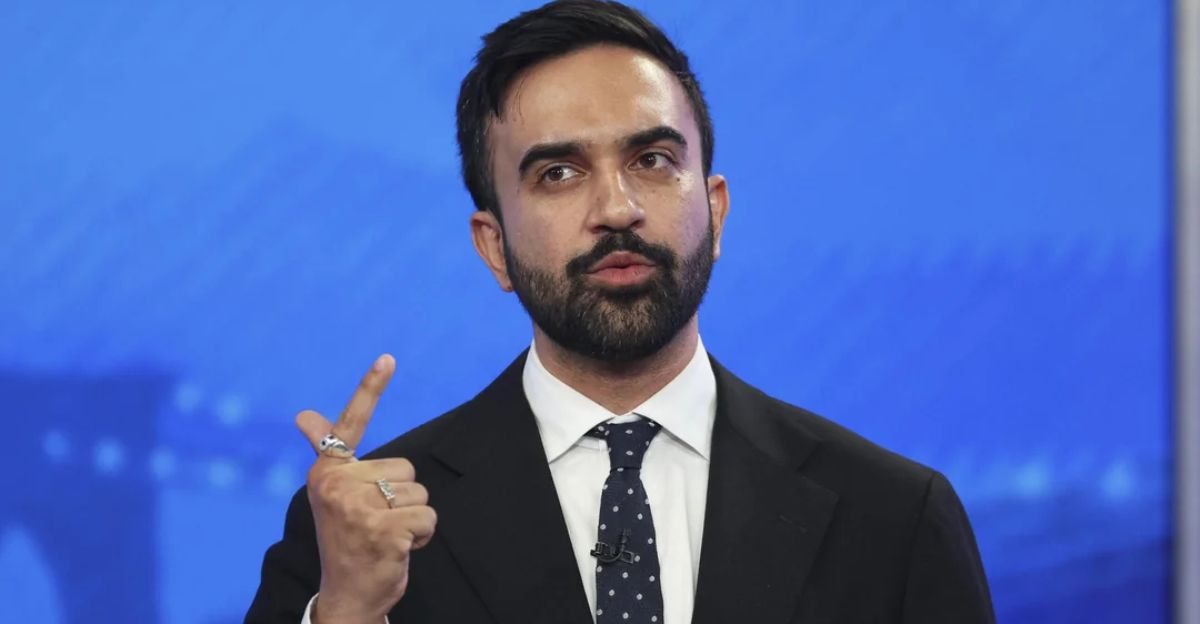
Mamdani argues that New York faces an affordability crisis harming families and businesses alike. He says that universal childcare would unlock workforce participation, especially among mothers who leave jobs due to the costs. Private childcare often exceeds $26,000 annually. Columbia University researchers estimate that a universal system could cost roughly $7 billion each year to operate.
Big Challenges Ahead

Building universal childcare requires a workforce that the city currently lacks. Infant care demands high staffing ratios, and median childcare wages remain low. Expanding capacity would also require billions in new facilities. Even with full tax approval, experts say meaningful expansion could take years, limiting what Mamdani can achieve in his first term.
Regional Competitors Stand Ready
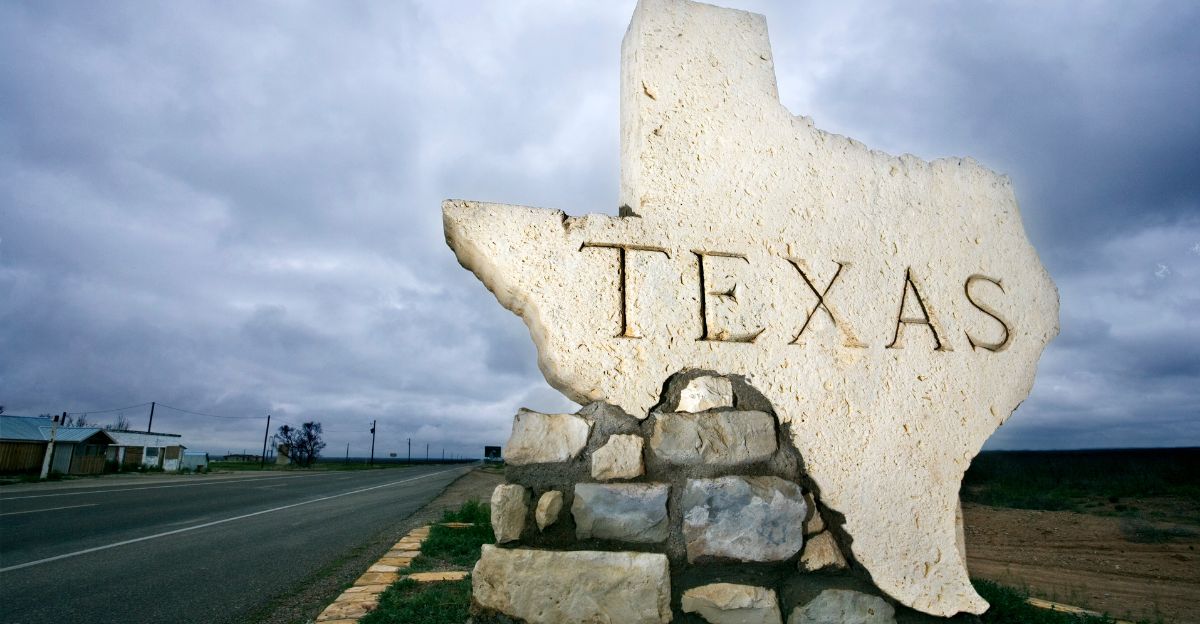
States like Florida and Texas offer no income tax and lower business costs, becoming magnets for corporations and wealthy individuals. Connecticut’s Stamford region provides proximity to Manhattan with fewer taxes. New York’s long-term decline in Fortune 500 headquarters shows a competitive struggle that predates Mamdani but could intensify under heavier rates.
What Comes Next

Mamdani presents his preliminary budget in January twenty twenty-six, while state lawmakers decide whether to approve new taxes before June. Powerful political interests, shifting financial markets, and corporate decisions will shape what ultimately happens. New York could transform its social investment model or face deeper economic strain depending on the final outcome.