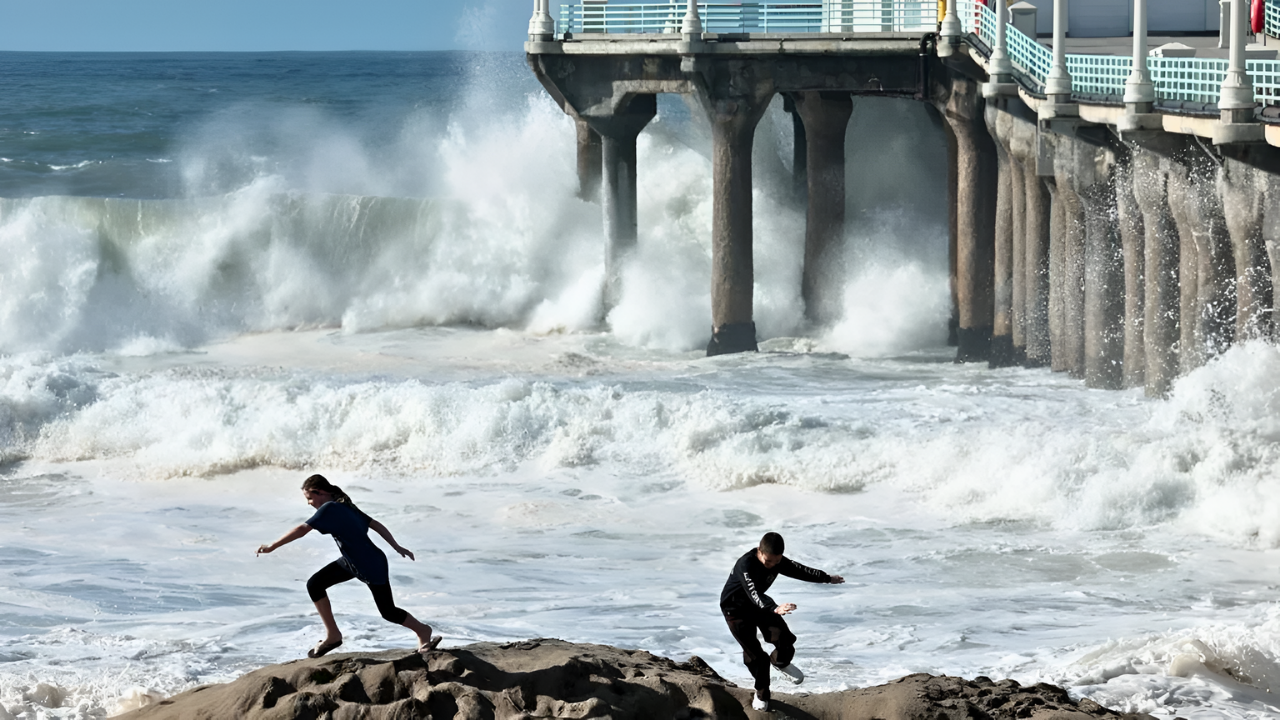
The National Weather Service has issued high surf advisories along nearly 1,000 miles of coastline. The warnings stretch from Southern California all the way to Washington’s Olympic Peninsula. Multiple weather offices collaborated to create a single, continuous alert zone. These advisories remain in effect through late Thursday afternoon. Even seemingly calm beaches can turn deadly without warning.
A powerful storm system near Alaska created these dangerous conditions days ago. The storm sent organized waves traveling thousands of miles toward the U.S. West Coast. Forecasters report that breakers are expected to reach 25 to 33 feet in most areas. Some exposed locations see waves approaching 40 feet. These swells carry special power because they arrive in long intervals of 16 to 18 seconds. This timing allows waves to travel much farther up the beach than normal surf typically does.
The danger comes at a bad time. Recent king tides have already flooded many coastal areas. Heavy storms saturated sand dunes and eroded protective beaches. Roads and neighborhoods near the water suffered damage. Now these new waves hit weakened coastlines. California faces threats from Del Norte County down through Humboldt, Sonoma, Monterey Bay, Santa Barbara, and Malibu. Oregon and Washington report similar conditions. The Portland weather office advises people to stay out of the surf zone completely. Washington forecasts life-threatening conditions on south-facing beaches.
The Deadly Sneaker Wave Threat
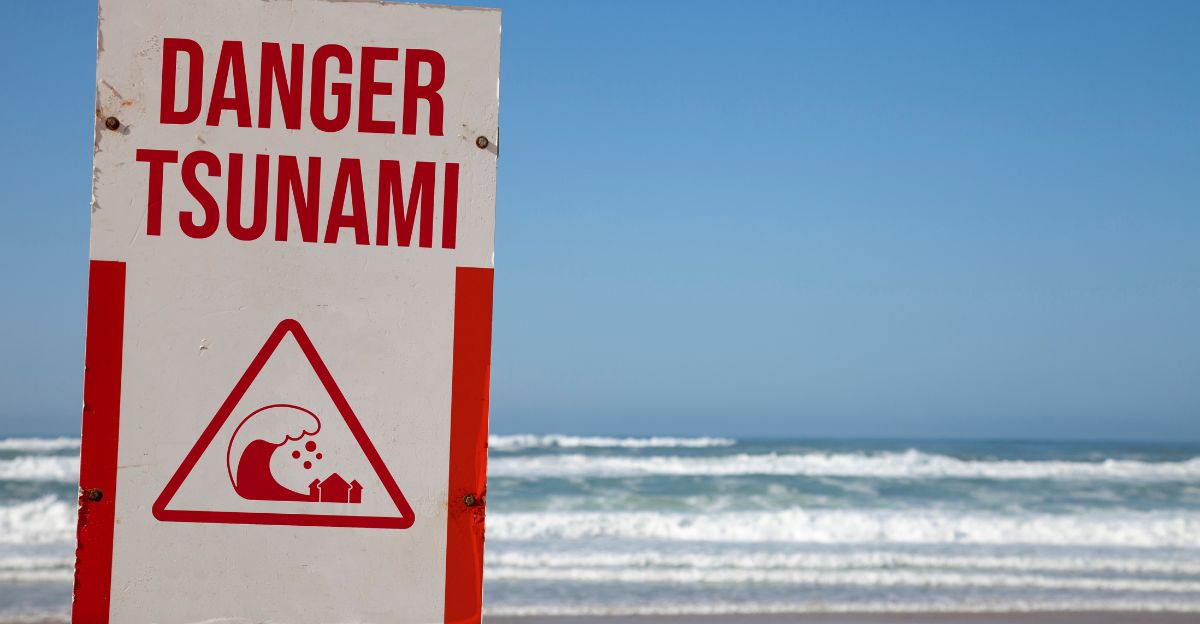
Sneaker waves create the biggest danger along this coast. These waves surge up to 150 feet beyond where previous waves stopped. They strike without warning. The National Weather Service reports that sneaker waves are responsible for more fatalities than all other weather hazards combined in parts of the West Coast. They knock adults off their feet easily. Children get swept into strong currents. Waterlogged logs become crushing hazards when waves push them around.
Oregon State Parks confirms these waves are unpredictable and powerful. Statistics show their deadly impact. At least 26 people have died from sneaker waves along the coast since 2010. Oregon and Northern California recorded nearly 30 deaths over 12 years. Victims include dog walkers, photographers, and people exploring tide pools. Many never saw the wave coming.
The waves travel far inland because of their long periods. Regular choppy surf breaks quickly and loses energy. These organized swells maintain their power. They overtop rocks, jetties, and areas that normally stay dry. Beaches that locals know well can change in a matter of minutes. What seemed safe moments ago becomes a danger zone. Clear skies fool people into thinking conditions are safe. The ocean looks calm between wave sets. Then a sneaker wave races up the beach.
Safety Rules and When Danger Ends

Officials across all three states give the same advice. Stay off beaches until advisories lift. Local broadcasts and websites continually repeat the warnings. Communities already struggling with rain damage and floods now face restricted beach access. Tourism has slowed down. Emergency agencies say saving lives takes priority over business concerns.
People can still view the ocean safely. Officials recommend cliff-top parks, lighthouses, and railed walkways. These spots provide protection and elevation. Key safety rules apply everywhere. Never turn your back on the ocean. Always stay above the high water line. Watch children closely at all times. Avoid driftwood and downed trees near the water. Stay completely away from jetties and rock formations that extend into the surf.
The advisories are expected to end late Thursday, when the swells decrease. However, dangers remain after the warnings expire. Beach paths may be eroded or washed out. Logs sit in unstable positions. Sand dunes have been undercut and are at risk of collapse. More Pacific storms will arrive this winter season. This event illustrates how rapidly ocean conditions can change. Coastal areas face growing challenges from climate shifts and increasing visitor numbers. Weather officials stress that advisories are not suggestions. They establish mandatory safety limits that everyone must adhere to.
Sources:
Newsweek, Millions Face Hazardous Oceans on West Coast: ‘Stay Away’, 8 January 2026
Oregon State Parks, Be Safe Exploring the Beach, 29 May 2025
MyOregon.gov, Beach Safety Tips During King Tides and High Surf, 26 January 2024
Islands / The Deadly Reason To Avoid Turning Your Back On The Ocean, 7 November 2025
New York Times, Heavy Rain and King Tides Cause Flooding in California, 3 January 2026