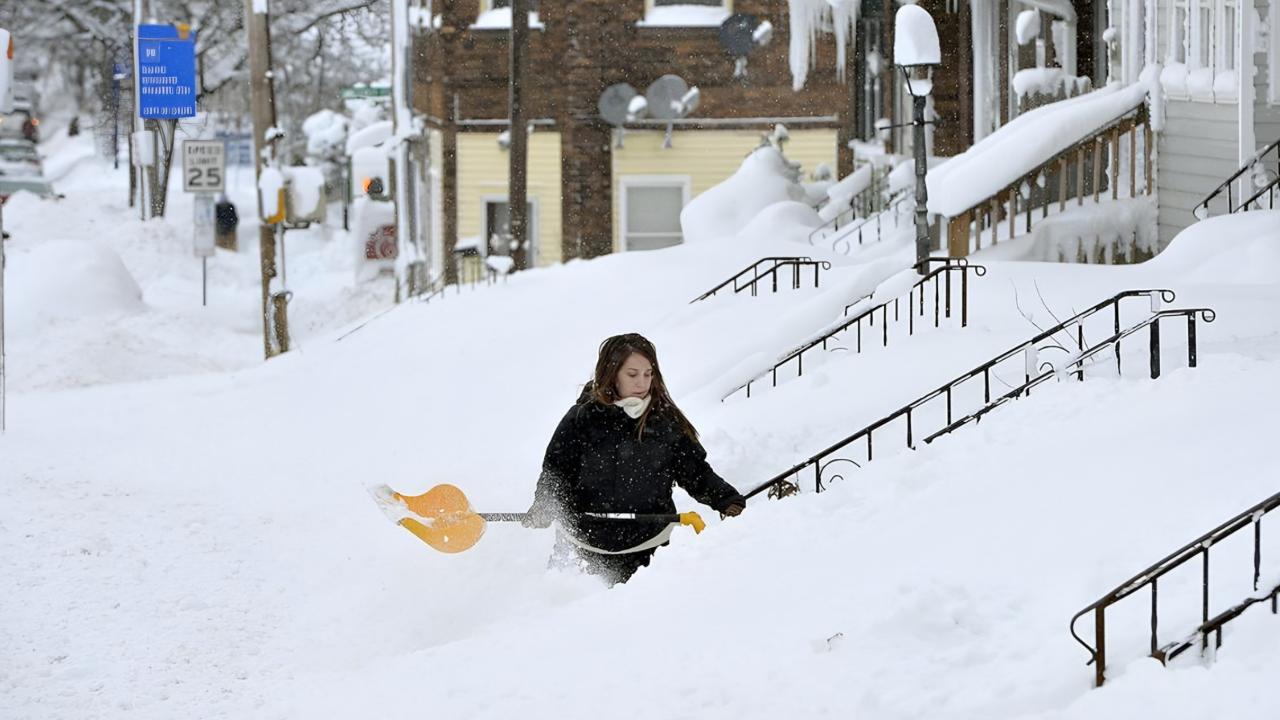
A brutal Arctic chill gripped the Upper Midwest on Monday, with wind chills dipping to minus 30°F in Minneapolis, minus 27°F in Cedar Rapids, and minus 22°F in Chicago. Forecasters predicted even harsher conditions ahead, potentially reaching minus 50°F within days, marking one of the most intense cold outbreaks in recent memory.
A Nation Under Siege
By Tuesday, cold weather warnings blanketed 43 million Americans from the Upper Midwest to the Northeast and central Florida. Rare freeze advisories forced school closures in Ohio, Michigan, and Minnesota, while universities suspended operations. Meteorologists described the event as potentially historic Arctic conditions, with the cold wave disrupting daily life across vast regions.
The Polar Vortex Awakens
High in the stratosphere, a sudden warming event in late 2025 destabilized the polar vortex—a swirling mass of frigid air normally trapped over the Arctic. This allowed waves of Arctic air to plunge southward. By mid-January 2026, the vortex had split into two lobes: one targeting North America, the other Europe.
The Mechanism Breaks Down
Typically, the polar vortex contains extreme cold near the North Pole, held in place by steady jet streams. Stratospheric warming disrupts this balance, sending jet streams into erratic patterns and unleashing Arctic air masses. In this case, the split vortex funneled record cold directly into the U.S.
Frostbite in Minutes
The National Weather Service issued stark warnings: exposed skin could suffer frostbite in as little as 10 minutes amid wind chills of minus 35°F to minus 38°F in Minnesota. The Dakotas faced minus 50°F gusts, where frostbite risk emerged in just 5 minutes. Minneapolis and St. Paul saw minus 30°F chills, with forecasts calling for minus 40°F to minus 50°F by Friday. Green Bay dropped to minus 22°F, and Detroit to minus 15°F.
Schools, Hospitals, and Shelters Overwhelmed
Over 300 schools closed in Northeast Ohio alone, and Western Michigan University halted campus activities. Emergency rooms reported surges in frostbite and hypothermia cases. Wisconsin, which logged 103 cold-related deaths the prior winter, expanded shelter capacity to avert further fatalities.
The National Storm
A colossal storm system, spanning 2,000 miles from Texas to New England, amplified the crisis with snow, sleet, and freezing rain. Up to 180 million people faced impacts, including widespread power outages from ice-laden lines.
A Broader Climate Signal
Arctic sea ice decline and stratospheric warming patterns since October 2025 fueled the event. Scientists link Arctic Amplification—the faster warming of the Arctic—to jet stream disruptions and more frequent polar vortex breakdowns, heightening risks of such invasions.
Multi-System Failures Emerge
The cold triggered cascading problems: strained heating systems overloaded power grids, ice storms snapped lines, and icy roads spiked accidents, including a 100-car pileup near Grand Rapids, Michigan. Hospitals diverted non-urgent cases to handle cold injuries; utilities readied for outages that could cause hypothermia within hours. Transportation ground to a halt, with trucking delays, airline de-icing backups, and supply chain disruptions.
State and Federal Responses Mobilize
Governors in affected states declared emergencies. The Illinois National Guard operated warming centers, and officials sought funding for heating assistance and homeless aid. Globally, Europe grappled with similar vortex effects, reporting over 1,100 cold injuries in Ukraine and paralysis in Russia.
Meteorologists warned of another Arctic surge post-midweek peak, with late January and early February potentially colder still. The event tested infrastructure, from ecosystems suffering fish kills and bird deaths to cracking roads and power systems. Midwestern communities, hardened by past winters, shared survival tips online amid the ordeal.
This Arctic outbreak underscores escalating climate-driven weather extremes, challenging societal preparedness. As vortex disruptions grow more common, regions must bolster resilience against prolonged cold, power failures, and multi-day storms to safeguard lives and economies.
Sources:
USA Today | Arctic cold overtakes US as huge winter storm looms | January 20, 2026
NBC News | A January freeze is taking hold across the U.S. with little signs of letting up | January 20, 2026
Severe-Weather.eu | Polar Vortex 2026 Update: New Stratospheric Warming Event Forecast | January 11, 2026
Fox9 News | Minnesota weather: What to expect with extreme cold warning Friday | January 20, 2026
ABC News | 100 vehicles pile up in Michigan crash as snowstorm moves across country | January 19, 2026
Click on Detroit | Doctor warns of growing frostbite cases as extreme cold moves into metro Detroit | January 19, 2026