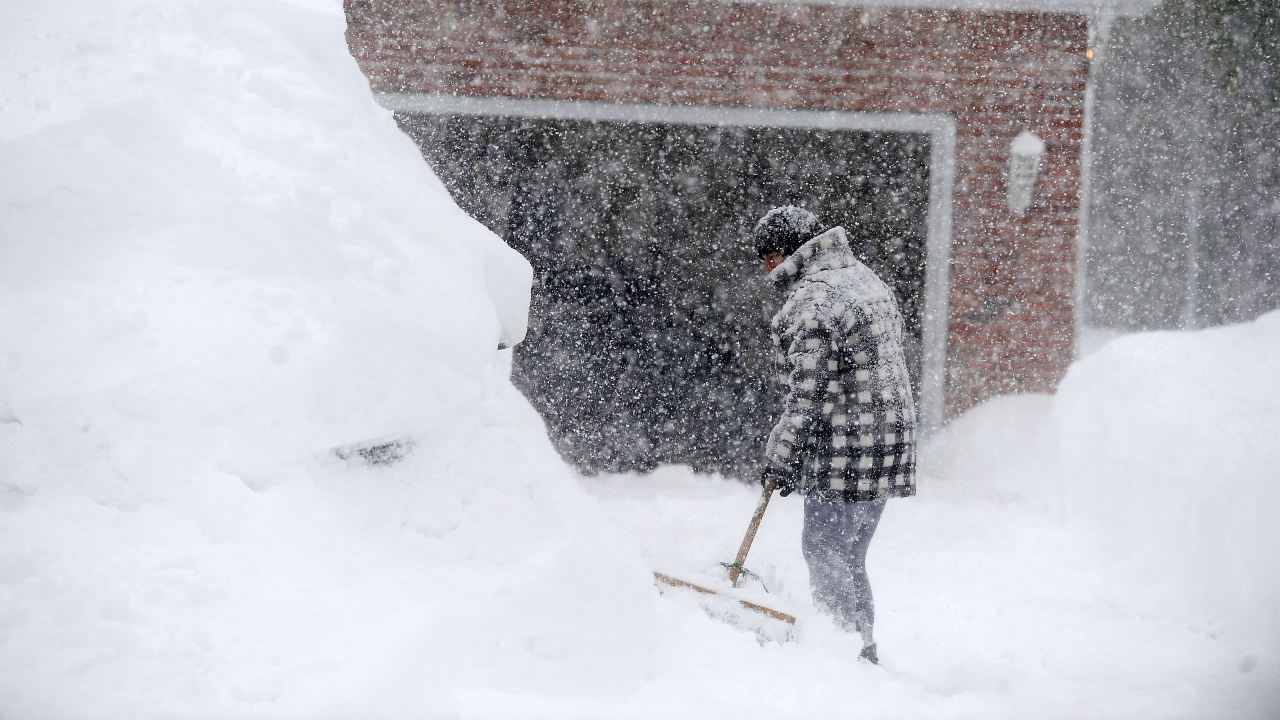
Snowflakes are already falling, and Alaska’s Klondike Highway is bracing for 12 inches. As the storm intensifies, it’s not just the snow that’s causing alarm—winds are gusting to 40-50 mph, whipping the snow into blinding sheets. Drivers along California’s Sierra crest are preparing for a similar ordeal, with up to 18 inches of snow and wind gusts exceeding 80 mph expected to blanket the mountain pass.
Meanwhile, travelers in Nevada are stuck, with gusts as high as 60 mph making the roads nearly impassable. These aren’t just forecasts—this is happening now. But how much worse will it get? What does this storm have in store for those caught in its path?
Why It’s Happening
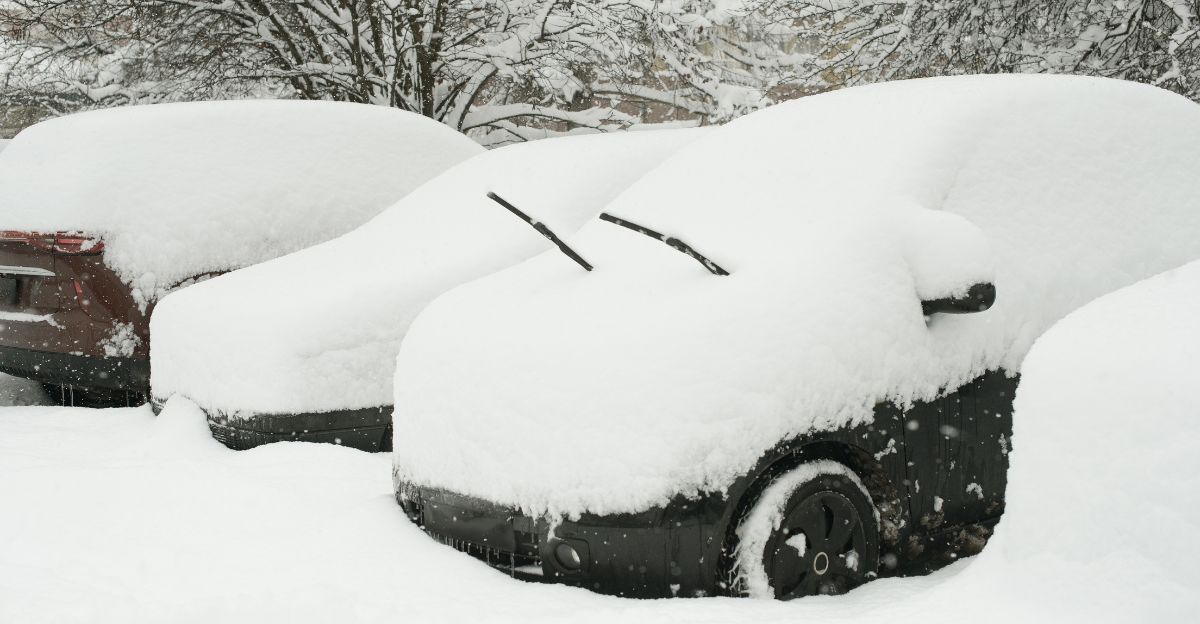
The storm is fueled by a cold front from the north, colliding with Pacific moisture. This clash creates a perfect storm—heavy snowfall at higher elevations, while winds reach speeds strong enough to cause blizzards in some areas.
The storm spans thousands of miles, affecting parts of California, Utah, Nevada, New Mexico, Alaska, and Hawaii. Meteorologists indicate La Niña may continue to fuel similar storms throughout the winter.
Mountain Highway Chaos
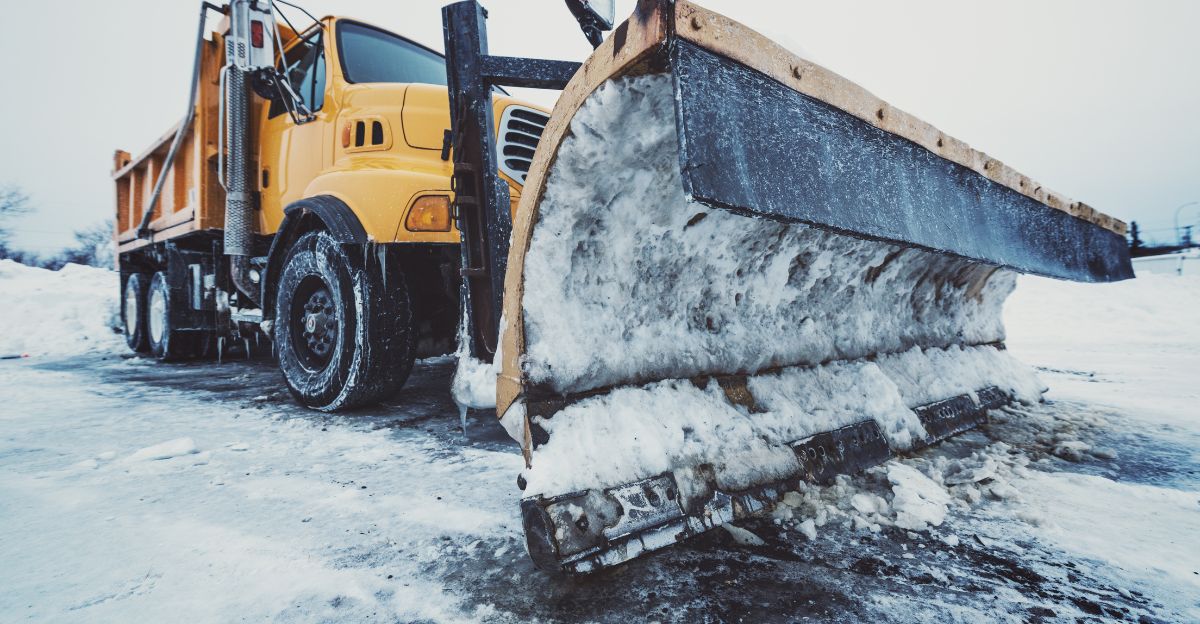
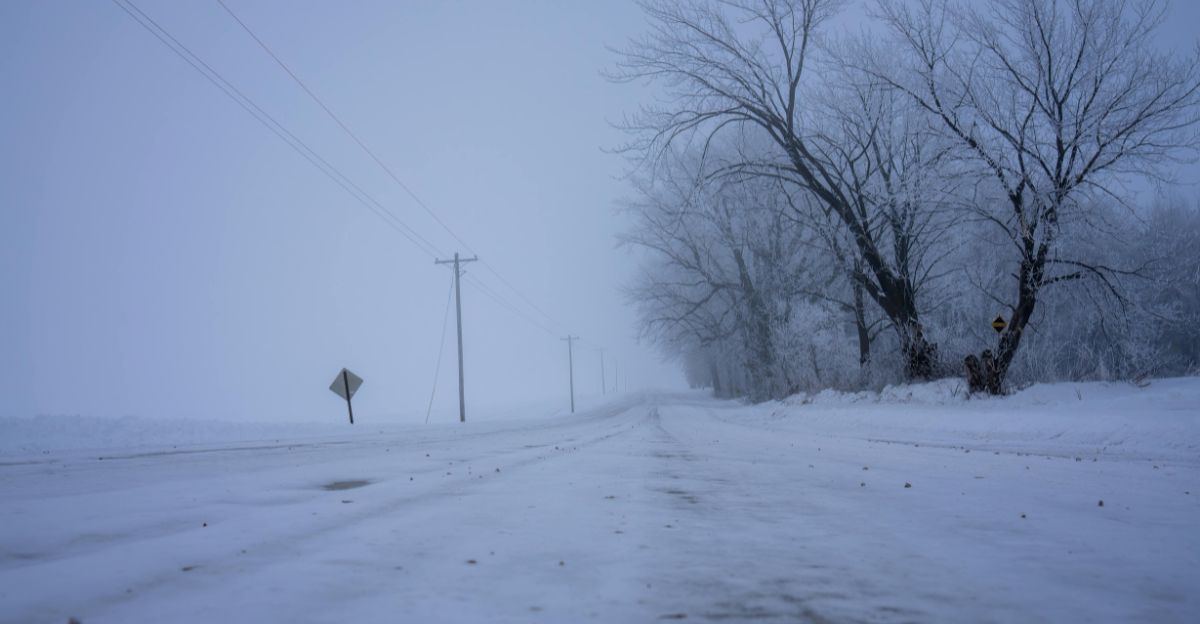
Travel across critical mountain highways is severely disrupted. Alaska’s Klondike Highway is expecting up to 12 inches of snow, while the Sierra crest in California faces up to 18 inches and wind gusts exceeding 80 mph, creating zero-visibility whiteouts.
Nevada’s mountain roads are also bracing for snow and gusty winds up to 60 mph, making Thursday evening and Friday morning commutes treacherous. The NWS urges drivers to delay travel plans if possible.
Aviation Meltdown Looms
With Thanksgiving travel season at its peak, thousands of flights are at risk of being delayed or canceled. Similar winter storms have wreaked havoc on airports. A winter storm in January 2025 caused over 2,300 flight cancellations.
Major hubs, such as San Francisco, are likely to experience disruptions. Travelers should brace for long delays, especially when de-icing operations intensify during peak travel days.
Power Grid Under Siege
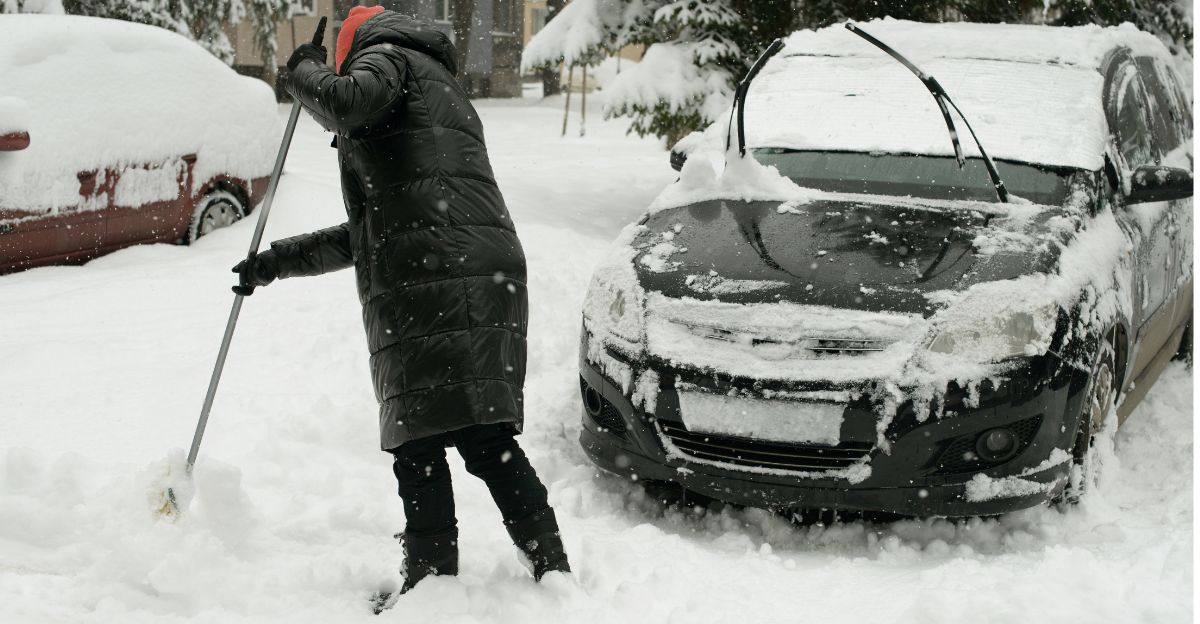
Snow and high winds threaten power infrastructure in affected mountain regions. The combination of wet snow and gusts reaching 80 mph creates conditions for downed power lines.
A winter storm in January 2025 caused over 280,000 power outages. Infrastructure in isolated mountain towns will be vulnerable, with residents potentially facing dangerously cold temperatures as outages complicate recovery efforts.
Emergency Services Stretched Thin
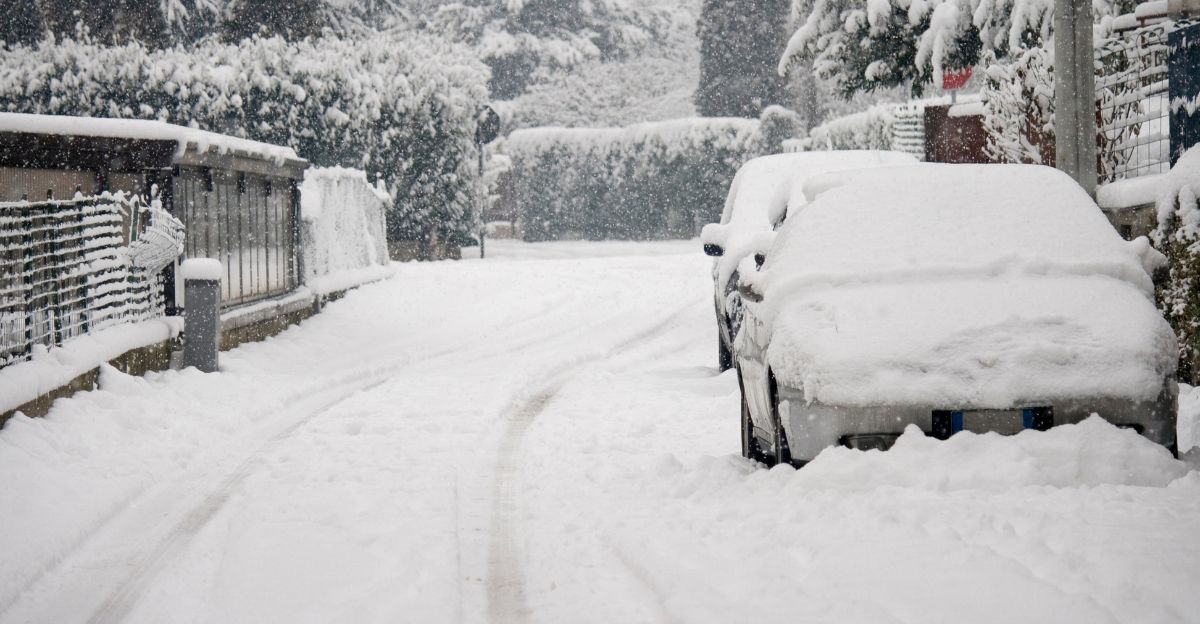
Emergency responders are facing impossible conditions as snow and high winds make it too dangerous to travel. In remote mountain communities across Alaska, California, and other affected areas, response times could be delayed for hours or days.
Virtual operations will be activated, but the delays will leave vulnerable populations in peril. These regions, often accessible only via dangerous routes, will rely on the community as emergency services struggle to catch up.
Supply Chains Begin to Fracture
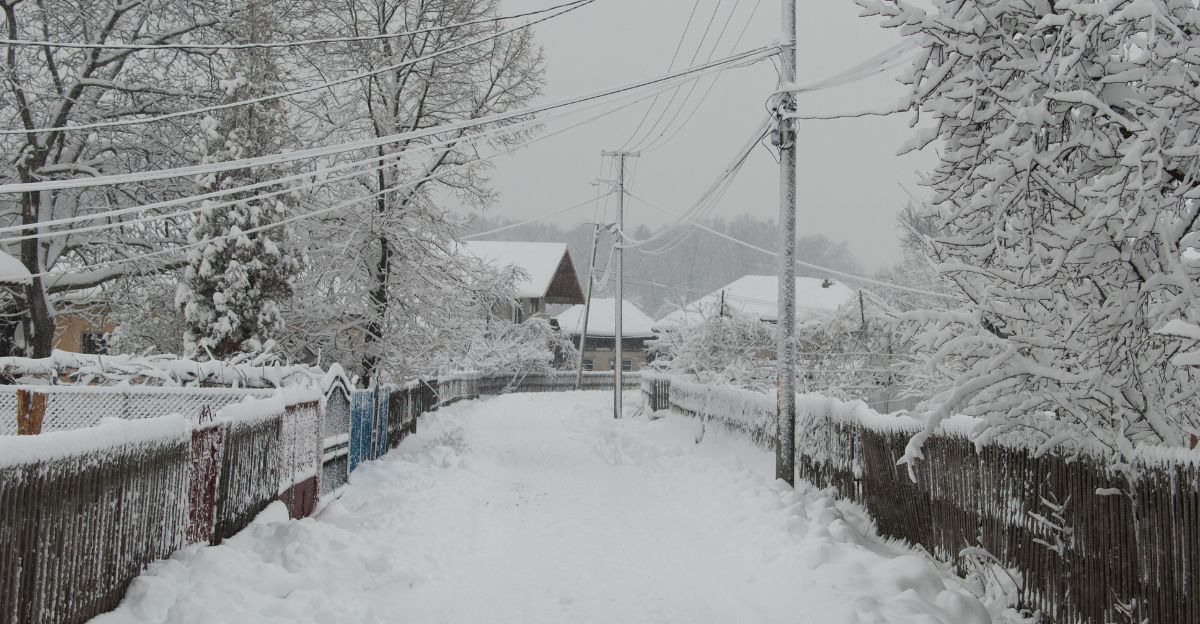
With snow and ice gripping the mountain corridors, the supply chain will begin to buckle. Freight trucks will be halted, and retail shelves will empty. States could lose significant revenue as trucking operations come to a halt.
Grocery stores, fuel stations, and other essential services are expected to face stock shortages, contributing to a rise in prices and longer wait times as goods become stranded on icy highways.
Livestock Producers Sound the Alarm
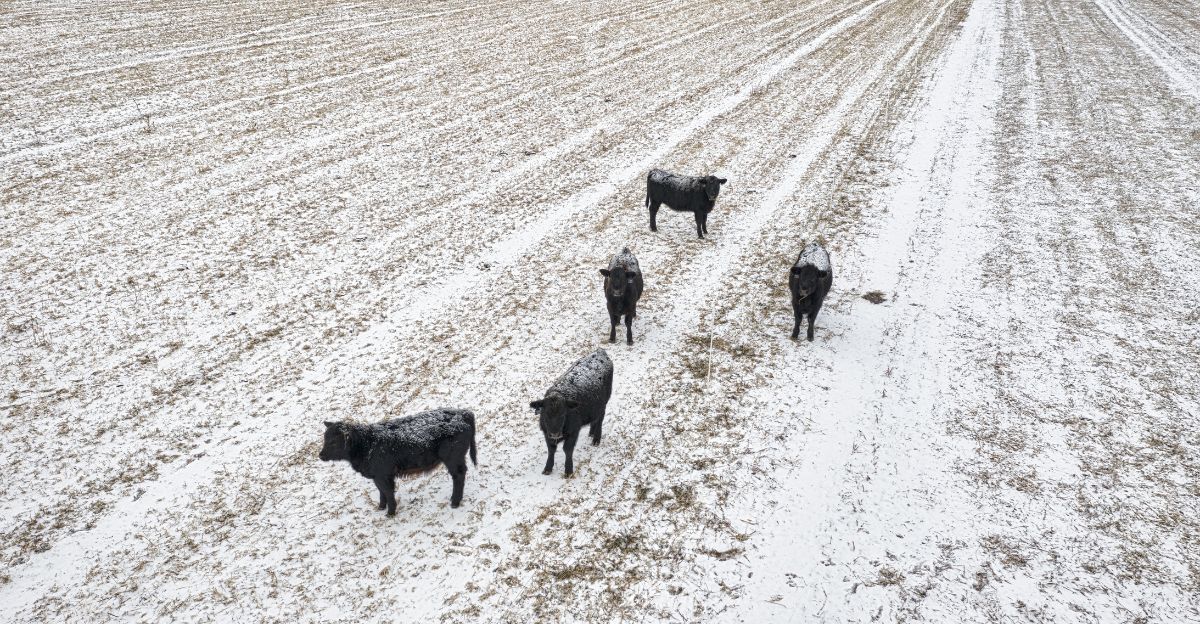
Ranchers across affected areas are scrambling to protect livestock as freezing temperatures and heavy snow put animals at risk. A winter storm in Texas in 2021 caused significant agricultural losses, with livestock losses exceeding $228 million and citrus crop losses exceeding $230 million.
Snow and freezing wind chills restrict grazing and can cause water sources to freeze, putting entire herds in danger. In areas without power, ranchers will struggle to provide necessary feeds and care.
Ski Resorts and Tourism Paradox
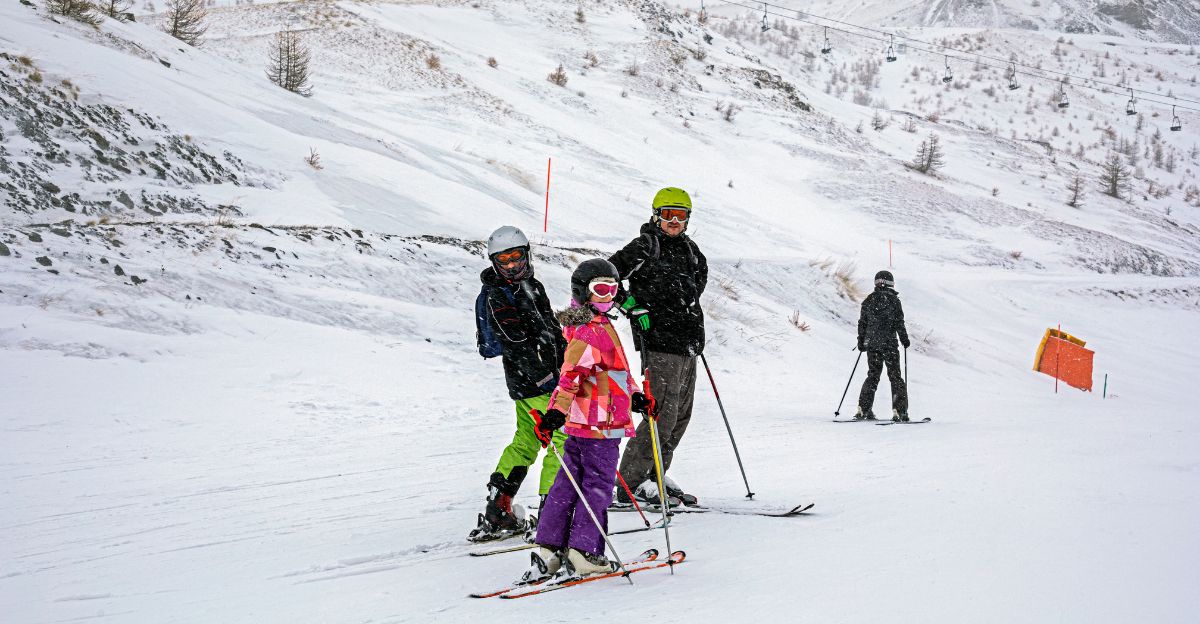
The storm is a double-edged sword for winter tourism businesses. Ski resorts in California and Colorado need snow, but too much too quickly could delay openings or make operating ski lifts dangerous.
The storm’s significant snowfall is both a blessing and a curse, as resorts struggle to find the right balance between natural snow and artificial base-layers. While skiers may flock to these areas, resorts must navigate the chaos the storm creates.
Small Businesses Face Shutdown
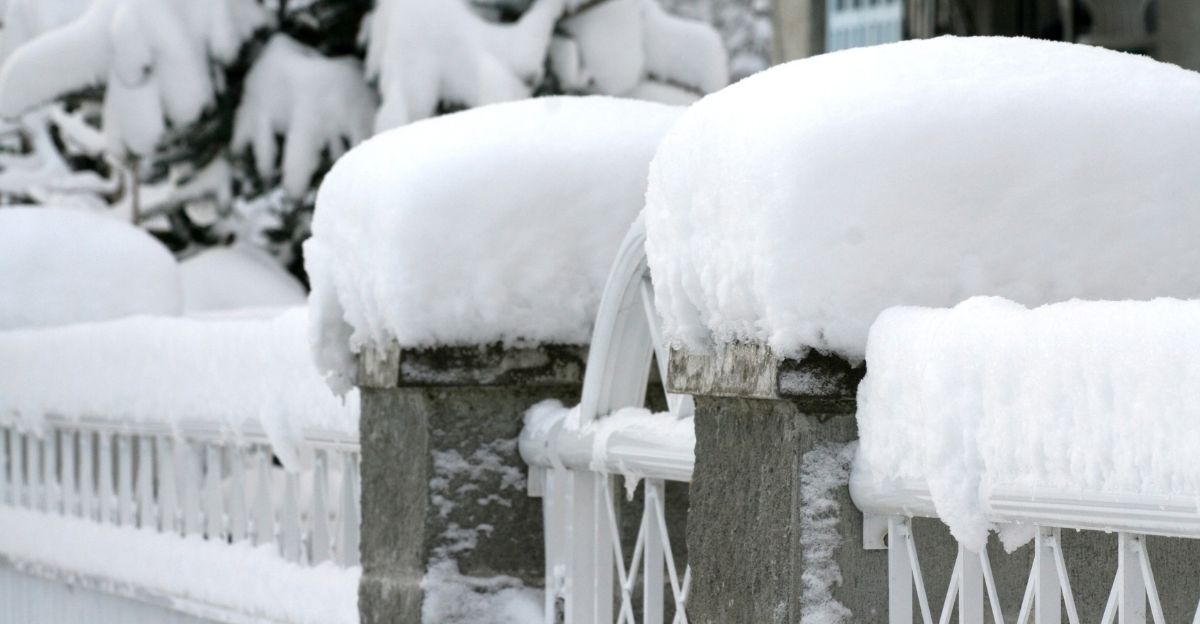
Local businesses in the affected mountain towns are facing huge losses during one of their busiest seasons. Restaurants, retail stores, and service businesses rely on holiday traffic, but with roads closed and customers stranded, revenue evaporates.
These businesses, often operating with thin margins, are especially vulnerable to closures. The storm could push many of these enterprises to the brink of permanent shutdown, making it difficult for them to recover.
Healthcare Access Threatened
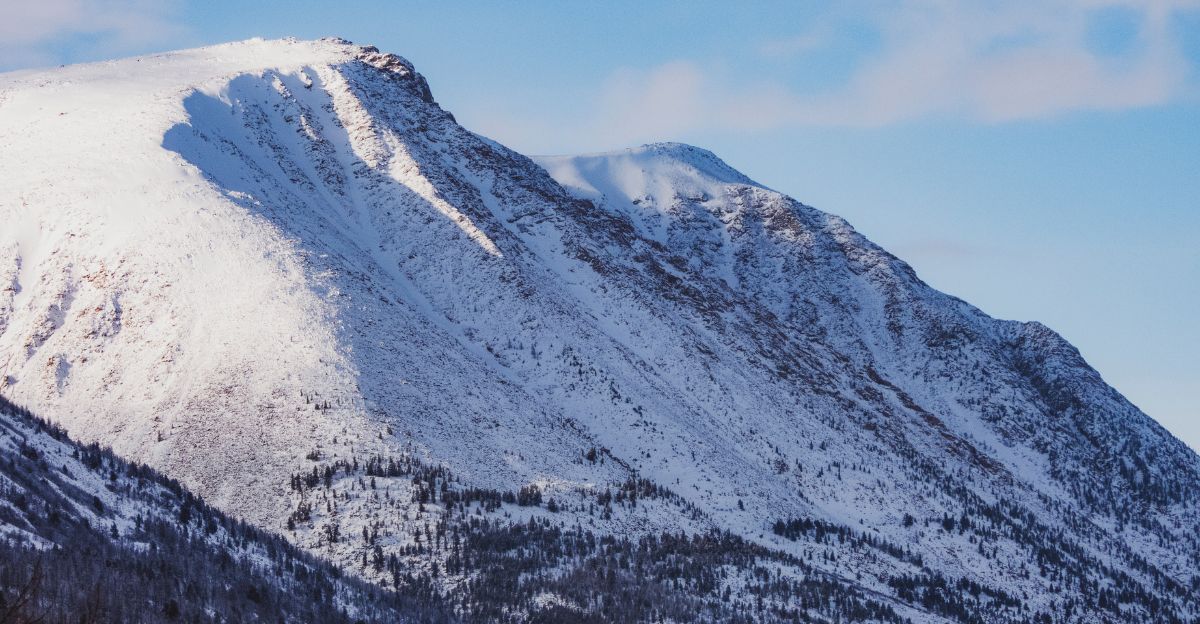
For rural mountain communities, healthcare becomes a major concern during the storm. Patients needing dialysis, chemotherapy, and routine medical care may not be able to reach facilities as snow and ice block roads.
In some areas, roads are more than 50 miles from the nearest hospital. With emergency services delayed, conditions could turn life-threatening, as even treatable emergencies become fatal due to lack of timely intervention.
Climate Change Debate Reignites
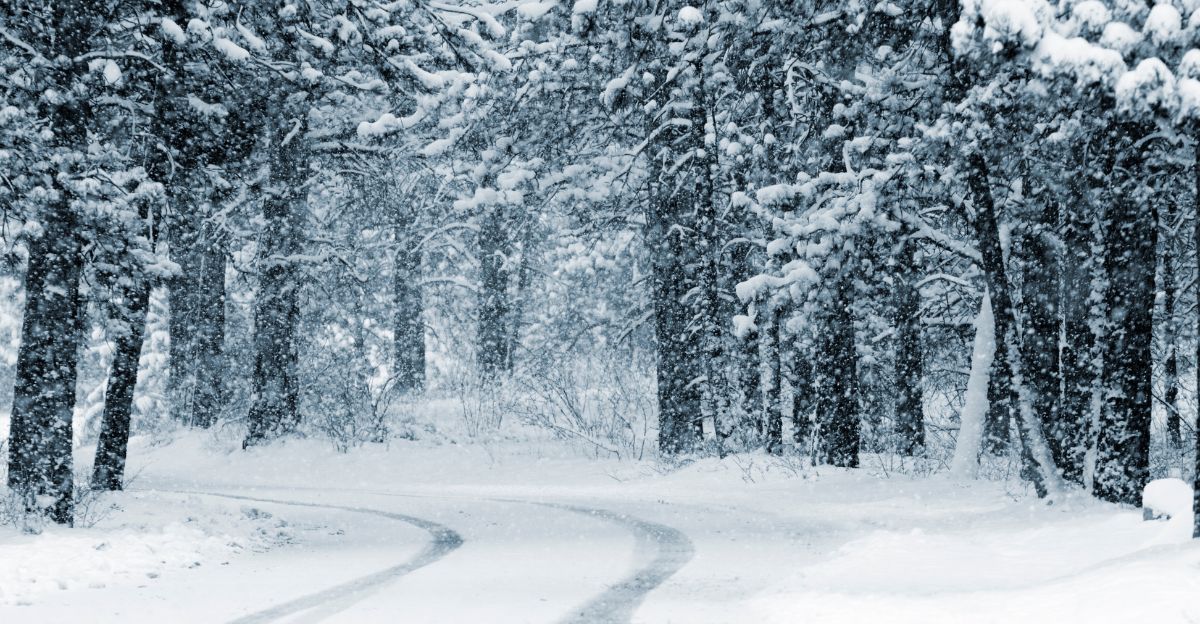
This storm is a stark reminder of how warmer temperatures may contribute to more extreme winter weather. The science shows that warmer air holds more moisture, which can lead to heavier snowstorms.
Winter storms are becoming more frequent with increased intensity, and this storm’s heavy snowfalls and high winds are indicative of the changing climate, reigniting discussions around climate change.
Unexpected Economic Winners
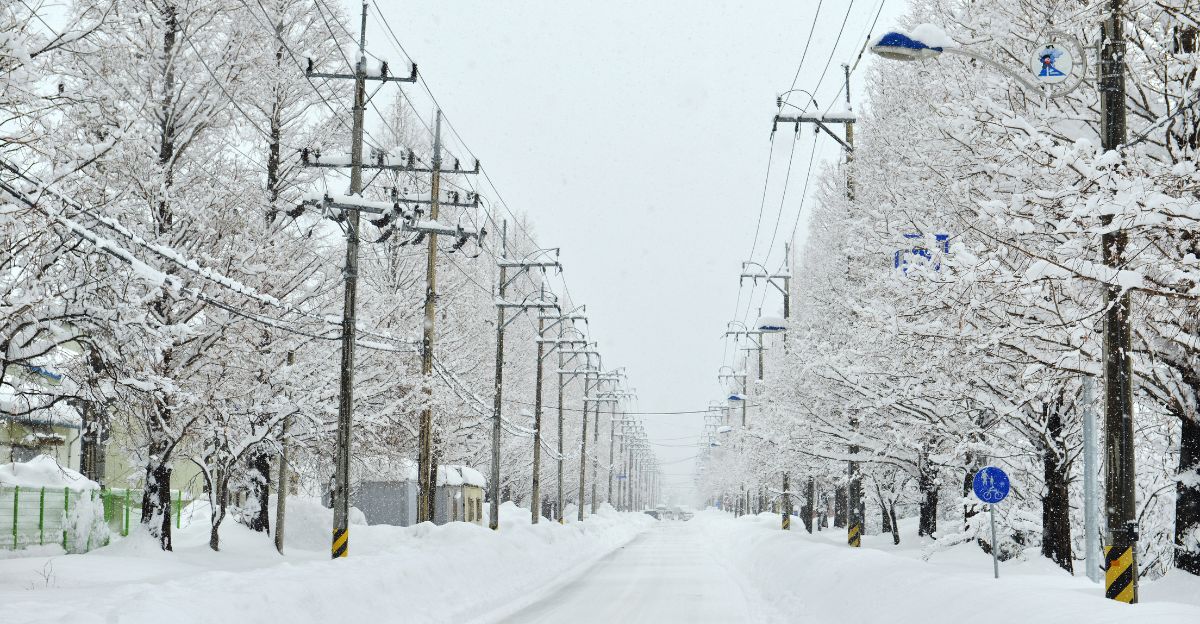
While many sectors suffer from the storm, some industries stand to profit. Snow removal companies, hardware stores, and hotels near closed highways are seeing an uptick in business.
Emergency services, including towing and restoration companies, are ramping up their operations, charging premium rates for snow removal and rescue services. As businesses in the affected areas face closure, others are thriving in the wake of this chaotic event.
What to Do Now
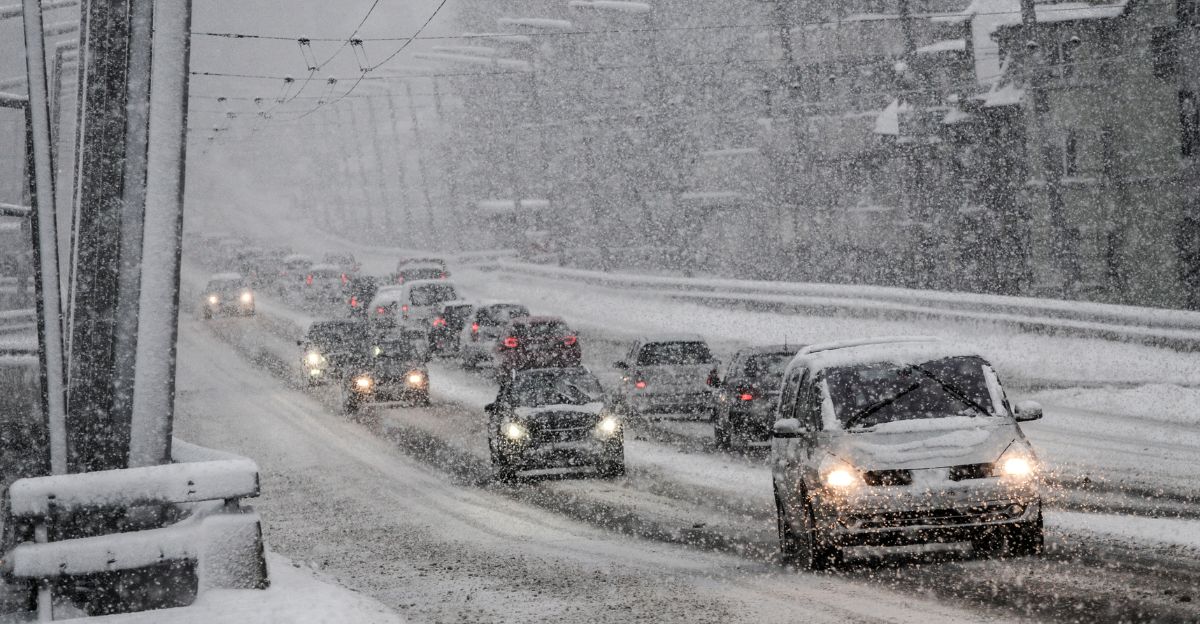
As the storm approaches, residents are urged to prepare emergency kits with essentials like flashlights, food, water, blankets, and first aid supplies. Travelers should check road conditions before heading out and reconsider non-essential travel.
Protect homes by insulating pipes and having backup heating sources ready. It’s crucial to stay informed and adjust plans accordingly, as the storm could bring life-threatening conditions that may last for days.
A Glimpse of Winter’s Toll
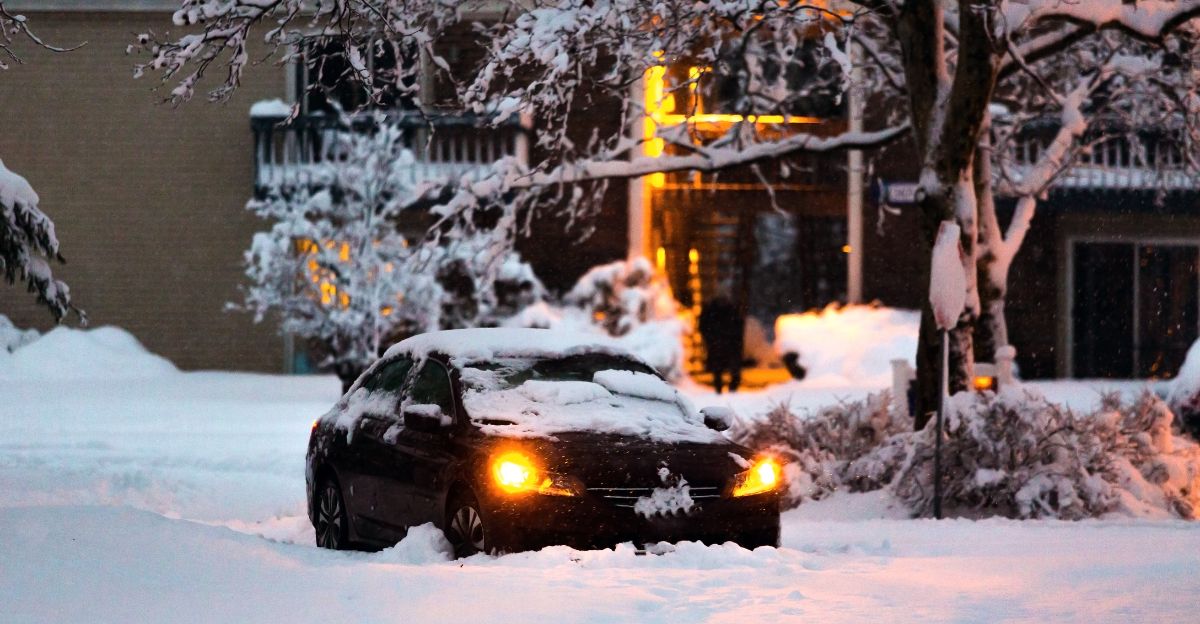
This winter storm demonstrates how interconnected modern society is, with each ripple effect from a winter storm having far-reaching consequences. The storm is not just about snow—it’s about how it disrupts travel, power, agriculture, and daily life.
With so many factors in play, this event serves as a reminder of how vulnerable we are to the forces of nature. As these storms become more frequent and intense, understanding their impact is crucial for planning and preparedness in the future.