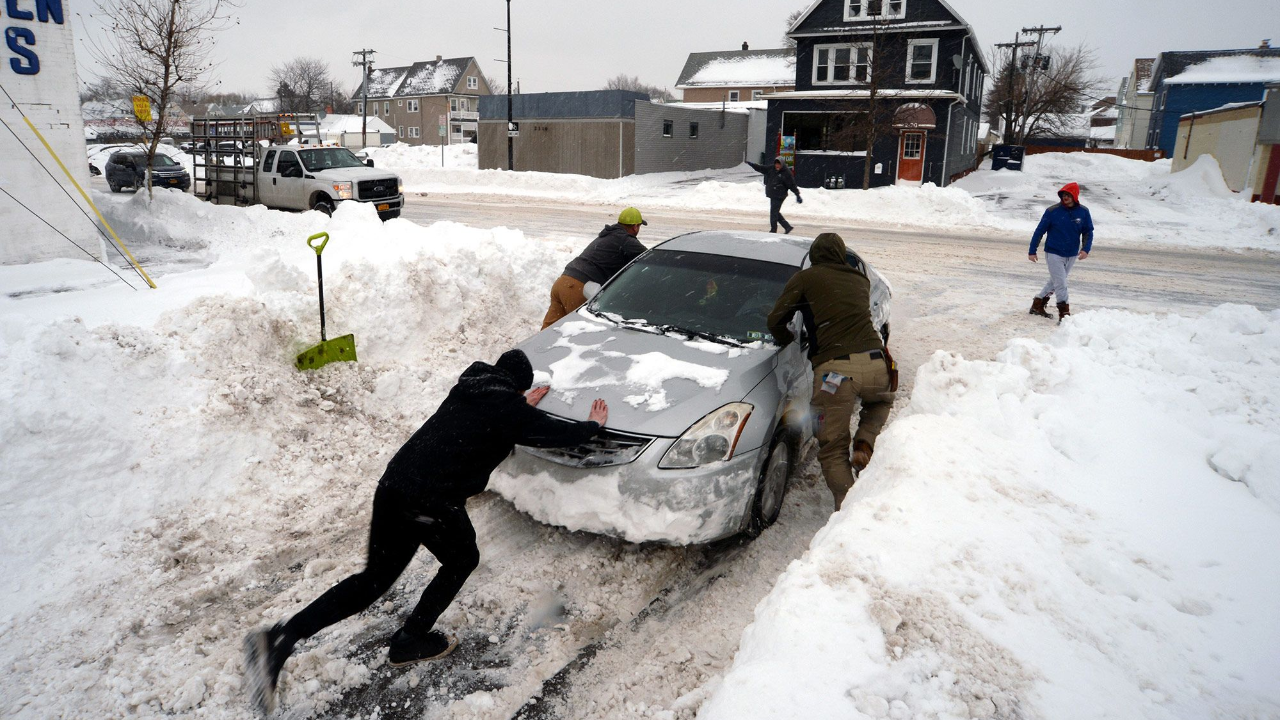
Winter didn’t wait for the calendar this year. A rare late-October blizzard swallowed Wyoming’s high country under up to 18 inches of snow, transforming golden fall trails into blinding whiteouts. The National Weather Service issued back-to-back emergency alerts as howling winds and icy roads swept across the state.
For many, it felt surreal—autumn one day, midwinter the next. For the communities tucked in these mountains, the message was clear: winter’s rules have changed.
What Triggered the Blizzard
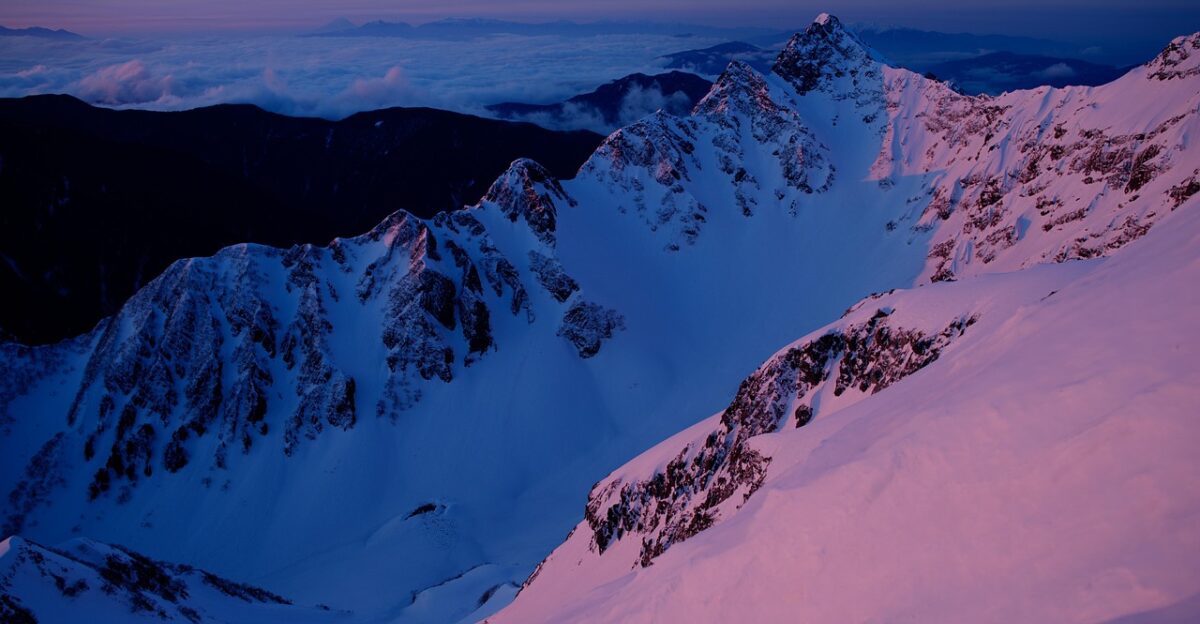
Meteorologists say it began with cold Arctic air colliding with a stream of moisture from the Pacific. The clash unleashed powerful snow bands across Wyoming’s peaks and ridges, driving gusts up to 60 miles per hour. Within hours, visibility vanished, and temperatures plunged.
This was no ordinary October chill; it was a midwinter storm arriving six weeks early, a reminder of how easily the familiar rhythm of the seasons can be disrupted.
Roads Turn Treacherous as Travelers Scramble
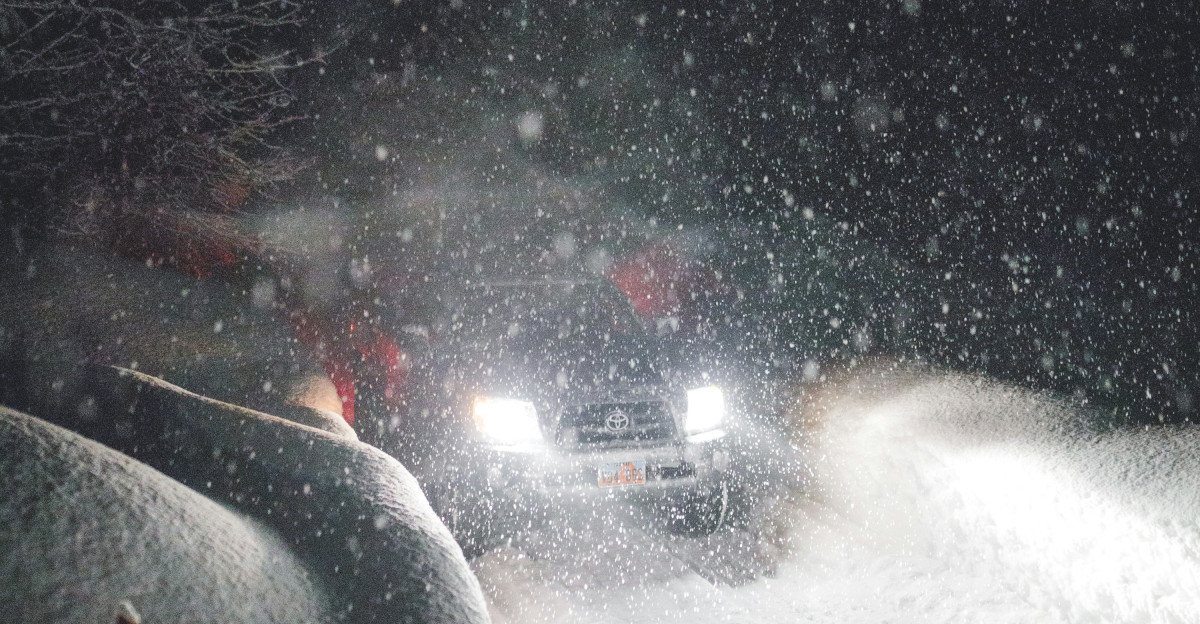
By Sunday evening, travelers were trapped in a race against the storm. Yellowstone’s southern roads shut down as winds whipped snow into white curtains that erased the horizon. Drivers crawled along mountain passes, headlights swallowed by the blizzard.
The NWS urged anyone venturing out to carry food, water, and flashlights—anything that could mean survival if stranded. Across the park, rangers responded to dozens of calls for help as once-picturesque roads turned into icebound traps.
Local Businesses and Tourism Take a Hit
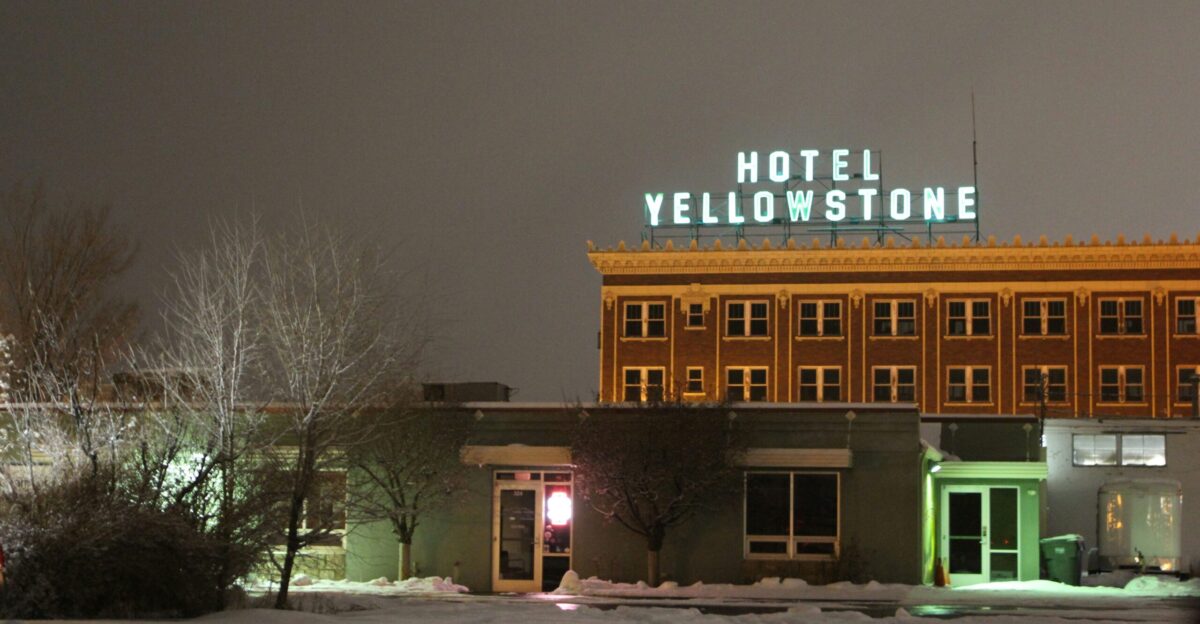
The storm arrived like a door slamming shut for Yellowstone’s gateway towns. Hotels started filling, not with tourists seeking adventure but with stranded travelers searching for warmth. Restaurants ran low on supplies. Tour guides canceled their final fall excursions, watching an early snowfall erase weeks of expected revenue.
In a region that depends on one last burst of October tourism, nature’s timing couldn’t have been harsher—or more humbling.
Tourists Diverted as Yellowstone Shuts Down
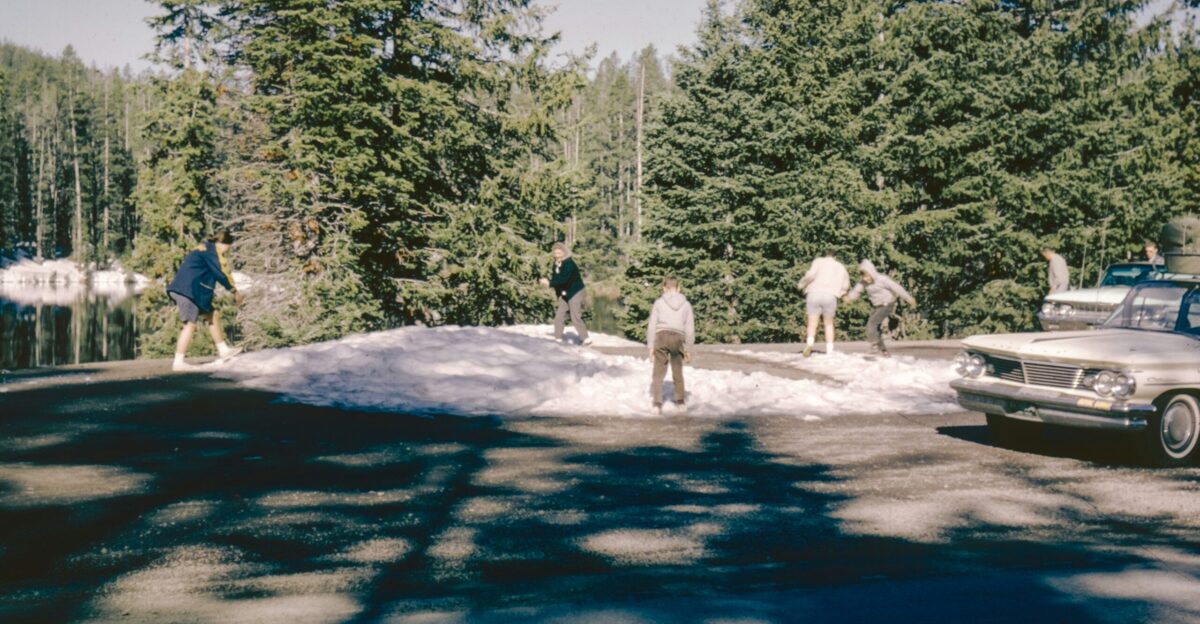
By Monday, Yellowstone looked more like January than October. Up to 15 inches blanketed its Southern Entrance, and gusts topping 45 mph created near-whiteout conditions. Families on vacation found themselves rerouting toward Jackson or huddled in lodges, waiting for roads to reopen.
A few laughed about “seeing winter early,” but most simply waited—phones out, watching weather maps and hoping they wouldn’t be the ones stuck when the next road closed.
Freight Corridors and Supply Routes Tested
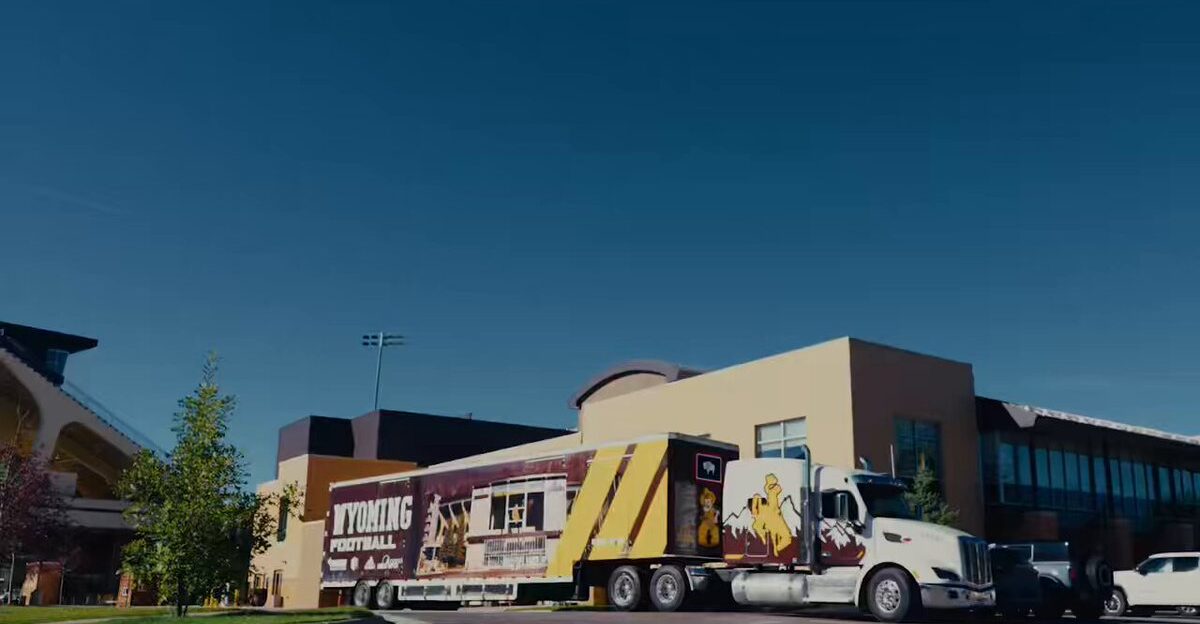
While travelers struggled to move, Wyoming’s passes remained under watch. These routes are vital arteries connecting the Midwest to the Pacific. A few snow-clogged routes—Teton Pass, South Pass, Togwotee Pass—faced hazardous conditions as drifts piled high.
The commercial corridors that normally hum with traffic stood vulnerable to nature’s timing. The disruption was short, but the warning unmistakable: one storm, one night, and hundreds of miles of commerce can freeze in place.
Stranded in the Storm Stories
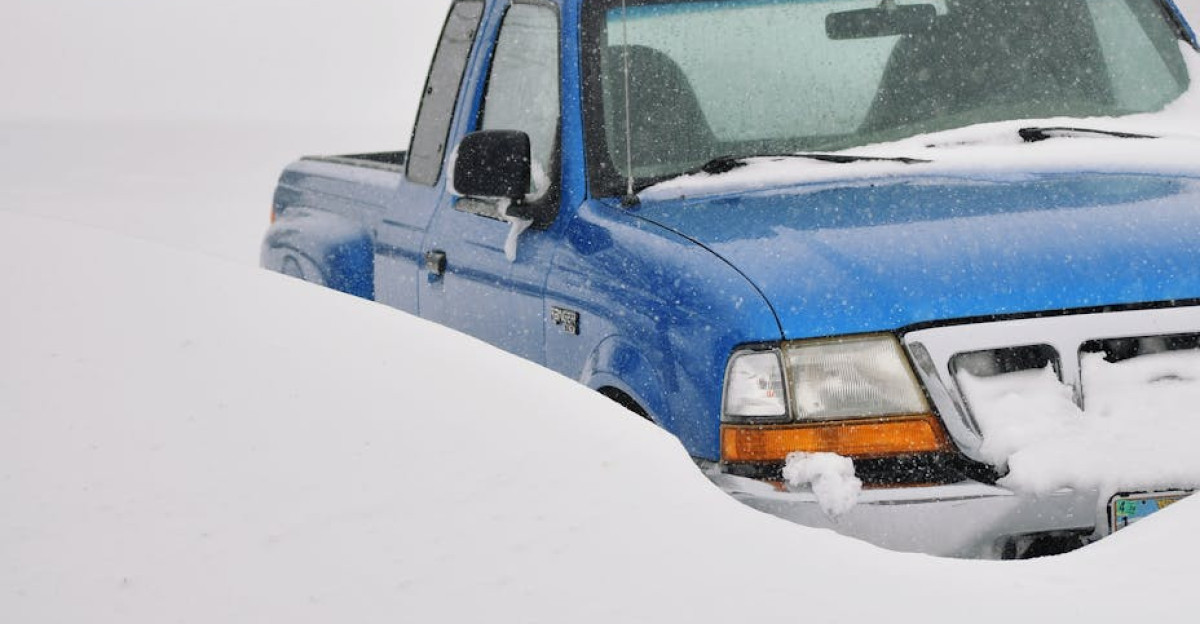
Across the mountains, the blizzard’s human stories began to unfold. Travelers described whiteout conditions where visibility vanished completely. Rangers worked through the night, rescuing cars buried in snow and calming frightened children.
In nearby towns, neighbors checked on one another, sharing generators, coffee, and blankets. For some, it was an inconvenience; for others, it was a reminder that community is the strongest form of shelter in Wyoming.”.
Park Officials Mobilize for Emergency Response
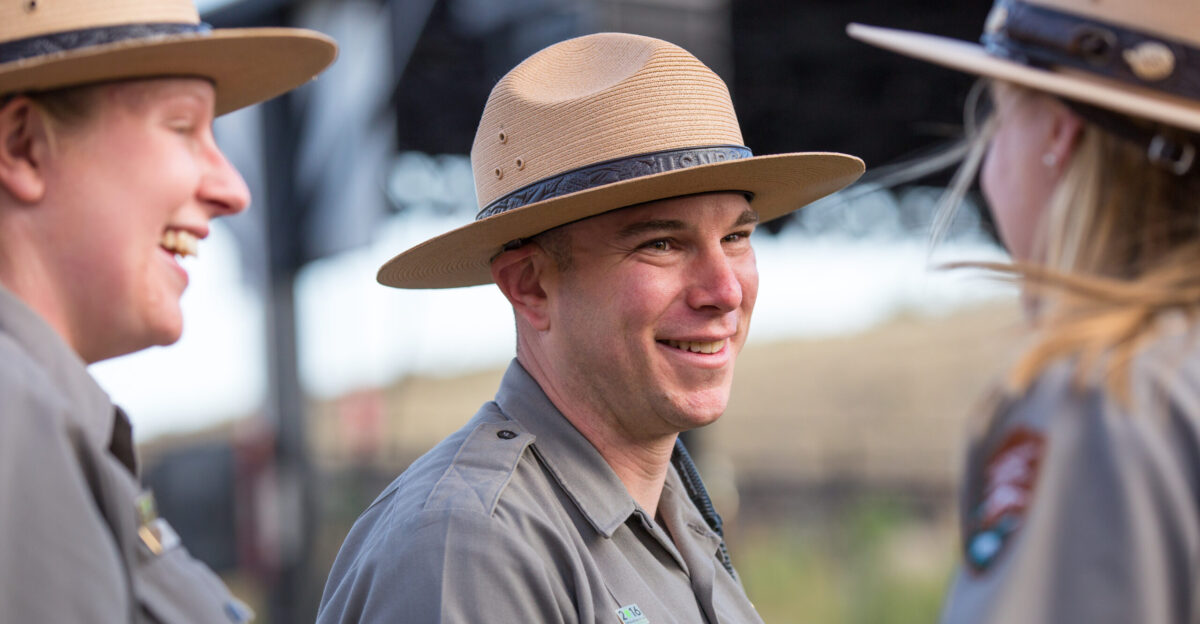
Inside Yellowstone, officials moved quickly. Roads were sealed off to prevent further accidents, and snow crews worked in rotations to keep vital routes open for rescue teams. “Heavy snow through Monday,” warned the NWS office in Riverton, noting wind gusts up to 50 mph.
The park’s message was simple: don’t underestimate the mountains. Even seasoned rangers called it one of the most intense early-season storms they’d ever seen.
Mountain Towns Count the Costs
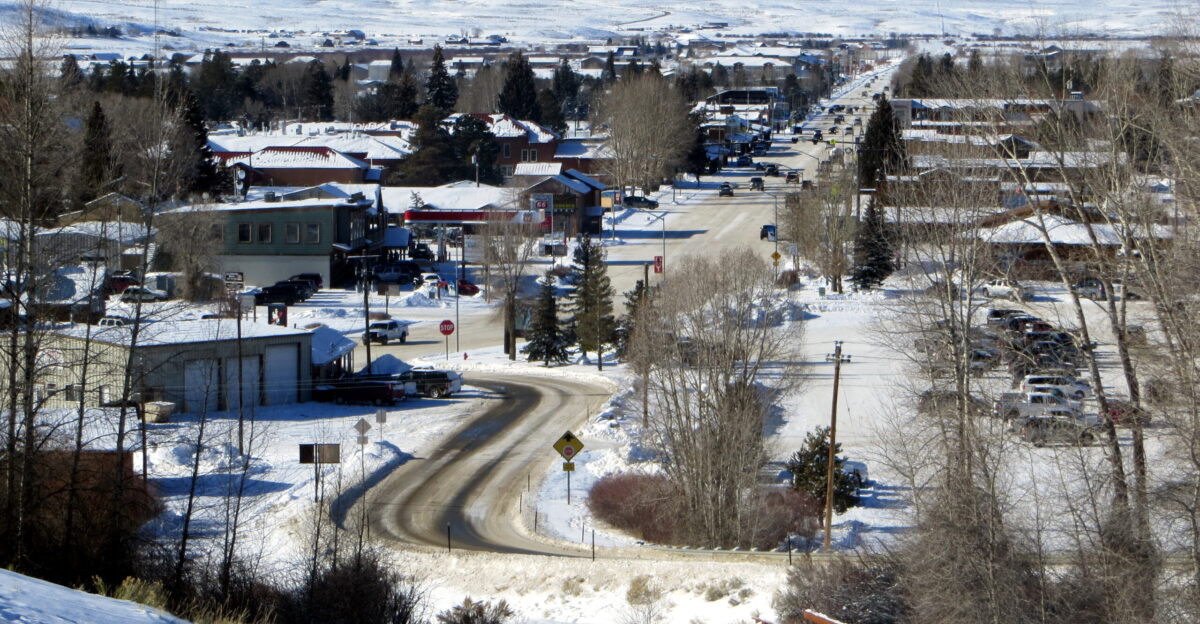
“When the snow finally eased, the economic fallout began. With highways closed and visitors gone, local businesses faced mounting bills – lost bookings, extra labor, and emergency fuel costs. Mountain towns like Dubois and Pinedale, home to fewer than 10,000 people combined, braced for several quiet days of isolation.
Yet, amid the disruption, there was also resilience. Communities prepared to weather whatever came next, knowing that in Wyoming, storms are simply part of mountain life.”
Safety and Health Risks Surge
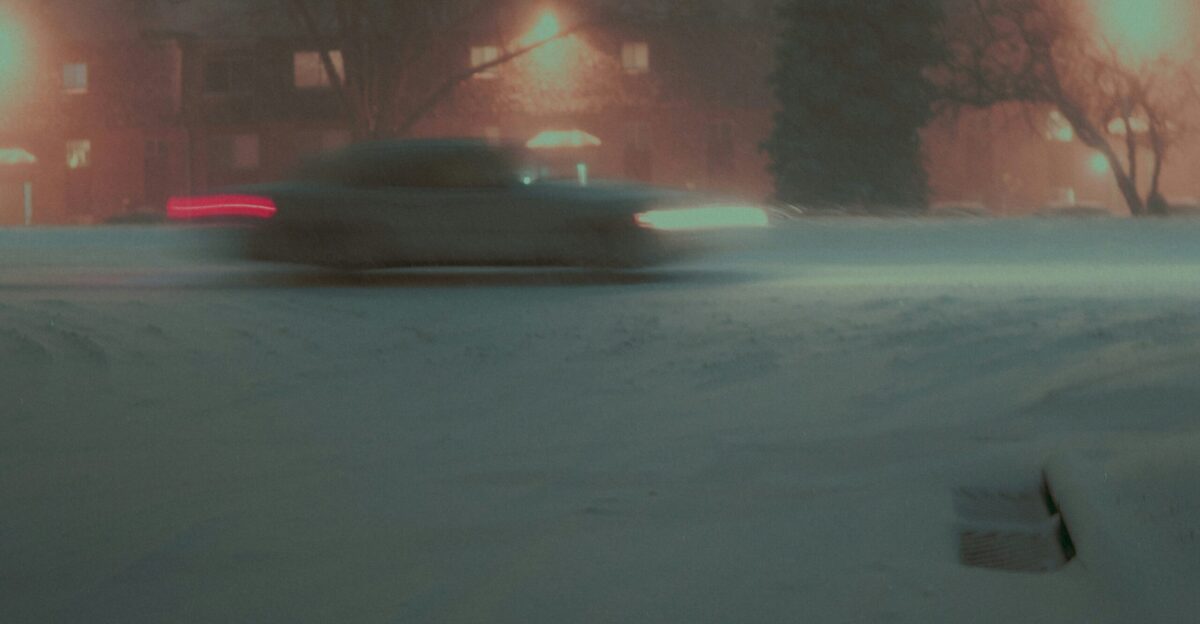
“The blizzard’s suddenness turned everyday routines into risks. Black ice sent cars spinning across bridges; subzero wind chills threatened those caught outdoors too long. Health officials urged residents to stay indoors unless absolutely necessary and to keep vehicles stocked with blankets, water, and flashlights.
More than 30 vehicle incidents in Yellowstone National Park alone showed how quickly a scenic drive can turn life-threatening when fall gives way to winter overnight.”
Freak Event or New Normal?
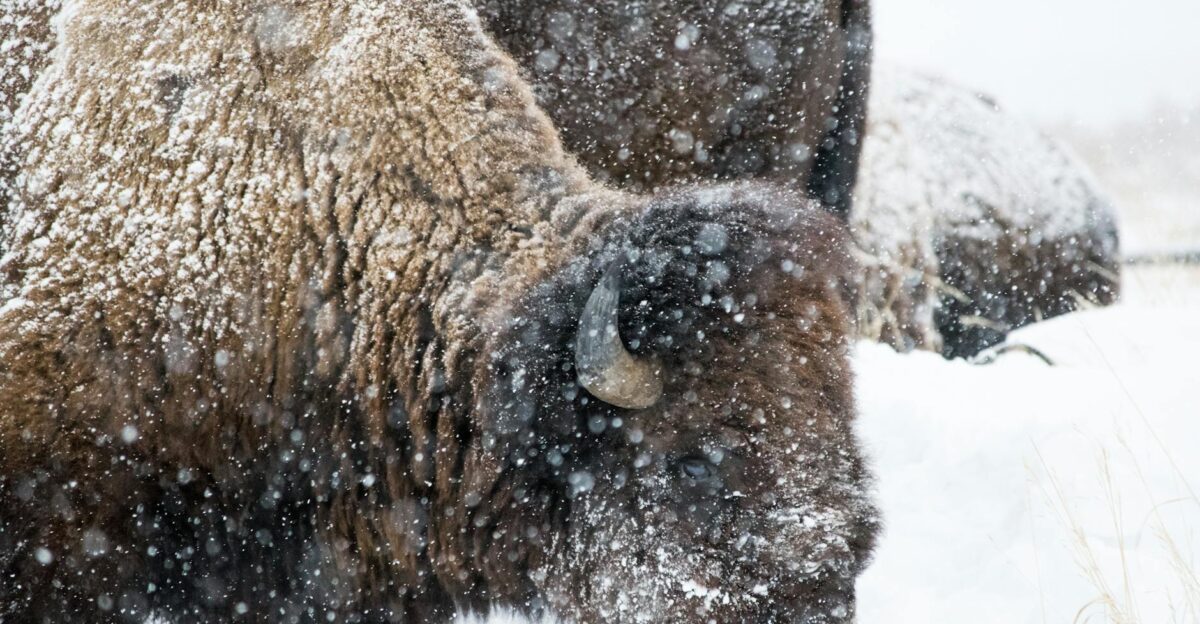
In the aftermath, one question echoed across Wyoming: Was this a fluke or a sign of what’s coming? Late-October storms of this magnitude are rare—but not unheard of. Still, the 18-inch snowfall rivaled midwinter levels, blurring seasonal boundaries.
Meteorologists stopped short of calling it unprecedented, but many noted how shifting climate patterns make “once-in-a-decade” storms seem startlingly common.
Tourists Rethink Fall Travel Plans
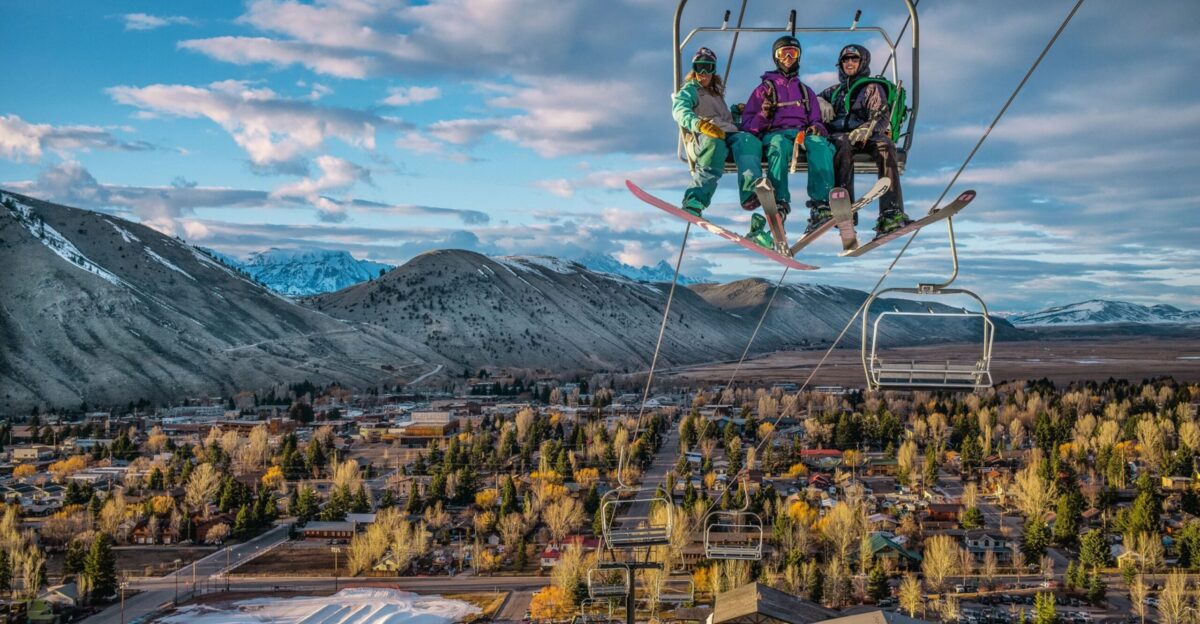
For many visitors, the storm was a lesson in humility. Yellowstone’s weather, even in October, is anything but predictable. Rangers reminded tourists that the park’s high elevation—more than 8,000 feet in places—can turn mild sunshine into snow chaos within hours.
As roads reopened, travelers spoke of changing their approach next time: more flexibility, better gear, and the understanding that in the mountains, winter can start whenever it wants.
Early Snow Sparks Mixed Reactions
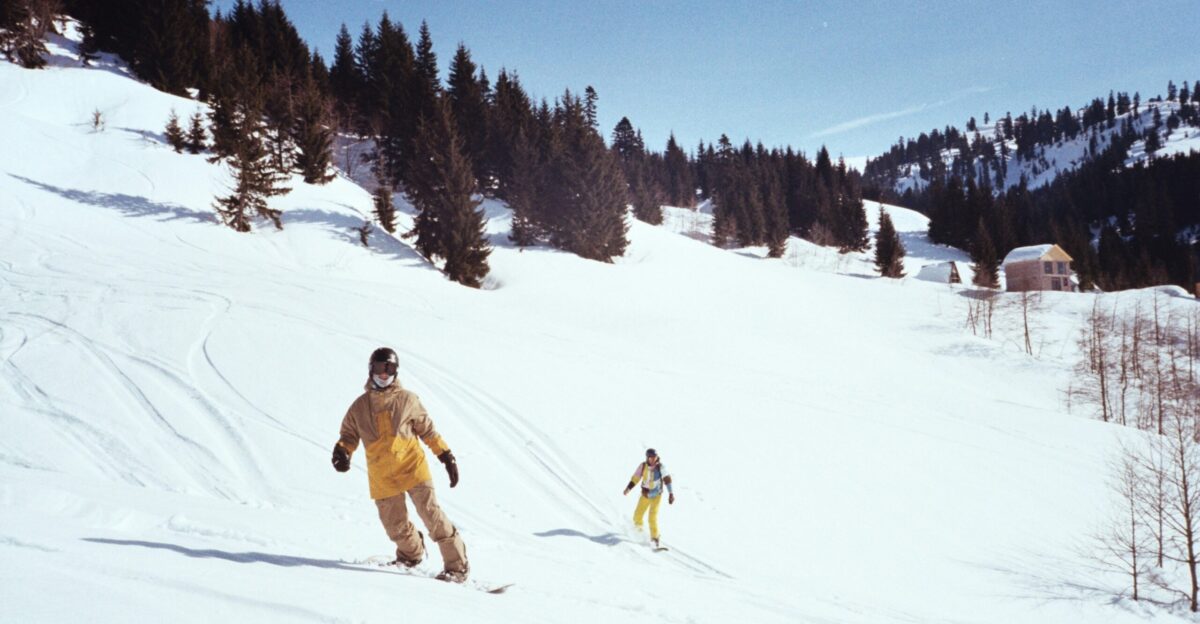
Not everyone mourned the snow. Ski resort owners watched early flurries pile up with cautious optimism, hoping the deep base would jump-start the winter season. Outdoor retailers saw a rush on chains, shovels, and snow boots.
The storm was a blow for small lodges and gift shops banking on one last tourist weekend. One owner said, “Good for the skiers, bad for the rest of us—but that’s life in Wyoming.”
The Preparedness Wake-Up Call
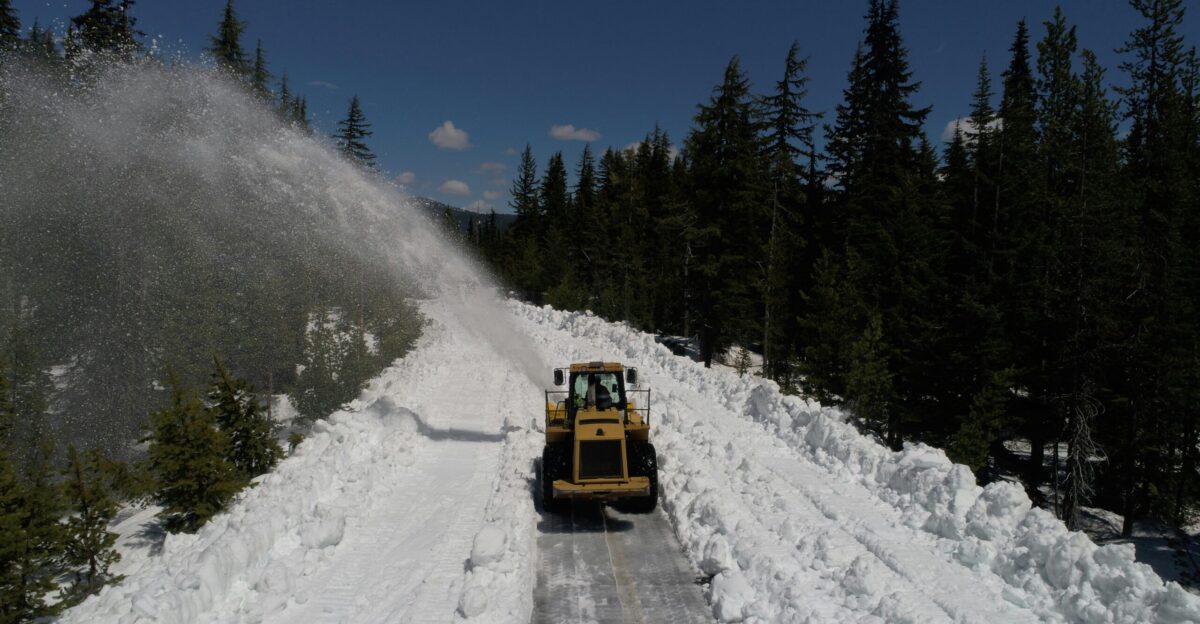
As crews worked to clear the final mountain passes, one message spread across Wyoming: preparedness isn’t optional. The NWS urged residents and travelers alike to treat October like December—winterize vehicles, carry supplies, and check forecasts before setting out.
It wasn’t alarmism; it was realism. Those extra precautions can make all the difference when the wind hits 60 mph and snow piles a foot deep in a single night.
When Winter Comes Early
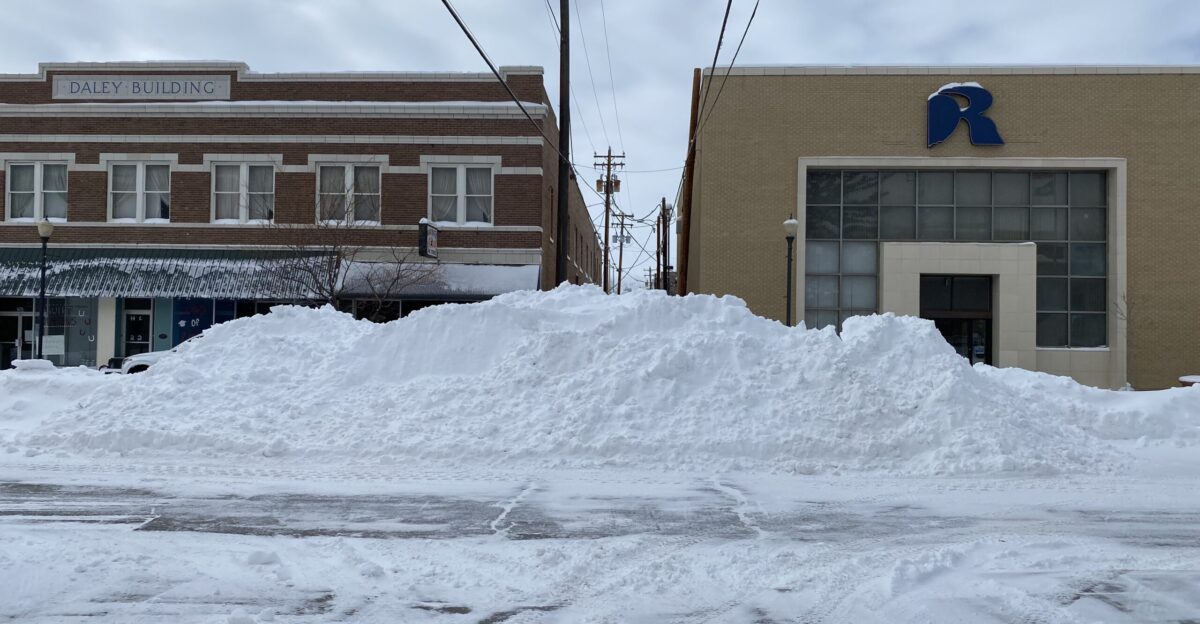
By Tuesday, roads began to reopen, and the world turned quiet again. Snowdrifts melted into silence, leaving behind the reminder that mountain weather doesn’t care for calendars.
With Yellowstone’s seasonal closure just days away, locals reflected on how quickly beauty can become peril, and how vital it is to be ready for both. In Wyoming, winter doesn’t wait for its turn anymore. It arrives when it chooses.