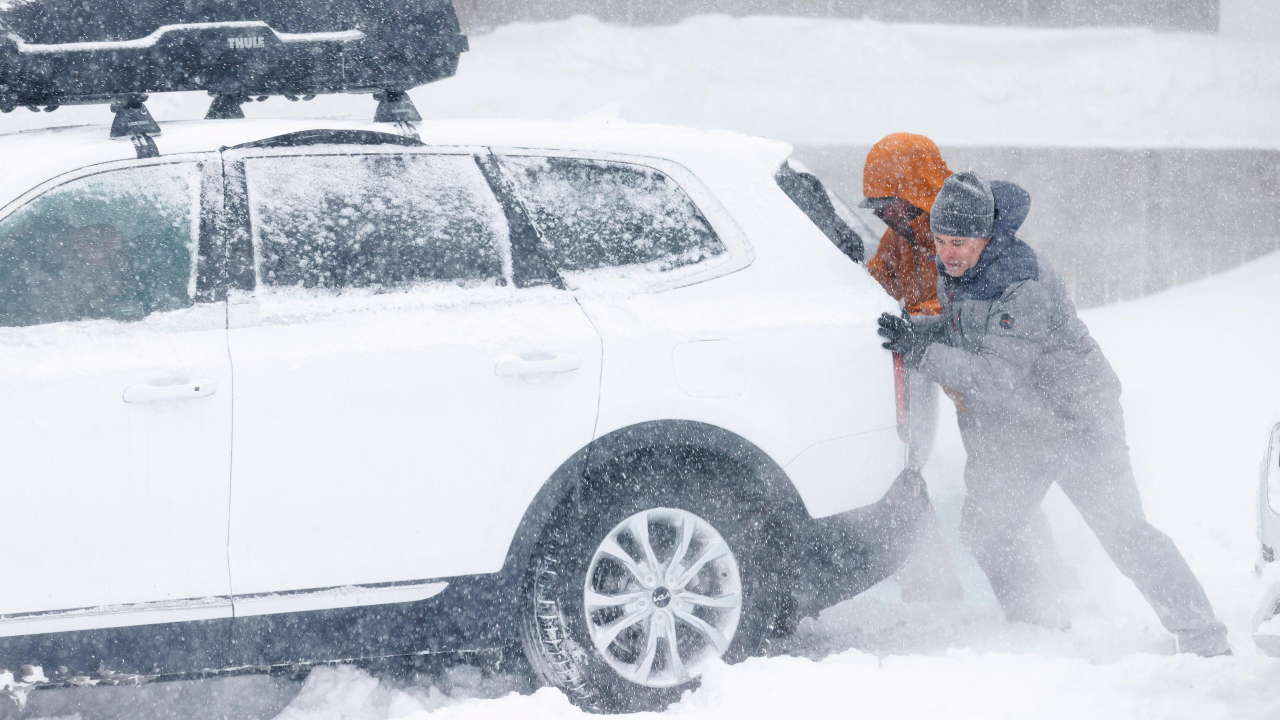
Record snowfall hit the Midwest and Northeast on January 14-15, 2026. A lake-effect storm dumped up to 20 inches in 24 hours. South Bend, Indiana, got 12.6 inches, beating the 1985 record by 6 inches.
Wind gusts reached 45 mph, cutting visibility to near zero. A 30-vehicle pileup trapped drivers on the Indiana Toll Road. Heavy snow fell at a rate of 2-3 inches per hour. One truck driver needed rescue. Over 400 schools in Southeast Michigan closed.
Forecast Escalation

Weather forecasters were surprised by how fast the storm grew. Northern Indiana’s forecast jumped from 8 to 12 inches in one day. Arctic air crashed into warm Great Lakes water. Niles, Michigan, measured 16.4 inches by midnight January 15.
Bourbon, Indiana, got 15 inches. Storm chaser Ryan Scholl said it was “the most intense lake effect snow conditions I’ve ever witnessed.” Meteorologist Max Velocity reported 60 mph winds with “almost NO visibility.”
Lake Effect Genesis
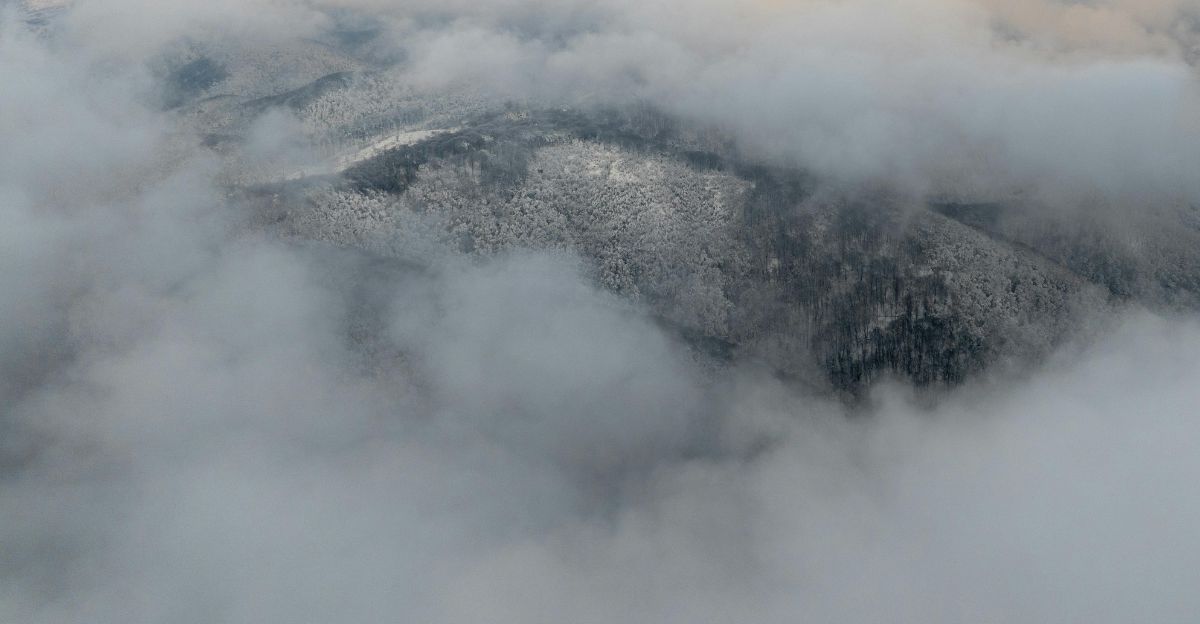
Lake-effect snow forms when cold air passes over warm lake water. The air picks up moisture and heat. This creates tall snow clouds. For this to happen, the air at 5,000 feet must be 23 degrees Fahrenheit colder than the lake.
On January 14, temperatures dropped from the upper 30s to the teens quickly. Lake Michigan’s warm water fed a snow band from the shore to Gas City, Indiana. Snow fell at nearly 2 inches per hour.
Polar Vortex Trigger
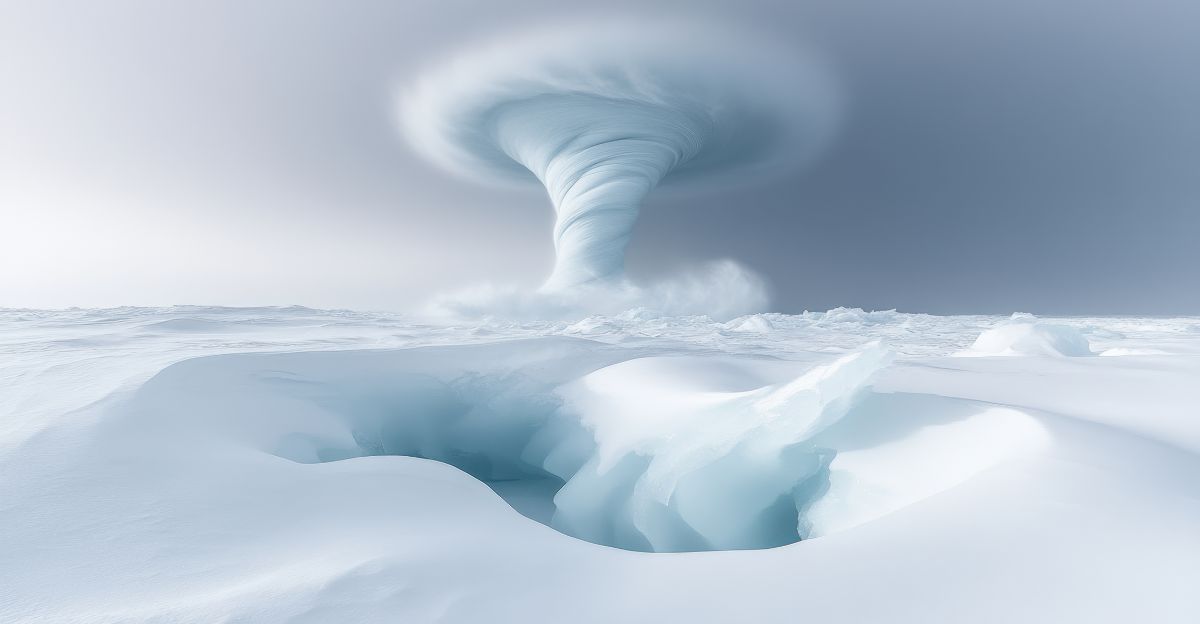
The January 14-15 storm was the start of a long, cold pattern. A polar vortex shift moved south. This large cold area brought frigid air to North America. Meteorologist Ryan Maue warned of “a potentially historic Arctic polar vortex blast.”
Temperatures would drop 20-30 degrees Fahrenheit below normal. AccuWeather predicted the coldest conditions would arrive early in February. A high-pressure system over the West blocked cold air from moving toward the Great Lakes.
Warnings Span Continent
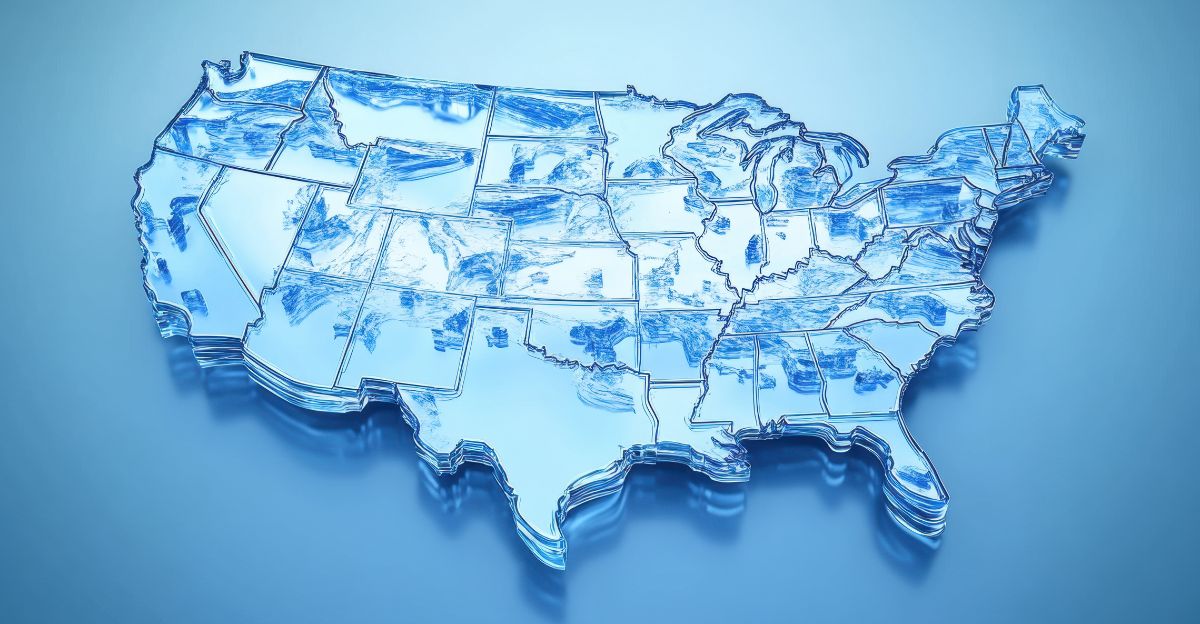
The National Weather Service issued winter storm warnings for at least 11 states from Alaska to Tennessee on January 14-15, 2026. The agency urged people to avoid traveling if possible. NWS Northern Indiana warned of “extremely difficult travel” from 5 PM Wednesday to 8 AM Thursday.
The Marquette office said “travel could prove very challenging.” NWS provides advisories, not legal orders. State and local governments control road closures. The 11 states included Indiana, Michigan, New York, Ohio, Pennsylvania, Tennessee, Alaska, Illinois, Maryland, West Virginia, and Minnesota.
Midwest Paralyzed
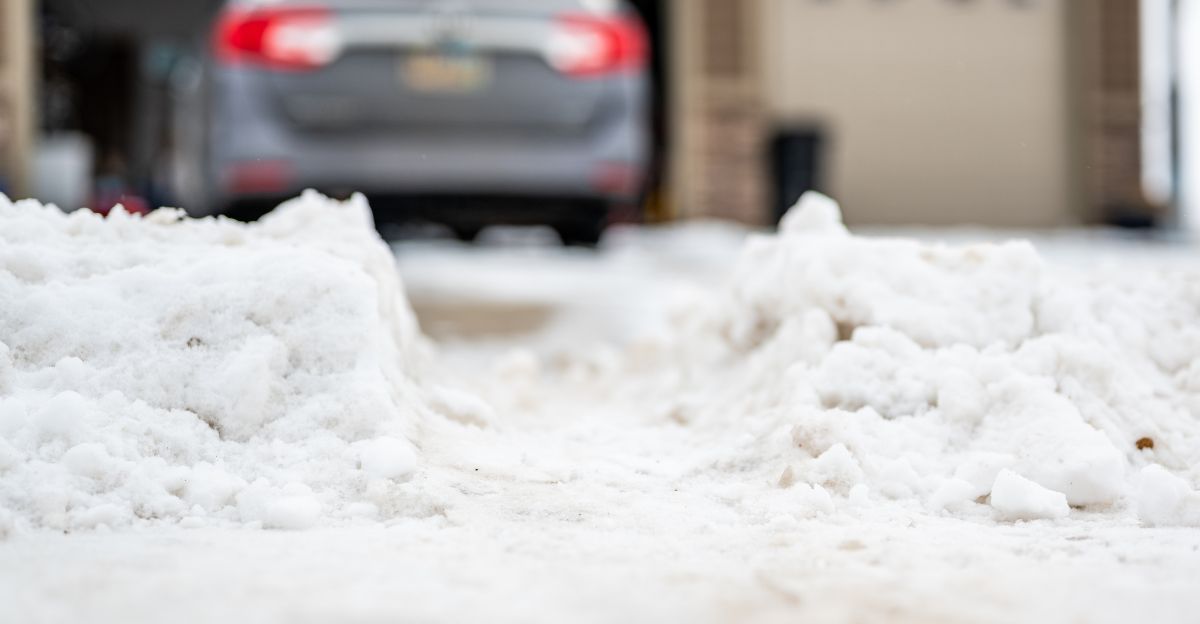
The storm hit hardest in northern Indiana and southwest Michigan. Roads became blocked with snowdrifts. St. Joseph County, Indiana, issued a travel advisory at 3:38 PM on January 14. Officials called roads “hazardous.”
They told people to only drive if necessary. By morning, January 15, police found that many cars had slid off roads. Two trucks got stuck. South Bend crews worked all night clearing main streets. They started plowing neighborhoods at 7:15 AM on January 15. County offices stayed open.
Families Hunker Down

Hundreds of thousands of students stayed home. Over 400 schools across Southeast Michigan closed on January 15. The storm hit during morning and evening commutes. Districts chose safety over classes. Detroit Public Schools and eight county districts closed.
Many Indiana schools did online classes instead. Resident Caentrell Carter dug out multiple vehicles. He said, “We have to recognize that it is winter now, so it’s been a hassle getting in the snow, but it’s been fun.” Families lost childcare, and businesses lost workers.
Transportation Collapse
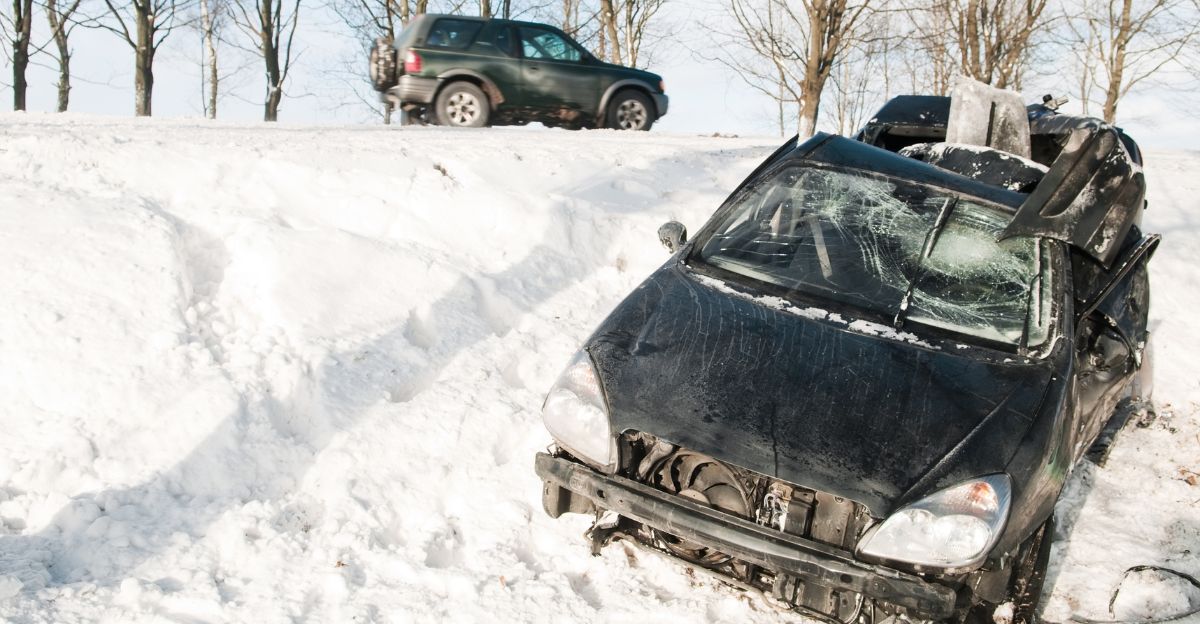
The Indiana Toll Road’s 30-vehicle pileup showed the storm’s danger. It happened near mile marker 94. Indiana State Police said crashes began just before 4 PM on January 14. Heavy snow cut visibility. Multiple trucks and cars blocked both directions.
One vehicle crossed the median and ended up in a ditch. Emergency crews spent hours clearing wreckage. Traffic was diverted until about 8 PM. Several people got hurt, but none seriously. Traffic exited at the Mishawaka and Elkhart plazas for hours.
Regional Ripple Effects
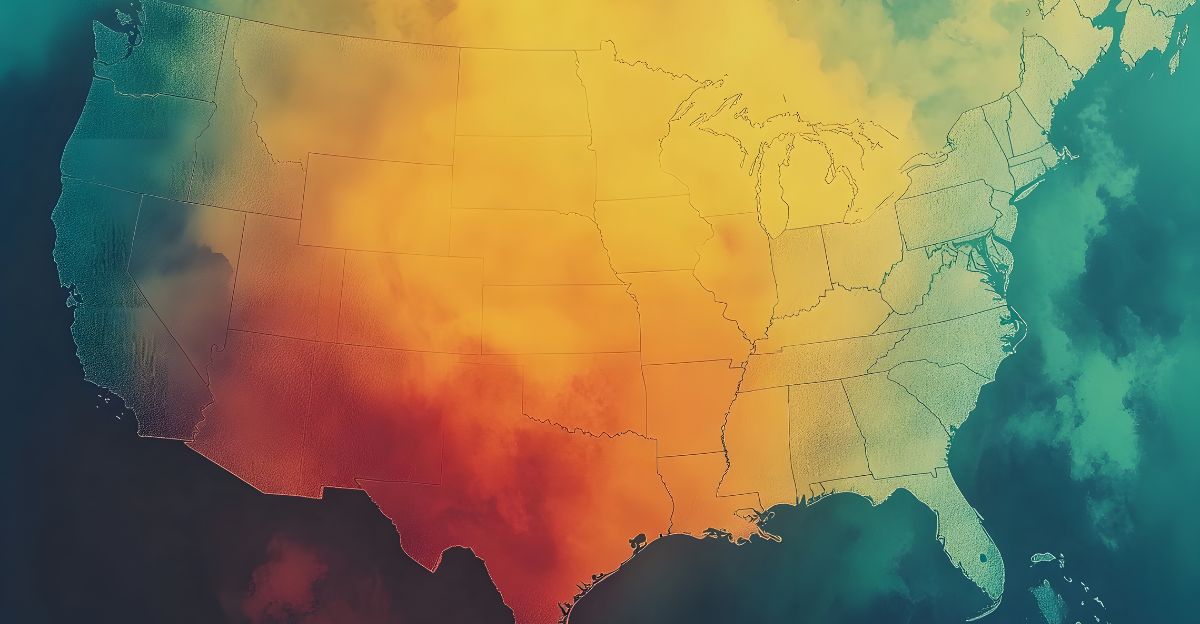
The storm hit many states far beyond the main snow belt. Winter storm warnings stretched from Alaska’s Klondike Highway to Tennessee’s Smoky Mountains. Alaska got up to 20 inches with 65 mph winds. Tennessee got 4-8 inches above 3,500 feet.
New York’s Great Lakes area received 6-12 inches of snow, with wind chills below zero. Ohio got 2-5 inches with rapid temperature drops that froze wet roads. Pennsylvania expected 2-4 inches. Maryland braced for rain mixed with snow. West Virginia faced 6 inches with 40 mph winds and minus-10 wind chills.
Educational Disruption

The storm hit right during the school year. The 400+ school closures in Southeast Michigan affected about 500,000 students. Many families had just returned from winter break. The disruption was especially hard on routines and lesson planning.
Winter storms cost billions when you add travel cancellations, closed businesses, and emergency response. Road crews fixed main roads first. Families in neighborhoods waited 12-24 hours before their streets got plowed. Many got stuck even after the snow stopped falling.
Government Response

State and local emergency teams sprang into action. Indiana’s Department of Homeland Security had issued travel advisories for four counties by mid-afternoon on January 14. St. Joseph County received “watch” status, the second-highest alert level. This meant conditions “threatening to the safety of the public.”
Berrien County, Michigan, closed all non-essential county offices and the courthouse on January 15. Road departments sent crews out overnight. South Bend said it was “working throughout the night to keep main thoroughfares accessible.” Neighborhoods remained “notably affected” by the plowing order.
Safety Protocols

The National Weather Service gives winter storm safety advice during severe weather. The advice says stay indoors with food, water, and charged devices. Power outages can happen. NWS Iron County stated: “During a winter storm, NWS advises staying inside, stocking up on food and water, and charging essential devices.”
This is normal winter care, not an order to evacuate. Travel advisories are strong advice backed by weather facts. Travel bans from governors carry fines. Indiana activated its advisory system but did not implement a statewide ban. People could choose whether to drive.
Clearing Operations
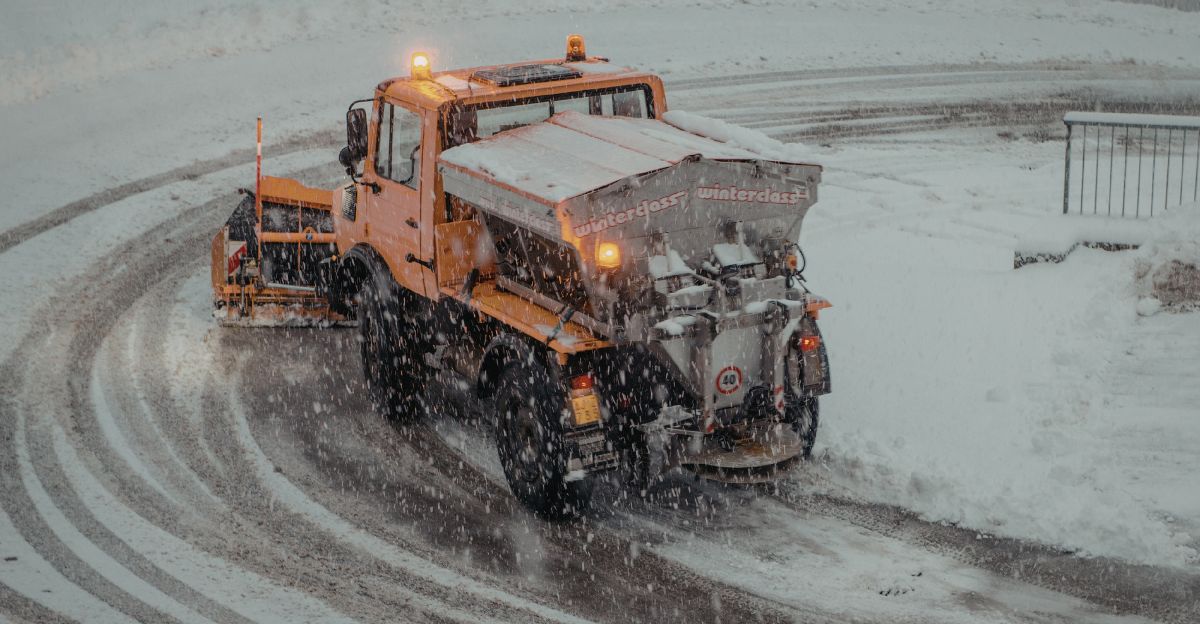
Snow removal crews faced a huge task. The storm dropped more snow in 24 hours than usually falls in weeks. South Bend’s Public Works said plowing began at 7:15 AM on January 15. Crews would work until “all streets are clear.”
Berrien County sent crews to secondary roads starting at 6 PM on January 15. More snow was expected west of South Bend on the morning of January 15. Residents in subdivisions waited 18-24 hours for plows. WSBT said “side roads have one foot of snow.” Residents dug out cars themselves before driving.
Pattern Persistence
Meteorologists said the January 14-15 storm was just the beginning. More cold waves would come through the month’s end. AccuWeather’s forecast said “cold and snow chances continue through mid-January.” Rounds of cold air and storms from Canada would hit the Great Lakes and Northeast.
FOX Forecast said southwest Michigan could get 18-24 inches by Tuesday, January 20. Grand Rapids had below-normal snowfall. Meteorologist Brett Anderson said, “A southward dip in the jet stream will allow for rounds of cold air and multiple storms from Canada.” Less moisture would limit the size of snow totals outside lake areas.
Winter’s Long Shadow

Communities dug out from record snow. Temperatures settled in the low 20s. A big question loomed: Would the polar vortex bring harsher winter weather? Would the pattern calm down in late January? The Climate Prediction Center said temperatures could swing from 10-15 degrees below normal to 5-10 degrees above normal later.
This would be a dramatic shift for residents. Lake water would stay unfrozen. More snowstorms could hit through the month’s end. These tested emergency systems, strained budgets, and made people wonder if this meant a record winter.
Sources:
Yahoo News, Winter Storm Coverage, January 13-15, 2026
National Weather Service Northern Indiana, January 14, 2026 Lake Effect Snow Report, January 14, 2026
Newsweek, Winter Storm Warning Coverage, January 14-15, 2026
CBS Detroit, School Closures and Winter Storm Impact, January 14, 2026
AccuWeather, Arctic Blast and Polar Vortex Forecast, January 12-14, 2026
USA Today, Arctic Blast Coverage, January 14, 2026