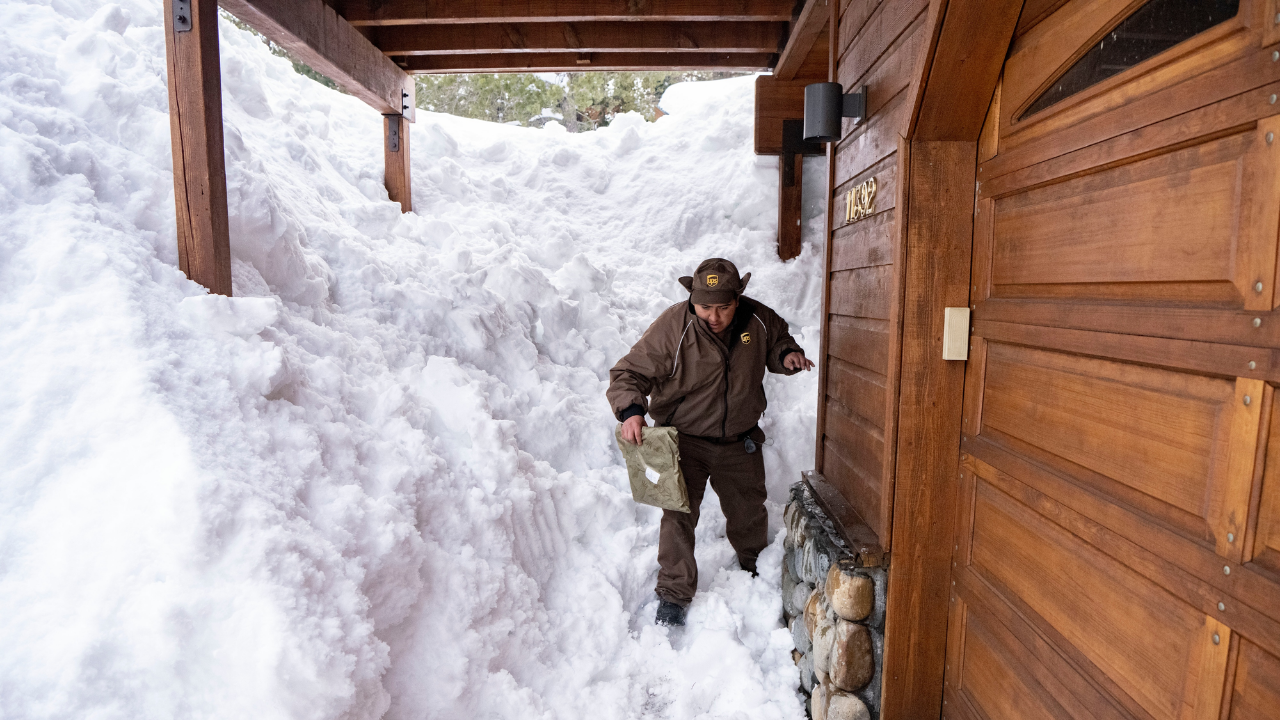
A massive Arctic outbreak gripped 11 states from Alaska to Appalachia starting January 13, 2026, as the National Weather Service detected unusual atmospheric patterns in the Midwest. Frigid air broke free from the Arctic, escalating from minor travel alerts to nationwide winter storm warnings within hours, catching millions during peak travel season.
The Numbers Mount
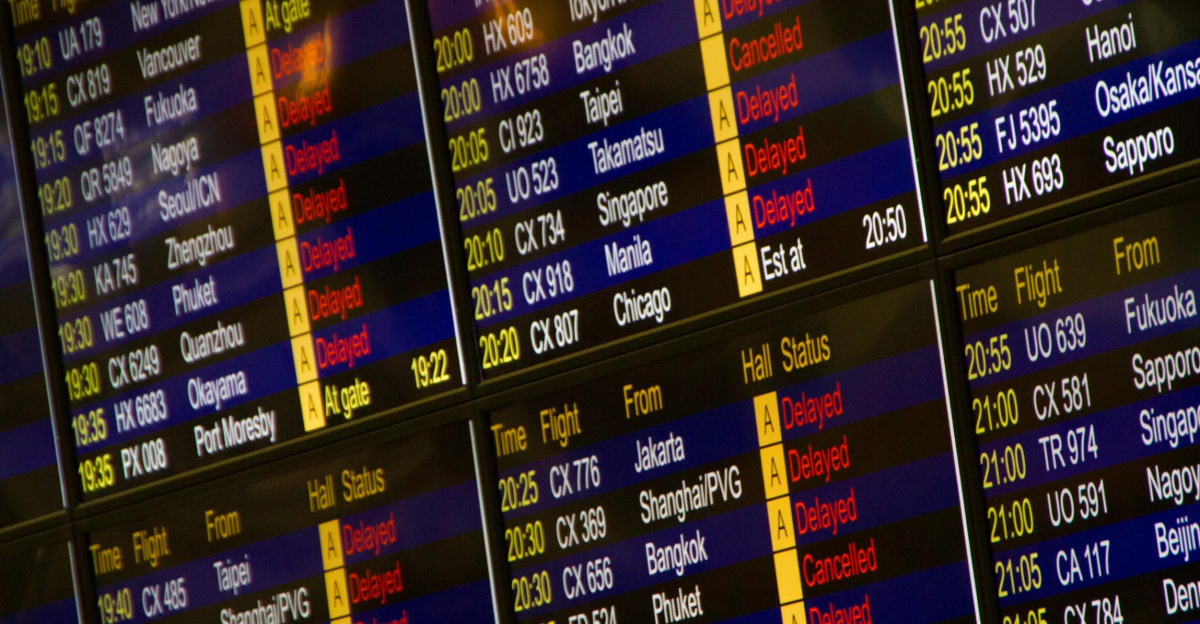
Roughly 55 million Americans—one in six—faced hazardous conditions. Airlines canceled routes from January 17, with major hubs like Chicago-to-Philadelphia seeing cascading delays by January 18. Weather models predicted winds over 60 mph and more than 10 inches of snow in several areas, creating a rare simultaneous threat across the nation.
The Polar Pattern Explained
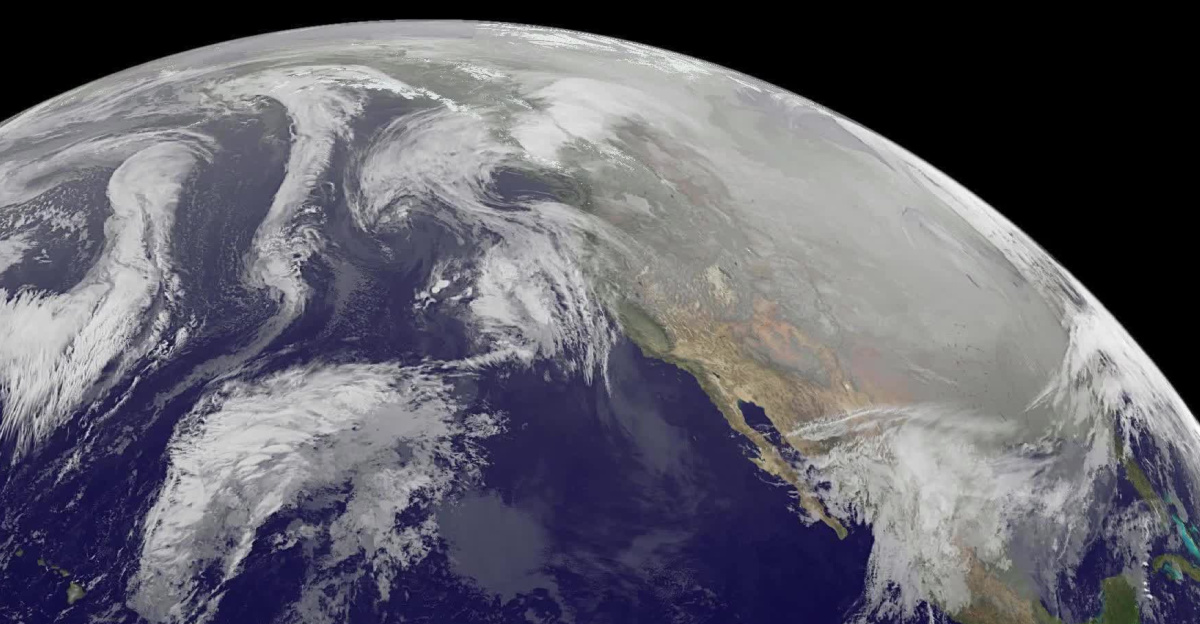
This storm stemmed from a disrupted stratospheric polar vortex, a rotating mass of cold air over the Arctic. When weakened or tilted, it allows Arctic surges into North America, often termed “polar vortex” disruptions in media. Unlike typical regional cold snaps, this event’s vast scale and intensity prompted swift governor mobilizations.
Pressure Building

The preceding week strained emergency systems. Transportation departments stockpiled salt and sand. Highway patrols issued alerts, shelters readied for stranded drivers, and airlines added maintenance crews. Hospitals postponed non-urgent surgeries, while schools in 11 states eyed closures. By January 19, infrastructure nationwide shifted to emergency footing.
Storm Slams Across 11 States
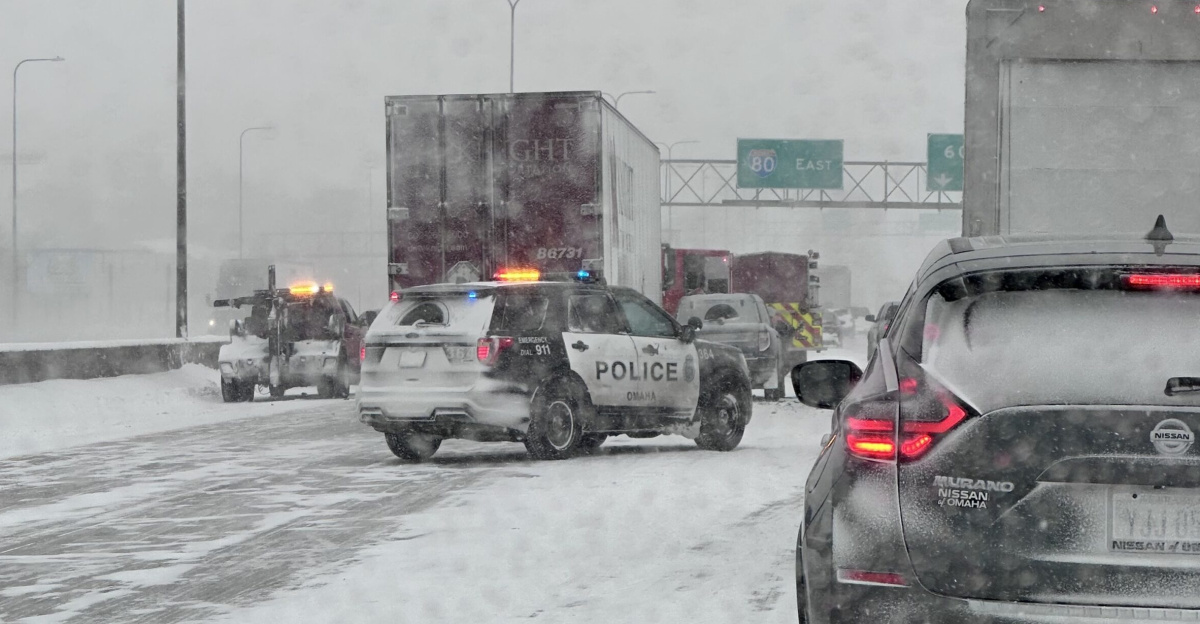
Formal warnings hit Michigan, Alaska, Indiana, Illinois, Maryland, Tennessee, West Virginia, Minnesota, Pennsylvania, North Carolina, and Kentucky, forecasting impossible travel through Thursday morning. Lake-effect snow intensified Great Lakes accumulations, with 60 mph gusts widespread. Alaska bore early ferocity: 60 mph sustained winds in the Aleutians and interior, gusts to 85 mph near Anchorage’s Turnagain Arm, and over 20 inches of snow in mountain passes. Highways shut, small planes grounded, and rural supply lines strained.
New York’s Tug Hill Plateau faced extreme lake-effect snow downwind of Lake Ontario, with 2-4 feet predicted and some areas surpassing that; western New York expected 10-20 inches. Governor Kathy Hochul declared an emergency on January 17, noting heavy snow, winds, and cold made travel hazardous. I-90 closed by Wednesday, stranding motorists rescued in operations.
Tennessee and West Virginia mountains above 5,000 feet saw 6-8 inches, mixing to ice below, with 35-45 mph gusts causing whiteouts and accidents in Knoxville and Charleston. Great Lakes states—Illinois, Indiana, Michigan, Minnesota, Pennsylvania—endured amplified bands: Michigan’s Upper Peninsula 12-24 inches, Lower Peninsula 6-14 inches, Minnesota blizzards with zero visibility, Pennsylvania’s Lake Erie belt 8-12 inches. Over 4,000 flights canceled by Thursday evening; highways impassable, communities halted.
Wind chill emerged as a stealth threat: sub-zero temperatures with 60 mph winds dropped feels-like to 10 degrees below zero Fahrenheit, risking frostbite in minutes and hypothermia in 15. Stranded drivers faced carbon monoxide dangers from idling vehicles.
By Wednesday, January 21, major routes like I-90 in New York, I-75 in Michigan, and I-64 in West Virginia closed amid hundreds of crashes. Flight data logged 4,100 delays and 442 cancellations; some motorists endured 8-plus hours awaiting aid. Schools shuttered, businesses skeleton-crewed.
Lake-effect persisted into Thursday morning in Buffalo and Michigan downwind spots, driven by Great Lakes warmth against Arctic cold, though the main system cleared by afternoon.
Governors activated operations centers: New York’s National Guard pre-positioned, Michigan and others declared emergencies, Tennessee highway patrols mobilized, West Virginia issued alerts. Shelters and warming centers opened; hospitals paused electives; food banks braced for disruptions.
Recovery began Thursday afternoon: crews plowed highways around-the-clock, prioritizing arterials amid depleted salt. Airports resumed slowly post-runway clears; some Friday flights axed for inspections. Power outages hit 150,000 from wind-toppled lines and snow-crushed poles, with repairs hindered by ice and cold.
This storm exposed vulnerabilities in planning, as warmer atmospheres hold more moisture for intense precipitation, amplifying lake-effect and southern Arctic penetration. Infrastructure like salt stocks and shelters, built for past norms, revealed gaps, urging updates amid shifting winter patterns.
Sources:
National Weather Service, Winter Storm Warnings, January 13, 2026
NOAA Weather Prediction Center, Hazard Outlooks, January 18-21, 2026
NBC News, Winter Weather Travel Coverage, January 18, 2026
Yahoo News, Winter Storm Warnings Announced for 11 States, January 13, 2026
USA Today, January Polar Vortex Forecast, January 18, 2026
Newsweek, Winter Storm Warning coverage, January 13-15, 2026