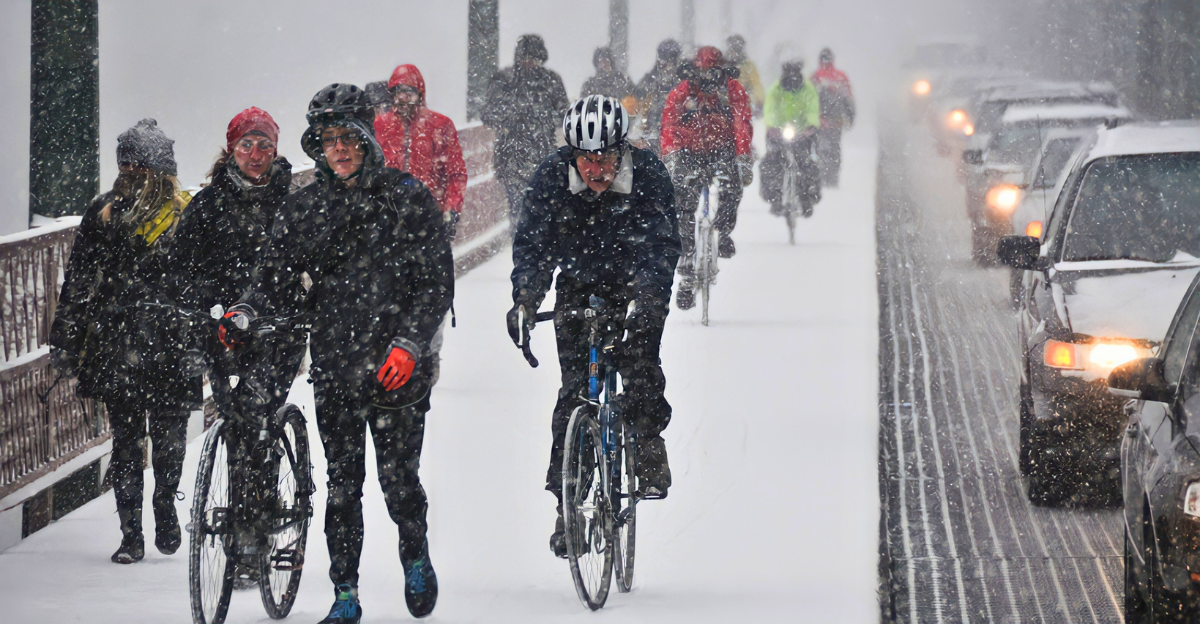
A dramatic mid-September cold snap drew attention as the National Weather Service issued simultaneous frost advisories across five Midwest states and a major winter storm warning for the Rocky Mountains.
According to NOAA and The Weather Channel, this confluence of cold weather phenomena signaled an unusually early transition toward winter, with implications for agriculture, infrastructure, and local economies.
Experts emphasized the rarity and widespread reach of these combined alerts, which affected urban and rural communities from Colorado to Wisconsin.
Midwest on Alert
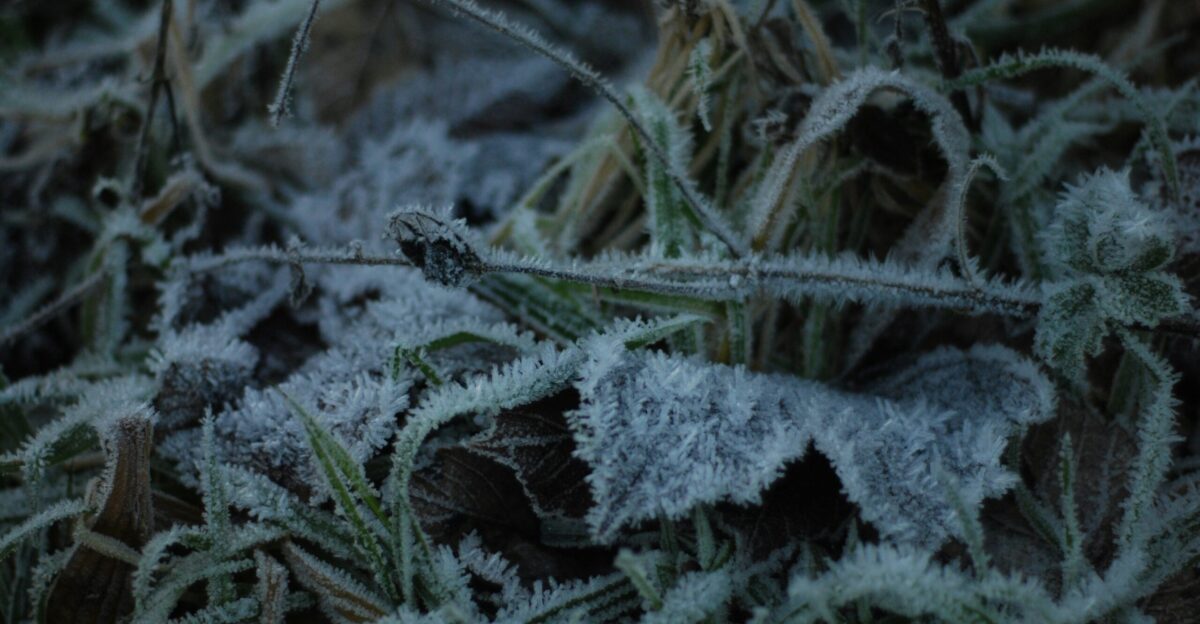
Minnesota, Iowa, South Dakota, North Dakota, and Wisconsin all fell under active frost warnings, as overnight lows plummeted far below seasonal norms.
Meteorologists reported these advisories were triggered by colder-than-expected Arctic air diving south, catching many residents and growers off guard.
According to Dr. Lisa Hannah, a climatologist at NOAA, such events can stress both crops and home heating systems. Agricultural extension offices were bombarded with calls.
Historical Perspective
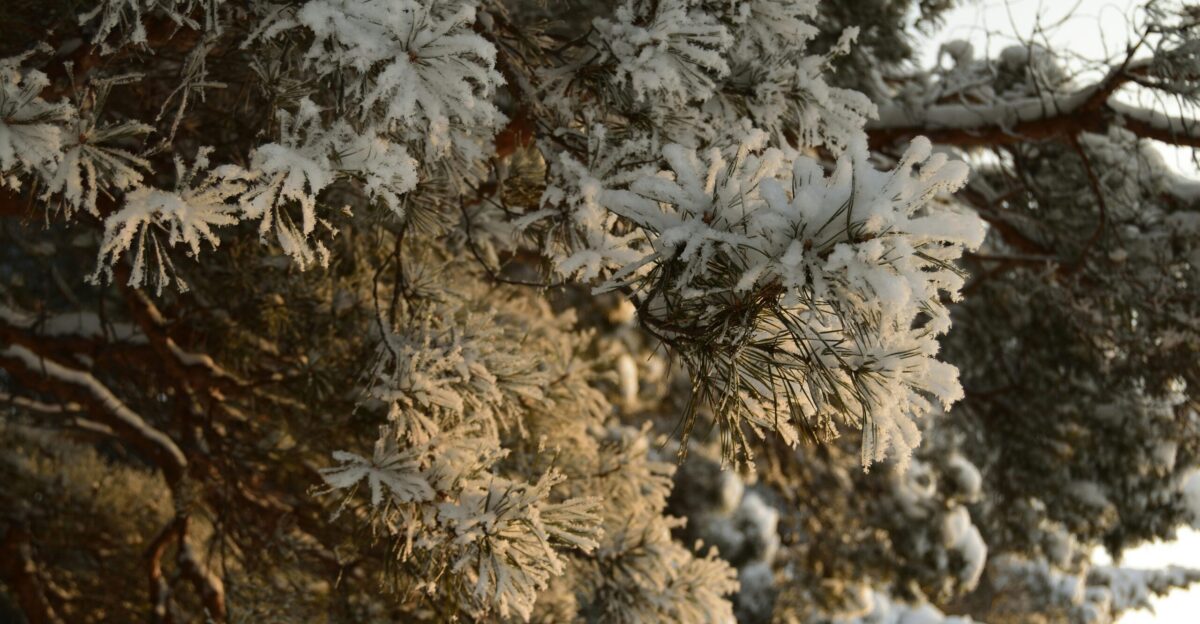
While early fall frosts are not without precedent, such a broad advisory so soon is rare in the last decade. According to long-term NWS records, the mean date for the first freeze in Colorado Springs is October 1st, but this year’s warnings arrived nearly two weeks early for some areas.
Farming families recalled earlier cold spells but noted 2025’s intensity as exceptional. The region lingers with memories of similar events in 2009 and 2011.
Rising Stress for Farmers
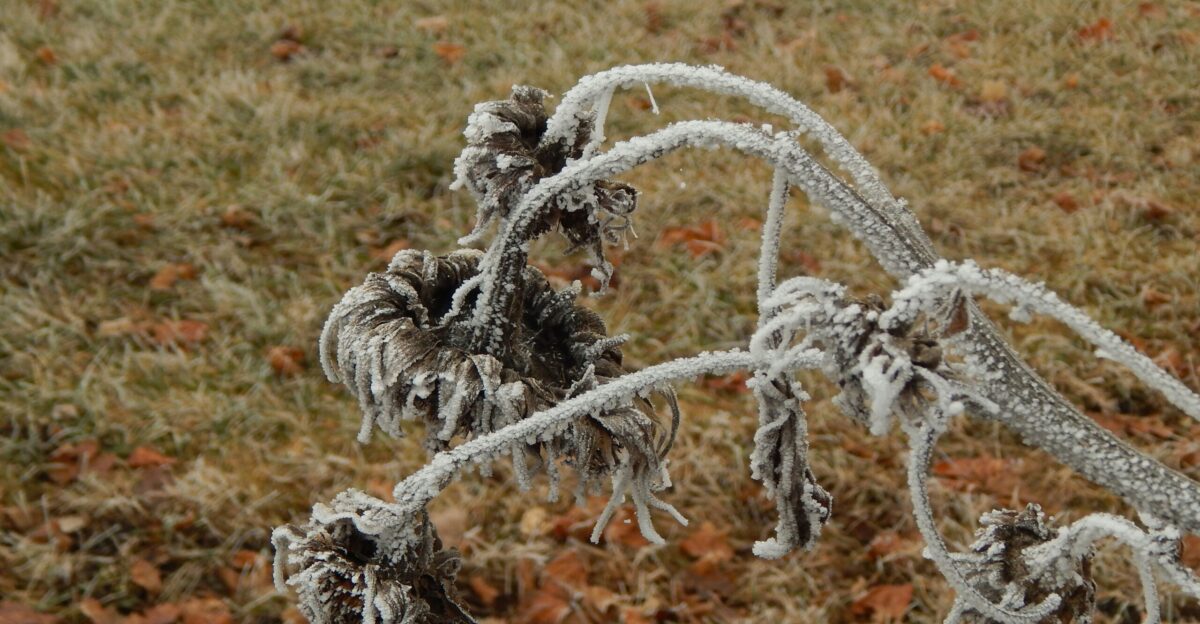
Farmers in the advisory zones rushed to harvest vulnerable crops, with corn and soybeans especially at risk. Early frost can halt grain maturity, slashing yields and incomes.
“Unseasonable frost not only affects crops but supply chains downstream,” explained Dr. Meredith Allen, senior agricultural economist at USDA. The rapid response included deploying covers and irrigating to create protective heat around fields.
Major Storm Warning

As the cold expanded east, the Rockies faced a powerful snowstorm. On September 23rd, NOAA warned of 4-10 inches of snow in Colorado’s high alpines, with up to a foot on some peaks.
Wyoming’s mountain zones saw 4-8 inches. This early winter blast, described by meteorologists as “unseasonal,” closed roads and challenged residents in multiple counties.
Icy Roads, Sudden Delays
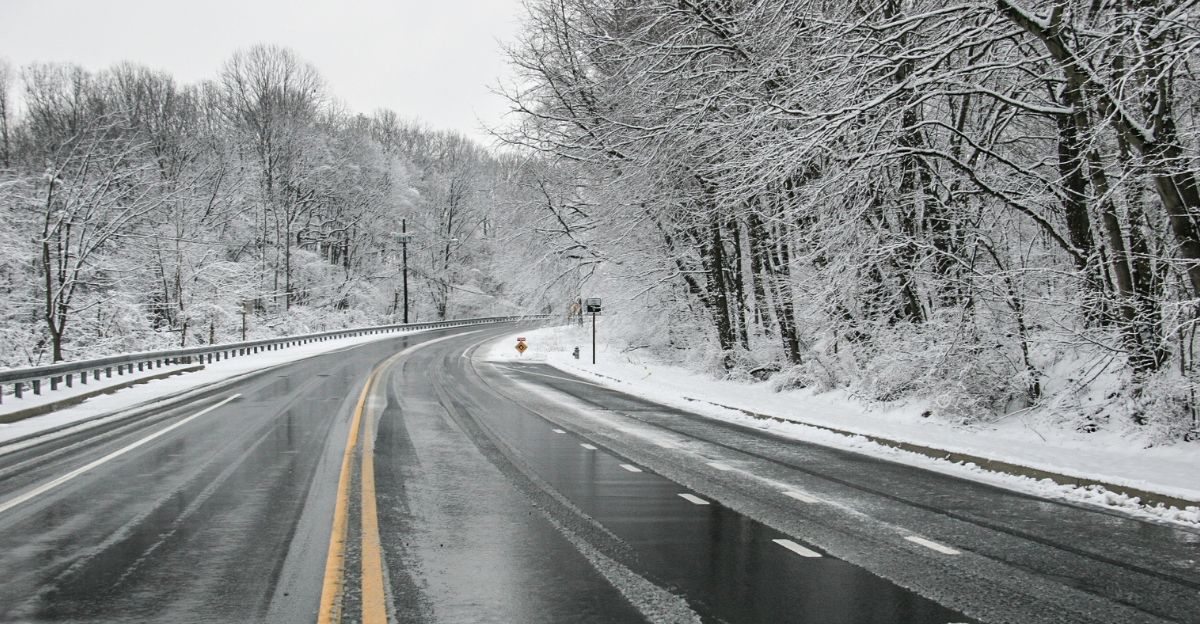
Mountain highways in Summit County and Rocky Mountain National Park quickly became hazardous, and traction laws were enacted, and crews cleared snowdrifts.
State transportation officials—and the cotrip.org road authority—flagged delays on I-70 and warned travelers to avoid non-essential journeys until midday, when conditions improved. Resorts and trucking companies reported cost spikes from snow removal and schedule changes.
Everyday Impact
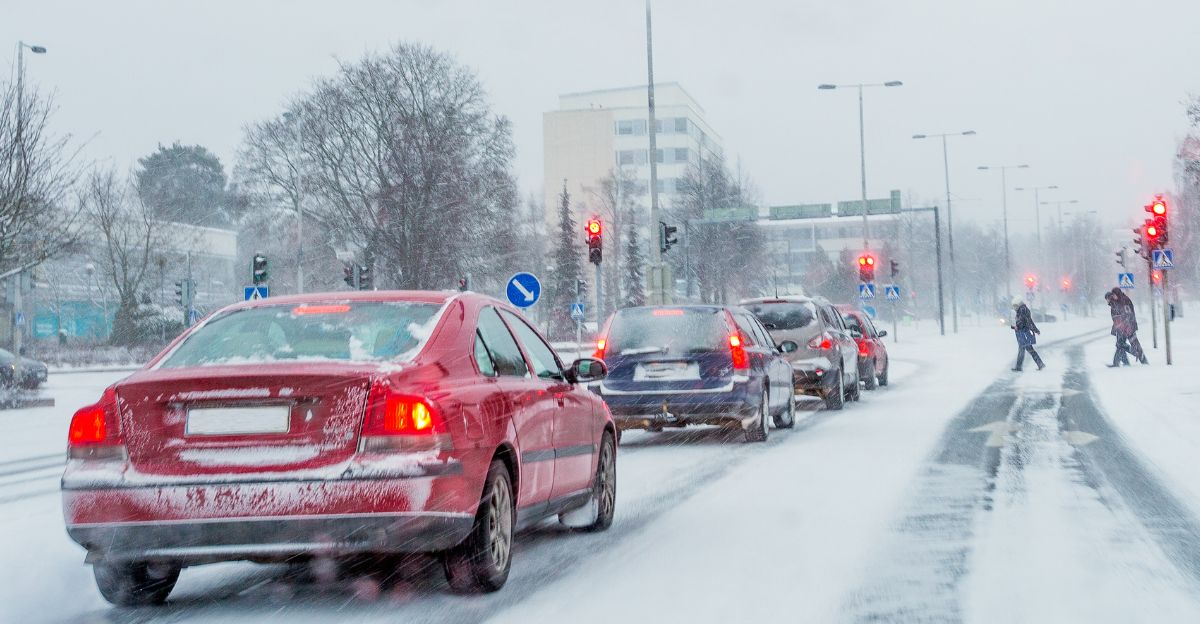
The cold snap unsettled daily routines for millions. Early school delays, traffic slowdowns, and changes in heating demand rippled throughout Colorado, North Dakota, and the Upper Midwest.
Social media was flooded with images of frosted fields and snowy mountain towns. In rural areas, livestock handlers set up emergency shelter while home gardeners scrambled to save remaining produce.
Agencies Mobilize
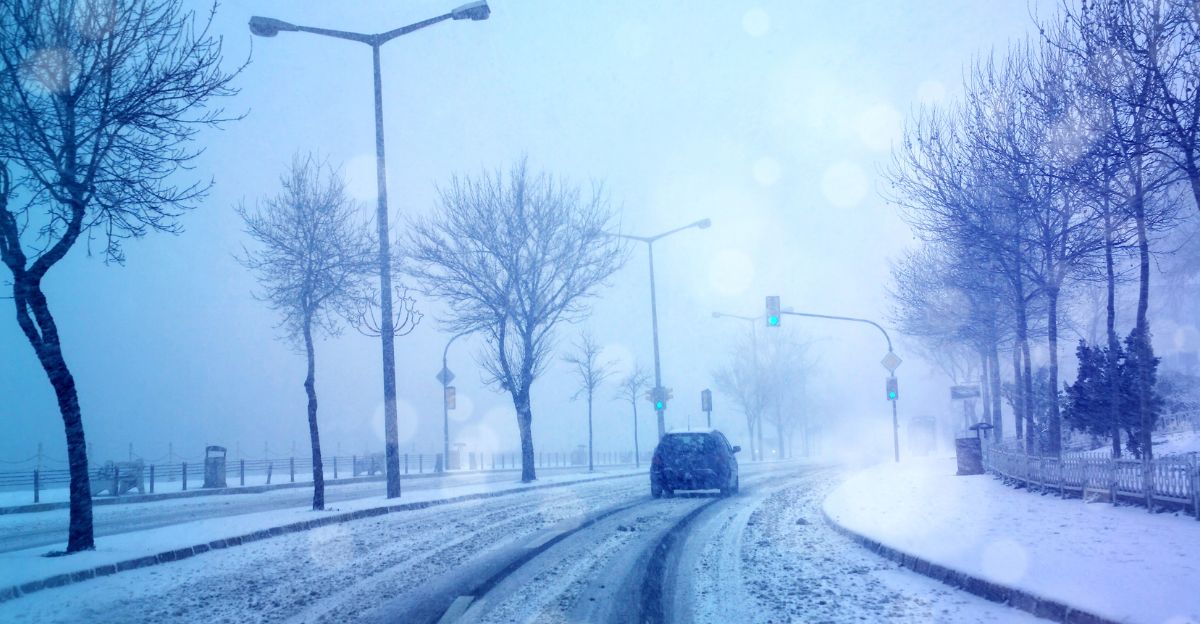
State agriculture, transportation, and emergency agencies activated response protocols. Temporary shelters opened for vulnerable populations, and road sanders prepped for extended hours.
In Minnesota, the Department of Agriculture coordinated with the National Weather Service to assess frost damage and issue guidance for local growers attempting to salvage late-season harvests.
Broader Climate Patterns
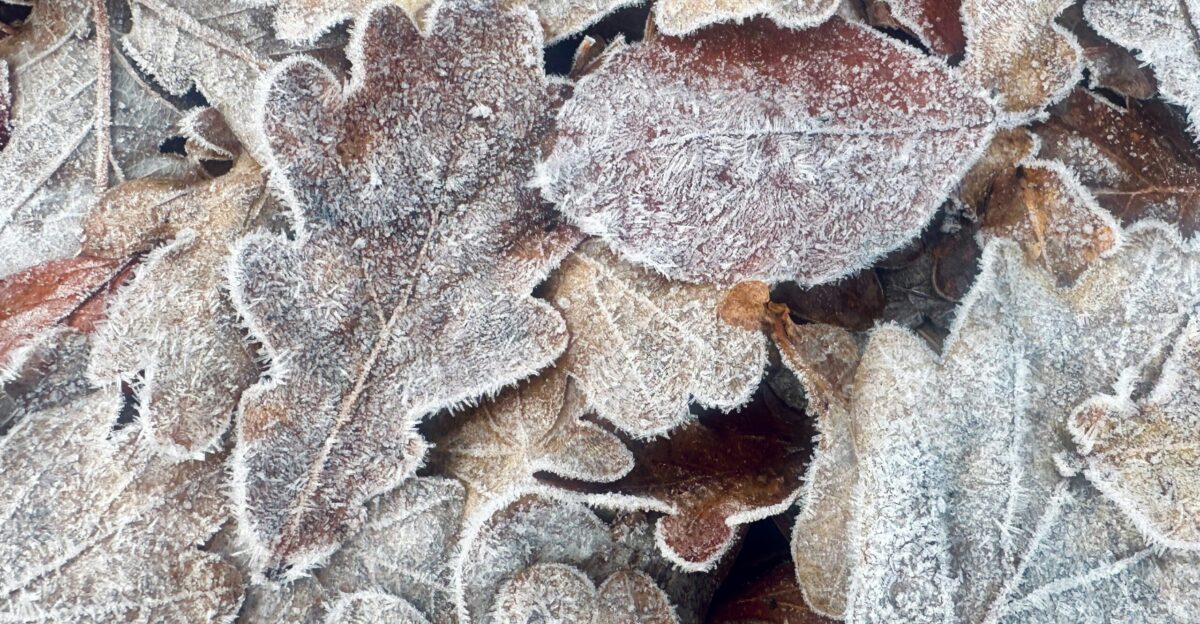
This one-two punch of frost and snow coincides with a noticeable shift toward earlier, stronger autumn weather.
NOAA’s seasonal outlook observes more frequent early-season extremes in the central U.S., possibly tied to persistent Arctic pattern changes.
If such conditions continue, researchers warn, agricultural planning and municipal winterscaping may require urgent updates.
Commodity Jolt
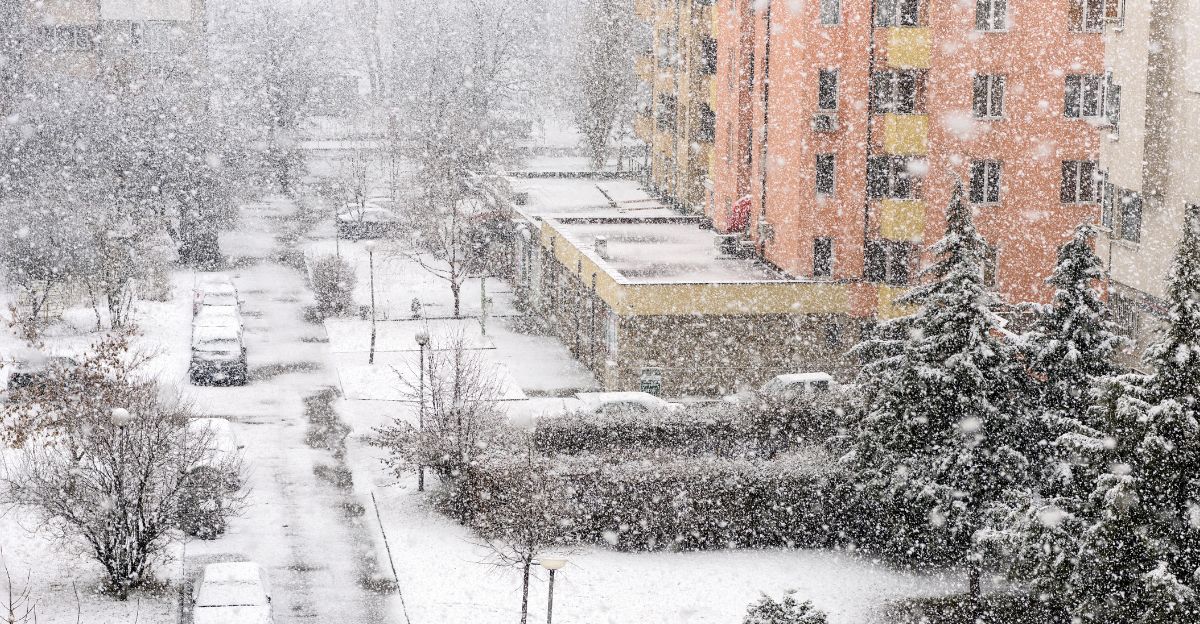
The early frost and snowstorm led to immediate upward ticks in corn and soybean futures as traders adjusted risk models for reduced Midwest yields.
Analysts at Reuters note the potential for price surges if more cold episodes follow before the main harvest finishes. USDA planners are monitoring field reports daily for escalation of damage.
Frustration and Fatigue
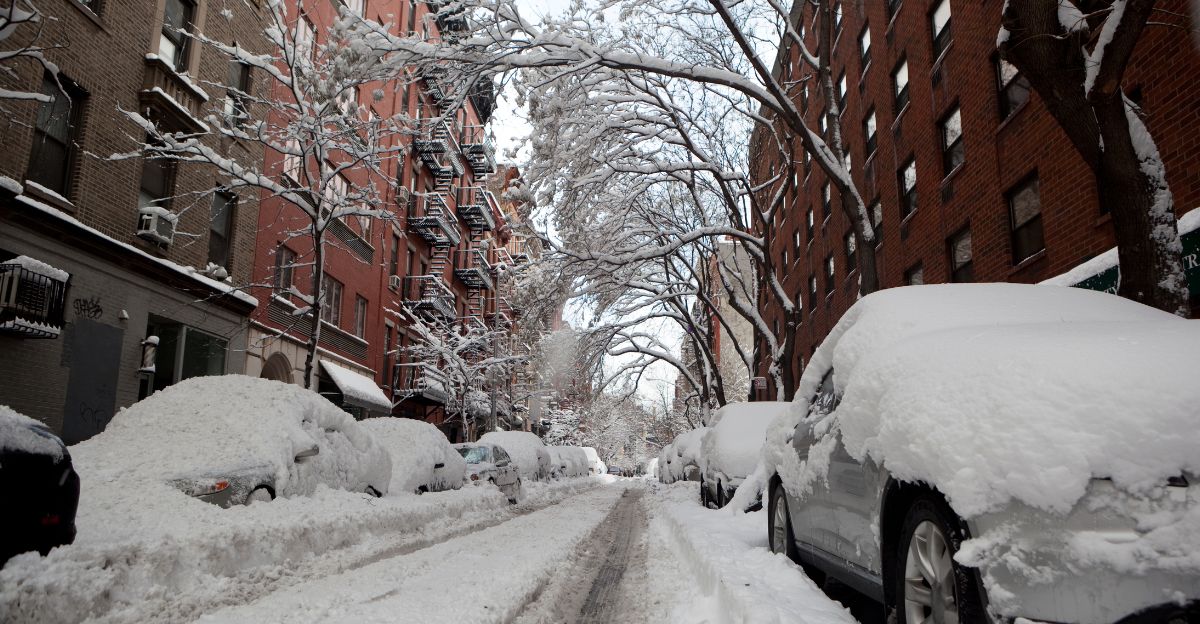
Affected communities expressed exhaustion, having endured a year of unpredictable swings from dry heat to sudden cold.
Local officials worried about resource strain as frost warnings sometimes outpaced support for infrastructure or crop recovery.
“Resilience only goes so far if these shocks keep coming,” said a Minnesota county planner. Residents hope financial assistance will follow.
Farm Organization Shuffle
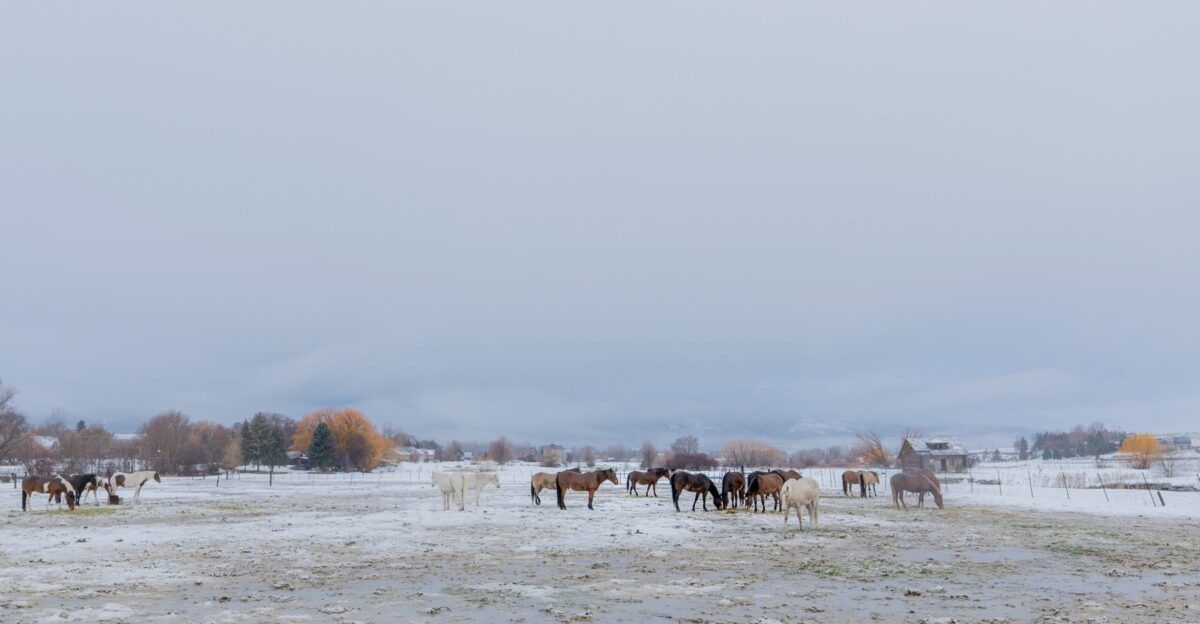
Several Midwest grower co-ops accelerated planned mergers, hoping that a larger scale would cushion financial shocks from unexpected events like this September freeze.
Extensions of crop insurance and new government support programs came quickly onto policy agendas, with industry lobbyists pressing for long-term adaptation aid.
Rapid Recovery Measures
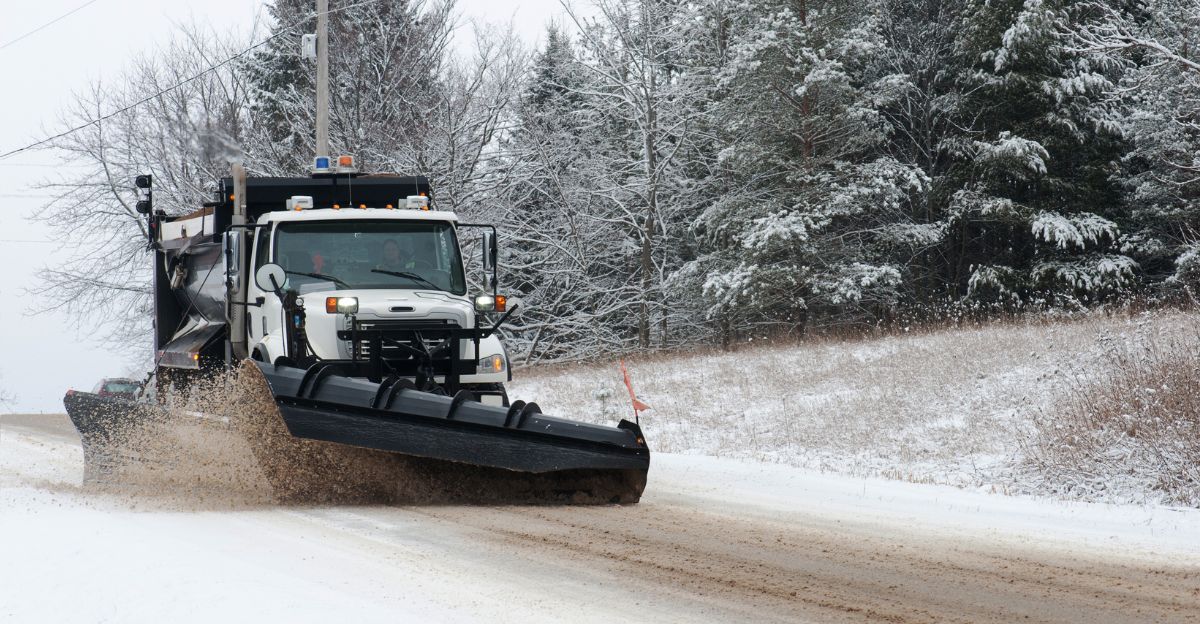
Authorities moved to support struggling communities with emergency crop payments, expanded extension webinars, and streamlined snow response on mountain roads.
In Colorado, transportation expanded snowplow operations by 20% over 2024’s average, a move praised by regional logistics firms. Weatherization advice featured in news outlets statewide.
Cautious Outlook from Experts
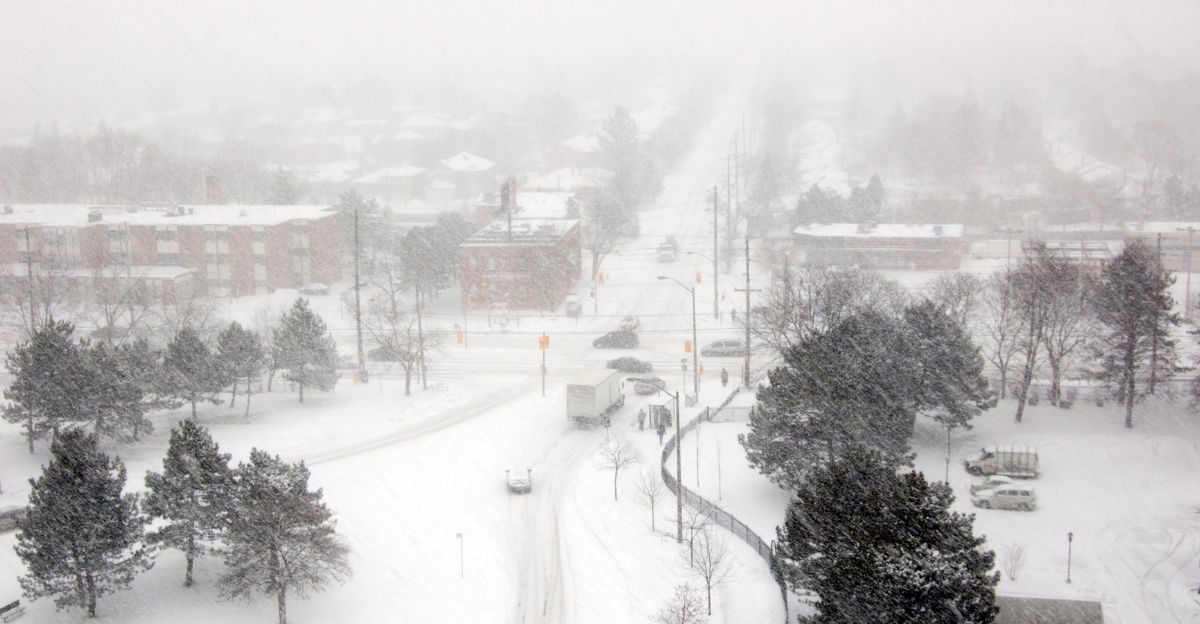
While September’s dramatic weather is notable, leading meteorologists like Dr. Emily Carter of NOAA stress that early frost and snow do not guarantee a harsh winter overall.
“Autumn may swing back toward normal, but this event should drive preparations earlier than usual,” Carter advised, reinforcing the need for flexible planning.
What Comes Next?
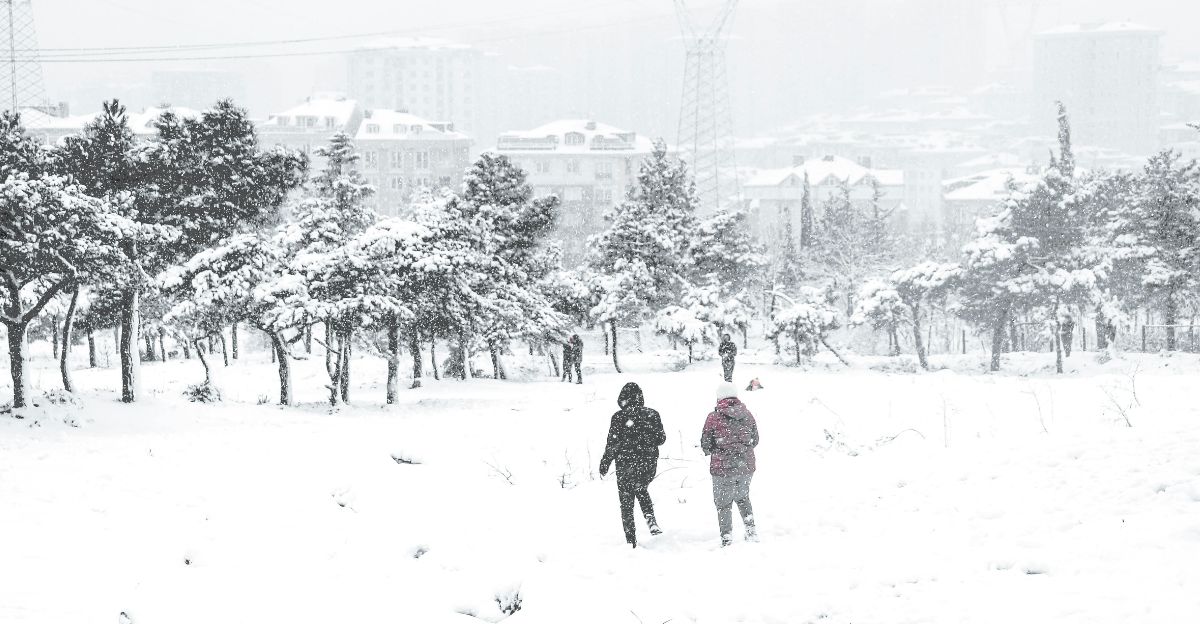
Will this burst of early cold reset expectations for fall weather nationwide? With October looming, meteorologists warn that lingering Arctic patterns may keep the Midwest and Rockies on alert for continued volatility. The agricultural community braces for further updates and season forecasts.
Policy Response Evolves

Legislators across affected states renewed calls for more robust investment in weather-resistant infrastructure and rescue capacity.
Emergency preparedness bills gained bipartisan traction as budget hearings featured testimony from farm groups and transportation leaders pushing for faster adaptation to changing weather norms.
Comparison Abroad
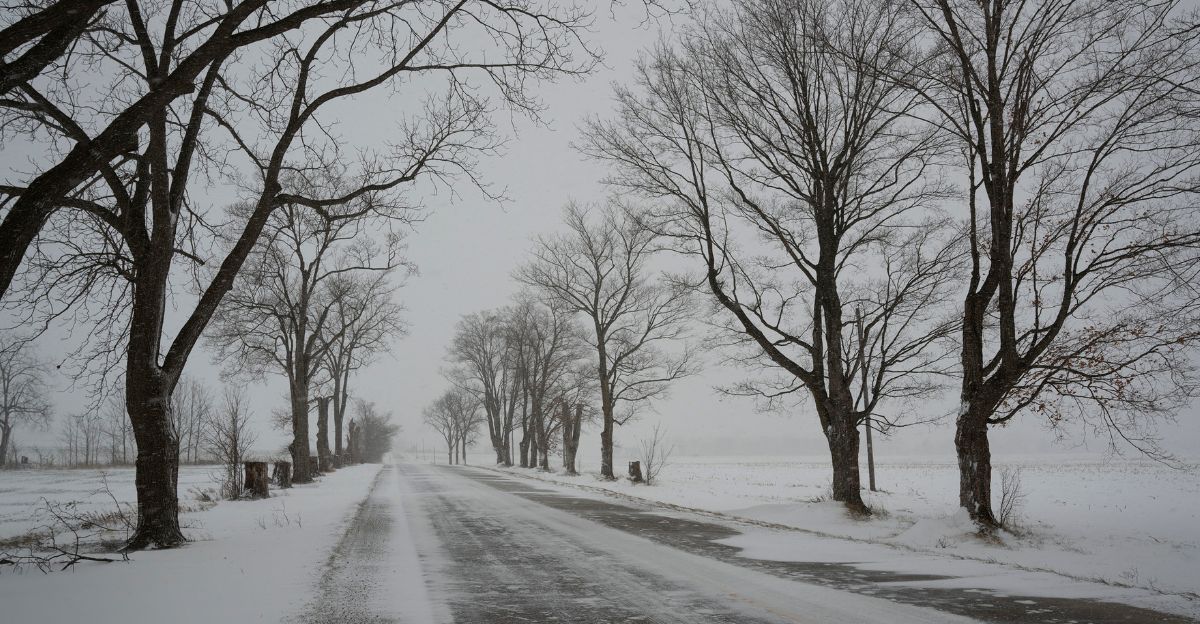
In Europe and parts of Asia, weather agencies noted similarly early cold snaps affecting agriculture and supply chains.
These parallel events have increased calls for international research into shared weather risks, with experts at the WMO urging global sharing of best practices as both continents face mounting adaptation needs.
Environmental Repercussions
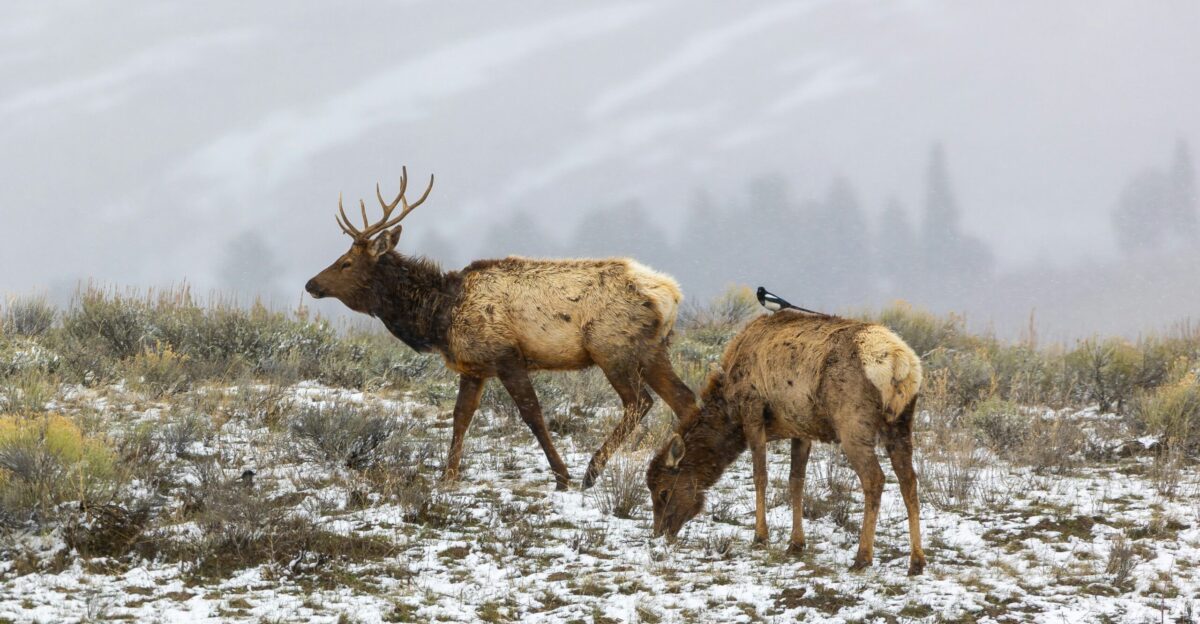
Ecologists warned that early frosts and mountain snow may alter migration and feeding patterns for key species, with ripple effects on pollinators and predators.
National parks are prepared for shifts in visitor seasons and greater fire risk from subsequent rapid thaws. Attention turned to ecosystem resilience strategies.
Shifting Norms
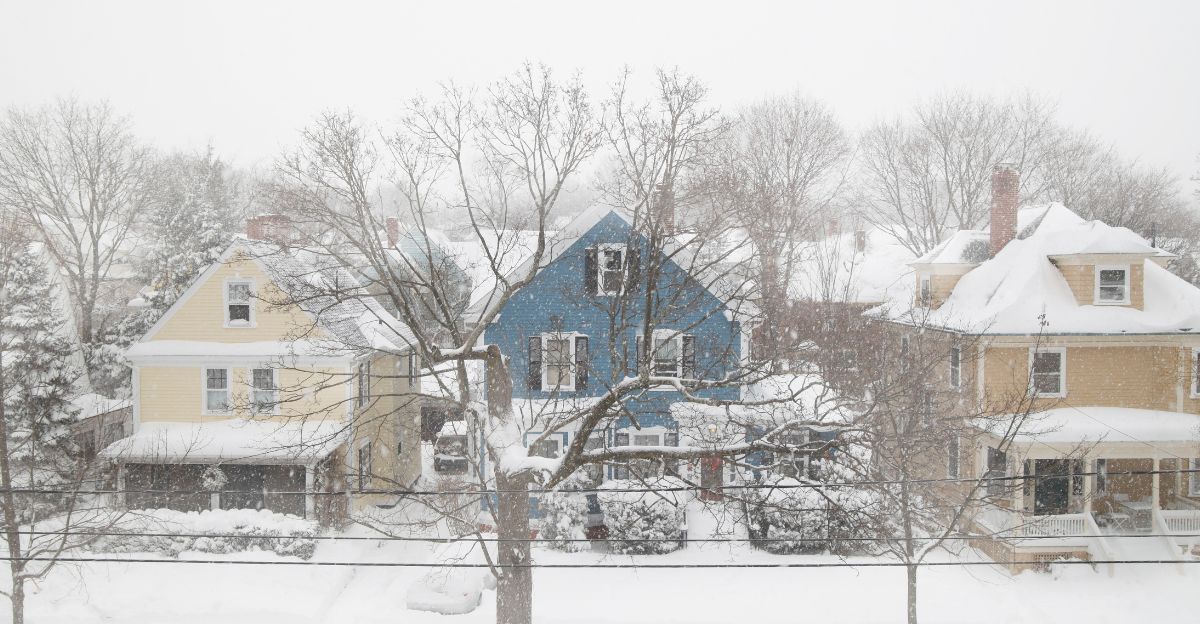
Cultural and behavioral patterns began adjusting, as harvest festivals moved up dates, home supply stores reported surges in heating equipment sales, and schools revised lesson dates for climate education. Community groups emphasized mutual support schemes to better weather unpredictable falls.
Lasting Significance
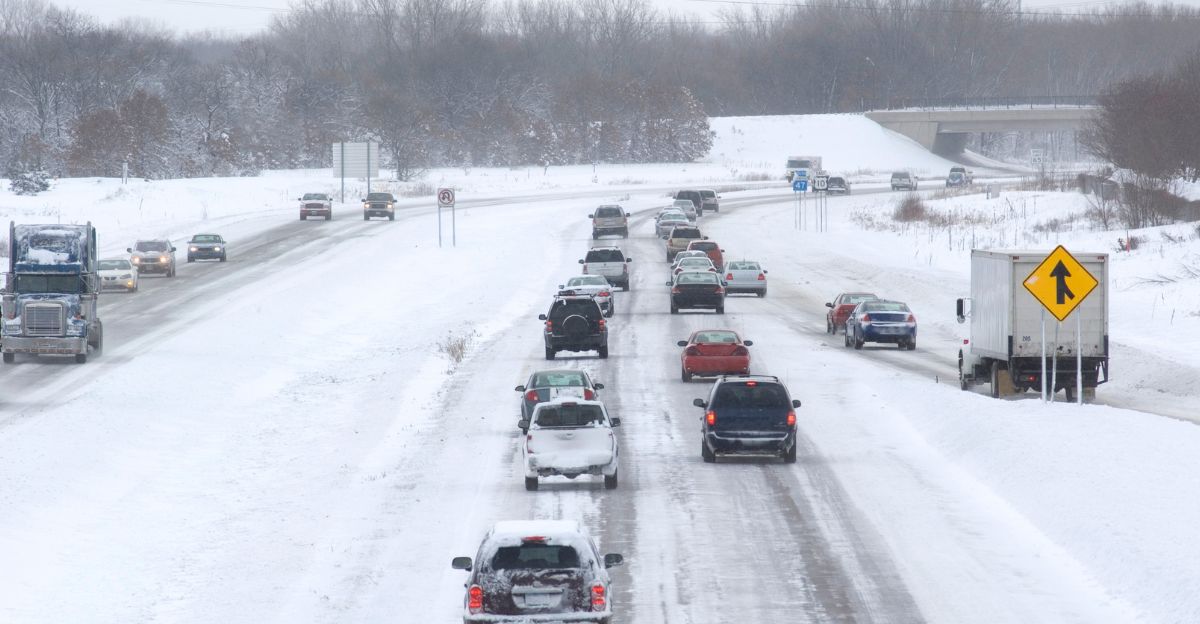
This episode highlights the ongoing need for vigilance, coordinated response, and flexible planning in the face of more volatile weather.
According to NOAA and Reuters, such events may soon become the rule, not the exception, prompting deeper conversations across sectors on how to build community and economic resilience for the future.