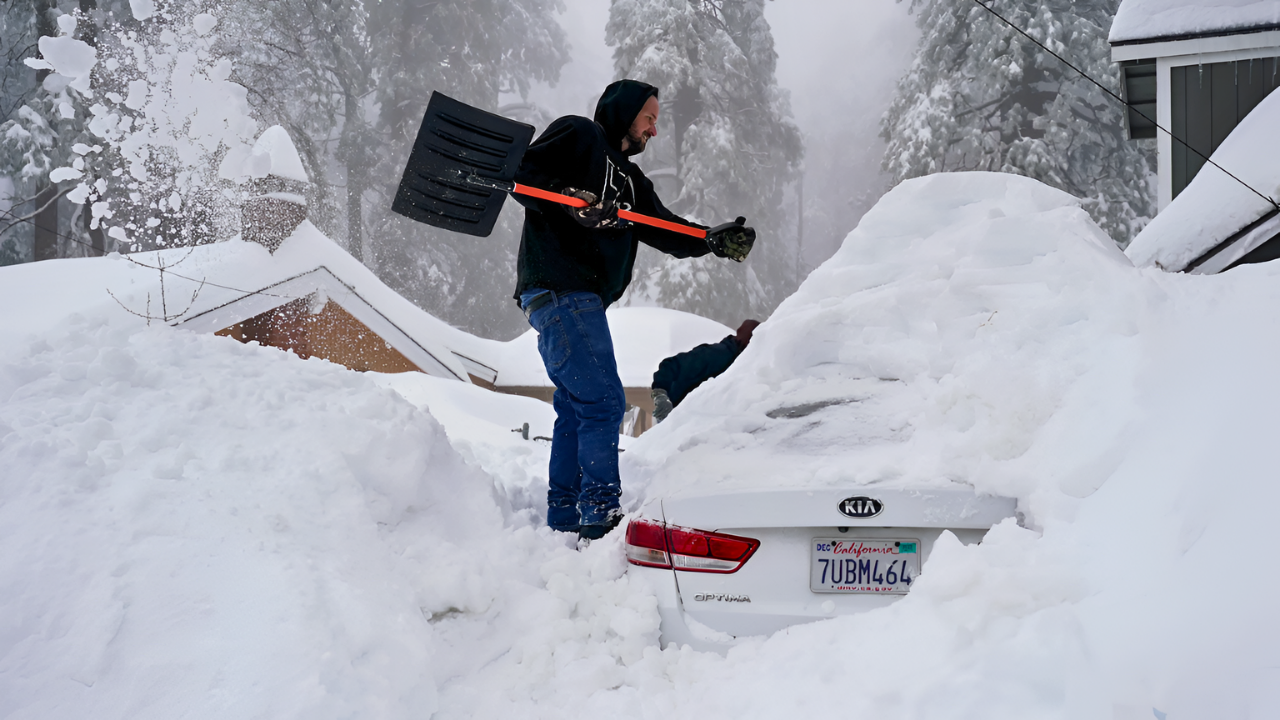
On January 5–6, 2025, Winter Storm Blair battered the central United States with fierce winds, heavy snow, and sheets of ice. The system tore through 13 states, from the Great Plains to the Deep South, bringing blizzards, tornadoes, and dangerous travel conditions. At least 10 people lost their lives, and roughly 365,000 homes and businesses lost power.
Kansas, Nebraska, and Missouri were hit the hardest. Parts of Kansas saw more than 20 inches of snow, the state’s deepest in decades while winds up to 45 mph caused whiteout conditions. Farther south, 14 tornadoes destroyed homes and scattered debris across several communities. The damage went well beyond the physical toll: supply chains broke down, energy prices jumped, and emergency services were stretched thin.
Meteorologists described Blair as a perfect storm. A displaced polar vortex pushed frigid Arctic air southward just as a strong low-pressure system moved in from the Pacific Northwest. When those two air masses collided, the result was explosive. Experts say unusual global weather patterns made the storm far more powerful than most January systems, a sign that the winter of 2025 could be unusually active.
Panic Buying and Travel Chaos

As conditions worsened, anxious shoppers filled stores across the Midwest and Mid-Atlantic. People rushed to grab essentials like bread, milk, and canned food, echoing the panic buying seen during early 2020. Some grocery stores in Kansas City, Indianapolis, and Louisville had to close temporarily or shorten their hours on January 6–7 because shelves were stripped bare.
Restocking took several days. Supply trucks were delayed or stranded, and basic items became more expensive. Retail chains struggled to keep up with demand just as the storm made shipping impossible in many areas.
The travel industry took a major hit too. Airlines including Delta, United, American, and Southwest canceled more than 1,300 flights across the Midwest and East Coast over two days. Runways at several major airports, including Washington, D.C.’s Reagan National and Kansas City International, were shut down. The airline industry lost over $200 million to refunds, rebookings, and delays, while nearby hotels filled with stranded travelers.
Disrupted Deliveries and Economic Fallout
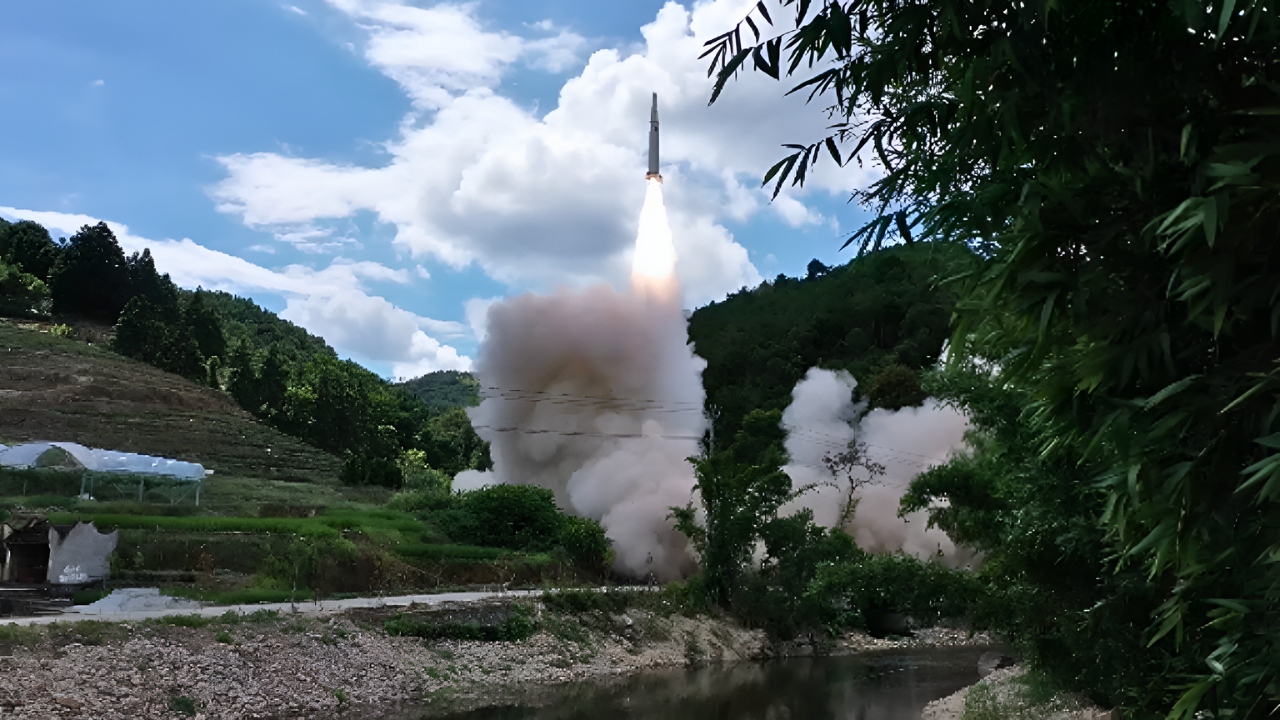
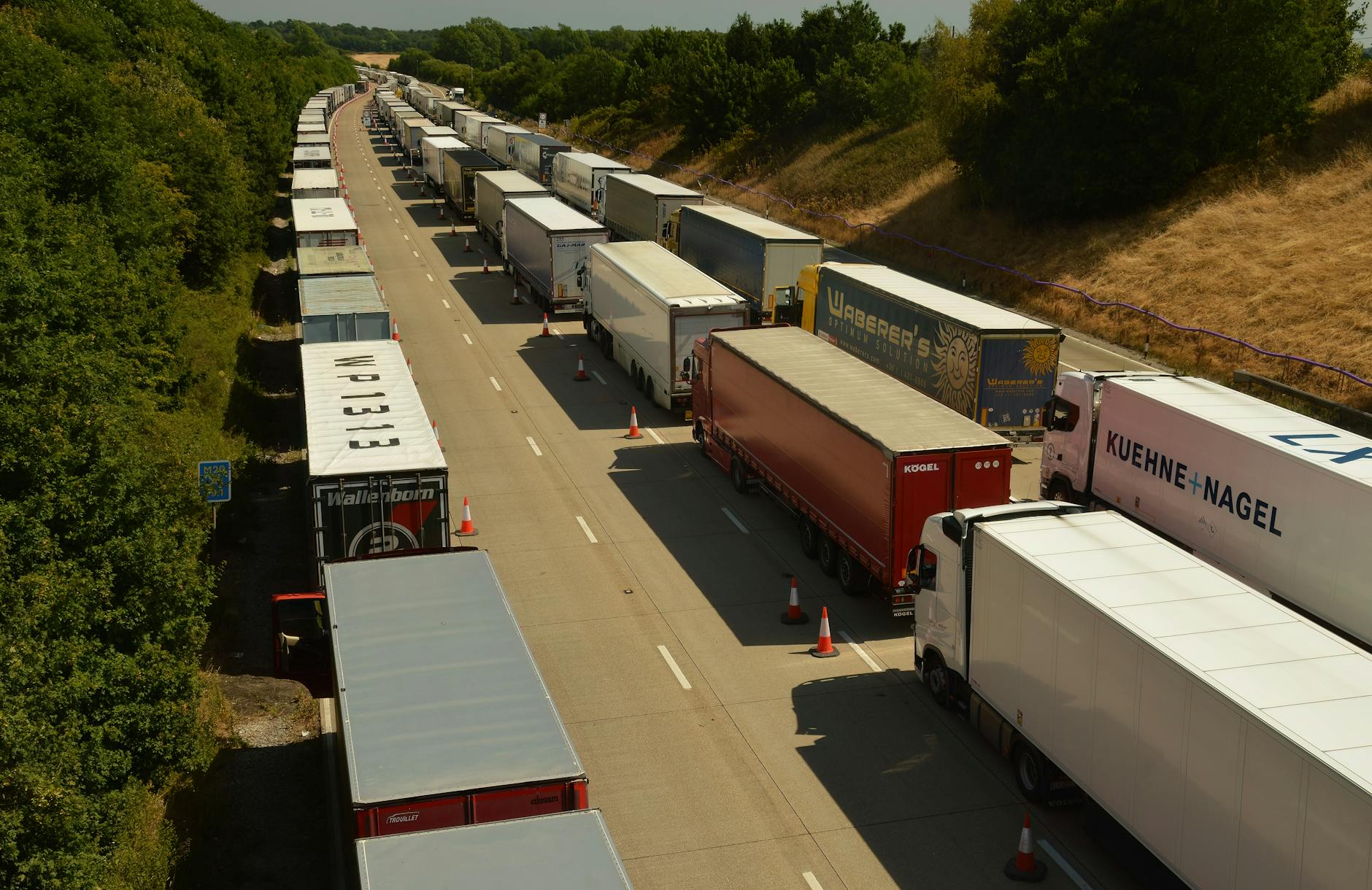
The storm also brought America’s vast shipping networks to a standstill. Major highways like I‑29, I‑80, and I‑95 were closed for up to 48 hours because of ice and snow. Trucking companies reported massive backups and spoiled products. The American Trucking Associations warned of nationwide delays, especially for perishable goods such as produce and dairy.
Retailers like Walmart and Amazon were hit by inventory shortages. Deliveries for electronics, furniture, and auto parts were postponed by up to three weeks. The ripple effects reached America’s ports, where Baltimore, Norfolk, and Newark reported severe congestion. Some ships were charged extra demurrage fees for delays, while export shipments slipped a week behind schedule.
International trade also suffered. With U.S. exports slowed, shipping rates between Asia and the United States rose by roughly 3–5%. Manufacturers in China and Vietnam anticipated supply shortages by the spring. Meanwhile, in rural parts of Kansas and Nebraska, farmers faced new crises. Equipment failed from frozen hydraulic lines and thickened fuel. Collapsing farm structures in Missouri and Kansas killed dozens of cattle. Analysts warned that the damage could hurt spring planting and crop yields later in 2025.
Aid, Energy Strain, and Climate Debate
Governors across Kentucky, Virginia, West Virginia, Kansas, and Maryland declared states of emergency as the storm hit. FEMA deployed supplies and rescue teams, and the Department of Energy tapped federal petroleum reserves to help stabilize fuel prices. Congress approved emergency funds to support recovery efforts. Insurance companies prepared to process more than $500 million in storm-related claims.
Hospitals across the Midwest were overwhelmed with patients suffering from hypothermia, frostbite, and heart problems tied to the cold. In Louisville, the main trauma center reached 95% capacity while facing staff shortages. Utilities turned to costly natural gas generators to keep electricity flowing during widespread outages. The surge in fuel use pushed heating oil consumption up 40%, boosting wholesale energy prices by 8–12%. Crude oil prices neared $95 a barrel, and economists cautioned that these spikes could add new inflation pressure.
The storm also revived the debate over climate change. Scientists pointed to a weakened jet stream and shifting polar vortex patterns as possible causes of such extreme weather. Skeptics argued it was simply an isolated event. On Wall Street, stock markets dipped over economic worries, but energy and utility shares rose on higher demand. Meanwhile, ski resorts thrived from record snowfall, and hardware stores sold about 60% more snowblowers and generators than usual.
As the recovery continued, experts said Winter Storm Blair exposed major weaknesses in U.S. infrastructure, logistics, and energy systems. Federal agencies renewed calls for grid improvements, stronger supply chains, and better preparation for severe weather. With four major storms already striking in early 2025, Americans may have to adapt to a new normal, one defined by frequent, powerful winter extremes.
Sources:
National Weather Service Storm Summary, January 7, 2025
Wikipedia January 5–6, 2025 United States blizzard
Severe Weather Europe Winter 2025/2026 Forecast, December 25, 2025
NOAA Weather Prediction Center Storm Summary, January 7, 2025
Reuters Massive winter storm to clobber U.S. from Plains to East Coast, January 5, 2025
CNN 62 million people under threat of major winter storm, January 3, 2025