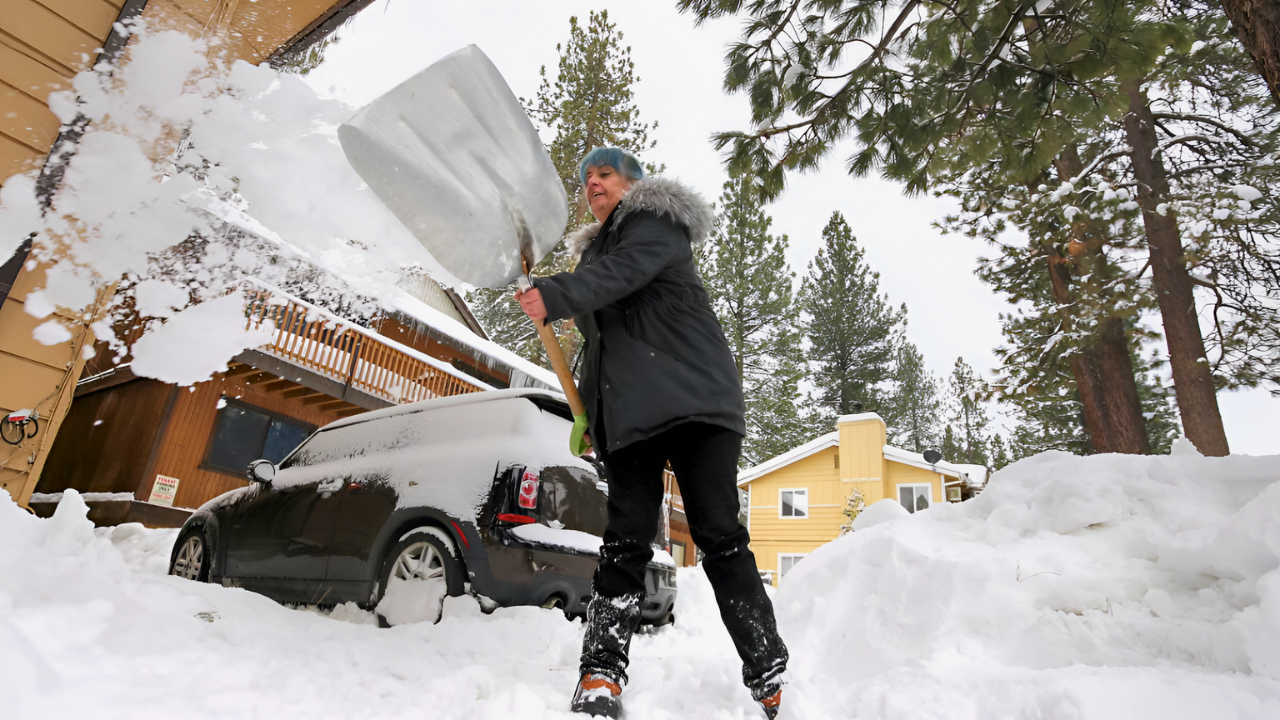
Governor Josh Stein declared a state of emergency on January 21, 2026, as a powerful winter storm loomed over North Carolina, threatening freezing rain, snow, and ice from the mountains to the coast starting Saturday morning. With cold air locking in from Friday evening, officials mobilized resources to shield residents from hazardous roads, power failures, and prolonged subfreezing conditions.[1][2]
Statewide Mobilization Underway
Emergency response teams, including the National Guard, activated swiftly to counter the storm’s reach. Transportation officials braced for slick surfaces, while hundreds of North Carolina Department of Transportation (NCDOT) workers and contractors deployed more than 300,000 gallons of brine and 150,000 tons of salt. These crews operated on 24-hour shifts, pretreating roads to stop ice from adhering and ensuring quicker recovery.
Travel Restrictions Take Effect
NCDOT issued stark advisories, urging residents to shun nonessential travel over the weekend. Icy buildup, especially black ice, could linger for days, hampering emergency access. Law enforcement readied for potential crashes, emphasizing that responders would face heavy demands. Drivers faced heightened risks overnight and during peak storm hours, prompting calls to remain indoors.[1][2]
Residents Stock Up Amid Shortages
Grocery stores saw frenzied shopping Friday, with shelves stripped of bread, milk, water, generators, and flashlights. Retailers shortened hours or shuttered entirely, shifting focus to survival essentials. Emergency managers stressed assembling three-day kits stocked with food, water, medications, batteries, and pet shelters, underscoring household readiness against outages and isolation.[1][2]
Power and Health Threats Mount
Utility firms positioned repair crews statewide, targeting ice threats to trees and lines that could trigger widespread blackouts lasting hours or days. Critical facilities like hospitals and water plants drew special vigilance. Public health warnings highlighted carbon monoxide risks from generators and heaters, advising ventilation and safe operation. Vulnerable groups, including the elderly and homeless, gained priority access to warming shelters coordinated with faith-based groups.[1][2]
Institutions Adapt to the Freeze
Schools and universities canceled in-person sessions, pivoting to remote learning; some repurposed buildings as community refuges. Local governments opened warming centers offering blankets, food, and heat for those without power. The storm’s tail promised extended cold into the next week, with ice damage risking ecosystems through tree falls and road salt runoff into waterways.[1][2]
As cleanup begins, North Carolina’s coordinated efforts highlight the stakes: minimizing accidents, restoring services, and safeguarding lives amid lingering hazards. Officials stress ongoing vigilance, with full recovery hinging on resident compliance and agency endurance.[1][2]
Sources:
“Governor Stein Declares State of Emergency Ahead of Winter Storm.” NC Office of the Governor press release, 21 Jan 2026.
“Gov. Stein, State Officials Urge Preparedness As Severe Winter Storm Approaches.” WLOS News, Jan 22 2026.
“‘Make a plan now’: Stein urges NC residents to be prepared, stay home during winter storm.” WCNC, Jan 22 2026.