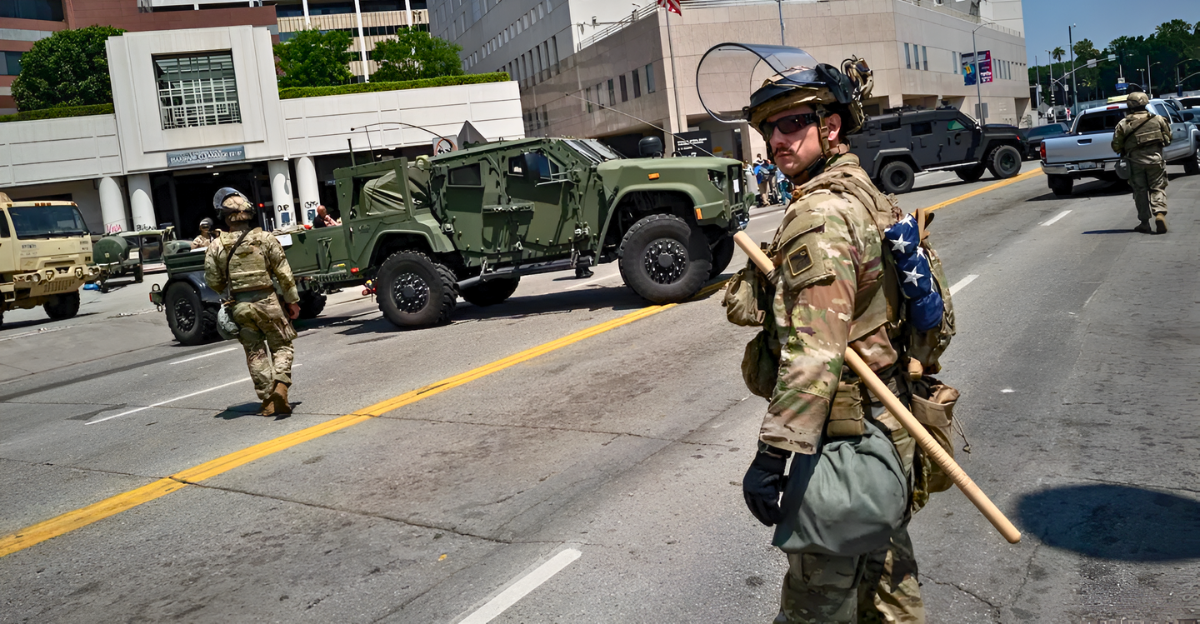
In mid-2025, leaked Pentagon planning documents disclosed a proposal: a standing “Domestic Civil Disturbance Quick Reaction Force” of 600 National Guard troops ready to deploy to any U.S. city within 60 minutes of unrest.
If implemented, it would be the largest expansion of America’s domestic rapid-response capability in history.
The troops would be split between bases in Alabama and Arizona – covering the eastern and western halves of the nation.
Each 300-person unit would rotate every 90 days, fully armed and in riot gear under Title 32 orders.
Political Stakes
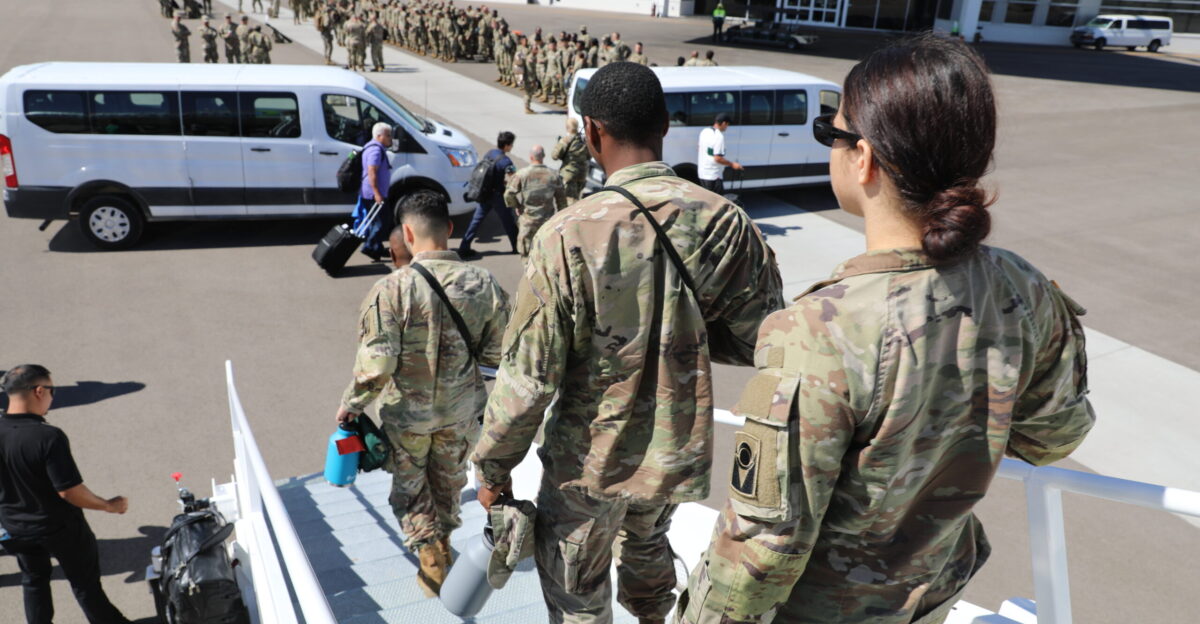
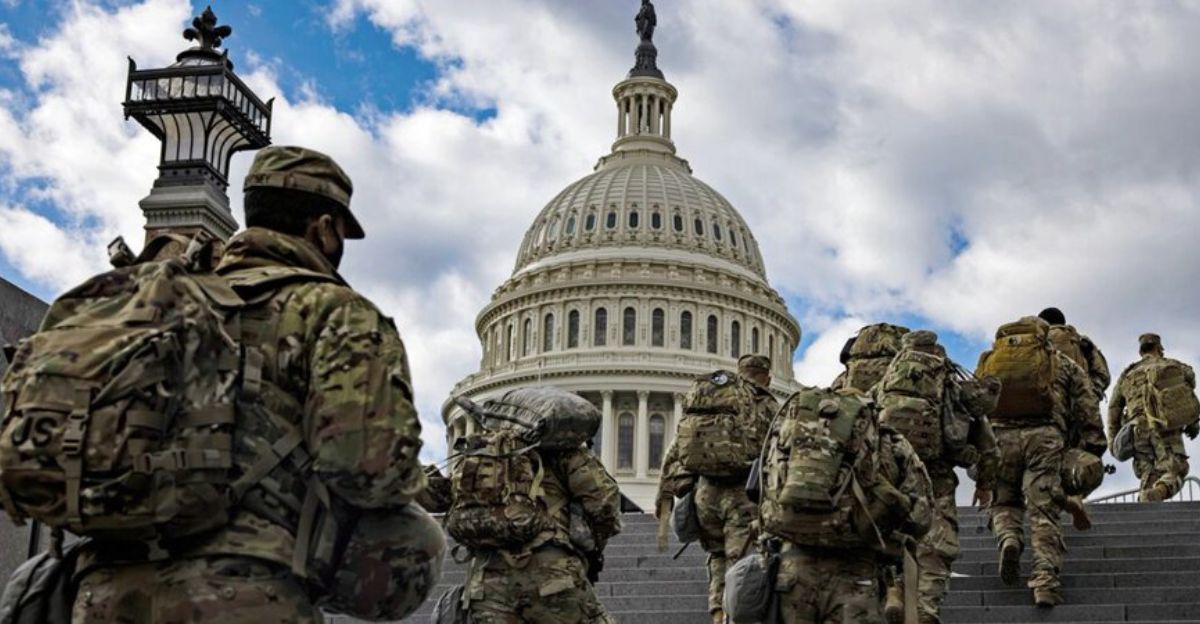
Laid against a backdrop of other 2025 events, the plan dovetails with President Trump’s domestic posture. In early August, he deployed 800 National Guard soldiers to Washington, D.C., supposedly to combat rising crime.
That deployment came despite official statistics showing D.C. violent crime had fallen dramatically – roughly 26% lower in early 2025 than the previous year.
Civil rights experts worry these moves stretch constitutional norms. Critics caution that using the armed forces to police cities risks upending the traditional federal-local balance.
Historical Context
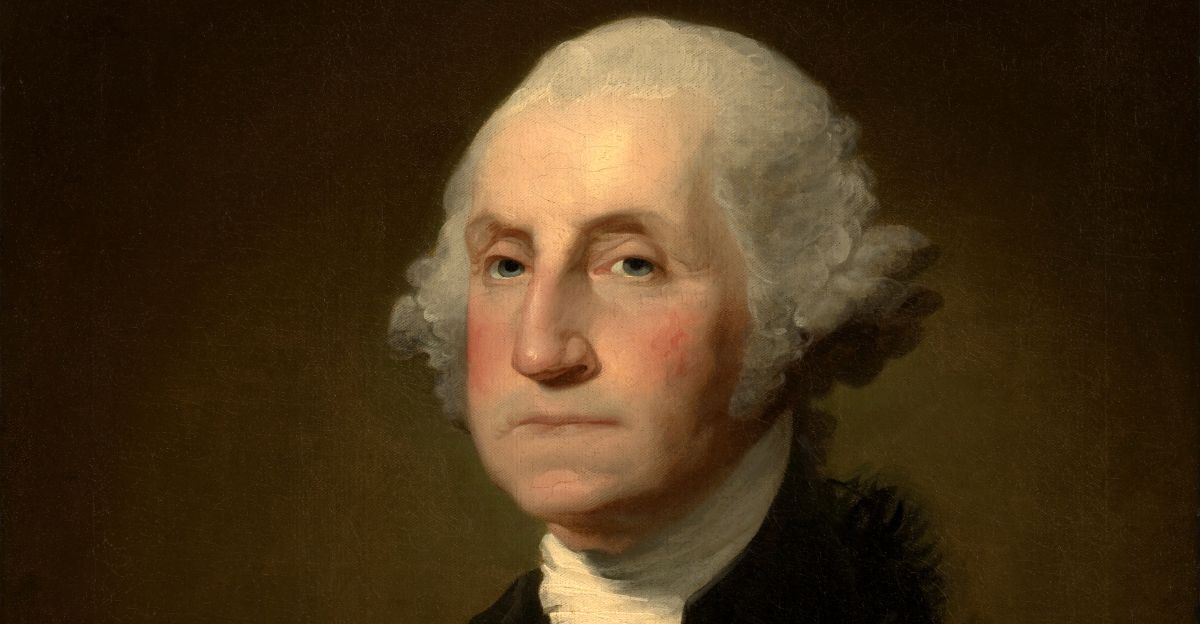
For perspective, the idea of federal troops on U.S. soil is not new. The first president, George Washington, famously led some 13,000 militiamen in 1794 to quell the Whiskey Rebellion in Pennsylvania, asserting national authority over tax laws.
Yet by the late 19th century, Americans codified limits on such force: the 1878 Posse Comitatus Act strictly barred use of the Army (and later other federal forces) for civilian law enforcement.
That law emerged after Reconstruction, reflecting fears that unchecked military power at home could threaten democracy.
Legal Tensions
Nonetheless, recent incidents highlight intense legal conflict. California sued to block last year’s federalization of Guard troops in Los Angeles, arguing it violated the Posse Comitatus Act and required state consent.
The administration counters that its actions fall under the president’s “protective power” to safeguard federal property, effectively sidestepping normal restrictions.
A federal appeals court’s tentative approval of the L.A. deployment suggests judges may accept a broader interpretation of executive authority – a move that has constitutional scholars on alert.
Force Unveiled
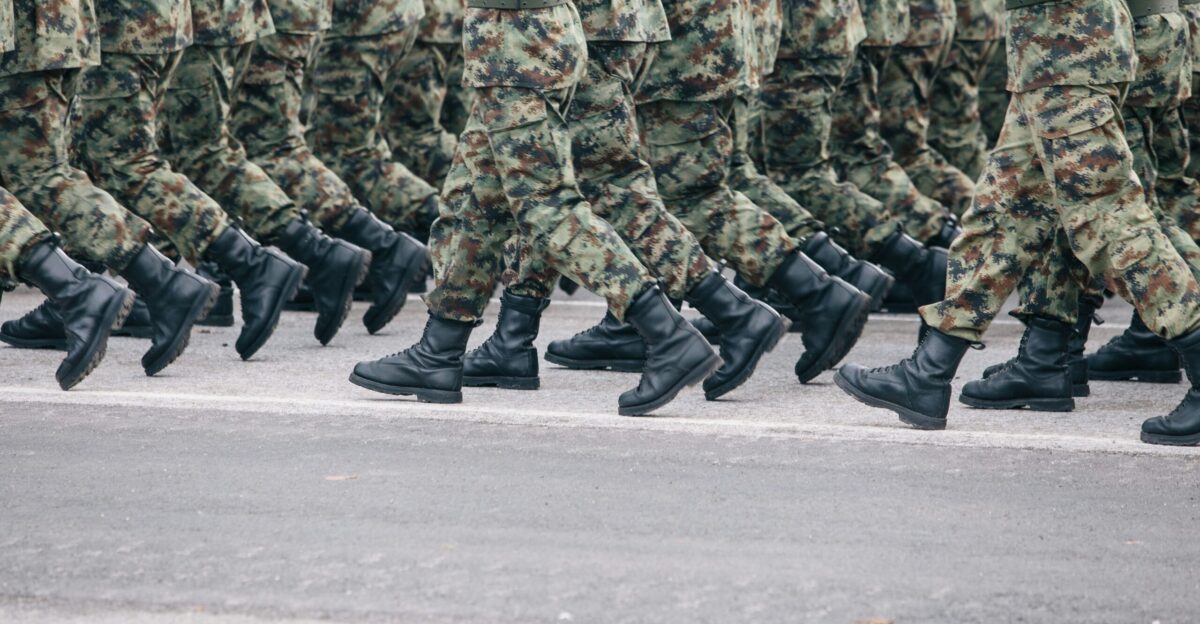
In fact, the internal plan lays out the exact structure of the force. Under Title 32, each state-based team remains under its governor’s command but with federal funding to allow rapid deployment.
A first wave of 100 soldiers would deploy within one hour of an order, with two additional waves following at 2-hour and 12-hour marks.
The Pentagon documents note that these troops would carry weapons and full riot gear.
Maryland Governor Wes Moore’s office immediately blasted the idea as “blatantly and dangerously ignoring” the need for governors’ consent.
Regional Impact
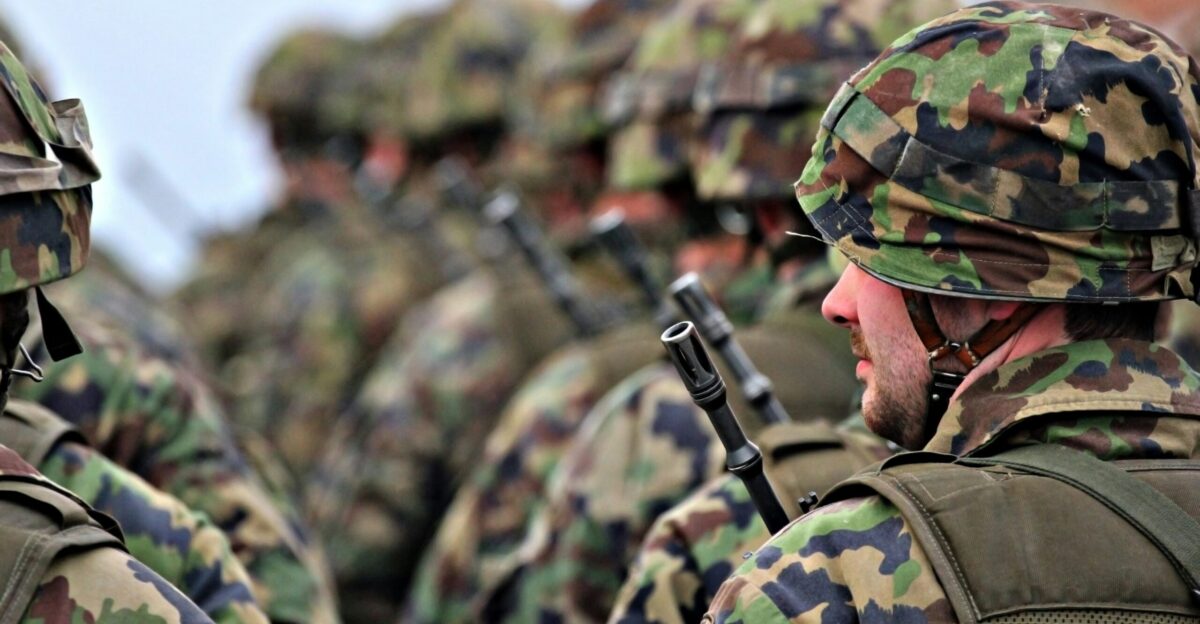
Strategically, placing 300-strong teams in Alabama and Arizona splits the country along the Mississippi River. This enables near-simultaneous coverage from coast to coast.
But experts warn the logistics would be monumental: cost estimates for keeping military aircraft and crews on standby round-the-clock run into “hundreds of millions” of dollars each year.
Even rotating troops every 90 days would multiply training and transport costs.
One internal memo even suggests frequent commercial flights to move soldiers – underscoring the plan’s huge logistical burden.
Human Opposition

Civil liberties advocates are alarmed. “You don’t want to normalize routine military participation in law enforcement,” argues Joseph Nunn of the Brennan Center.
Maryland Gov. Moore’s spokesperson echoed the sentiment, warning the proposal “blatantly and dangerously ignore[s]” the need for governors’ consent.
Across the country, civil-rights organizations and community leaders issue similar warnings.
They fear the force blurs the line between soldiers and police, chilling peaceful protest and expanding militarization of U.S. streets.
Competitive Landscape
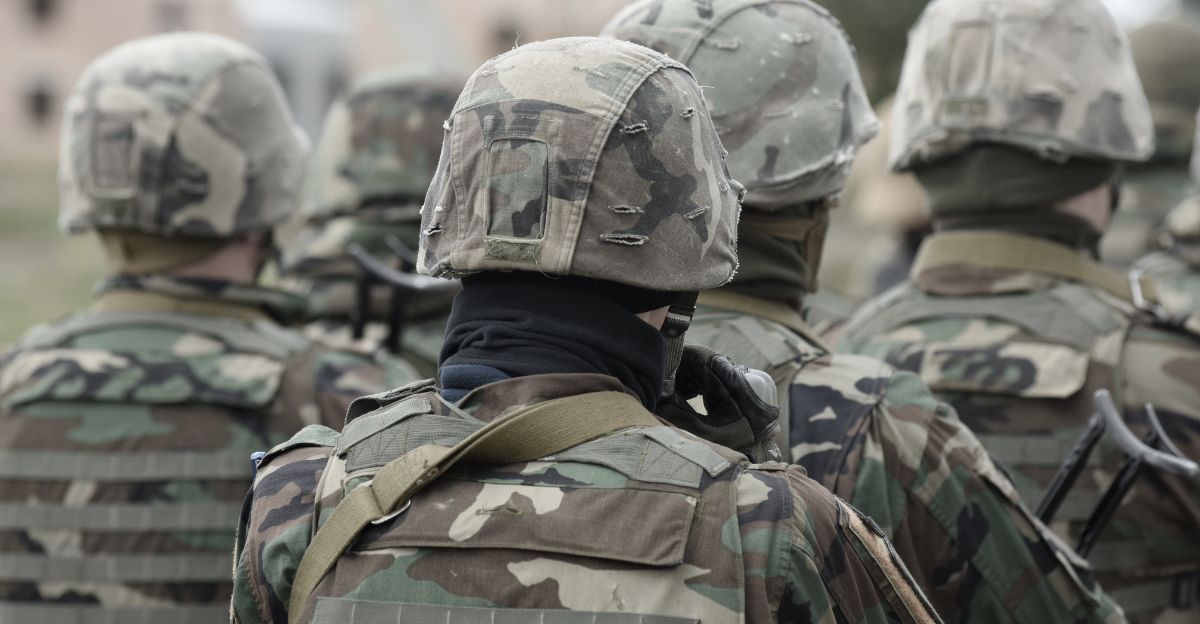
For generations, states have voluntarily shared Guard units during crises. The new plan would replace those mutual-aid compacts with a federally controlled force.
In the past, mechanisms like the Emergency Management Assistance Compact (EMAC) required governors to request help; now the Pentagon would hold troops in reserve for instant deployment.
By shifting deployment decisions to the federal level without state input, the proposal markedly alters the old balance of power between state authority and federal initiative.
Constitutional Questions
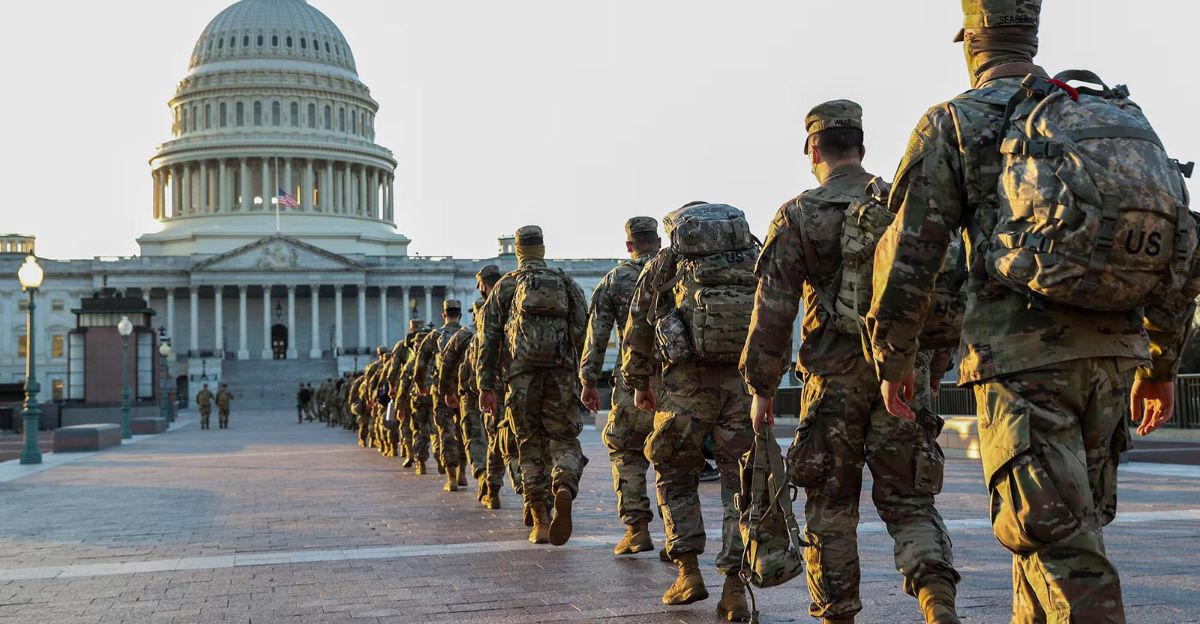
Even under Title 32 authority, serious constitutional questions arise. Normally, unfederalized Guard troops answer to their state governors, not the Pentagon.
Some legal scholars worry that sending these soldiers into non-consenting states could violate territorial sovereignty principles.
The plan relies on a rarely used interpretation that the president’s inherent “protective power” overrides the Posse Comitatus Act, but precedent suggests Guard units remain fundamentally state officers unless Congress explicitly federalizes them.
The tension between this expansive interpretation and traditional federalism principles is stark.
Unexpected Consequences
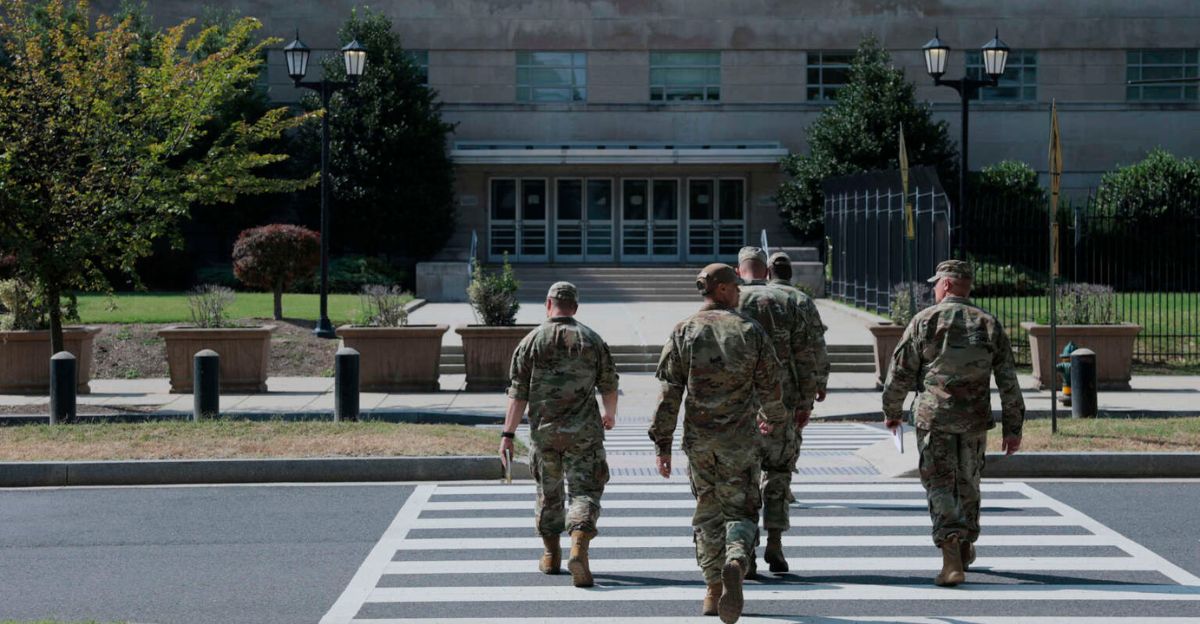
Pentagon planners themselves acknowledged the drawbacks. One memo warns that keeping 600 guardsmen on endless standby could “strain personnel and equipment,” leaving fewer soldiers available for natural disasters.
It even suggests flying troops commercially to cut costs, highlighting the plan’s burden on personnel. Local reactions are fierce: “If we give up, it’s over.
We have to stand our ground here…” warned L.A. protester Marlene Lopez, reflecting fears that militarizing responses may irreversibly change the nature of civil unrest management.
Internal Resistance
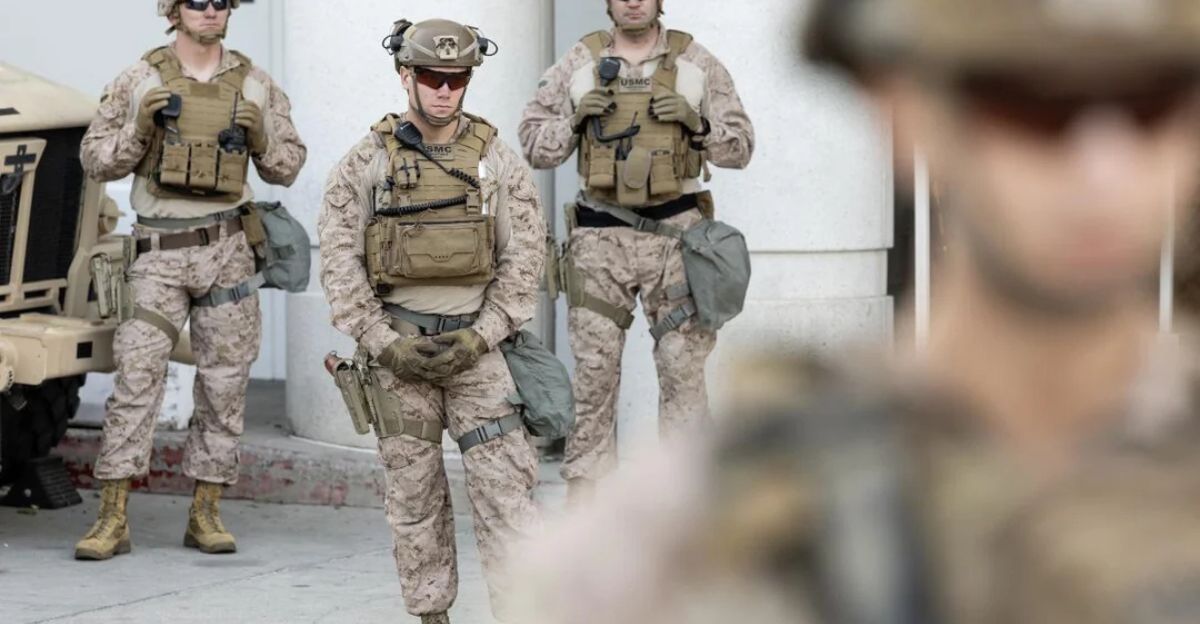
Not all in uniform are enthusiastic. The Marines sent to Los Angeles last month underwent special de-escalation training, underscoring that domestic missions require skills beyond battlefield tactics.
And even on the job, they face contradictions: one Marine general noted his troops “will not carry live ammunition … but they will carry live rounds”.
Many soldiers worry such duties dilute the Guard’s primary missions – from hurricane relief to foreign combat – and expose service members to legal and ethical hazards in civilian settings.
Command Structure

The proposal’s genesis reflects a Pentagon-wide shift, not an ad hoc crisis response. Defense policy chief Elbridge Colby drafted these plans for Secretary Hegseth, indicating a studied, institutional strategy.
In fact, the National Guard had quietly tested a similar rapid-reaction concept around the 2020 election, putting 600 troops on alert in Arizona and Alabama in case of violence.
This history suggests commanders have been quietly preparing for broad domestic contingencies.
It looks like official, long-term planning rather than a knee-jerk response.
Recovery Attempts
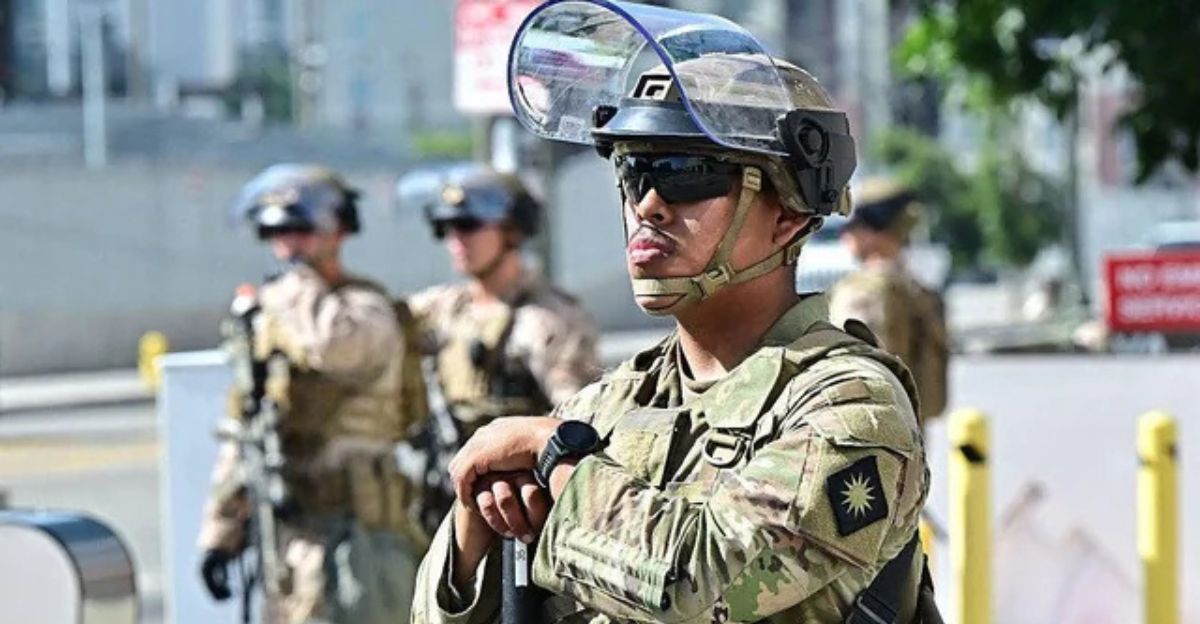
Administration spokespeople portray the force as a temporary support for local police, not a takeover.
The White House insists troops would only secure federal property and personnel during unrest – the same justification used for deployments in Los Angeles and Washington this summer.
Officials emphasize that under Title 32, Guardsmen remain under governors’ command and would deploy solely at presidential direction.
Still, many critics see this as window-dressing for expanding military authority at the expense of local control.
Expert Skepticism
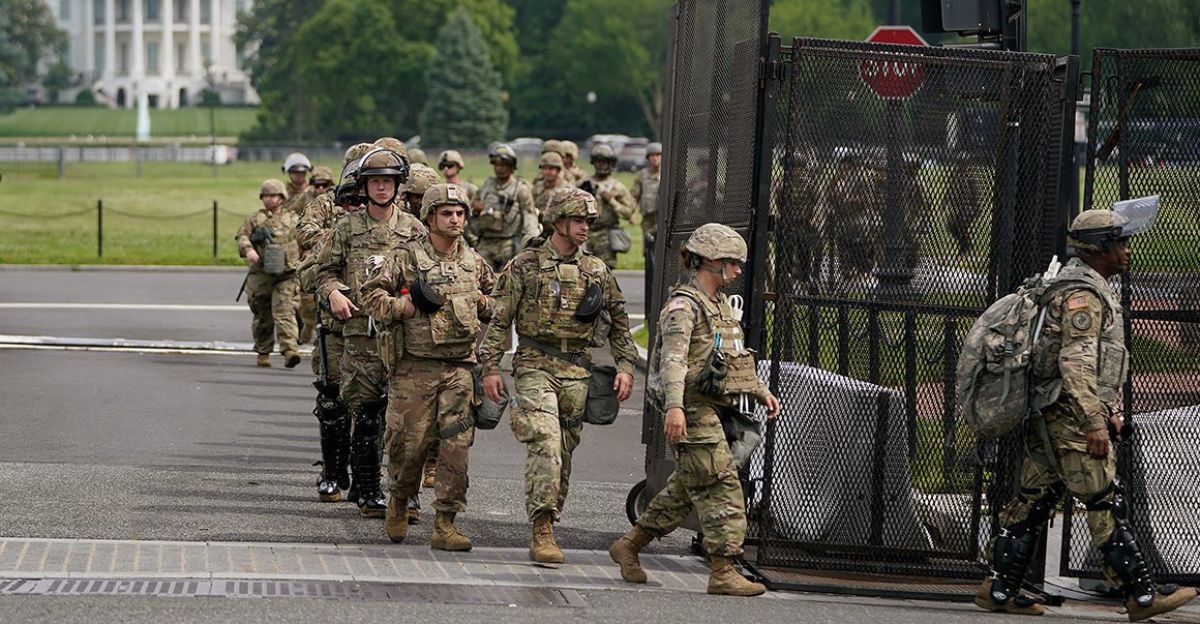
Constitutional scholars agree this plan breaks new ground. “This is truly unprecedented,” argues one Brennan Center analysis, calling preemptive nationwide deployment the “very opposite” of the Posse Comitatus concept of last resort.
Others warn that courts may balk at such sweeping power absent a clear Congressional mandate.
As a result, any major legal challenge is likely headed for the Supreme Court, forcing justices to decide how much deference to give the president’s word on national security.
This issue has become a test of checks and balances.
Forward Question
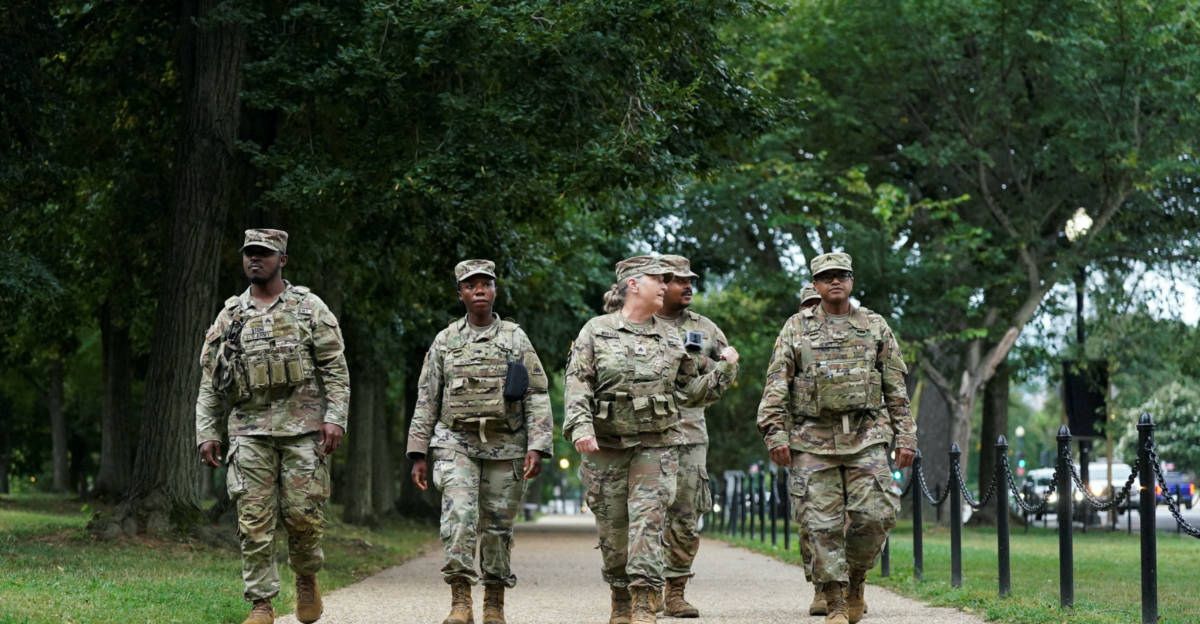
As written, the quick-reaction force could not begin without funding. Pentagon documents say Fiscal Year 2027 is the earliest the unit could be created under the normal budget process.
Administration officials hint at “alternative” or emergency funding to speed deployment.
Still, the plan’s future hinges on legal and political winds: lawsuits like California’s may force revisions, and a change in administration could shelve or reshape the entire concept.
The proposal’s fate remains very much uncertain.
Political Implications
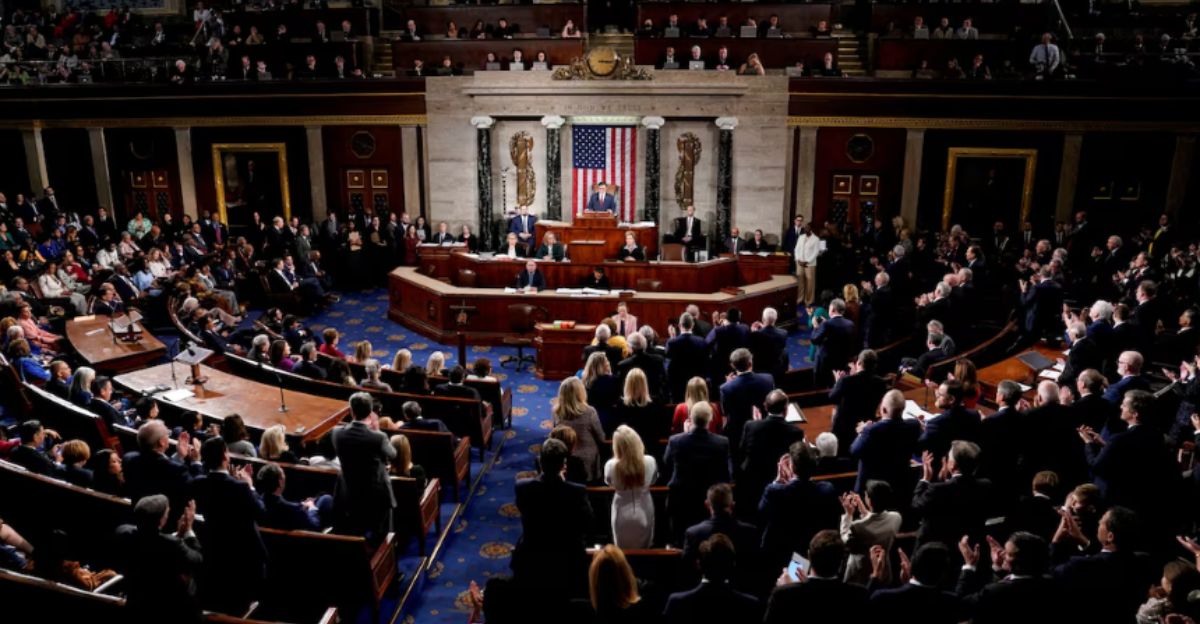
This new standing force has become a partisan lightning rod. Congressional Democrats denounce it as an authoritarian power grab, while many GOP governors are split between pledging law-and-order and defending states’ rights.
In New York, Governor Kathy Hochul memorably asked whether Trump would “militarize our streets” by giving Guardsmen civilian arrest powers.
The controversy is already stressing traditional alliances within the Republican Party, forcing members to choose between executive promises and constitutional constraints.
International Parallels
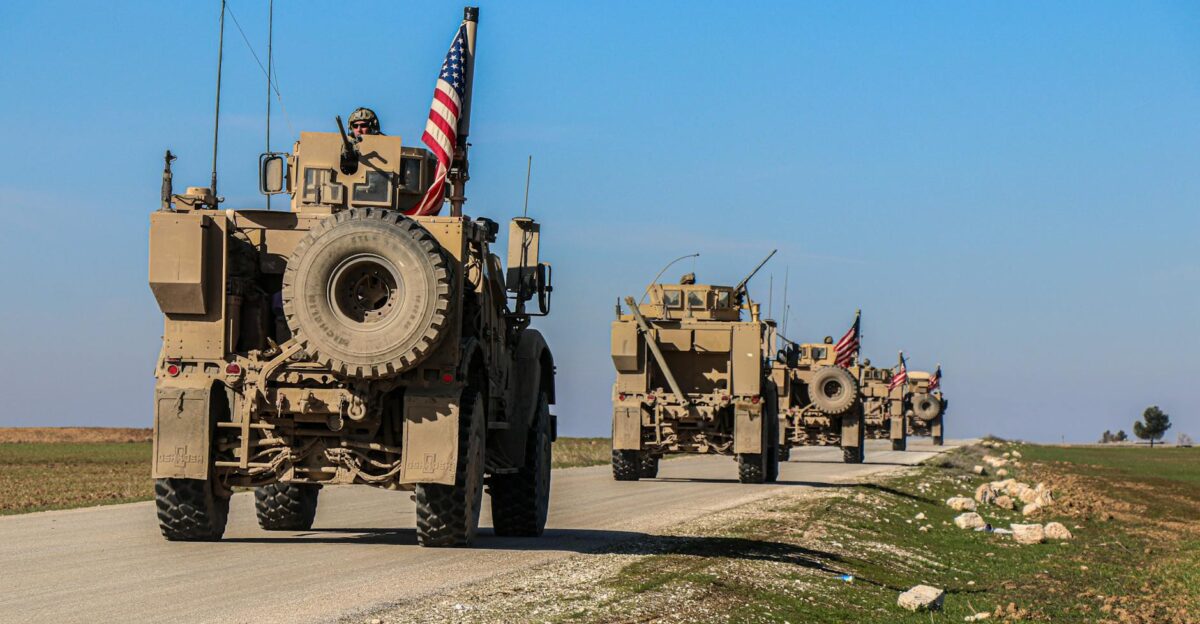
Abroad, U.S. allies are sounding alarms. Security experts note that most democracies reserve standing armies for foreign threats, not crowd control at home.
One former CIA analyst observes that seeing armored vehicles on American streets “conjures images of Tiananmen Square”.
Even authoritarian regimes mostly avoid such visible militarization of routine protests.
Adversaries of the U.S. highlight the proposal as a sign of democratic backsliding, and some partners quietly question whether Washington is abandoning its traditional norms.
Legal Precedent

In the courts, the clash will set a precedent. California’s lawsuit over the L.A. deployment — and any challenges to the QRF plan itself — could end up deciding how far a president can militarize domestic policy.
Legal scholars note that under the Constitution’s Supremacy Clause, a lawful federal order might override a governor’s objection.
A ruling favoring the administration could effectively bar states from blocking future Guard deployments on domestic grounds; a decision for the states could strictly limit or delay such operations.
Cultural Transformation
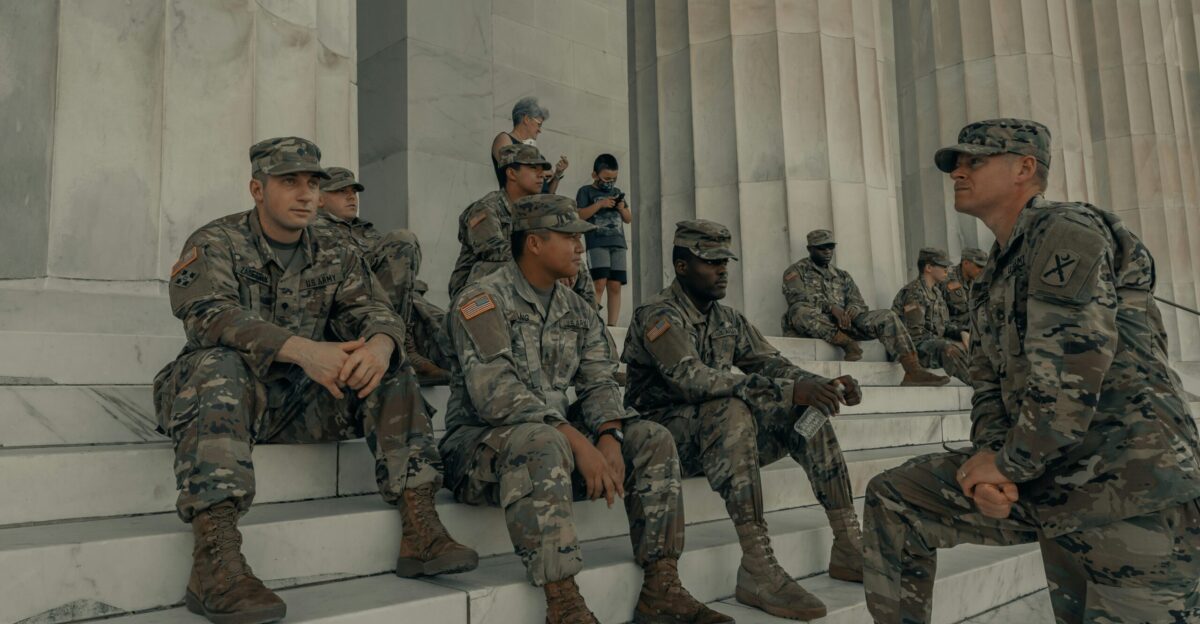
For decades, American military culture has stressed civilian control as its bedrock norm. Legal scholar William Banks notes, “We want law enforcement to be conducted by civilians, not the military”.
The Guard’s traditional missions — from securing election polls to disaster relief — emphasize supporting civil society, not policing it.
If this quick-reaction force is approved, it would mark a profound shift in that cultural contract.
It could normalize seeing combat troops patrolling our cities, altering the fabric of American democracy.
Democratic Crossroads
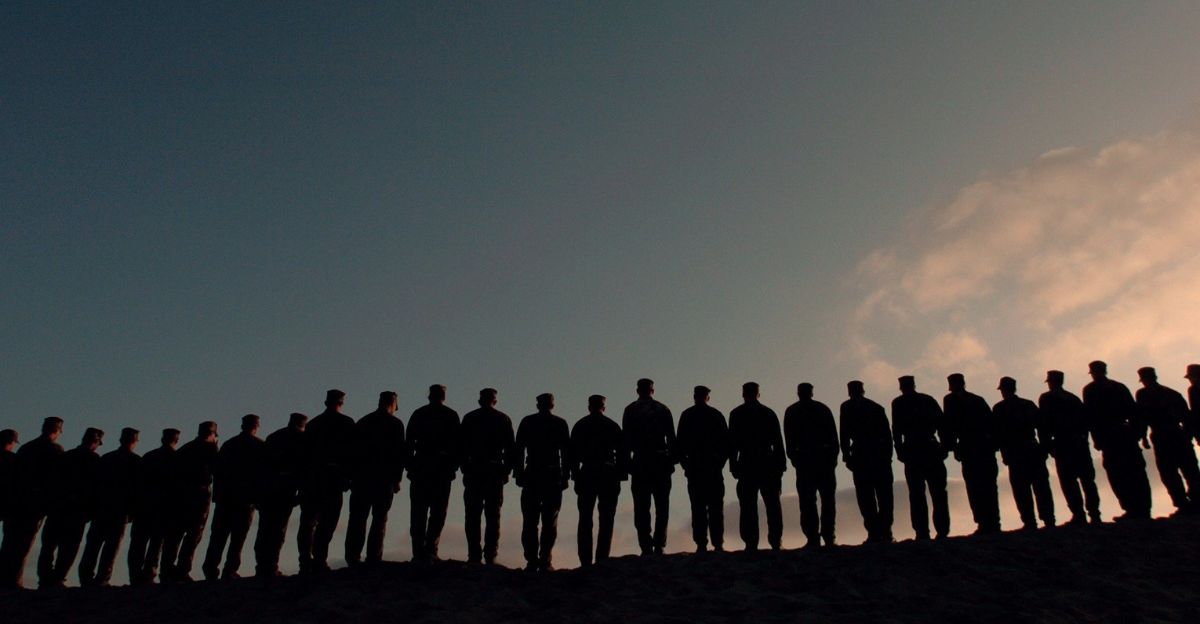
Ultimately, the 600-troop quick-reaction plan has become a symbol of a democratic crossroads. It pits new security priorities against America’s founding principles.
Experts warn that civilian oversight of the military is a “bedrock principle” of U.S. democracy.
If institutionalized, this force could normalize using soldiers to quash dissent – a dramatic departure from tradition.
If defeated, it could reaffirm that even in crisis, the United States honors its commitment to civilian governance and the rule of law.