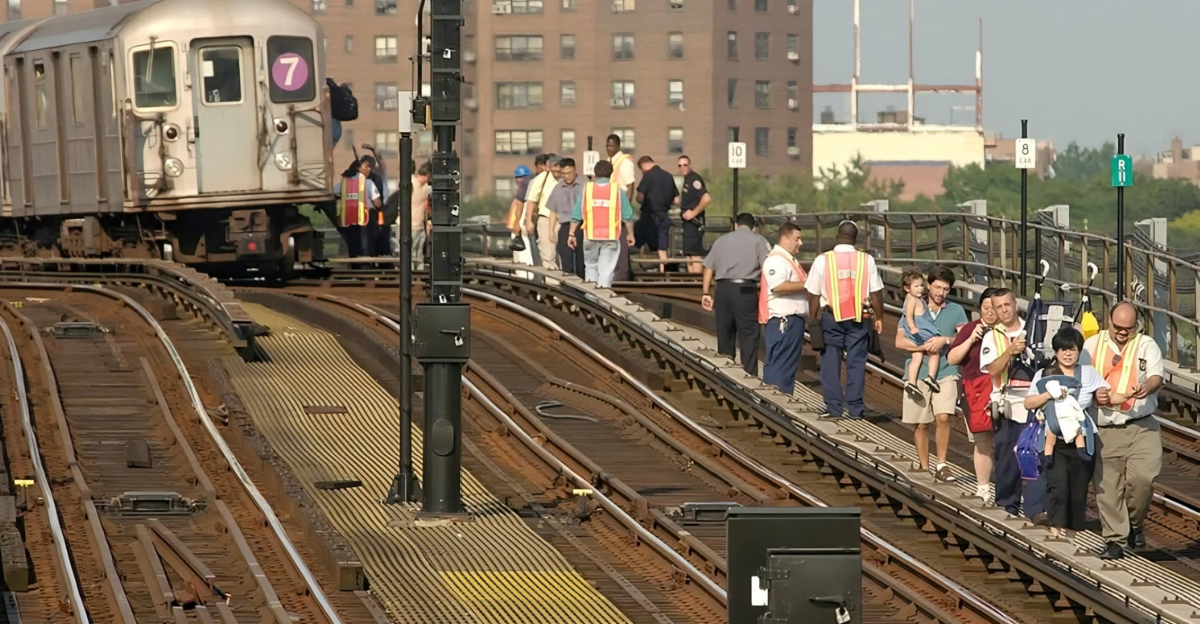
It’s September 17, and although the Sun’s explosive storm peaked two days ago, its aftershocks still ripple across Earth. Power grids hum with tension, GPS glitches frustrate drivers, and satellites slowly return to service.
NOAA’s post-storm update confirmed: “The worst may be over, but we’re still seeing turbulence.” Around the world, engineers stay glued to screens, recalibrating sensitive systems and watching for new flares. The skies above look calm, but technology is still fragile beneath the surface. Could the Sun hurl another surprise before stability truly returns?
Power Grids on Edge, Engineers on Watch
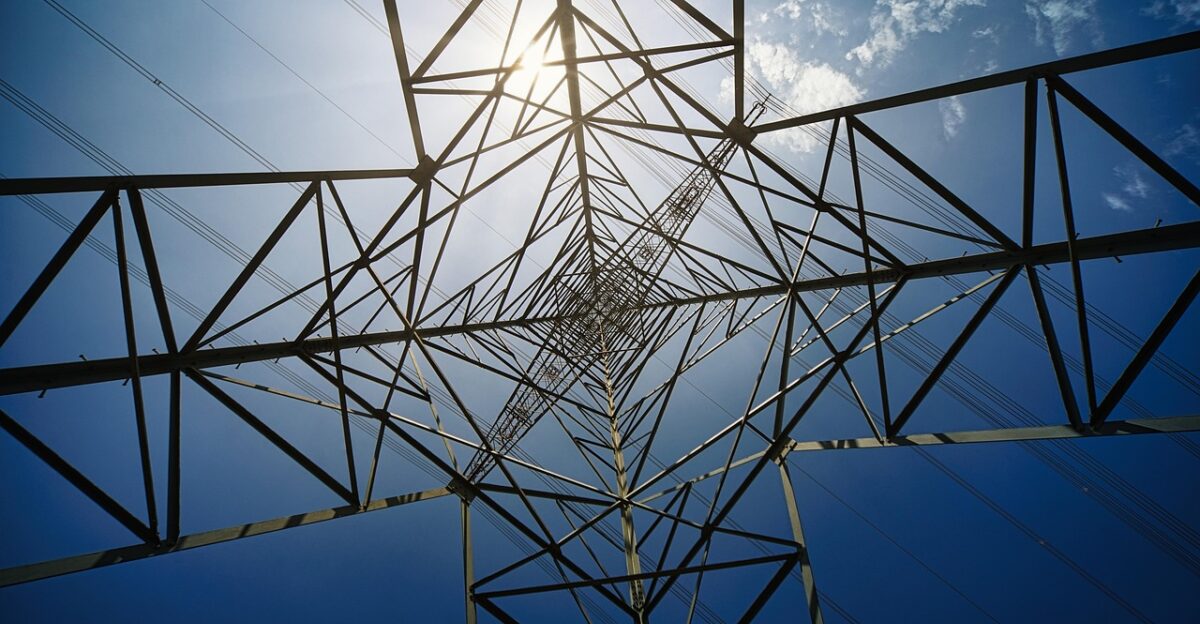
Across North America and Europe, electricity providers remain on high alert. Control rooms are filled with anxious faces as operators track unusual voltage swings and strange grid patterns. Several regions activated emergency protocols earlier this week; some remain in place.
Engineers describe long nights of manual adjustments, rerouting electricity, and preparing backups if a surge hits. “You can’t assume it’s over just because the sky looks clear,” one veteran operator explained.
GPS Still Misbehaving for Daily Users
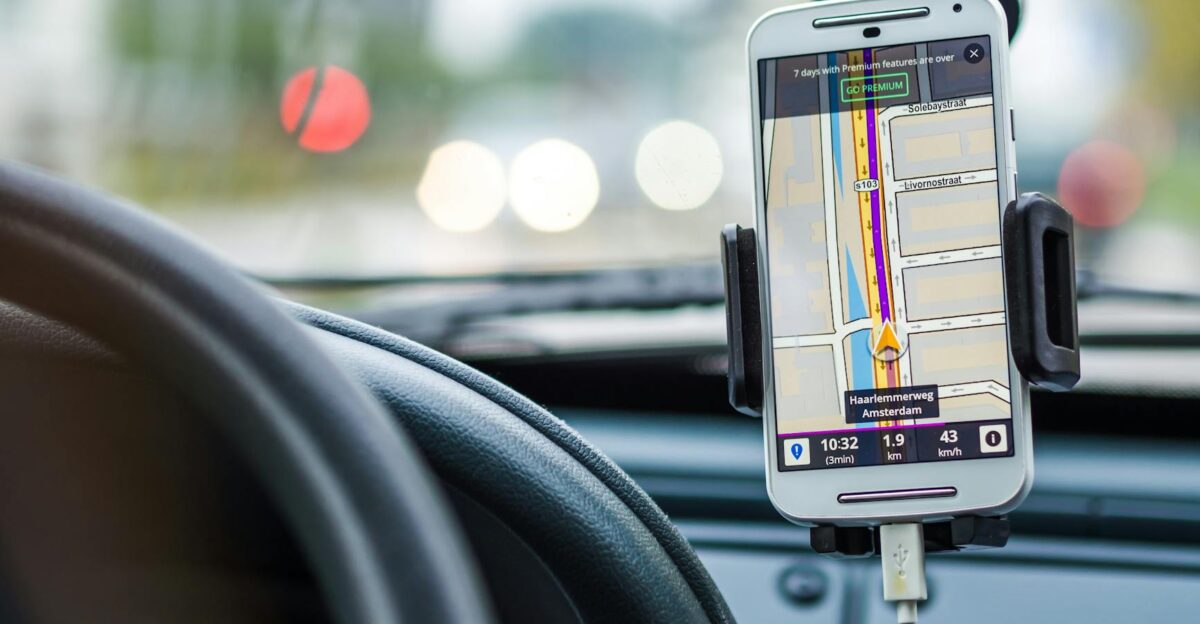
GPS disruptions haven’t vanished. Delivery drivers complain of delayed routes, pilots report intermittent signal drops, and emergency responders face frustrating positioning errors. Airline schedules scrambled during the September 15 peak are slowly stabilizing, but dispatchers remain cautious.
Even everyday phone users notice odd rerouting in their navigation apps. “It told me to drive through a field,” joked one rideshare driver online. Minor glitches may seem harmless, but every second of lost accuracy matters in industries like aviation and shipping. For now, recalibration teams work overtime to smooth out disruptions that remind us how dependent life has become on orbiting satellites.
Satellites Slowly Coming Back Online
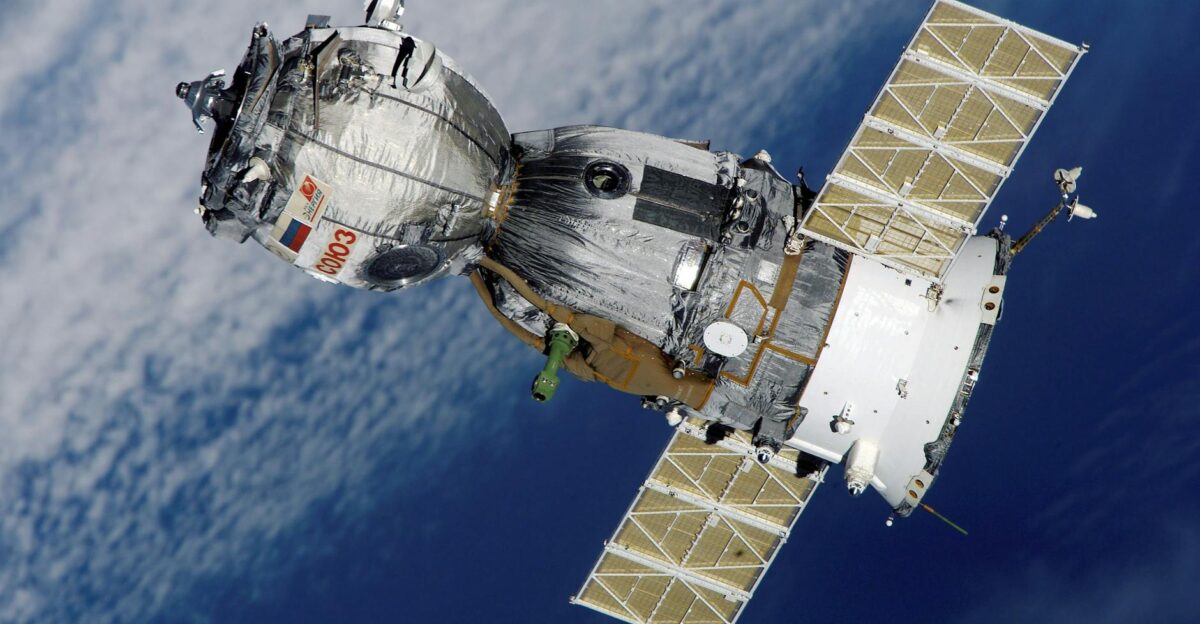
High above Earth, satellites are gradually recovering from the storm’s blow. Many operators had rushed their fleets into “safe mode” to avoid permanent damage, essentially powering down sensitive instruments. Now, they are running diagnostics to check which systems survived. Weather satellites suffered short data gaps, while commercial systems like Starlink continue partial restoration.
Rural customers in northern areas reported the longest service blackouts and still see patchy coverage today. “It’s like rebooting a computer after a power surge, except the computer is circling the planet at thousands of miles an hour,” explained one engineer involved in the recovery.
Travelers Caught in the Chaos
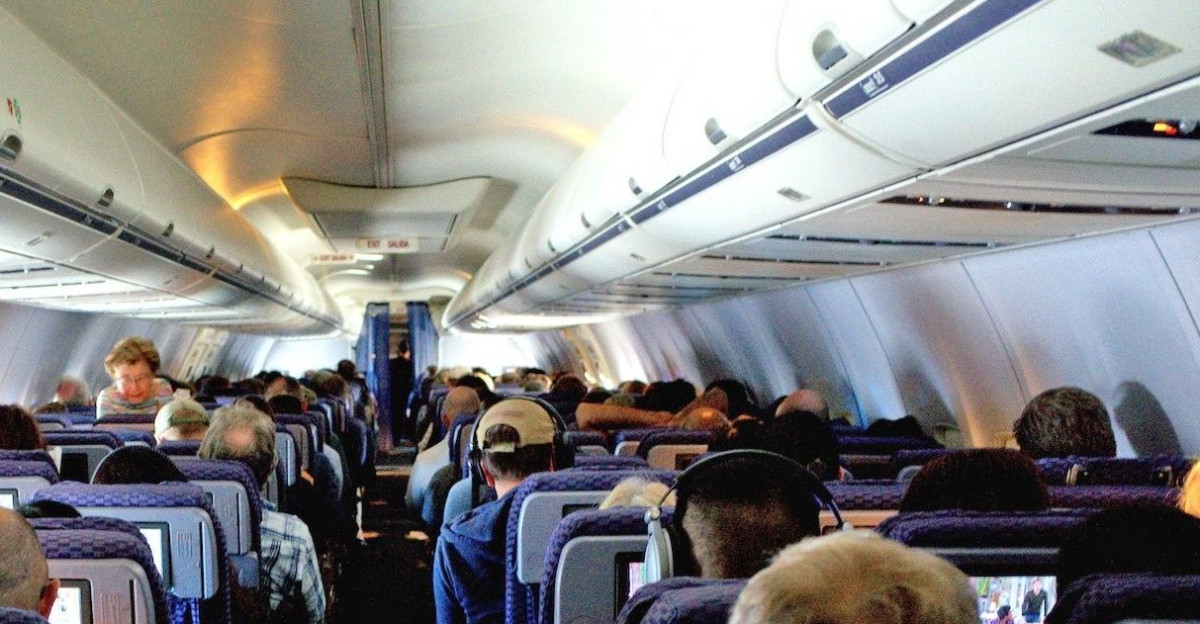
The solar storm was far from abstract for airline passengers as it disrupted journeys in real time. Flights were delayed, rerouted, or grounded as navigation and communication systems faltered. Pilots accustomed to autopilot had to fall back on manual navigation when instruments became unreliable. “It’s not something you expect on a routine transatlantic flight,” one traveler said after an unplanned layover.
Airport communication systems glitched as staff scrambled to reassure stranded passengers. Now, as conditions stabilize, airlines are holding debrief sessions to review what worked and what failed, knowing space weather will test them again soon.
Tech Companies Feel the Financial Burn

The storm left tech companies facing an expensive cleanup. Error reports surged, user complaints spiked, and IT teams worked overnight shifts to recalibrate software systems dependent on precise timing. Some firms are already channeling funds into new resilience measures: stronger hardware, redundant backups, and smarter algorithms capable of auto-correcting disruptions.
Analysts warn that ignoring space weather could mean millions in future losses for industries tied tightly to GPS. “It’s not just downtime—it’s dollars and trust,” one tech consultant said. Customers may see smoother systems soon, but for providers, the financial toll of this storm is only beginning to surface.
Auroras Stole the Spotlight Online
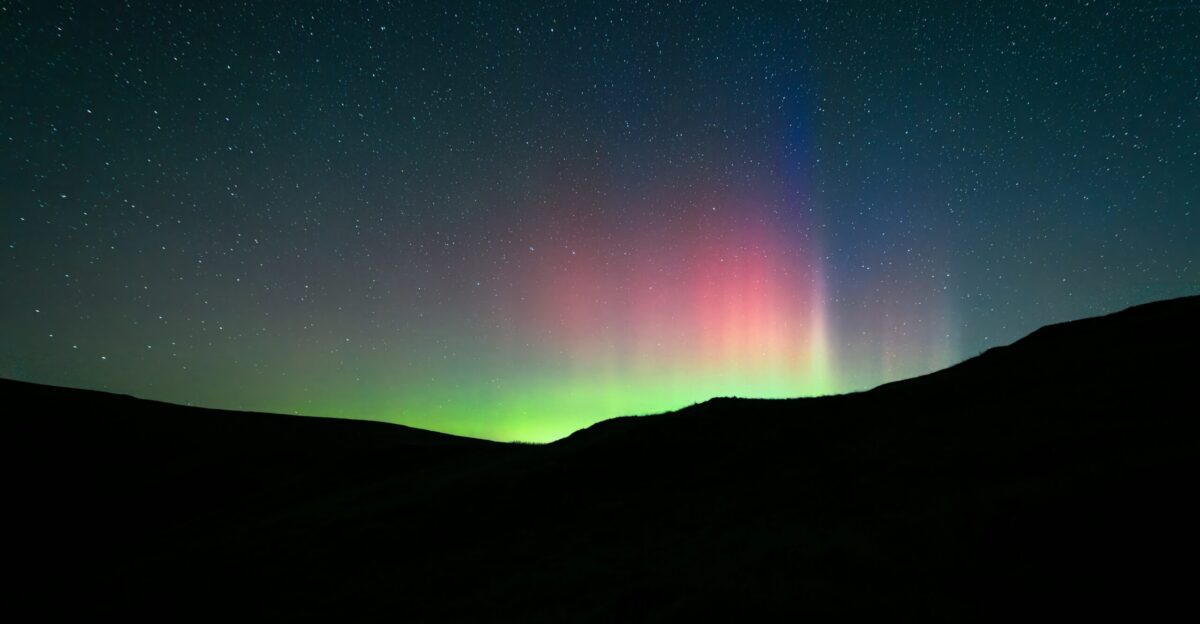
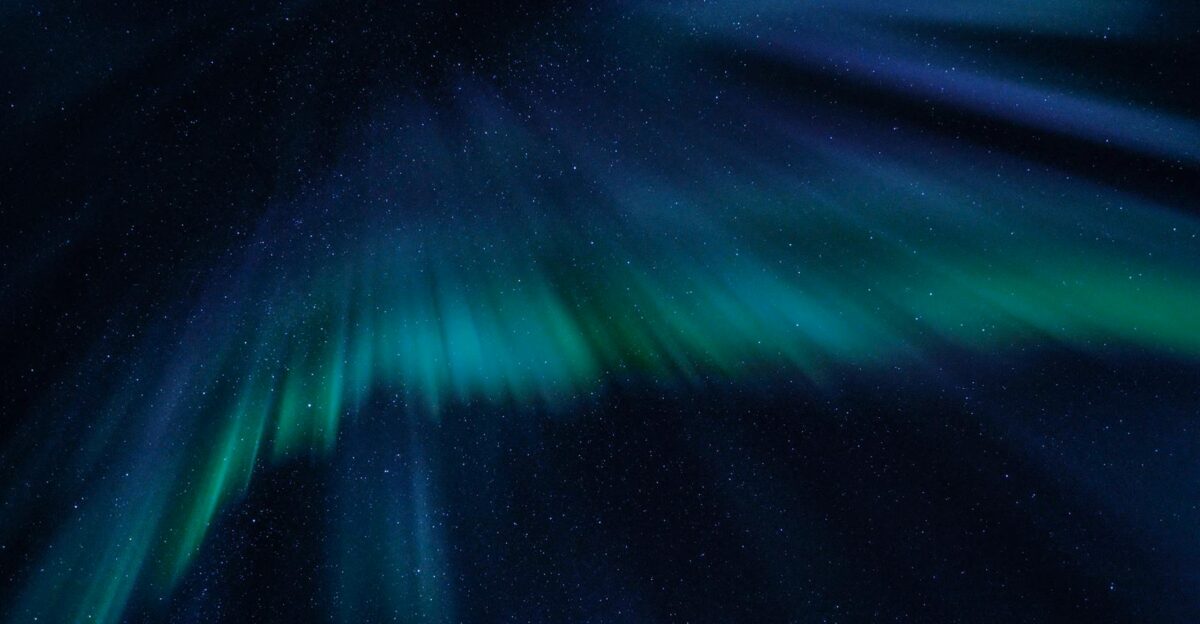
As systems faltered below, the skies put on a breathtaking show. Brilliant auroras shimmered far outside their usual range, painting skies from Italy to Texas to New Zealand. Social feeds flooded with photos as people marveled at the spectacle. For some, it was the first time seeing the Northern or Southern Lights in person. “It felt magical, even though you knew it came from something dangerous,” one photographer wrote.
The contrast was striking—technology strained while nature dazzled. The storm reminded millions that space weather is as capable of beauty as disruption, leaving memories long after the power stabilizes.
NOAA Calls It: A Strong G3 Event
NOAA’s Space Weather Prediction Center officially classified the September 15 disturbance as a G3, or “Strong,” geomagnetic storm. Triggered by a vast coronal hole on the Sun’s surface, the event reached Earth at 02:59 UTC, unleashing significant disruptions. That designation may sound technical, but it carried real-world meaning: satellites, navigation systems, and power grids faced elevated risk.
Within minutes, official warnings rolled out, guiding operators worldwide to brace for trouble. “It was strong enough to be disruptive but not catastrophic,” NOAA explained. Even so, the storm highlighted how quickly a solar eruption can shake systems people rely on daily.
Agencies Reacted in Real Time
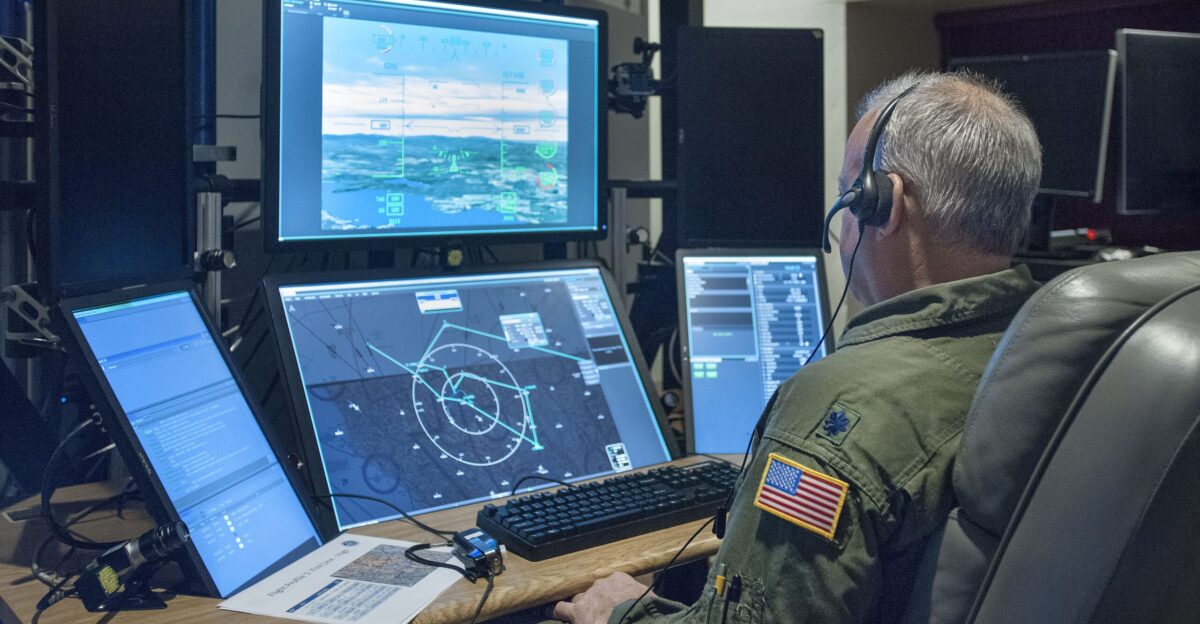
When the storm struck, global agencies mobilized immediately. NOAA and NASA issued urgent advisories, while European and Asian monitoring stations pushed updates to aviation and power operators. Airlines received warnings about radio interference; utilities were told to prepare for voltage fluctuations. Communities at high latitudes were advised to expect outages and stay alert. “Every minute counted,” one NOAA official said of the round-the-clock coordination.
On the public side, social media became both a lifeline and a rumor mill, spreading images of auroras alongside confusion about outages. For agencies, it was a real-world stress test in space weather readiness.
The Storm’s Timeline: A Fast-Building Threat
The storm developed quickly, catching even seasoned forecasters off guard. On September 14, solar wind readings spiked, and within hours, the disturbance was racing toward Earth. By the night of September 15, systems worldwide were feeling the brunt of the impact. At its peak, flights were diverted, satellites glitched, and entire power grids braced for cascading failures.
By midday on September 15, NOAA downgraded the severity but warned conditions would remain unsettled for days. The event served as a stark reminder that geomagnetic storms can escalate from harmless to hazardous faster than most people realize. Preparation often means acting with little warning.
Are We Truly in the Clear Yet?
Even now, experts hesitate to declare the storm entirely over. The Sun remains active, and both NASA and NOAA continue 24/7 monitoring solar emissions. “We’re not out of the woods yet. The Sun is still restless,” one NOAA scientist said. Minor disturbances are forecast for the next several days, meaning airlines, utilities, and tech firms continue running heightened protocols.
For the public, day-to-day disruptions may fade, but operators know recovery is fragile. A sudden burst of solar wind could undo hours of progress. For now, vigilance—not celebration—defines the mood in space weather control rooms.
Why This Storm Stood Out
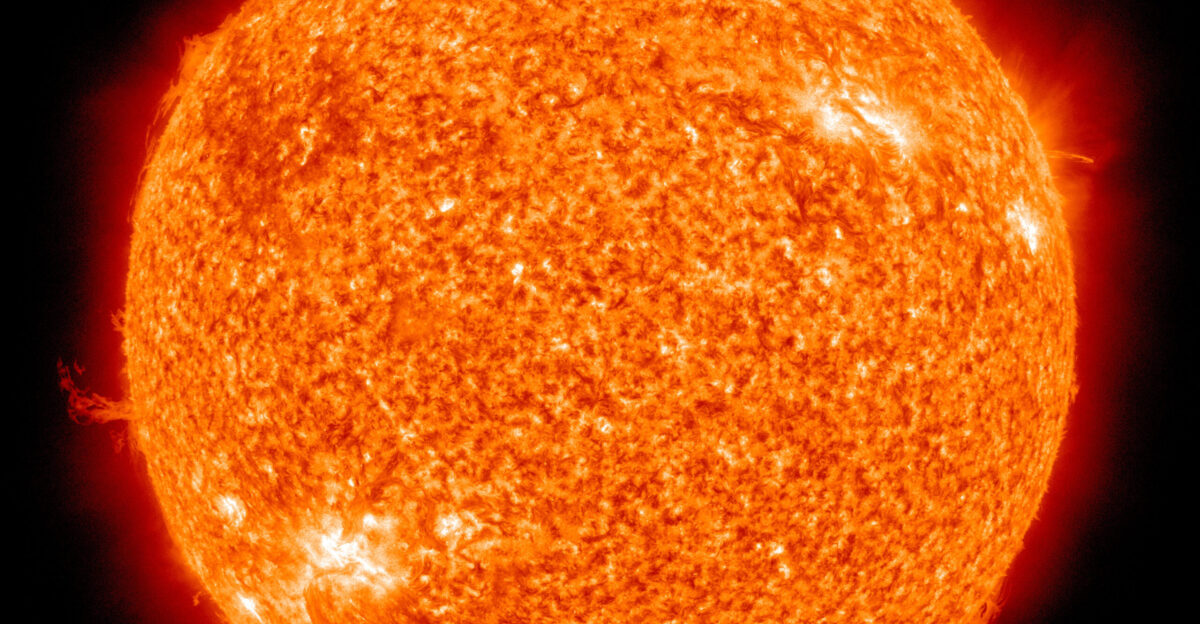
This storm’s mix of speed, scale, and intensity made it unusual. Emerging from a coronal hole more than half a million kilometers wide, the solar wind arrived faster than models had projected. Active sunspot regions added fuel, amplifying the storm’s strength.
After a relatively quiet few years, the Sun’s sudden burst was a surprise. “It was one of those events that reminds us how small Earth really is compared to the forces at play,” a researcher explained. Scientists admit that while the event wasn’t the strongest on record, it highlighted gaps in forecasting that need urgent attention.
What Exactly Is a Geomagnetic Storm?
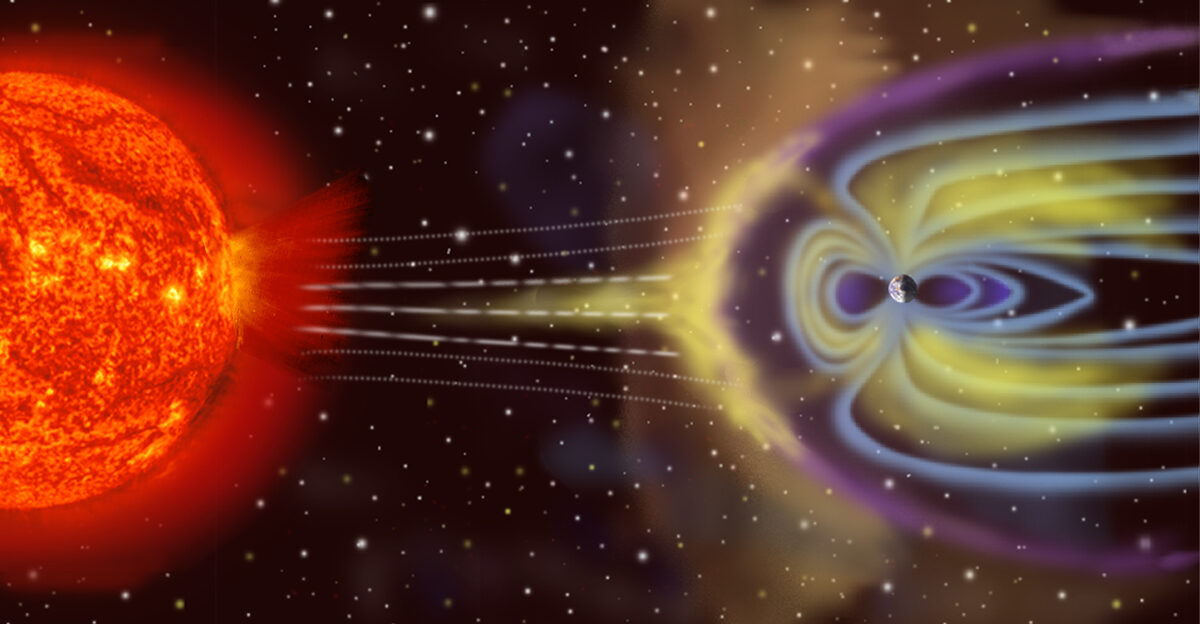
Geomagnetic storms occur when solar wind—streams of charged particles from the Sun—collide with Earth’s magnetosphere. That impact distorts magnetic fields, sends currents racing through the upper atmosphere, and disrupts systems humans depend on. Power lines, satellites, and GPS signals are particularly vulnerable.
The September 15 storm ranked as “strong” on NOAA’s scale, significant enough to cause disruptions but not catastrophic. For most people, science remained invisible until their phones, flights, or lights suddenly failed. Events like this make the abstract nature of space weather instantly tangible, turning solar science into a lived human experience.
How Solar Storms Break Technology
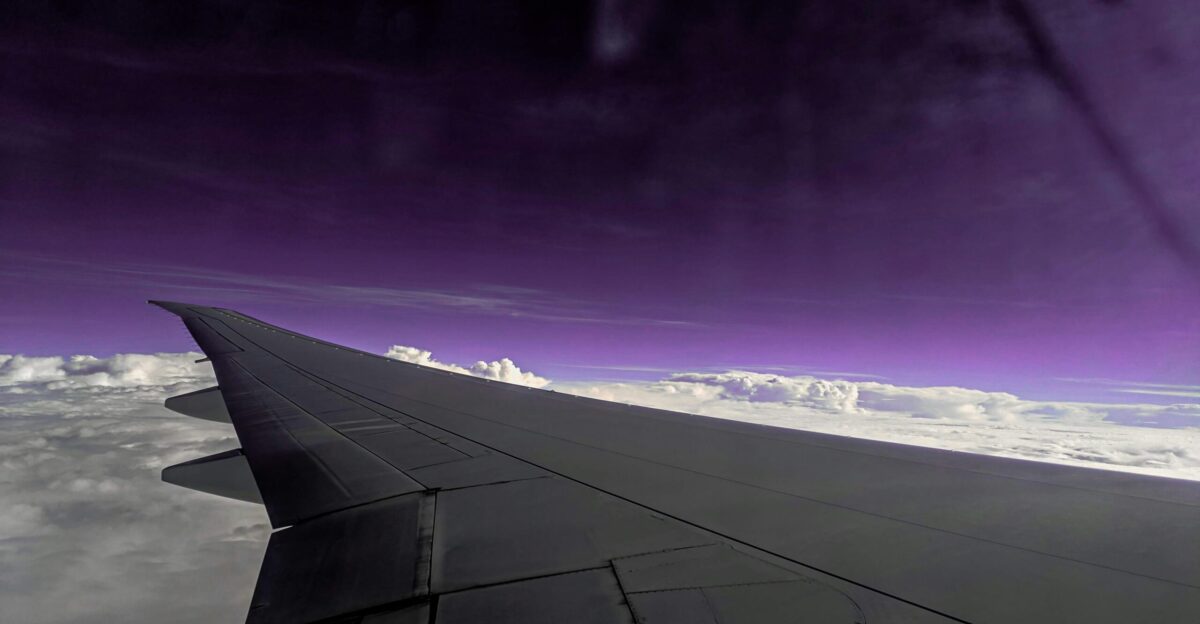
Solar storms don’t always shut things down instantly. More often, they introduce subtle disruptions that cascade outward. Extra electrical currents hum along power lines, stressing transformers. Satellites suffer radiation hits that cause temporary resets. GPS timing signals lose accuracy, making everything from smartphones to financial markets stutter. Radio signals stretch and bend, confusing pilots and ship captains.
The September 15 storm showed how fragile the chain is; one weak link can ripple into widespread disruption. Technology is resilient, but it becomes clear how interconnected and delicate the global infrastructure has become under solar stress.
The Sun’s Surprising Awakening
Scientists had predicted a relatively calm solar cycle, but the Sun had other plans. Observatories now confirm activity is ramping up earlier and stronger than expected. Sunspots have multiplied, solar winds intensified, and eruptions grown more frequent. This reversal has surprised even seasoned researchers, forcing them to reconsider long-standing models.
“The Sun isn’t following the script,” one NASA researcher admitted. Instead of a sleepy star entering a quiet phase, Earth faces a more volatile period of space weather. For those who build and operate satellites, the surprise means rethinking strategies to withstand storms expected to intensify.
Experts React to the Unexpected Trend
Jamie Jasinski of NASA’s Jet Propulsion Laboratory bluntly captured the shift: “All signs were pointing to the Sun going into a prolonged quiet phase. So it was a surprise to see that trend reversed. The Sun is slowly waking up.” Other scientists echo the sentiment—data shows a solar cycle that may peak stronger than anticipated.
For industries tied to satellites and grids, that means more frequent warnings, disruptions, and pressure to adapt. The sense among experts is clear: the calm years are behind us, and preparation must accelerate before the next major surge arrives.
The Human Toll: Long Nights, Hard Lessons

Behind the statistics are the people who held systems together. Utility crews stayed overnight in control rooms, airline staff rerouted passengers mid-flight, and IT workers patched code at 3 a.m. Many describe exhaustion, but also pride at avoiding larger failures. “You think you’re in control until the Sun reminds you otherwise,” one dispatcher said.
For travelers, it was frustrating delays. For engineers, it was a reminder of how fragile infrastructure can be. And for everyone involved, it highlighted the importance of planning for the unpredictable power of space weather.
Building Better Defenses for the Future

Agencies aren’t waiting for the next flare. NASA and NOAA are investing in new satellites, advanced sensors, and AI-driven forecasting models. The goal is to turn warnings from minutes into hours, or even days—enough time for airlines, utilities, and industries to act decisively. Projects already underway include spacecraft designed to monitor solar winds in real time and algorithms trained on decades of storm data.
The hope is resilience: fewer surprises, better defenses, and smoother recoveries. But experts caution that even the best forecasts can’t stop storms—they can only help us brace for impact.
Staying Alert in the Coming Days
NOAA continues to issue advisories, warning that minor disturbances are possible as the solar cycle remains active. Airlines, shipping firms, and energy companies are urged to keep business continuity plans in place. For the public, that means occasional GPS hiccups or phone disruptions may still occur.
Experts stress that staying informed is key. “We can’t control the Sun, but we can control our readiness,” one NOAA spokesperson said. The coming days may not bring dramatic headlines, but they will test whether lessons from this storm stick as another active cycle approaches.
Living With a Restless Sun
The September 15 storm is only a preview. Scientists predict more frequent and potentially stronger events as the solar cycle heads toward its peak in the next few years. Earth is recovering, systems are stabilizing, and the auroras have faded. Yet the memory of disruption remains—airlines rerouted, lights flickered, and GPS faltered.
The dance between Earth and Sun is not ending; it’s entering a new phase. Humanity is learning to live not just with storms on Earth but also with storms from space—sometimes dazzling, sometimes destructive, and always impossible to ignore.