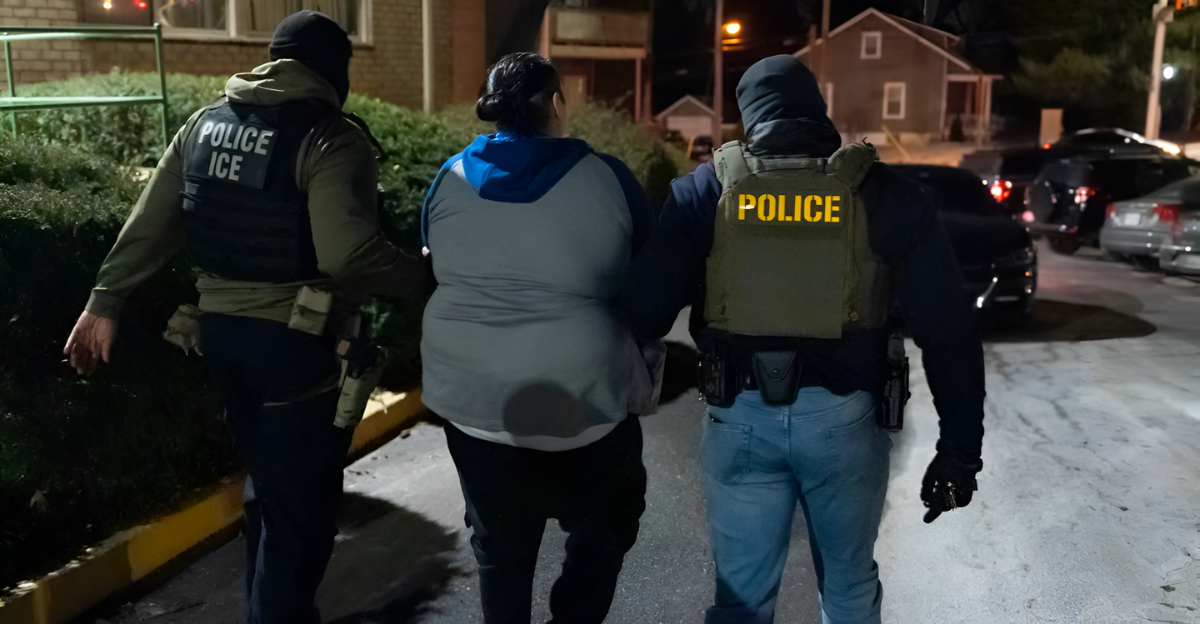
The ongoing confrontation between federal immigration enforcement and local sanctuary city policies in Boston has ignited significant debate. With ICE’s recent raids under “Operation Patriot 2.0,” officials are scrutinizing the integrity of sanctuary practices aimed at protecting immigrant communities.
This clash raises pressing questions about public safety, local governance, and community trust in law enforcement.
Who Is Behind the Crackdown? Meet ICE and Their New Operation

Immigration and Customs Enforcement (ICE) has ramped up actions across Massachusetts with “Operation Patriot 2.0,” designed to target individuals deemed dangerous under federal benchmarks. Border Czar Tom Homan revealed that this operation seeks to “flood the zone” with immigration agents, intensifying the federal presence in sanctuary cities.
This approach is framed as vital for public safety, prompting local backlash.
Understanding Sanctuary Cities and Their Purpose
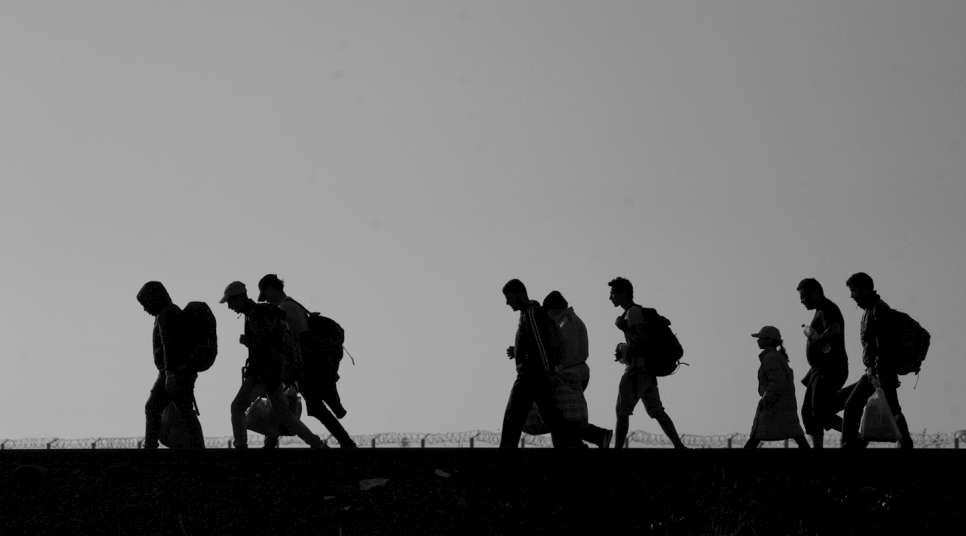
Sanctuary cities emerged as protective measures for immigrants, ensuring they feel safe reporting crimes without the fear of deportation. While proponents argue these policies foster community trust, critics claim they allow criminals to evade justice.
The discourse surrounding sanctuary policies reflects broader tensions in immigration reform, with many fearing that the absence of cooperation could lead to security lapses.
The Launch of “Patriot 2.0” in Boston
With Operation Patriot 2.0 officially underway, ICE has commenced a series of raids targeting individuals with final removal orders. Social media videos reveal swift enforcement actions in neighborhoods like Lowell and Lynn.
Such operations are part of a larger strategy following a successful initial campaign, which saw nearly 1,500 arrests statewide.
What Prompted This Federal Action?

Federal officials assert that lifting the veil of sanctuary policies is necessary to prevent criminals from escaping accountability. They argue that these policies jeopardize public safety by obstructing law enforcement’s ability to detain dangerous individuals.
However, advocacy groups contend that the arguments of imminent public safety threats are largely unfounded.
The Targets of “Patriot 2.0”

ICE’s Operation Patriot 2.0 primarily targets those identified as having significant criminal records. While federal officials assert they only go after those with final removal orders, reports from local immigration attorneys reveal a different story.
Numerous families have reported detentions of individuals with no criminal histories, underscoring the discrepancies in enforcement priorities.
Mayor’s Stand: Boston’s Commitment to Sanctuary City Principles

Mayor Michelle Wu stands firmly behind Boston’s commitment to its sanctuary policies. Citing the Boston Trust Act as a framework for cooperation on serious criminal matters, Wu argues that these policies keep communities safe.
The mayor emphasizes that prioritizing local public safety over federal immigration objectives is vital for maintaining community trust, a cornerstone of effective policing.
The DOJ’s Lawsuit Against Boston Laid Bare
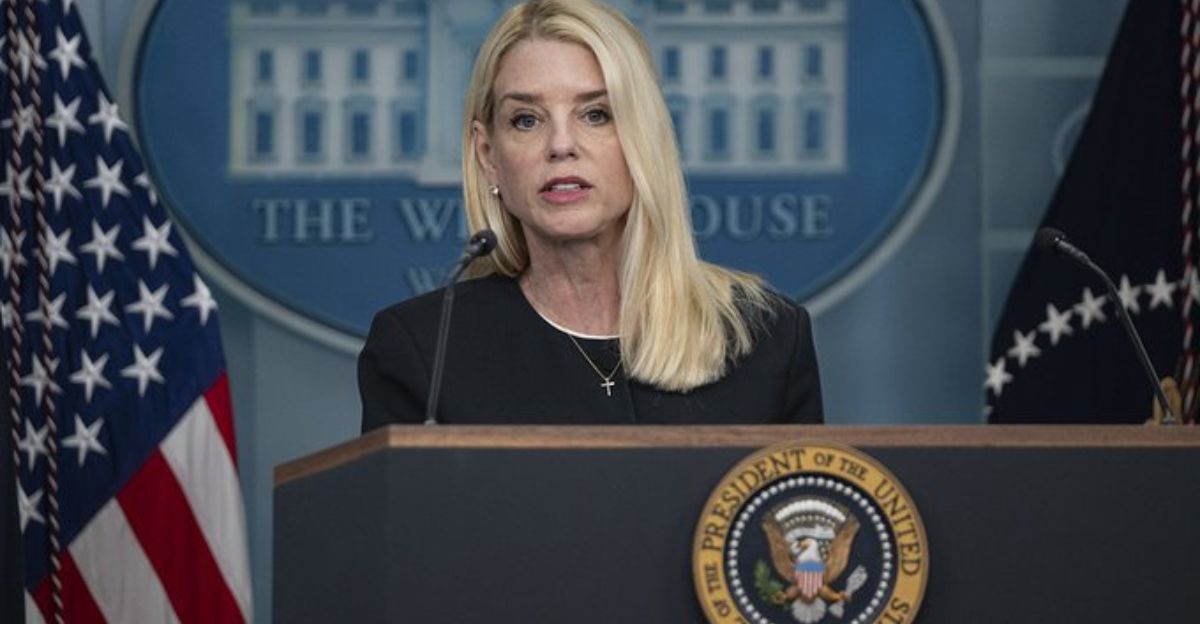
The Department of Justice (DOJ) has filed a lawsuit against Boston, alleging that the city’s sanctuary policies obstruct federal immigration enforcement. Attorney General Pam Bondi asserts that the Trust Act impedes federal efforts to detain removable aliens, intensifying tensions between state and federal authorities.
This lawsuit is a key element of a broader push against sanctuary cities signaling a shift in national immigration enforcement policy.
Highlights from the Lawsuit: Claims of Federal Overreach
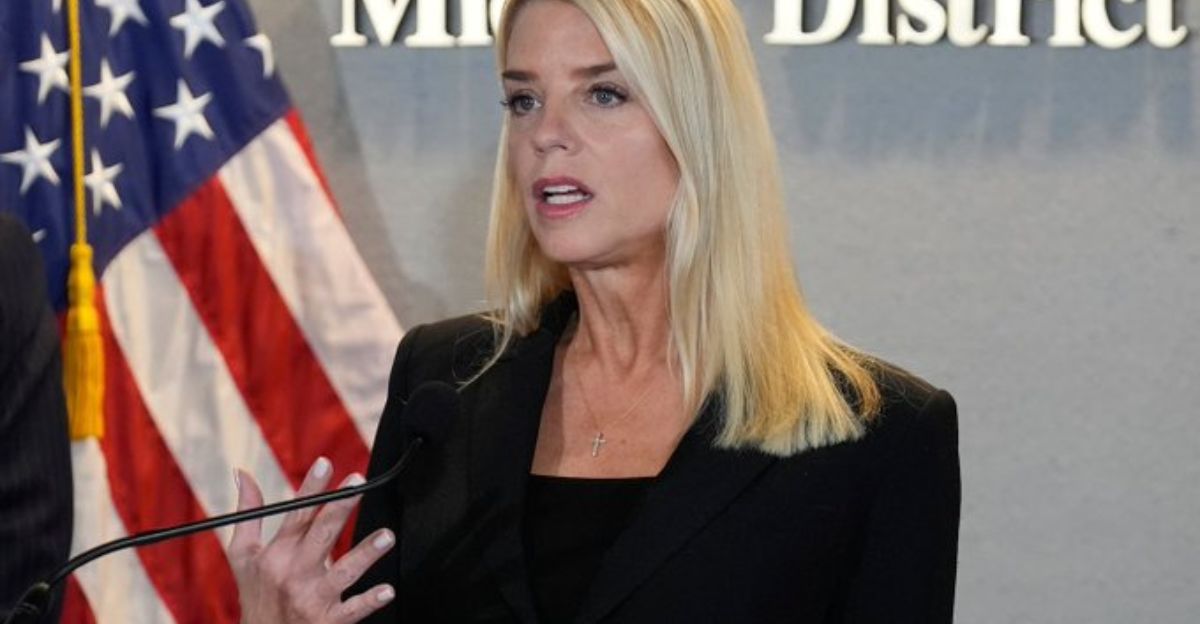
Federal attorneys allege that the Trust Act’s provisions impair immigration enforcement methods and violate the Constitution’s Supremacy Clause. They accuse Boston of creating unconstitutional obstacles that hinder the deportation of those deemed dangerous.
The lawsuit highlights the ongoing ideological clash between local autonomy and federal authority in immigration policy enforcement.
Sanctuary Policies in the Hot Seat: A Matter of Public Safety?
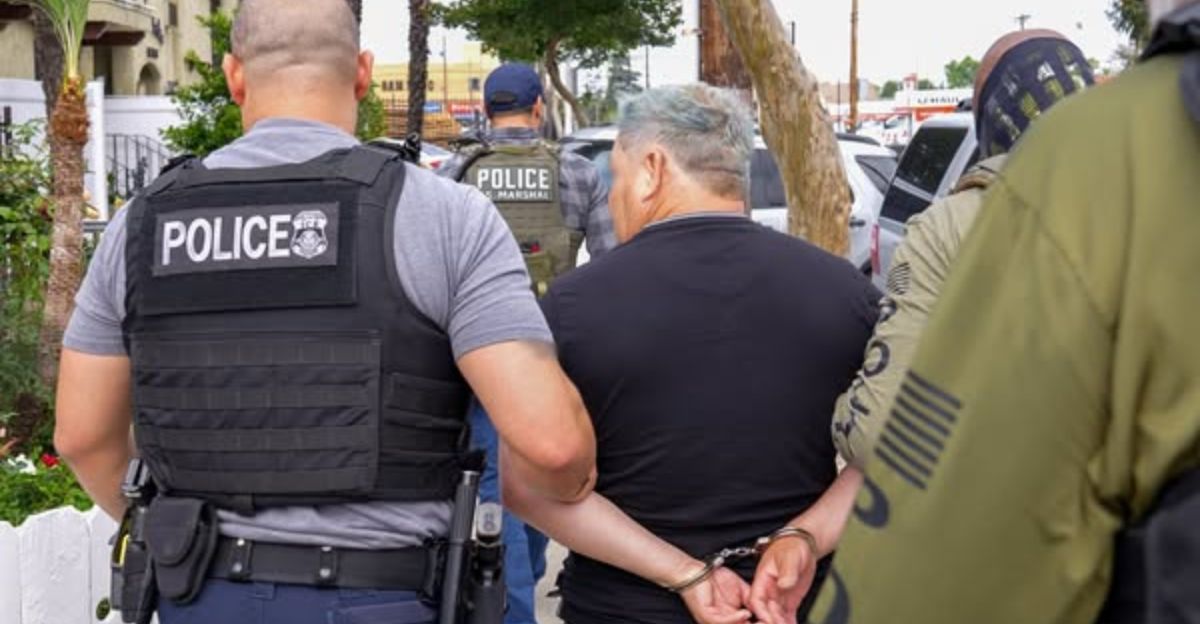
As sanctuary policies come under scrutiny, advocates raise significant concerns about their potential impacts. Critics question the alleged safety benefits, arguing that such claims are often inflated by misinformation from federal authorities.
The persistent debate continues to highlight the stark dissonance between the narratives of local governance and federal directives regarding immigration enforcement.
Immigrant Rights Groups Rally
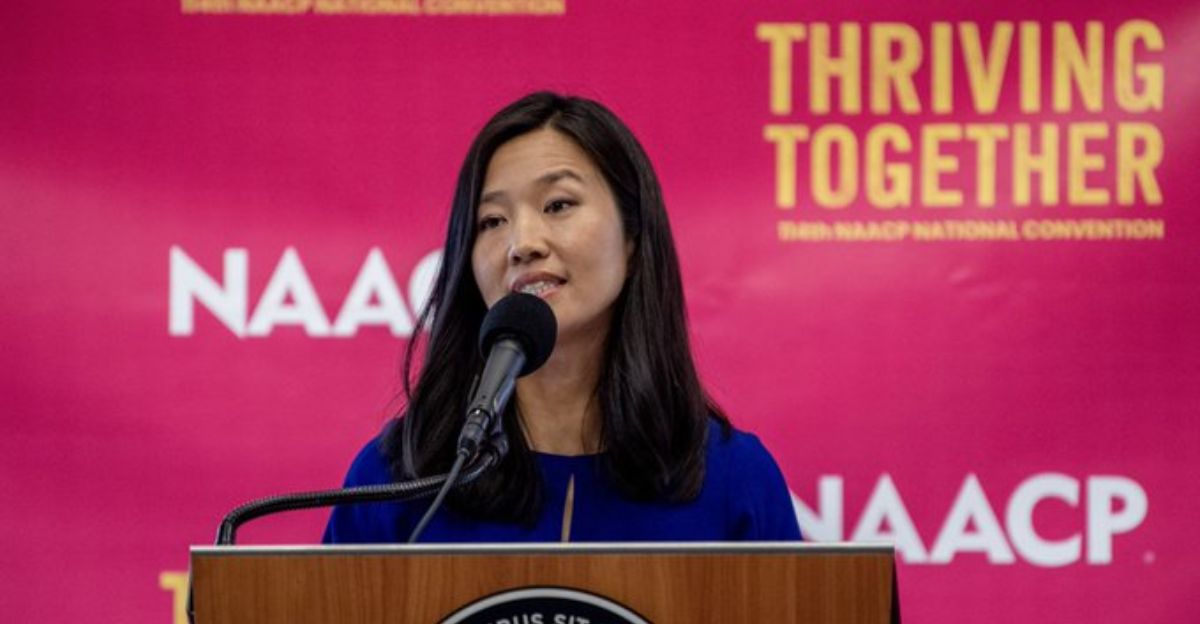
Advocacy groups are mobilizing in response to the raids, asserting the need for transparency and due process. Centers like Centro Presente have decried what they label as authoritarian tactics from the federal government.
These organizations stress the importance of community empowerment as families seek assistance and legal guidance in the wake of increasing ICE activities.
Voices from the Community: Local Reactions to the Raids
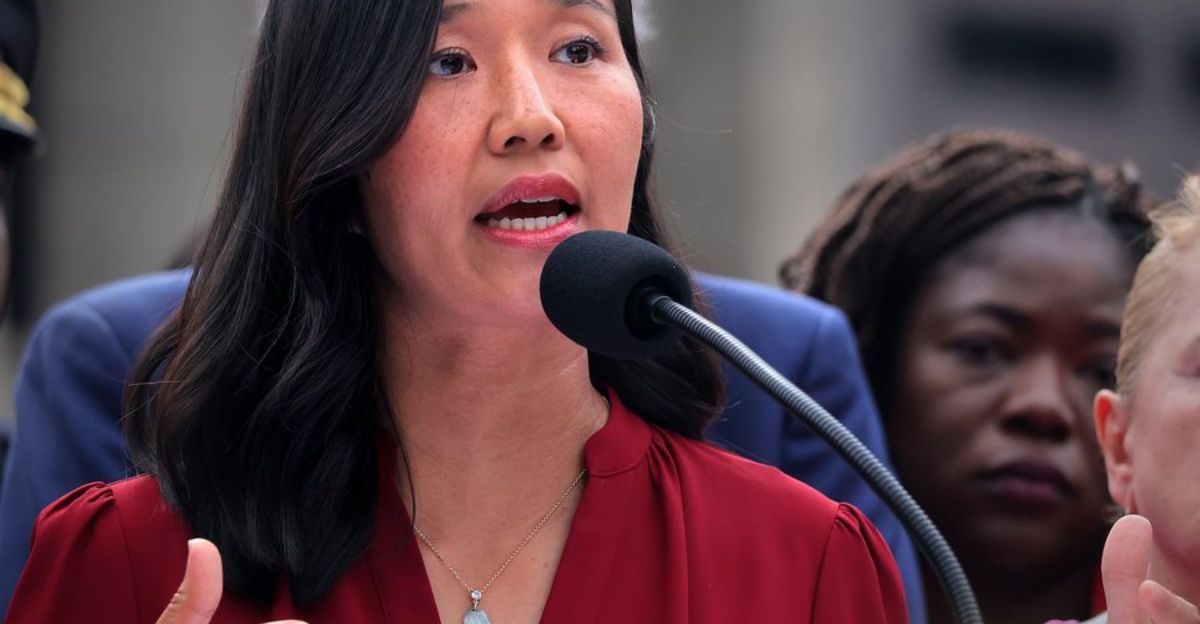
The impact of Operation Patriot 2.0 is felt throughout immigrant communities. Families report heightened anxiety over the potential for separation as enforcement actions escalate, creating a pervasive climate of fear.\n Stories like that of Kely Espinosa, who was arrested while dropping her children off, illustrate the human cost of federal immigration operations, fueling public outcry.
How Boston Is Preparing for Potential Legal Battles
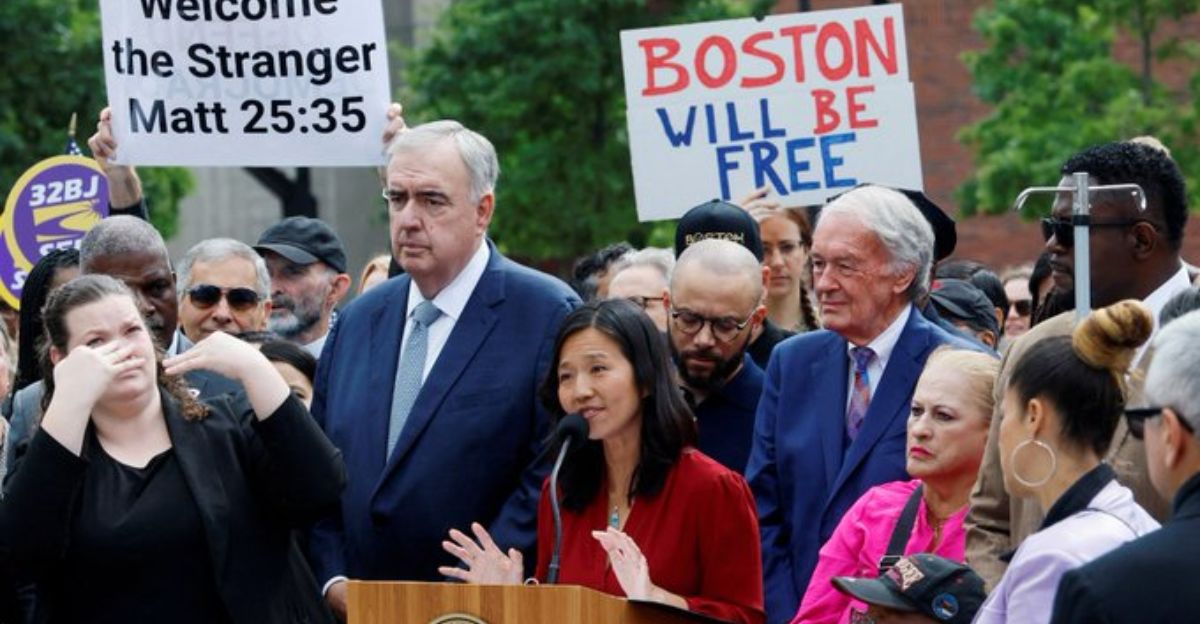
In anticipation of the legal battles ahead, Boston leaders are preparing to staunchly defend their sanctuary policies. Mayor Wu maintains that the Trust Act represents a commitment to community safety and trust over federal enforcement.
This proactive stance reflects a broader resistance among other sanctuary cities, all bracing for similar legal challenges amid the ongoing crackdown.
A National Perspective: Other Sanctuary Cities Brace for Impact
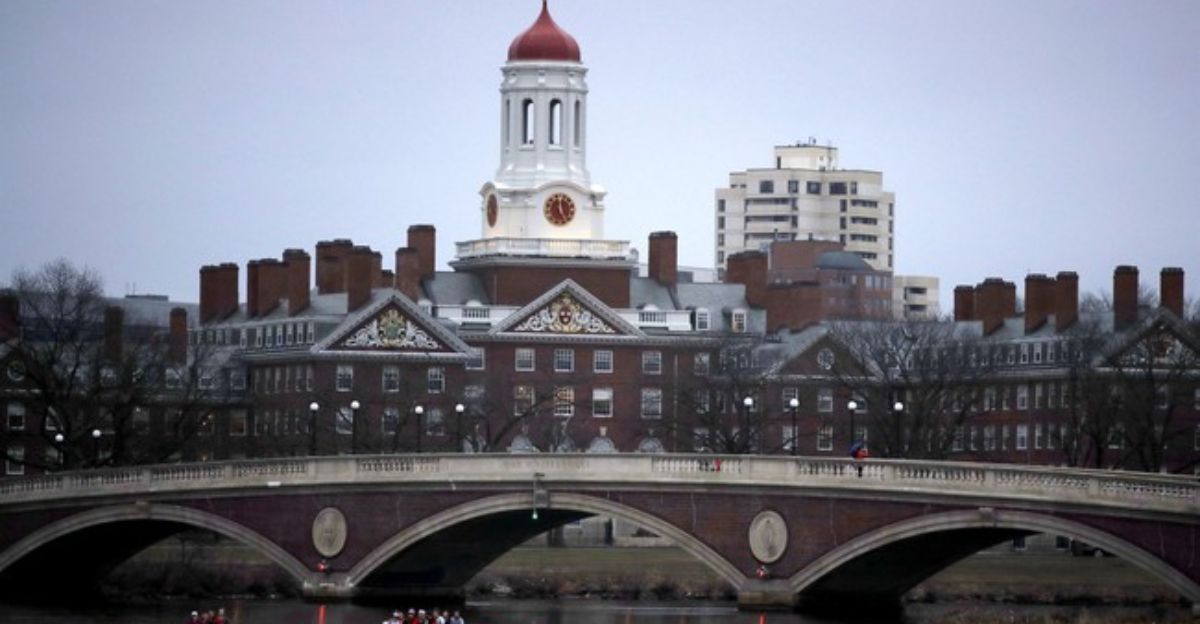
Boston’s situation is not isolated; other sanctuary cities across the nation are closely watching the developments. Each municipality grapples with its own local policies and the potential consequences of federal enforcement actions.
As cities prepare for similar legal and operational conflicts, this tension could set significant precedents nationwide regarding local immigration policy.
Implications of a Wider Crackdown
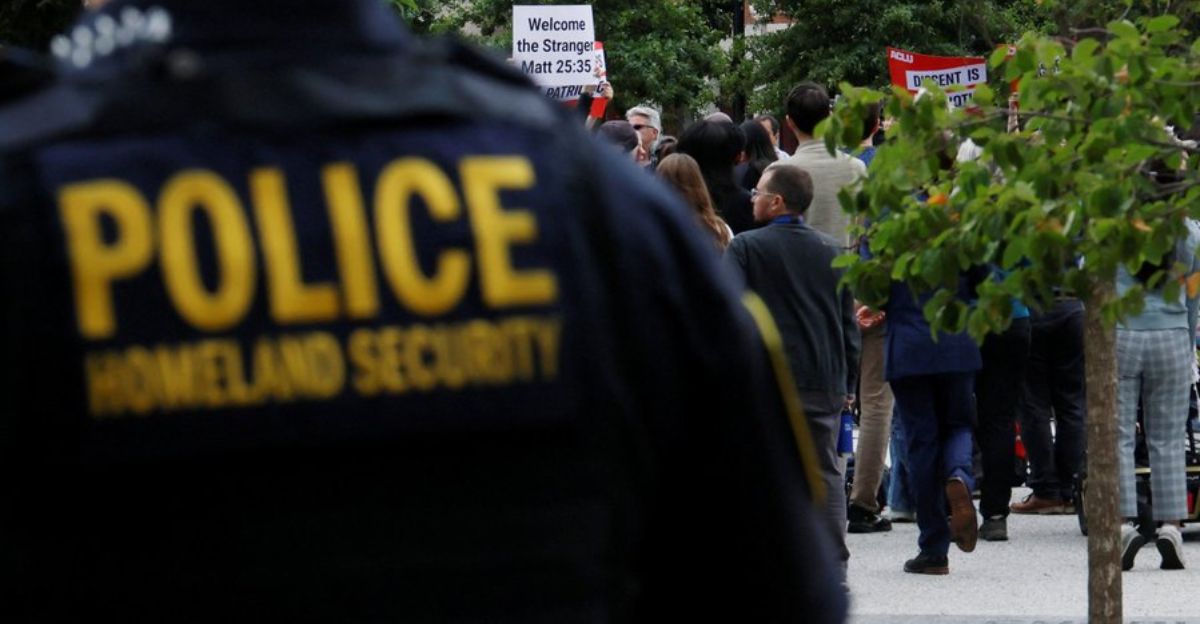
The sweeping nature of federal actions suggests that Boston may only be the beginning. Significant discussions among federal officials indicate a broader strategy aimed at dismantling sanctuary city protections across the country.
Refugees and immigrant advocates fear that a national crackdown could severely hinder protections, prompting local governments to rally for greater advocacy and support.
Tensions Rise: Federal Versus Local Authorities in the Courtroom
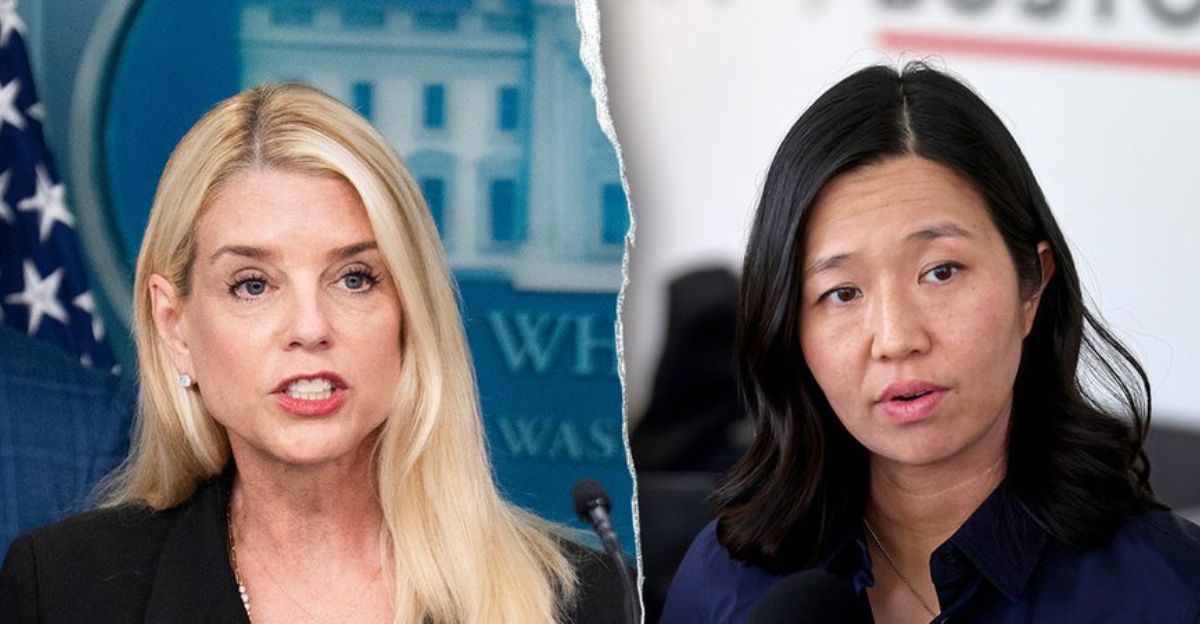
As the DOJ’s lawsuit unfolds in court, the clash between local and federal authorities intensifies. Legal interpretations of the Supremacy Clause become central to the battle over sanctuary policies.
The resolution of these cases will set crucial precedents, determining the extent of local legislative powers against federal enforcement mandates.
Impact on Immigrant Communities Highlighted
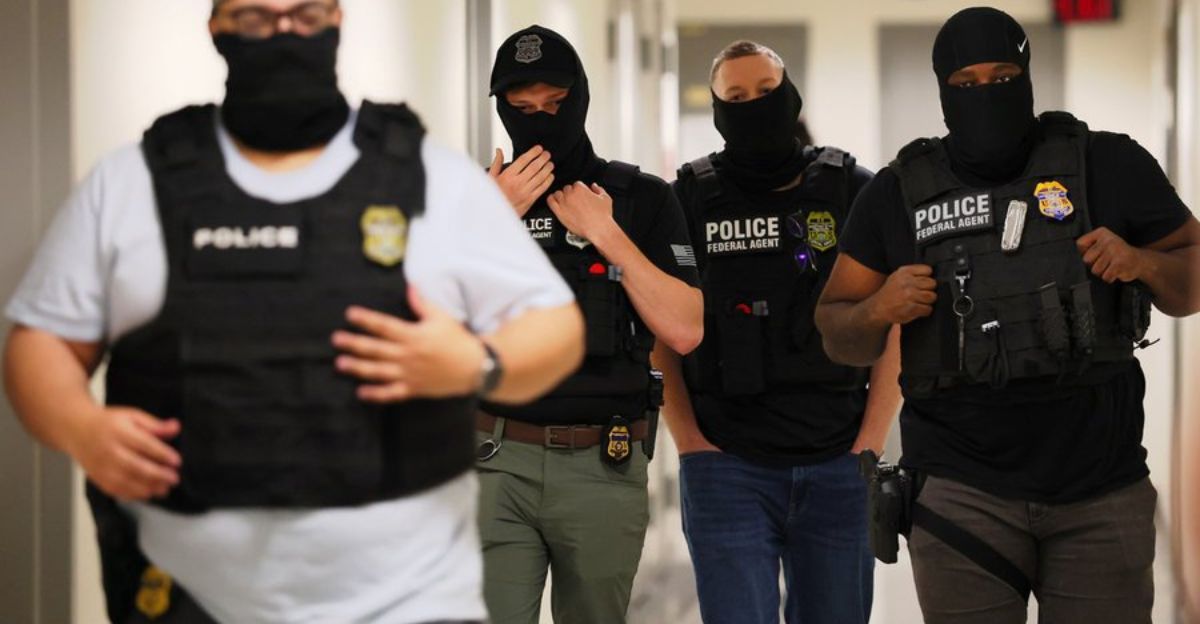
The emotional toll of enforcement actions on vulnerable immigrant communities is profound. As families navigate the complexities of these operations, fear permeates interactions with law enforcement.
The ramifications extend beyond arrests, affecting social cohesion and community trust, which are essential for effective policing.
Political Ramifications: Who Stands to Gain and Lose in This Fight?
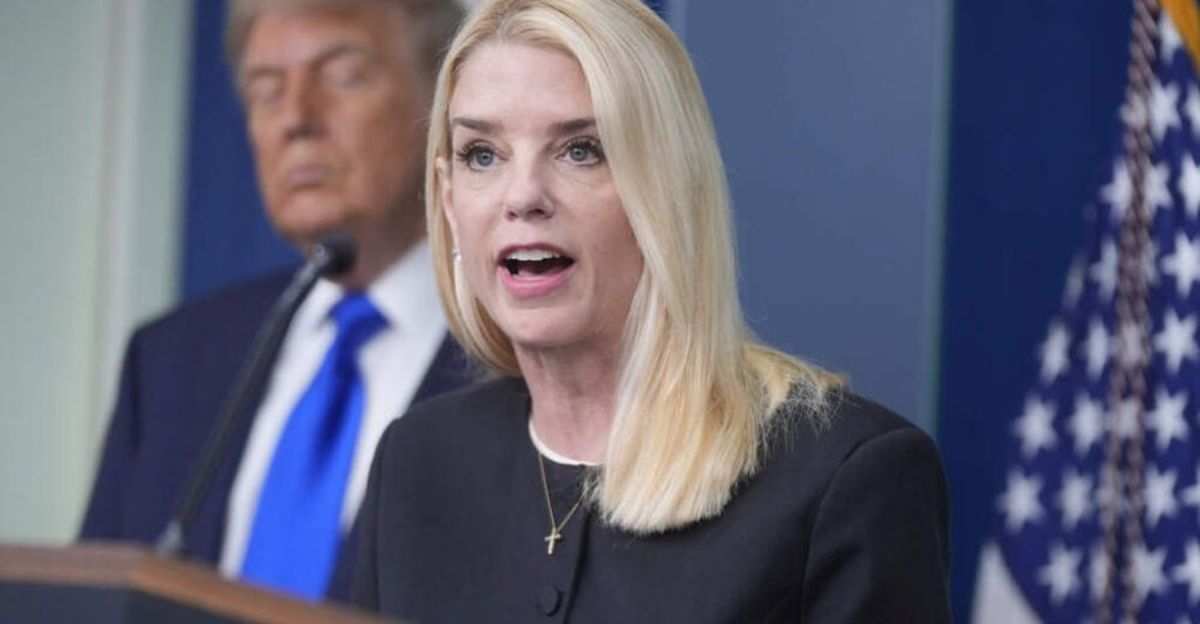
The political landscape surrounding sanctuary policies is fraught with risk and opportunity. As local leaders champion their community’s interests, federal authorities bolster their positions using enforcement as a metric of accountability.
This conflict reveals broader ideological battles, potentially reshaping political allegiances and public sentiment about immigration and enforcement.
Looking Ahead: What’s Next for Boston and Its Sanctuary Policies?
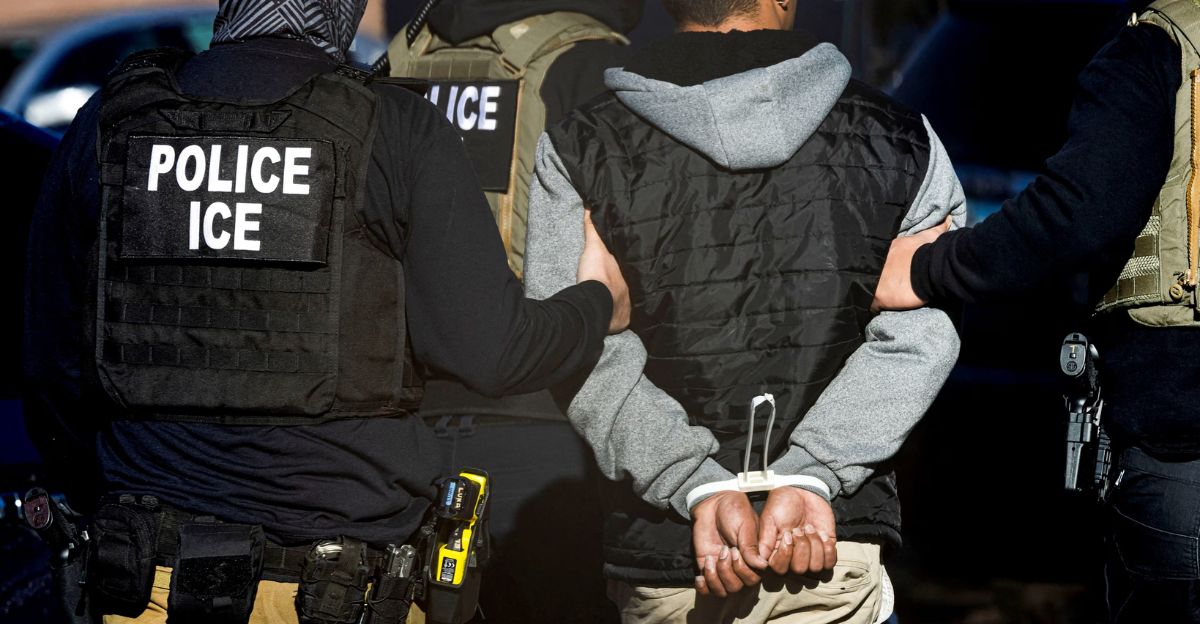
The outcomes of active litigation could reshape the landscape of sanctuary policies in Boston and beyond. Depending on court rulings, cities may see their powers either reinforced or diminished significantly.
How Boston navigates this legal quagmire will serve as an indicator of the shifting dynamics of immigration enforcement across the nation.
The Ongoing Struggle: Navigating the Immigration Enforcement Landscape
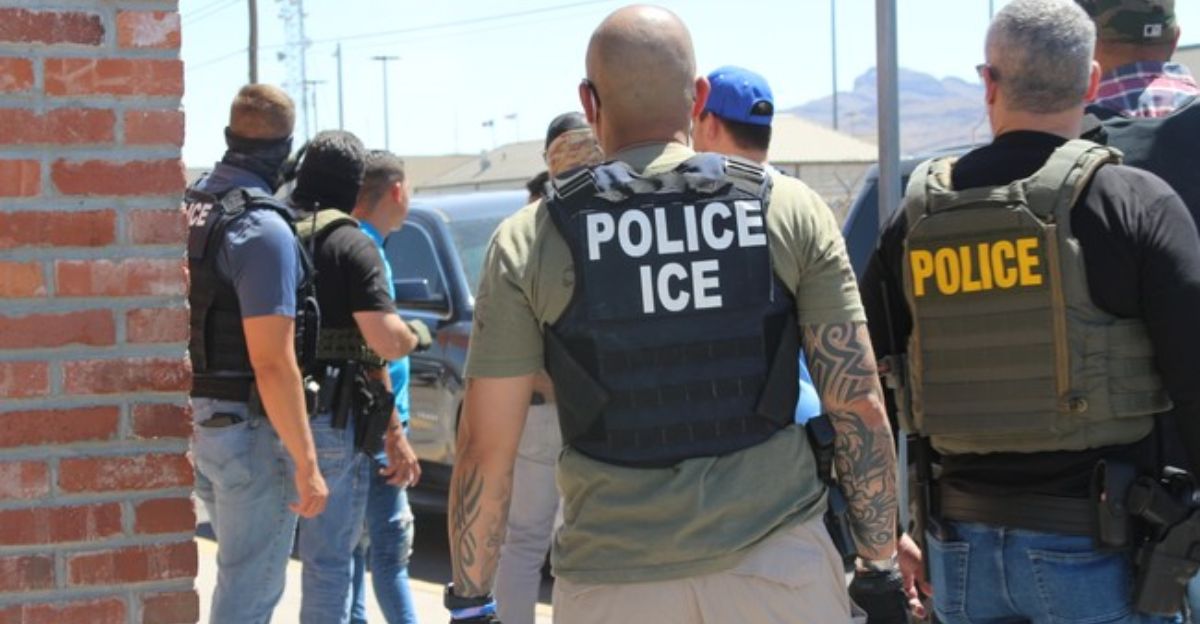
The conflict between federal immigration enforcement and Boston’s sanctuary policies encapsulates a significant chapter in U.S. immigration history. ICE’s Operation Patriot 2.0 and the legal challenges it provokes represent a critical juncture.
As the balance of power between federal and local authorities continues to be tested, the outcomes will shape the future of immigrant rights and community trust across America.