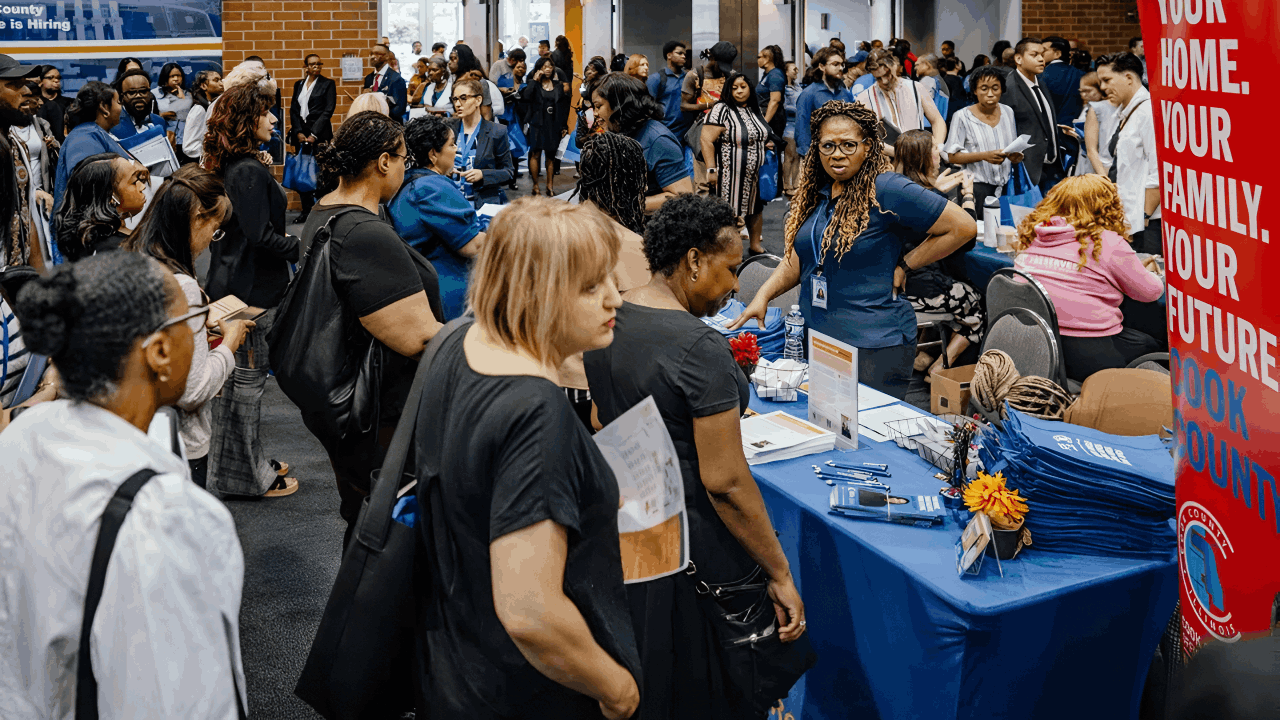
In 2025, American companies cut nearly 950,000 jobs in the first nine months—a number not seen since the peak of COVID-19 job losses in 2020.
Across the country, more businesses announced layoffs, making both employees and communities anxious about job security.
These cuts typically occur at this rapid pace only during a recession, yet official reports indicate that unemployment remains low. Why is there such a disconnect?.
The Breaking Point

On October 28, two significant job cut announcements shocked the nation: Amazon announced it would lay off 14,000 corporate workers, while UPS revealed it had eliminated 48,000 jobs—far more than initially planned.
Around the same time, Target, Carter’s, and other major companies also announced significant layoffs, surprising even career experts who had to adjust their predictions for the year.
The Comfortable Illusion
Throughout much of 2025, experts referred to the job market as “no hire, no fire.” Companies weren’t letting go of many workers, but they also hardly hired anyone.
Employees felt their jobs were safe, but those looking for work found slim pickings.
Bosses remembered how hard hiring was in 2021–23 and didn’t want to lose staff—even if business was slow.
Warning Signs Ignored

By summer, job gains dropped sharply. The U.S. created just 22,000 jobs in August—far fewer than the 80,000 expected and significantly lower than the 123,000 monthly average earlier in the year.
Reports noted that companies planned to hire 58% fewer people than they had the previous year.
The Federal Reserve, seeing slower job growth, cut interest rates, acknowledging that the economy was becoming fragile.
The Official Count

A report by Challenger, Gray & Christmas confirmed the shift: 946,426 announced layoffs by September 2025. News rounded this to nearly 950,000, the highest since 2020.
The firm forecasted that 2025 could see over a million layoffs.
Such high numbers typically only happen in bad economic years or after technology replaces many jobs.
Regional Devastation

The West, especially California, was hit hardest—primarily due to losses in the tech and retail sectors. More than 114,000 jobs were cut there.
The South and Midwest also experienced a rapid rise in layoffs, with states such as Florida and Georgia losing more jobs than before.
Target’s cuts were deeply felt in Minnesota.
Tech jobs were slashed across the country, and retail layoffs soared as stores prepared for a slow holiday season.
Human Toll

Workers like Sarah Patten, who sent out over 100 job applications after losing her job, found it much harder to get hired.
Many shared stories online about sending out hundreds of applications and hearing nothing back, even for lower-wage jobs.
Long-term unemployment rose to 1.9 million by August, almost a quarter of all unemployed Americans.
The AI Accelerant

AI and new technologies were significant reasons for recent layoffs. Amazon, Microsoft, Intel, and others replaced thousands of jobs with AI systems.
One survey showed that a quarter of tech workers felt replaced or threatened by AI.
Challenger data counted at least 17,000 jobs lost due directly to artificial intelligence, with thousands more affected by broader tech updates and automation.
Policy Paralysis
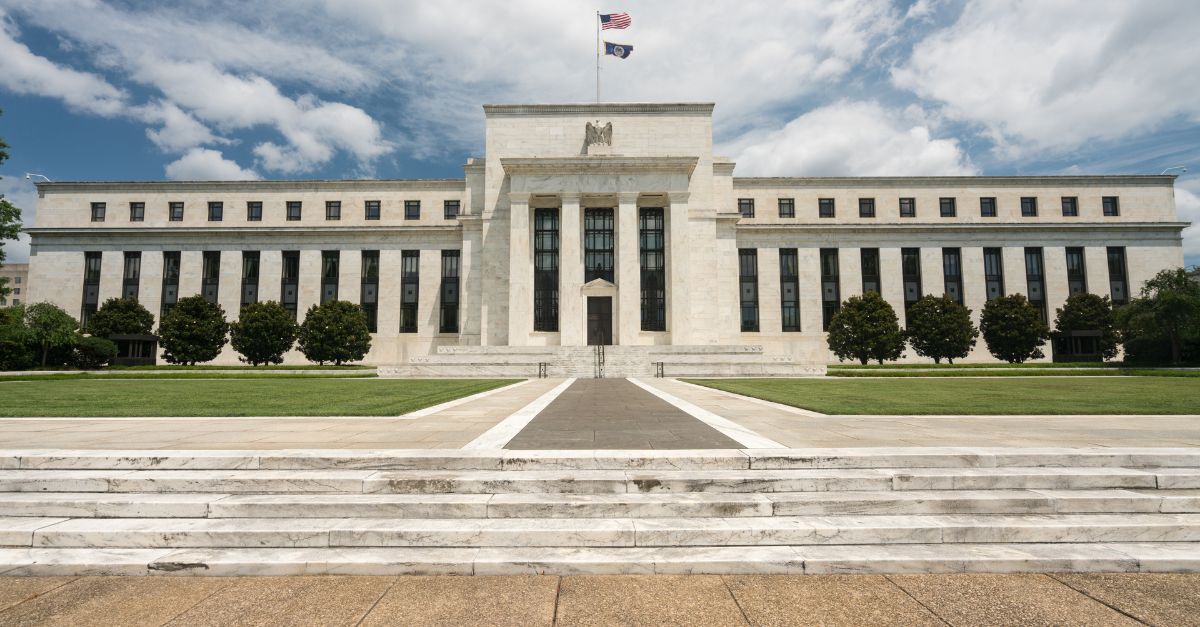
The government shutdown in October exacerbated the situation. The U.S. central bank had to make decisions without up-to-date jobs data.
More than 10,000 federal workers filed for jobless benefits as agencies considered possible layoffs.
Trade and tariff policies increased costs for companies like Carter’s and Orvis, resulting in additional job cuts and heightened hiring uncertainty.
The Era’s Death Certificate
On October 28, job market experts said the “no hire, no fire” era was over.
Significant layoffs meant that workers no longer felt secure in their jobs, and it became increasingly complex to find new employment, even as current employees faced heightened stress and workload.
Surveys showed more than half of Americans felt the job market was “bad” in October 2025.
Internal Fractures

Companies assigned extra responsibilities to remaining workers after the layoffs and froze most hiring; by mid-year, two-thirds of firms had official hiring freeze policies.
Employers shrank entry-level opportunities for young and new job seekers by more than 20% compared to before the pandemic.
Many employees felt stuck in frustrating roles with no chance to advance or change jobs.
Ownership Maneuvers

As companies struggled, CEOs changed or cut more staff, hoping for quick financial fixes.
Target, Sika, Paramount, Applied Materials, and Nestlé were just a few of the firms to announce significant staff cuts as their leaders tried to adapt to shrinking profits and rapid tech change.
False Recovery Signals

Some experts saw hope as new job growth numbers rose a little in October.
Managers said they might start hiring again in 2026, and big survey firms predicted a possible bounce-back.
However, skepticism persisted: most companies were still not hiring, and experts warned that the downturn might last another year or longer before things truly improved.
Expert Warnings

Top economists worried that the streak of layoffs could get worse, triggering a new recession.
With more jobs now threatened by AI and automation, some predict that over 10% of workers will need to find new types of work by 2030.
Reddit forums became full of people venting about not just their finances, but also the mental health costs of being unemployed for so long.
The Unanswered Question

As 2025 comes to a close, job security appears to be an illusion for many. Will interest rate cuts and new tech investments create enough jobs, or is the market heading for deeper trouble?
Almost a million families lost jobs this year, and millions more worry the “temporary freeze” will turn into a much more protracted crisis.
The coming months will reveal whether hope returns or if more Americans will be left waiting.