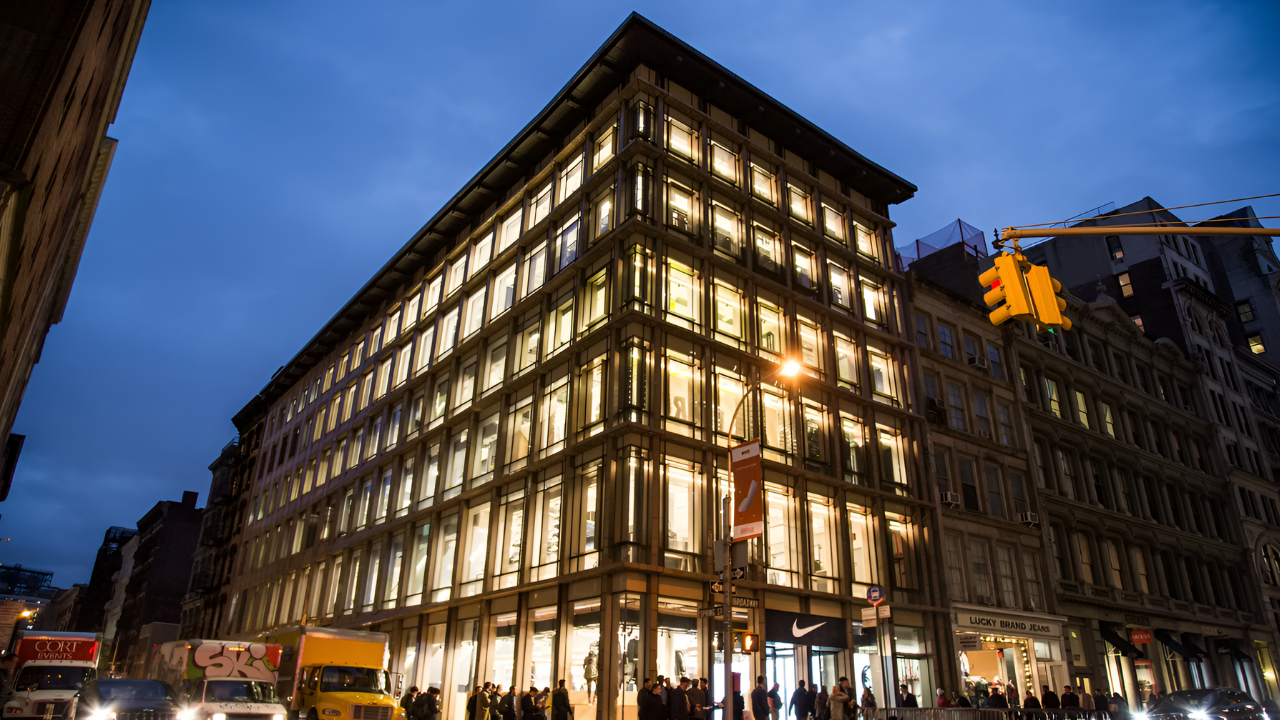
SoHo’s retail scene is changing fast. Top real estate became hard to find in Q4 2025—availability dropped below 10% for the first time. Landlords requested a 25% increase in rent over the previous year.
Now brand stores face a harsh reality: the land costs more than shoppers spend inside. Real estate rules now drive which stores survive in SoHo’s crowded district.
The DTC Mirage Unravels

Nike bet big on selling direct to shoppers online. But that strategy failed. Nike Direct sales fell 14% in Q4 2025. Digital orders dropped 26%—the seventh straight quarter down.
CFO Matthew Friend said the approach created “complexity and inefficiency.” Nike now buys back wholesale partnerships it cut before. The company realized stores matter more than it thought.
The Flagship Store Era Under Siege
Luxury flagship stores face real trouble now. Bain & Company reports monobrand retail space shrank by 25,000 square meters worldwide in 2025. New flagship stores opened at 15-20% lower rates than in 2022.
Oddly, new flagships built are 30% bigger on average. Brands now think bigger or quit retail entirely. Every square foot matters to the bottom line.
When Ownership Changes the Equation

Owning property reshapes retail power. Ingka Group owns stores in London’s Oxford Street, Paris’s Rue de Rivoli, and now Manhattan. The company controls real estate instead of renting.
This lets IKEA remove long-term tenants when plans change. Nike’s decade at 529 Broadway mattered less than IKEA’s own growth plans.
Nike Permanently Closes SoHo’s 5-Floor Shrine After $213M IKEA Takeover
Nike closed its five-story flagship at 529 Broadway on January 10, 2026. The store had been open for nearly ten years across 55,000 square feet. Ingka Group (IKEA’s parent) bought the 1853 Prescott House Hotel building for $213 million in September 2025.
IKEA plans to open a furniture store and office space. Nike opened the location in November 2016 as the “Future of Sport Retail” with basketball courts and treadmills for testing shoes.
New York’s Sneaker Pilgrims Lose Sacred Ground
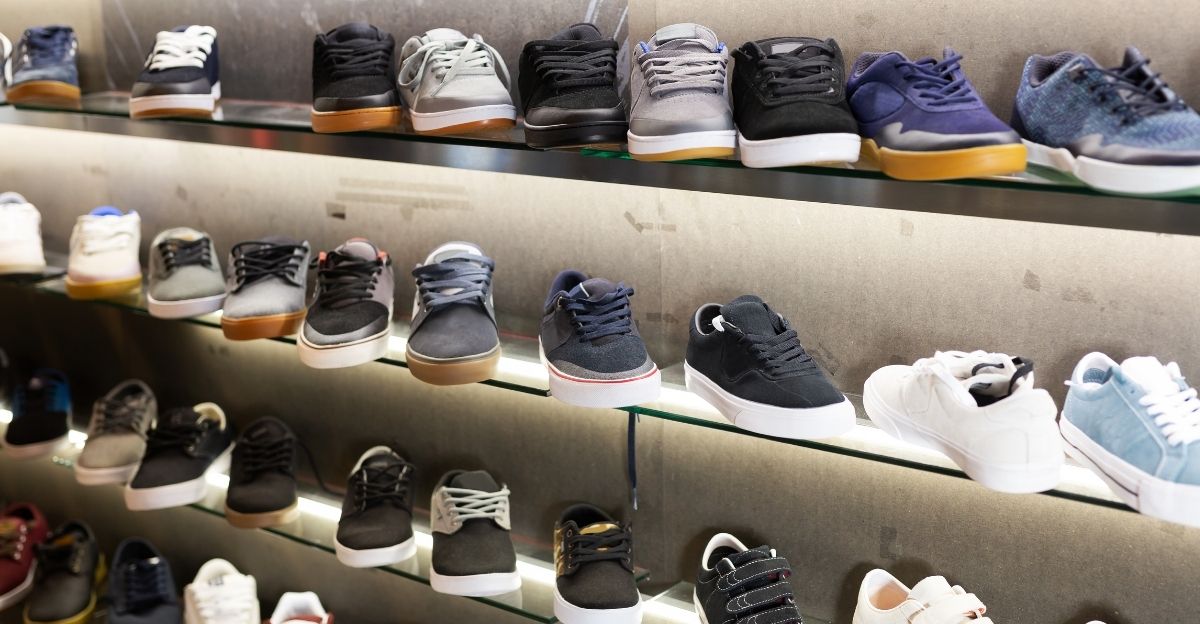
The SoHo closure ends more than retail. Since November 2016, sneaker fans saw the store as a “brand shrine.” Collectors and resellers traveled from across North America.
The five-floor design held exclusive product drops and member-only zones. Sneaker Freaker magazine described it as a pilgrimage site for the sneaker community, built on genuine connections.
The Erasure of Experiential Retail

Nike SoHo refused to be just a checkout counter. The store had real basketball half-courts on multiple floors. Treadmills measured how shoppers ran in new shoes. Sensor zones enable customers to test products before making a purchase.
The “Future of Sport Retail” model required extensive space and complex operations. IKEA’s furniture model needs quick browsing and fast shipping. The five floors will be converted into a simple retail space.
The Broader Retail Bifurcation Trap
Nike closes during a brutal market shift. Bain’s analysis categorizes luxury into two groups—ultra-luxury brands like Hermès and value-oriented shops like Walmart.
Mid-tier brands like Nike get crushed from both sides. Gucci and Target face profit pressure. Shoppers either hunt bargains or splurge on prestige. Nike’s retreat from SoHo reflects this split between the worlds.
IKEA’s $2.2 Billion Bet on Urban Expansion

IKEA’s parent company spent over $2.2 billion on city-center properties, as announced in 2023. Ingka Group now owns prime real estate in Paris, London, New York (Fifth Avenue and SoHo), Vienna, and Madrid. The company shifts away from suburban warehouses.
This reflects real change: 64 million tourists and visitors came to New York in 2025. Urban property now matters for mixed-use stores and community spaces.
Manhattan’s Premium Real Estate Is Pricing Out Retail Altogether
SoHo rents now destroy retail profit models. JLL’s Q4 2025 data shows that SoHo asking rent jumped to $584 per square foot per year. That results in most retail stores losing money at normal markups.
SoHo gets over 12.2 million visitors yearly. Yet high rent costs exceed what retailers earn from foot traffic. Only mega-brands and developers like IKEA can pay these prices. Mid-market stores like Nike get pushed out.
Nike’s Wholesale Capitulation

The SoHo closure shows a bigger Nike collapse. Nike cut wholesale stores for ten years. Under CEO John Donahoe, Nike removed ties with Urban Outfitters, Zappos, and Dillard’s. The company wanted full control and bigger profit margins. Nike Direct hit $18.7 billion by 2022.
But FY2025 broke the strategy: wholesale fell 9% and DTC dropped 14%. Shoppers want easy access, not artificial scarcity.
The Footnote of an Era: Fifth Avenue Survives, SoHo Falls

Nike kept its Fifth Avenue global flagship store. That location justified high rent costs. SoHo, a mid-premium experience store, occupies a dying category. The rent drains resources, but the store isn’t exclusive enough.
Ultra-premium locations (luxury districts, airports) absorb high rent more easily. Mid-tier locations struggle. SoHo moved from a fashion hub to a real estate asset. Nike’s cultural landmark became economically dead.
Sneaker Culture Adapts—But Community Space Shrinks

Sneaker resale thrives online on StockX, GOAT, and Stadium Goods. The global sneaker market hit $78.59 billion in 2021. Growth projections indicate a 5.2% yearly increase through 2030.
But sneaker culture loses physical gathering spaces. Collectors once shared knowledge and authenticated shoes in person. Pop-up shops replace permanent locations. Communities built on real spaces now interact purely through screens and apps.
Expert Skepticism: Can Nike Rebuild Trust?

Nike insiders buy stock, showing confidence. However, the company faces significant challenges: AG’s Cloud technology is innovating faster, tariffs are squeezing profit margins, and DTC returns are continuing to decline.
The SoHo closure signals retreat, not strength. Nike admits its decade-long real estate control strategy failed. Rebuilding trust means rethinking how brands build community. Physical space now costs too much for most companies.
The Unanswered Question: Who Gets to Stay in the City?

Manhattan retail rents rise 25% yearly as space gets scarce. One question emerges: which brands stay in top locations? The answer favors those with real estate portfolios, strong e-commerce, or ultra-luxury prices. Mid-market brands may soon exit their owned flagship retail locations.
Nike earns $32 billion-plus yearly. If Nike cannot hold five floors in Manhattan, what happens to smaller brands? The SoHo “sneaker temple” closure signals a larger shift in how brands build community when real estate costs disconnect from store profits.
Sources:
- JLL and Connect CRE, Q4 2025 Real Estate Report, January 11, 2026
- Clickz, Nike’s FY25 Results Show the Cost of Complexity, October 8, 2025
- Bain & Company, Finding a New Longevity for Luxury, December 17, 2025
- Hypebeast, Nike SoHo NYC Flagship Store Officially Closed, January 10, 2026
- Ingka Group Newsroom, New IKEA Store to Open in Manhattan’s SoHo Neighborhood, September 30, 2025
- Robin Report, Retail Real Estate Redefined, October 26, 2025