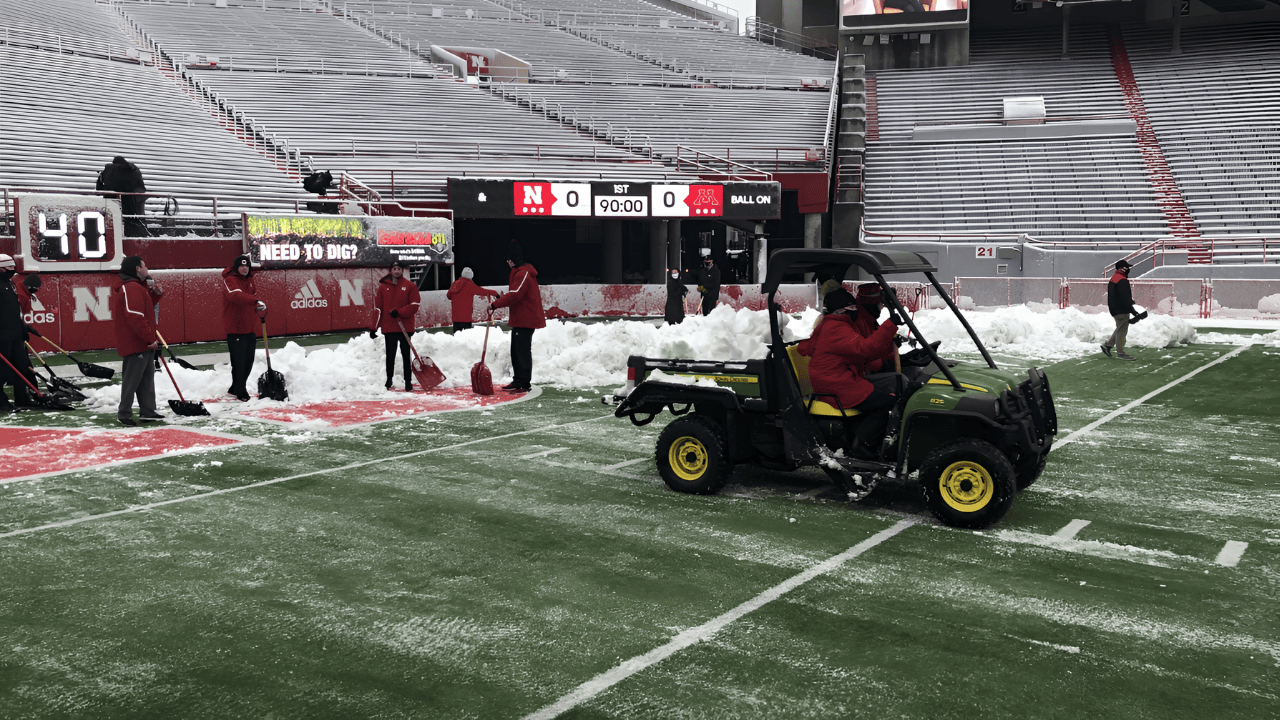
As temperatures plummet on Sunday, December 14, three NFL cities brace for life-threatening cold. Fans entering Soldier Field, Paycor Stadium, and Arrowhead Stadium are hit by frigid winds and bitter temperatures, with frostbite becoming a real threat.
The National Weather Service (NWS) has warned that exposed skin could freeze in minutes, transforming the excitement of a game day into a race against the clock for survival. What will happen when nearly 200,000 fans are exposed to these conditions? Here’s how this dangerous cold could change the outcome of the day.
The Cold Danger Escalates

The NWS urges fans to layer up, cover exposed skin, and limit their time outside as temperatures continue to plummet.
Wind chills will amplify the risk of frostbite and hypothermia, especially for those sitting in metal stadium stands. The combination of freezing air and relentless winds means fans will face dangerous conditions even before the game kicks off.
Arctic Cold Hits Three Cities

Forecasts have identified three cities for extreme cold: Chicago, Cincinnati, and Kansas City. All three games are set for December 14, 2025, coinciding with the coldest part of the Arctic air mass.
In Chicago, the gametime temperature is forecast to be 8°F. Cincinnati is expecting temperatures around 10°F, while Kansas City will face temperatures in the teens. Wind chills, however, will be even worse.
Three Stadiums, One Frigid Day
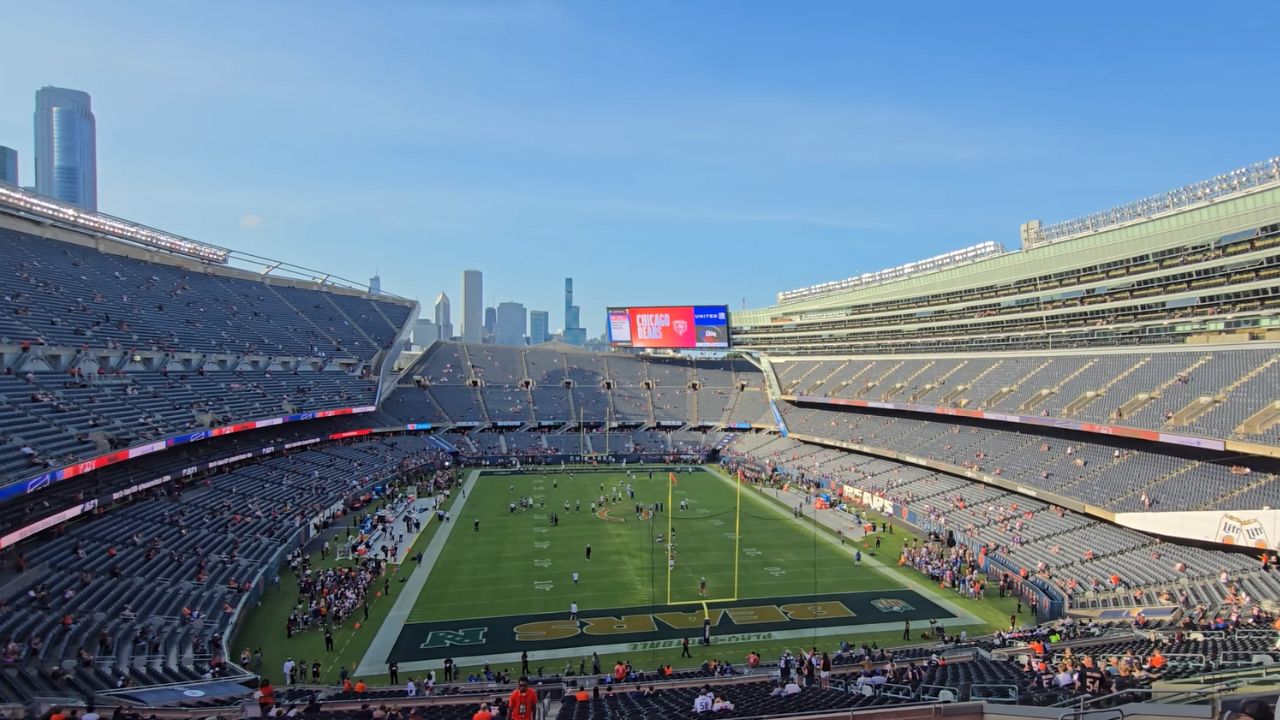
Soldier Field in Chicago, Paycor Stadium in Cincinnati, and Arrowhead Stadium in Kansas City will host approximately 200,000 fans under perilous conditions.
Fans will face bitterly cold air, potentially leading to rapid frostbite if they aren’t prepared. The outdoor games present significant health risks as the temperature drops lower than many are accustomed to.
NWS Issues Stern Warning
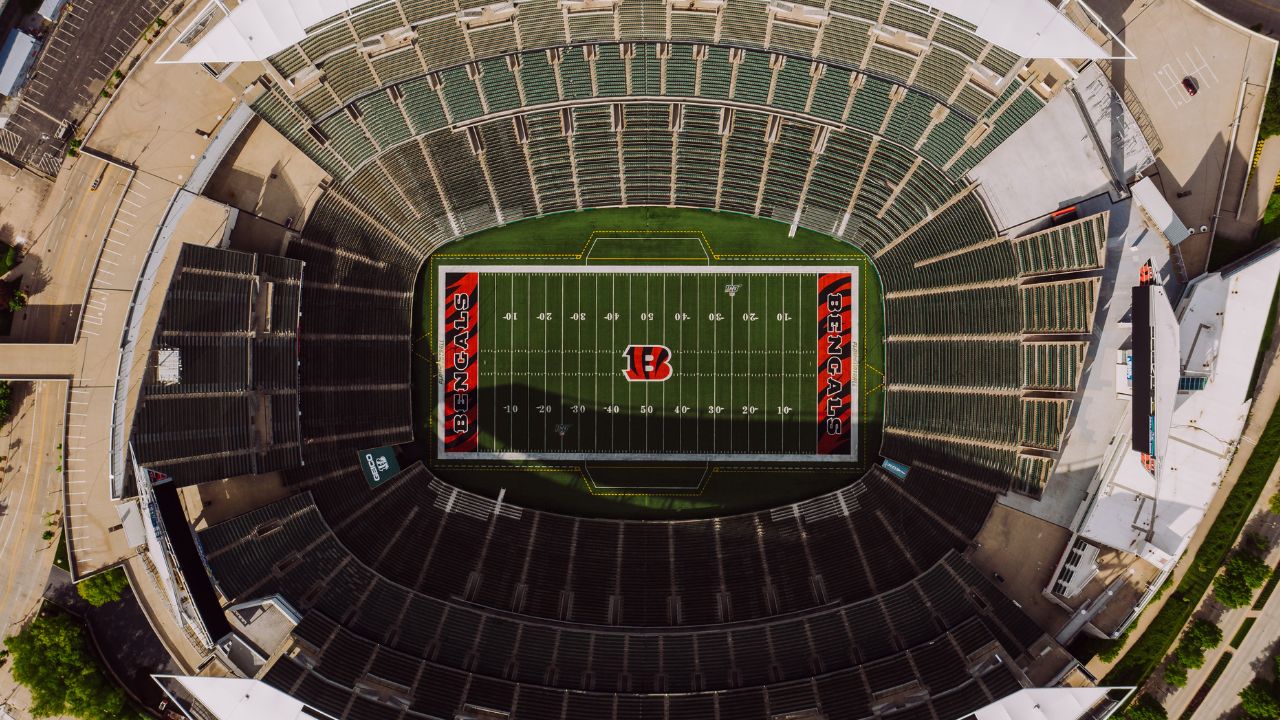
The NWS has issued urgent cold-weather warnings for all three cities, advising fans to dress in layers and cover all exposed skin.
The agency warns that prolonged exposure to freezing temperatures could lead to frostbite or hypothermia. The NWS encourages fans to limit their outdoor time and to seek medical attention at the first signs of frostbite.
Chicago’s Bitter Winds
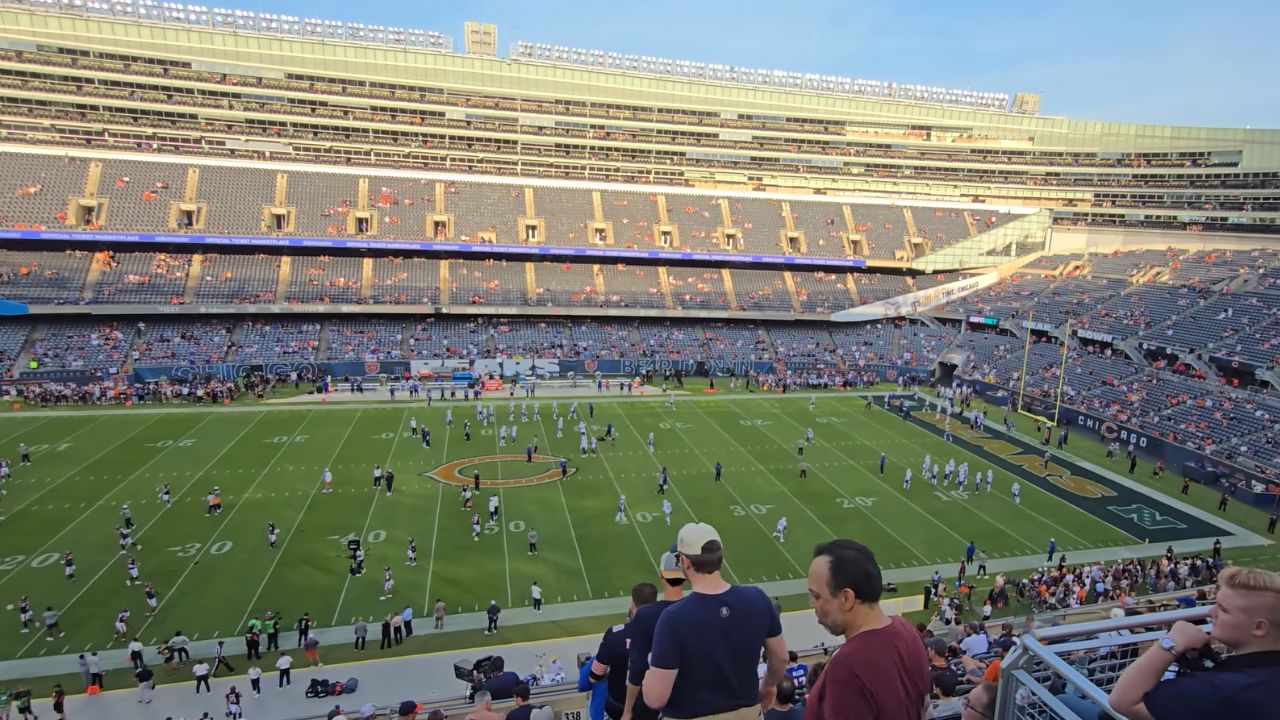
Soldier Field, located near Lake Michigan, is particularly vulnerable to harsh winds. With gametime temperature of 8°F, fans sitting near the lake or in upper decks experience harsh conditions.
The risk of serious cold-related injuries is high, especially for those unprepared for the conditions.
Cincinnati’s Frigid Night
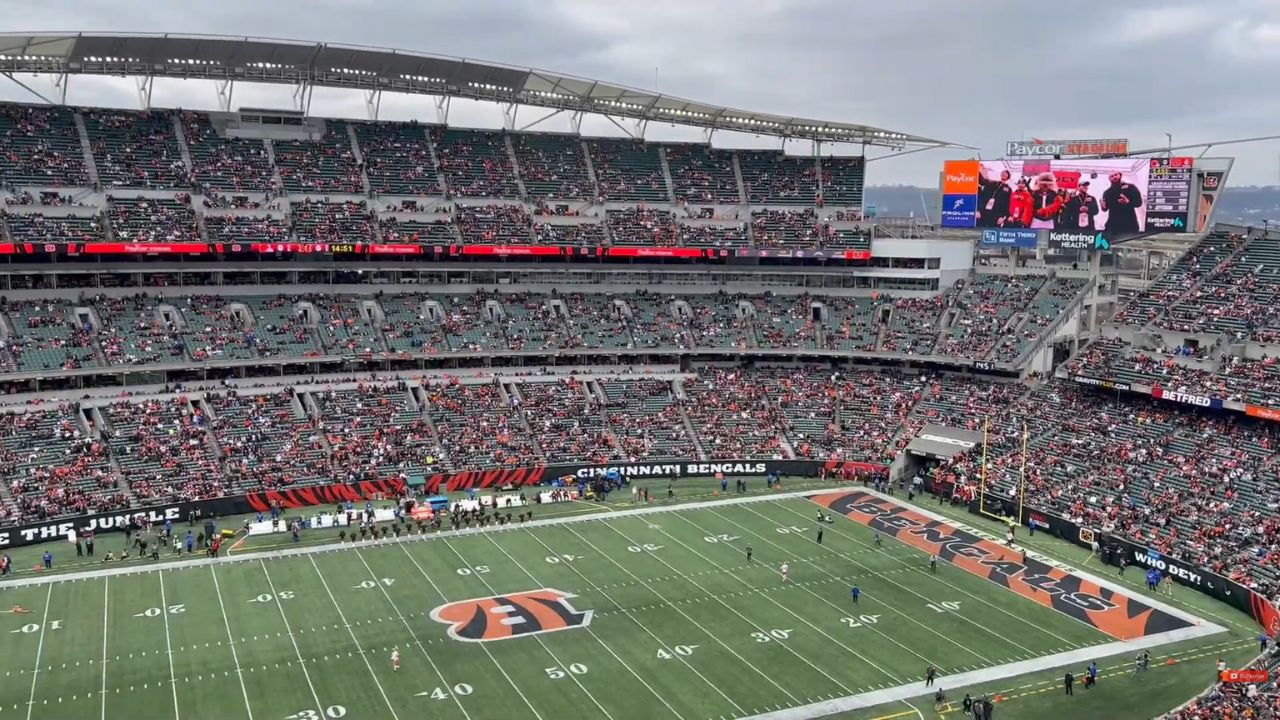
In Cincinnati, the forecast is similarly grim. With temperatures around 10°F and dangerous wind chills falling below zero, Paycor Stadium will see dangerous conditions for the Bengals–Ravens game.
The NWS regularly issues cold warnings when temperatures dip this low, urging fans to take precautions before attending games. This Sunday’s forecast falls squarely within that high-risk zone.
Kansas City’s Chilly Forecast
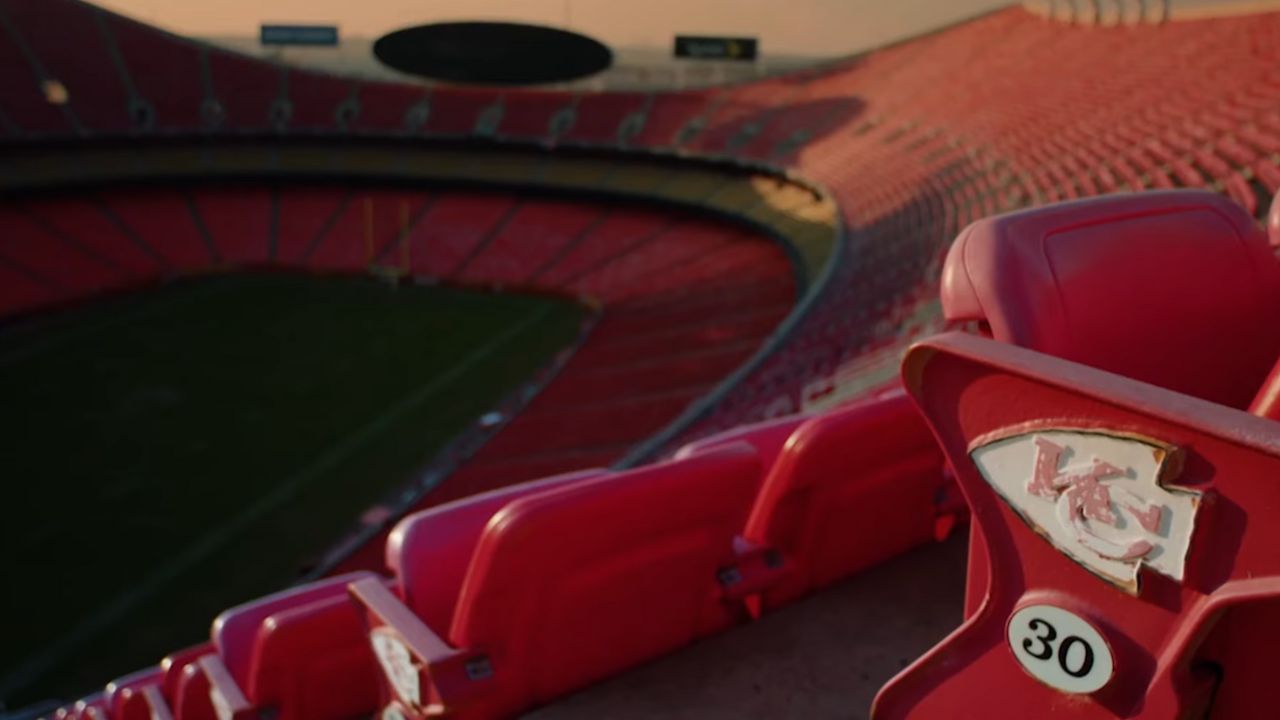
Kansas City will experience freezing conditions, with Arrowhead Stadium’s game posing serious health risks.
Fans are at risk of frostbite if they aren’t dressed appropriately. The extended game time continues to pose serious health risks despite the outdoor setting.
Frostbite During Playoffs

Kansas City fans are all too familiar with the dangers of cold weather at NFL games. In January 2024, dozens of frostbite cases were treated during a playoff game, with 12 people requiring amputations—mostly fingers and toes.
The NFL has seen the consequences of extreme cold firsthand, and Sunday’s games represent another high-risk event.
Hidden Injuries from Cold

The effects of frostbite aren’t always immediately apparent. In Kansas City, doctors noted that frostbite damage could take days or even weeks to become fully evident.
Fans may not realize the severity of their injuries until it’s too late, meaning many may face long-term health issues after the game.
Fan Safety Must Come First

As outdoor games proceed in hazardous conditions, fans bear the primary responsibility for preparing for life-threatening cold. Team officials have taken steps to provide safety reminders, but ultimately fans must make individual decisions about attending.
League officials recognize NWS guidelines when assessing dangerous conditions, though the NFL currently has no minimum temperature threshold for postponing outdoor games.
Team Safety Measures
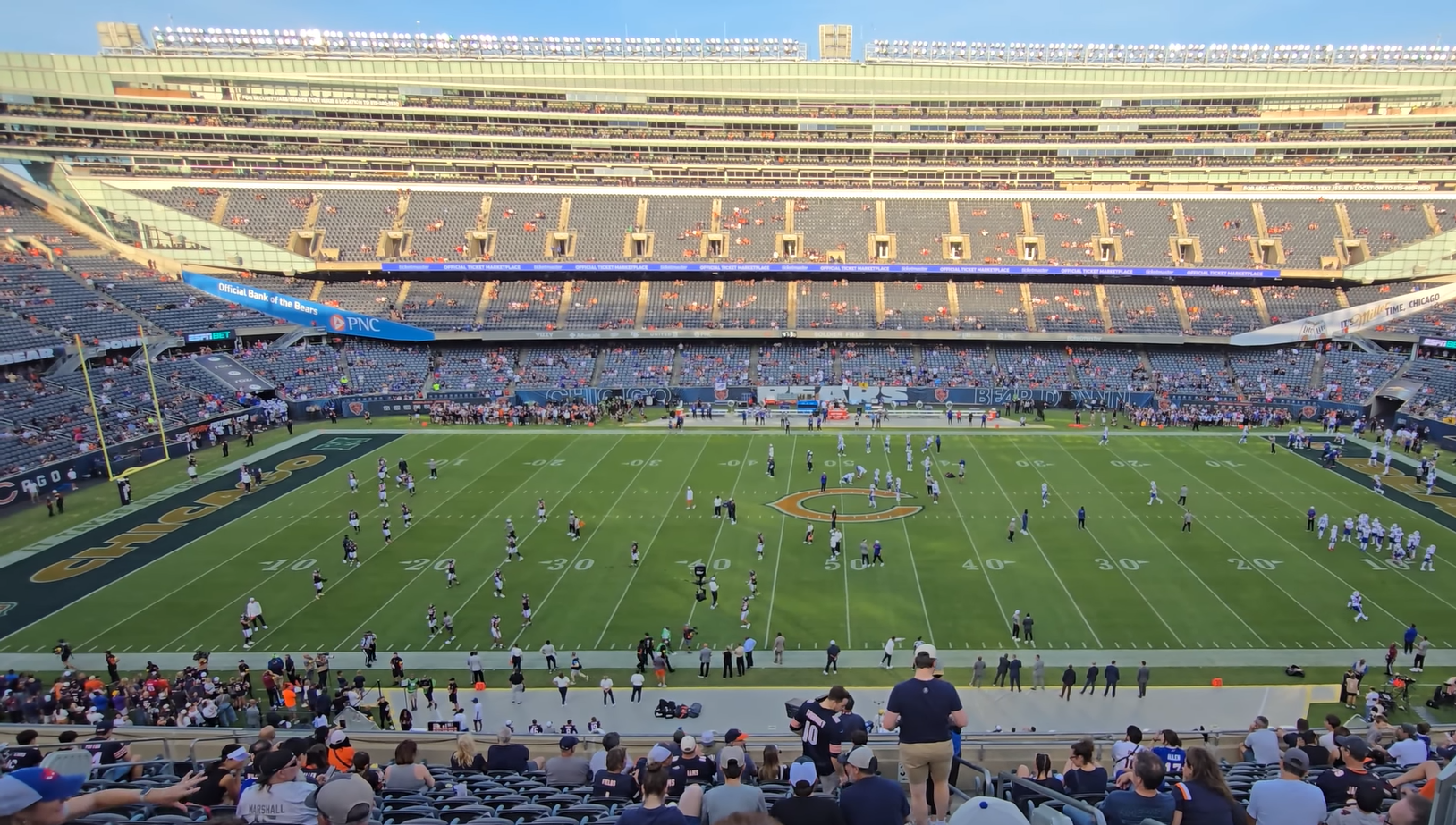
Ahead of these cold-weather games, NFL teams worked to provide safety reminders to fans. The Chicago Bears, for example, shared guidance on proper layering, approved heating clothing, and restrictions on certain items like cardboard seat covers.
However, the responsibility remains on fans to prepare for the dangerous conditions.
NFL Safety Guidelines
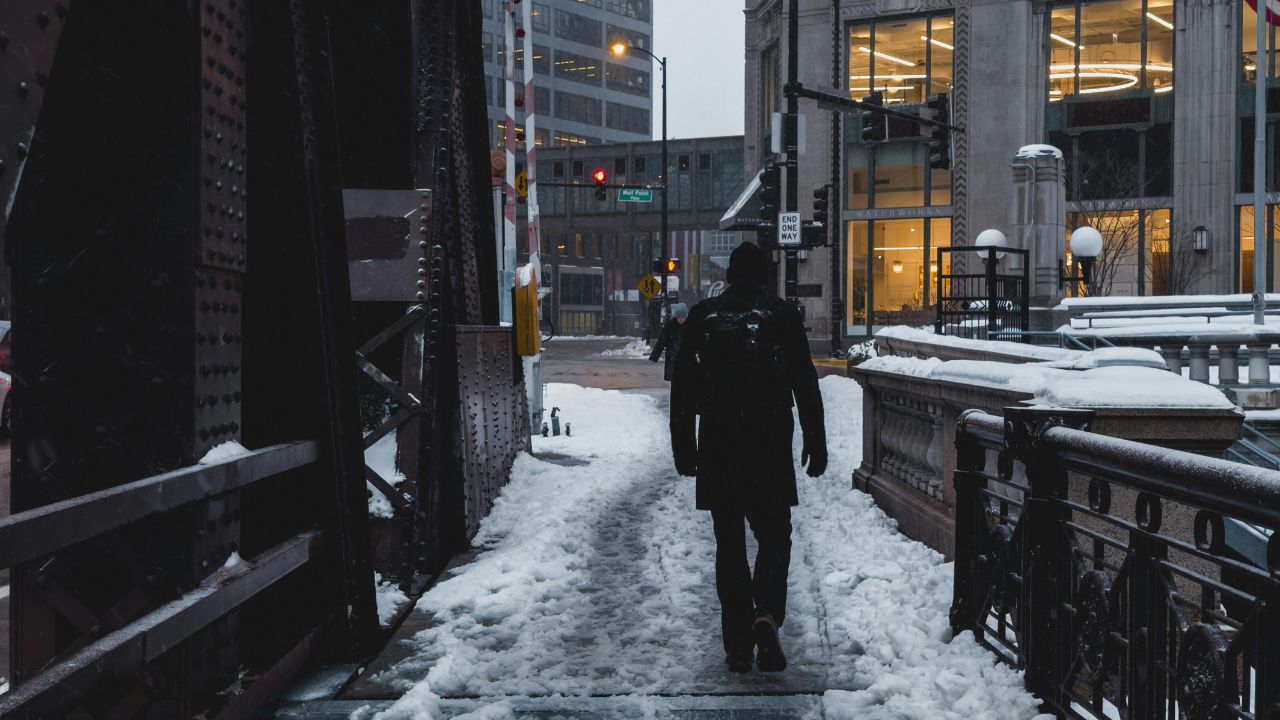
For cold-weather conditions, safety experts recommend proper layering, wind protection, and adjusted precautions.
The same principles apply to NFL fans: wearing multiple layers, dry socks, gloves, and face coverings are essential for minimizing frostbite and hypothermia risk.
Weather’s Impact on the Game

Cold weather doesn’t just affect fans; it also impacts the game itself. As temperatures dip below 25°F, passing production and field goal accuracy decrease, while running games become more effective.
This shift in dynamics could favor teams with strong defenses and running attacks, altering the outcome of these critical games.
Future Protocols?

As the NFL faces an increasing number of cold-related incidents, the question remains: Will stronger protocols emerge?
With injuries and amputation risks rising, will the league reevaluate its stance on playing games in extreme cold? Or will responsibility continue to fall on fans to prepare for the risks when Arctic Sundays return?
Sources:
“National Weather Service Issues ‘Warning’ For 3 NFL Games.” Yahoo Sports, 14 Dec 2025.
“Some Chiefs fans needed amputations after frigid game.” ESPN, 8 Mar 2024.
“Quantifying The Impact Of Temperature And Wind On NFL Performance.” Claremont McKenna College Scholarship Repository, 2014.
“Cold Weather Advisory.” National Weather Service Kansas City/Pleasant Hill, 14 Dec 2025.