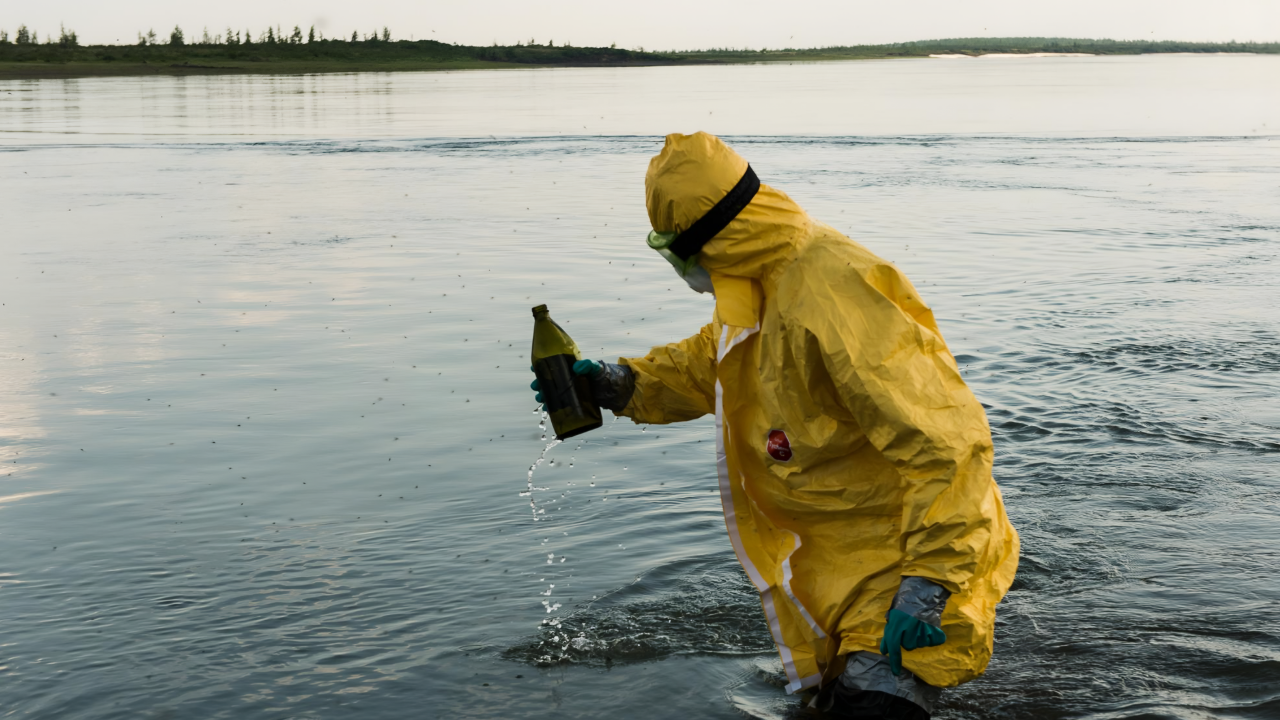
A fisherman’s social media post recently set off alarm bells in New Hampshire’s lake district. What began as a casual photo of a strange catch from Newfound Lake quickly escalated into a full-scale ecological alert. Biologists, prompted by the image, confirmed the presence of spiny water fleas—a tiny, invasive crustacean with a reputation for upending freshwater ecosystems. The discovery has exposed a silent invasion that threatens not only the lake’s delicate balance but also the livelihoods and traditions of the surrounding community.
A Digital Discovery Unmasks a Hidden Threat
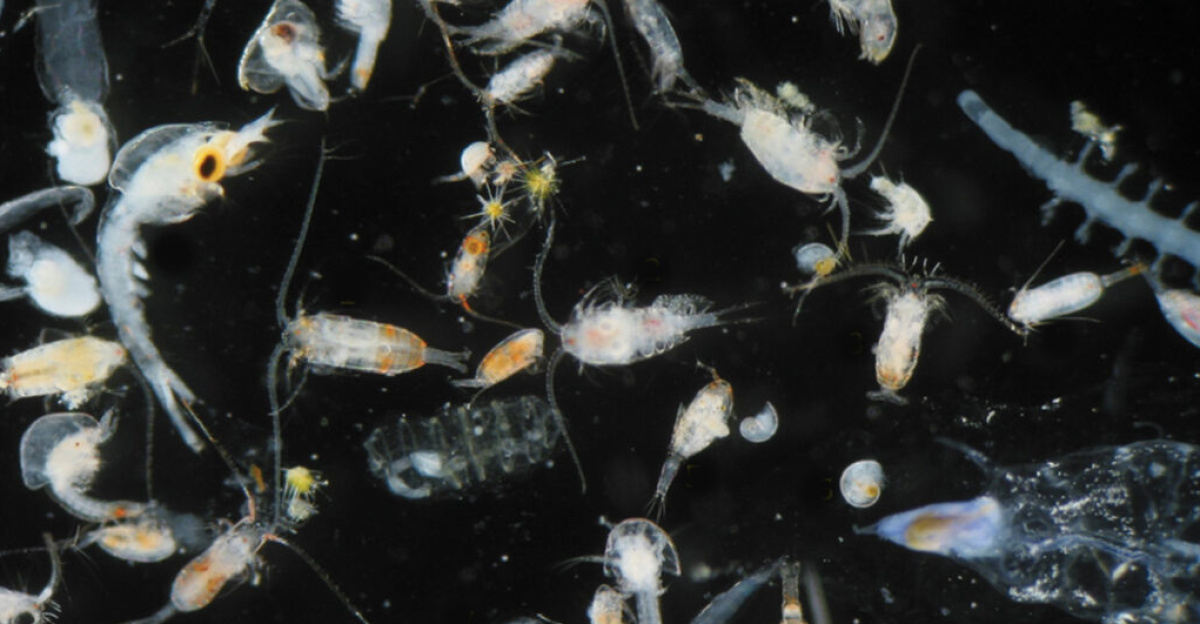
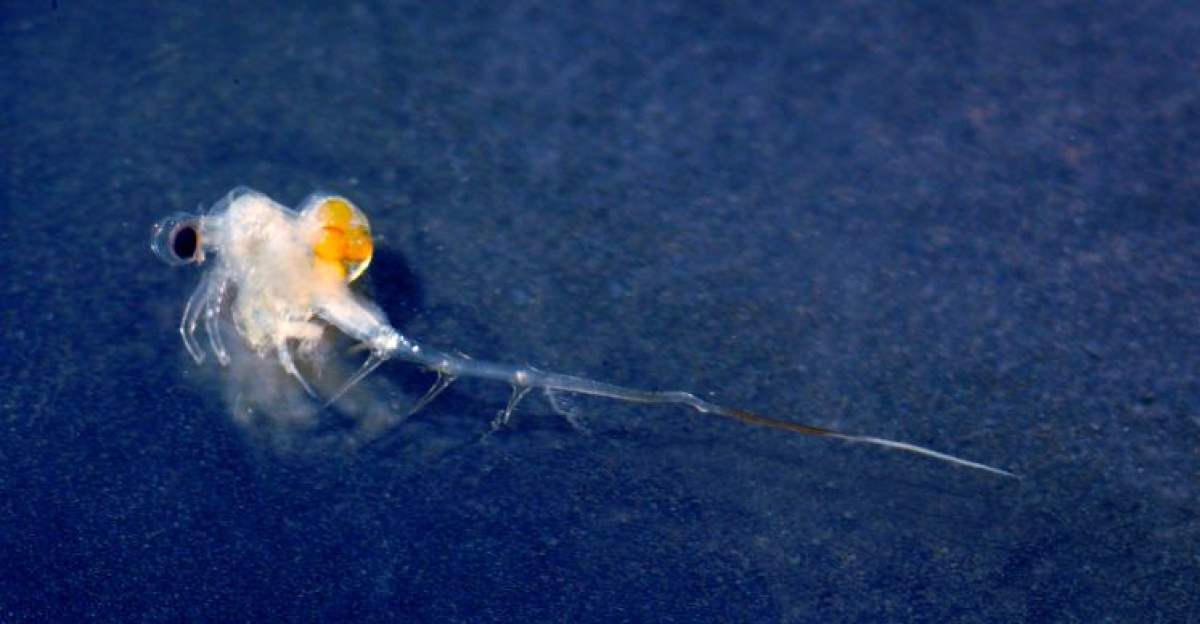
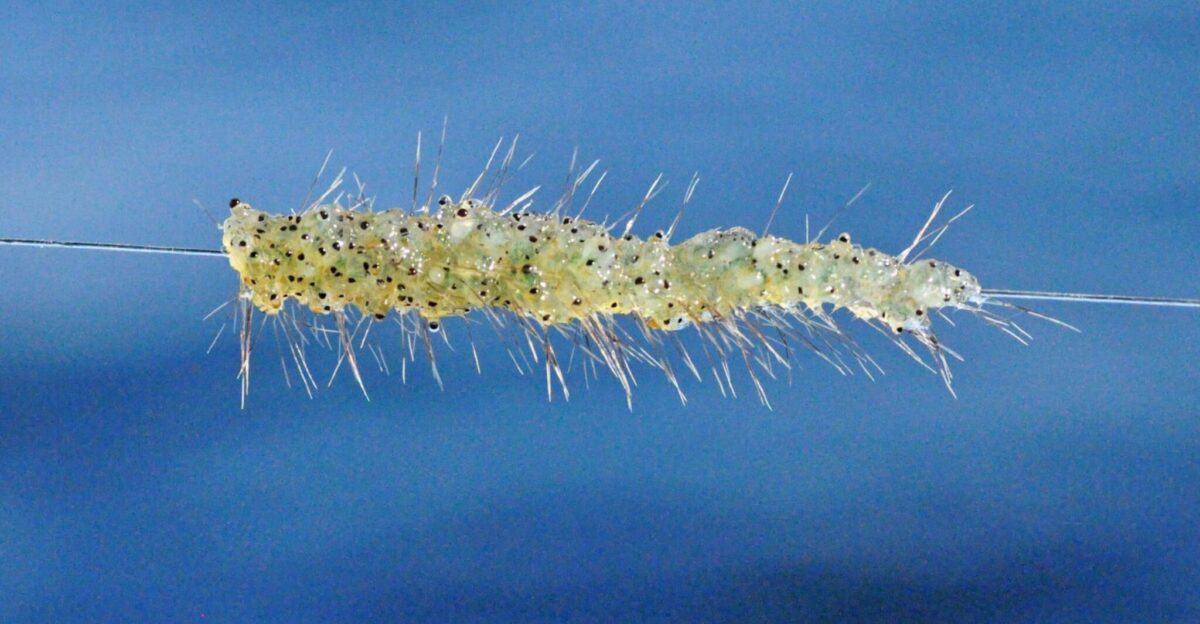
The first sign of trouble did not come from a research lab, but from a Facebook post. A local fisherman’s snapshot of an unusual, gelatinous creature prompted experts to investigate. Their samples revealed the unmistakable spiny tails of the invasive water flea, confirming that the species had already established itself in Newfound Lake. Scientists now believe the infestation likely began seasons ago, quietly transforming the ecosystem beneath the surface before anyone noticed.
The spiny water flea, native to Eurasia, first arrived in North America decades ago, stowed away in the ballast water of European cargo ships. Since then, it has spread relentlessly, moving from the Great Lakes into the waterways of New England. Its arrival in Newfound Lake—a body of water long celebrated for its clarity and ecological health—signals that even the region’s most pristine environments are vulnerable.
Perfect Conditions for an Invasion
Several factors converged to make Newfound Lake susceptible to this invasion. Warmer summers and longer recreational seasons, both linked to climate change, have created ideal conditions for the spiny water flea to thrive. The species is adept at hitching rides on damp boats, fishing lines, and nets, surviving for hours out of water. With increased boat traffic and tourism, each launch ramp became a potential entry point. Human activity, combined with shifting environmental conditions, has accelerated the spread of this aquatic invader.
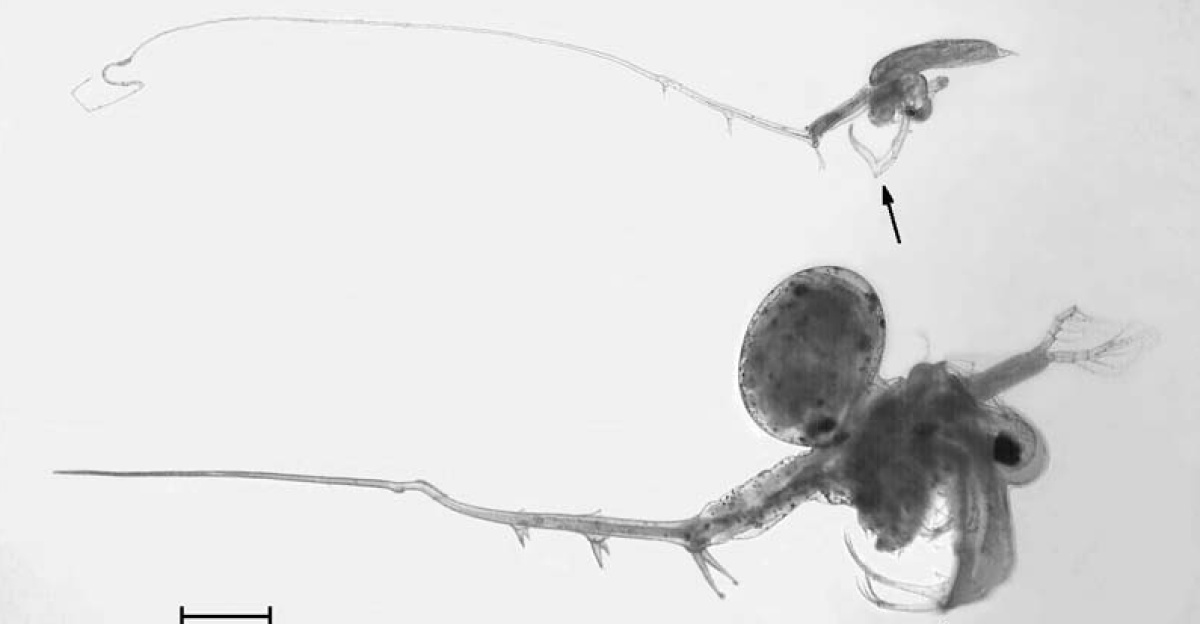
The spiny water flea’s biology makes it especially dangerous. Barely visible to the naked eye, it reproduces rapidly—millions can emerge from a single introduction in just weeks. Its sharp spines can injure fish that attempt to eat it, and there is currently no known method to eradicate the species once it becomes established.
Ecological Dominoes: From Plankton to Property Values
The first victims of the spiny water flea are zooplankton, the tiny organisms that form the foundation of the lake’s food web. Studies from the Great Lakes, where the flea has been present for years, show that zooplankton populations can plummet by up to 50% after an invasion. This loss ripples upward: fish larvae and aquatic insects lose their primary food source, leading to declines in fish populations. In lakes where the flea dominates, species like perch, smelt, and young trout have suffered population drops of 30–40% over a decade.
The ecological impact quickly becomes an economic one. Newfound Lake’s recreation economy, valued at up to $100 million annually, depends on fishing, boating, and tourism. As biodiversity erodes and water clarity declines, the area’s appeal to visitors and property owners is at risk. Algae blooms, fueled by the loss of plankton, can cloud the water and complicate drinking water treatment. Studies have shown that invasive species can also depress shoreline property values, as the quality of recreation and the natural environment diminishes.
Community Response and the Limits of Prevention
In response to the crisis, local organizations, universities, and state agencies have mobilized. The Newfound Lake Region Association, the University of New Hampshire, and the Department of Environmental Services have launched joint studies to monitor the flea’s spread and its impact on the ecosystem. Volunteers now patrol shorelines, collect samples, and participate in citizen science initiatives, uploading data to help researchers track the invasion.
Public education campaigns urge boaters and anglers to “Clean, Drain, Dry” their equipment, emphasizing that even a single neglected bucket can transport thousands of dormant eggs. While these measures can slow the spread, experts warn that eradication is impossible once the flea is established. Prevention and vigilance are now the community’s best defenses.
A Future Shaped by Climate and Caution
The invasion of Newfound Lake by the spiny water flea is part of a broader trend: as climate change warms northern lakes, new species find opportunities to invade. Scientists are racing to develop better detection tools and explore potential biological controls, but for now, the focus remains on containment and adaptation.
The stakes are high. The fate of Newfound Lake—and others like it—will depend on the collective actions of residents, visitors, and policymakers. The story of the spiny water flea is a stark reminder that in an interconnected world, even the smallest invader can reshape entire landscapes, economies, and ways of life.